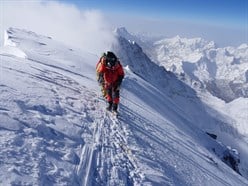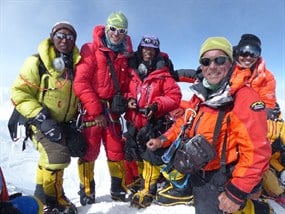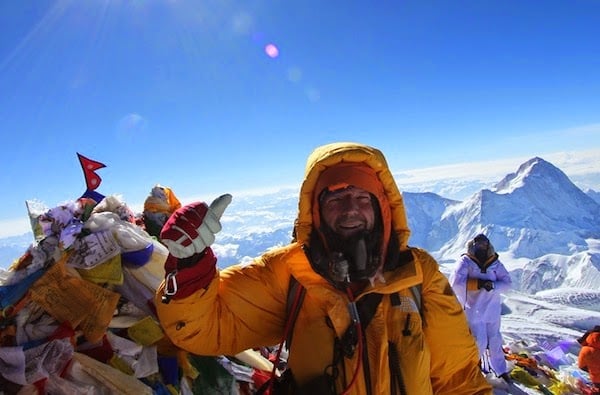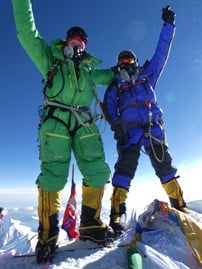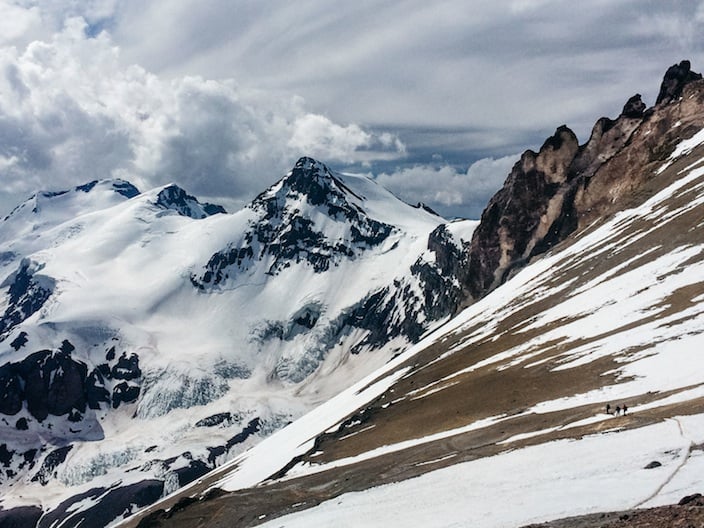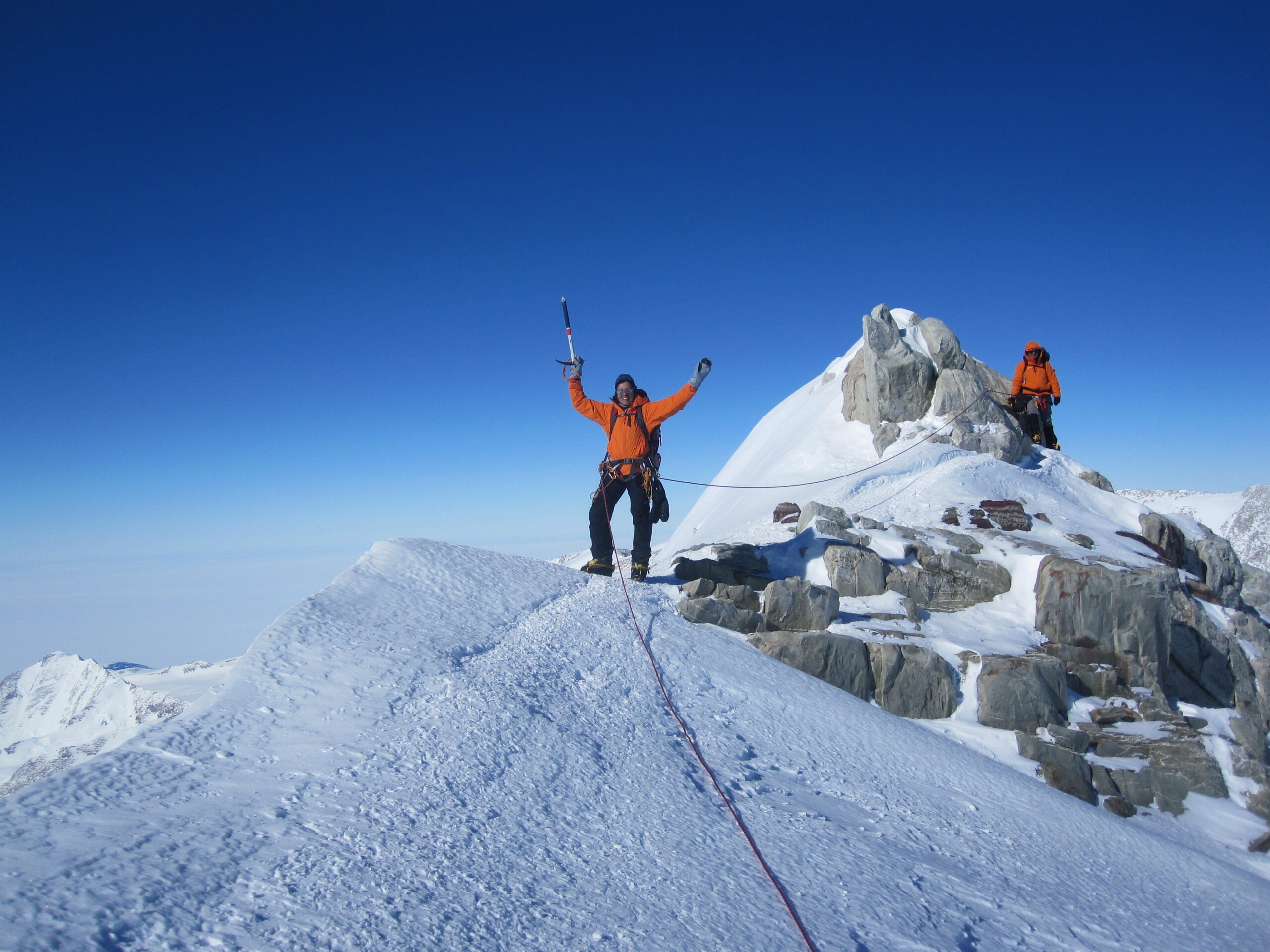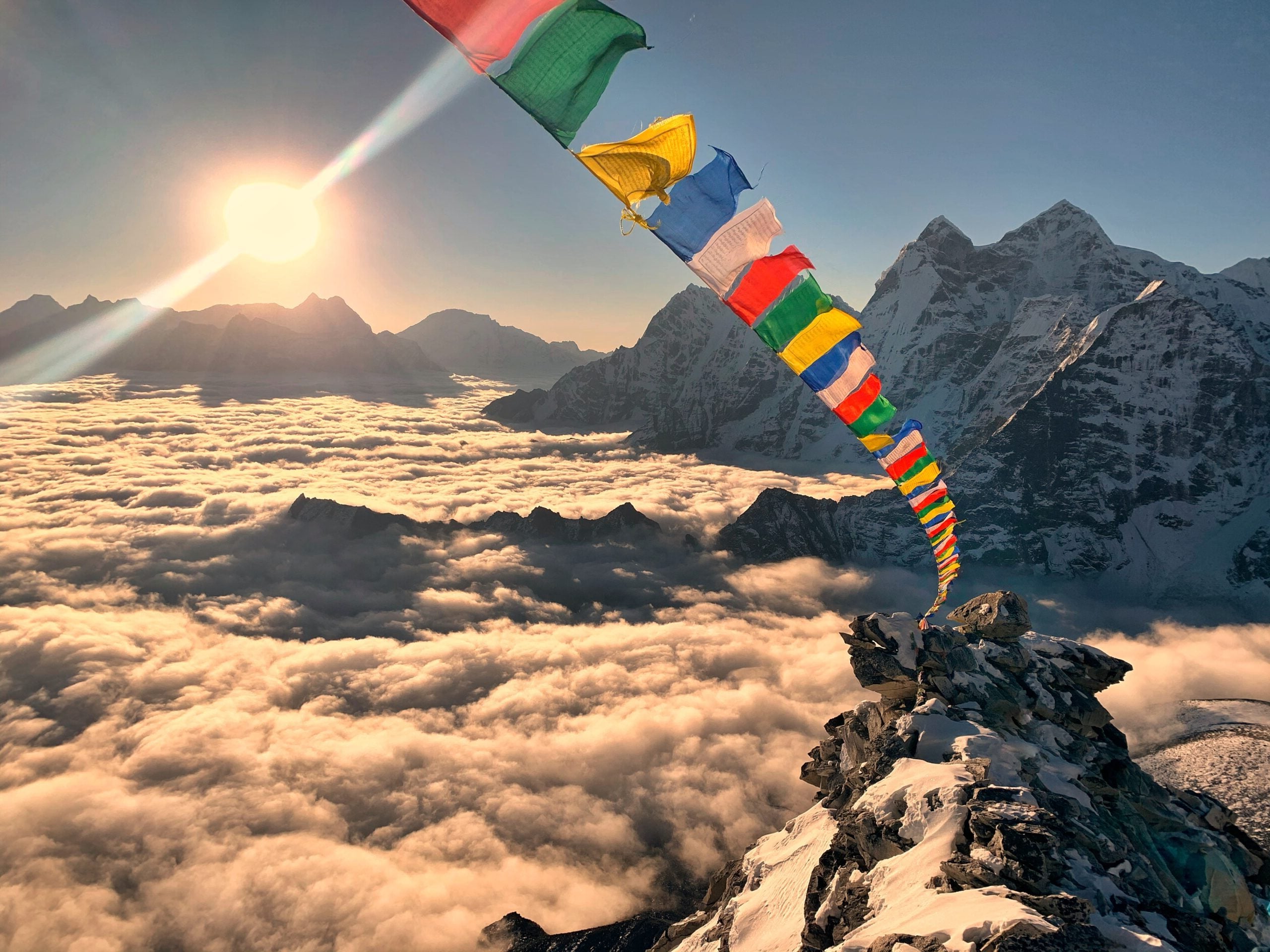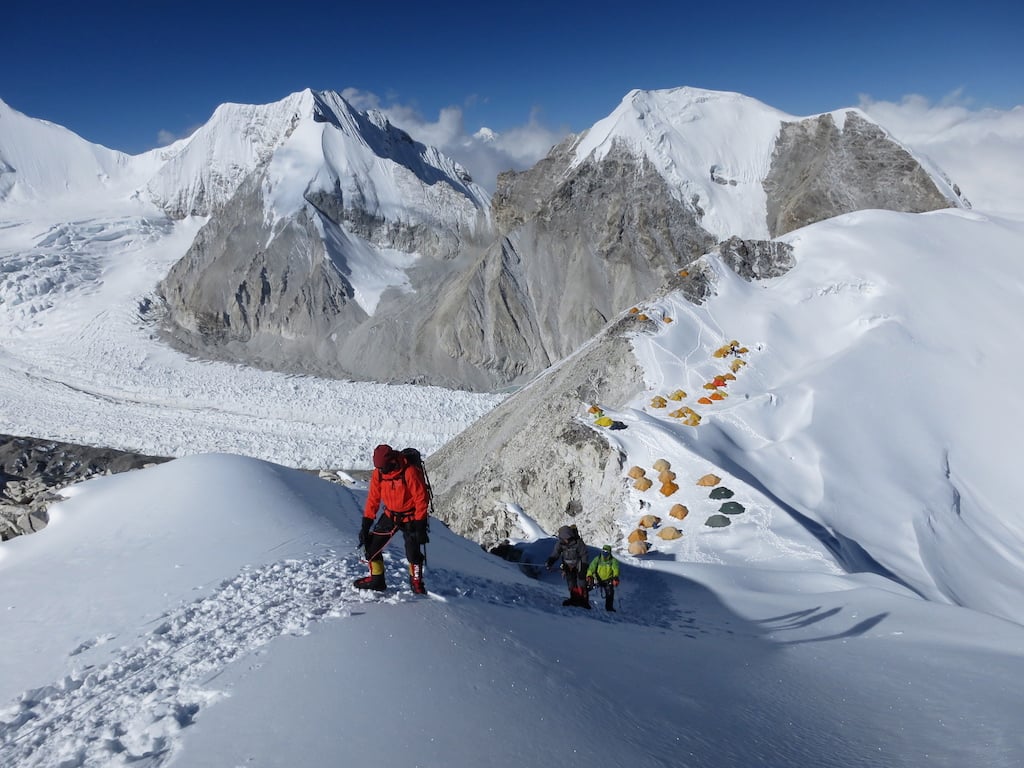




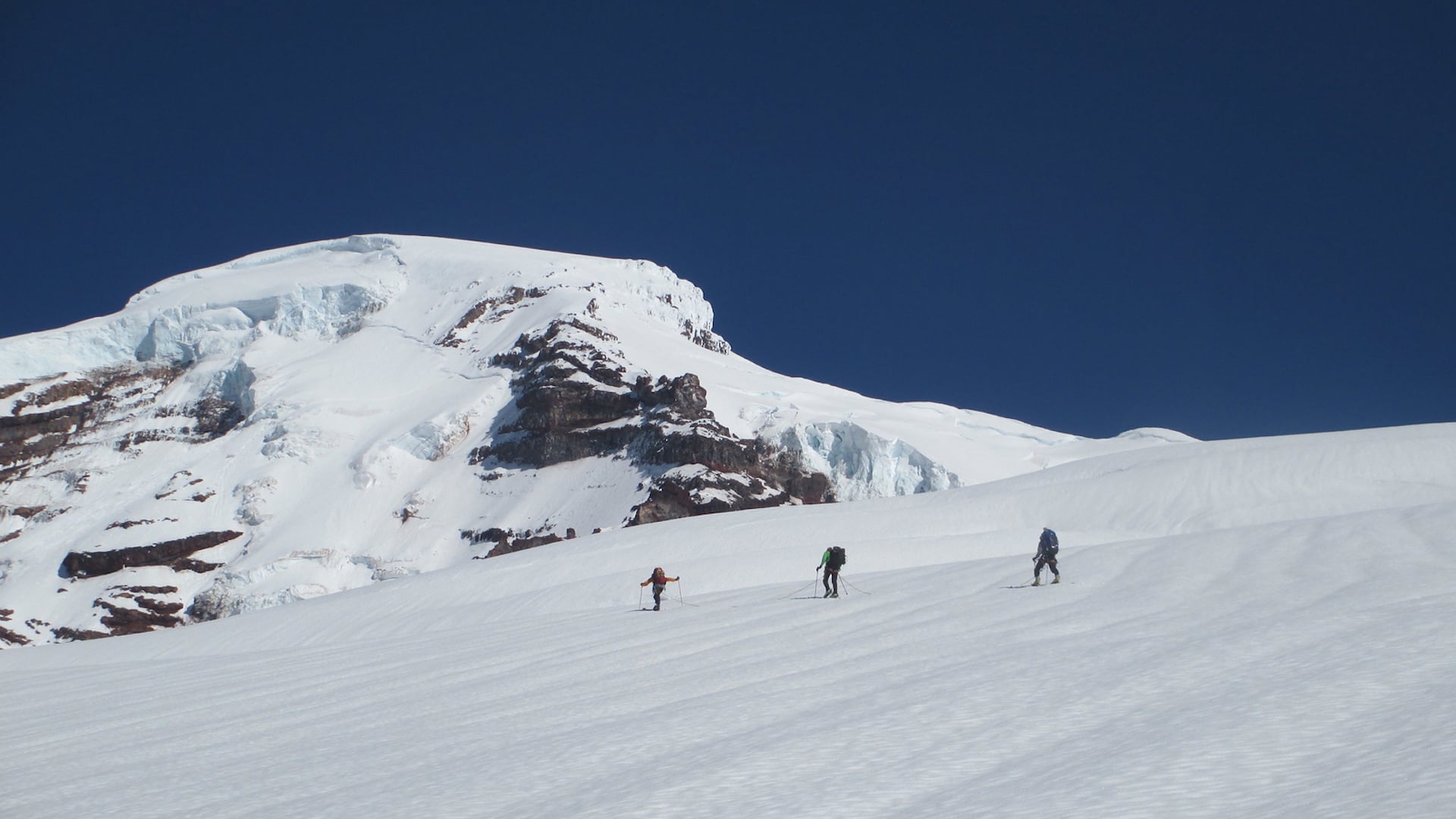



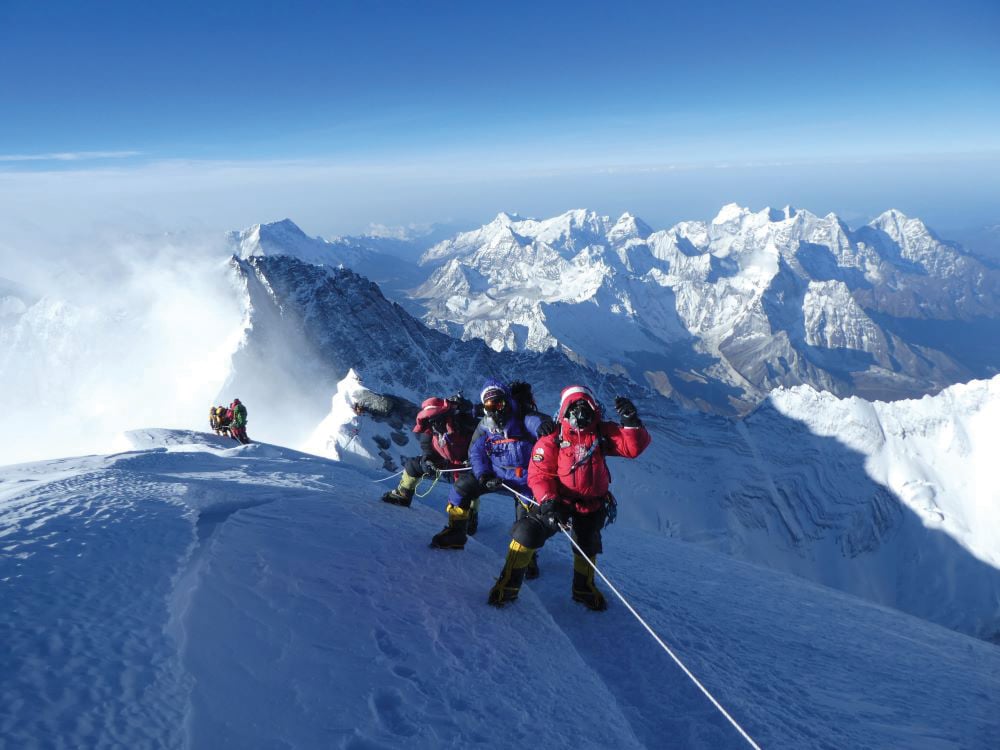



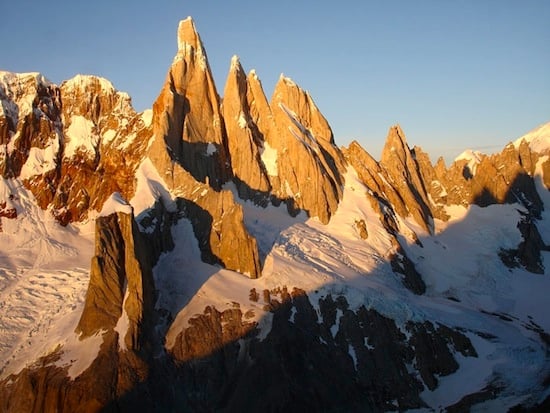


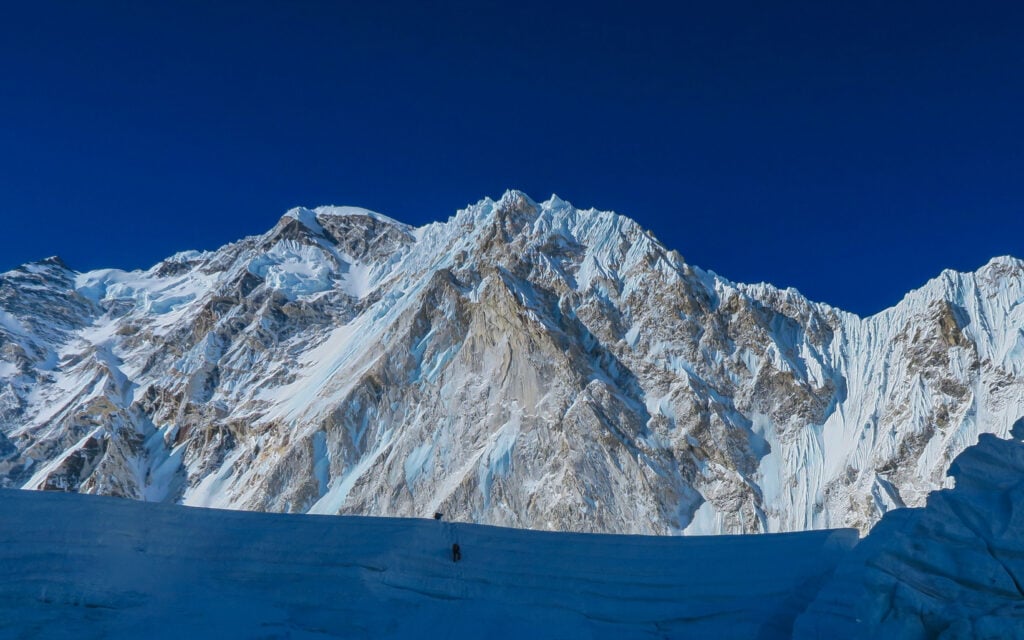
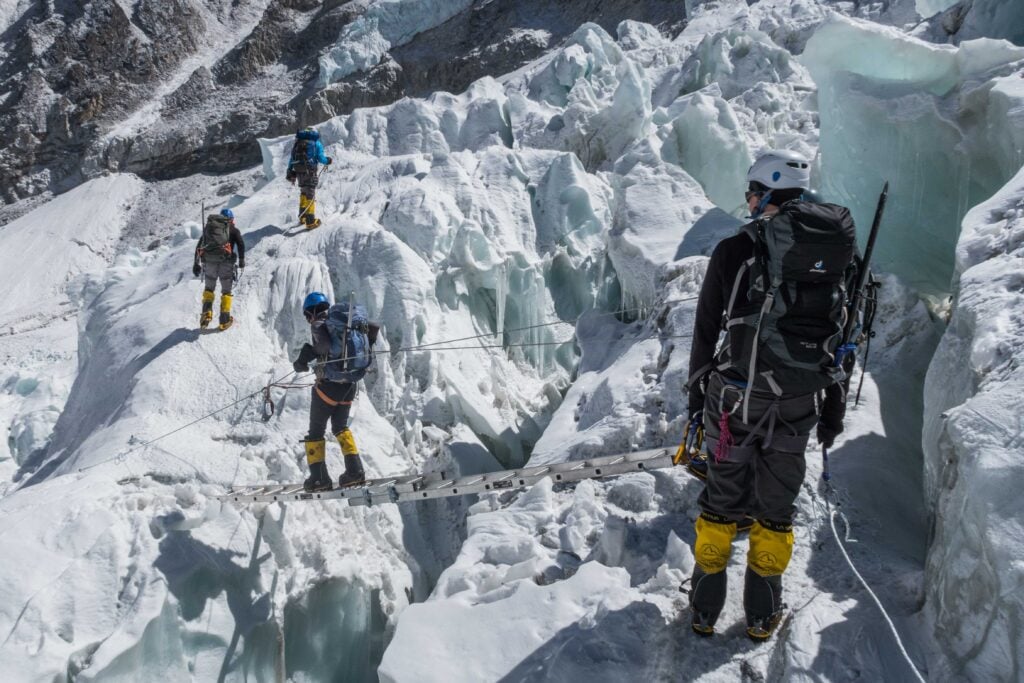
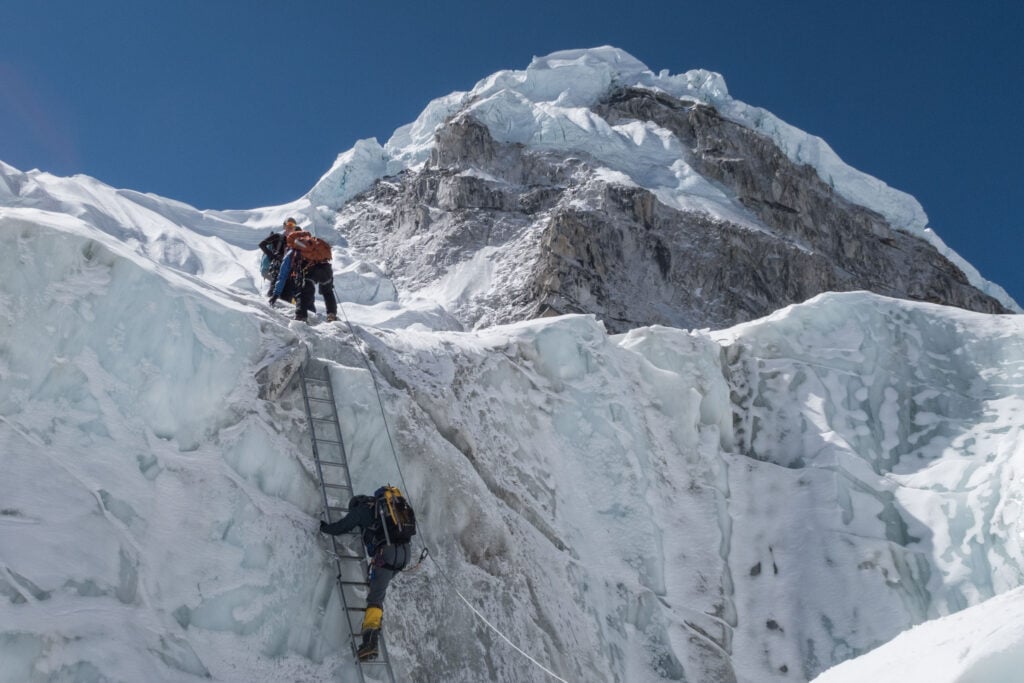
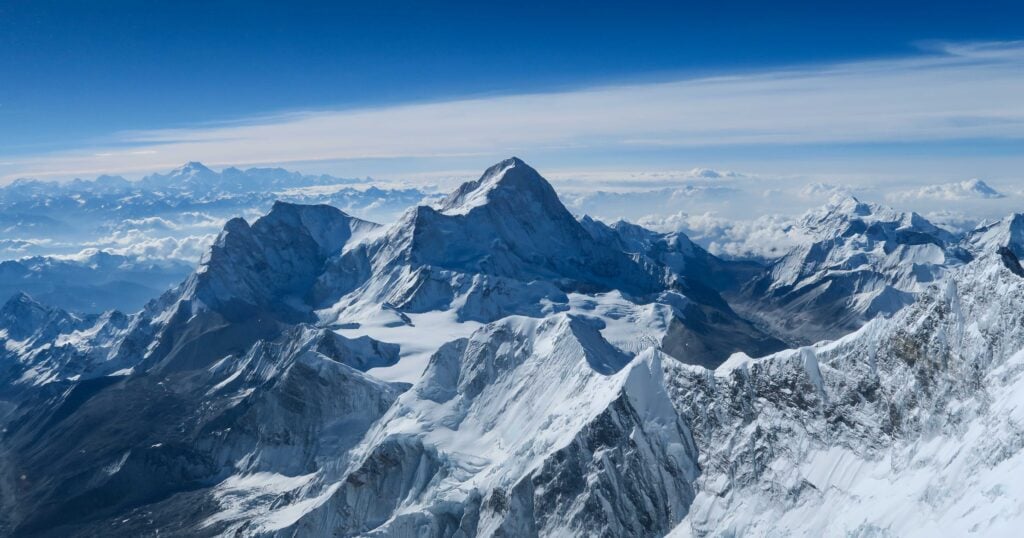
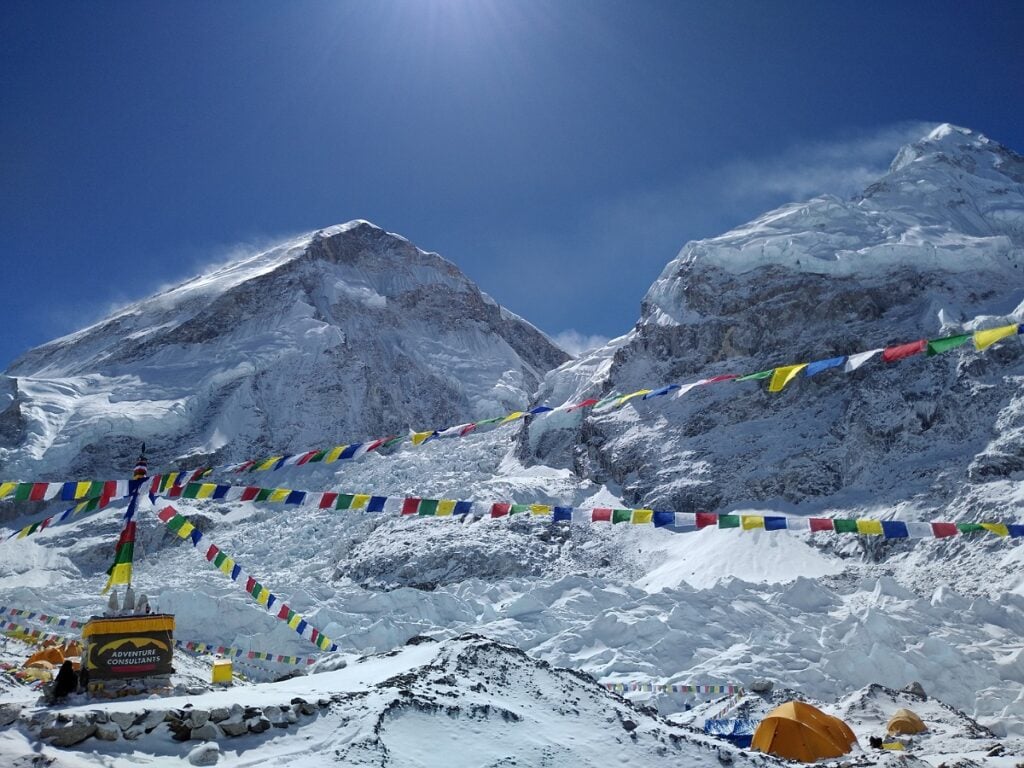
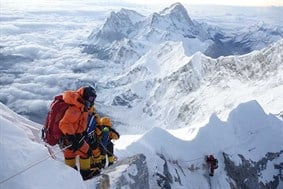
Descending high on Everest after a succesful summit. AAI Collection.
Mount Everest is still the ultimate mountaineering adventure.
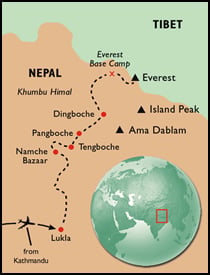
As the highest mountain in the world, Everest has immense appeal and tremendous allure. The storied mountain is positioned in Nepal’s Khumbu, one of the world’s most beautiful mountain regions. An ascent of Everest provides immense personal challenge, a rewarding cultural experience, and a personal connection to a rich history of exploration.
An attempt on Mt Everest is a major undertaking which requires significant climbing experience, solid alpine skills, good mountain judgment, excellent physical conditioning, and a huge amount of dedication and determination. This is THE mountain that many people become climbers for…
Prerequisites:
- Fitness: The need for exceptional physical fitness cannot be over-emphasised. A regular, strenuous program must be followed for many months to achieve the level of fitness required. A tailored mountaineering plan is best for preparation. Please inquire if you are not currently following a tailored plan.
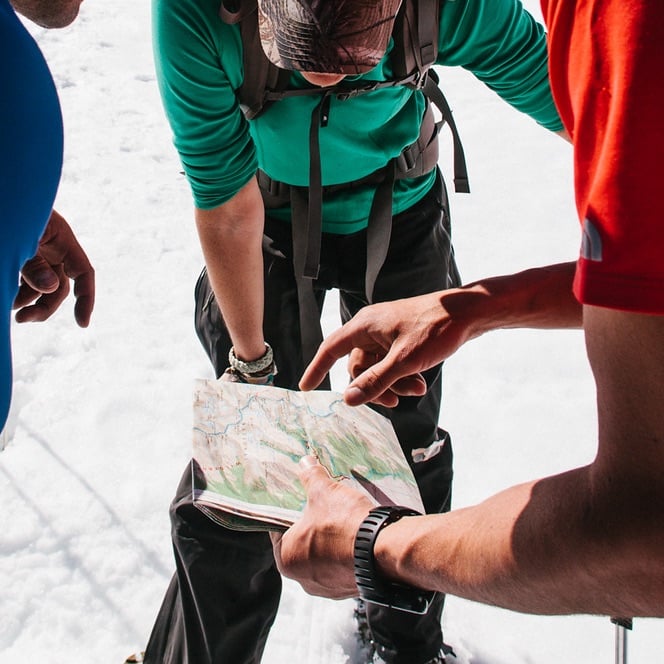
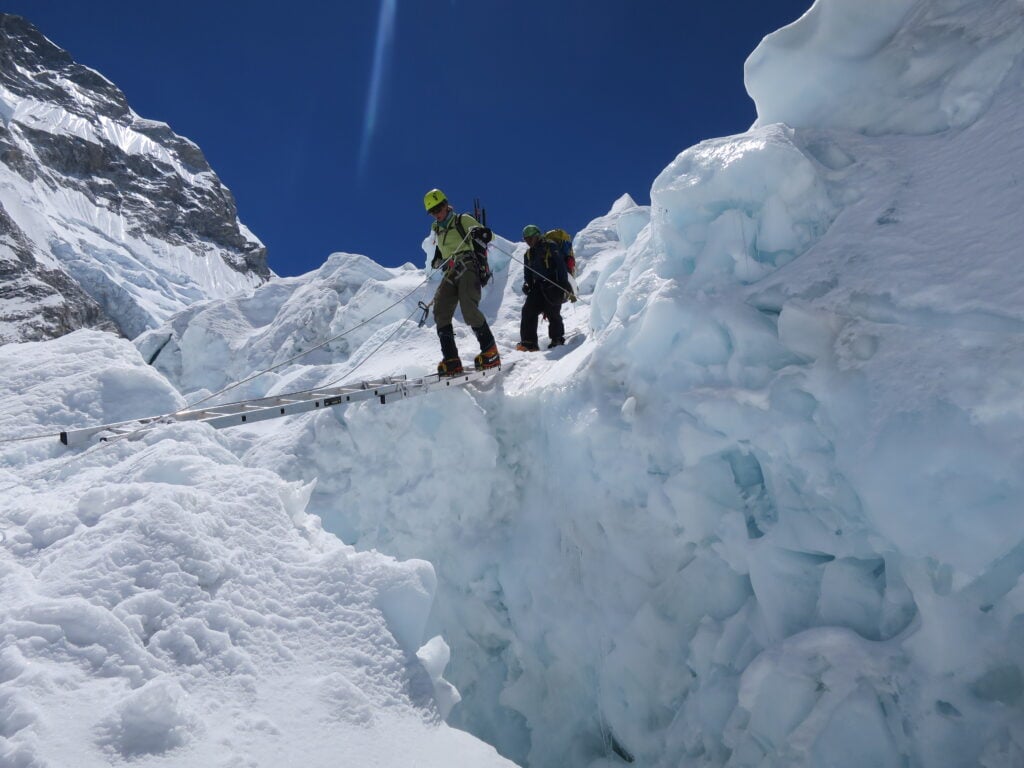
- Technical Experience: You must be able to efficiently climb ice, snow and rock for multiple days in a row. Ideally, climbers have a broad set of skills from basic rock climbing to advanced cramponing on ice, and strong rope skills such as rappelling and ascending. Additionally, you should be comfortable with camp craft and self-care at high altitude.
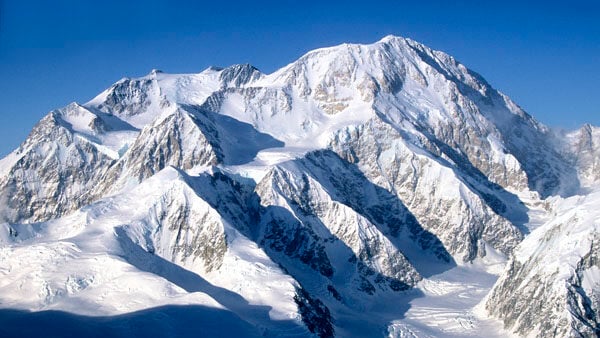
- Altitude: Prior ascents of multiple 6000-7000m peaks are required, and a prior ascent of another 8000m peak, such as Cho Oyu, is strongly recommended. This will allow you to dial in your skills, equipment, and methods of coping in extreme altitudes. An ascent of Denali and/or Aconcagua is required.
 Approach And Route