American Alpine Institute offers a wide array of instructional programs, peak ascents, expeditions, and private programs. Browse the different program types here.
Intensive mountain skills instruction and summit climbs
Group Summit Climbs
Programs (8)
Introductory summit climbs with some skills instruction
Expeditions
Programs (36)
Longer trips in remote locations to ascend major peaks, including the Seven Summits
Private & Custom Trips
Programs (41)
Custom adventures for individuals or groups – with the best-trained guides in the industry
Treks, Tours, & Backpacking
Programs (11)
Full-service, non-technical adventures for all outdoor enthusiasts
Government, Military, & Veterans
Programs (3)
Training for government personnel and vocational programs for veterans using VA benefits
Youth Climbing Programs
Programs (3)
Our youth programs inspire young adventurers to explore the outdoors, build confidence, and develop climbing and leadership skills in a fun and supportive environment.
Mountain Center
Programs (5)
Short classroom and outdoor courses, films, lectures, and other low-cost programming for the local outdoor community
American Alpine Institute offers mountain activities of all kinds, including rock-climbing, ice-climbing, mountaineering, and more. Browse activities here.
This is mountain climbing in its most classic form – over rock, snow, alpine ice, and glaciers, in pursuit of major summits.
Rock Climbing
Programs (37)
Once mere skill-practice for mountaineers, rock climbing is now a highly developed sport, with numerous sub-disciplines such as trad, sport, and aid.
Ice Climbing
Programs (11)
One of the most fundamental skills of mountaineering, ice climbing comprises skills for tackling both waterfall ice and alpine ice/glacier ice.
High Altitude Climbing & Seven Summits
Programs (31)
Climbing the highest mountains in the world is a special discipline of mountaineering, with unique challenges and rewards.
Backcountry Skiing & Boarding
Programs (22)
Guided skiing in world-famous backcountry, and skills instruction for skiers, split-boarders, and ski mountaineers
Avalanche Training
Programs (14)
Avalanche safety training is a must for anyone who ventures into the backcountry in winter, and we offer the gold standard in avalanche education.
Hiking And Backpacking
Programs (15)
Living and moving in the mountains is a reward in itself, and provides the fundamental skills that underlie all mountaineering.
Wilderness Skills
Programs (8)
Those who venture into the wilderness must draw from a deep skill base, including navigation, outdoor cooking, water purification, and countless others.
Outdoor Educator & Guide Training
Programs (15)
Technical and non-technical leadership courses from the AMGA's longest-accredited guide service
Technical Rescue & Medical
Programs (8)
Industry standard technical rescue and wilderness medicine instruction
Climbing the Seven Summits - even with top guides - requires a wide array of mountaineering skills and knowledge. AAI's Seven Summits training course is based on a phased approach that prepares you for the upcoming climbs in your progression. In addition to providing a solid grasp of all the fundamental tools and techniques of the mountaineer, the course provides intensive preparation for cold, altitude, and expedition conditions.
The Seven Summits draw a special breed of climber. Since the publication of “Into Thin Air” in 1996, high-altitude climbing in general and the Seven Summits in particular have only gained greater appeal. The popularity of the Seven has led to improved access and services for climbers, but it has also led to problems. Too many climbers take shortcuts in their preparation, compromising both enjoyment and safety.
The Seven Summits present a wide range of significant climbing challenges. Sometimes slighted by specialists as “walk-ups”, in reality they include summits that require a solid skill base in rock, ice, and snow climbing, in addition to outstanding endurance and altitude tolerance. Especially since the move to replace Mount Kosciusko in Australia with New Guinea’s Carstensz Pyramid on the main summit list, the project has come to be accepted as a considerable achievement by the climbing elite.
To complete the Seven, a climber must have skill training in all the major sub-disciplines of climbing with the sole exception of steep waterfall ice. These skills include:
General mountaineering skills such as ice-axe use and self-arrest, French crampon technique, and glacier travel practices
Alpine rock climbing and ice climbing at a moderate difficulty level
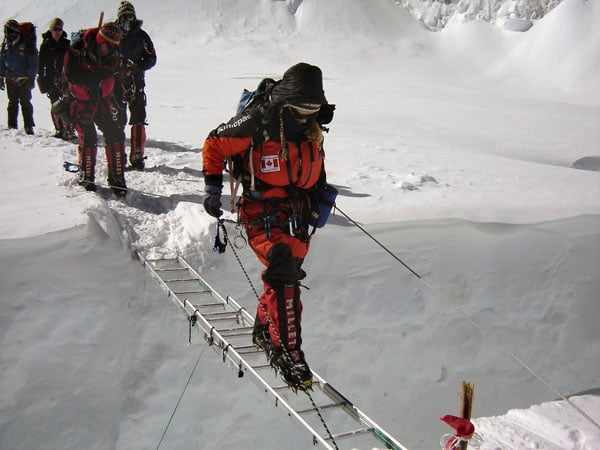
High-altitude and cold-weather mountaineering, camp fortification, and use of ladders and fixed lines.
AAI’s Seven Summits Program comprises four distinct components. The completion of these components will dramatically increase your likelihood of success on the Seven Summits.
Training Phases
Following is a breakdown of the four training phases and some select ways to achieve the skills required to climb the Seven Summits.
The best entry point for someone interested in the Seven Summits is AAI’s six day Alpinism 1 program. This program covers all aspects of glacier mountaineering, including snow and ice climbing, glacier mountaineering, and crevasse rescue. In addition to these technical skills, climbers also develop baseline skills in mountain living.
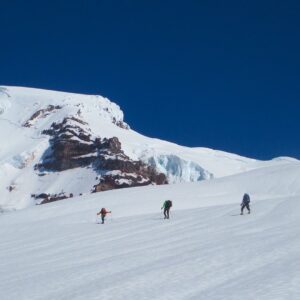
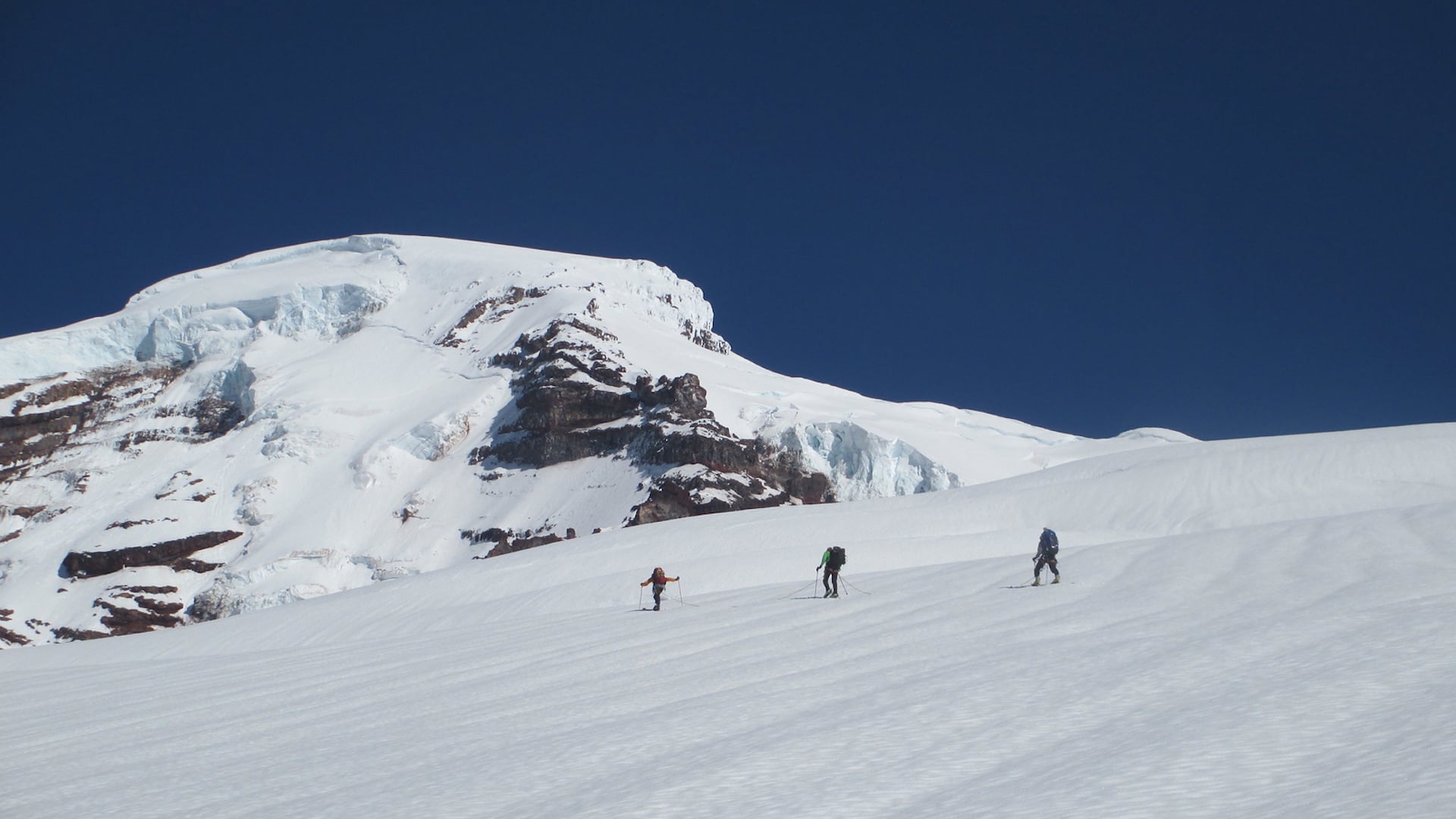
Climbers high on Mt. Baker on an Alpinism 1 program.
AAI also offers a women’s specific and LGBTQ Alpinism I programs. These are identical to the co-ed programs and are taught by female instructors for the women’s programs and LGBTQ guides for the LGBTQ programs. Note the dates on the program page.
Phase 2: Cold Weather Expedition Training
There are three programs that should be considered for cold weather and expedition training. Any one of them will suffice, but taking more than one will certainly increase your skills and retention of the material.
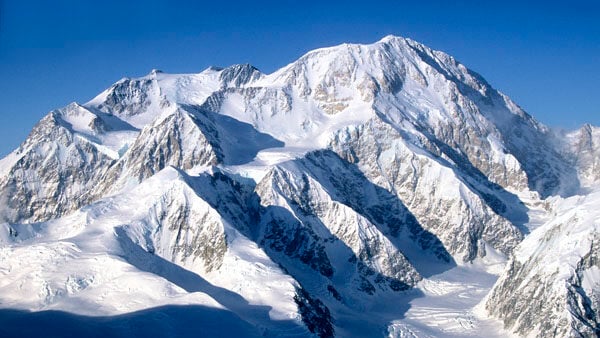
This program was designed specifically to prepare people for an ascent of the highest mountain in North America, Denali (Mt. McKinley). The program reviews the techniques used for general mountaineering, like crevasse rescue and glacier travel, while also inserting some Denali specific skills, like camp fortification and the use of fixed lines.
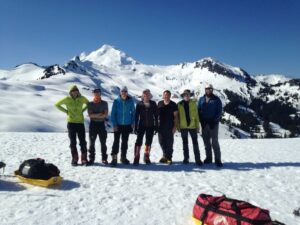
A team poses in the Mt. Baker Backcountry on a Denali Prep program. AAI Collection.
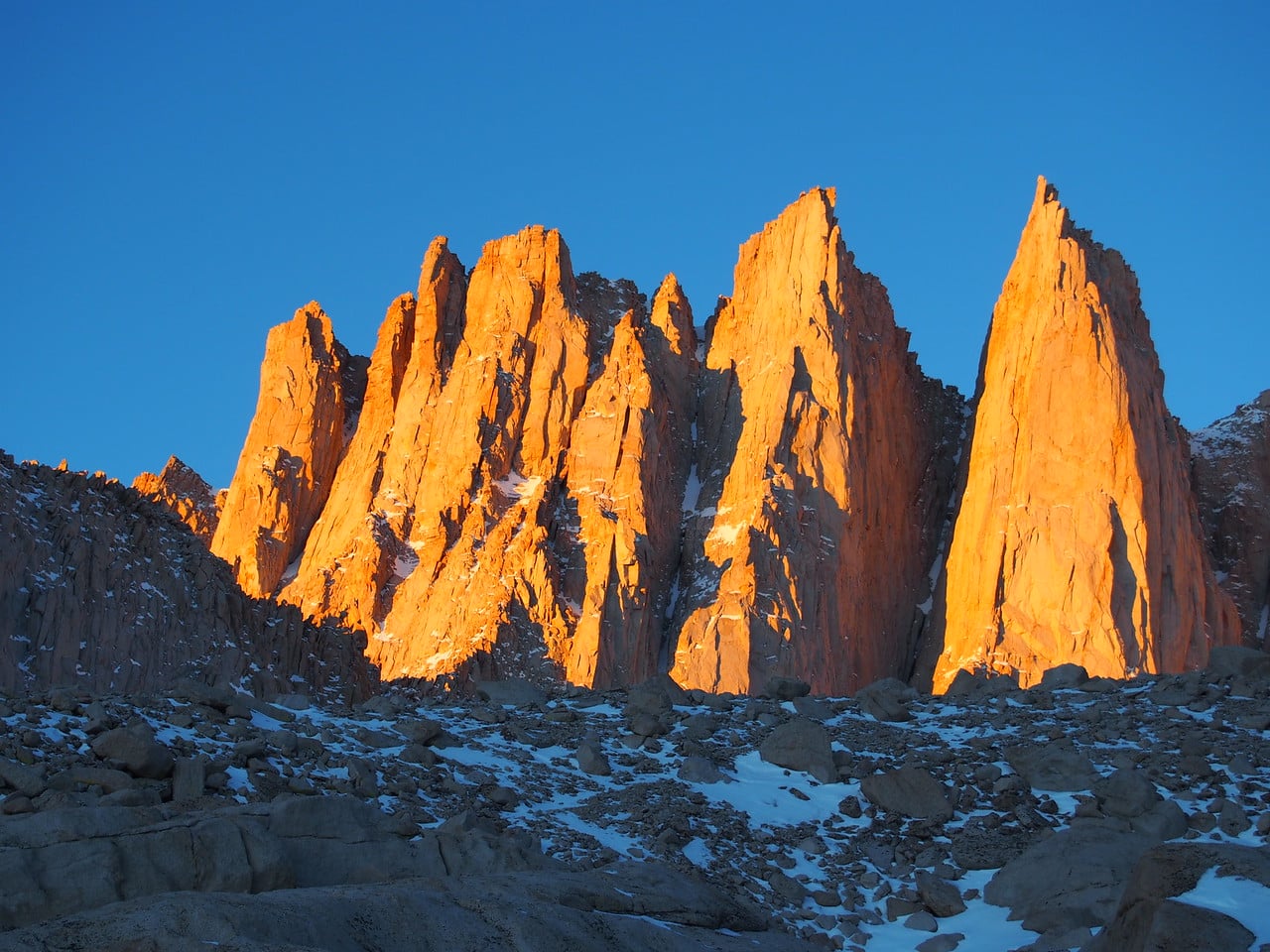
The goal of the Sierra Winter Mountaineering program is to climb Mt. Whitney (14,505ft/4,421m) in winter conditions. Mt. Whitney is the tallest mountain in the Lower 48 and an ascent during the winter is a serious endeavor. This program will expose you to winter mountaineering skills, cold weather and altitude.
The value of an Alaska Range Mountaineering program is that it is a mini-expedition into the wilds of Alaska. The program allows you to experience all the elements of a big mountain expedition while making ascents on smaller objectives. This program could be considered a longer version of a Denali Prep, as many of the same skills are covered.
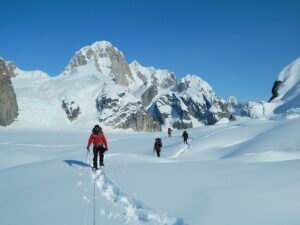
Exploring on an Alaska Range Mountaineering course. Paul Rosser.
Phase 3: Alpine Rock Training
In many ways, the Alpine Rock phase is the easiest phase to accomplish. AAI has a wide array of rock climbing programs in both the summer and the winter throughout the western United States. However, the most obvious option would be to take the six-day Alpinism 2: Intermediate course in Washington State. The curriculum builds upon what an individual has already learned in an Alpinism 1 program. The goal of the program is to climb both alpine rock, and to climb a mixed glacier and rock objective.
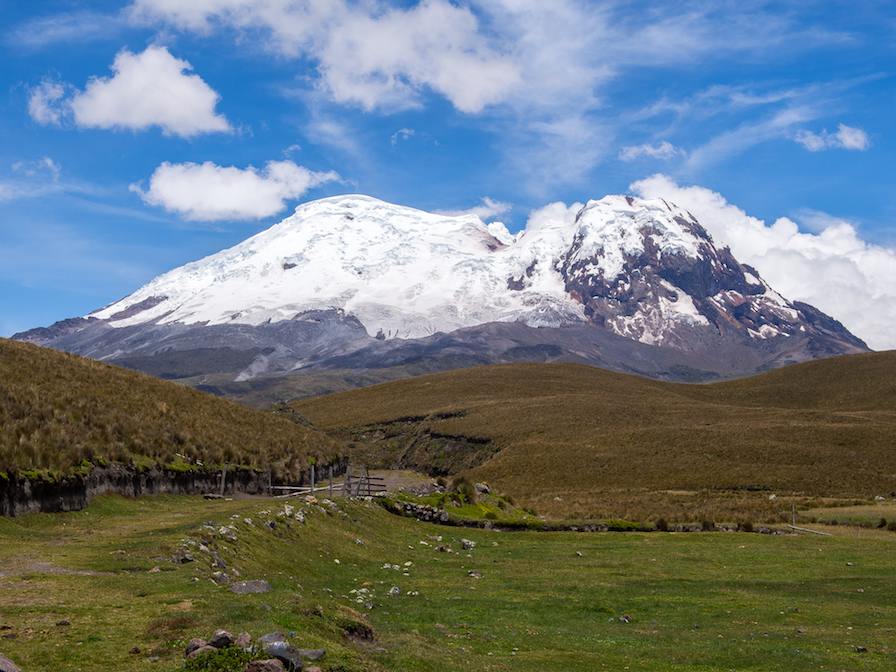
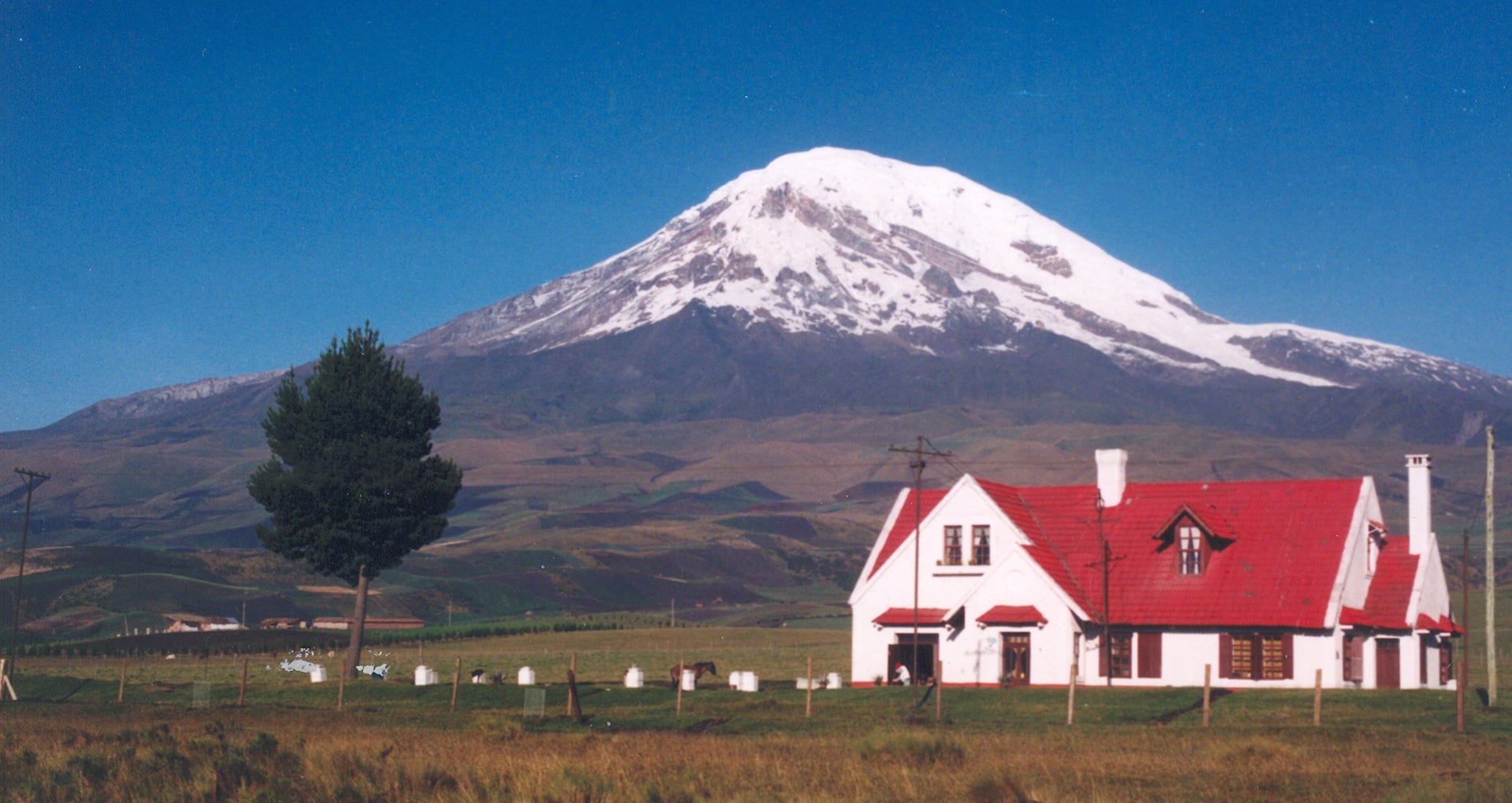
This program has two seasons, November through March and May through July. The peaks in Ecuador are extremely high, all over 17,000-feet. And Chimborazo is the tallest mountain in the world from the center of the earth. Success here indicates a high likelihood of success on complicated and high peaks like Denali. This may be one of the easiest places in the world to both work on glacier mountaineering skills, as well as high altitude skills.
Cotopaxi erupting during one of its active phases. Romel Sandoval.
Customization
The reality is that most people that view this page have some mountain skills. Maybe you’ve done dozens of backpacking trips. Maybe you’ve been winter camping your whole life. Maybe you’ve climbed a few peaks. Or maybe this is all new to you…
Regardless of where you are at within your mountain journey, the reality is that you will likely need some counsel to provide you with the best path to success given your specific background. To receive customized recommendations, call 360-671-1505 or email info@alpineinstitute.com.
A core piece of mountain knowledge is the ability to handle a crevasse fall should one take place on your team. Alasdair Turner.
Get Started
Training Program Details
Inquire to build a training program that fits your needs.
Custom Dates / Private Trip
This program can be booked as a private trip with custom start and end dates. Pricing depends on number of participants and number of days.
The National Park Service offers a very limited number of concessions to outfitters and guides only after a rigorous qualification process. AAI has run Denali expeditions since 1980 and has been an Authorized Concessioner since the start of the program in 1983.
United States Forest Service
The Unites States Forest Service (USFS) manages our National Forests for recreation, logging, grazing, and a variety of other uses. American Alpine Institute partners with the USFS and holds permits to operate in National Forests all over the western US.
AMGA Accredited Program
The American Mountain Guides Association (AMGA) oversees technical mountain guides in the United States. The organization credentials instructors and guides, while also accrediting guide services. AAI's Instructors and Guides receive AMGA training and operate within guidelines set by the organization. AAI has been accredited continuously since 1986, longer than any other U.S. guide service.
Leave No Trace
Leave No Trace (LNT) inspires responsible outdoor recreation through education, research, and partnerships, all centered around the 7 Principles of Leave No Trace. AAI Instructors and Guides are trained to practice the Leave No Trace principles and to educate their participants to do the same. AAI was the first guide service world-wide to receive the LNT Gold Standard designation.
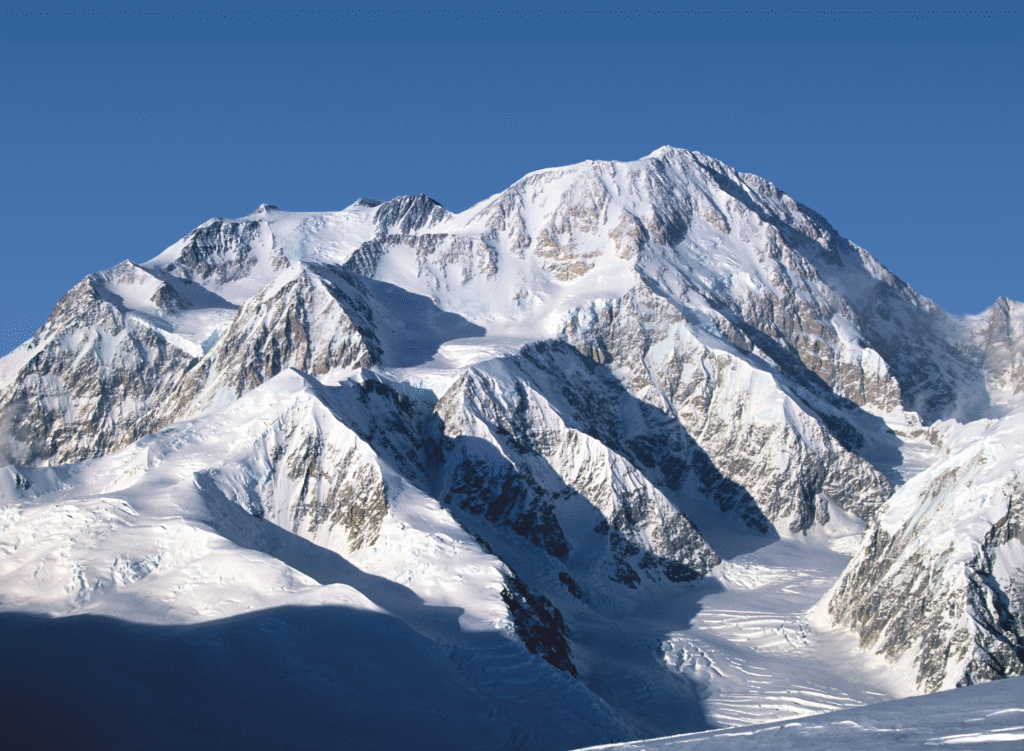
The American Alpine Institute’s Denali program is built to provide the safest and most successful guided expeditions on North America’s highest peak. We achieve this through a commitment to continuous … Read more
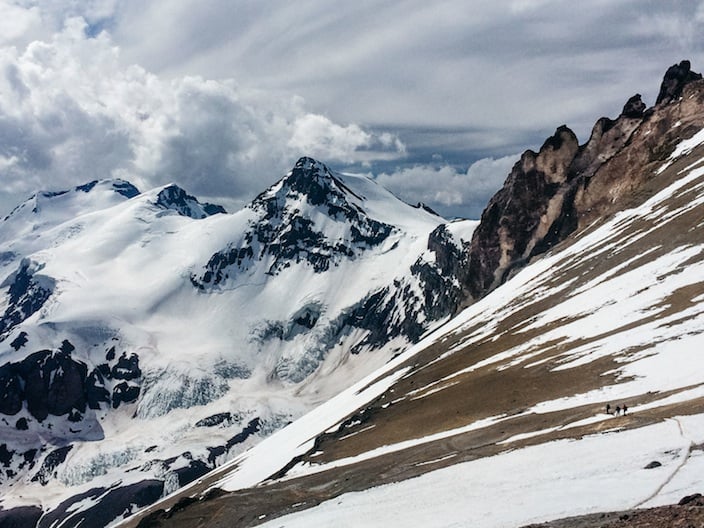
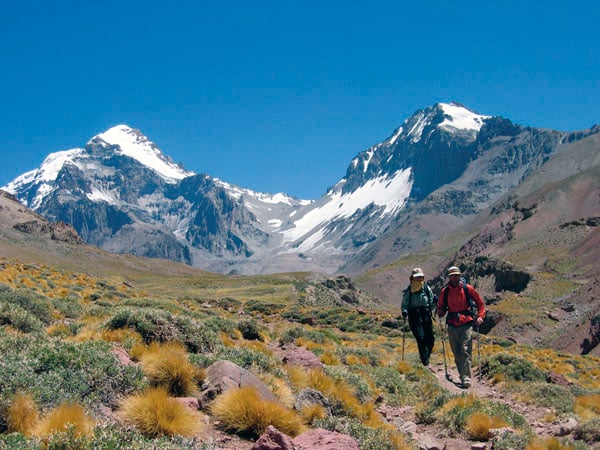
Located near the western edge of Argentina’s famous wine-producing province of Mendoza, Aconcagua rises to a height of almost 23,000 feet – the highest summit outside the Himalaya. The American … Read more
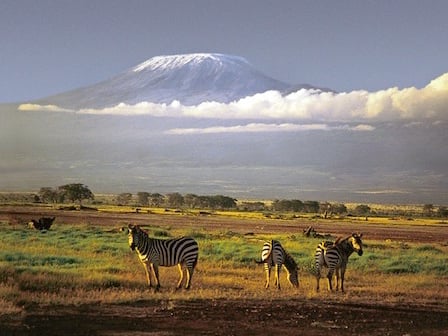
Ascend the “Roof of Africa” with the American Alpine Institute, where world-class expertise meets the ultimate high-altitude challenge. At 19,341 feet, Kilimanjaro stands as the crown jewel of the Seven … Read more
Elbrus is the highest mountain in Europe and one of the Seven Summits, reaching well over 18,000 feet in Russia on the divide between Europe and Asia. While the mountain … Read more
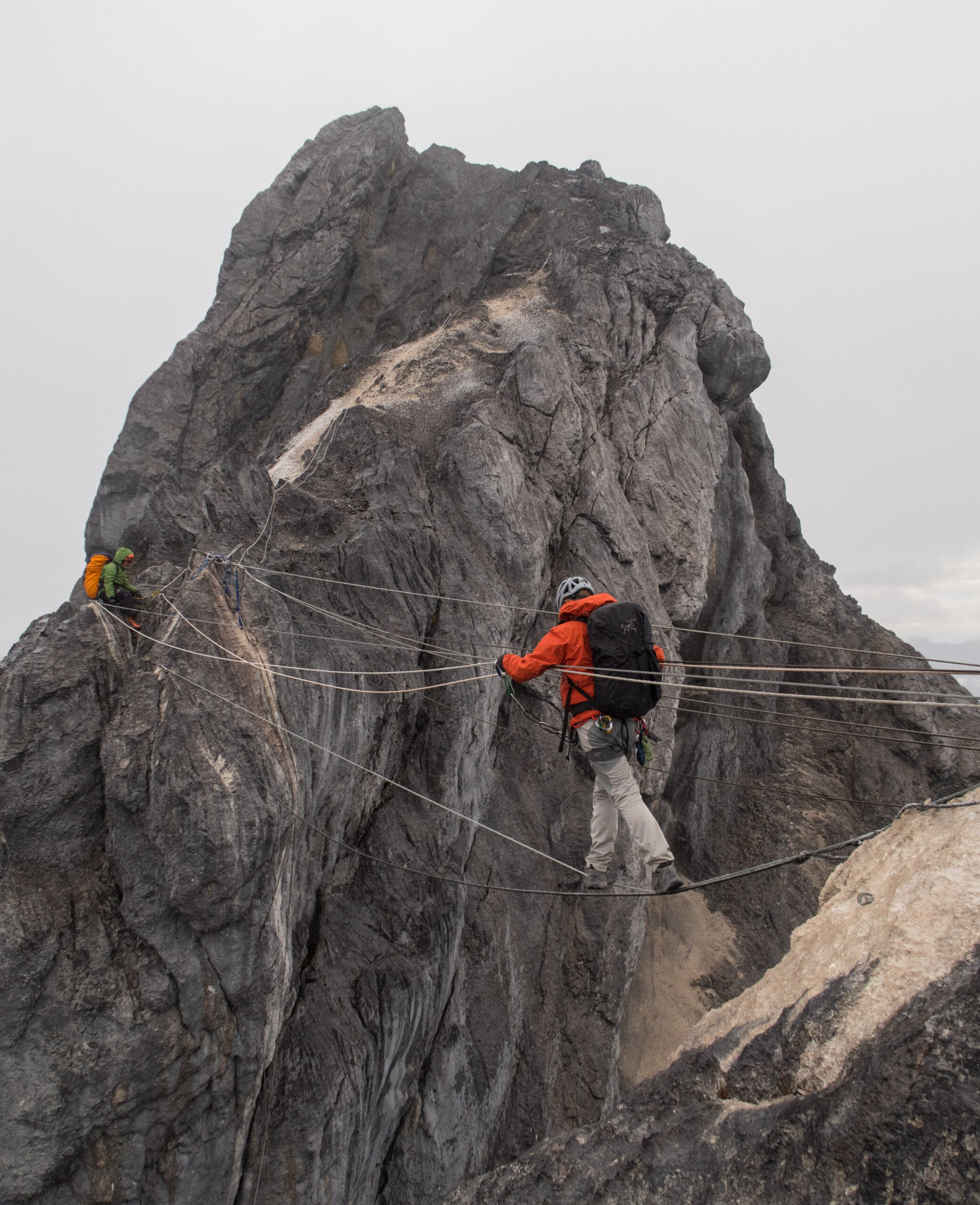
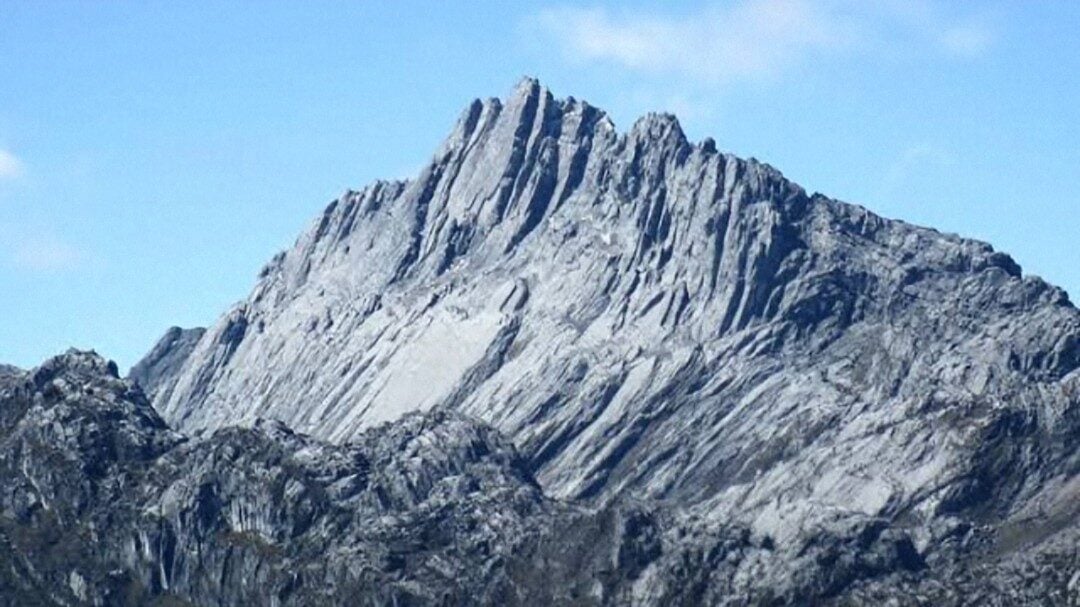
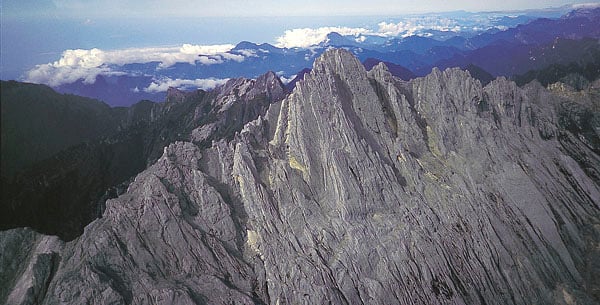
Rising like a shark’s fin out of the mist of a jungle far below, 16,024-foot/4884-meter Carstensz Pyramid is the highest peak in Australasia and one of the most remote of … Read more
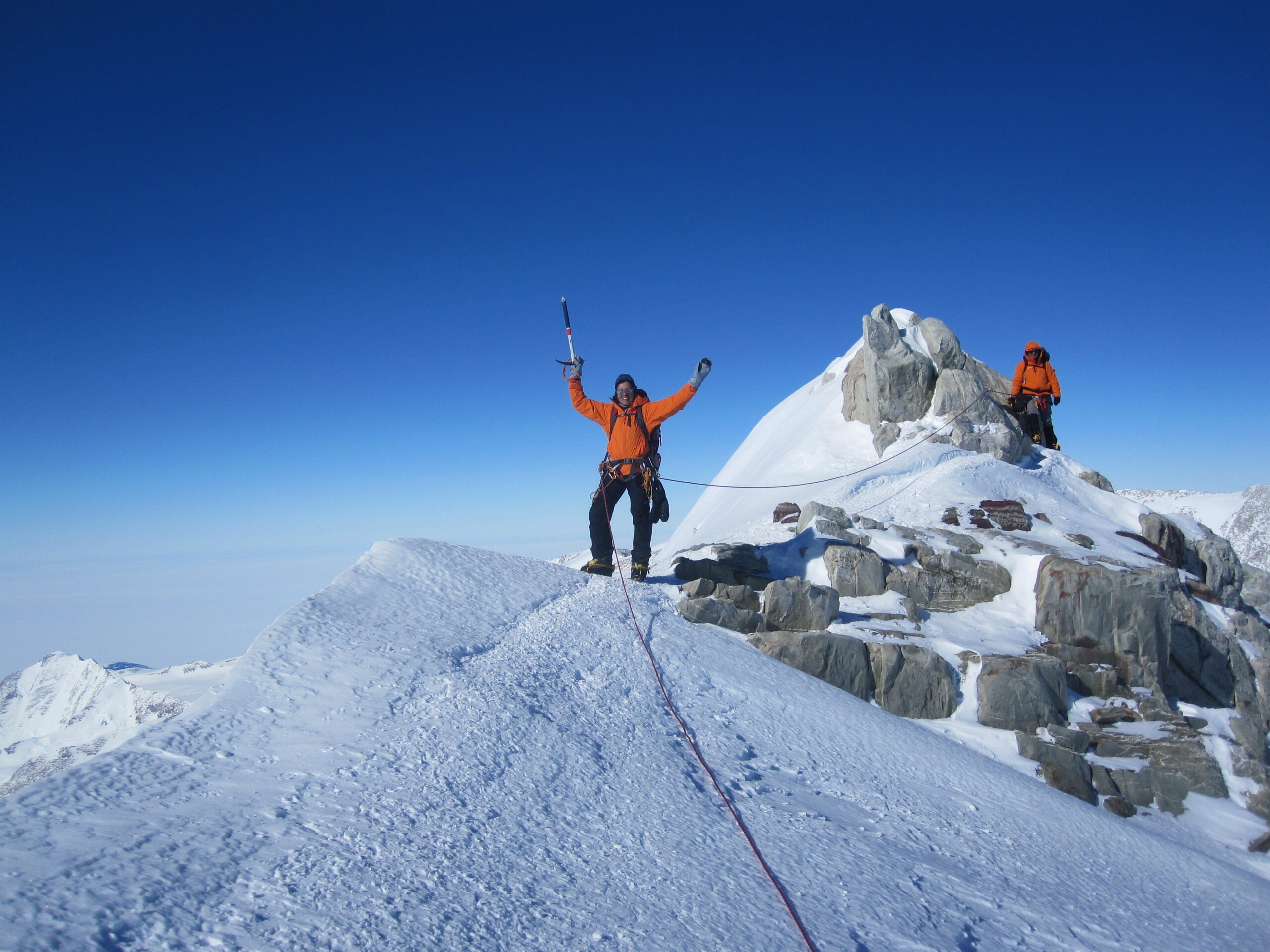
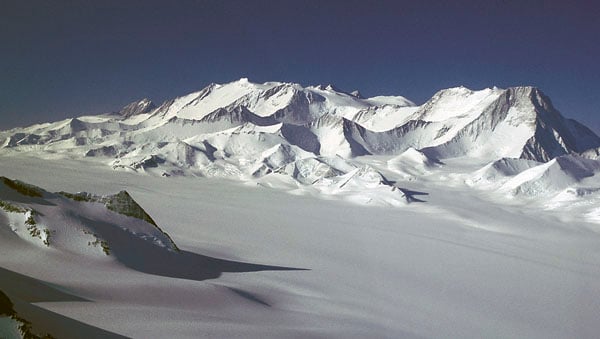
Vinson Massif is Antarctica’s highest mountain, reaching 16,050 feet (4,892m) in the heart of the Ellsworth Mountains. Located 700 nautical miles from the South Pole, the mountain was first climbed … Read more
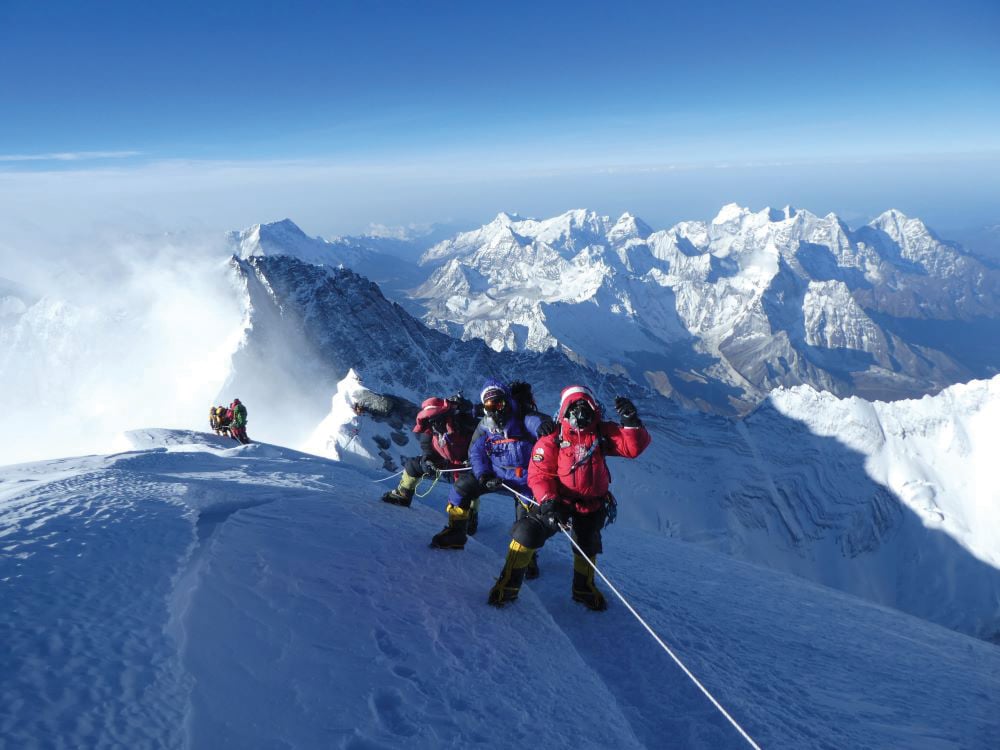
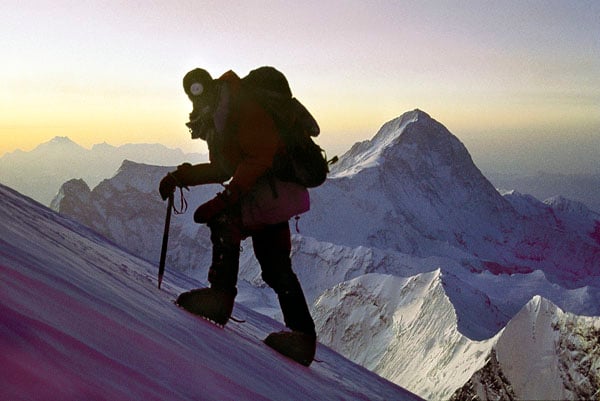
Descending high on Everest after a succesful summit. AAI Collection. Mount Everest is still the ultimate mountaineering adventure. As the highest mountain in the world, Everest has immense appeal and … Read more















 Training Phases