








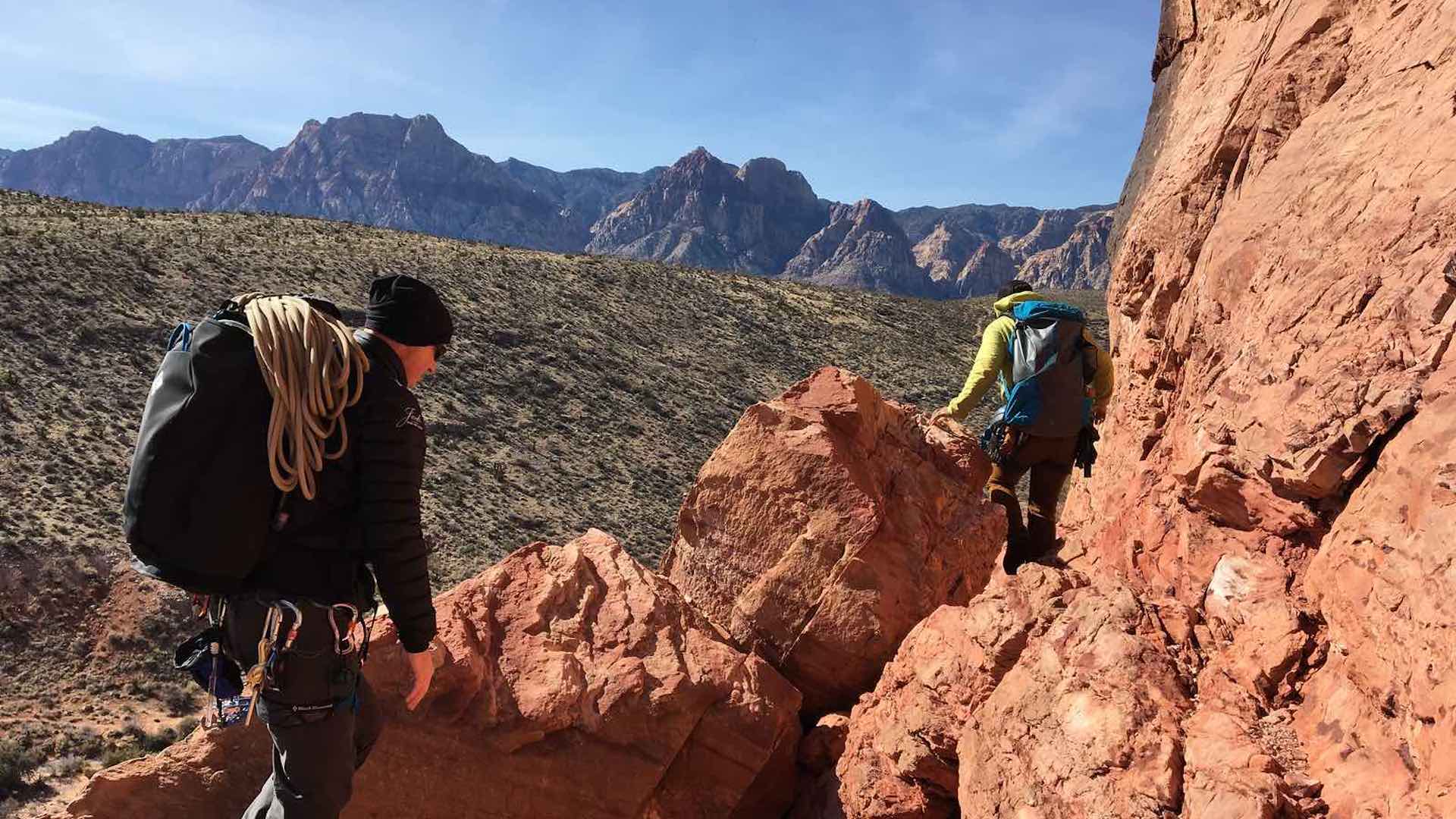

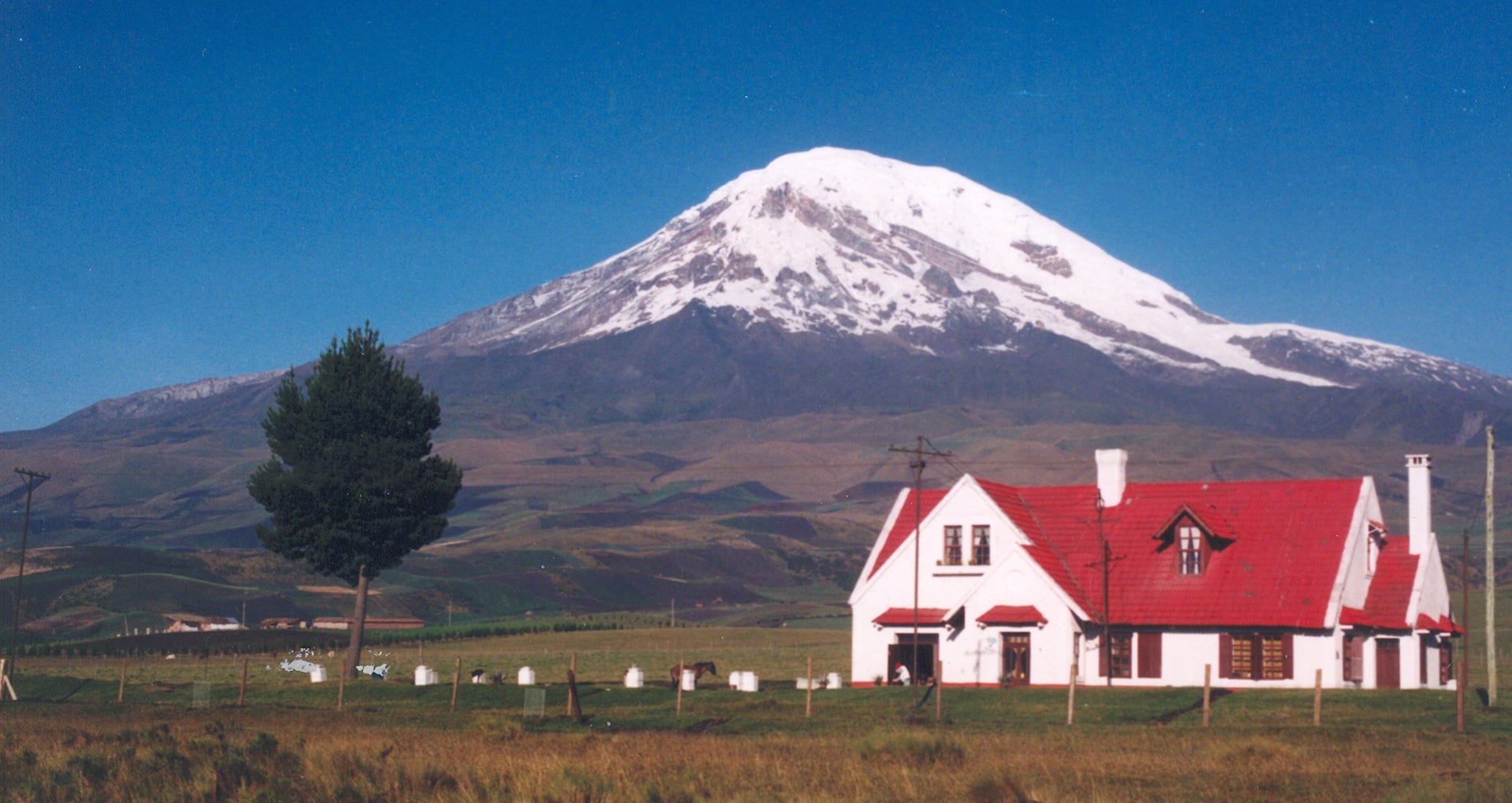
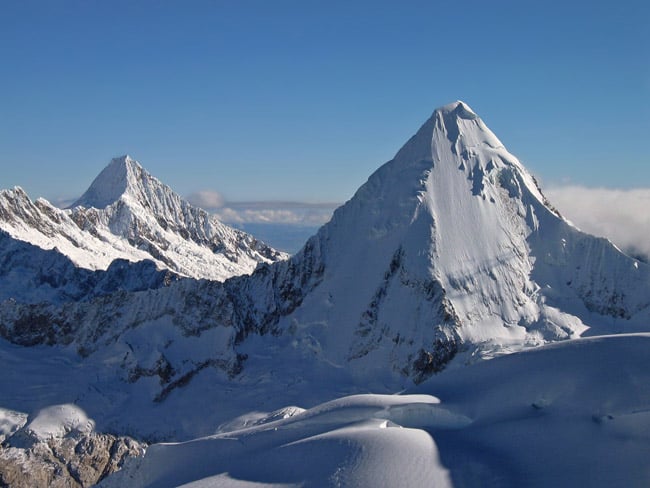
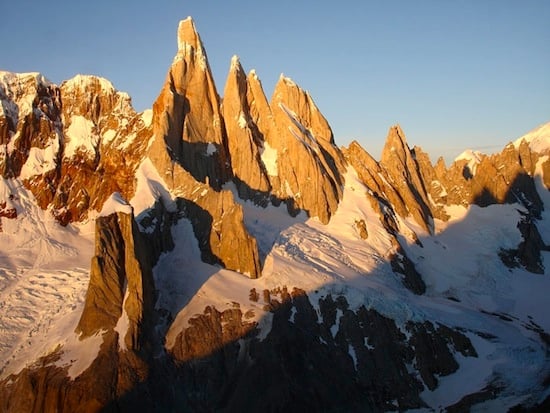

Whether you want technical skills practice, a 14,000 foot summit, or a classic alpine route, the Eastern Sierra offers it all. By booking private guided climbing, our guides meet you at your level, pace, and timeline. Private trips are completely customizable and are offered every month of the year. While days like these are excellent as standalone instruction, many climbers return to the Sierra each year to tune up their skills before tackling high mountain goals and complicated ascents.
Guided Alpine Climbing in the Sierra
What John Muir called "the most divinely beautiful of all the mountain ranges" still holds the same allure and beauty in the eyes of many modern climbers, whether they are drawn to ascents on pure rock, snow, or alpine ice, or those media in combination. The potential for climbing in the area is immense. Sun-drenched granite with splitter cracks sits side-by-side with shaded couloirs that sometimes hold névé and alpine ice through the summer. The American Alpine Institute offers a full range of and private courses and guided ascents encompassing that remarkable Sierra diversity - from 14,000 ft. summits to to a day climb at Crystal Crag.
View Available Dates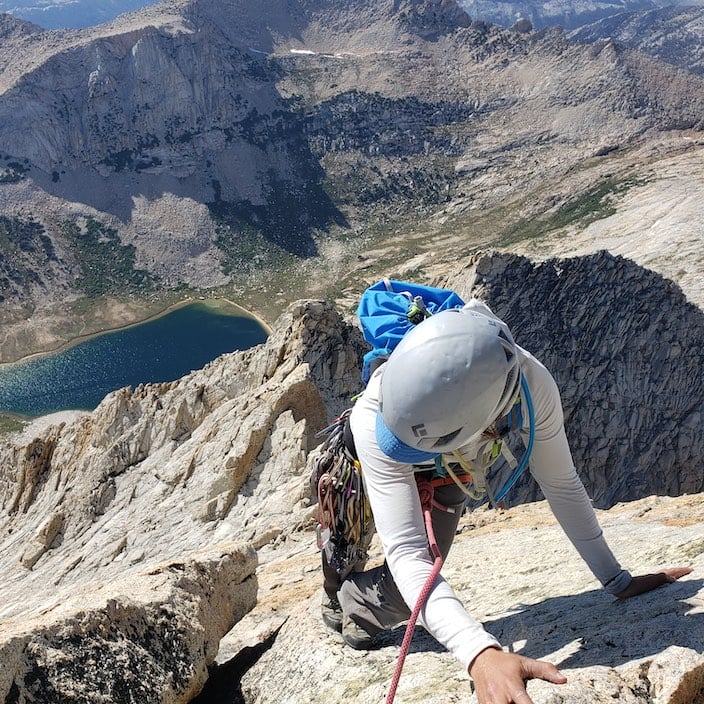
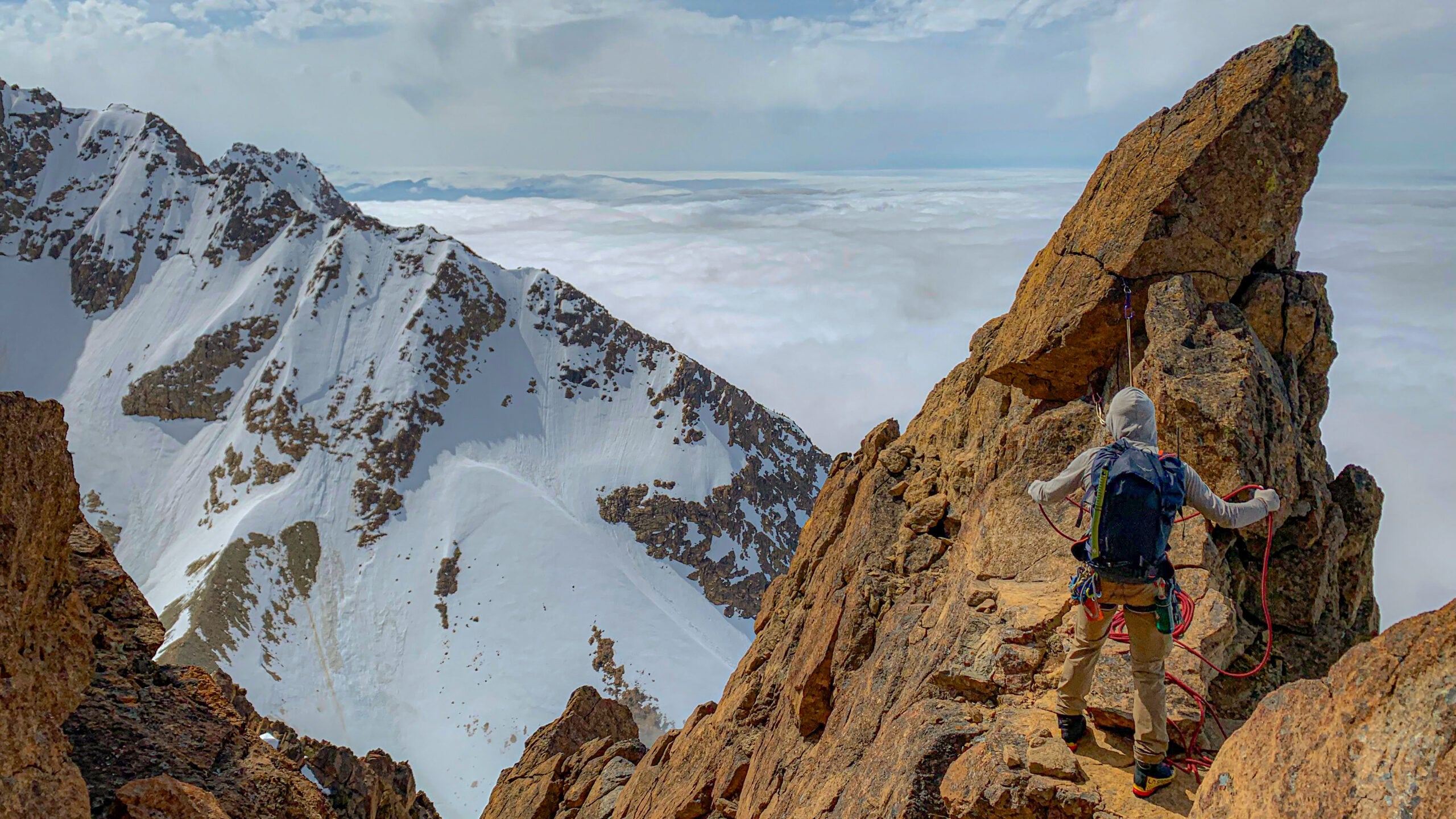
Climber on Mt. Conness. Kevin McGarity
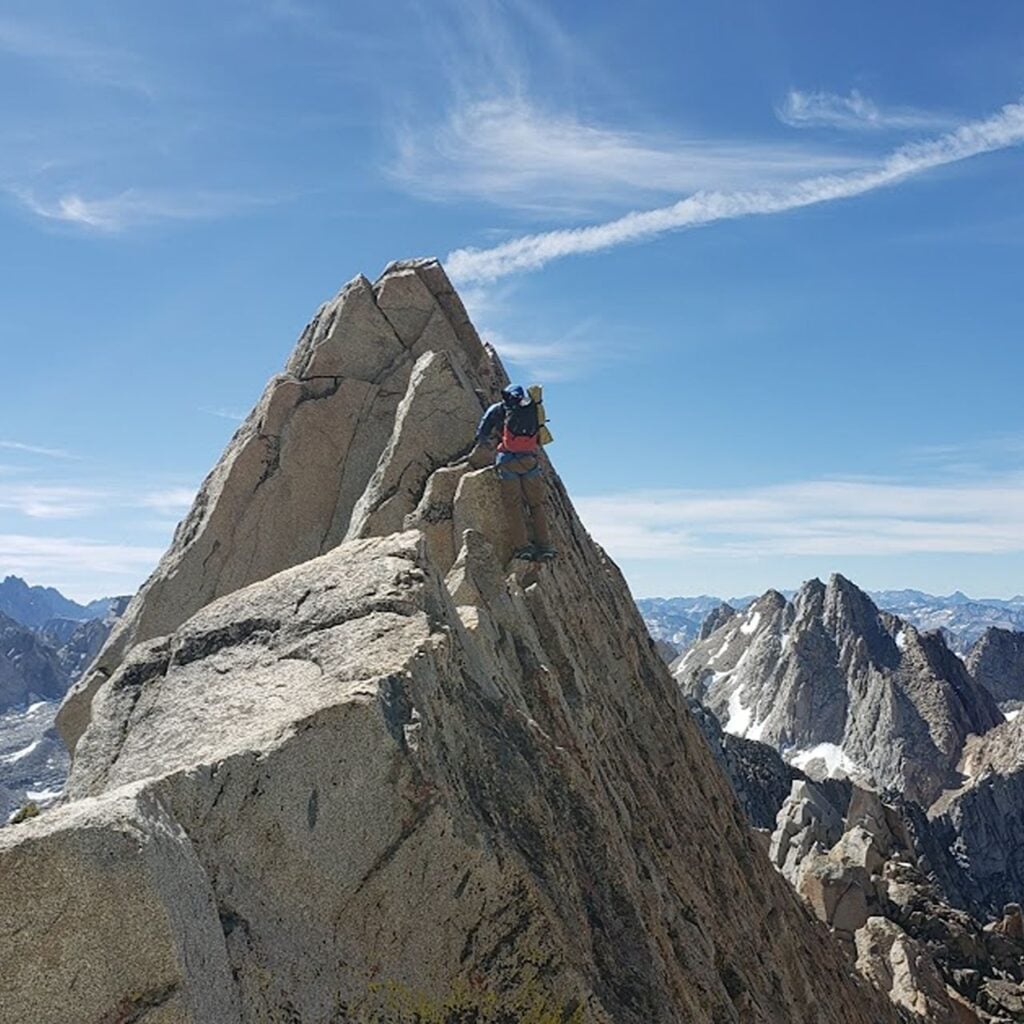
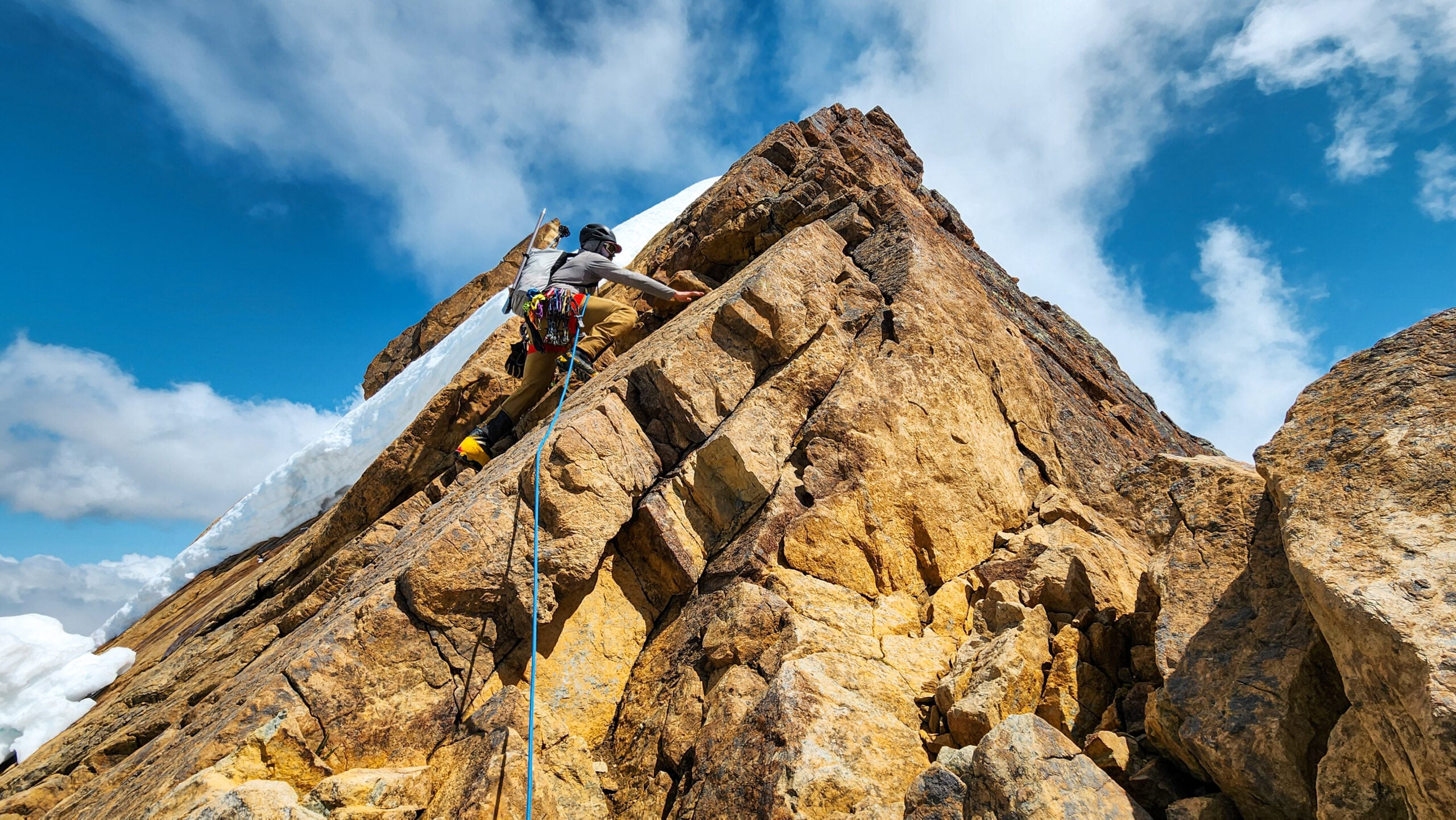
The Sierra provides numerous ridgeline routes
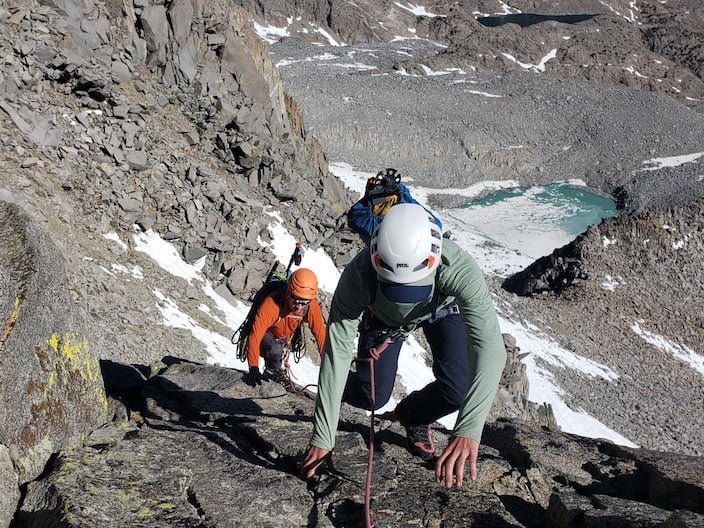
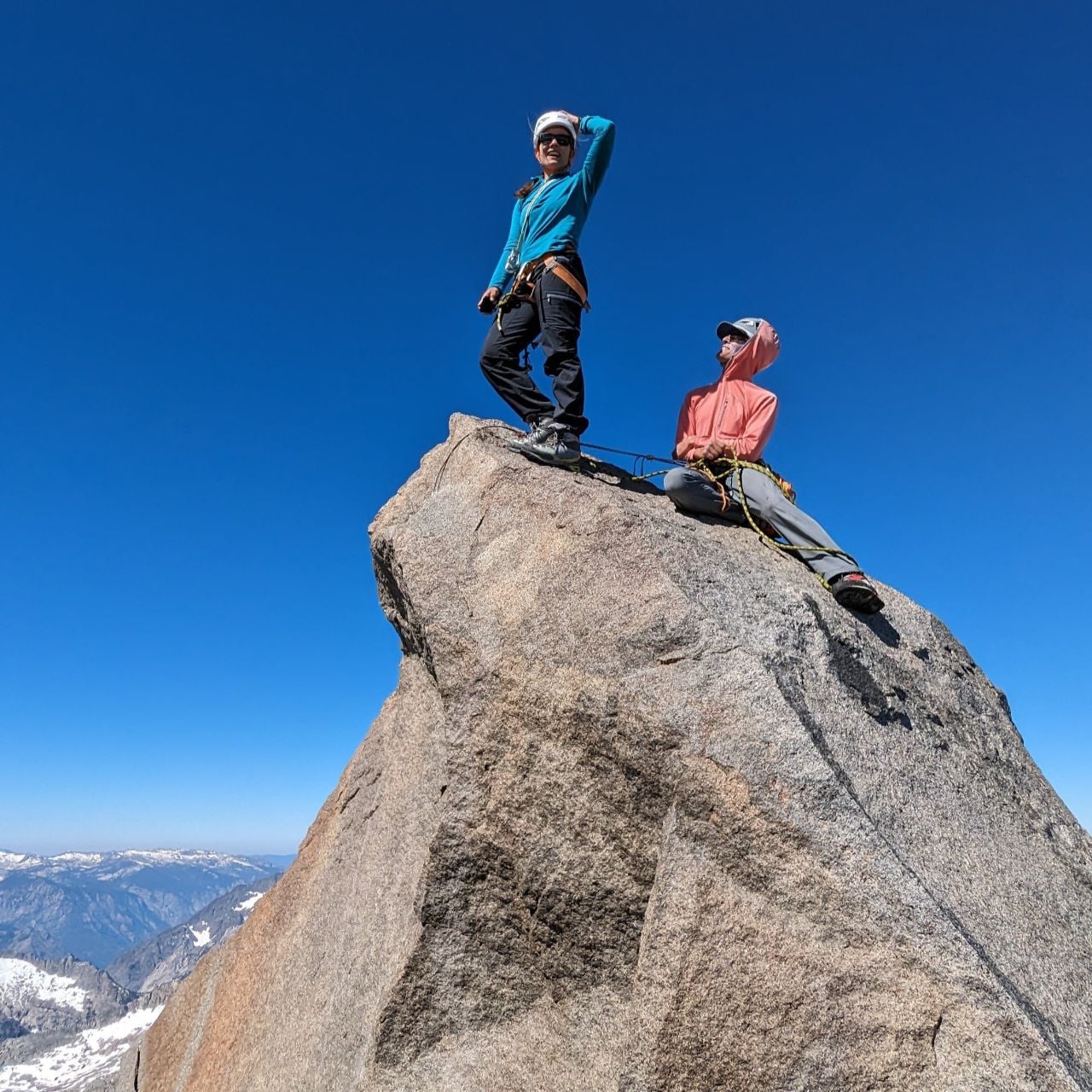
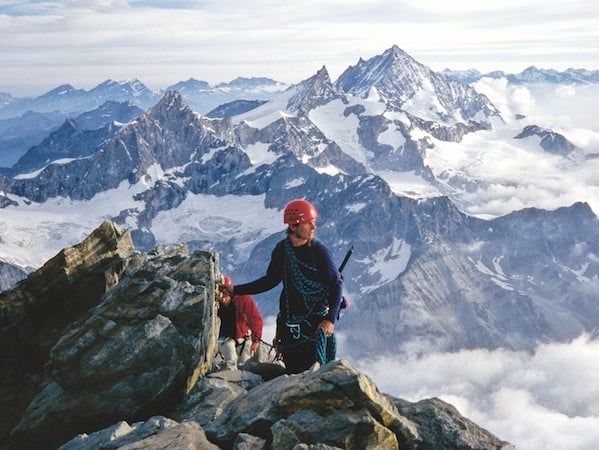
Two climbers on the Swiss Arete of Mt. Sill
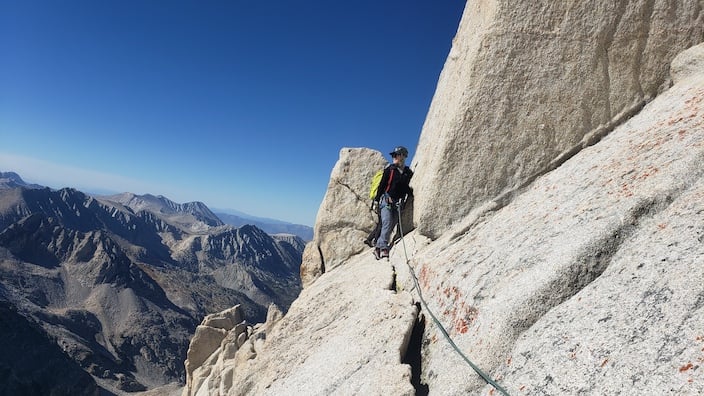
Traversing on Bear Creek Spire
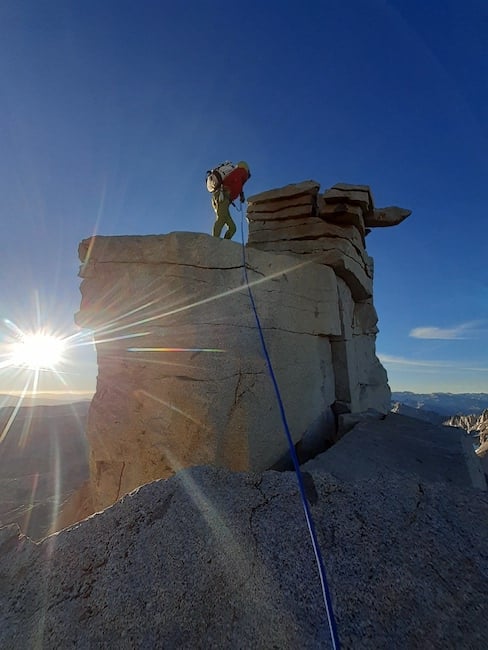
Mt. Darwin summit
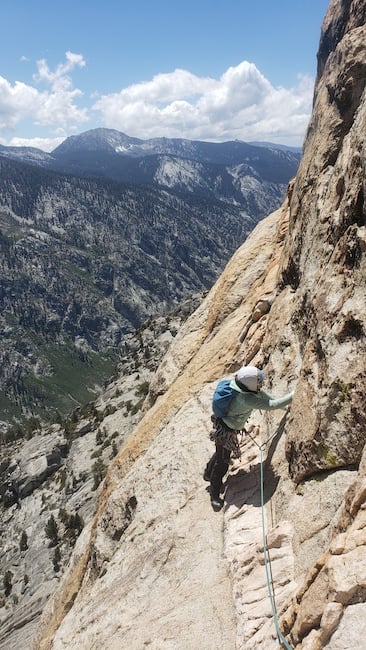
Charlotte Dome! Kevin McGarity
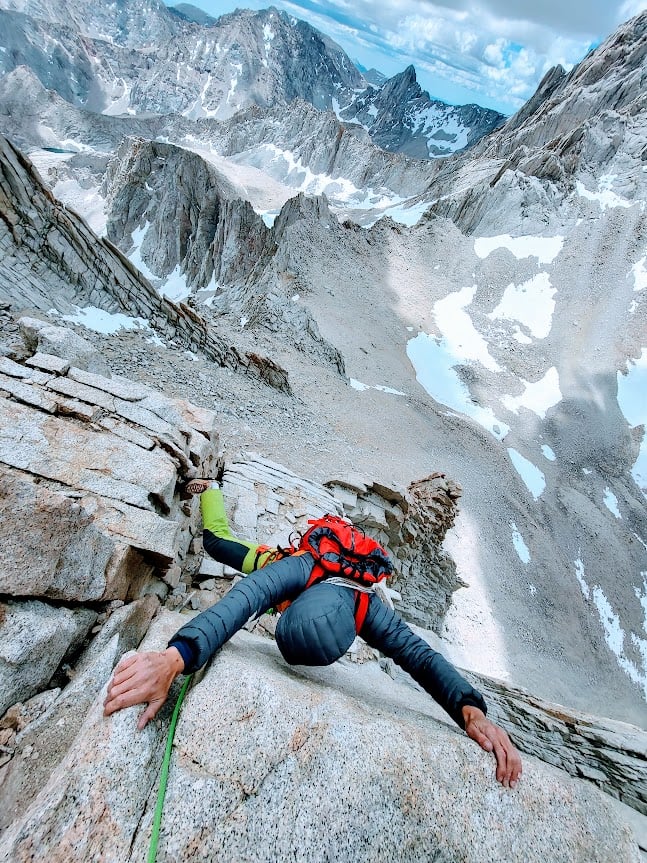
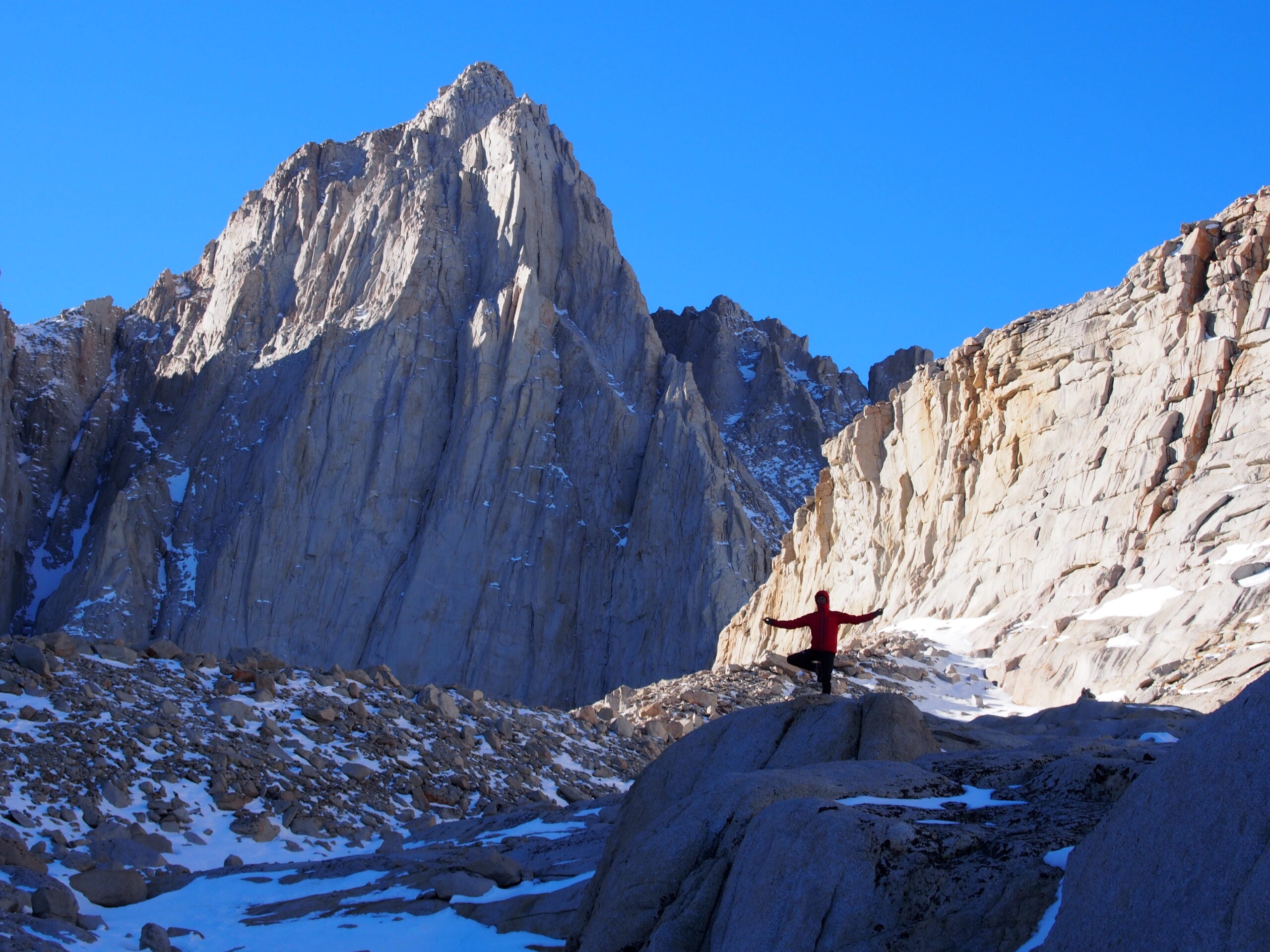
High in the Eastern Sierra. Kevin McGarity
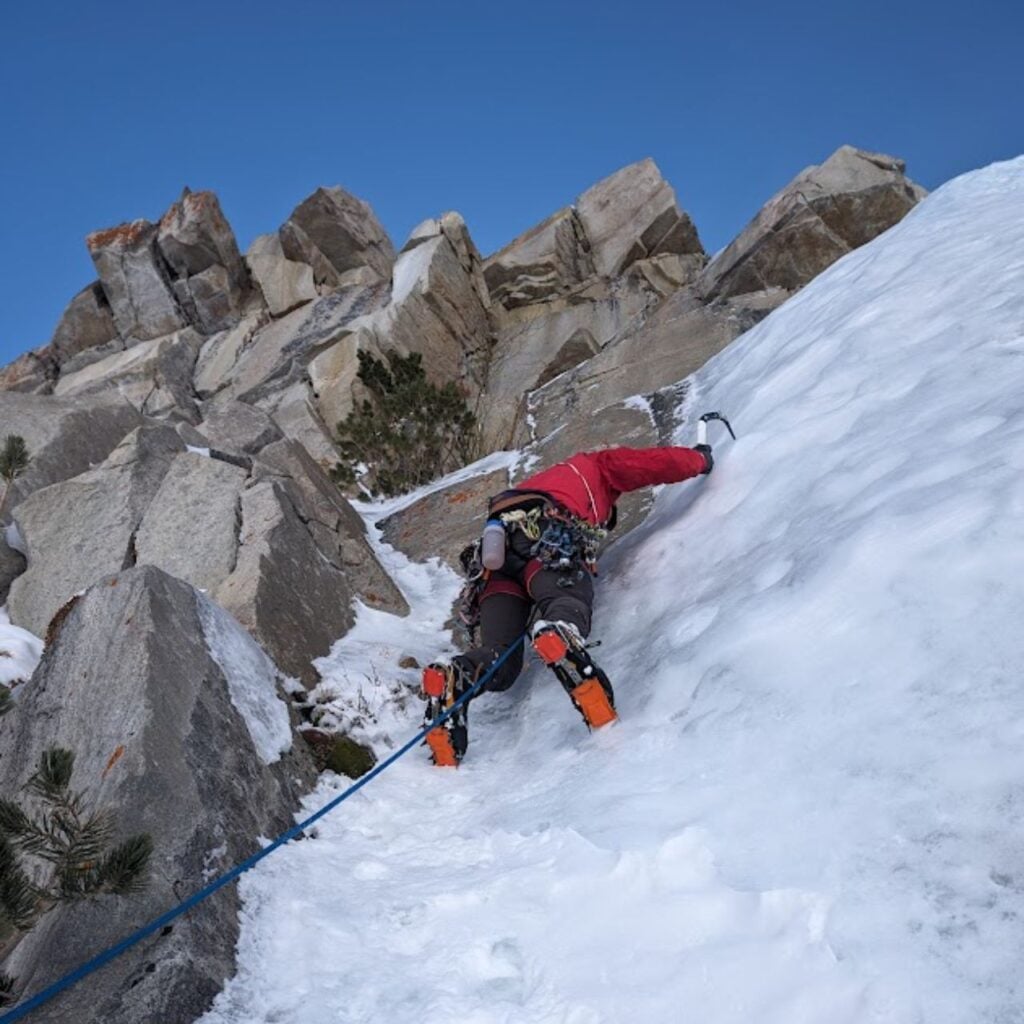
On the sharp end! George Bieker
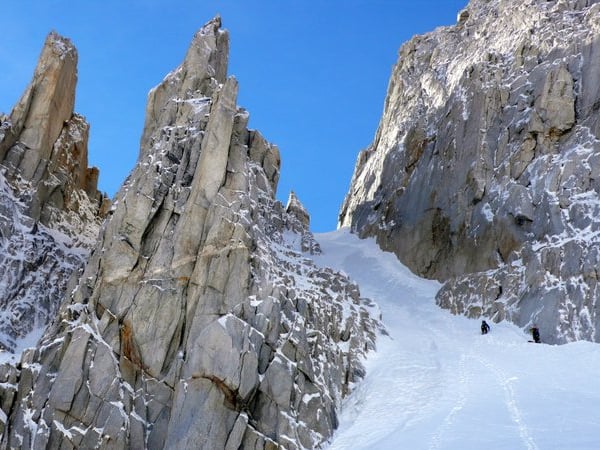
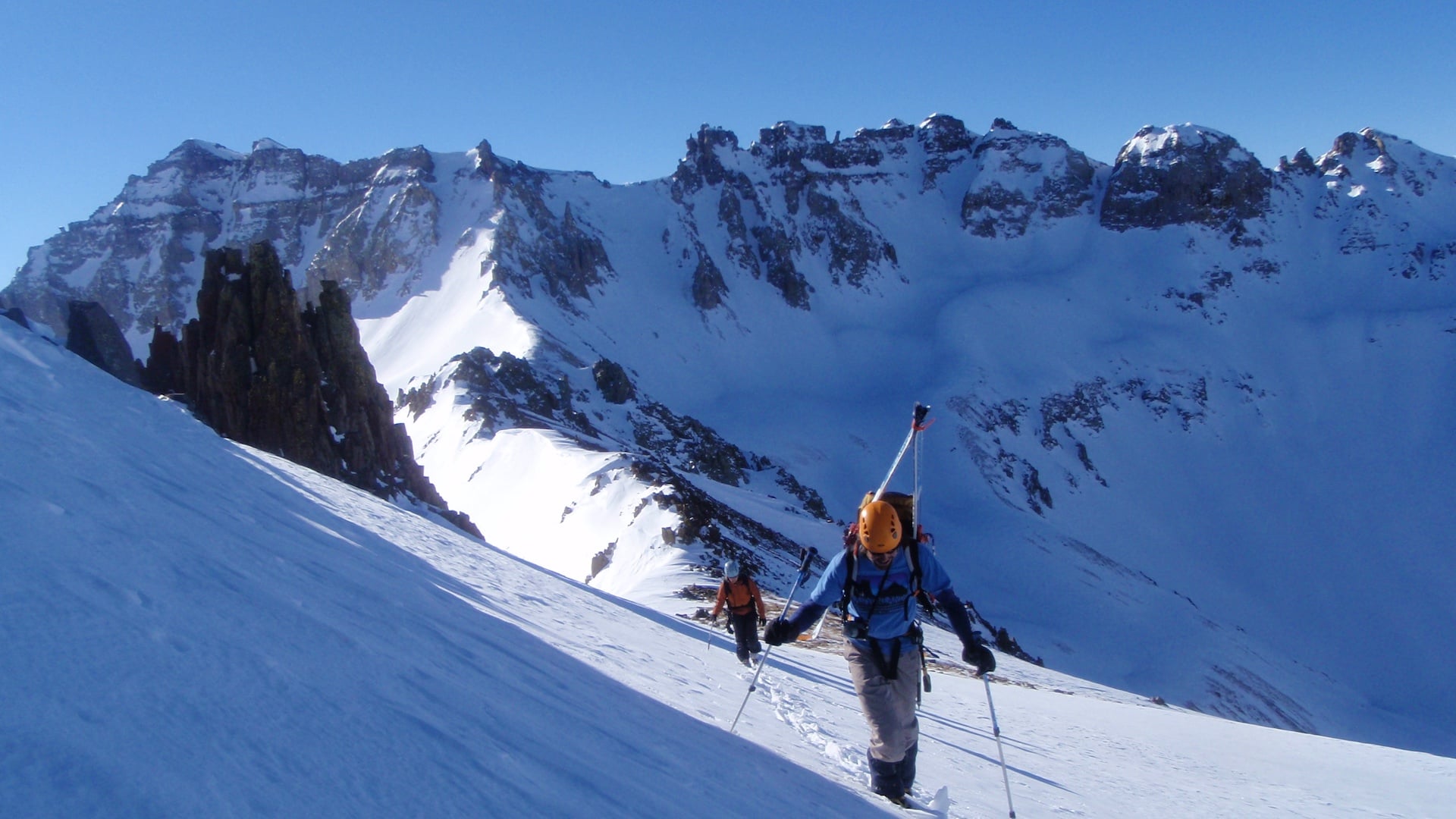
Climbers approaching a steep snow and ice filled couloir on North Peak in the Sierras. AAI Collection
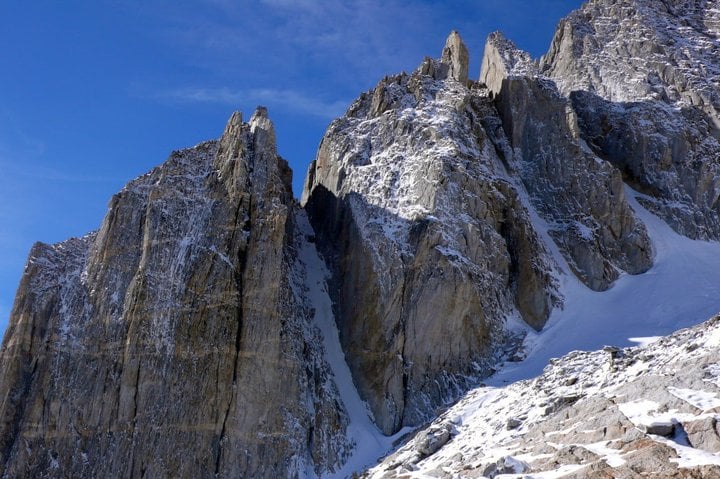
North Peak in the Sierras offers many snow and ice climbing options with its many couloirs. AAI Collection
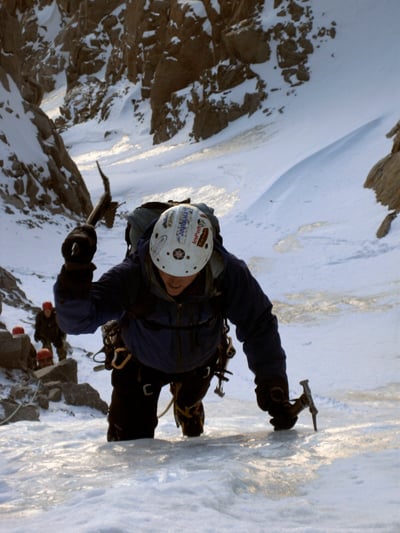
A climber making quality ice axe placements while leading on steep alpine ice. AAI Collection
Overview
Resources
Click on the buttons to the right to download PDFs and to link to other web resources that will help you prepare for your program.
 Details
Fees are based on the ratio of climbers to guide. Routes are broken down to five levels: Non-technical, Moderate, Intermediate, Difficult and Very Difficult. Each technical level has a maximum ratio, but you are free to choose a lower ratio or to climb privately if you prefer.
Private Pricing
This program is currently offered as a private program only. A private trip allows you to choose your own dates and enjoy a more customized experience with your guide. Pricing is per person, per day. See our private pricing rates here.
Inclusions and Exclusions
Inclusions: Included in the course cost are group technical climbing equipment like ropes and rock protection, all permits and backcountry fees, and the guide fee.
Exclusions: Not included in the course cost are all personal clothing and climbing gear, rentals, gratuities to the guide, meals, or travel insurance. On private programs, you are responsible for your own and your guide’s transportation.
Travel Insurance
We strongly recommend that you purchase comprehensive travel insurance that includes trip cancellation coverage. Ripcord is our primary travel insurance provider, offering coverage for trip cancellation, trip delay, baggage, medical evacuation and other eventualities.
Unlike many vacations that are less physically demanding, a climbing and trekking vacation can be ruined by an illness or relatively minor injury that occurs before departure. While you can still tour a city or head to the beach with a sprained ankle or a very bad cold (albeit, less conveniently), such an injury or common illness can stop you in your tracks short of your climbing or trekking destination.
 Course Options
These are examples of routes commonly guided. You may request others as well.
Mount Whitney, Mountaineers Route – Rock & Snow, 4 days
Although the Mountaineers Route is one of the least technical routes within the complex Whitney massif, at 14,494 feet, it offers climbers the challenge of both altitude and endurance. Using the same high camp as the East Face routes, we begin our climb from the picturesque Iceberg Lake, surrounded by peaks over 14,000 feet. Initially our route takes us over moderate snow & ice early season, 3rd class rock in the later of the season. Following the long classic couloir of the Mountaineers Route make a traverse with moderate exposure and wonderful views of nearby Mt. Russell as we climb to the summit of the highest peak the lower 48 states. See our Mount Whitney Ascent page.
Mount Whitney, East Buttress – Rock, 4 days
The East Buttress in one of a number of quality routes on the east side of Mount Whitney and is a more direct line of ascent when compared to the East Face. On this route climbers will encounter several interesting features which include 2 towers and a pillar higher on the route. Climbing is relatively moderate throughout with the hardest pitches being encountered low on the route with a few 5.7-5.8 pitches. See the Mount Whitney Ascent webpage.
Mount Russell, East Ridge – Rock, 2 days
Mount Russell is located in close proximity to Mount Whitney and the Lone Pine area. A moderate approach leads us along the north fork of Lone Pine Creek to the Upper Boy Scout Lake. From here we ascend talus slopes to a saddle between Mount Russell and Mount Carillon. The East Ridge leads to the summit from this col and climbing on this ridge consists of moderately exposed scrambling and climbing.
North Peak, North Ridge – Rock 1 day
After hiking past a series of Alpine Lakes, we gain the ridge via a short section of 5th class climbing. The ridge itself features quality and great scrambling with the occasional bit of technical climbing. The summit features amazing views back down the route and south to Yosemite. The descent takes us through meadows filled with seasonal wildflowers.
Middle Palisade, Northeast Face – Rock, Snow & Ice, 2-3 days
Located in the heart of the Palisade region, the Northeast Face of middle Palisade lacks the technical difficulty of many neighboring routes in the area. This route makes a great choice as a first route for an extended trip to the area. After crossing and ascending the Middle Palisade glacier climbers encounter a series of ledges that traverse an airy face eventually leading to a gully and groove system that provides enjoyable scrambling. A short steep blocky section is the last of the difficulties before reaching the top of the peak where one can survey the entire Palisade region including Mounts Sill and Winchell and Temple Crag to name a few.
Bear Creek Spire, Northeast Ridge – Rock, Ice & Snow, 2-3 days
Bear Creek Spire sits at the head of the Rock Creek Cirque and above the tiny Dade lake. The approach trail winds through classic sierra high country passing lakes and meadows before crossing talus and slabs to the base of the spires north side. The Northeast Ridge rises dramatically between the North Arête and the East Arête, two other fine routes on an impressive mountain. Climbing on the ridge consists of 4th class scrambling on or near the crest of the ridge and surmounting typical ridge climbing obstacles.
Mount Sill, Swiss Arête – Rock, 3-4 days
Mt. Sill is one of the Sierra giants, and it rises to its imposing 14,153 foot summit in the heart of the Palisades, one of the most spectacular alpine cirques in North America. The Swiss Arête is a route much admired for its purity of line, spectacular location, and quality of rock. The route begins with several pitches in the 5.7 range, then as the exposure increases, it eases off into 4th class with moderate 5th class moves interspersed. It has a classic finish around several blocks that lead to the summit, and from there gains expansive views of the highest peaks in the Sierra.
Mount Gilbert, Northwest Couloir – Snow & Ice, 2-3 days
We take the Bishop Pass and Treasure Lakes trails to near the first Treasure lake. After ascending slabs and crossing a small ridge our routes takes us across the Gilbert Glacier and to the base of the couloir. After crossing the bergschrund, several pitches of sustained ice climbing gains to a notch just below the summit. Class 4 climbing leads to the top.
Lone Pine Peak, North Ridge – Rock, 2 days
Our ascent of this route begins at the Whitney Portal and skirts the scenic Lower Meysan Lake en route to the hidden approach gully. From the top of the gully 3rd and 4th class traversing and scrambling on the ever narrowing crest of the ridge leads to first of 3 prominent steps on the ridge. The first step consists of several pitches of easy class 5 terrain and leads to a notch and the start of the 2nd step. From the notch several more pitches on gradually easing yet exposed and exhilarating terrain lead to the summit.
Crystal Crag – Rock, 1 day
Crystal Crag sits above the town of Mammoth Lakes and it is named for its high concentration of quartz mineral. Climbs on Crystal Crag can provide someone who has done a little rock climbing at a low standard, a great introduction to the joys of Sierra climbing. Our route follows natural features and leads through the band of quartz that the crag is named after.
Mount Haekel, Northwest Arête – Rock, 2-3 days
Mount Haekel has been referred to as somewhat Gothic in nature. This is due to its darker rock and sharply pointed twin summits. Most of the climbing on the Northwest Arête is moderate the exposure is terrific. While on the arête, climbers traverse knife edge ridges and have to deal with several gendarmes before reaching the summit.
Mount Whitney, East Face – Rock, 4 days
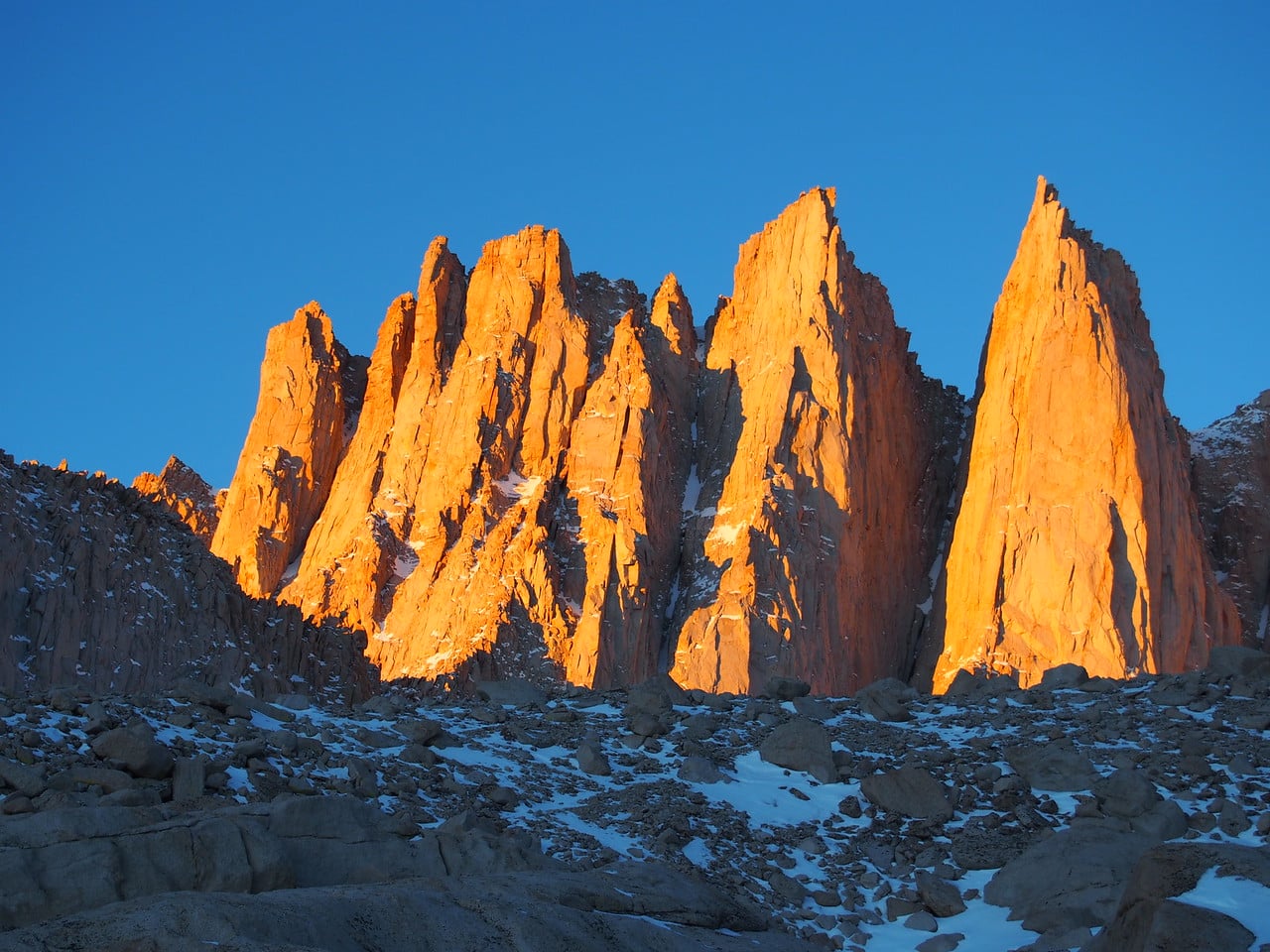
Mt. Whitney is the highest summit in the lower 48 states and, with its immense East Face, one of the most awe-inspiring peaks in America. In addition to altitude, it offers outstanding granite, remarkable views, and a very photogenic line of ascent. Our approach to high camp at Iceberg Lake takes us into the beautiful high cirque of the complex Whitney massif. The route features excellent rock on solid moves to 5.6 and significant exposure. We begin with enjoyable and quite varied face and crack climbing on the “Washboard”, higher up we complete the aptly named “Fresh-Air Traverse,” and later end with the 4th and 5th class “Grand Staircase” to the dramatic summit. Although awesome and seemingly forbidding from its base, intermediate rock climbers will find this route to be a suitable challenge and a truly rewarding climb both technically and aesthetically. This ascent can be combined with some practice climbing and ascents of other classic routes in the Sierra such as Bear Creek Spire, Lone Pine Peak, and Mt. Russell. See the Mount Whitney Ascent webpage.
North Peak, North Couloir – Rock, Ice & Snow, 1-2 days
North Peak sits in the high country near Tioga pass and the Tuolumne Meadows area and is in close proximity next to another peak with several classic routes on it, Mt. Conness. Our approach route takes us through scenic alpine meadows and eventually to the talus and snow slopes leading to the Northeast Couloir. The climb itself consists of 600 feet of snow and ice climbing which ends 4th class scrambling to reach the true summit.
North Palisade, U-Notch Couloir – Rock, Snow & Ice, 2-3 days
Standing high above the Palisade Glacier, the largest in the Sierra, Polemonium and North Palisade feature two of the best summer ice climbs south of the Cascades. Easily accessible from the same high camp at the foot of the glacier, the V-Notch and U-Notch couloirs rise a full 1000 feet from their bases. On the V-Notch we follow a very steep bergschrund crossing with 40-degree ice that steepens to 50 degrees at the top. From there we reach the summit of Polemonium by an enjoyable fourth-class scramble. The U-Notch features consistent 40-degree ice to a notch from which we climb two mid-fifth class pitches on excellent granite to reach the crest of the South Ridge which we follow to the summit. One climb can be completed in two days or both of these highly sought after ascents can be made on a three-day trip.
Temple Crag, Sun Ribbon Arete -Rock, 3 days
The Sun Ribbon Arête is one of several stunning routes on Temple Crag. The arête is a long route, consisting of some 18+ pitches and is fairly sustained in the mid to upper fifth class range. Climbing is mostly on the arête and calls upon the climber to employ delicate face climbing, crack climbing, jamming, laybacking and friction techniques. One of the more interesting features on the route is a notch in the ridge which requires either a rappel and climb out or lasso and tyrolean traverse to pass. On the upper portion of the climb it is possible to escape into a class 4 gully if so desired.
Bear Creek Spire, North Arête- Rock, 2-3 days
Located at the head a valley in a wilderness less frequented than most California climbing areas, this classic route on the 13,720 foot Bear Creek Spire consists of twelve pitches ranging from low 5th class climbing to enjoyable 5.8 moves The North Arête of Bear Creek Spire offers climbers the opportunity to experience a route with significant exposure, moderate climbing difficulty, and excellent protection. There is a total of about 20 feet of 5.8 climbing, and 2 pitches of 5.7 on this climb, with the remainder of the climbing in the low 5th class range The views encountered while climbing this long arete are spectacular and the climbing itself quite varied, requiring the application of skills for crack, corner, and chimney climbing.
Mount Russell, Fishhook Arête – Rock, 3 days
One of Mount Whitney’s satellite peaks, Mount Russell stands at 14,086 feet. The Fishhook Arête is considered the best route on this peak and by some, one of the best routes in the range. Only one pitch is 5.9, mixed in with mostly 5.7-5.8 climbing in a spectacular position.
Split Mountain, Northeast Couloir – Snow & Ice, 3 days
Split Mountain is among the fourteen thousand foot peaks of the Sierra and is known for its long difficult routes. Length of approach and nature of the routes are all factors which contribute to this mountain’s formidable reputation. The northeast couloir is the longest snow and ice climb in the Sierra and is quite complex in nature. To enter the gully you must surmount a short but steep pitch of ice which leads to the main gully and easier climbing above. Midway up the route the next difficulty is encountered, a cliff band which presents two options for passage, a snow choked chimney or often times a 70-foot pitch of 65+ degree ice. From the top of the gully a short class 4 pitch will put you on the summit.
Get Started
Custom Dates / Private Trip
This program can be booked as a private trip with custom start and end dates. Pricing depends on number of participants and number of days.
Organizations & Credentials

AMGA Accredited Program
The American Mountain Guides Association (AMGA) oversees technical mountain guides in the United States. The organization credentials instructors and guides, while also accrediting guide services. AAI's Instructors and Guides receive AMGA training and operate within guidelines set by the organization. AAI has been accredited continuously since 1986, longer than any other U.S. guide service.

Leave No Trace
Leave No Trace (LNT) inspires responsible outdoor recreation through education, research, and partnerships, all centered around the 7 Principles of Leave No Trace. AAI Instructors and Guides are trained to practice the Leave No Trace principles and to educate their participants to do the same. AAI was the first guide service world-wide to receive the LNT Gold Standard designation.