













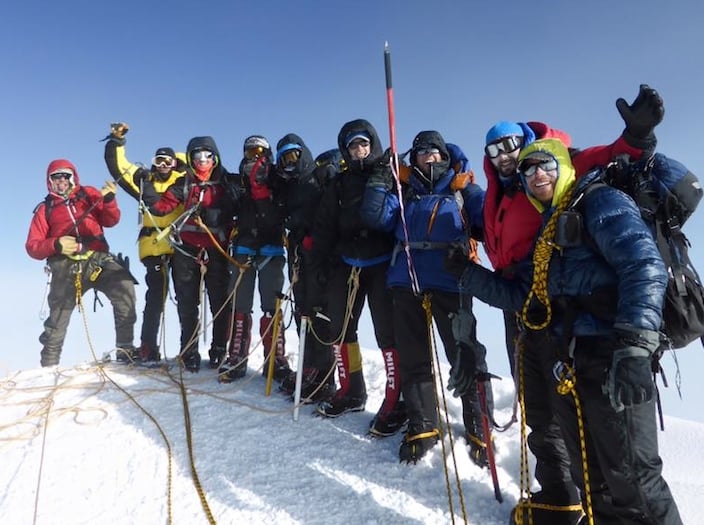
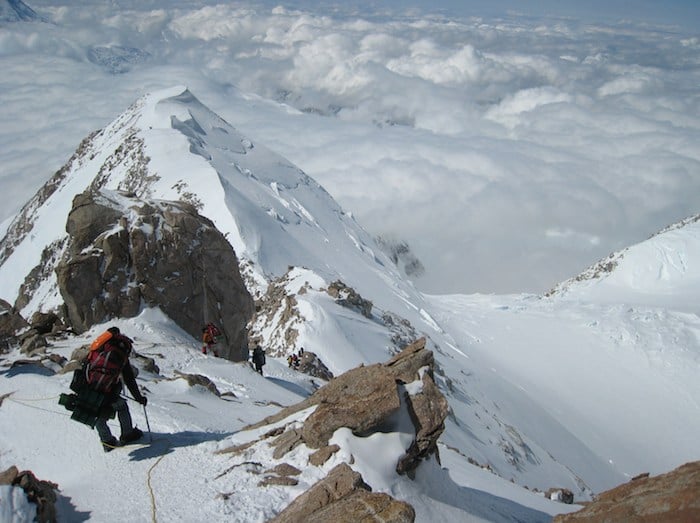
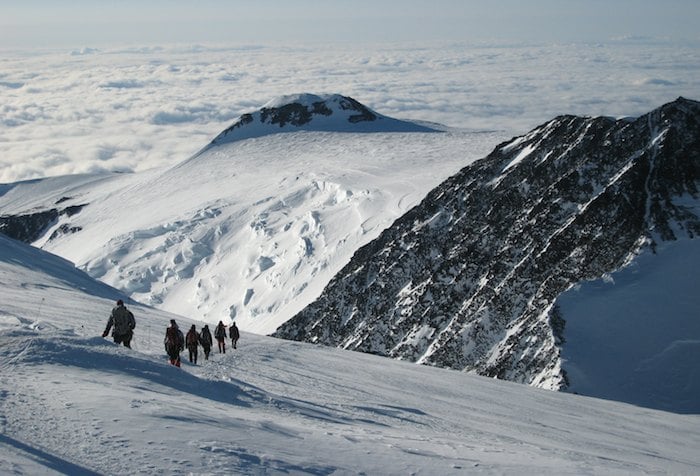
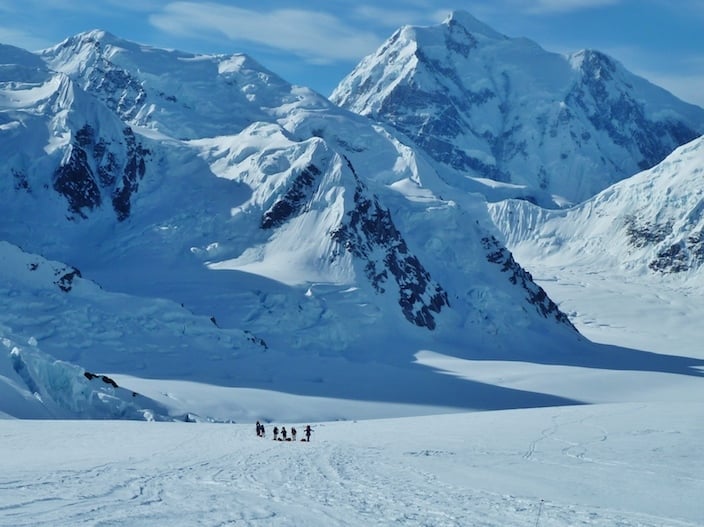



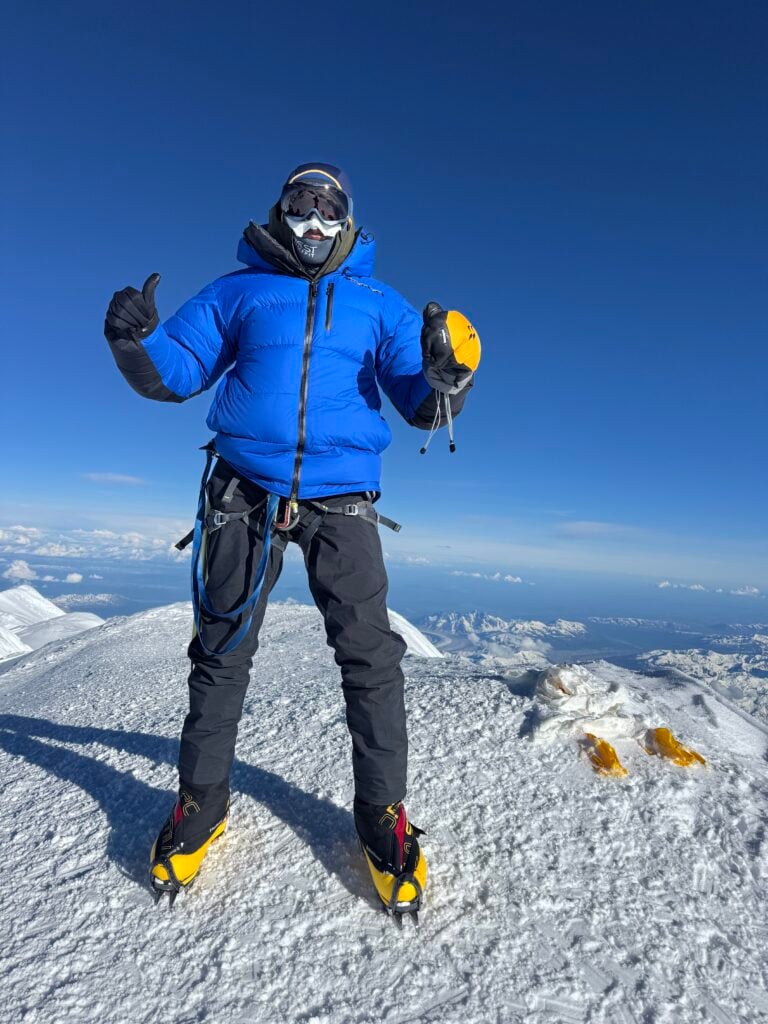
The American Alpine Institute’s Denali program is built to provide the safest and most successful guided expeditions on North America’s highest peak. We achieve this through a commitment to continuous improvement, carefully evaluating every expedition while supporting our guides with rigorous training, mentorship, and ongoing professional development. Since 1980, AAI has guided climbers on Denali continuously, helping hundreds of mountaineers reach the 20,310-foot (6190m) summit through expert leadership, proven systems, and decades of expedition experience.
The National Park Service grants concessions on Denali after a competitive ranking process that examines every aspect of a guide service’s operations, staff qualifications, and guide training. AAI has consistently outranked competitors and delivered the highest quality service to its customers. We have held a Denali concession continuously ever since the NPS began issuing concession contracts in 1981.
To get a flavor of AAI’s guided Denali climb, check out the audio expedition dispatches.
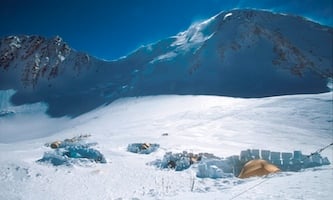
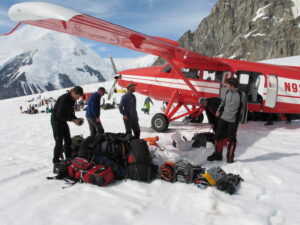
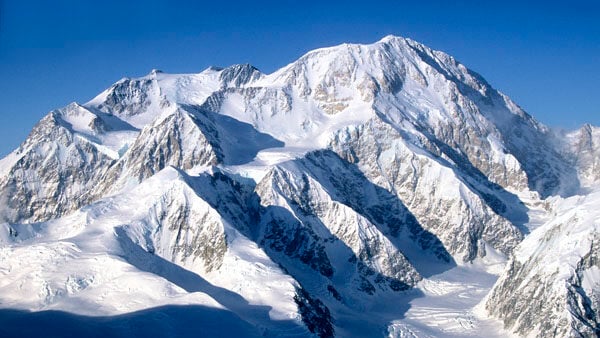
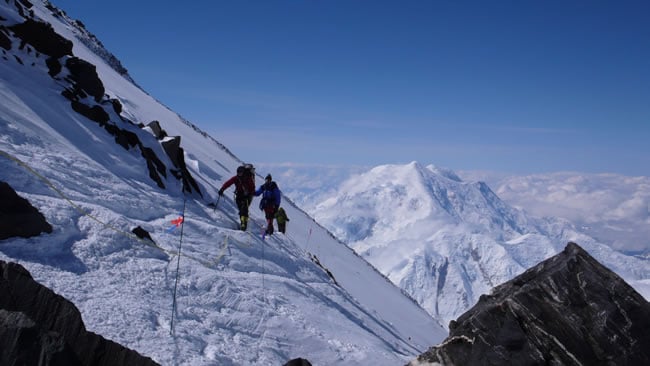
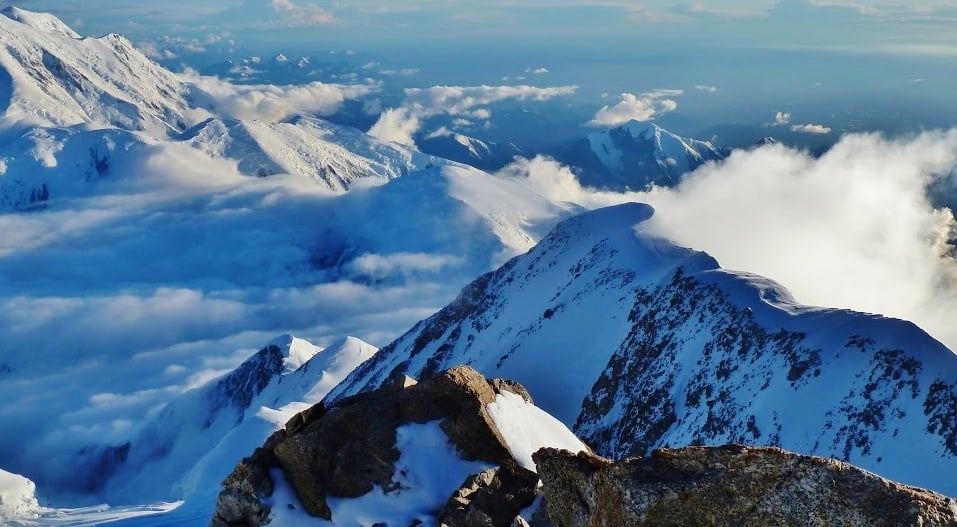
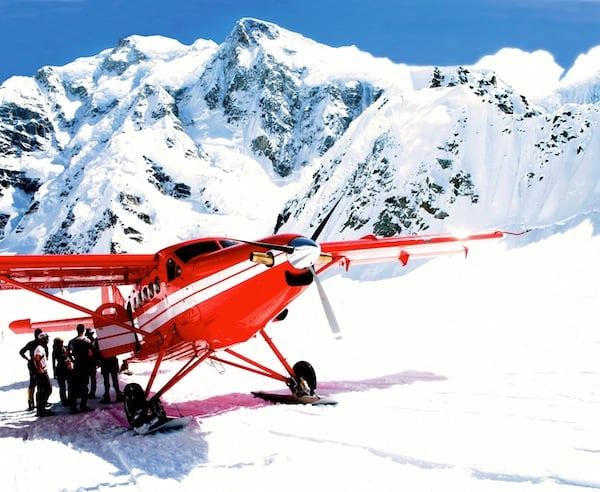
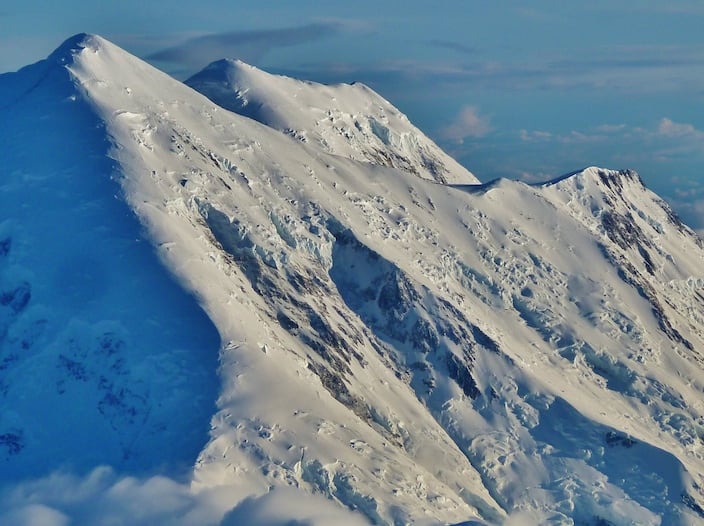
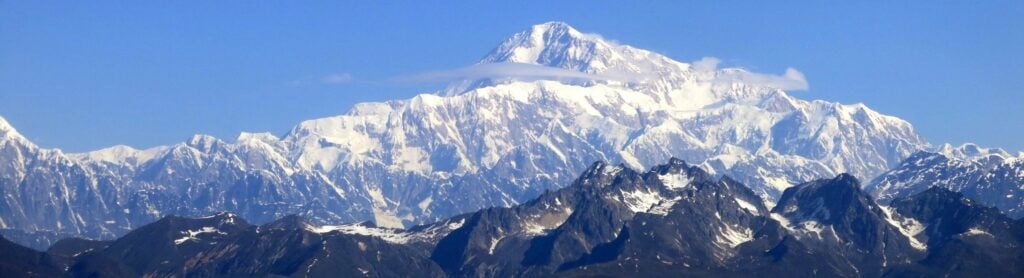
Denali (Mt. McKinley) offers one of the world’s greatest mountaineering challenges. While it is exceeded in elevation by peaks in South America and Asia, its arctic environment, with extreme temperatures and harsh storms, and its height above the Alaskan plain make it a severe test of personal strength, team work, and logistics. No other peak in the world has greater relief: Denali rises 17,000 feet (5,182m) above its surrounding plain. In contrast, Kilimanjaro rises 14,000 feet (4,267m) over its surrounding plains and Everest, only 13,000 feet (3,962m). Vertical elevation gain on Everest from the normal base camp for the South Col route is 11,000 feet (3,353m); from our landing spot on the Kahiltna Glacier Denali’s summit rises another 13,000 feet (3,962m). As the tallest mountain on the North American continent, Denali is one of the Seven Summits.
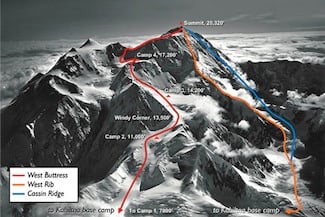
Photos and Video of the Route
Click here »
The process of determining which company you’re going to partner with the climb to the top of North America can be daunting. Our approach isn’t the right approach for everyone, so it is important to choose wisely. Please take some time to read through our Choosing a Denali Guide outline as part of your planning and preparation process. For answers to common questions, please see our Denali FAQ.
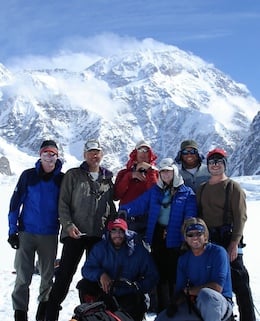
Like all American Alpine Institute expeditions, our Denali climbs are conducted with small, carefully selected teams of climbers who have prepared thoroughly for the challenge ahead. We believe the strongest expeditions are built on teamwork, so every participant is expected to take responsibility for their own performance while contributing to the success of the group. Rather than attempting to “pull” underprepared climbers to the summit, we require the skills, fitness, and experience necessary to be an active member of the team. This approach creates safer, more efficient expeditions and is one of the key reasons for our long history of success on Denali.
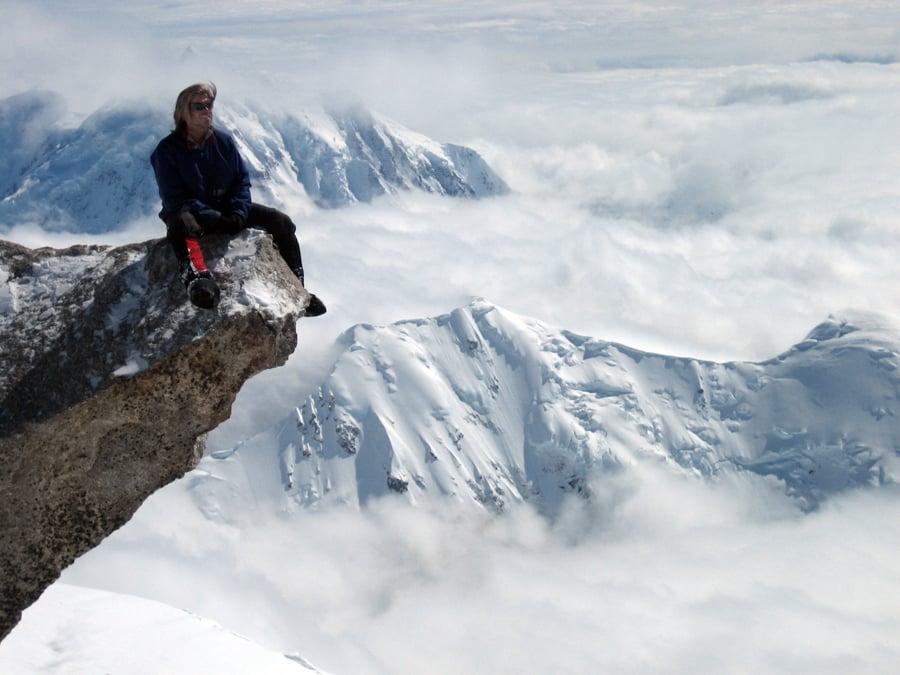
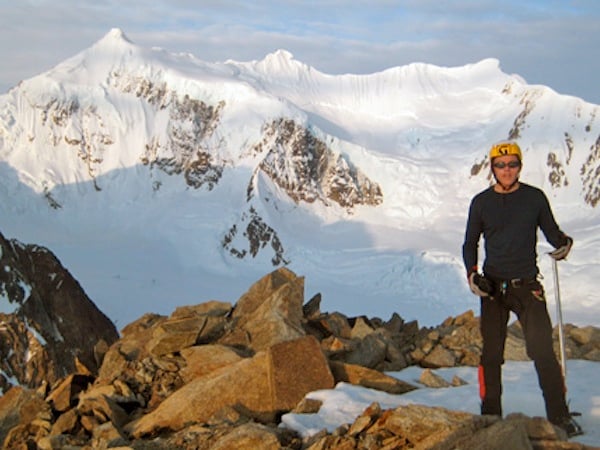
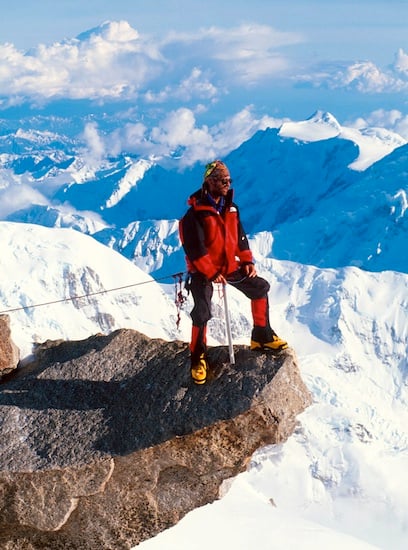
AAI guide, Aiden Loehr sits at ‘The Edge of the World’, just outside Camp 3 (14,200ft/4,328m) on Denali’s West Buttress. AAI Collection.
The Institute provides its climbers with detailed counsel in their preparations for climbing objectives and, when appropriate, has them first achieve intermediate goals to fully prepare. Climbs on Denali involve many factors that we cannot control. These include emperature, wind, snowfall, and changeable climbing conditions. The key to success is to build skills and strength in the areas that we can do something about: we can develop skill in dealing with cold conditions, skill in climbing at an appropriate technical level, and put time and effort into personal conditioning. The best recipe for success is to be well prepared and then to combine that level of preparedness with a carefully designed itinerary managed by a world-class AAI guide.
To succeed on Denali, you need substantial mountaineering experience and fitness. Here is a breakdown of the four primary skill areas required, and the AAI programs that can help fulfill these requirements.
1. Glacier and Snow Climbing Skills
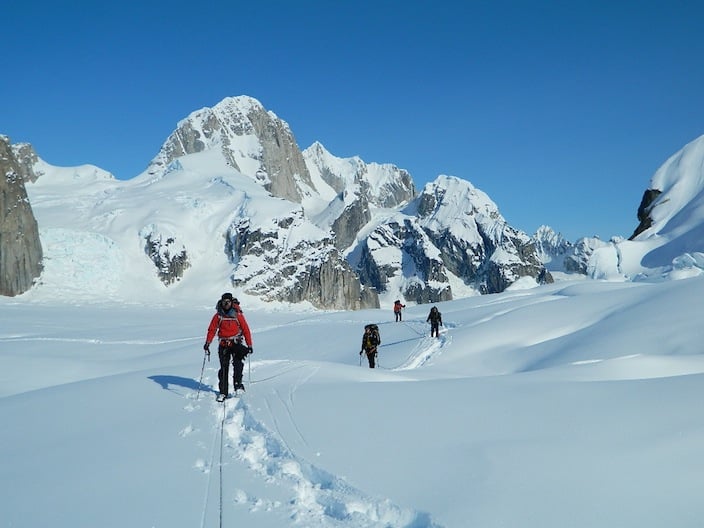
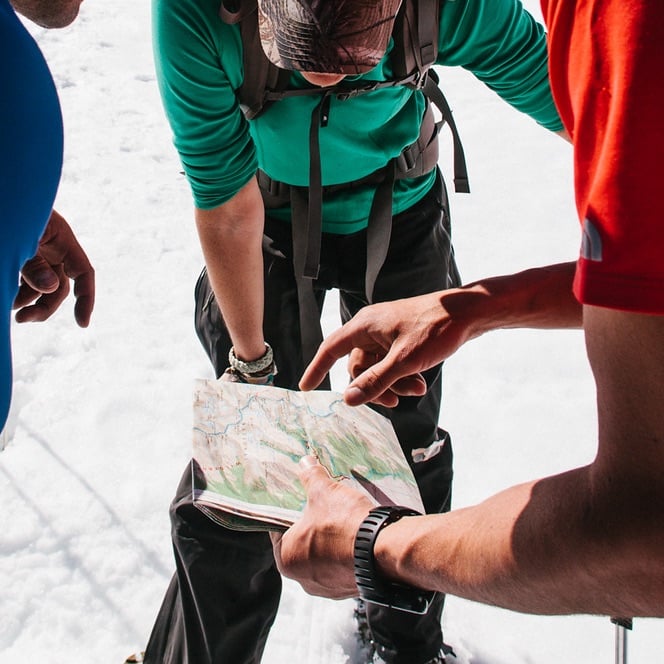
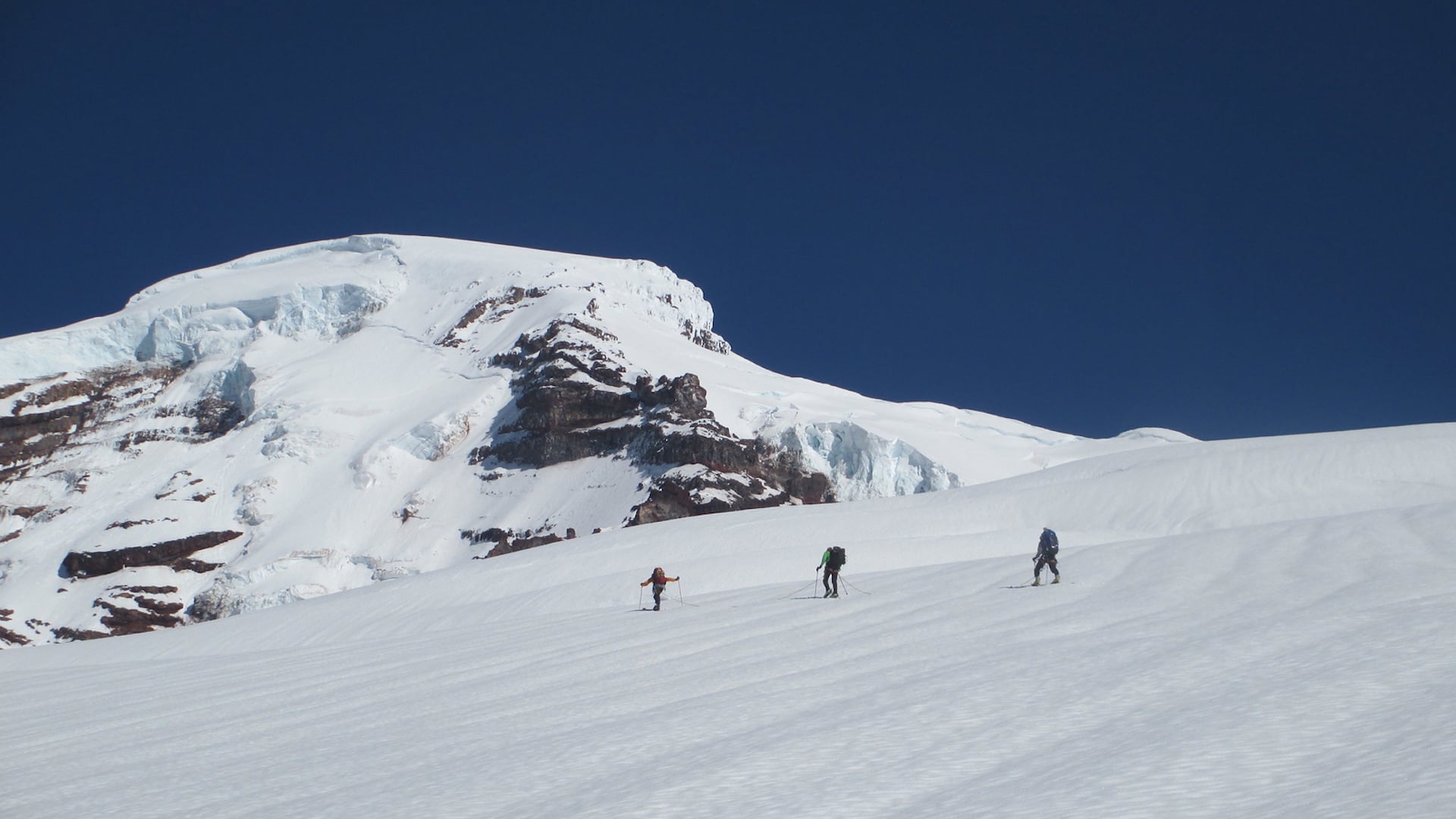
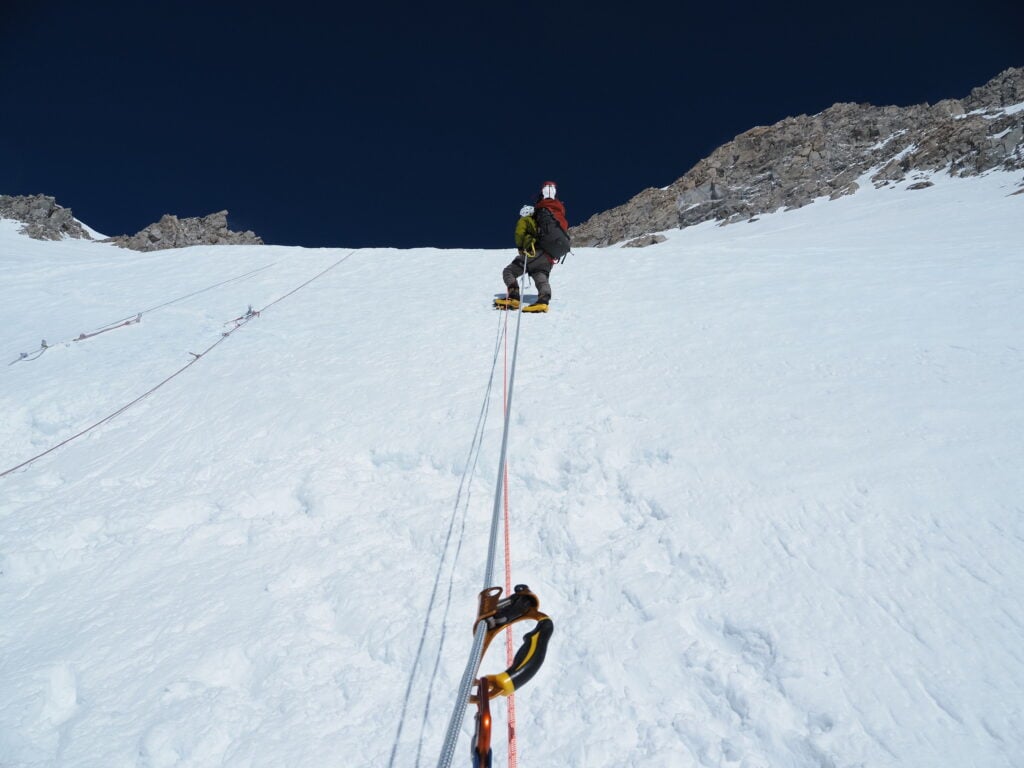
Participants need experience climbing on a rope team in glaciated terrain and in steep snow. These skills are covered exhaustively in AAI’s Denali Prep Course, as well as in Alpinism 1: Introduction to Mountaineering, Alpine Mountaineering and Technical Leadership Part I and in other programs. Following are baseline required skills:
- Ability to effectively use standard mountaineering equipment (harness, helmet, carabiners, etc.).
- Crampon and ice axe skills on snow and ice
- Baseline knowledge of crevasse rescue.
- Fixed line travel with mechanical ascenders.
2. Cold-weather and Snow Camping Experience
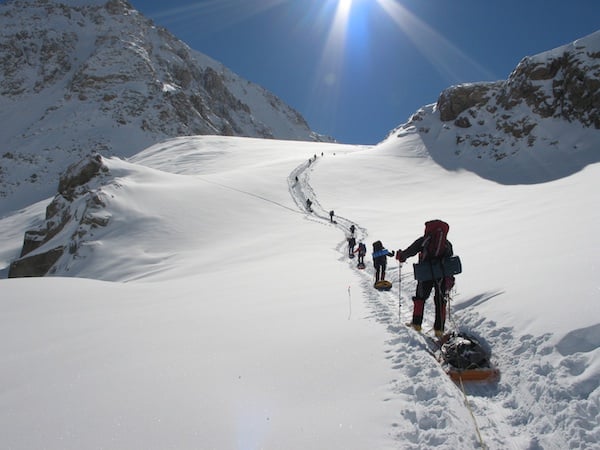
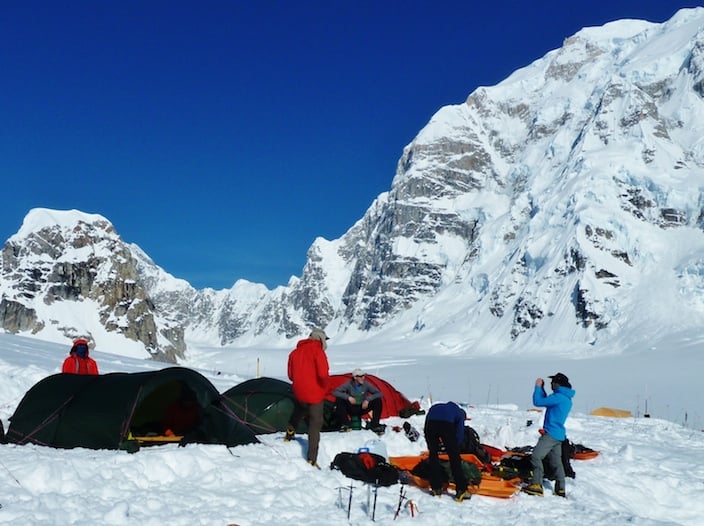
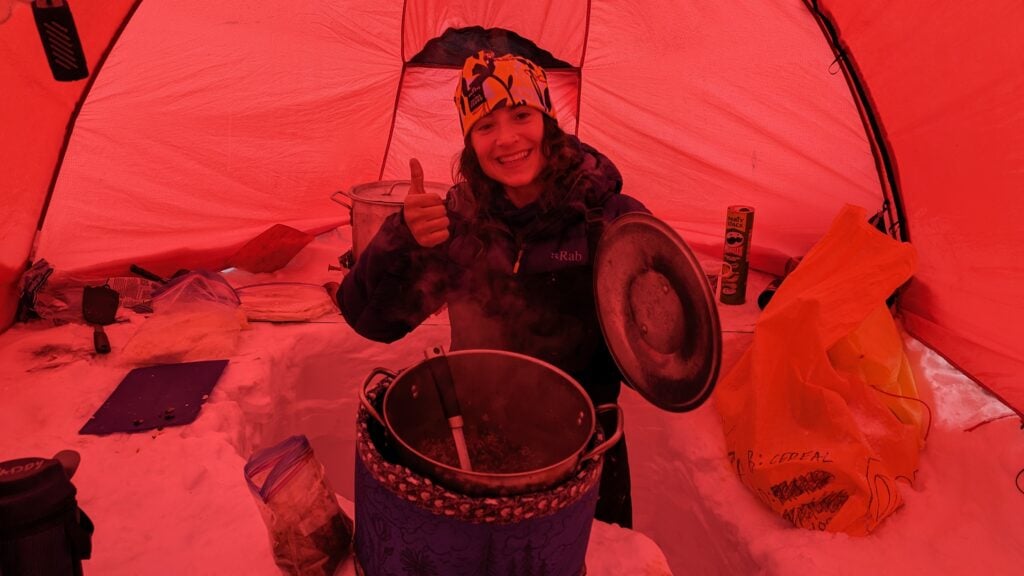
The greatest challenge for many climbers on Denali is simply living in cold, snowy conditions day-after-day. You can gain the requisite skills and experience (preferably at least three consecutive nights out) on a Denali Prep Course or by combining any number of winter sports, from backcountry skiing/riding to winter mountaineering into an extended winter trip.
3. Endurance and Altitude Experience
Denali’s West Buttress route requires that we spend many long, hard days above 14,000 feet. To have a good chance of success, you’ll need comparable experiences.
- Multiple experiences with long, physically demanding days (10-12 hours of movement).
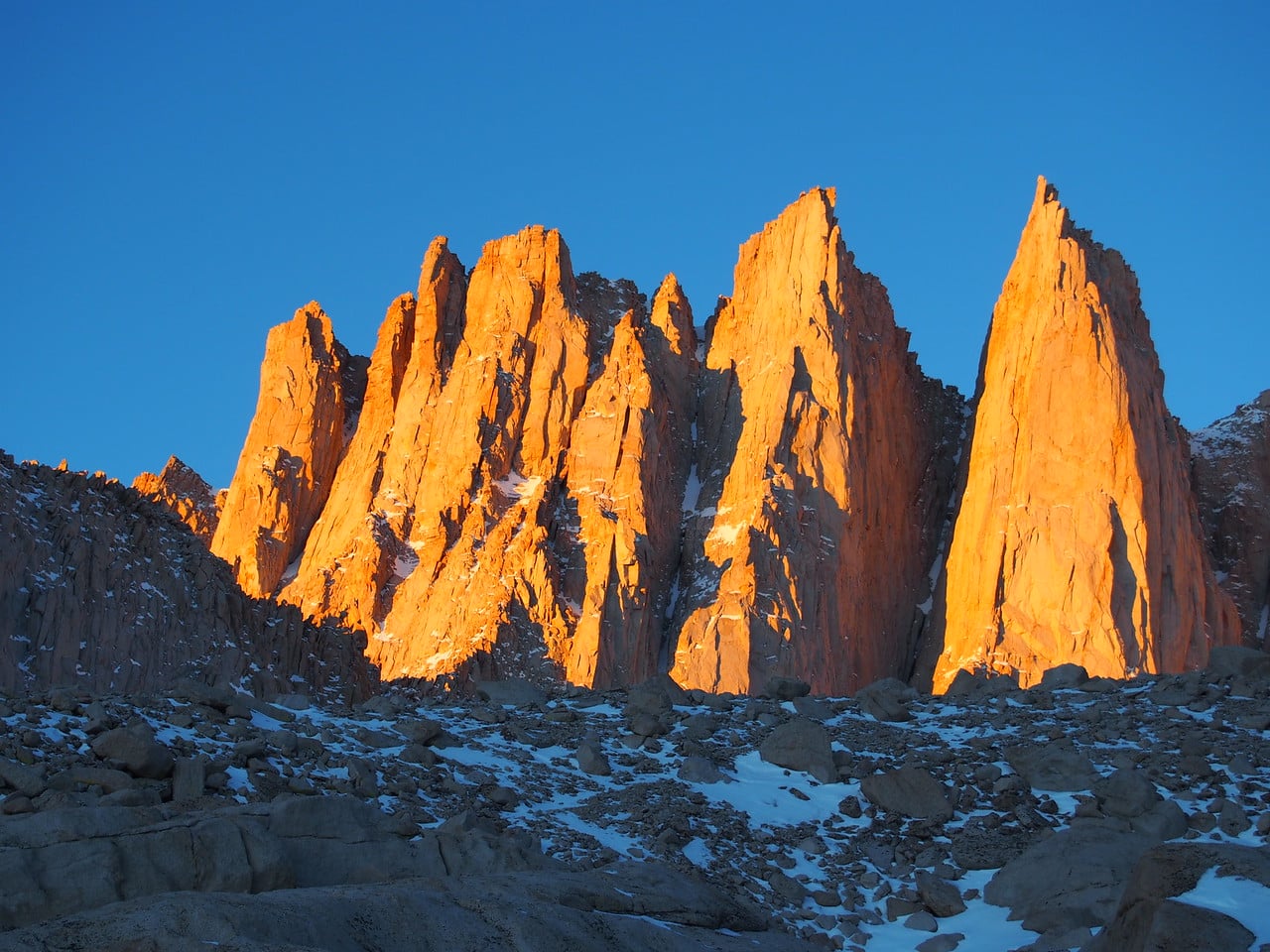
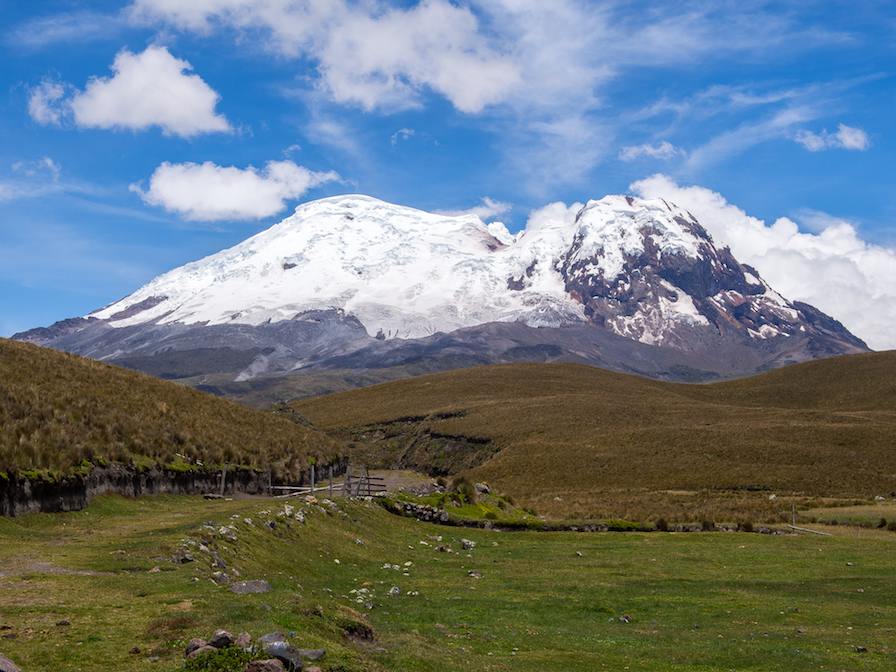
- Experience at high altitudes – preferably at least one summit above 14,000′, such as Mt. Whitney, Mt. Rainier, or Ecuador’s volcanoes.
4. English Language
AAI’s Denali programs are run in English. If you do not speak conversational English, let the program coordinator know to see if accommodations may be made.
 Details