The breadth of AAI’s programming is vast. But there are a few programs that tend to be popular with youth organizations. Each of the following programs has been run several times with diverse groups of tweens, teens and young adults.
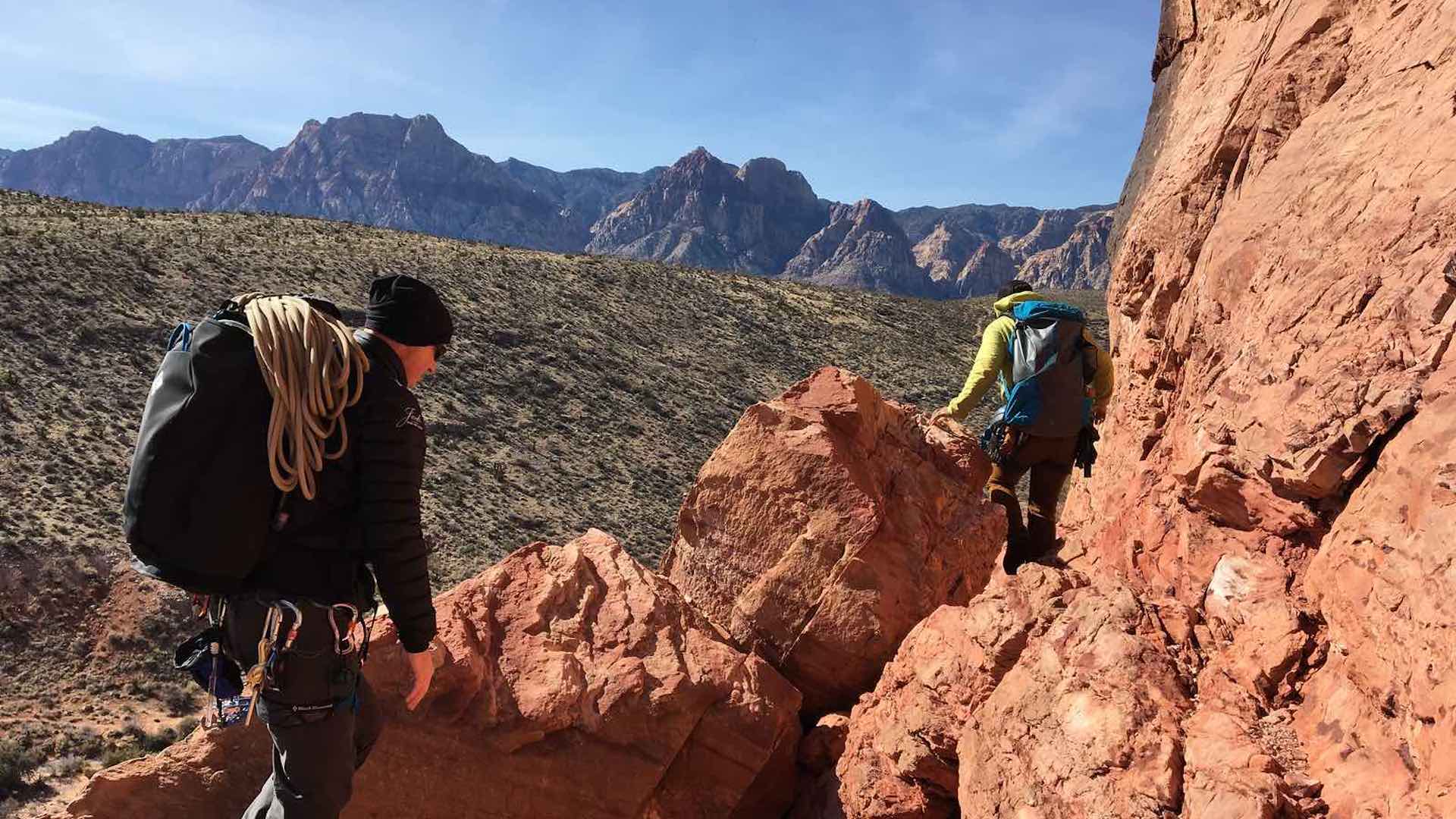
Red Rock Canyon National Conservation Area (Las Vegas, NV)
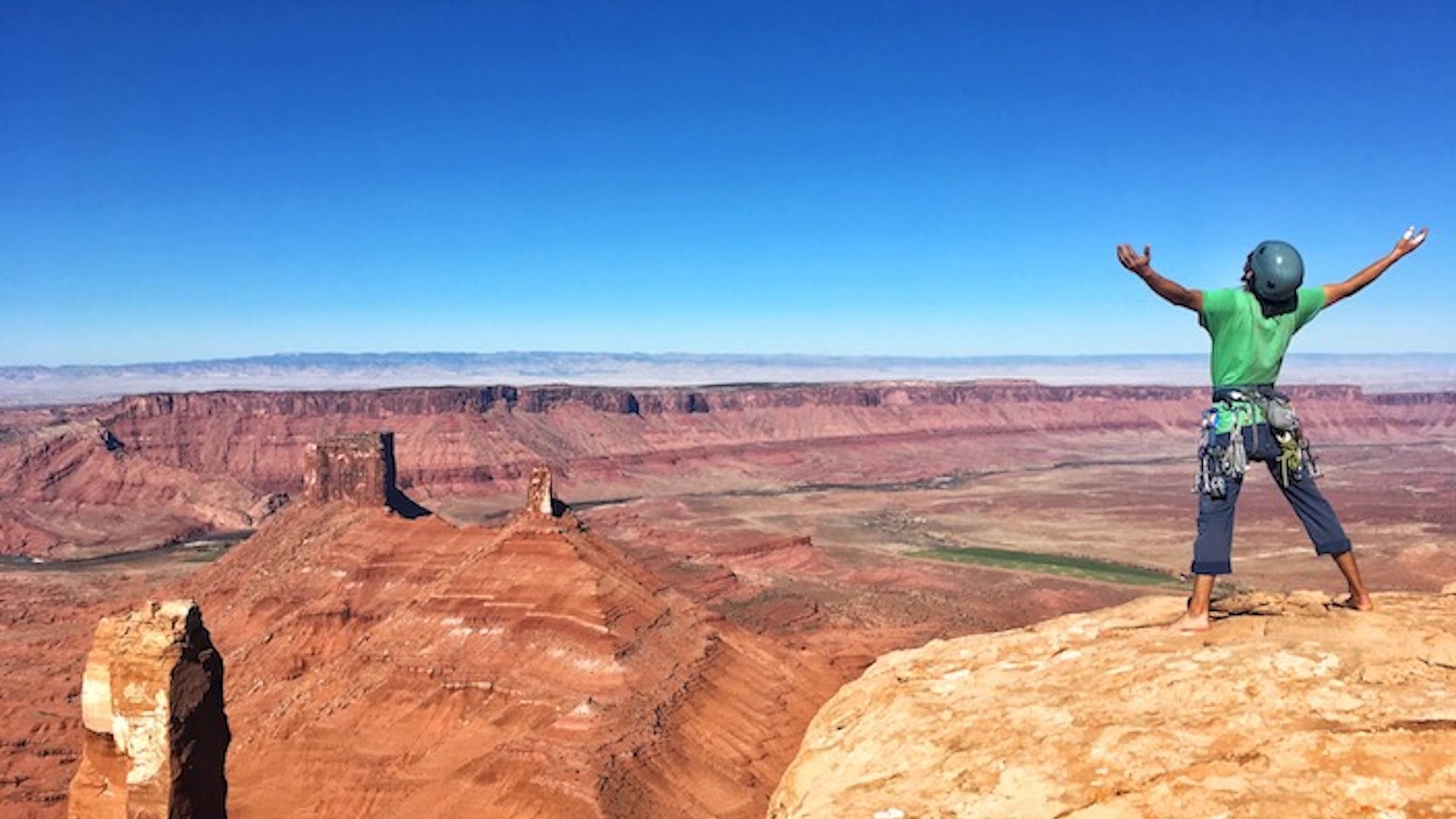
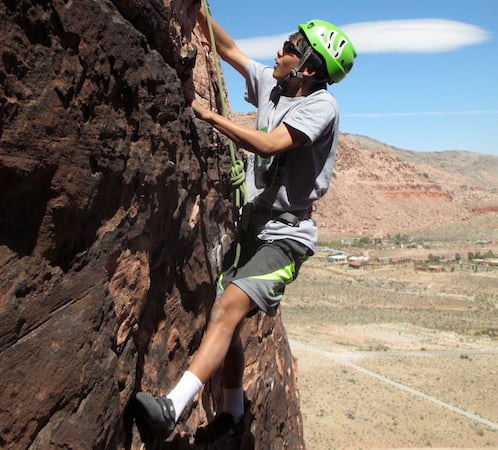
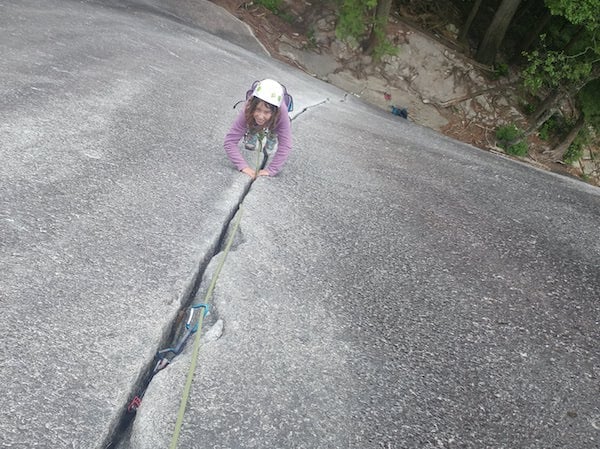
Red Rock Canyon is located 19-miles from the Las Vegas Strip and it is considered to be a world-class climbing destination. It has a little bit of everything. It has bouldering, single-pitch crags and multi-pitch adventures.
Climbing in Red Rock (or Red Rocks as many call it) is best October through April. In the summer it’s too hot to adequately climb. But in the Fall, Winter and Spring seasons, the area provides pleasant climbing in the sun.
Obviously, there are thousands of hotel rooms in Las Vegas. But there is also a campground near the Conservation Area, with both single and group sites available. All sites may be reserved ahead of time.
Mt. Erie Rock Climbing (Anacortes, WA)
Mt. Erie is a cool little peak, nestled close to the ocean. The views from this climbing area are outstanding, with the San Juan Islands on one side and the Cascade Mountains on the other, it is a place not to be missed.
Anacortes is a small city about an hour-and-a-half north of Seattle. There are several campsites in the area, both in Anacortes and near Mt. Erie. However, reservations need to be made early as it is a busy place in the summer.
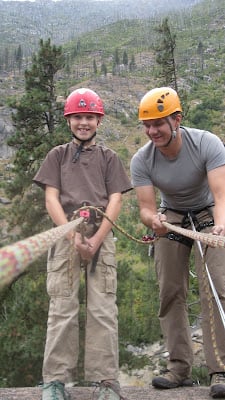
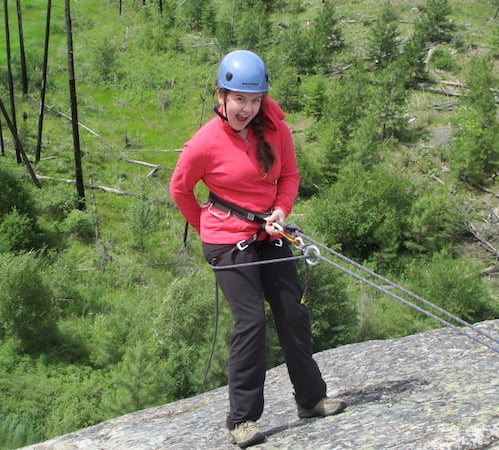
Mt. Erie is primarily a single-pitch rock climbing place. It is an excellent venue for young people to have their first experience on the rocks.
The season at Mt. Erie is April through September. During the winter, it can be wet.
Mt. Baker (WA)
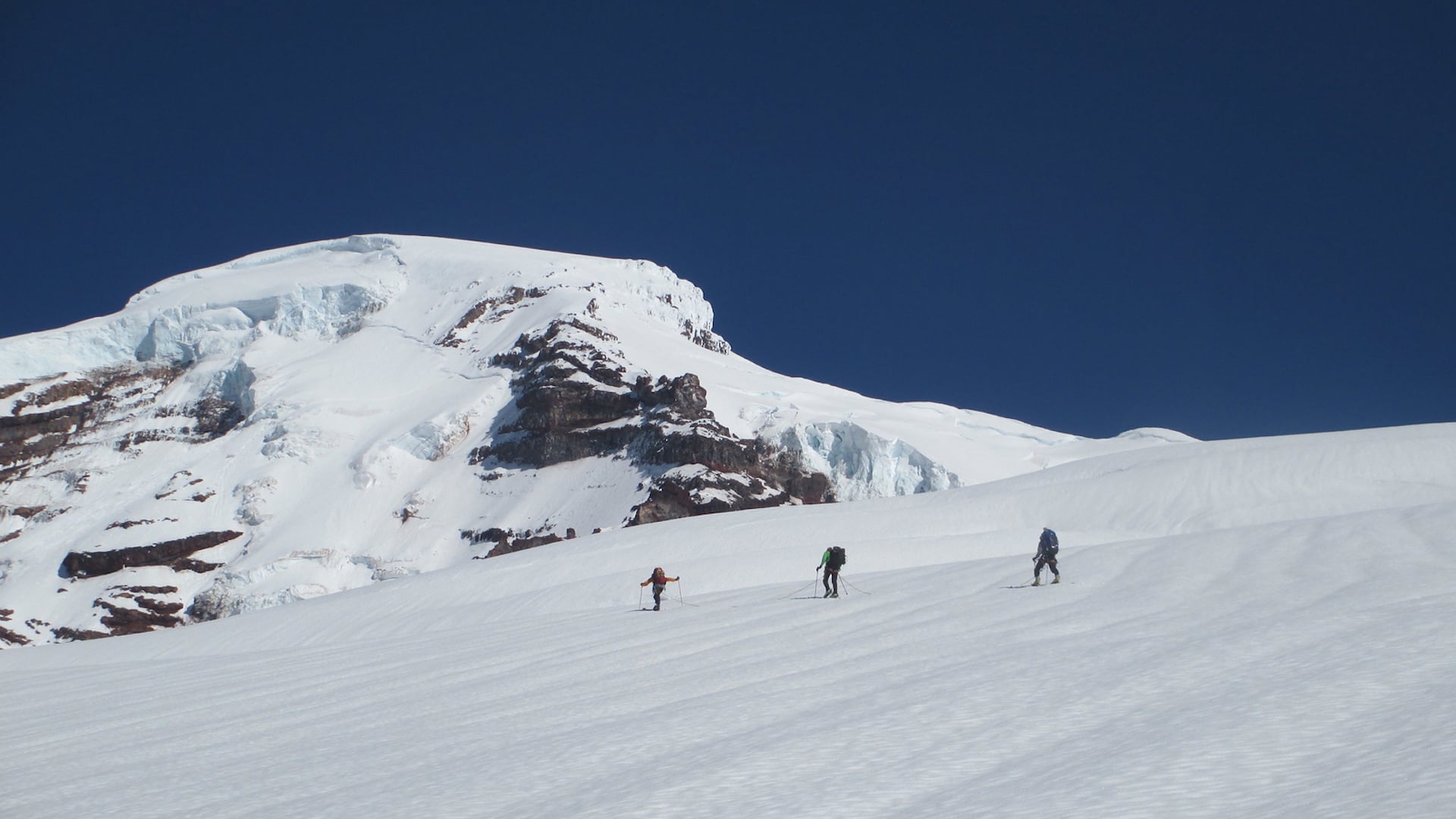
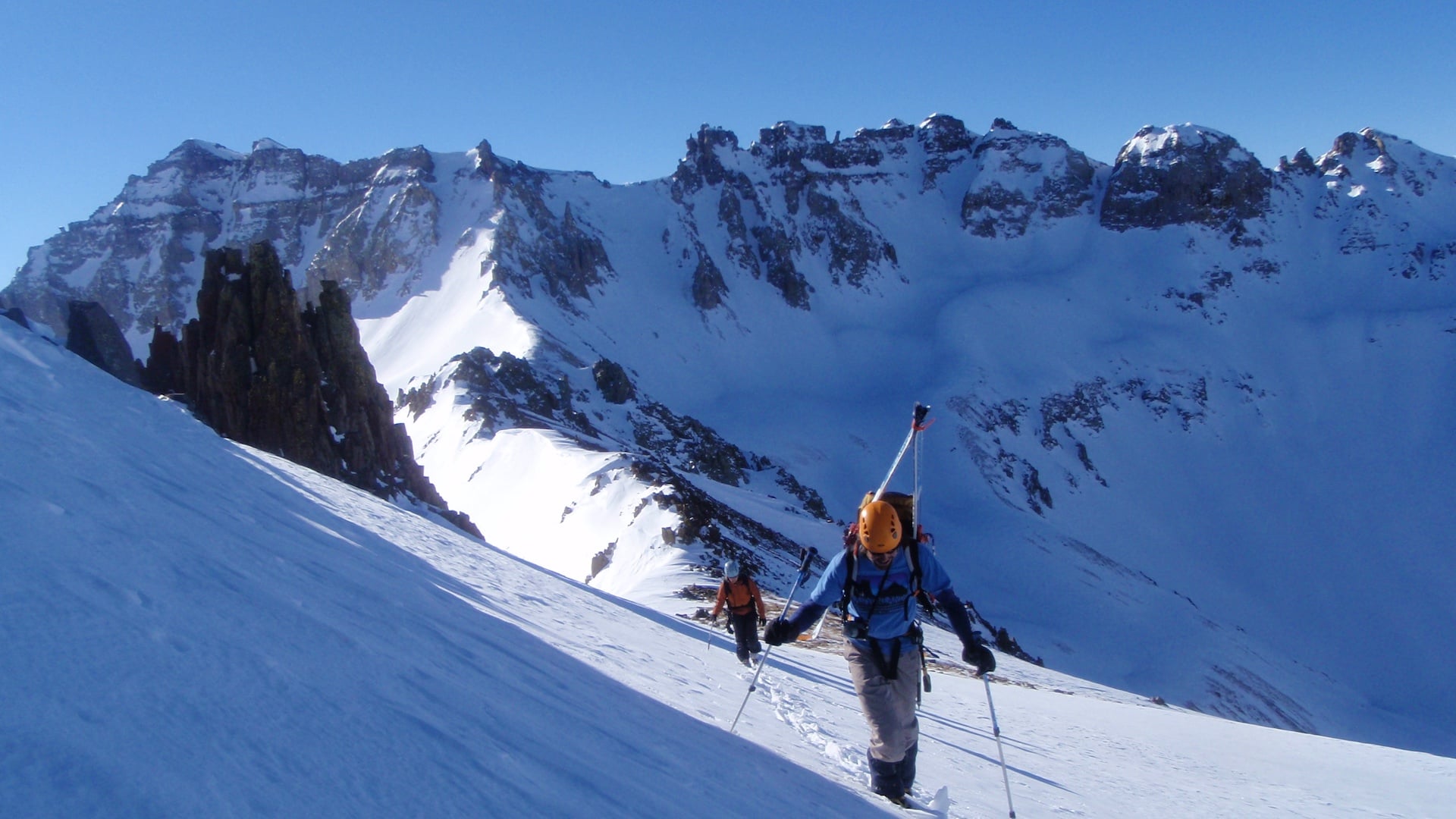
Mt. Baker is a 10,781-foot volcano perched on the northern edge of Washington State in the Cascades. The peak has several possible routes that range in difficulty from moderate to very advanced.
Students who wish to climb Mt. Baker should have a good level of endurance and should train hard for the mountain. Younger climbers (13-15 year olds) will need four-days on the mountain. Older climbers (16-Adult) who are fit will commonly do it in three days.
The four-day recommended Mt. Baker itinerary is as follows:
Day One:
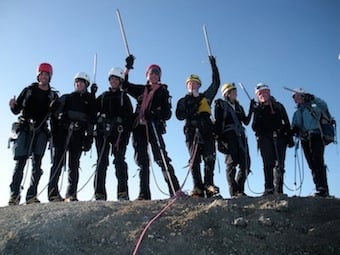
A teenage group celebrates on the summit of Mt. Baker. Dawn Glanc.
Meet at the AAI headquarters in Bellingham at 7am. Complete a gear check and obtain rentals. The instructors will help students pack their packs so that they are as light as possible. This process will take two to three hours.
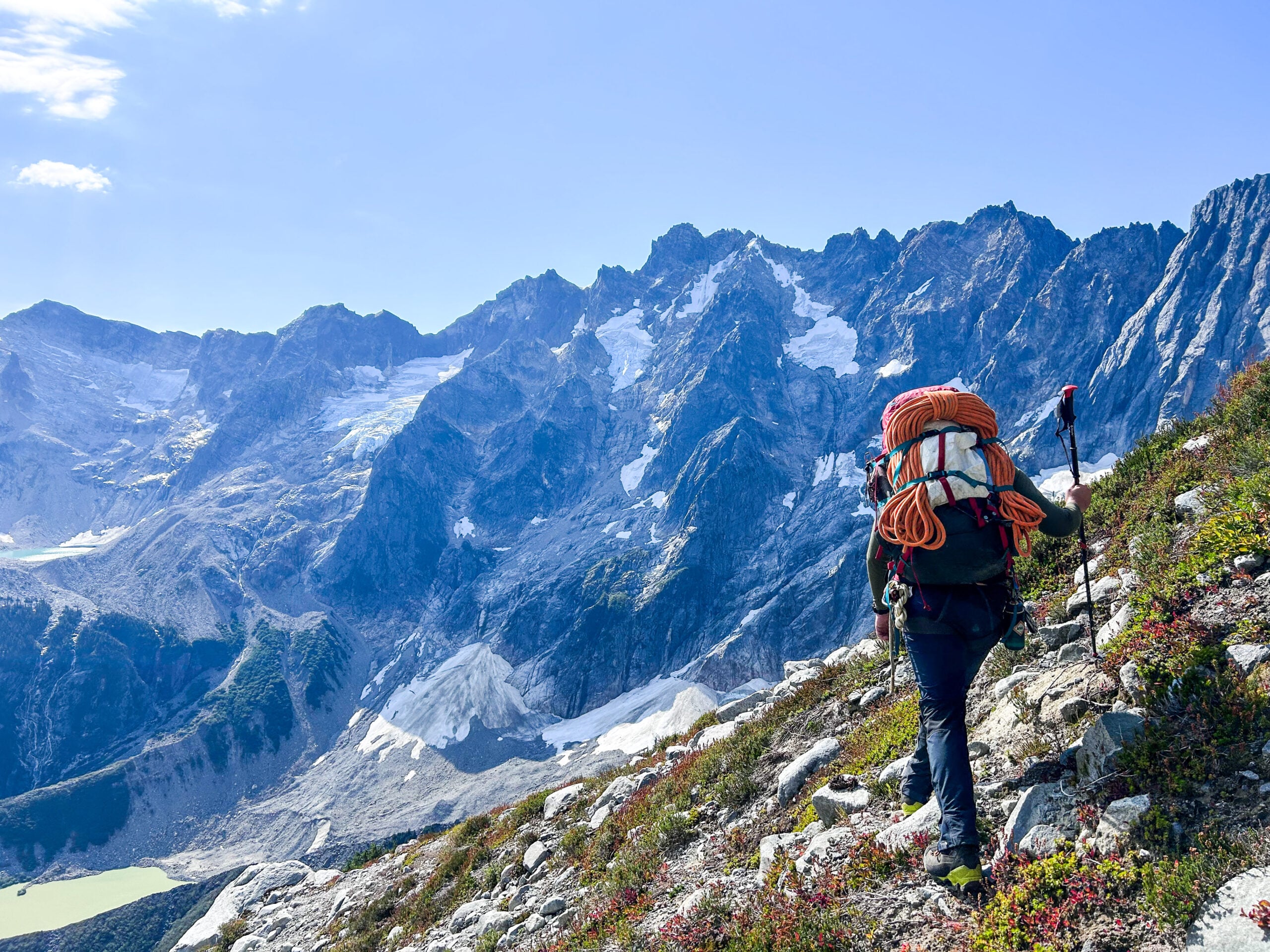
Once the gear check is complete, we will drive for 1.5 hours to the trailhead at 3,670-feet. From there, we will hike approximately 3.5 miles to a camp at 6000-feet.
If there is time in the afternoon, the team will work on some basic ropework, snow and glacier travel skills.
Day Two:
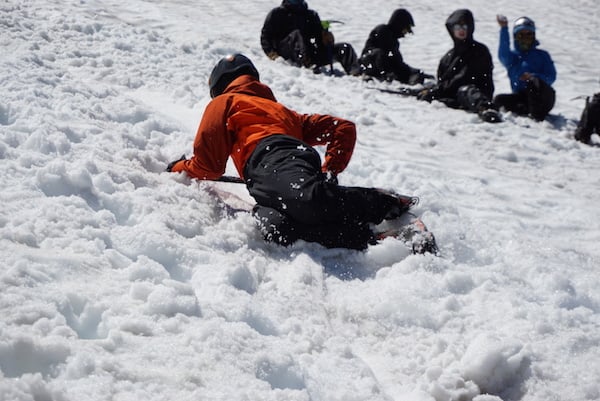
On the second day of the program, the focus will be on skills. The team will learn ice axe and crampon skills, as well as rope and glacier travel skills.
The team will finish early because the next day will start very early.
Day Three:
This is summit day!
The team will get up between 1am and 4am, depending on the weather and the instructor’s summit strategies. They will then leave camp to climb the Coleman-Deming Route.
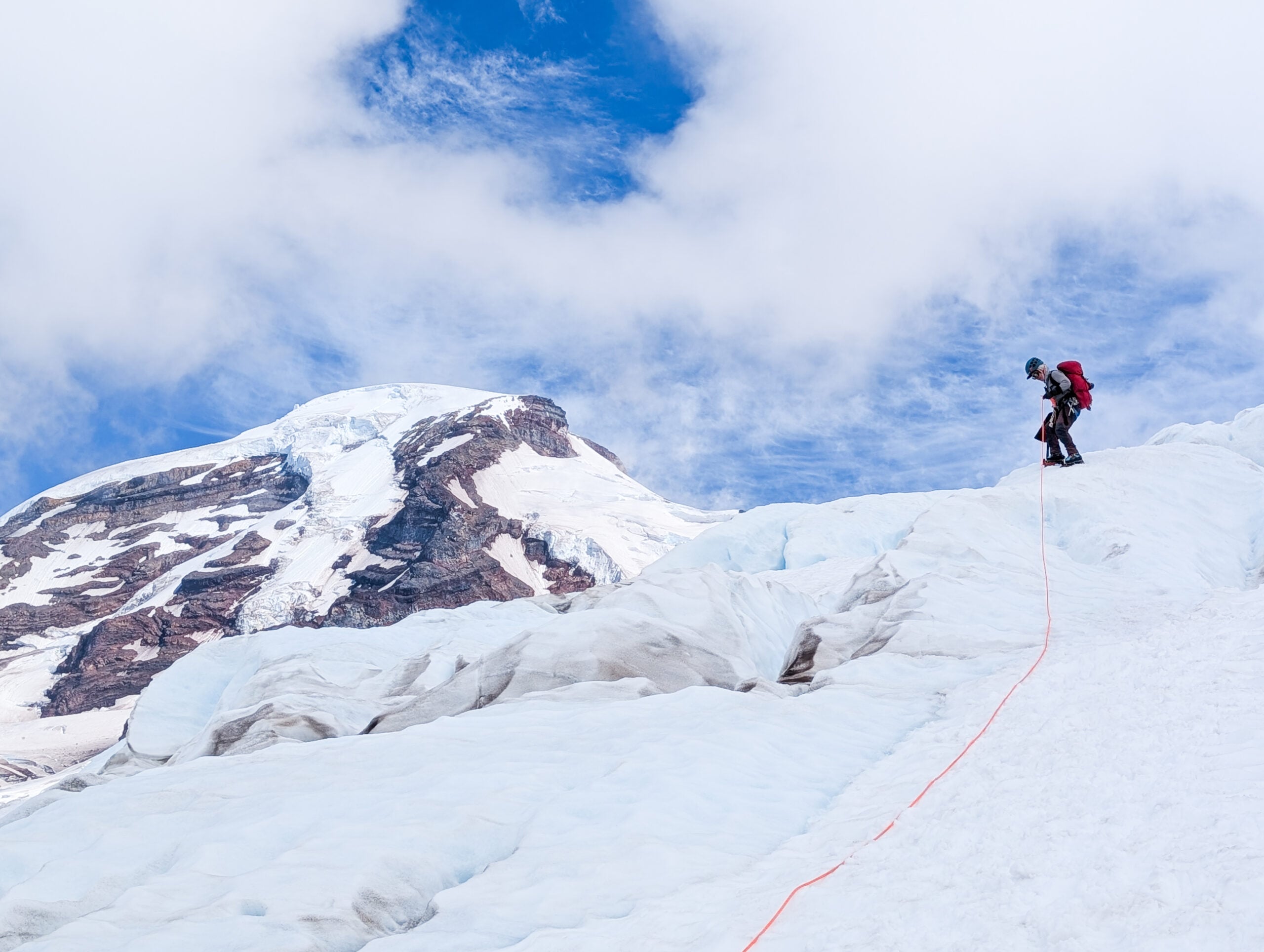
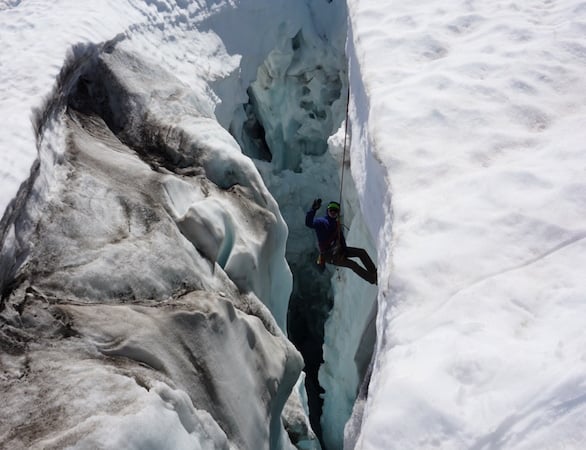
The Coleman-Deming requires students to climb around crevasses on glaciated terrain. The final 1000-feet is on 40-degree terrain. Once this section is completed, students will trek across the summit plateau to the true summit at 10,781-feet.
It will take most student parties between eight and twelve hours to reach the summit. And it will take another four to six hours to get back to camp.
Day Four:
The team will get up leisurely, tear down camp and hike out.
On the three-day program, the team will summit and hike out on the same day.
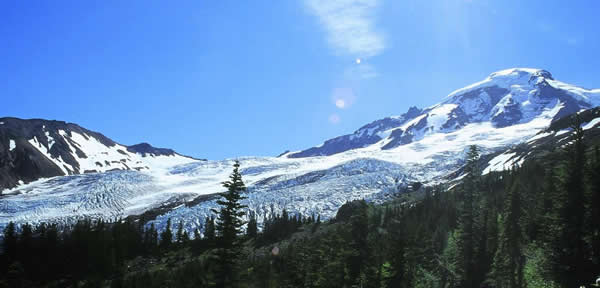
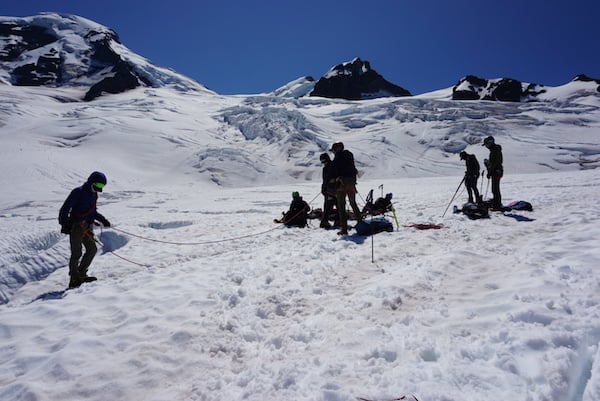
The Roosevelt and Coleman Glaciers converge below Mount Baker’s North side as seen from the approach trail. Our camp is at the snowline. AAI Collection















 Popular Programing Options