












Overview
The American Alpine Institute has a long-standing commitment to advocacy and action in support of outdoor recreation, mountain education, climbing, wilderness protection, and climate stewardship. We believe that teaching people to move responsibly through wild places comes with an obligation to help protect those places for the long haul. Stewardship isn’t a side project at AAI—it’s both part of the job and of the mission.
Our advocacy takes two primary forms.
First, we show up on the ground. AAI organizes and participates in hands-on preservation efforts in the places where we work and recreate. This includes everything from litter cleanups and trail work to road maintenance and other projects that directly improve access, safety, and environmental health. If something needs doing and it benefits the landscape, we’re willing to grab tools and get dirty.
Second, we contribute time and expertise behind the scenes. AAI staff regularly volunteer in administrative and leadership roles that support conservation and access. This may involve writing letters to legislators and land managers, serving on boards and committees, or meeting directly with decision-makers to advocate for responsible recreation and long-term preservation.
Below is an overview of some of our broader efforts to ensure that stewardship and advocacy remain core to AAI’s mission…
Leave No Trace (AAI’s Long History with LNT)
Leave No Trace (LNT) emerged in the 1960s and ’70s in response to the growing environmental impacts of outdoor recreation on public lands. Federal agencies—including the U.S. Forest Service, National Park Service, and Bureau of Land Management—collaborated to develop educational guidelines that promoted responsible use and minimized human impact.
In the late 1980s, the U.S. Forest Service partnered with the National Outdoor Leadership School (NOLS) to create a unified, standardized curriculum. This work led to the founding of the Leave No Trace Center for Outdoor Ethics as an independent nonprofit in 1994, with the American Alpine Institute among its founding supporters.
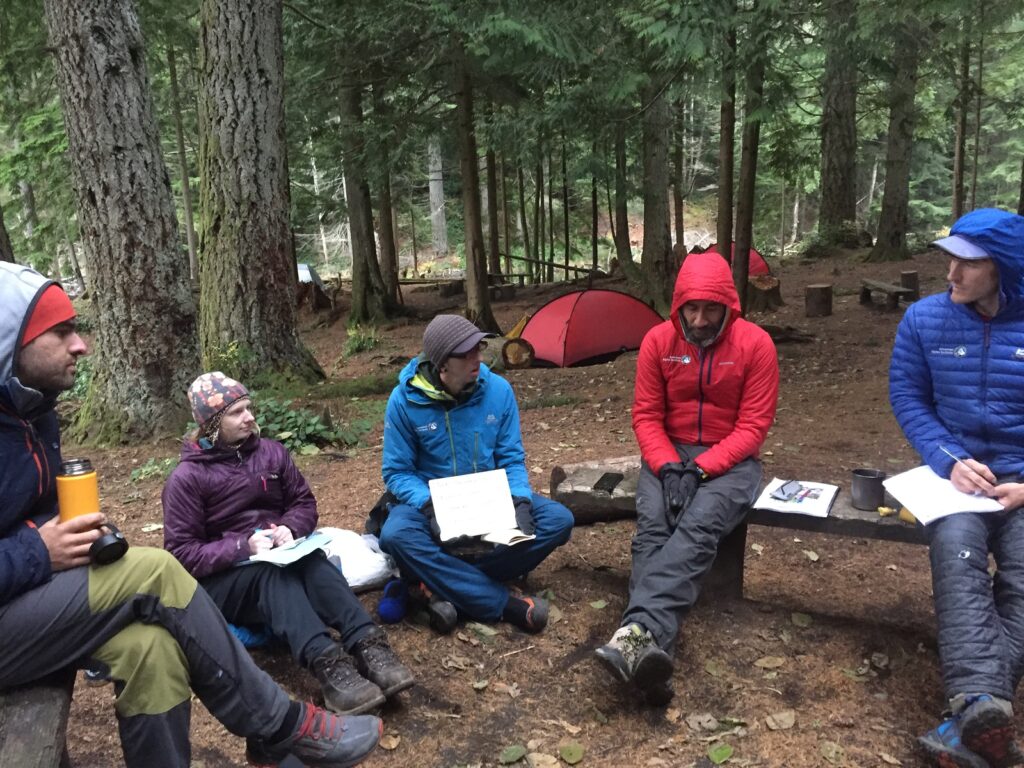
Since then, LNT has evolved from a backcountry-focused initiative into a nationwide movement, promoting responsible recreation across all outdoor spaces—from wilderness areas to frontcountry parks.
The Leave No Trace Gold Standard represents the highest level of recognition for organizations demonstrating excellence in conservation ethics. Earning this designation requires a rigorous process, including baseline assessments, formal staff training, and full integration of LNT principles into operations, signage, and education.
The American Alpine Institute was the second outfitter and guide service to achieve the Leave No Trace Gold Standard. AAI also offers both Level I (Trainer) and Level II (Master Educator) courses, and every guide on staff holds at least one of these certifications. And every program at AAI adheres to Leave No Trace standards.
Pacific Northwest
As AAI is headquartered in the Pacific Northwest, it participates in a lot of activity. Following are some annual stewardship events and needs:
- Annually organize the Dallas Kloke Memorial Clean-Up and Adopt-a-Crag at Mt. Erie near Anacortes.
- Write letters in support of grant applications from the Mt. Baker Snoqualmie National Forest and the Okanogan-Wenatchee National Forest.
- Regular attendance at the annual Kulshan Clean-up, a multi-guide service effort to steward Mt. Baker’s roads, trails and camps.
In addition to annual stewardship, AAI donates time and money to things that happen occasionally. Following are examples.
- Worked with the Washington Trails Association on the approach trails in Washington Pass.
- Worked with Outward Bound and the Okanogan-Wenatchee National Forest on trail construction at Fun Rock near Mazama.
- Provide donations when needed to the Bellingham Mountain Rescue Council.
- Donated to a fund for port-a-poties along Icicle Creek Road in Leavenworth.
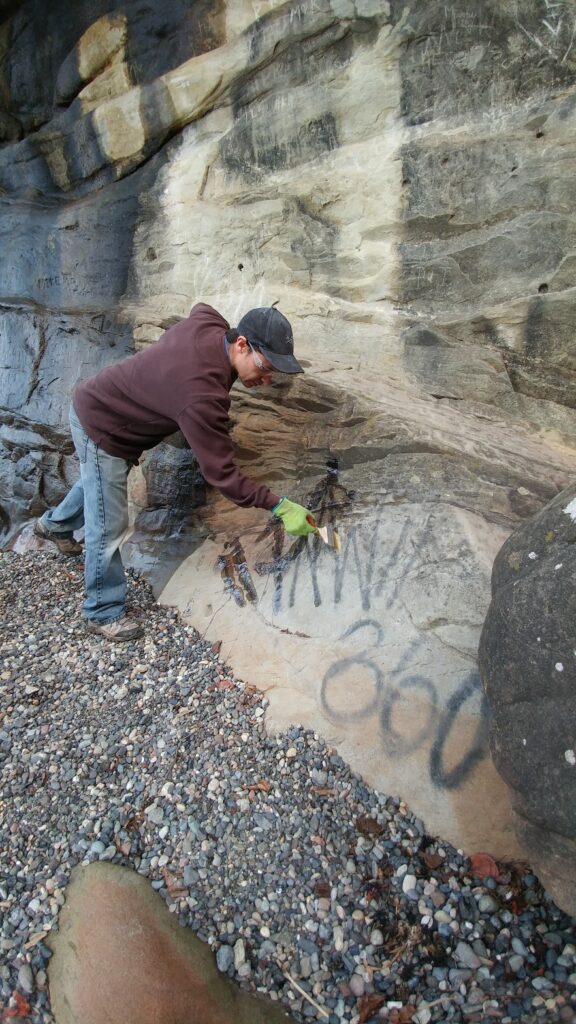
- Participated in graffiti removal at Larrabee State Park.
- Make donations to the Washington Climbers Coalition and/or to the Access Fund.
- Donated bolts for the development of the Wayne’s World Drytooling Area
- Respond to access issues where ever they arise, either by lobby in-person or by writing to the appropriate people.
Denali National Park
For decades, climbers on Denali and throughout the Alaska Range disposed of human waste in snow pits and shallow crevasses, assuming it would eventually disappear. It didn’t. Extreme cold preserved the waste, foot traffic brought it back to the surface, and meltwater carried contamination downslope toward camps and glaciers used for drinking water. High-use routes like the West Buttress became especially impacted, creating health risks and an increasingly unpleasant environment for climbers.
To address this growing problem, Denali mountaineering ranger Roger Robinson designed a lightweight, portable toilet specifically for high-altitude use. In 2001, the American Alpine Institute tested the first Clean Mountain Cans (CMCs), becoming the first company to remove all human waste from Denali. While limited availability and logistical concerns initially slowed widespread adoption, CMC use eventually became standard practice on the mountain.
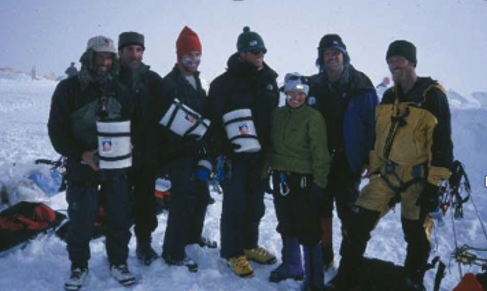
AAI was cited for its early adoption of CMCs by Denali National Park and Preserve twice in its Annual Mountaineering Summary.
Red Rock Canyon National Conservation Area
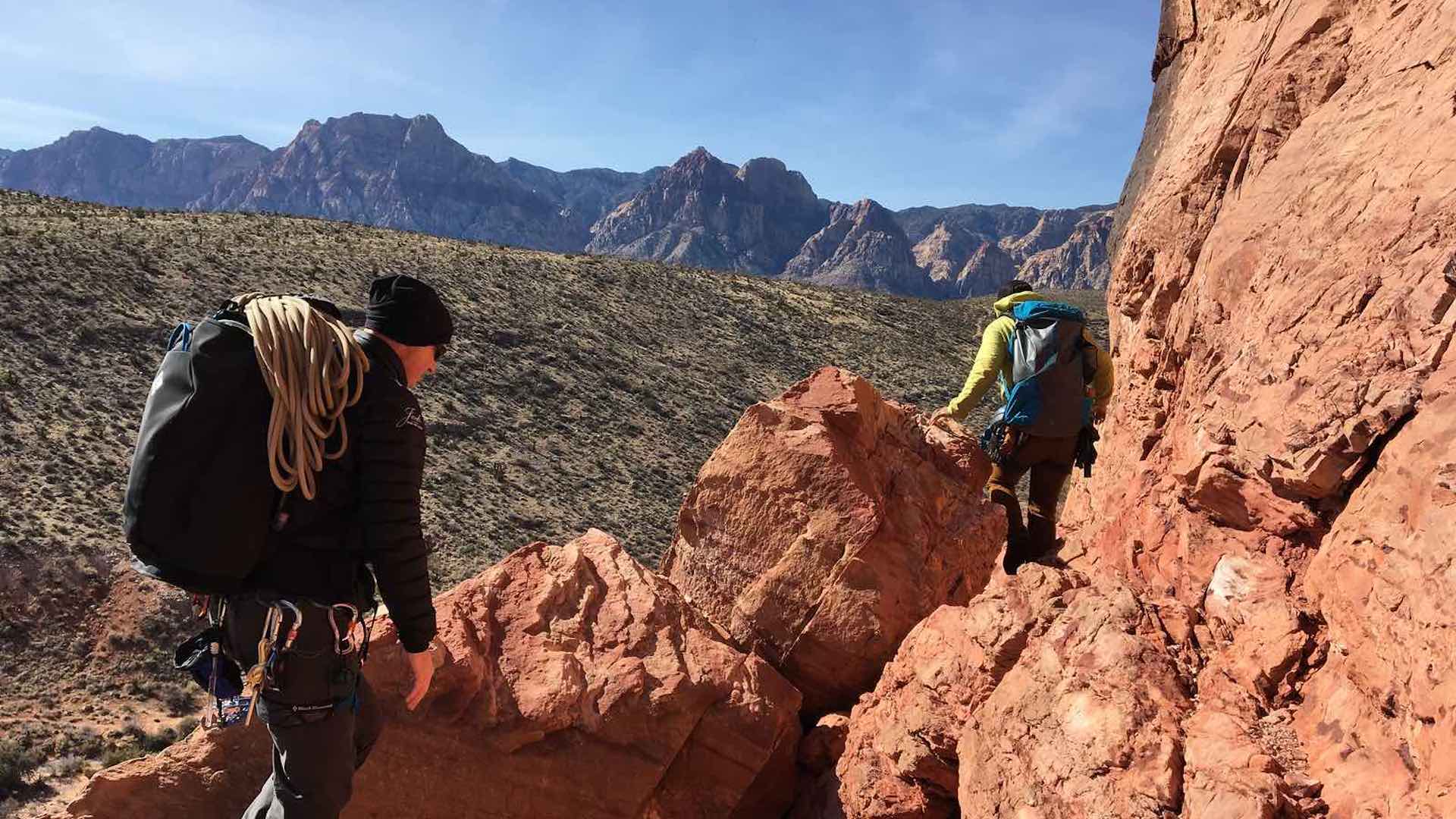
AAI has been running programs in “Red Rocks” since the mid-1990s. However, at the turn of the century, the then lead guide in Red Rock, Jason Martin, became a board member with the Las Vegas Climbers’ Liaison Council LVCLC). He held the role of secretary for eight years.
The LVCLC was a Local Climbing Organization (LCO). An LCO in the Access Fund’s network is a volunteer-driven, regional group that acts as the “boots on the ground” for protecting and stewarding specific climbing areas and advocating for climber access issues at the local level.
The group worked with the Bureau of Land Management on access issues, sponsored graffiti clean-ups, bolt replacement parties, litter clean-ups, trail building work crews, and a lot more.
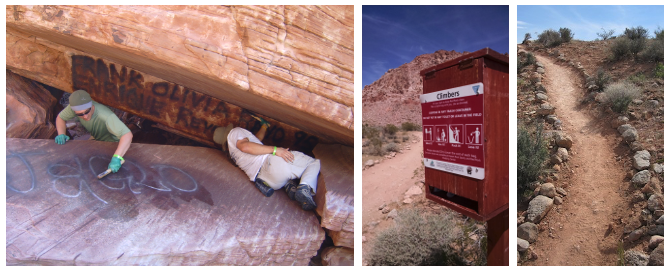
When Jason was promoted to a management position at AAI, other guides took up the mantle with the organization. Mary Harlan, Scott Massey, Andrew Yasso, Doug Foust and Andy Stephen have all volunteered time with the group, both for specific projects and sometimes at an administrative level.
At some point the name changed from the Las Vegas Climber’s Liaison Council to the Southern Nevada Climbers Coalition (SNCC). This new name better represents the group, as they advocate for the entire region.
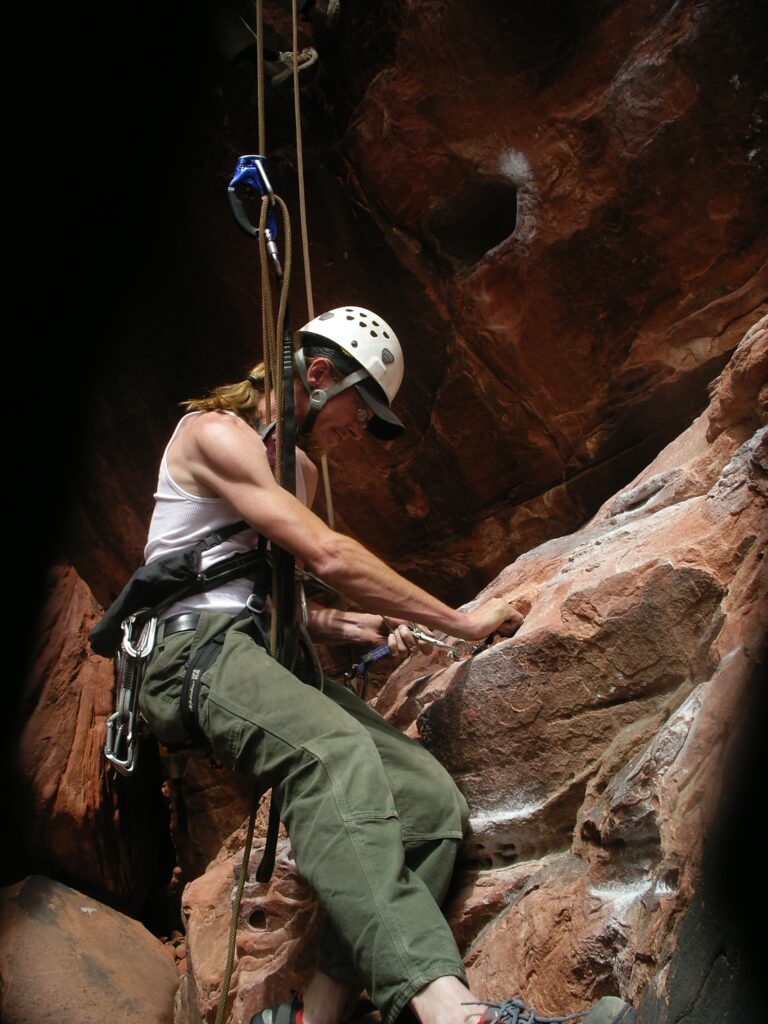
In addition to the SNCC, guides have occasionally also volunteered for Save Red Rock and the Friends of Red Rock Canyon. And indeed, AAI has also taught Leave No Trace Level I and Level II courses in the Canyon to help preserve the Conservation Area.
National Advocacy
Many challenges facing public lands extend beyond the boundaries of any single area, and AAI has consistently stepped up to help when it can. This work has largely taken the form of advocacy—both through direct engagement and in partnership with national advocacy organizations.
AAI founder Dunham Gooding served a three-year term on the National Park Service Centennial Advisory Committee under NPS Director Jon Jarvis, helping shape the vision and programming for the National Parks’ centennial celebration.
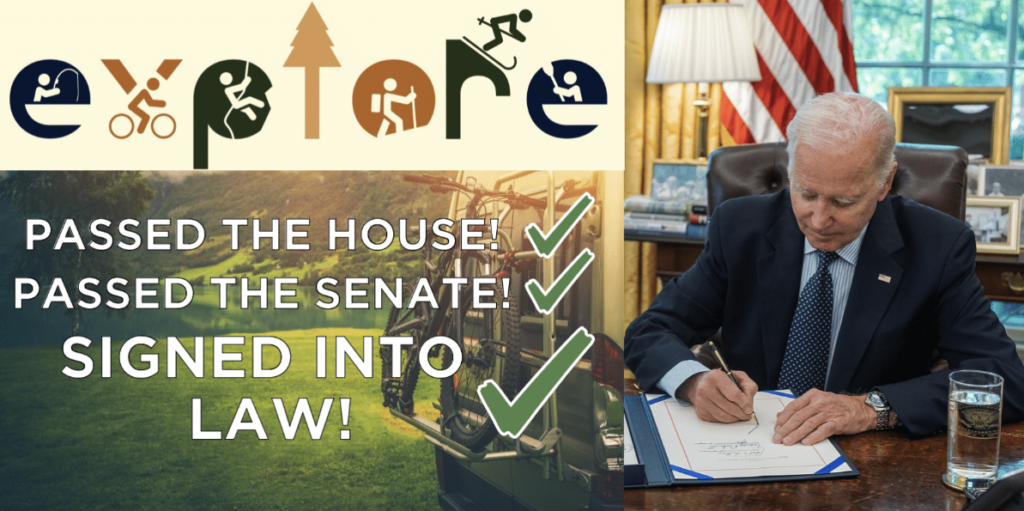
AAI’s current director, Jason Martin, worked with the Coalition for Outdoor Access from 2016 to 2025 on the EXPLORE Act (Expanding Public Lands Outdoor Recreation Experiences Act). Signed into law in January 2025, this bipartisan legislation strengthened outdoor recreation on federal lands by improving access, modernizing land management, supporting local economies, and expanding opportunities for veterans, youth, and underserved communities. The Act streamlined permitting, supported trail and urban park development, and updated infrastructure for activities ranging from hunting to climbing.
Jason is regularly consulted by land managers, policymakers, access organizations, and media outlets on issues affecting outdoor culture in the United States. His work and commentary have addressed topics including fixed anchors, Wilderness policy, climate change, the benefits of outdoor recreation, and outdoor risk management.
The American Alpine Institute has long been recognized as a leader in technical guiding and outdoor education. We are equally proud of our role as outdoor stewards. Keeping wild places open, healthy, and accessible—and protecting them for future generations—is central to who we are.