











The Roots of the American Alpine Institute
In the spring of 1975, Dunham Gooding and Sheilagh Brown found their calling. Drawing on skills Dunham learned from Yvon Chouinard, they launched an intermediate and advanced ice-climbing course that emphasized modern technique, personal responsibility, and a culminating technical ascent. They offered it under their new company, the North Cascades Alpine School—a name that would soon evolve into the American Alpine Institute.
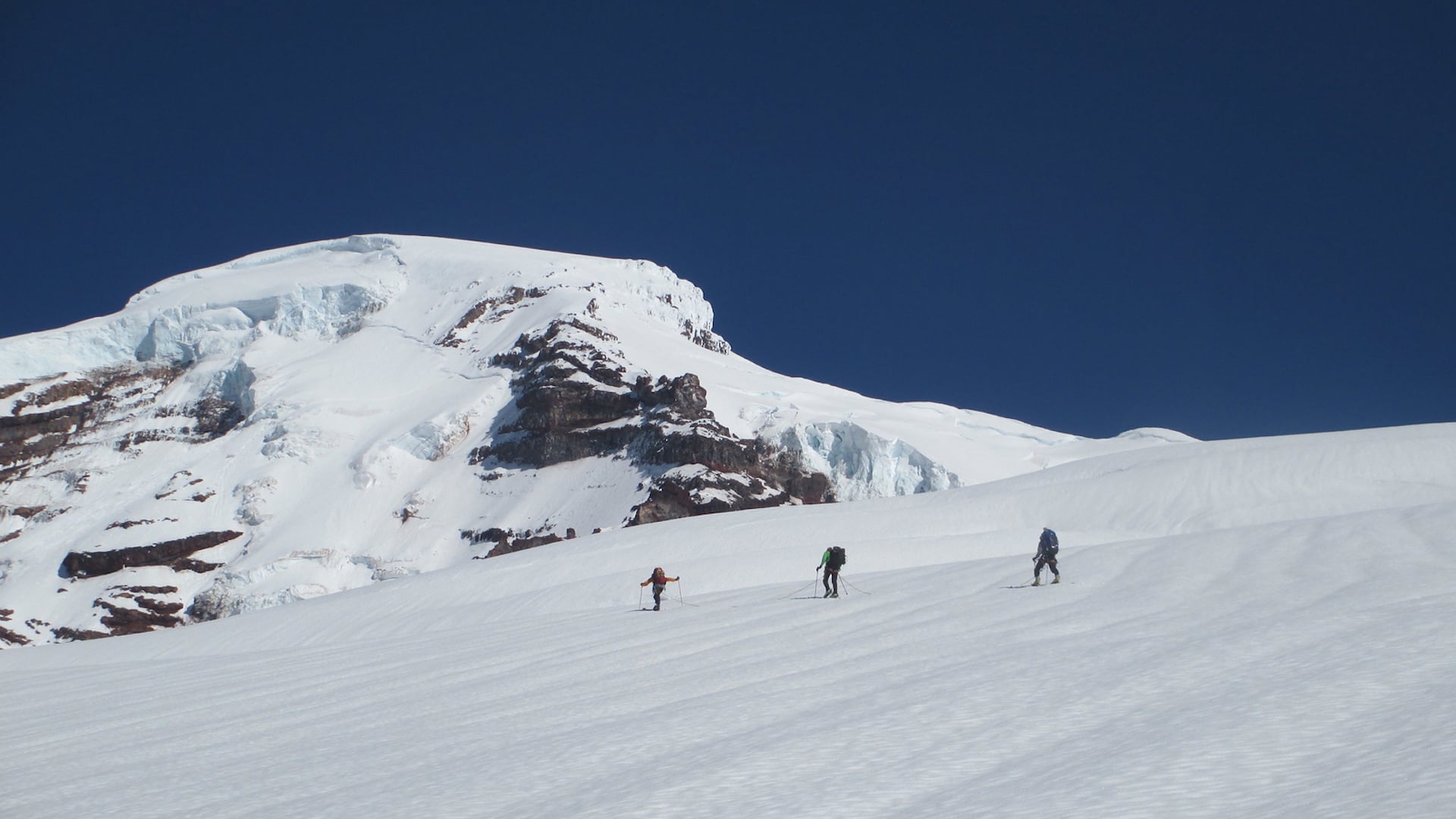
That June, Dunham led five students through wet spring snow into Boston Basin. Conditions were rough: falling snow made camp life miserable and unconsolidated footing slowed instruction. After a day and a half, they moved to the Coleman Glacier on Mount Baker, where Dunham completed the curriculum with an ascent of the Coleman Headwall (likely the first guided ascent). That inaugural program set the tone for the Institute’s future—rigorous instruction, technical excellence, and perseverance in adverse conditions.
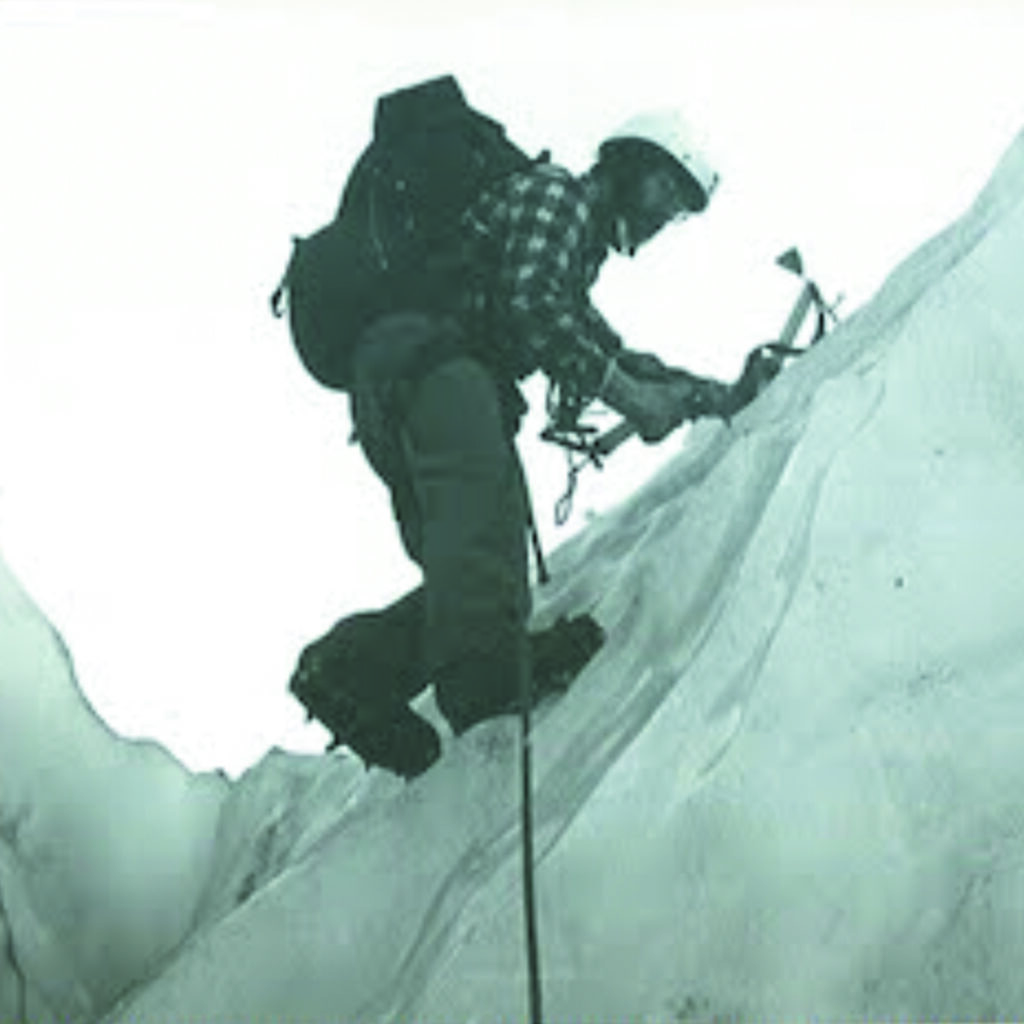
In year two, Paul Bleakney became AAI’s second guide; in year three, Dave Bishop and Jim Heinzin joined. Paul later became a professional cartoonist, and Dave an orthopedic surgeon. Both stayed close to Dunham and Sheilagh, an early reflection of the strong relationships fostered at AAI.
During these formative years, Dunham and Sheilagh devoted everything to the school. Dunham guided and worked in the office; Sheilagh managed client communication, logistics, and gear. For years they handled every rental, every piece of equipment, and every client meeting themselves.
One early student, Australian climber Geof Bartram, became pivotal to AAI’s future. Passing through Bellingham in 1976, he joined an Advanced Ice Climbing course with borrowed gear, excelled, and stayed for a season of alpine climbing. He soon assisted Dunham on AAI’s first foreign program: a shoestring expedition to the volcanoes of Mexico, traveling south in a borrowed 1968 Ford pickup. After successful ascents of Popocatépetl, Iztaccíhuatl, and Orizaba, the group toured southern Mexico and planted the seeds for AAI’s international guiding program.
Geof later developed itineraries across South America, leading to AAI programs in Ecuador, Peru, Bolivia, Nepal, India, and New Zealand. During his twelve years with AAI, he completed numerous first ascents—many with clients—and eventually led the 1984 Australian Everest Expedition, making the first successful ascent of the North Face. He was awarded the Australian Order of Merit and gifted the medal to Dunham in gratitude.
Growth and Change
Alan Kearney, another influential guide, joined AAI in 1980 after eight years with Pacific Crest Outward Bound. His expertise in the Cascades helped expand AAI’s offerings into more remote and advanced terrain, including Washington Pass, further cementing the Institute’s reputation.
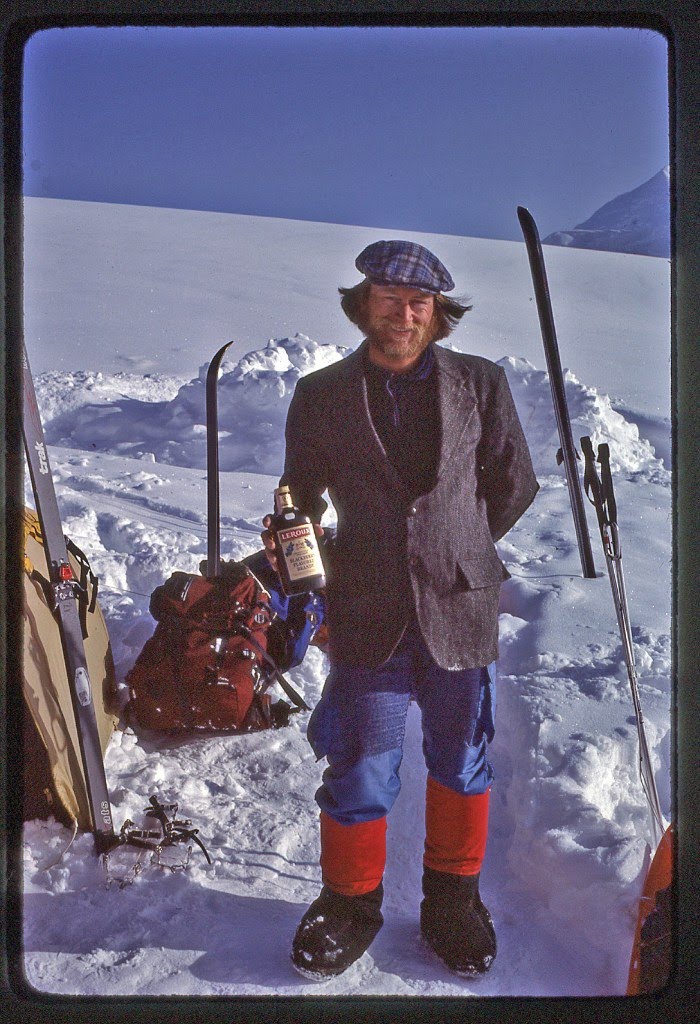
Though Alan brought a lot of ideas about program growth to the table, the most important thing he brought was an educational ideology. He took Dunham’s educational philosophy and helped craft it into something that every guide could offer. He changed AAI from being a guide service with a school and clients, into being a school with a guide service and students.
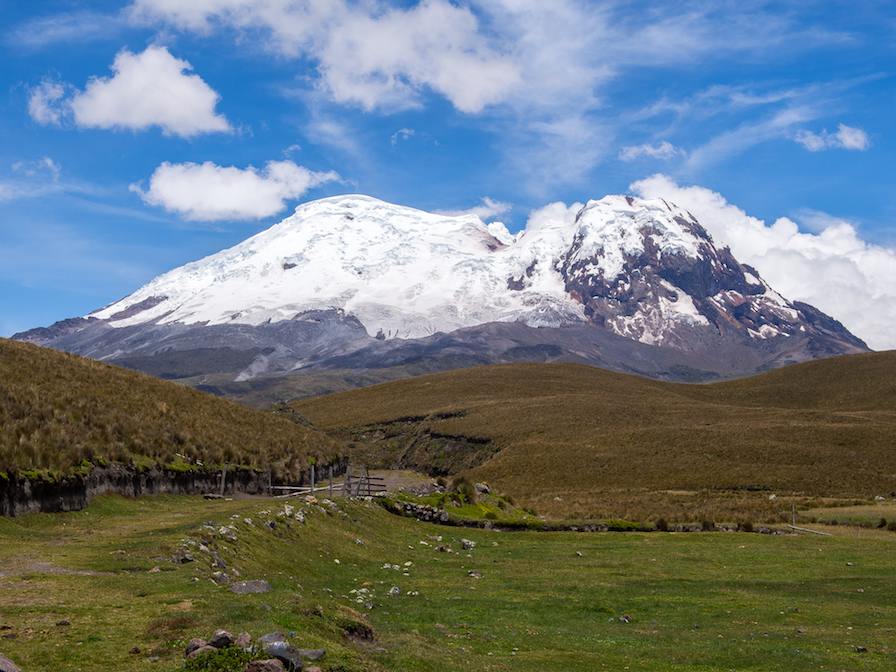
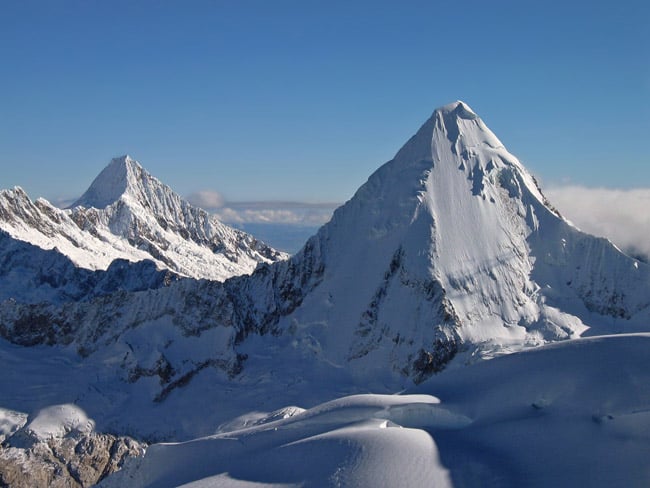
AAI became a pioneer in South American instruction and guiding long before other US-based services took up the mantle, launching Aconcagua programs in 1980 and establishing dozens of first ascents and new routes throughout the Andes between 1979 and 1995. Technical guided first ascents included Salcantay, El Altar, the North Ridge of Alpamayo, Antisana, and the Shield on Huascarán.
The Institute began guiding in Alaska in 1980 on the West Rib (Carlos Buhler and Tim Boyer, likely a first guided ascent) followed by the West Buttress in 1981 (Alan Kearney and Tim Boyer). AAI was among the early operators in Denali National Park, earning recognition for its preparation standards and high success rates. Indeed, AAI guided it’s first Alaska Range technical route on Mt. Hunter in 1981.
AAI and the American Mountain Guides Association
AAI has also played a major role in shaping the American guiding profession. When the American Mountain Guides Association was revived in 1987 after several years of conflict, Dunham became vice president and later served as president.
During that time AAI guides played a central role in the development of AMGA educational programs. They volunteered their time (Mark Houston, Kathy Cosley, and S.P. Parker) and based the programs on AAI’s guide training program. Indeed, the alpine guide certification program was based squarely on the curriculum provided in the Institute’s internal guide training program.
Dunham served as AMGA president for six years, and AAI guide Matt Culbertson was his successor. Dunham served as the American representative to the International Federation of Mountain Guides Associations (IFMGA/UIAGM) for three years and laid the groundwork for the AMGA’s acceptance into that international body in 1997.
Many AAI guides and former guides have served on the AMGA board, on the AMGA instructor team, and on the AMGA office staff team. Amongst them are people like Michael Powers, Ed Crothers, Scott Massey, Matt Wade, Jason Martin, Kevin Shon, Dylan Taylor, Angela Hawse, and Jonathon Spitzer.
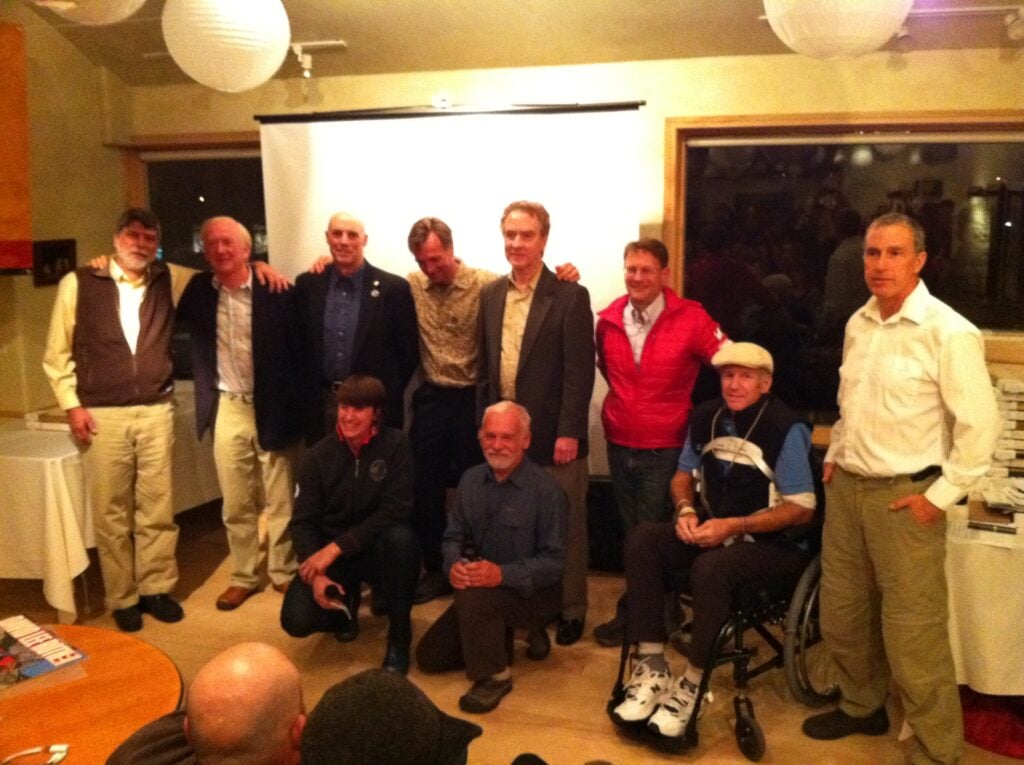
In 1987, AAI became one of the first AMGA-accredited guide services and remains the longest continuously accredited service in the country. Dunham and Sheilagh also hosted the AMGA’s national office at AAI’s Bellingham headquarters, giving the organization stability during its formative years.
Stewardship and Continued Growth
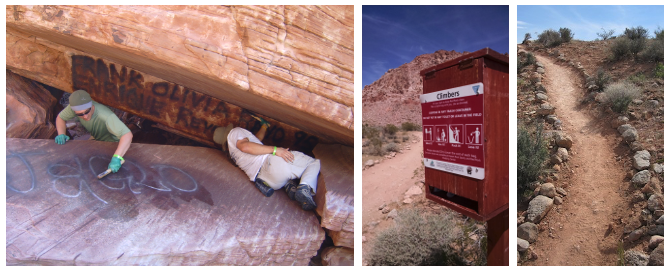
Throughout its history, AAI staff have been active in land-use planning and access advocacy. Guides have worked with Denali National Park, the Access Fund, and the Las Vegas Climbers Liaison Council–now the Southern Nevada Climbers Coalition, helping protect Red Rock Canyon and other climbing areas.
Over the decades, AAI expanded steadily, adding programs in Nepal, India, Patagonia, Europe, the Sierra, China, Utah, and more. In 2014, the Institute began offering professional-level rope-rescue programs; in 2017, vocational programs for veterans; and in 2019, became a Leave No Trace Master Educator Provider.
In June 2023, Jason Martin and Krista Eytchison became owners of AAI, guiding the Institute into its next chapter and moving the company to its new Home Road headquarters.
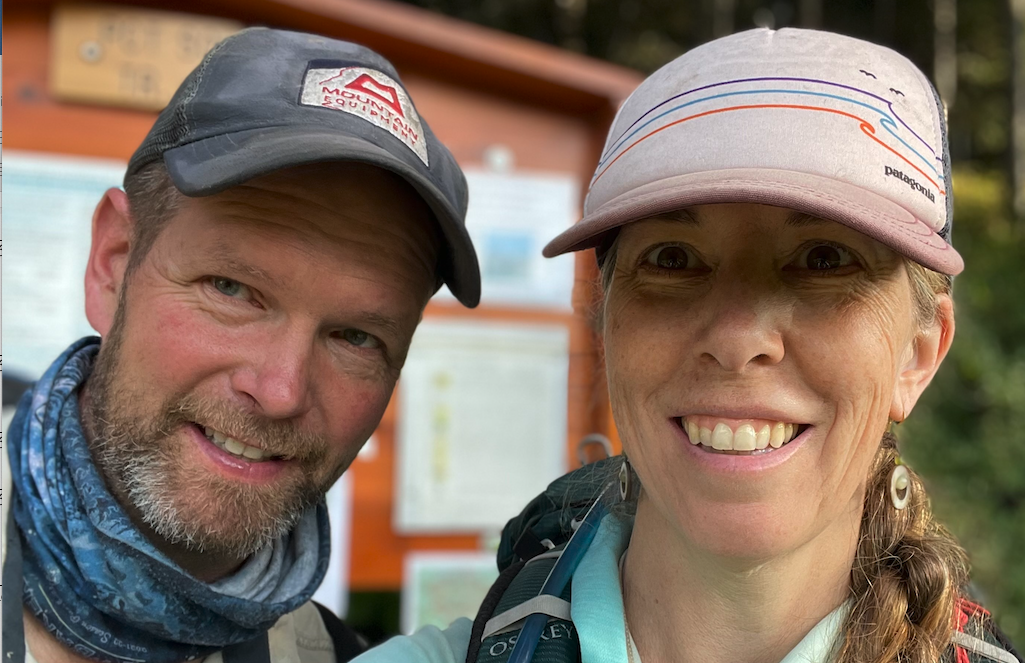
Looking forward, AAI continues to develop new programs driven by guide expertise and client interest. After decades of growth, innovation, and dedication to high-level instruction, the American Alpine Institute remains committed to serving climbers of every level with skill, care, and passion.
A Brief History of AAI Programs Throughout the World
This is an incomplete list of locations where AAI has operated over the years. But these places seem like milestones.
Some of the following trips have sunset. But many still run regularly.
| Year Introduced | Location | Description and Difficulty |
| 1975 | North Cascades | Glaciated peaks including Mt. Baker and Mt. Shuksan. Guided trips on steep glaciers and rock. These programs are still active today, making up about a third of the company’s business. |
| 1977 | Mexico | Popo (17,802), Ixta (17,160’), and Orizaba (18,701’) |
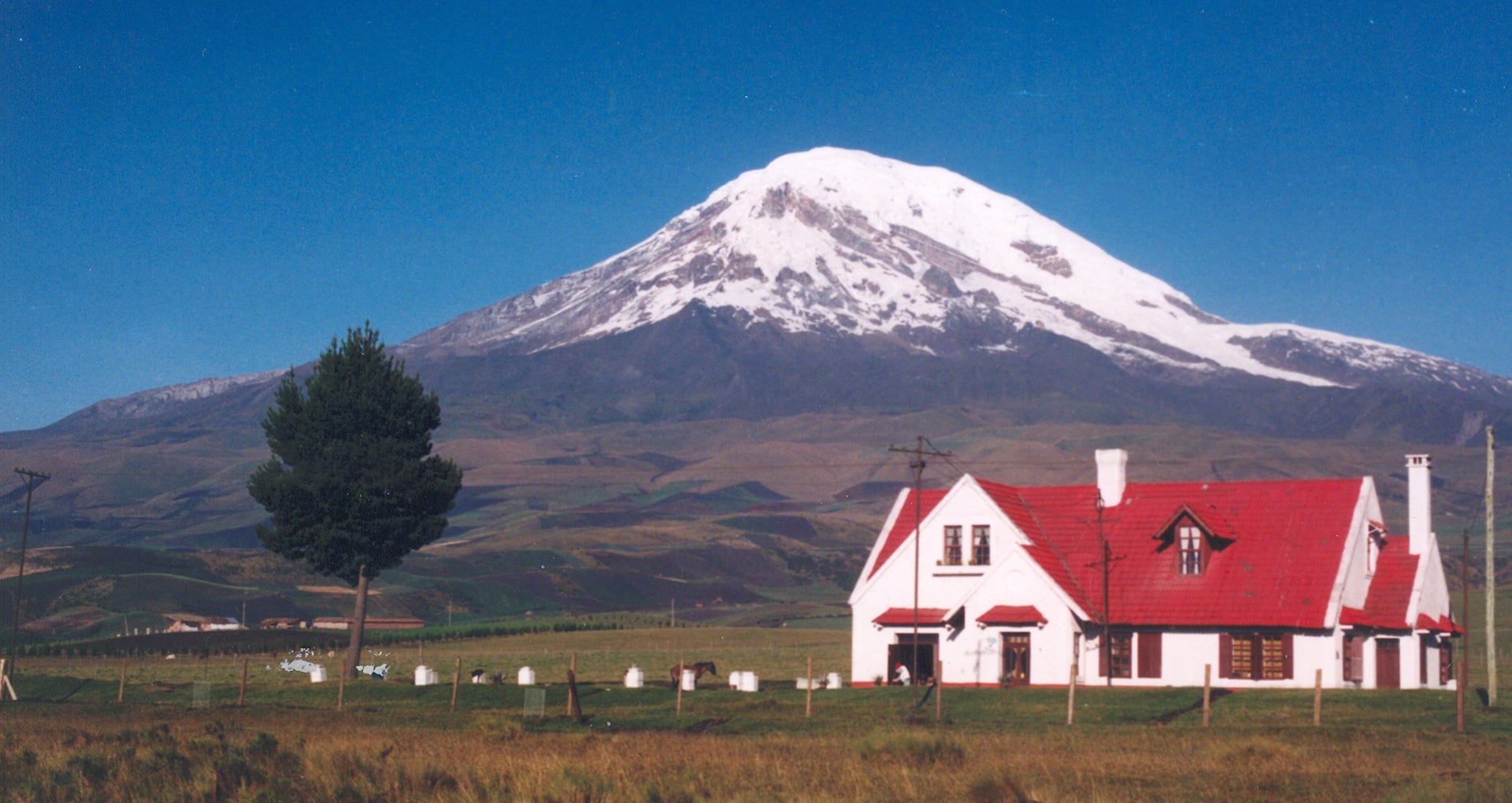
| 1977 | Ecuador | High altitude glaciated peaks. Some of the peaks included steep snow and ice climbing. |
| 1978 | Peru and Bolivia | High altitude glaciated peaks. Nearly all of the peaks require steep snow and ice climbing. |
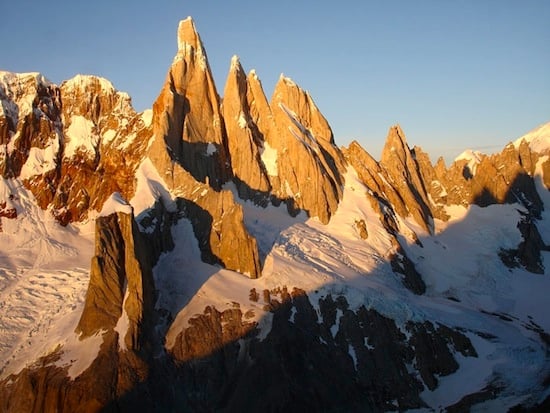
| 1979 | Chilean Patagonia | Snow and ice, glacier travel and moderate rock climbing in remote settings. |
| 1980 | Aconcagua | AAI began guiding in Aconcagua in 1980 and the company is one of the only companies to offer the Polish Direct Route on the mountain. This is a steep snow and ice route. AAI has also offered programs on the Regular Route and on the Polish Traverse. Currently, AAI regularly runs programs on the Upper Guanacos Traverse. |
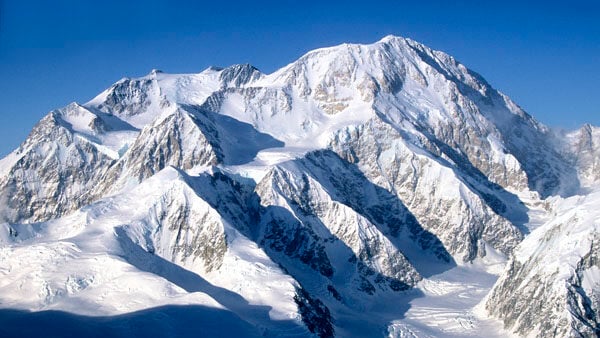
| 1980 | Denali | AAI has run trips on Denali since 1980. These trips usually make an ascent of the West Buttress, but occasionally trips are also run on the West Rib and on the West Rib Cut-off. |
| 1980 | Nepal | High altitude cold peaks. Some of the peaks require technical climbing, whereas others required standard mountaineering. |
| 1981 | Alaska Range | Ascents of peaks other than Denali began in 1981. These peaks include everything from Mt. Hunter to Mt. Huntington. AAI also runs several climbing schools on the Kahiltna and the Ruth Glaciers. |
| 1984 | Argentine Patagonia | These programs consist of moderate and intermediate glacier climbs, sometimes in remote settings. |
| 1986 | India | High altitude cold technical glaciated peaks. AAI has successfully guided Trisul (23,360’) and Nun (23,409’) twice. |
| 1992 | France and Switzerland | Alps programs take place on rock, snow, ice and glaciers. Many of the objectives are highly technical. |
| 1996 | Mt. Waddington-British Columbia | Mt. Waddington is a very serious high-end objective. The mountain requires glacier travel, steep snow and ice, and mixed climbing. |
| 1996 | Bugaboo Provincial Park-Canada | This area that AAI has consistently guided in every year since obtaining a permit, is a highly technical rock climbing area with glaciated approaches. |
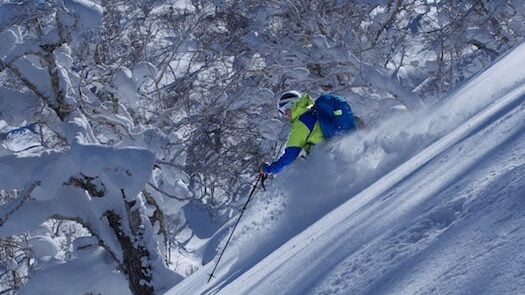
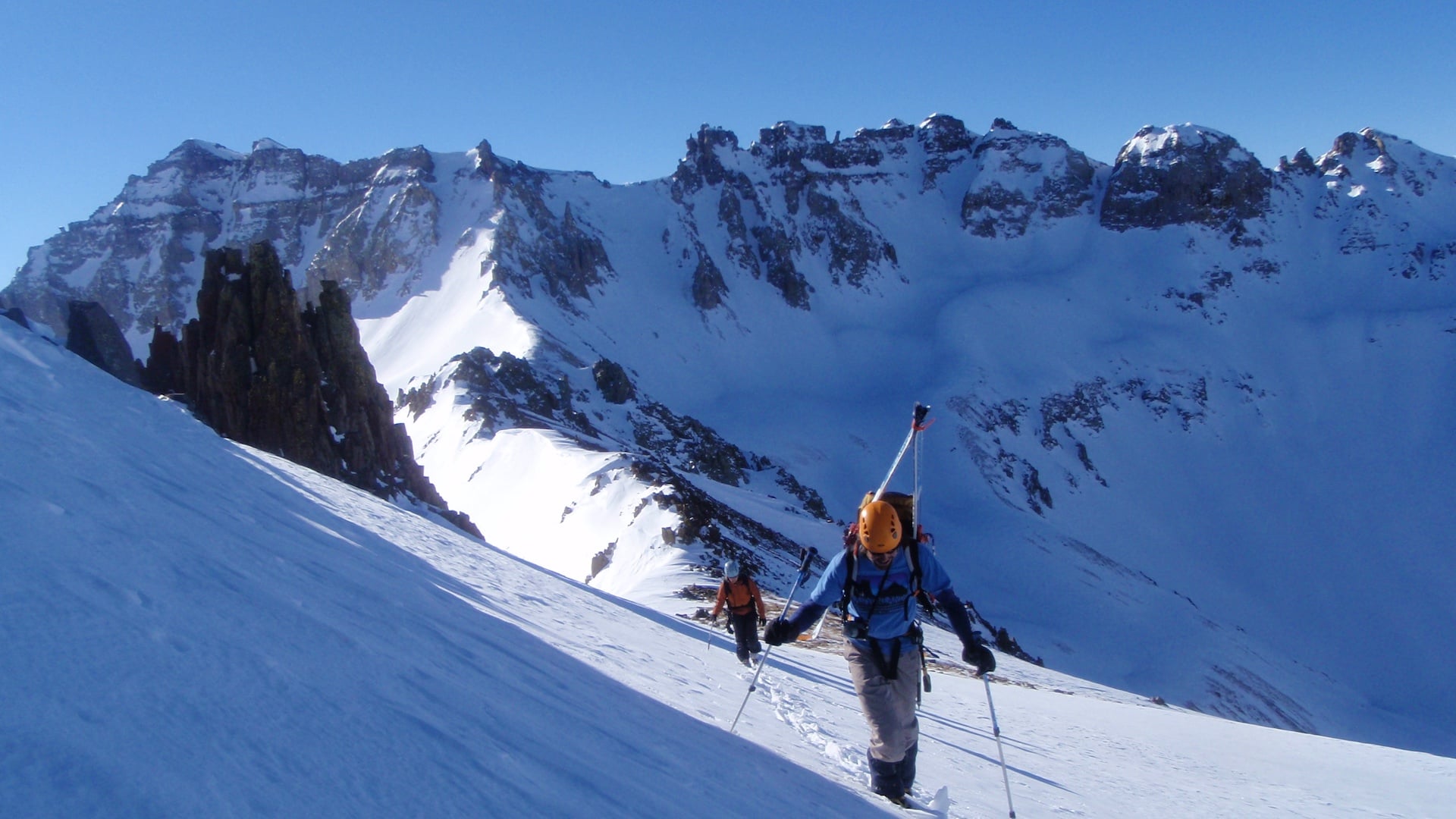
| 1996 | Colorado Rockies (San Juans) | High altitude cold weather venue for winter mountaineering programs. AAI teaches ice climbing and backcountry skiing in the area and has a robust program there. |
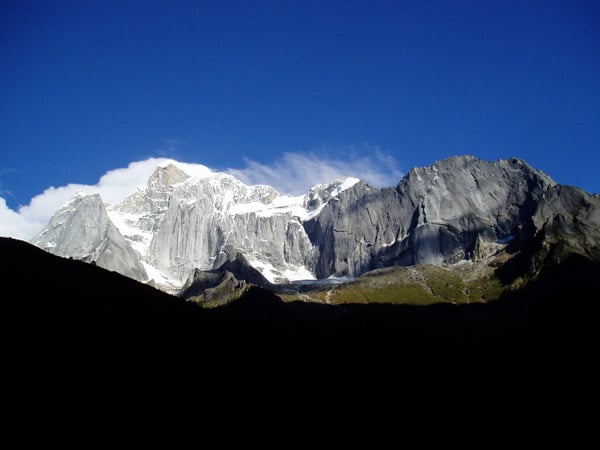
| 2006 | Sichuan Provence of China | High altitude technical venue for high-end clients and senior guides. |
| 2018 | Spring Mountains, NV | Skiing, snowshoeing, hiking and ice climbing. |
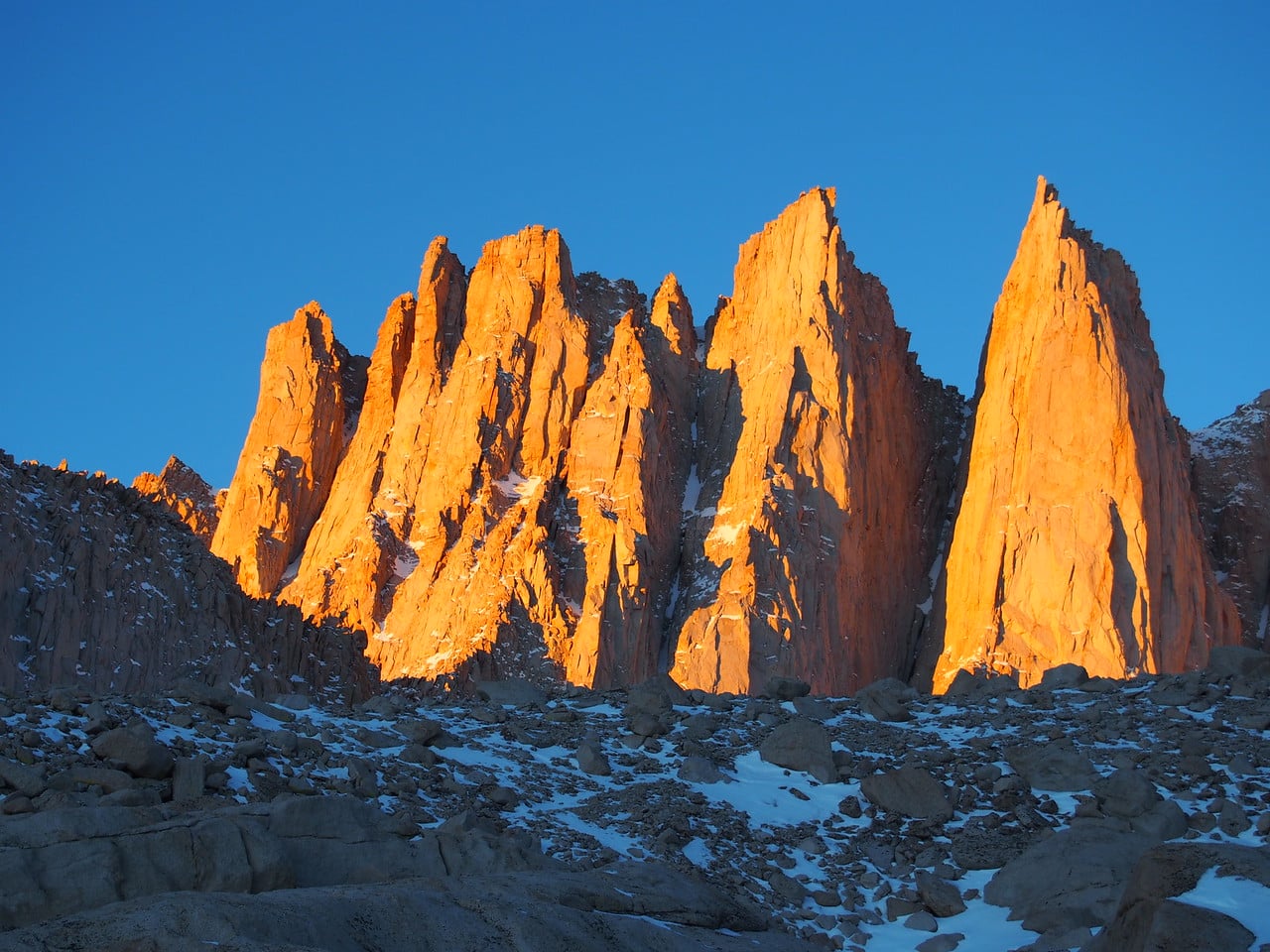
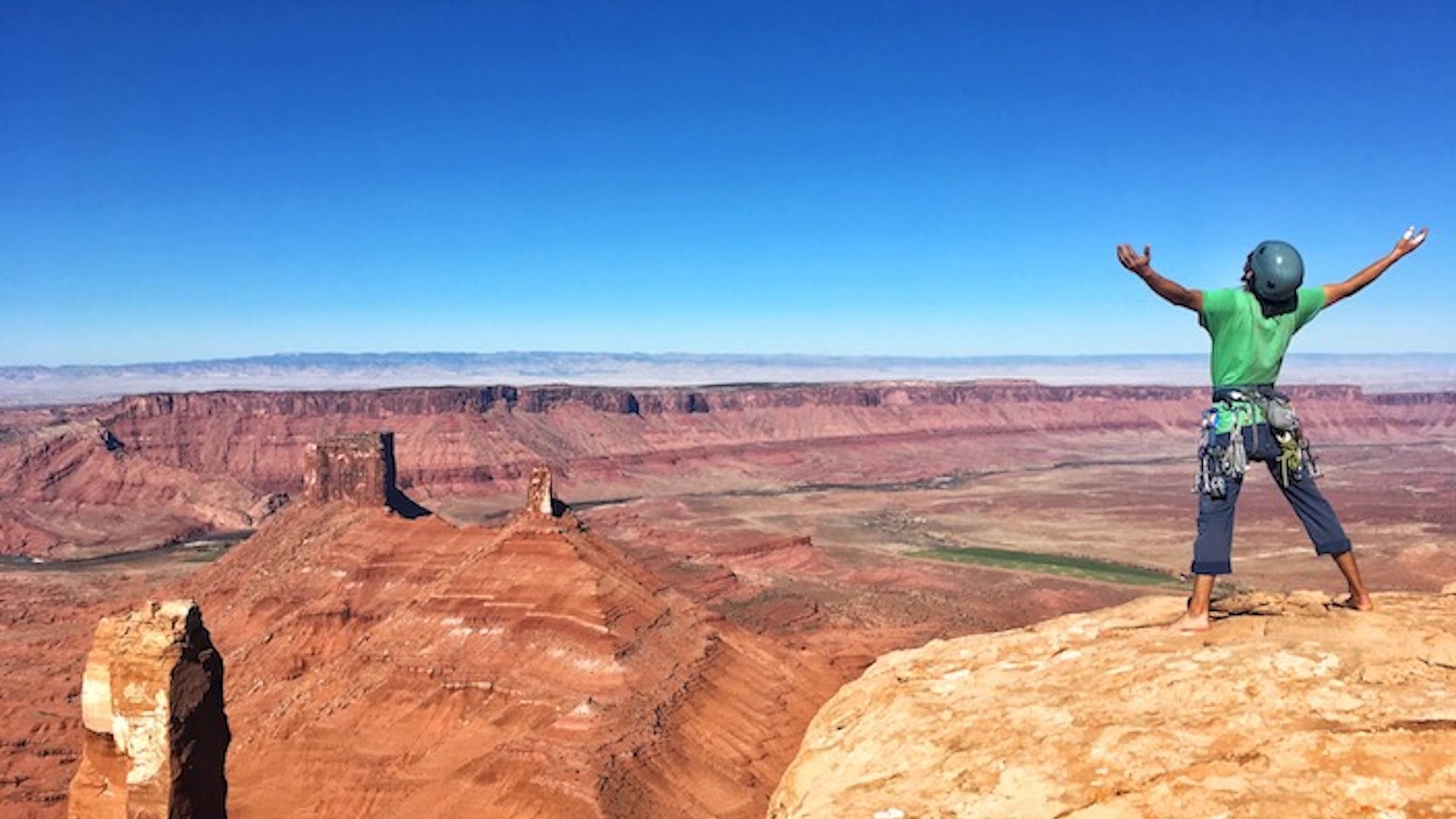
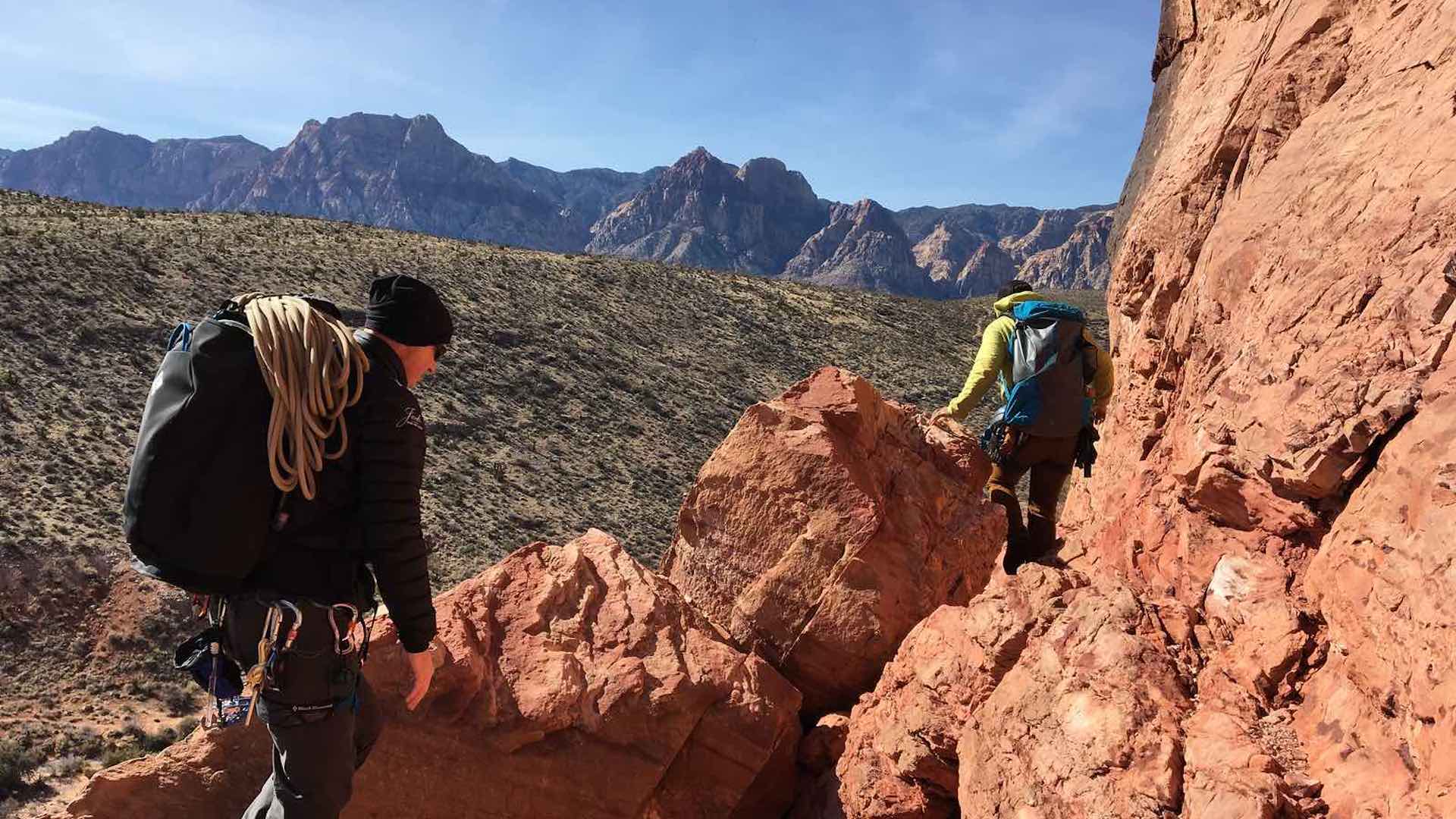
| Various | Rock Climbing | AAI offers technical climbing programs in Squamish, BC; Leavenworth, WA; Mt. Erie, WA; Mazama, WA; Frenchman Coulee, WA; Joshua Tree, CA; Bishop, CA; Red Rock, NV; Boulder, CO; Moab, UT, Indian Creek, UT; Laos and Thailand. |
AAI administrators don’t have all the information about all the places AAI has operated, but in addition to the preceding, in the US, AAI has also run trips in: Arizona Strip, AZ; Enchanted Rock, TX; Looking Glass, NC; Mt. Hood, OR; Rocky Mountain National Park, CO; and in Smith Rock, OR.
Internationally, AAI has run trips in Australia; Austria; Banff National Park, Alberta; Cabo San Lucas, Mexico; Columbia; Greece; Greenland; Iceland; Italy; Japan; Jordan; Kazakhstan; Kenya; Kyrgyzstan; Mongolia; Mt. Robson Provincial Park, British Columbia; New Zealand; Norway; Pakistan; Papua New Guinea; Romania; Russia; Spain; and Tanzania.
The American Alpine Institute continues to have the ability to put together exclusive programs anywhere in the world, within reason. AAI will not run programs in violent conflict zones or in areas actively recovering from disaster (unless contracted by a disaster relief organization). AAI continues to offer both public and private programs on every continent.