American Alpine Institute offers a wide array of instructional programs, peak ascents, expeditions, and private programs. Browse the different program types here.
Intensive mountain skills instruction and summit climbs
Group Summit Climbs
Programs (8)
Introductory summit climbs with some skills instruction
Expeditions
Programs (36)
Longer trips in remote locations to ascend major peaks, including the Seven Summits
Private & Custom Trips
Programs (42)
Custom adventures for individuals or groups – with the best-trained guides in the industry
Treks, Tours, & Backpacking
Programs (11)
Full-service, non-technical adventures for all outdoor enthusiasts
Government, Military, & Veterans
Programs (3)
Training for government personnel and vocational programs for veterans using VA benefits
Youth Climbing Programs
Programs (3)
Our youth programs inspire young adventurers to explore the outdoors, build confidence, and develop climbing and leadership skills in a fun and supportive environment.
Mountain Center
Programs (5)
Short classroom and outdoor courses, films, lectures, and other low-cost programming for the local outdoor community
American Alpine Institute offers mountain activities of all kinds, including rock-climbing, ice-climbing, mountaineering, and more. Browse activities here.
This is mountain climbing in its most classic form – over rock, snow, alpine ice, and glaciers, in pursuit of major summits.
Rock Climbing
Programs (37)
Once mere skill-practice for mountaineers, rock climbing is now a highly developed sport, with numerous sub-disciplines such as trad, sport, and aid.
Ice Climbing
Programs (11)
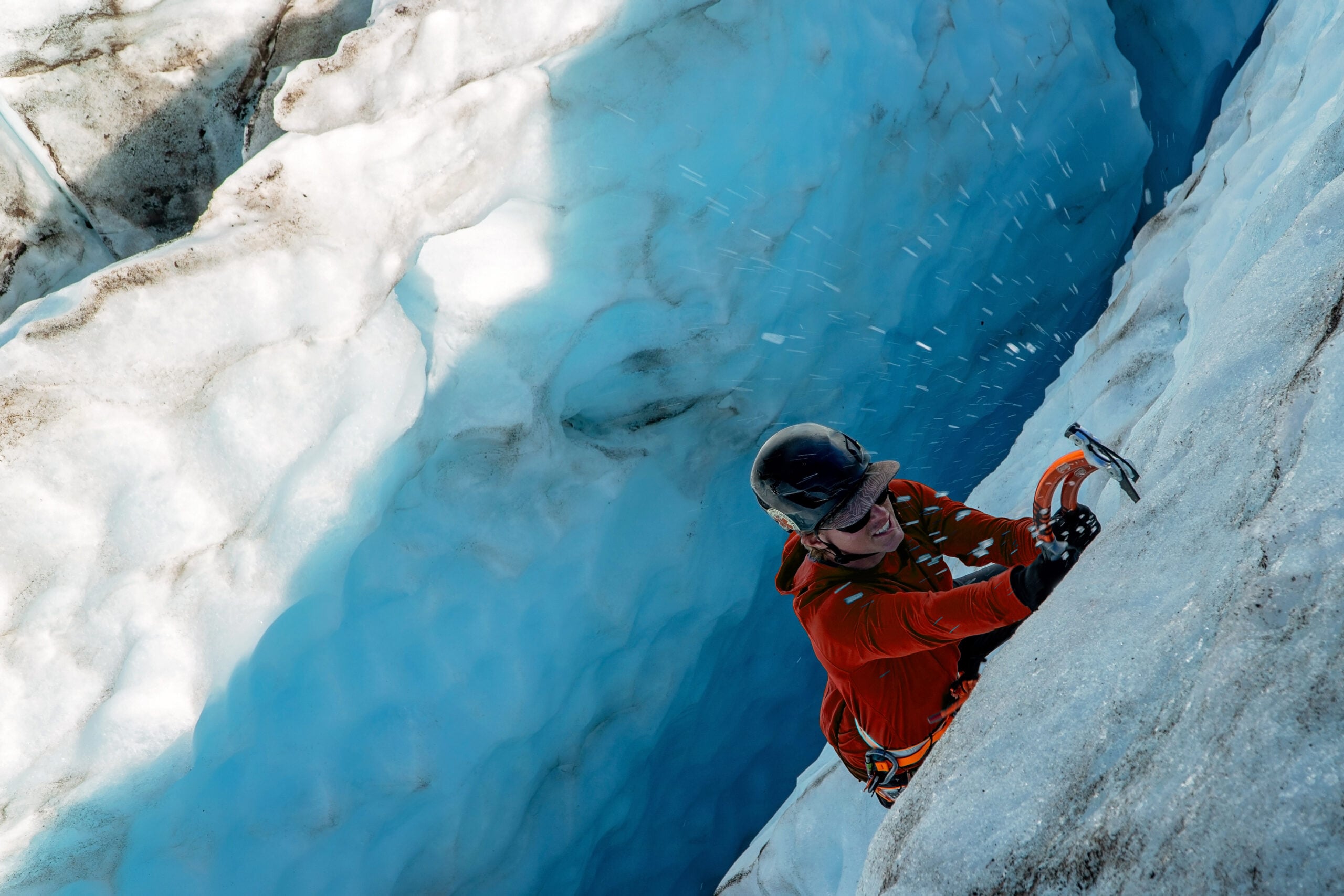
One of the most fundamental skills of mountaineering, ice climbing comprises skills for tackling both waterfall ice and alpine ice/glacier ice.
High Altitude Climbing & Seven Summits
Programs (31)
Climbing the highest mountains in the world is a special discipline of mountaineering, with unique challenges and rewards.
Backcountry Skiing & Boarding
Programs (23)
Guided skiing in world-famous backcountry, and skills instruction for skiers, split-boarders, and ski mountaineers
Avalanche Training
Programs (14)
Avalanche safety training is a must for anyone who ventures into the backcountry in winter, and we offer the gold standard in avalanche education.
Hiking And Backpacking
Programs (15)
Living and moving in the mountains is a reward in itself, and provides the fundamental skills that underlie all mountaineering.
Wilderness Skills
Programs (8)
Those who venture into the wilderness must draw from a deep skill base, including navigation, outdoor cooking, water purification, and countless others.
Outdoor Educator & Guide Training
Programs (15)
Technical and non-technical leadership courses from the AMGA's longest-accredited guide service
Technical Rescue & Medical
Programs (8)
Industry standard technical rescue and wilderness medicine instruction
Denali (Mt. McKinley) is an unforgiving mountain where weather, snow conditions, fatigue, and countless other variables rarely align perfectly. Even on expeditions led by professional guides, success often comes down to a strong team with ample experience, mental fortitude, and technical skill.
The Passport to Denali program offers package pricing on a range of courses that, in various combinations, can provide the training and experience needed to maximize your chances of a successful expedition, along with exclusive benefits for those who make a commitment to this ambitious mountaineering objective.
Many climbers who attempt Denali (Mount McKinley) possess the basic skills needed to reach the summit—provided everything goes exactly as planned. But Denali is a mountain where conditions rarely cooperate. Weather changes, difficult snow conditions, fatigue, and unexpected challenges often separate those who simply meet the minimum requirements from those who have the experience and judgment to adapt and succeed. The American Alpine Institute’s Passport to Denali is a progressive series of courses designed to prepare climbers for the realities of North America’s highest peak. Rather than focusing solely on checking prerequisite boxes, the program systematically builds technical proficiency, mountain judgment, expedition experience, fitness, and self-reliance. By the time you step onto the Kahiltna Glacier, you’ll have the confidence, skills, and decision-making ability needed to maximize your chances of a safe and successful Denali expedition.
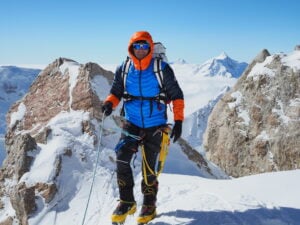
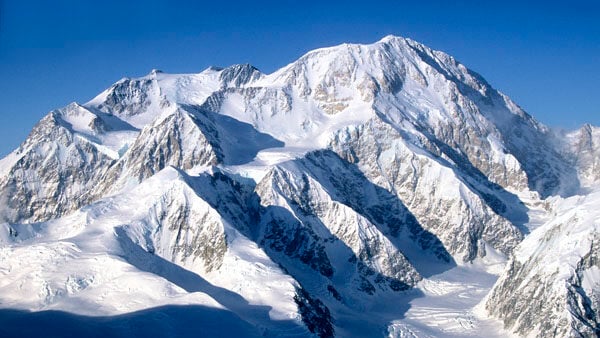
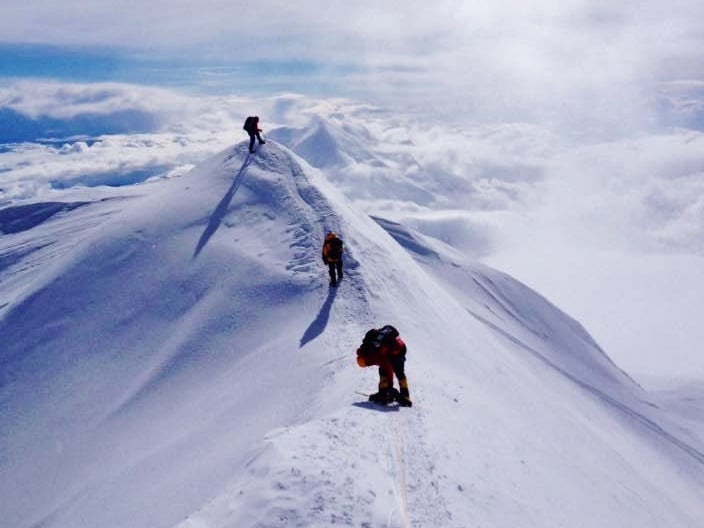
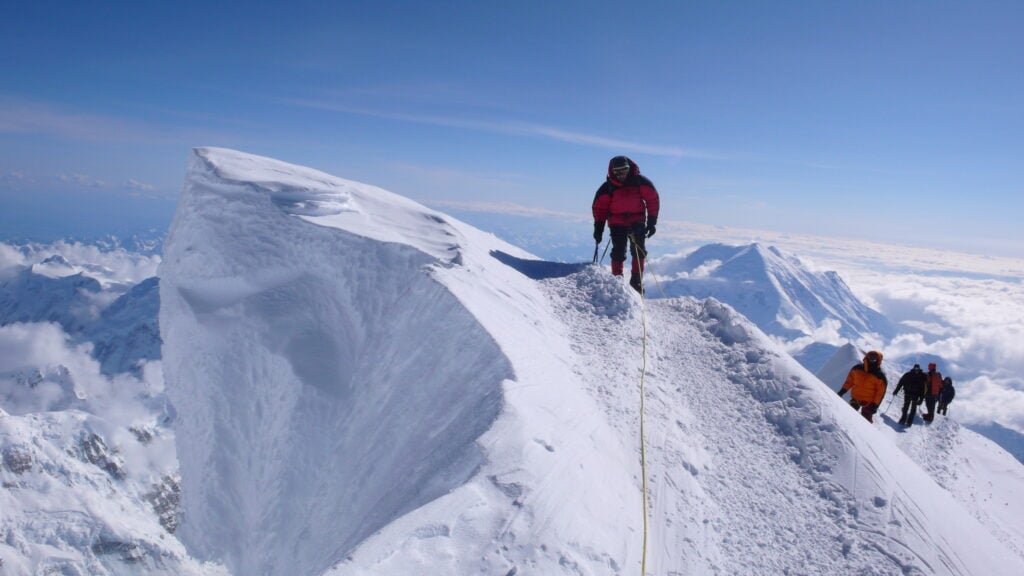
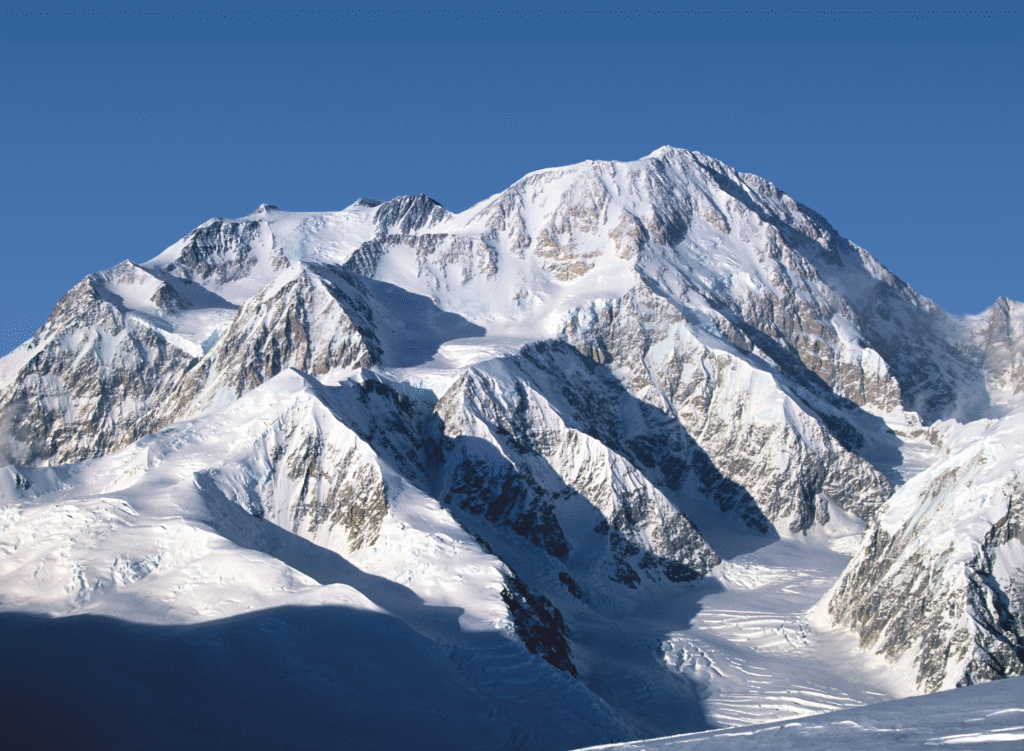
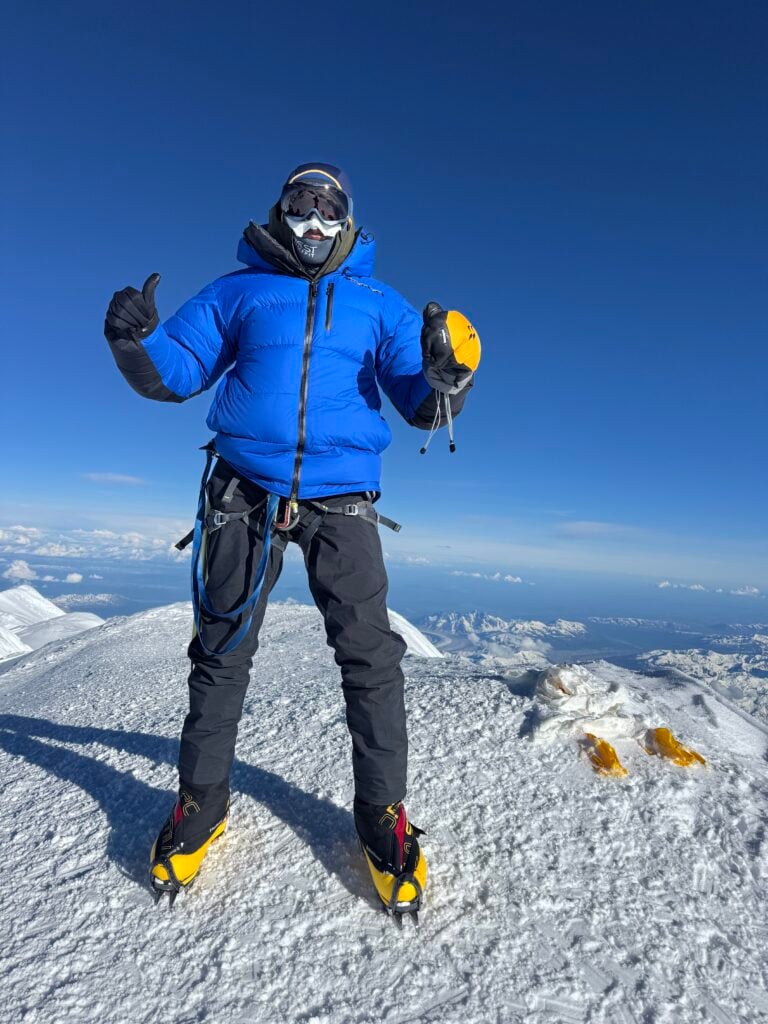
The summit of North America. Chris Queen.
Programs
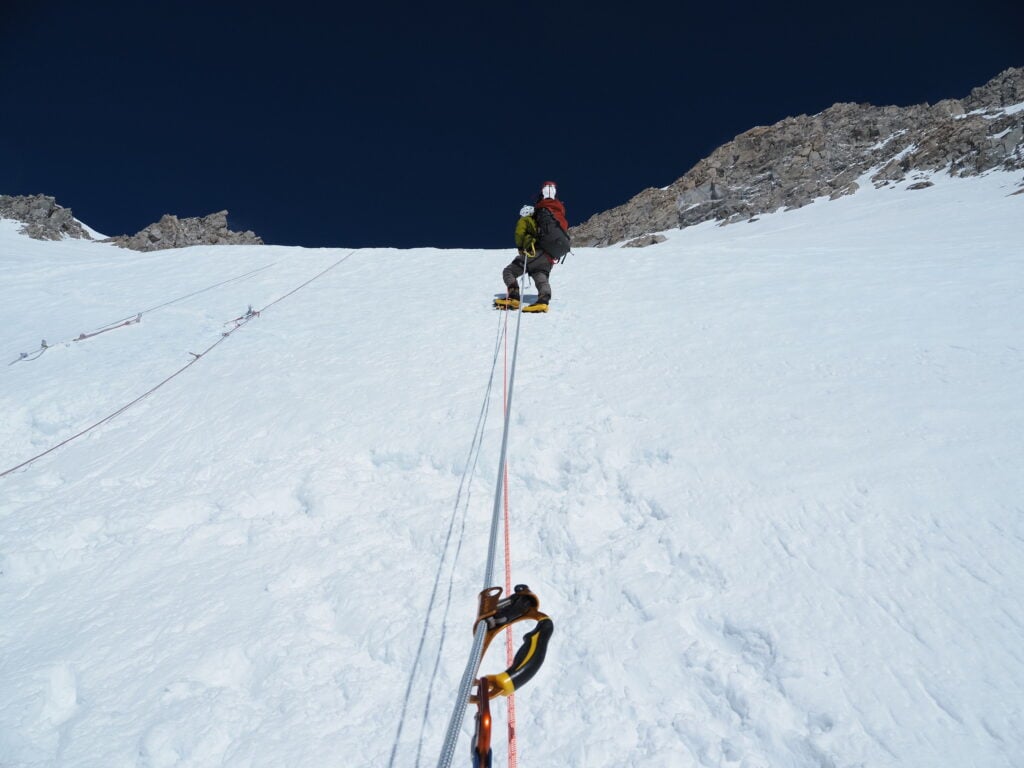
Success on Denali’s West Buttress route depends on far more than fitness—it requires proficiency in glacier travel, rope systems, efficient movement on snow and ice, and the skills to sustain daily living and camping in a harsh arctic environment, where storms sometimes keep climbers tent-bound for days at a time. .
Traditionally, we’ve made the case that, to succeed on Denali, climbers simply need experience in three domains:
Glacier mountaineering
High-altitude climbing or trekking
Cold-weather or winter camping
But simply checking these boxes leaves out a key component: the conscious development of a mountaineering way of life, fortified by good habits, carefully honed skills, and mental resilience. Our Passport to Denali program aims to integrate your mountaineering experiences into a deliberate progression, building skills and practices on a solid foundation in a way that produces durable learning and genuine competence.
Participants choose THREE programs, one per step, from the following menu. The curriculum follows a logical course of study, beginning with fundamental technical mountaineering skills, advancing to more demanding winter travel and cold-weather systems, and culminating in a challenging snow-and-ice expedition that prepares you for the realities of North America’s highest peak.
Step One — Technical Fundamentals (Choose One Program):
Alpinism 1: Introduction to Mountaineering(6-days, WA State) This is one of AAI’s most popular programs. It gives you a wide array of skills and runs every week from May through September. We believe that those seeking a Denali climb are better suited to a later season program (August or September) as cramponing conditions are a bit tougher.
Alpine Mountaineering and Technical Leadership Part I (12-days, WA State) This is part of AAI 48-day leadership program. The value of this entry level program is that it provides some rock climbing skills and an additional snow and ice summit beyond what is provided in the Alpinism 1 program. The Alpine Mountaineering and Technical Leadership program runs every other week from May through September.
Alpine Ice Climbing (6-days, WA State) This is the oldest program at AAI. First offered in 1975, this program requires that you already have some technical skills, either a previous mountaineering program or multi-pitch rock climbing. The program runs from May through July.
A private / custom introductory glacier mountaineering program at least 6 days in length, in the North Cascades or elsewhere.
Step Two — Cold Weather and/or Altitude (Choose One Program):
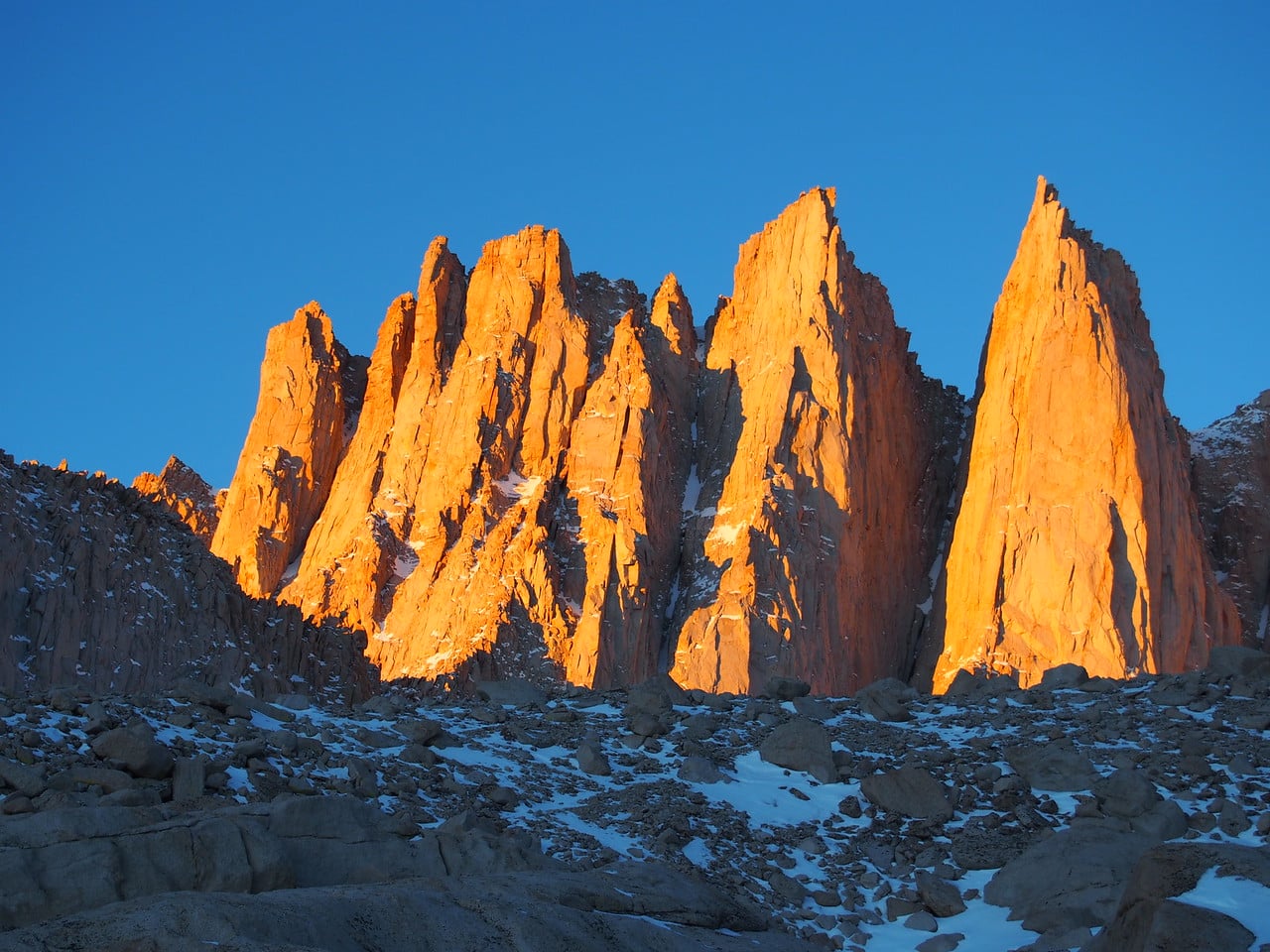
Sierra Winter Mountaineering(5-days, CA) This program takes place between December and April and ascends the highest mountain in the Lower 48, Mt. Whitney. The combination of high altitude and cold weather on this program cannot be beat for those prepping to climb the tallest mountain in North America.
Denali Prep (6-days, WA) This program takes place between January and March. The program teaches specific skills required on Denali.
Ski Mountaineering and Avalanche Leadership Part III(12-days, WA) This course is the capstone of our Ski Mountaineering curriculum. Although it requires completion of the two preceding ski mountaineering courses, it is included in the Denali Passport Program because it offers exceptional preparation for Denali. The expedition develops proficiency in glacier travel, advanced rope systems, snow camping, and extended travel in remote alpine environments, making it an outstanding second step for aspiring Denali climbers.
A private / custom cold-weather mountaineering program at least 5 days in length, in the North Cascades or elsewhere.
Step 3 — Expeditionary Climbing (Choose One Program):
Alaska Range Mountaineering or Alaska Range Ski Mountaineering (11-days, AK) We usually only have one or two dates for these programs a year in the Alaska Range. As these take place in the Alaska Range, they provide a real feel for what it’s like to be on the biggest mountain in North America.
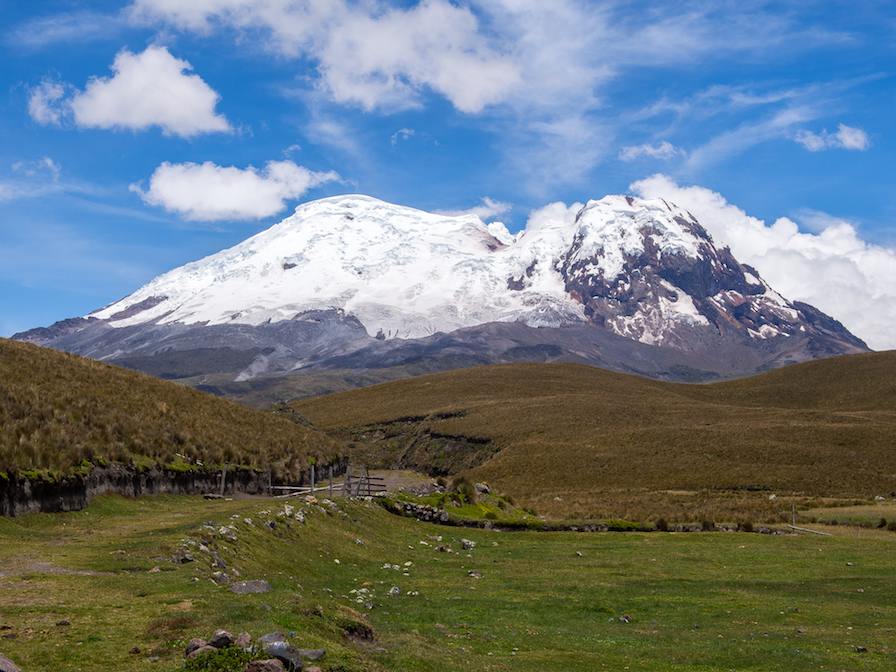
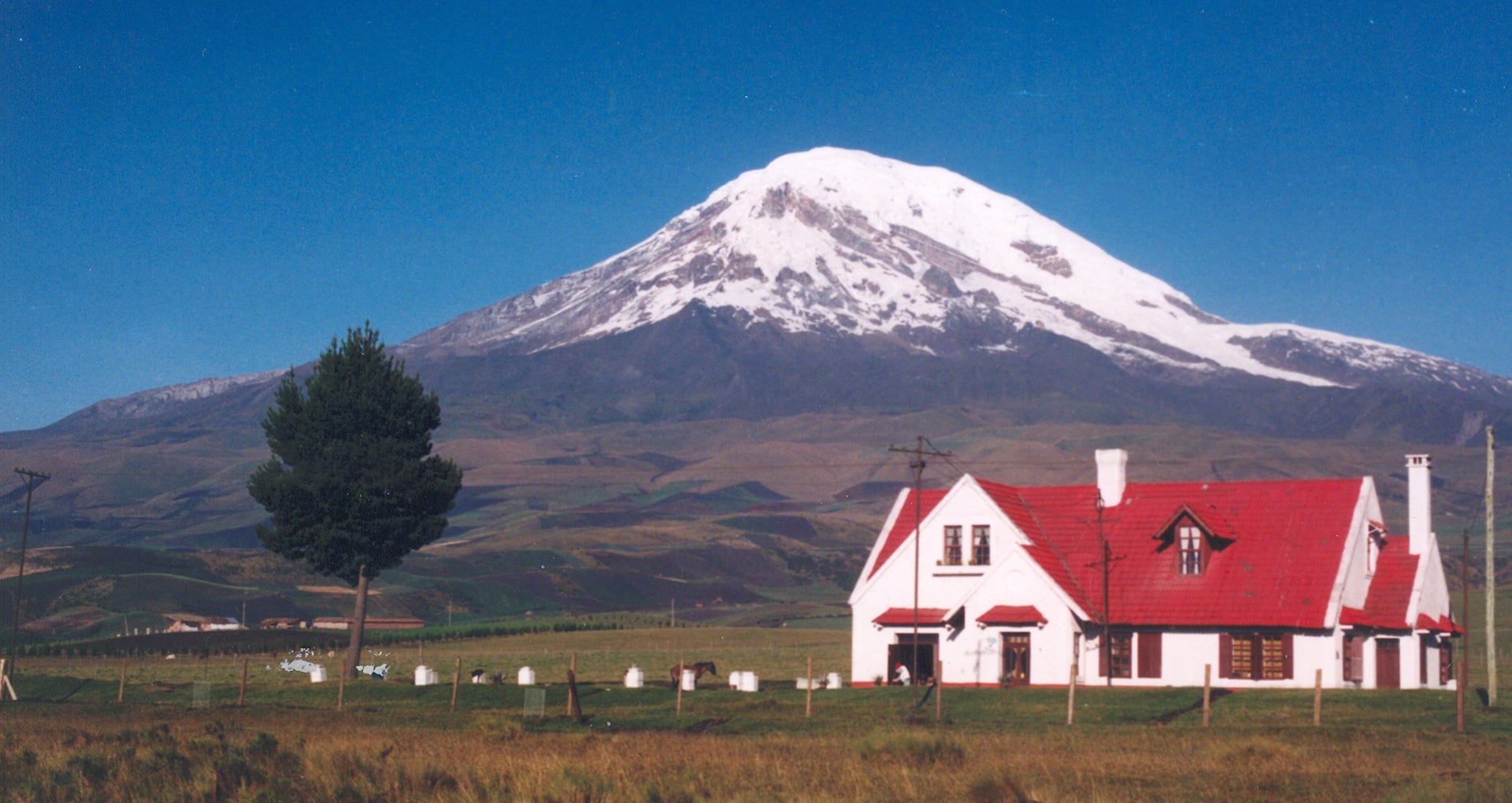
Cotopaxi Skills Expedition with Chimborazo Extension (14-days, Ecuador) This program has two seasons, November through March and May through July. The peaks in Ecuador are really high, all over 17,000-feet. And Chimborazo is the tallest mountain in the world from the center of the earth. Success here indicates a high likelihood of success on Denali.
Mt. Rainier – Kautz Glacier Climb (4-days, WA) Though this is a shorter program than the others, the Kautz is a technical climb on a big glaciated peak. It requires both ice climbing and mountaineering skills.
A private / custom expeditionary-style climb at least 4 days in length, in the North Cascades or elsewhere.
The recommendations above provide the minimum preparation needed for a Denali expedition, and for some climbers, that may be enough. If the weather is favorable, the route is in excellent condition, and everything goes according to plan, completing two of the three programs may be sufficient for a successful summit. But Denali is rarely that predictable. Storms, extreme cold, deep snow, fatigue, and the cumulative demands of a three-week expedition often expose the difference between climbers who meet the minimum standard and those who are truly prepared. When conditions become challenging, guides must make difficult decisions about who can safely continue. Climbers with exceptional technical skills, fitness, self-care habits, and expedition experience are far more likely to be able to keep climbing while others may have to turn back. The Denali Passport Program is designed not just to help you reach Denali, but to help you excel when the mountain is at its most demanding.
Summit Percentages and Denali Preparation
The average individual success rate on Denali is 53% overall and 59% in guided groups other than AAI. The Institute’s success rate for individuals is 77%, and for expeditions it is 85%.
Success Rate for Climbers with Two or Less AAI Mountaineering Programs – 65%
Success Rate for Climbers with Three or More AAI Mountaineering Programs – 81%
This information indicates that the more formal mountaineering education you have, the higher the likelihood is that you will reach the summit of the mountain…as long as the weather cooperates.
AAI guides have found that often those who have Mt. Everest experience don’t have a lot of other experience, and struggle with the weight of a Denali expedition and with self-care.
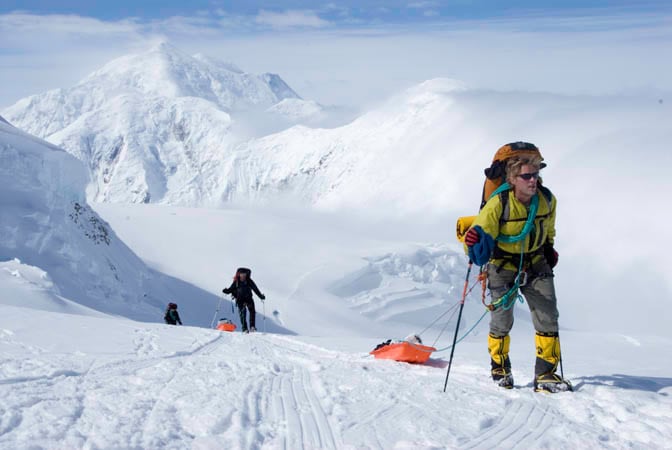
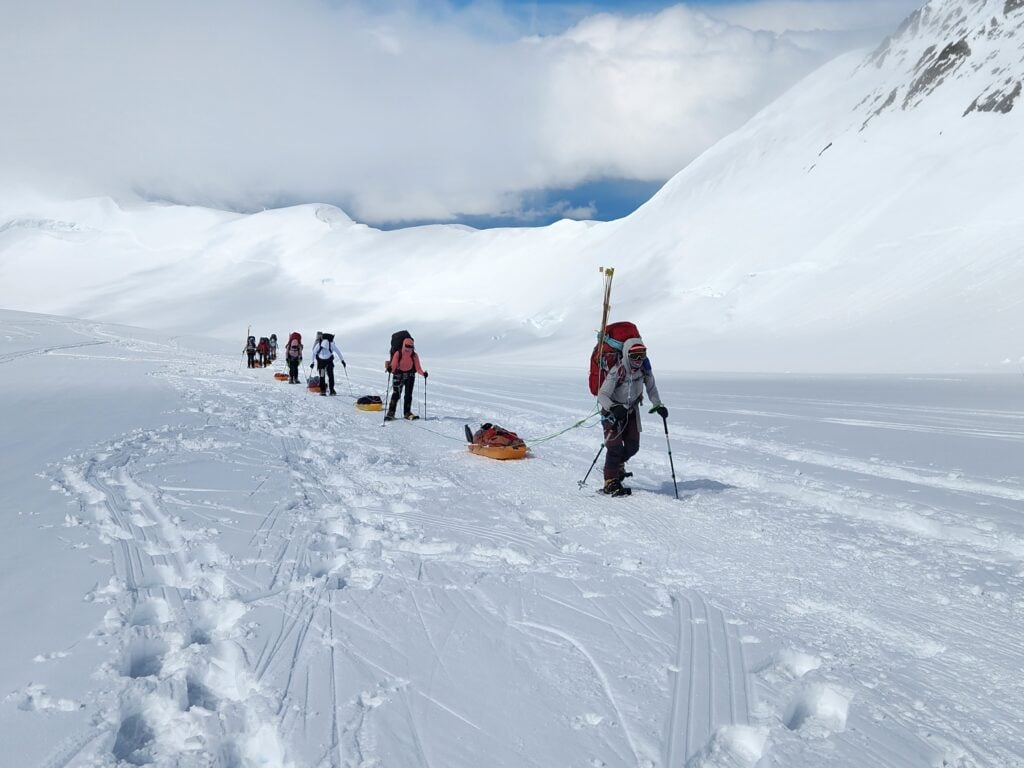
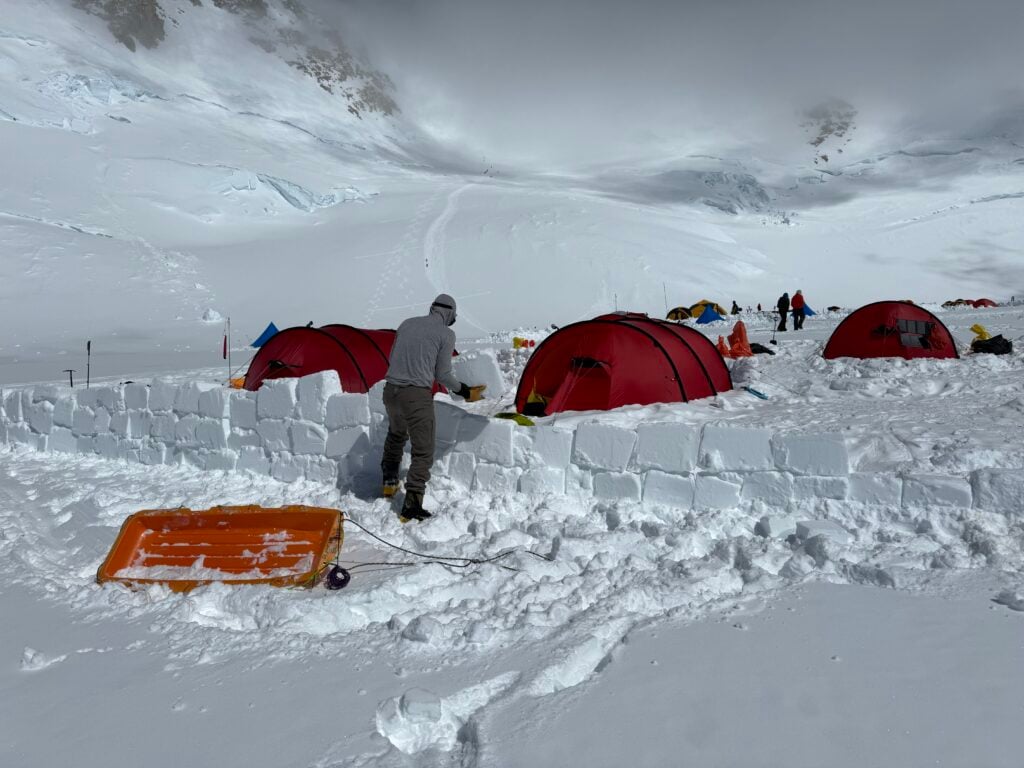
Climbers at high camp. Danielle Verbrigghe.
Passport Benefits
Discounted Programs
Commit to your Denali journey and enjoy exclusive savings while protecting yourself from future price increases.
Enroll in any three Passport Program courses with a deposit, and you’ll lock in the current tuition for those programs—even if prices increase in future years. You’ll also receive $300 off each qualifying course, saving up to $900.
Reserve your Denali expedition at the same time by placing a deposit on both your three Passport Program courses and your Denali climb, and you’ll receive an additional $750 discount on your Denali expedition. You’ll also lock in your Denali tuition at the current rate, protecting you from future price increases.
Choose your dates later. You don’t need to select course or expedition dates when you enroll. Your program coordinator will work with you to build a schedule that fits your goals, budget and availability.
All deposits and subsequent payments are subject to the American Alpine Institute’s Terms and Conditions and standard payment schedule. Deposits are non-refundable. Denali tuition is based on standard enrollment fees, and no additional discounts may be applied.
Insight, Preparation and Consultation from the Denali Coordination Team
Participants in this program will work one-on-one with the American Alpine Institute to build a personalized training plan that fits their schedule, goals, and experience level. After each course, our staff will conduct a detailed debrief, evaluating your performance, identifying strengths and areas for improvement, and providing recommendations for both technical skill development and physical training. This ongoing mentorship ensures that every step of your progression is intentional, helping you build the experience and confidence needed to achieve your long-term mountaineering objectives.
Exclusive Virtual Equipment Consultations
Selecting the right equipment is one of the most important parts of preparing for Denali. As a Passport Program participant, you’ll receive personalized virtual gear consultations with AAI’s Alaska Equipment Specialists before each stage of your training. They’ll help you build an efficient, expedition-ready equipment system, ensuring you purchase only what you need while making sure every piece is appropriate for the course—and ultimately for Denali.
Denali Training T-Shirt
Receive an exclusive Denali training t-shirt to wear throughout your preparation. It’s a great way to celebrate your commitment, stay motivated, and share your goal of climbing North America’s highest peak.
Exclusive Denali Guide Q&A Sessions
Twice each year, Passport Program members are invited to exclusive live webinars with AAI’s experienced Denali guides. Each session features a presentation on an aspect of climbing Denali, followed by an open question-and-answer discussion. Whether you have questions about training, equipment, expedition logistics, route conditions, or life on the mountain, you’ll have the opportunity to learn directly from guides who return to Denali season after season.
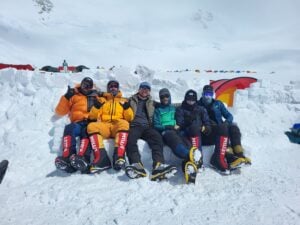
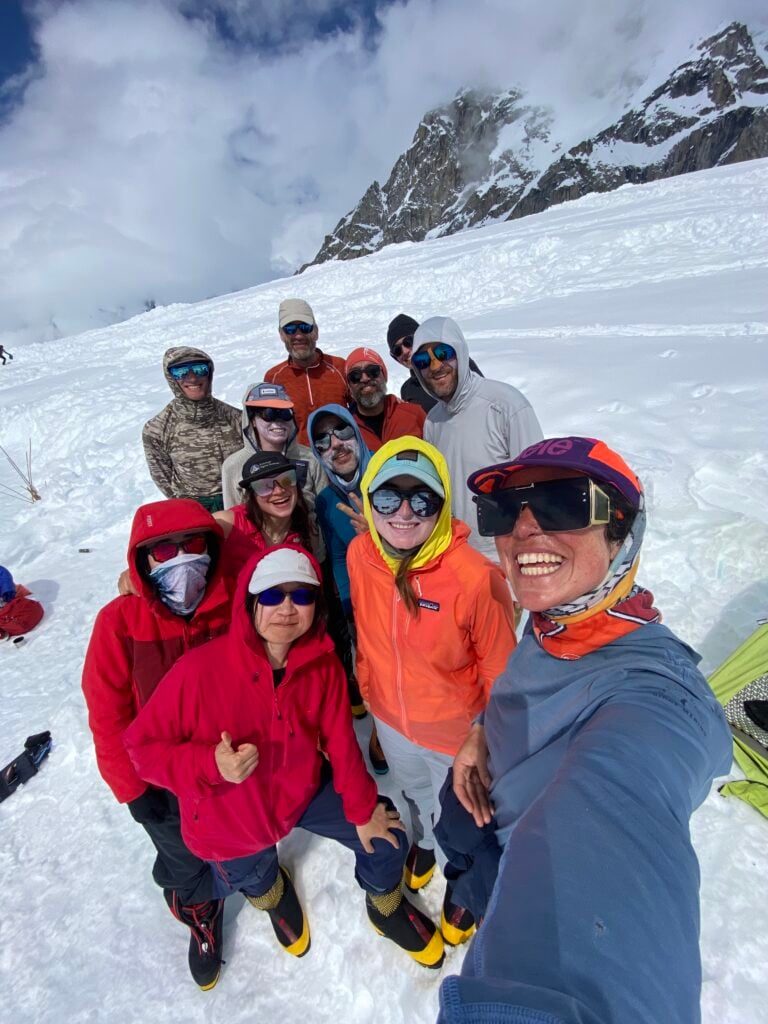
Lounging around at 14,200-feet.
Important Considerations for Denali Success
There are three areas where people fall short when it comes to climbing Denali. The Passport to Denali Program was designed to help you avoid these issues:
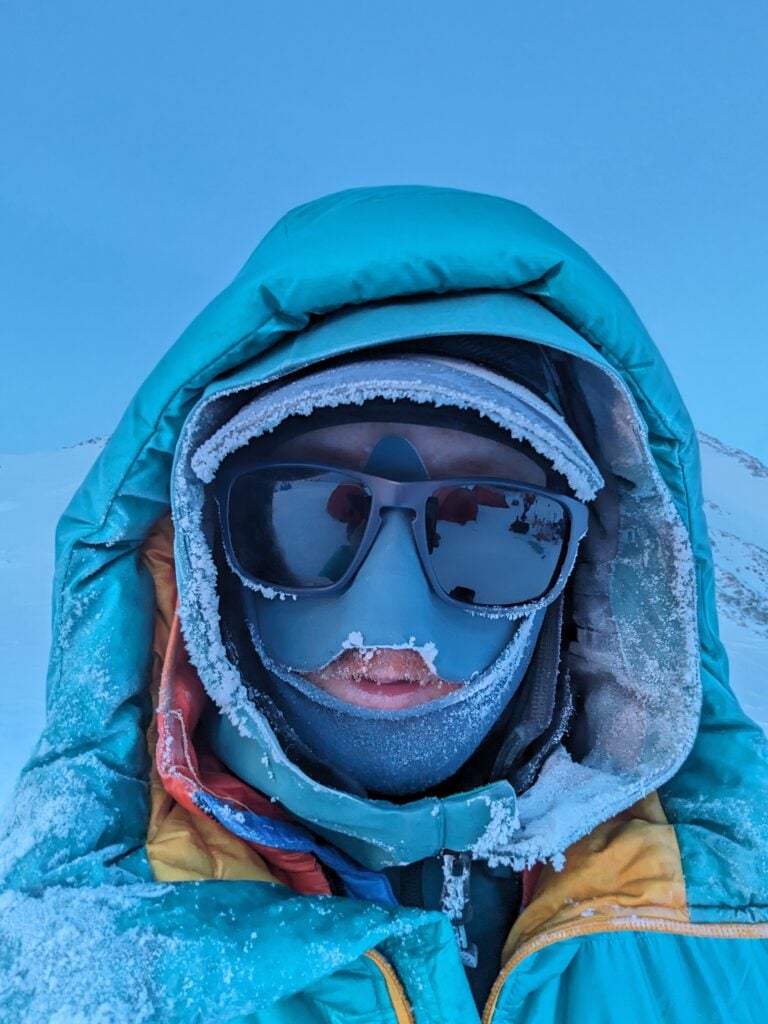
Self Care – Individuals don’t take care of themselves. They expose themselves to dehydration, sunburn, frostbite, and many other things because they are not able to manage the environment.
Physical Fitness – They are not physically ready for the challenge.
Technical Skill – They don’t have the proper skills for the mountain, or they are unable to employ those skills with gloves on or in extreme weather.
Get Started
Available Dates
The Passport to Denali program offers package pricing and other benefits on a range of programs. Choose your program dates by visiting the pages for your specific program choices (see links to programs above).
Inquire with the AAI office for an individualized consultation regarding your outdoor experience and climbing plans.
Custom Dates / Private Trip
This program can be booked as a private trip with custom start and end dates. Pricing depends on number of participants and number of days.
The American Mountain Guides Association (AMGA) oversees technical mountain guides in the United States. The organization credentials instructors and guides, while also accrediting guide services. AAI's Instructors and Guides receive AMGA training and operate within guidelines set by the organization. AAI has been accredited continuously since 1986, longer than any other U.S. guide service.
National Park Service Authorized Concessioner
The National Park Service offers a very limited number of concessions to outfitters and guides only after a rigorous qualification process. AAI has run Denali expeditions since 1980 and has been an Authorized Concessioner since the start of the program in 1983.
The American Alpine Institute’s Denali program is built to provide the safest and most successful guided expeditions on North America’s highest peak. We achieve this through a commitment to continuous … Read more
Alpinism 1 is our most popular entry-level mountaineering course, designed for anyone ready to step into glaciated peaks and alpine environments. Whether you’re dreaming of climbing Mount Baker, aiming for … Read more
Descending the West Buttress on Denali. AAI Collection. Denali is high, cold and physically demanding. The mountain is home to some of the most severe weather and climbing conditions on … Read more
Winter mountaineering encompasses one of the most aesthetic and rewarding facets of the sport of climbing. Winter mountaineering has as much to do with mental challenge as it does with … Read more
We do it all on this trip: Learn or refresh mountaineering skills with local expert instructors, climb Cayambe and Cotopaxi, immerse yourself in a rich culture, take rest days in … Read more
Our Alpine Ice program is designed for climbers who are ready to push beyond the basics and step into the vertical world of steep alpine ice. Over the course of … Read more
Mount Rainier is home to some of the most iconic glacier climbs in the United States, and the Kautz Glacier Route is one of the most rewarding ways to reach … Read more
AAI Guide Hali Scroggins high on Radio Control Tower in the Alaska Range. Kevin McGarity. This action packed ten-day program, provides a complete training in the foundational skills of alpine … Read more
The Alaska Range offers some of the finest ski mountaineering terrain on earth—vast glaciers, technical peaks, steep descents, and true expedition climbing in a remote wilderness environment. This program is … Read more















 Programs