












Founding and Leadership
The American Alpine Institute has been focused on mountain education from the very beginning.
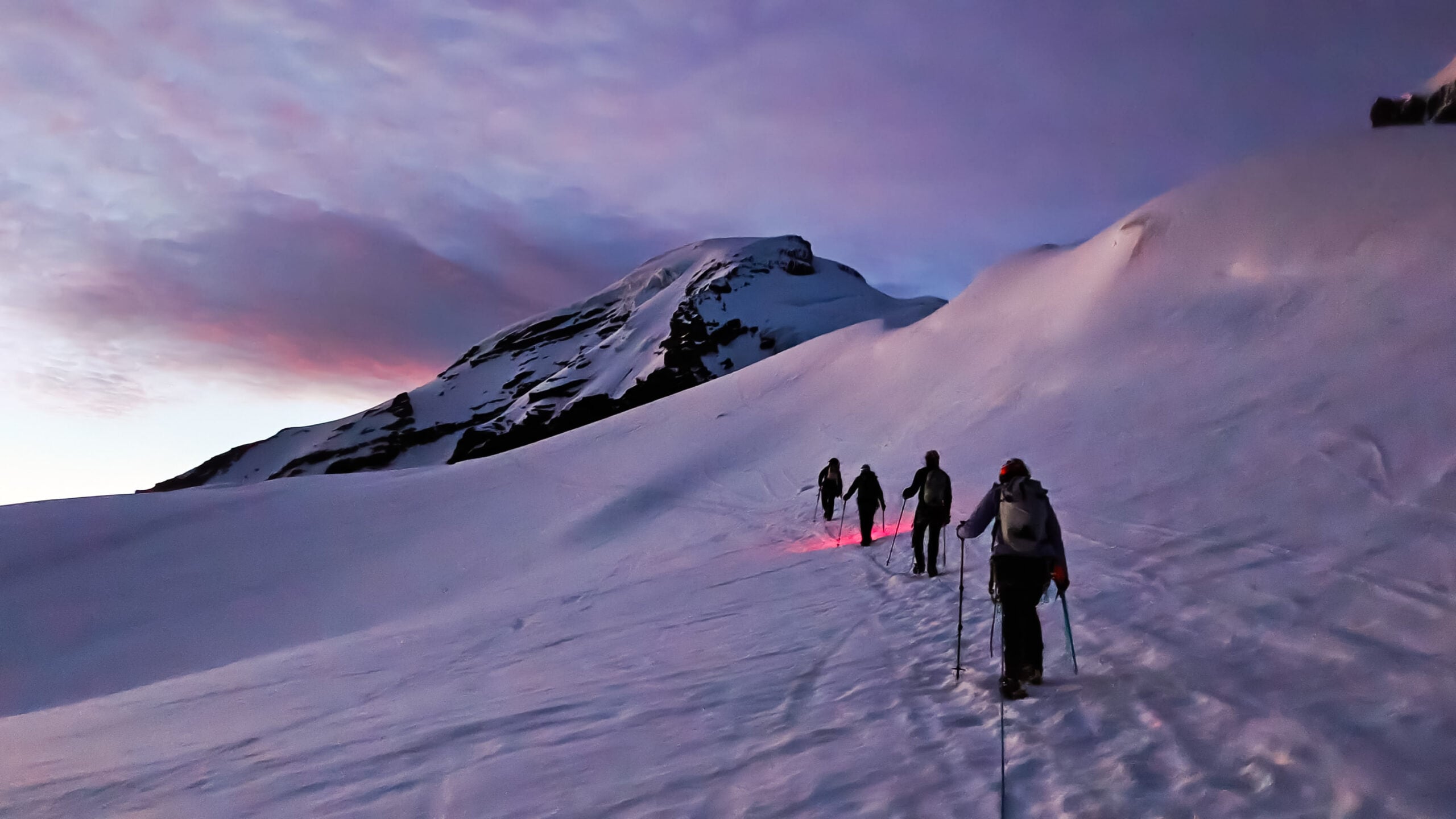
When Dunham Gooding founded AAI in 1975, he was on a path toward becoming a college professor. He saw a clear gap in the outdoor industry: plenty of organizations were focused on getting clients to the summit, but few were teaching people how to climb mountains independently. Instruction was secondary to achievement. Dunham believed it should be the other way around. AAI was built on the principle that true mountain education empowers people with the skills, judgment, and confidence to access the mountains on their own.
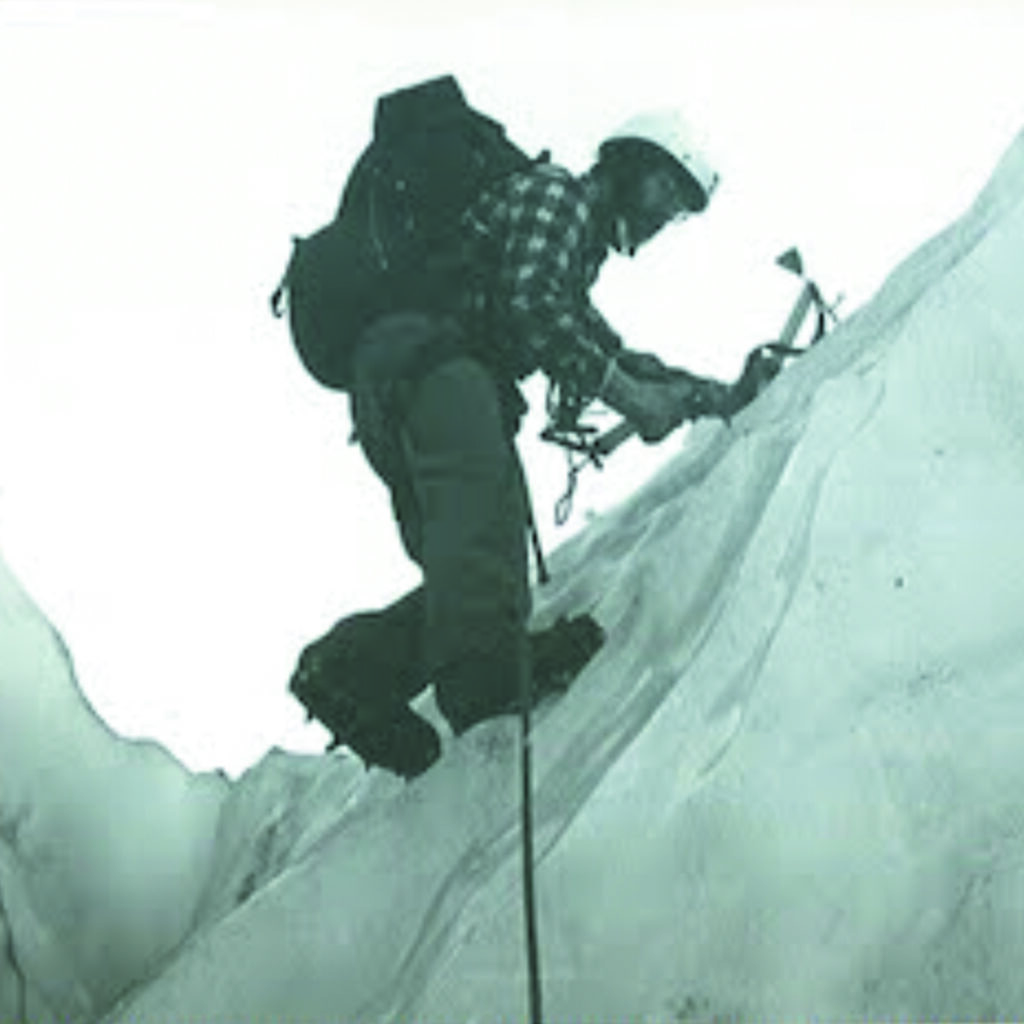
In 2023, Jason Martin and Krista Eytchison purchased the company from Dunham. Both came to AAI with formal teaching backgrounds before becoming outdoor educators. Jason taught at the high school and college levels, while Krista taught elementary school. Together, they bring a deep understanding of how people learn, and they emphasize education, mentorship, and thoughtful progression throughout the organization.
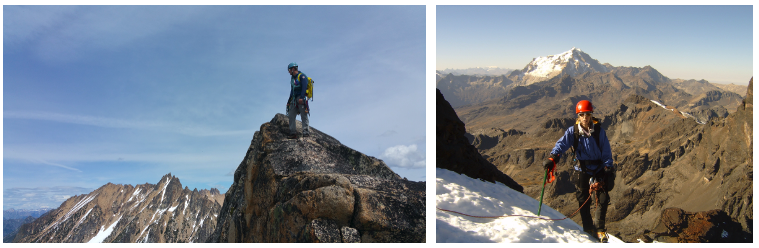
AAI guides are hired not just for their technical expertise, but for their humility, empathy, and ability to teach complex concepts in accessible ways. The institute prioritizes instructors who are mentors first and guides second. AAI hires the best in the industry—and expects the best from them—for the benefit of every student, regardless of their goals.
American Alpine Institute Mission
“To provide world class mountain education, exceptional guided experiences and to inspire natural preservation.”
Values and Vision
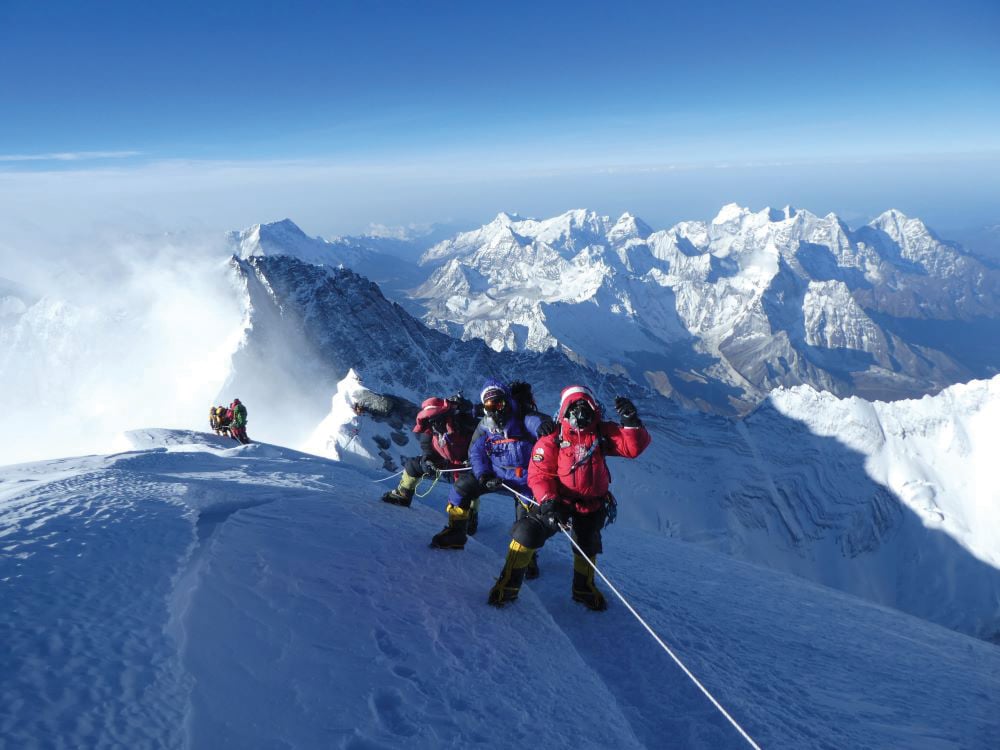
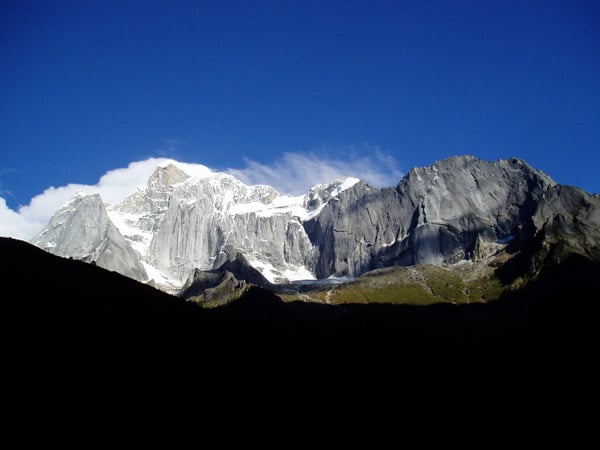
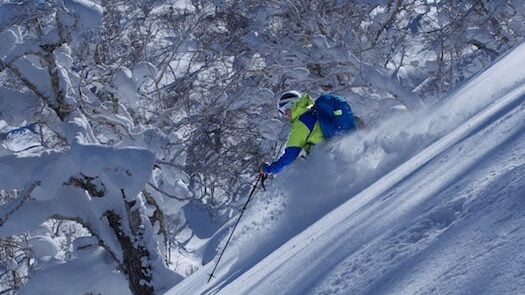
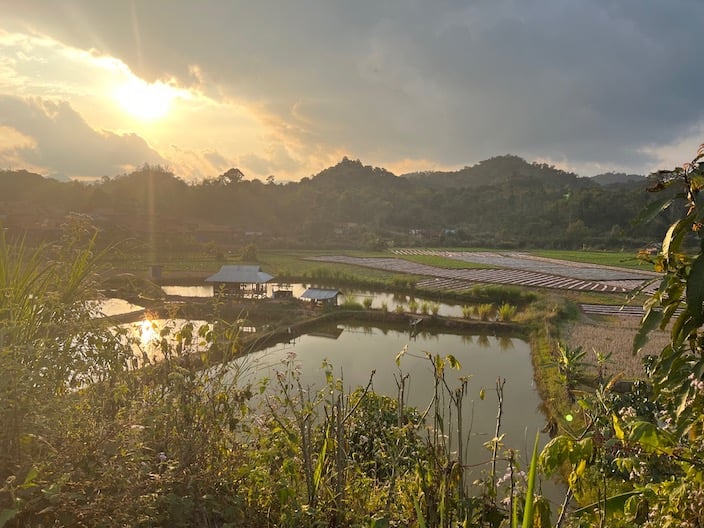
Climbing, mountaineering and skiing provide us with something special. These activities take us to wild places and allow us to test ourselves against both nature and our own abilities. They provide us with a journey to a summit where friendship, challenge and skill intermingle to create personal growth. And they also give us insight into the value of wild places and mountain cultures throughout the world. They allow us a reason to become stewards and preservationists. The experiences that come from these activities can make people better…
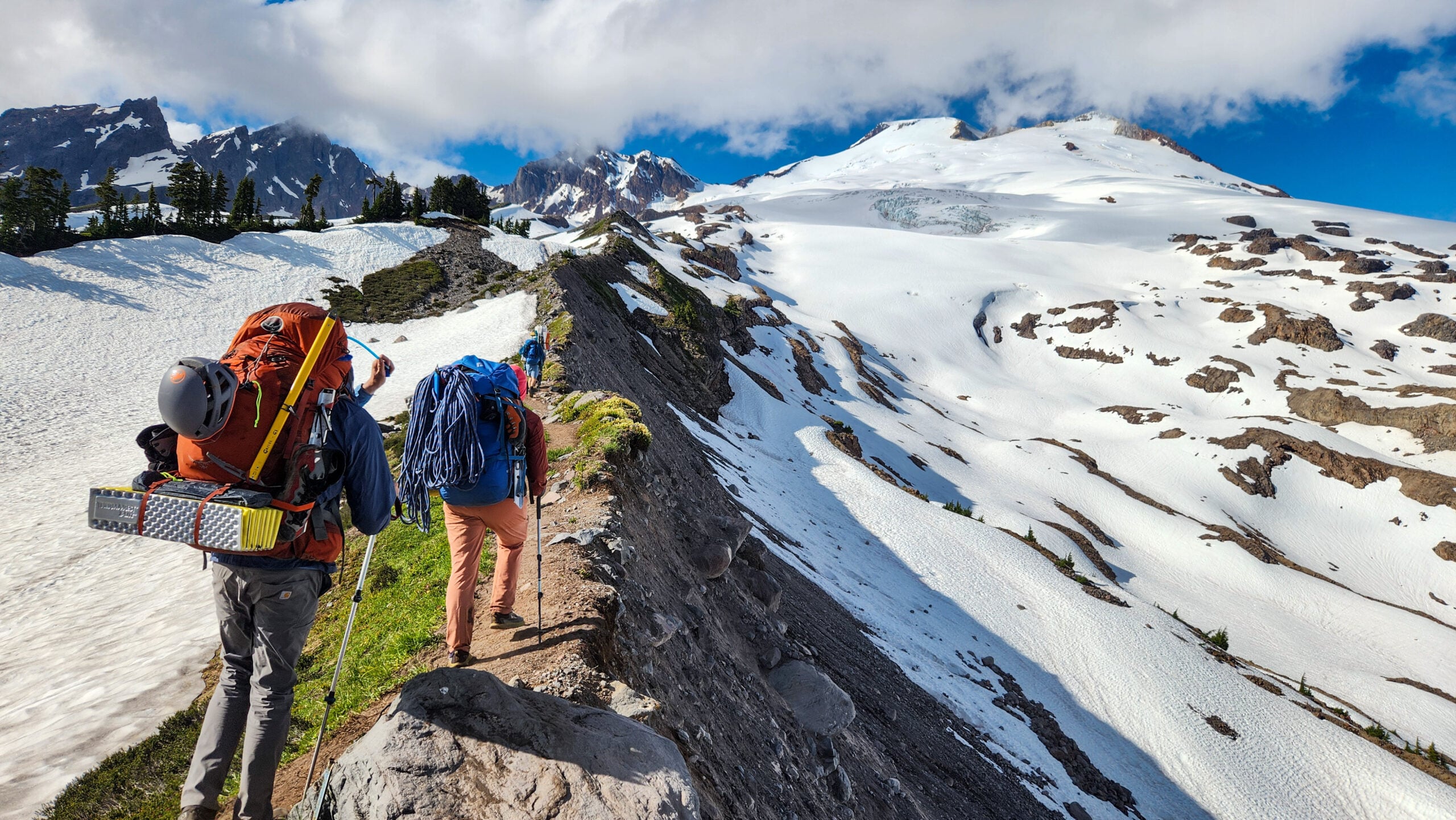
The American Alpine Institute strives to provide students with the skills they need to independently access the mountains, to employ the most modern travel and climbing techniques, to understand the hazards associated with mountain travel, to develop the most progressive self-rescue skills available, to accept the serious responsibility of mountain partnerships, to understand mountain environments and the threats to them, and to develop preservationist attitudes, so that the mountains are there for generations to come. We strive for this because we believe that the mountains and the activities that we engage in within them allow people to grow, both in the way that they view themselves, as well as in the way that they view the world…
The American Alpine Institute was founded in 1975, and since then has held a singular focus on the mountain education of climbers, mountaineers, backcountry skiers, backpackers, adventure travelers, mountain rescue personnel, and outdoor educators. Throughout the time that the company has been in existence, the Institute has fashioned itself as first, a mountain school; second, as a guide service; and third, as an advocate for land stewardship and preservation.
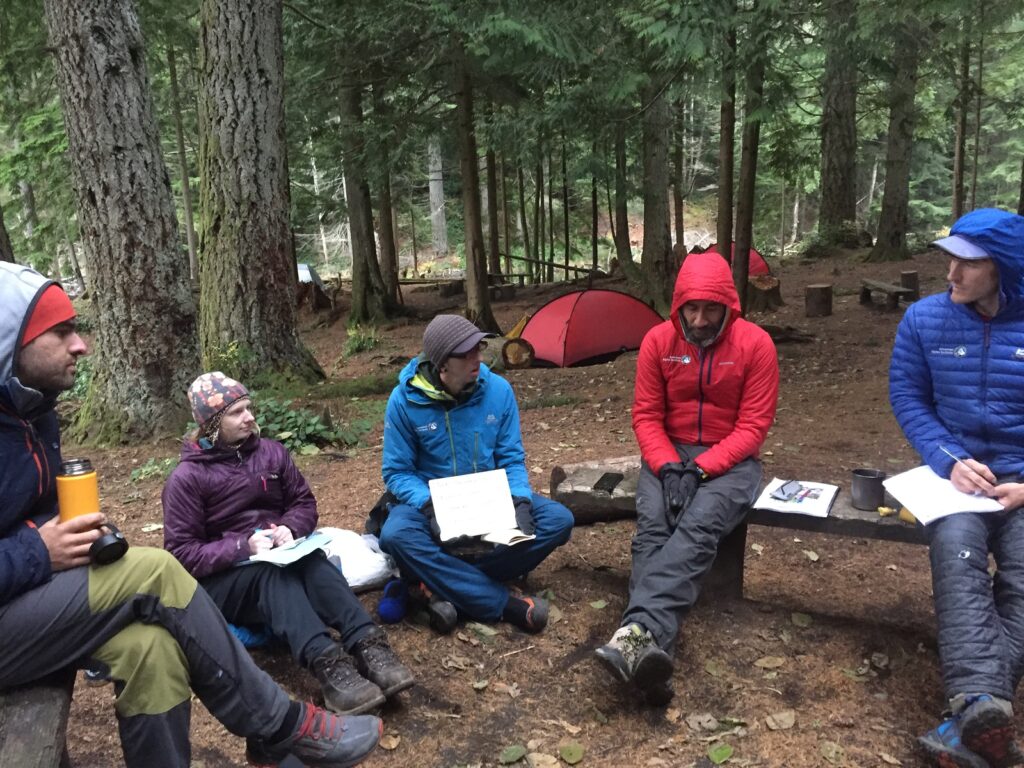
Most guide services have developed a model that insulates their clientele from the reality of the mountains. They are in the business of creating return clients dependent on them to access their adventures. The Institute is in the business of developing independent, self-sufficient and environmentally savvy technical mountain people that will eventually graduate from the need of a guide.
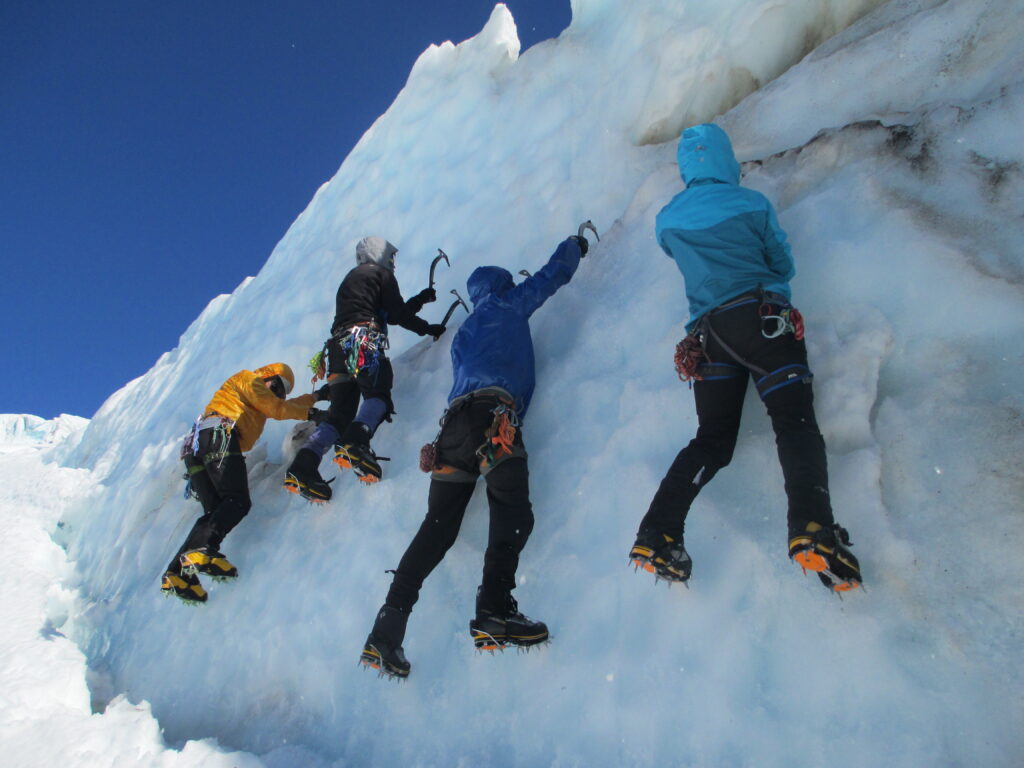
The mountain school has two major areas of focus. First, students are provided opportunities to practice every aspect of the discipline they are studying. And second, they are educated in stewardship and preservation. As such, every program attempts to provide students with opportunities to:
- Plan tours and/or climbs, including appropriate food and equipment.
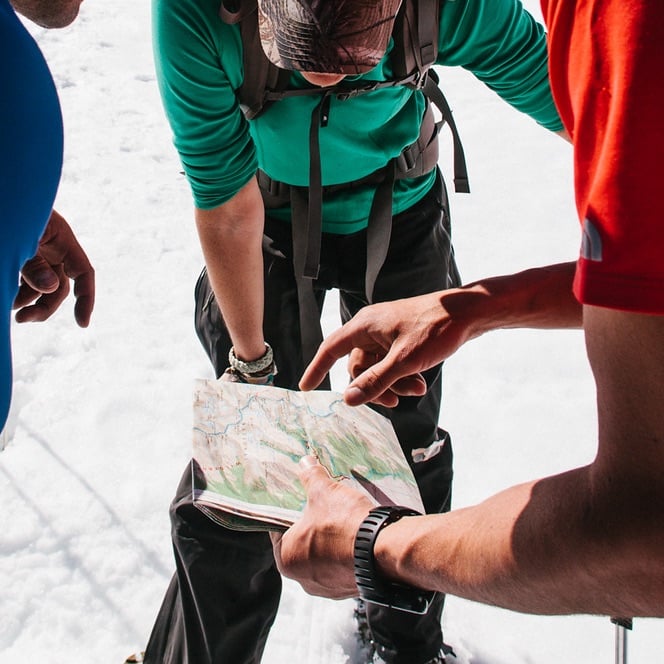
- Develop personal navigation skills with an emphasis on the skills needed for the area where a course was taken.
- Develop technical wilderness, rescue, travel, climbing and/or skiing skills.
- Develop good judgment of terrain and objective hazards.
- Advance climbing and/or skiing movements skills through coaching from instructors.
- Develop self-rescue skills.
- Advance the skills required for efficiency of movement.
- Integrate specific technical skills with general goals and objectives to facilitate efficient, secure, and self-dependent, mountain travel, climbing and/or skiing.
- Develop an understanding of the geology and history of an area.
- Develop an understanding of alpine ecology.
- Practice Leave No Trace techniques in travel, camping, climbing and skiing.
- Develop an understanding and acceptance of climbing and mountaineering ethics.
When we guide people in mountainous environments, we still employ many of the teaching elements enumerated above. All of our guides are instructors first, so even when people are engaged in guided objectives, they continue to develop mountain knowledge, skills and preservationist attitudes.
Finally, the staff at the Institute is deeply concerned about threats to wild places. These include both existential threats like anthropogenic climate change or massive housing developments near outdoor recreation areas, as well as more manageable threats like trail-braiding or human waste in the backcountry. The staff at the Institute has been involved in many different efforts to advocate for wilderness, mountain culture and preservation over the years. And we plan to continue to engage in these efforts for the foreseeable future.