Information Mountaineering

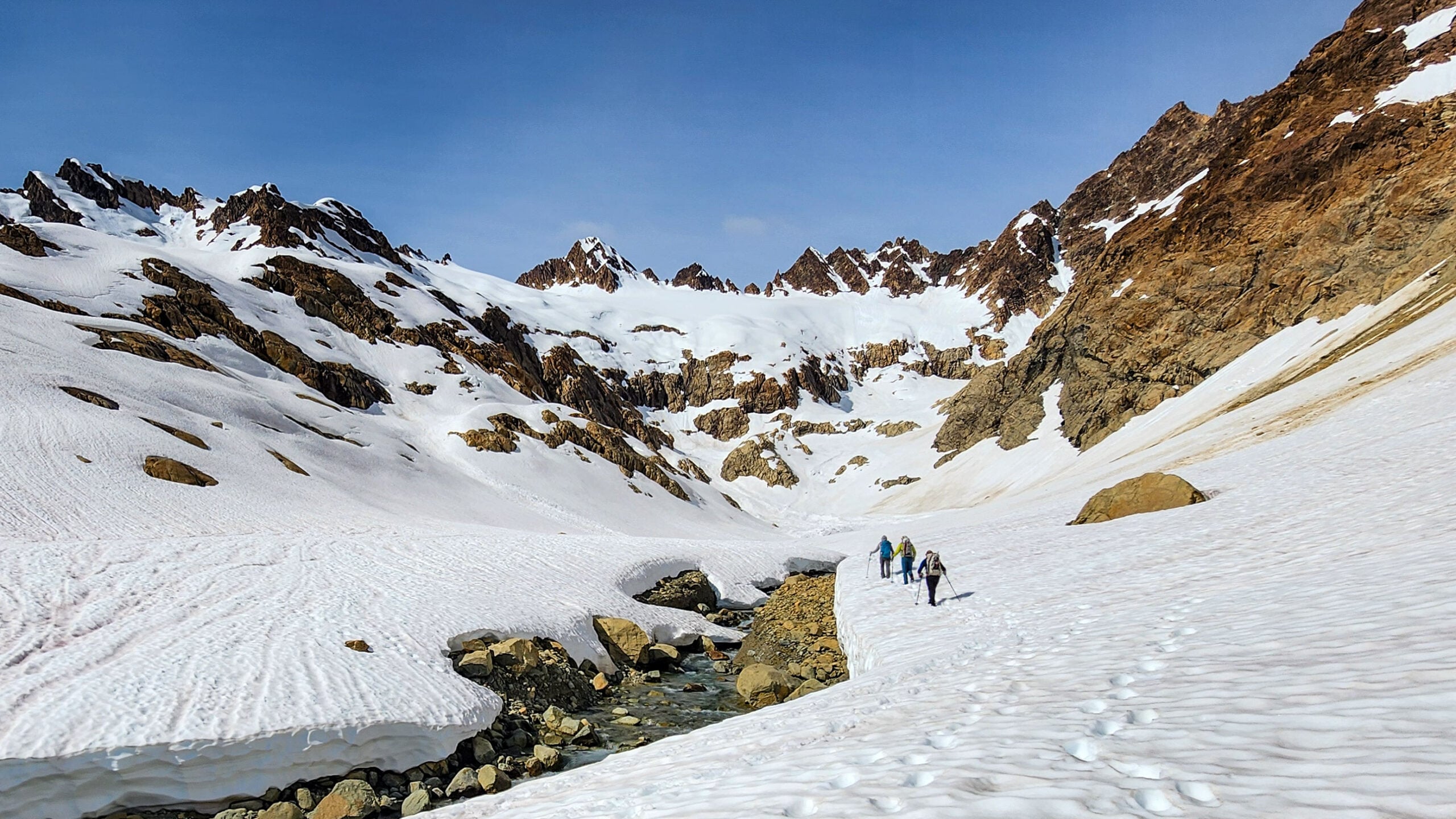
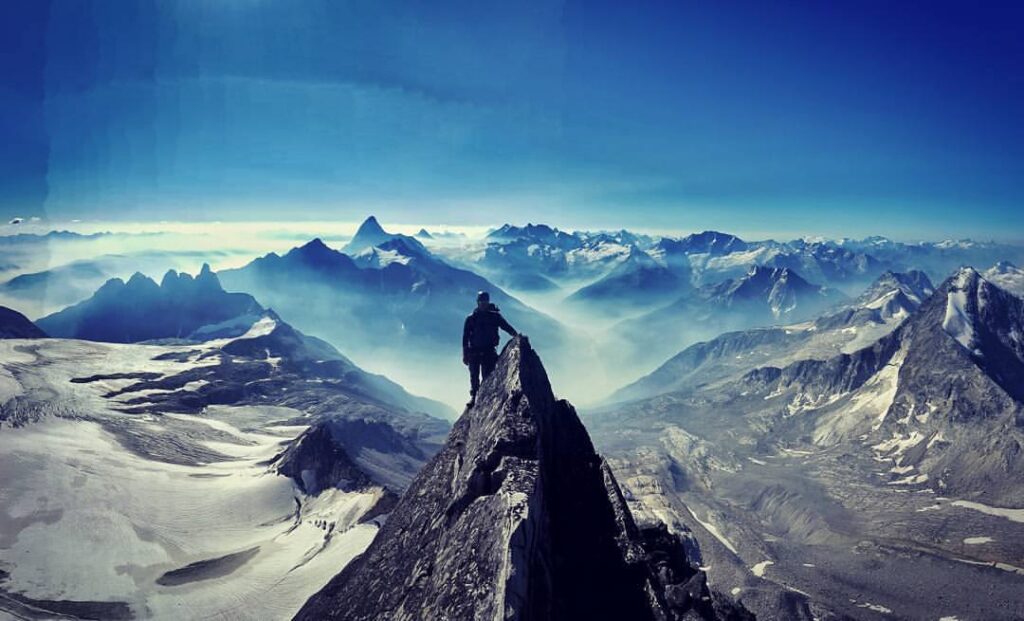
Mountaineering is a broad term. It encompasses anything from glacier walking to steep snow climbing, anything from ice climbing to high altitude travel. Mountaineering skills are absolutely essential for anyone who plans on spending time traveling in the mountains. Baseline mountaineering skills will literally keep you alive.
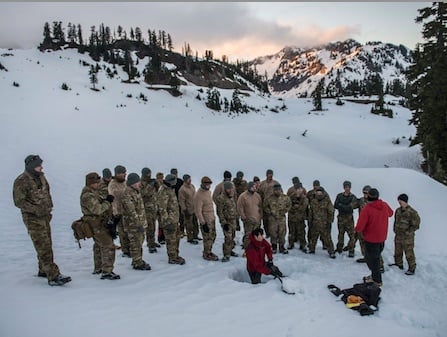
In order to meet the needs of military and government agents, the American Alpine Institute has developed a two-part mountaineering series. In the Level I course, we address baseline mountaineering skills including glacier travel, snow climbing, basic ice climbing and crevasse rescue. In the Level II course, we address more high-end snow and ice climbing techniques, including leadership on steep ice terrain.

The lengths of the two courses are arbitrarily based on the idea that participants will come in with limited skills. It may be possible to combine both courses into one shorter course depending on an individual unit’s previous experiences.


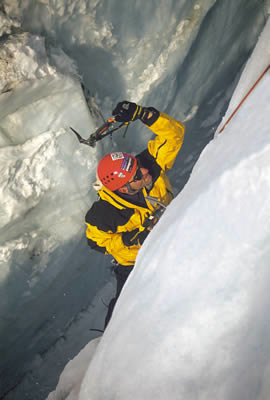
A climber falls into a hidden crevasse.

A climber falls into a hidden crevasse. Alasdair Turner

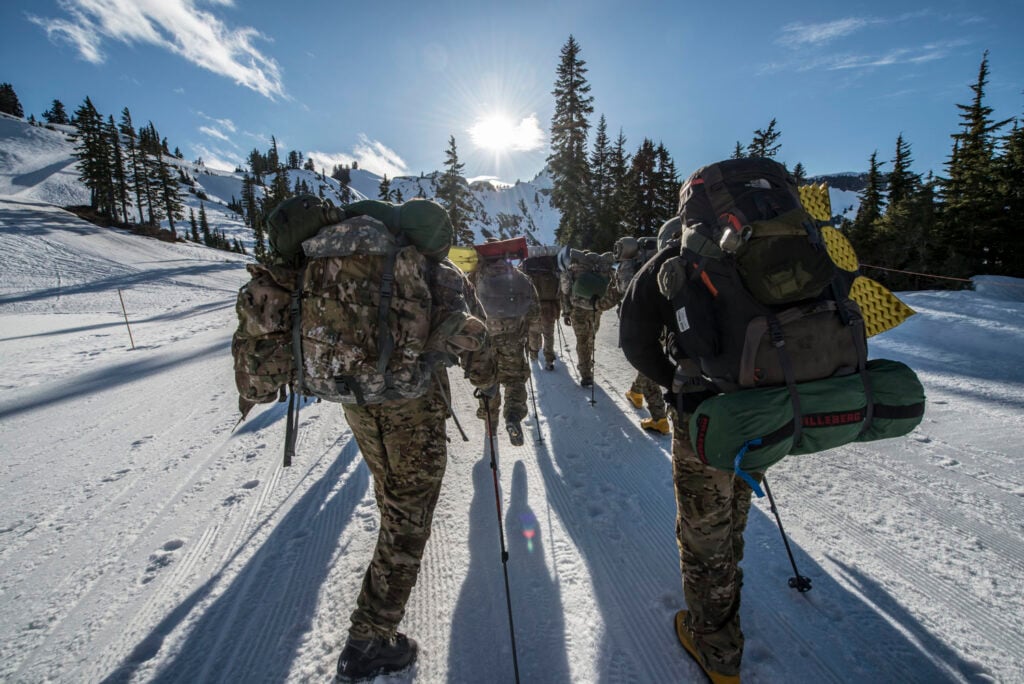
This course is intended to serve as an intensive and complete introduction to off-trail alpine travel, and to all the fundamental alpine mountaineering skills of snow, ice and glacier climbing. The course is presented on Mt. Baker in Washington State’s North Cascades, the most highly glaciated area in the lower forty-eight states. Mt. Baker offers exposure to an unusually large variety of landforms and climbing surfaces.

This program covers the same snow and ice curriculum as the American Alpine Institute Alpinism 1: Introduction to Alpinism course.

  • Selection and use of personal equipment
  • Selection and use of ropes, knots, and harnesses
  • Selection and use of rock, snow, & ice anchors for belays & intermediate protection
  • Belaying techniques on rock, snow, and ice
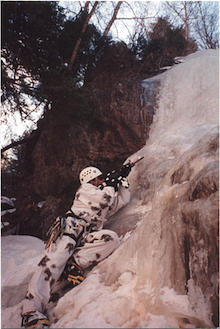
  • Free climbing techniques on low and high-angle snow, and ice
  • Principles of glacier travel & route finding
  • Self-arrest; rappelling, & prusiking
  • The concept and application of the self-belay
  • Individual & team crevasse rescue techniques

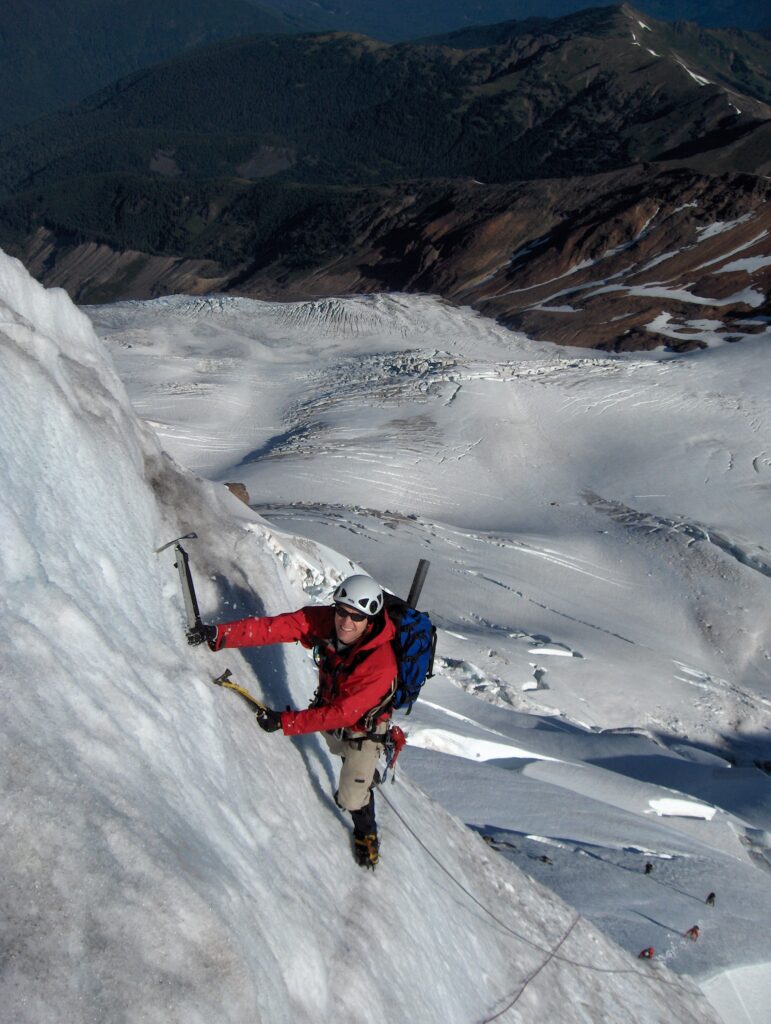
​The second part of the mountaineering program will combine the skills presented in the American Alpine Institute Alpine Ice course with some of the skills from the AAI Denali Prep, expedition prep course.

Participants are instructed in a highly refined, hybrid ice climbing technique that combines the most effective aspects of American, German, and French approaches to snow and ice. Additionally, the course will cover altitude and expeditionary considerations. The curriculum includes:

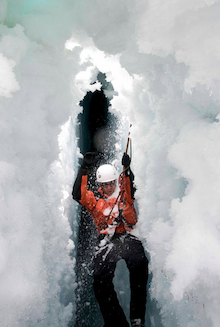
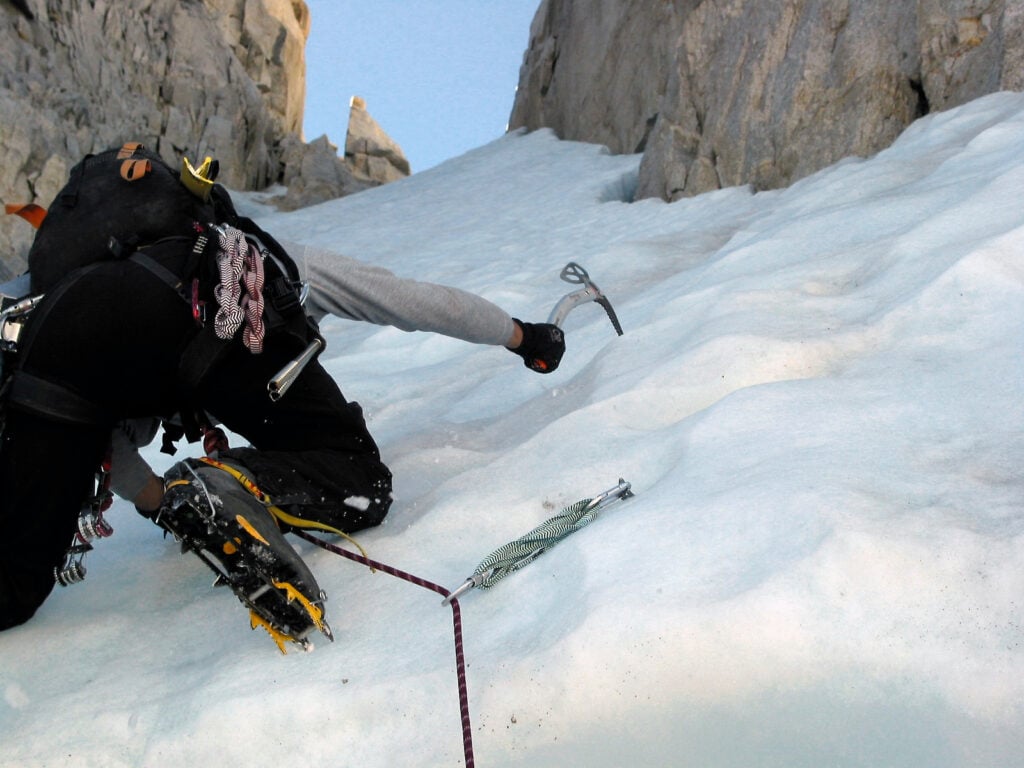
A climber works on ice climbing technique by climbing out of a crevasse.

A climber works on ice climbing technique by climbing out of a crevasse. Dylan Taylor

  • Design concepts, performance, and selection of ice axes & technical tools
  • Proper choice between and application of the primary ice axe positions: piolet canne, panne, manche, poignard, ramasse, rampe, ancre, and traction
  • Choice between and application of American, French, and German cramponing techniques
  • Proper selection and placement of ice screws, snow flukes & pickets for belays and intermediate protection
  • The uses of mechanical belay devices in alpine climbing
  • Specialized designs and uses of alpine and technical tools in high angle climbing
  • Free climbing technique on overhanging ice
  • Setting up and operating hanging belays
  • The uses of prusiks
  • Advanced crevasse rescue techniques: self-rescue, pulley systems, and pulley system combinations
  • The use of skiing glissades for ease and speed of descent
  • Camp fortification
  • Altitude problems and solutions
  • Glacial structure and movement: using large external landforms to predict inner glacial structures and hence the difficulties and hazards of a potential route
  • Evaluation of the objective hazards of avalanche, rock fall, and ice fall
  • Integration of specific skills with the general goals of efficient, safe, and self-dependent climbing

Information Rescue

There are four different levels of rope rescue, each with their own idiosyncracies. They are Rope Rescue Operations, Rope Rescue Technician, Self-Rescue, and Mountain Rescue. The American Alpine Institute can offer a rope rescue comprehensive in 14-days which covers all of these skills, or the skills can be mixed and matched:

Rope Rescue Operations (4 days)

The first level of the National Fire Protection Association (NFPA) rope rescue courses. Those who complete this course will be able to complete basic team-rescue operations in a steep-angle and high-angle environments.

Rope Rescue Technician (5 days)

Participants must have completed an Operations level course prior to entering a Technician course. This is the highest level of training dictated by the NFPA. At the end of the team-rescue course, students will be able to rig high-lines and reeving systems. The course does review some of the items in the Operations Course. These can be taken together in a seven day program.

Technical Self Rescue for Climbers (2 days)

This program is noted in the rock climbing section of the Military and Government Mountain Training page. This is a program designed for independent climbers with limited gear. The ultimate goal of this program is that an injured party could escape from a multi-pitch rock climb.

Advanced Mountain Rescue (5 days)

This is a program that takes everything learned in the Operations, Technician and Self-Rescue courses and brings those skills into the mountains. The core idea behind advanced mountain rescue is improvisation. Participants should understand all components of both team and self-rescue to complete a mountain rescue objective.

Students will demonstrate proficiency in both self and team-rescue on multiple terrain types, including – but not limited to – steep and high-angle rock, snow and ice.

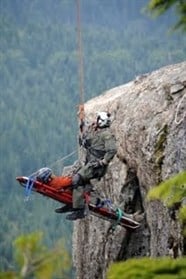
SAR - A litter attendant hangs on a litter during a technical lower.

A litter attendant hangs on a litter during a technical lower. Jason Martin.

  • Team Rescue Hauling Systems – 3:1, 6:1 and 9:1
  • Self-Rescue Hauling Systems on Rock and on Snow and Ice – 3:1. 5:1, 6:1
  • Pulley Systems – simple, compound and complex
  • Lowering Systems – with a break rack, scarab, munter-hitch, super-munter, tube-style device, and autoblocking device
  • Anchor Systems – for team rescue and self-rescue on high-angle terrain, steep-angle terrain and on snow and ice.
  • Lowering Systems with a Litter
  • Use of a Guiding Line
  • Use of High Lines and Reeving Systems
  • Patent Packaging – with and without a harness
  • Specialized Rescue Equipment
  • including discussions of Class I-III harnesses, chest harnesses, rigging plates, pulleys, swivels, edge protection, and tripods
  • Improvised Rescue Equipment – waist and chest harnesses, improvised tri-pods and bipods, high points, and improvised anchors
  • Rope Climbing Techniques – with a friction-hitch system, with an autoblocking device, with an assisted breaking device
  • Belay Escapes – off an autoblocking device and off the body
  • Belays – tandem prusik belays, body belays, belay plates, mechanical belays
  • Passing Knots – in both a multi-pitch self-rescue setting as well as in a team rescue setting with a litter
  • Scene Management – command structure
  • Special Considerations for Mountain Rescue
  • Crevasse Rescue – critical procedures for team and self-rescue
  • Multi-Pitch Descents with a Patient in a Self-Rescue Setting
  • Helicopter Operations
  • Pick-Offs – patient pickoffs for rope rescue teams and self-rescue
  • Physics of Rescue Systems on Anchors and on Equipment
  • Rappelling – classic rappel, extended rappel, tandem rappel, and counterbalance rappel techniques
  • Knots – figure-eight family, overhand, double-overhand-on-a-bite, bowline, double bowline, long-tail bowline, butterfly, high tension tie-off, wrap-three-pull-two, and wrap-two-pull-one
  • Bends – double-fisherman’s, overhand flat bend, water bend, double sheet bend, frost bend
  • Hitches – prusik, kliemheist, autoblock, clove, munter, and garda
  • Load Releasable Hitches – munter-mule and radium-release

​Climbers who are interested in taking the Technical Rope Rescue Comprehensive course should have experience with traditional climbing, anchors on snow and rock, mountaineering and crevasse rescue systems.

​Rock and team rescue portions of the program my be offered anywhere that the Institute operates. However, snow and ice skills can only be taught in the Washington Cascades, in the Sierra-Nevada mountains, in the San Juan Mountains and in the Colorado Rockies.

Information Rock Climbing

Technical rock climbing is a broad subject. With that in mind, we have developed a four-part series for military and government agents. Please note that these four parts and their prices are simply guidelines and that we can mix and match your unit’s needs with an appropriate curriculum, timeline, and student-to-guide ratio.

It would certainly be possible to stack one, two, three, or all four of these rock climbing specific programs on top of each other for a more comprehensive climbing course.​

The following curriculum has been designed with straight beginners in mind. The four-day program covers all the same material as the American Alpine Institute Outdoor Rock Climbing: Intensive Introduction.

For more information on the curriculum, please see the rock climbing itinerary download on the righthand side of the page.

  • Introduction to Equipment: Design, Care, Use, and Selection
  • Introduction to Knots and Hitches
  • Techniques for Belaying and Rappelling
  • Climbing Commands
  • Development of Full Repertoire of Free Climbing Technique for Moderate Ground
  • Introduction to both Passive and Active Traditional Protection
  • Anchor Construction
  • Techniques for Setting Up and Managing Top-Rope Sites


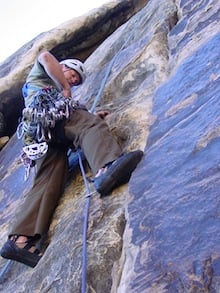
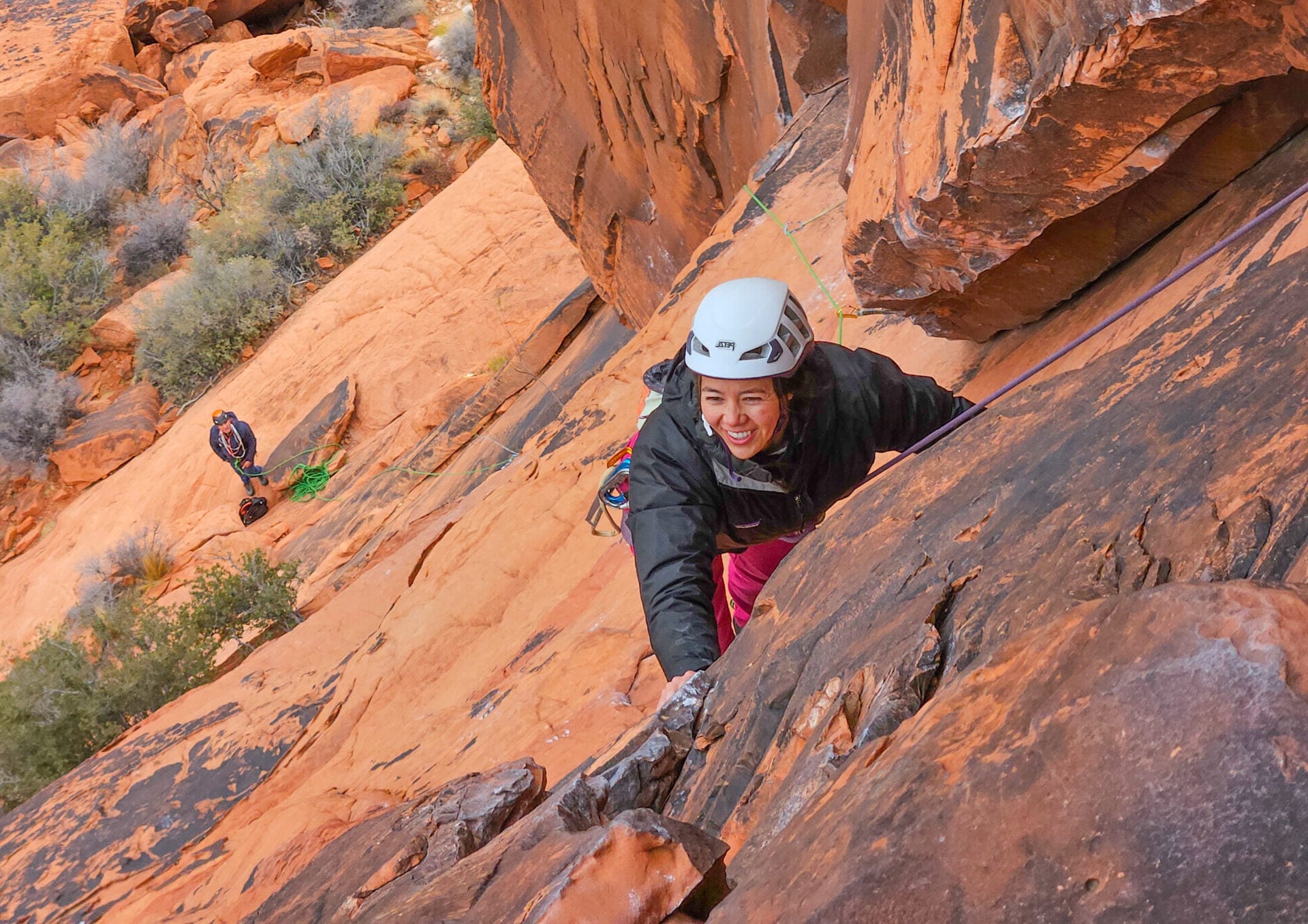
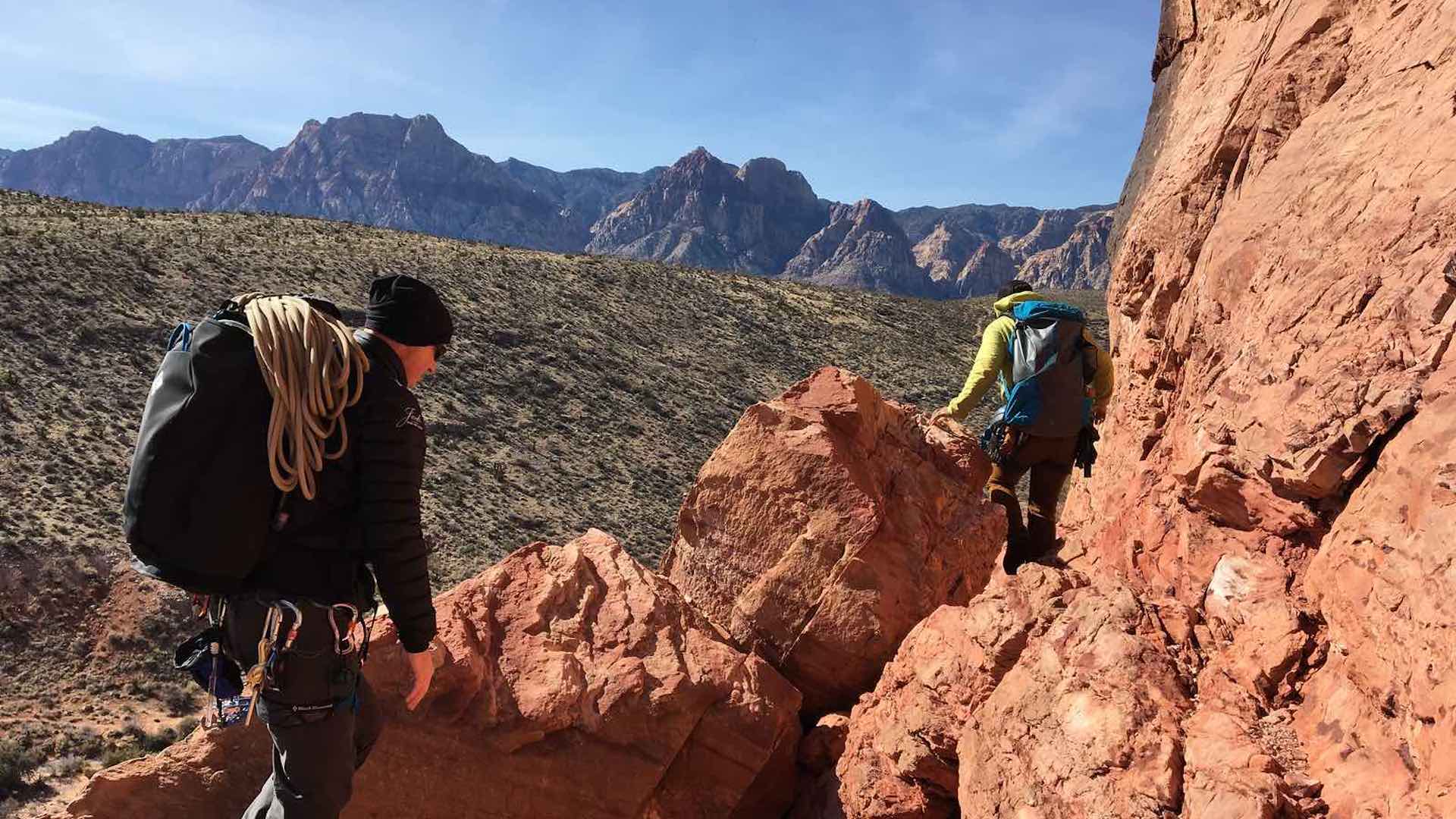
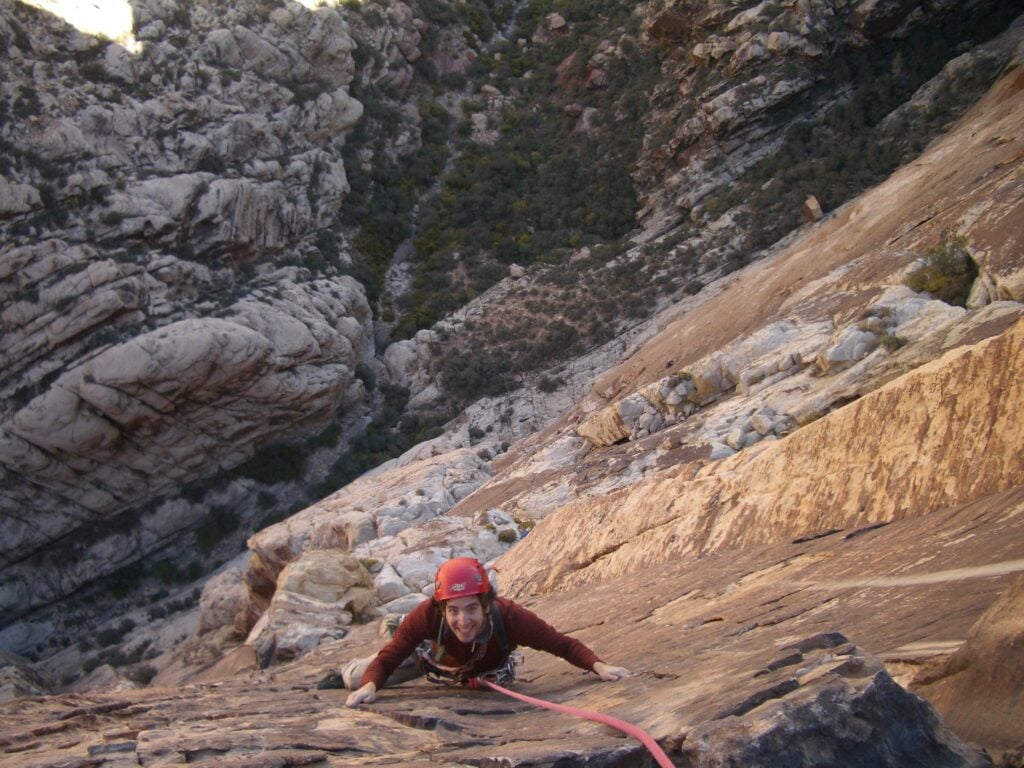
Red Rock - A climber works on leadership skills in Red Rock Canyon, NV

A climber works on leadership skills in Red Rock Canyon, NV. Jason Martin.

The second part of the program may be taken in tandem with the Level I program. However, it is suggested that for at least half of the program that students employ a 2:1 student-to-guide ratio.

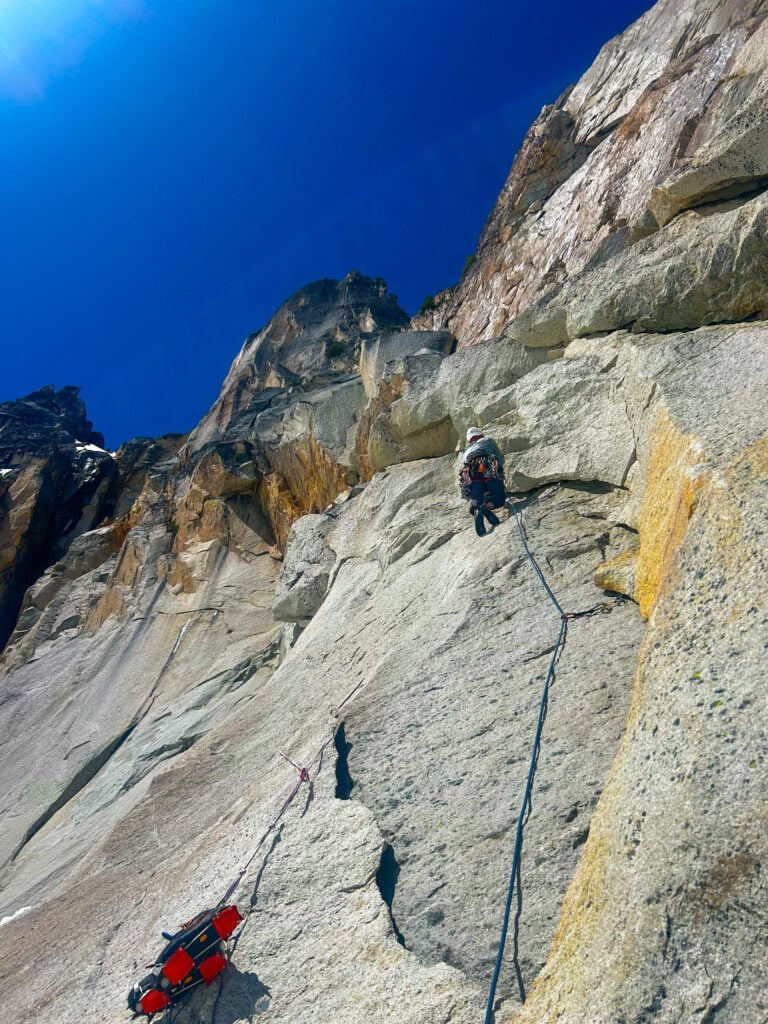
The Level II course addresses each of the components required to safely and successfully lead a traditional rock climb. It is the same curriculum as the American Alpine Institute Learn to Lead: Traditional Rock Climbing Leadership course. Highlights include:

  • Care and selection of traditional climbing gear
  • Introduction to modern traditional technique
  • Anchor building techniques and management
  • Leader safety in both a single and a multi-pitch environment
  • Technical free climbing movement for a leader

​The self-rescue component of the rock series does not address team rescue. Depending on a student’s background, this program could be one or two days. The goal is for participants to demonstrate improvised rescue proficiency in a wide array of self-rescue and rock-rescue scenarios.

  • Self-Rescue Hauling – 2:1, 3:1, 5:1, 6:1
  • Pulley Systems
  • Load Transfers
  • Lowering Systems – with a munter-hitch, super-munter, tube-style device, and autoblocking device
  • Anchor Systems
  • Rope Climbing Techniques – with a friction-hitch system, with an autoblocking device, with an assisted breaking device
  • Belay Escapes – off an autoblocking device and off the body
  • Passing Knots
  • Multi-Pitch Descents with a Patient
  • Pick-Offs – patient pickoffs for self-rescue
  • Rappelling – classic rappel, extended rappel, tandem rappel, and counterbalance rappel techniques
  • Knots – figure-eight family, overhand, double-overhand-on-a-bite, bowline, double bowline, long-tail bowline, butterfly
  • Bends – double-fisherman’s, overhand flat bend, water bend
  • Hitches – prusik, kliemheist, autoblock, clove, munter, and garda
  • Load Releasable Hitches – munter-mule


Index - A climber using direct aid to ascend a steep feature in Index, WA.

A climber using direct aid to ascend a steep feature in Index, WA. Alasdair Turner.

This last course is likely the least useful for military and government type individuals. Usually, you will be able to go around terrain that is so difficult and imposing that it cannot be free-climbed.

There are two reasons to consider an aid climbing course. First, there are many mountains and cliff faces throughout the world that cannot be climbed without direct aid. And second, and on perhaps a more important note, aid climbing is gear intensive. Those who aid climb really understand their gear and what it can do after climbing a handful of aid routes. This can provide an extra level of psychological security.

The aid curriculum is the exact same curriculum as that found in the American Alpine Institute Aid Climbing and Big Wall Techniques course.

  • Selection & use of personal equipment for an aid climb including specific ropes, harnesses, & equipment
  • Design concepts, selection & use of technical equipment for mixed aid & free climbing
  • Advanced rigging for multi-pitch climbing
  • Use of big wall gear & equipment including etriers, daisy chains, mechanical ascenders, haul bags, portaledges, leeper cams, hooks & an assortment of other gear
  • Use of fixed lines
  • Strategy for multi-pitch aid or mixed climbs
  • Strategies for multi-pitch descents
  • Techniques for hauling, big wall bivies, & for pendulums
  • Clean aid climbing techniques
  • Complex hauling systems
  • Management of hanging belays
  • Strategies for multi-day routes

Locations:

Information Winter Survival

Winter mountaineering can be a brutal endeavor. The more efficient a team is, the more skilled they are, the less brutal winter mountain conditions tend to be.

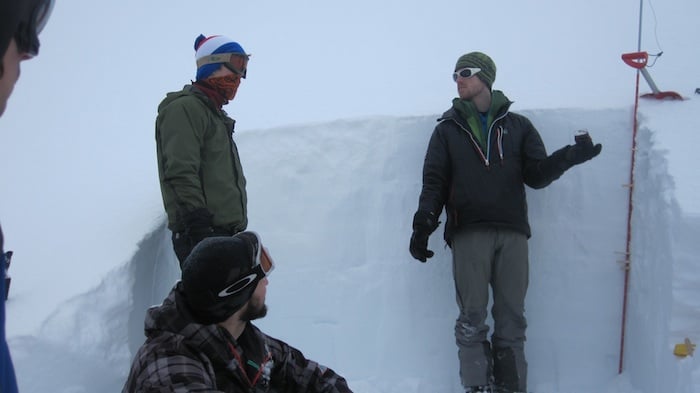
Winter backcountry travel has a number of special problems. First, you need to have a solid baseline of mountaineering skills. A good understanding of such skills will allow for more concentration on specialty winter skills. The second problem is floatation. Is it better to use snowshoes or skis? There are advantages and disadvantages to both systems. The third problem is avalanches. To mitigate the risks of moving through the winter backcountry, you must have a solid understanding of how avalanches work and how to complete a rescue following an avalanche. And finally, the fourth problem is cold weather and how to effectively deal with it.

​The American Alpine Institute teaches the American Institute for Avalanche Research and Education (AIARE) curriculum. This is the highest level of training available in the United States.

AIARE Avalanche Level I and Rescue Course (4 Days)

The Level I course was designed specifically for recreational backcountry travelers. It provides skiers, snowshoers, mountaineers and snowmobilers with the baseline skills needed to make good travel decisions, assess the snowpack and conduct rescues.

AIARE Avalanche Level II (4 days)

The Level II course was designed for ski patrollers, mountain guides, department of transportation crews and any other professionals that need to predict avalanches. This science-based course provides participants with the skills needed to understand how weather patterns combined with terrain and snowpack create avalanches.

​Snowshoes are relatively simple.  In tight treed terrain, they provide perhaps the best mode of travel. However, they are slow and can be clumsy on steep slopes.

Snowshoe training can be combined with avalanche training or with a mountaineering course.

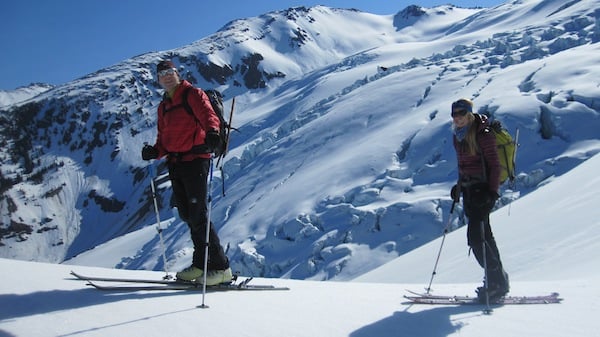
Perhaps the best way to move over snow is by using backcountry skis. These skis are specially designed so that one can ski with them uphill, then make a quick adjustment and ski back down.  In open terrain your unit will be able to move very quickly on skis.

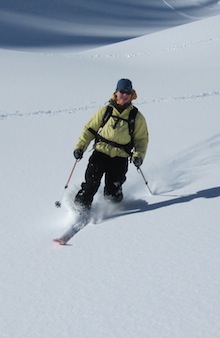
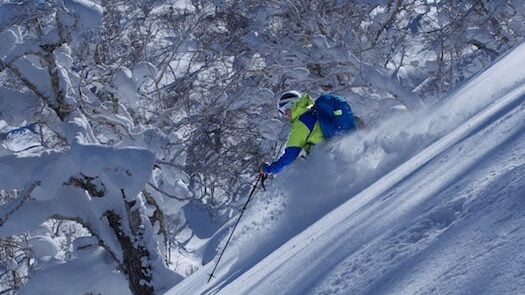
A tele-skier makes a perfect turn in the Mount Baker Backcountry.

A tele-skier makes a perfect turn in the Mount Baker Backcountry. Jason Martin.

An introductory ski course is aimed at developing the hard skills and techniques associated with uphill and downhill travel on alpine touring and telemark gear. Additionally, traveling in the mountains, especially in winter, requires knowledge of route finding, decision-making, terrain and snow assessment, and avalanche rescue skills.

It is recommended that participants in this program have in-bounds ski experience prior to going “out-of-bounds.” If your unit does not have this, we will work with you, your unit and a local ski area to cover the material.

In each of our courses, we seek to help you develop a good working knowledge of:

  • Ski touring gear
  • Transceivers and avalanche equipment
  • Skiing technique
  • Terrain analysis for uphill and downhill track laying
  • Use of map and compass
  • Tour planning
  • We will also help refine personal backcountry skiing skills
  • Skiing on glaciers
  • Crevasse rescue with a ski team

​Ski and avalanche programs may be offered in the Washington Cascades, the Sierra-Nevada mountains of California, and in the San Juan Mountains of Colorado. Glacier skiing may only be offered in Washington State and Alaska.