















Curriculum

Students Will Learn:

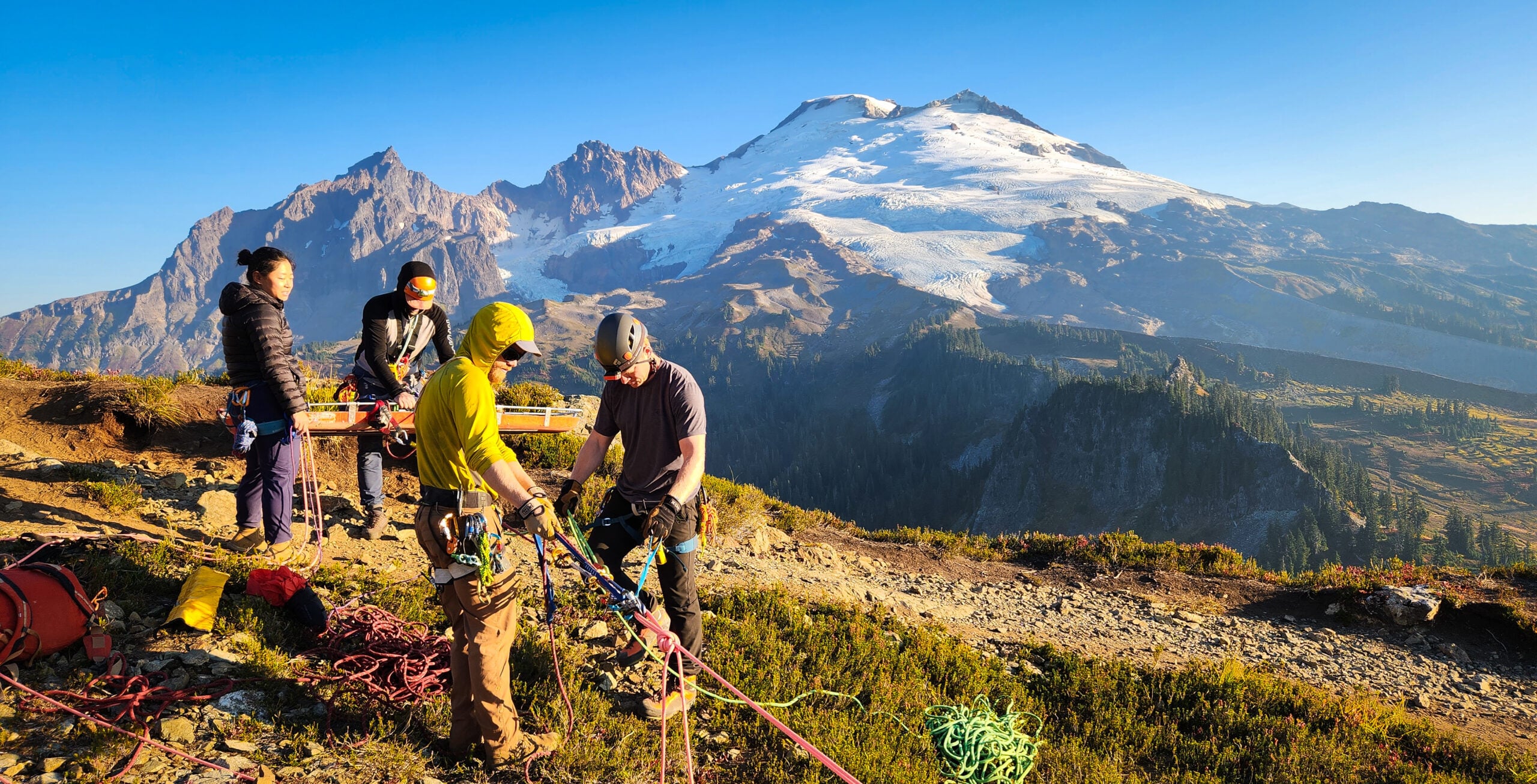
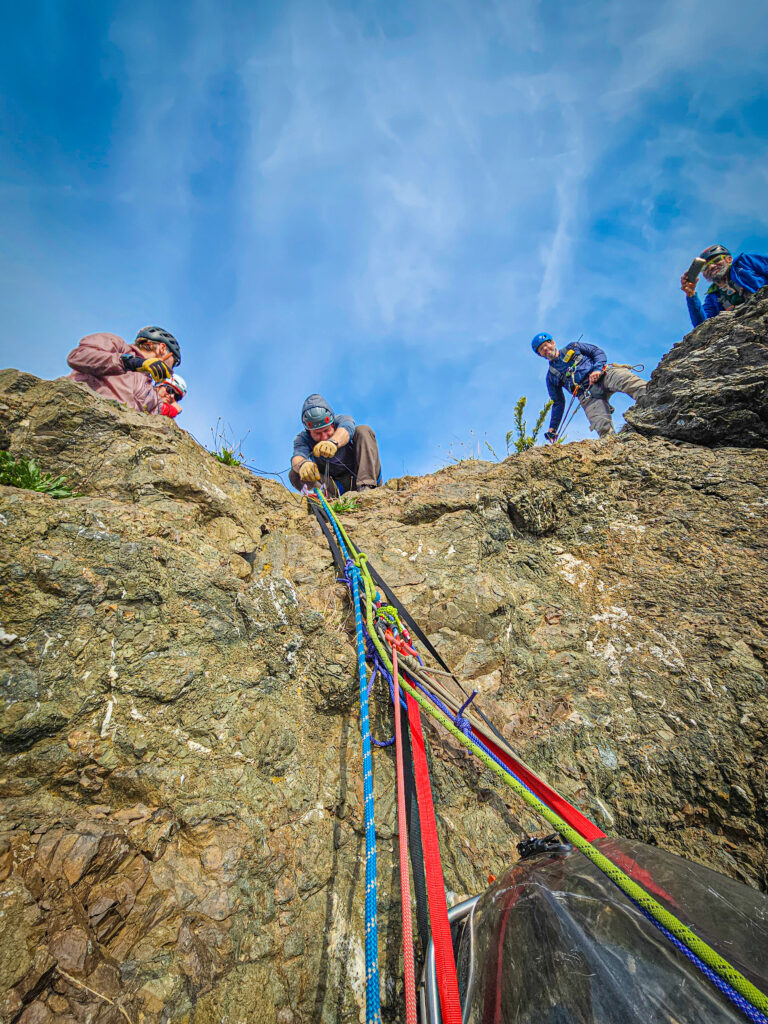
  • Team Rescue Hauling Systems – 3:1, 6:1 and 9:1
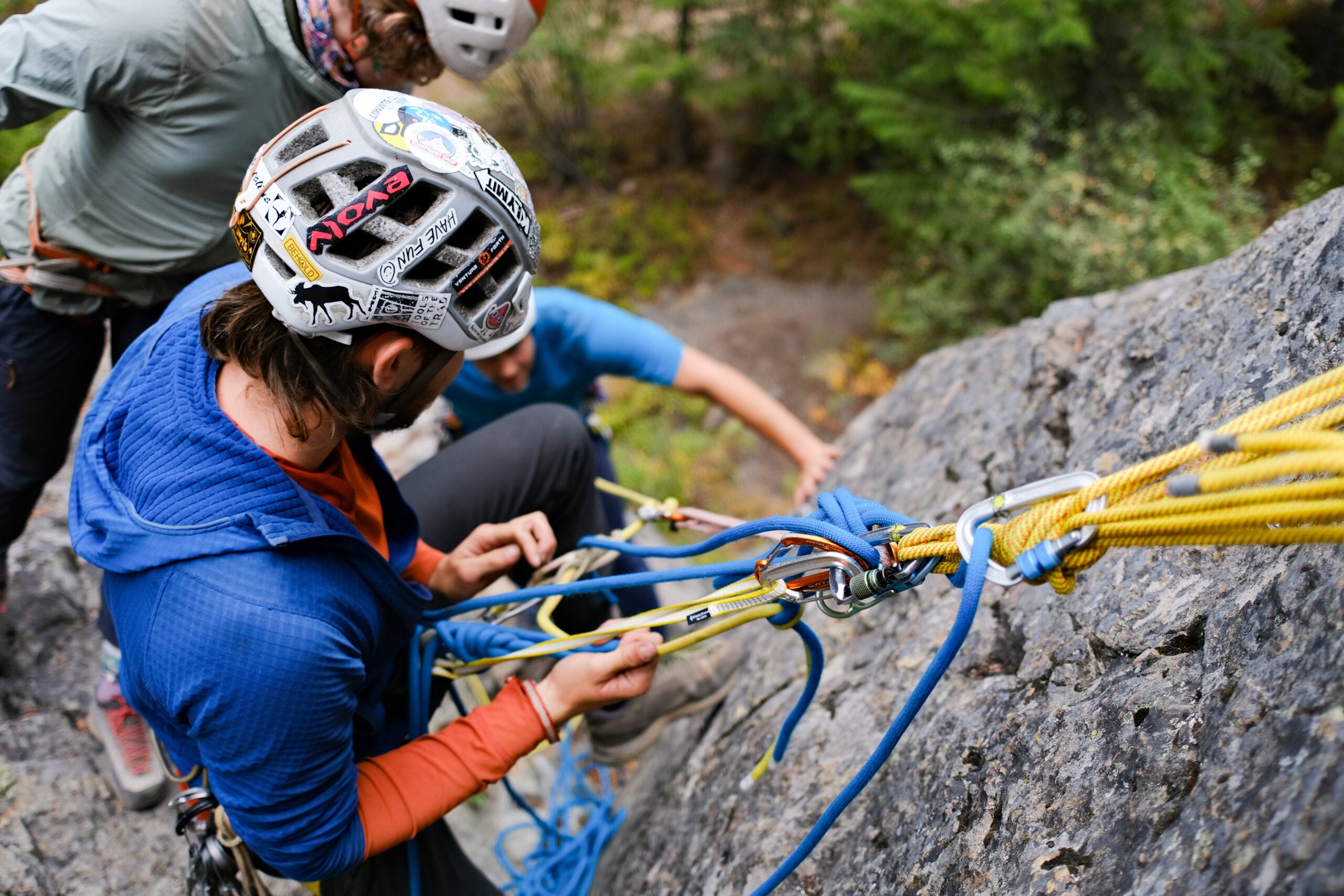
  • Pulley Systems – simple, compound and complex
  • Lowering Systems – with a break rack and scarab
  • Anchor Systems.
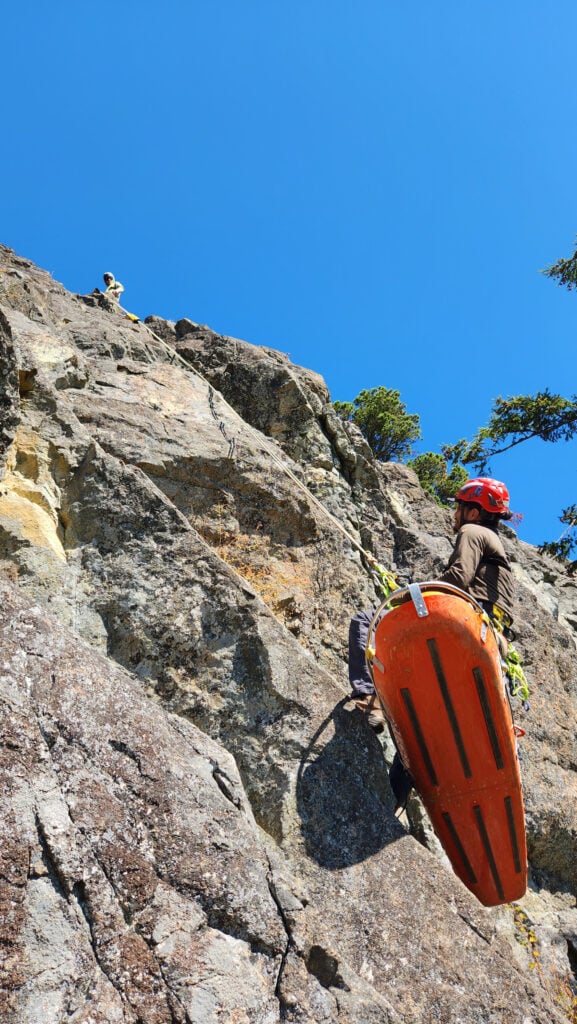
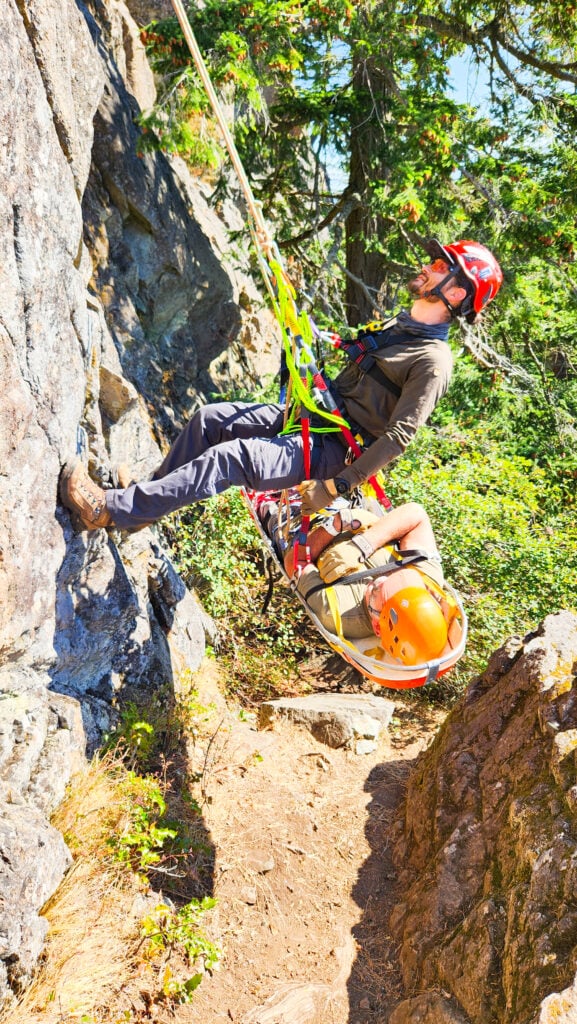
  • Lowering Systems with a Litter
  • Use of a Guiding Line
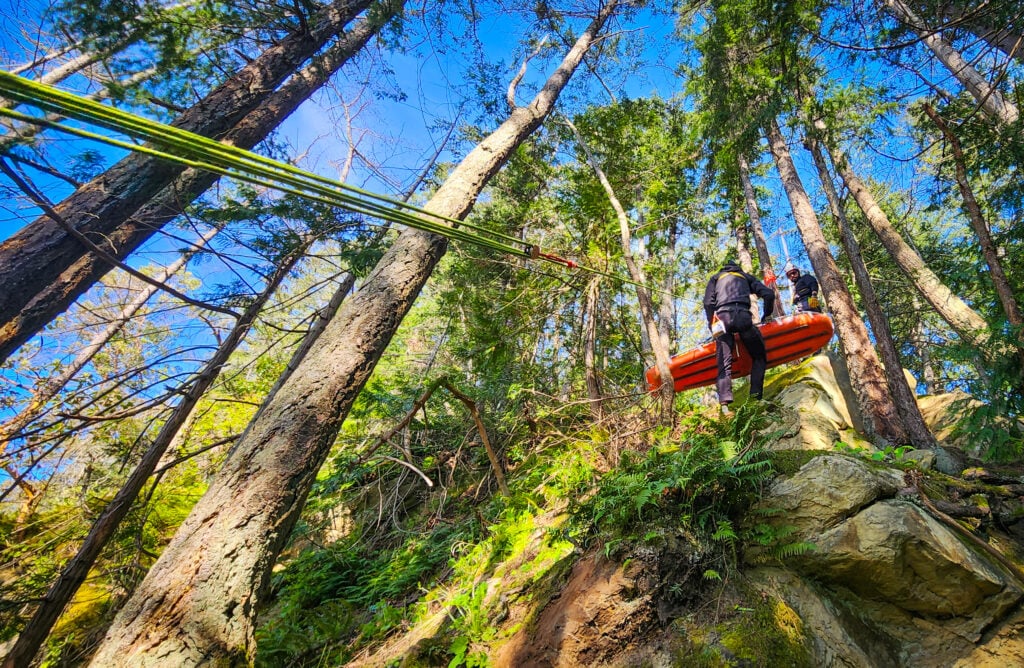
  • Use of High Lines and Reeving Systems
  • Patent Packaging – with and without a harness
  • Specialized Rescue Equipment – including discussions of Class I-III harnesses, chest harnesses, rigging plates, pulleys, swivels, edge protection, and tripods
  • Improvised Rescue Equipment – waist and chest harnesses, improvised tri-pods and bipods, high points, and improvised anchors
  • Rope Climbing Techniques
  • Belays – tandem prusik belays, mechanical belays
  • Passing Knots – in both a multi-pitch self-rescue setting as well as in a team rescue setting with a litter
  • Scene Management – command structure
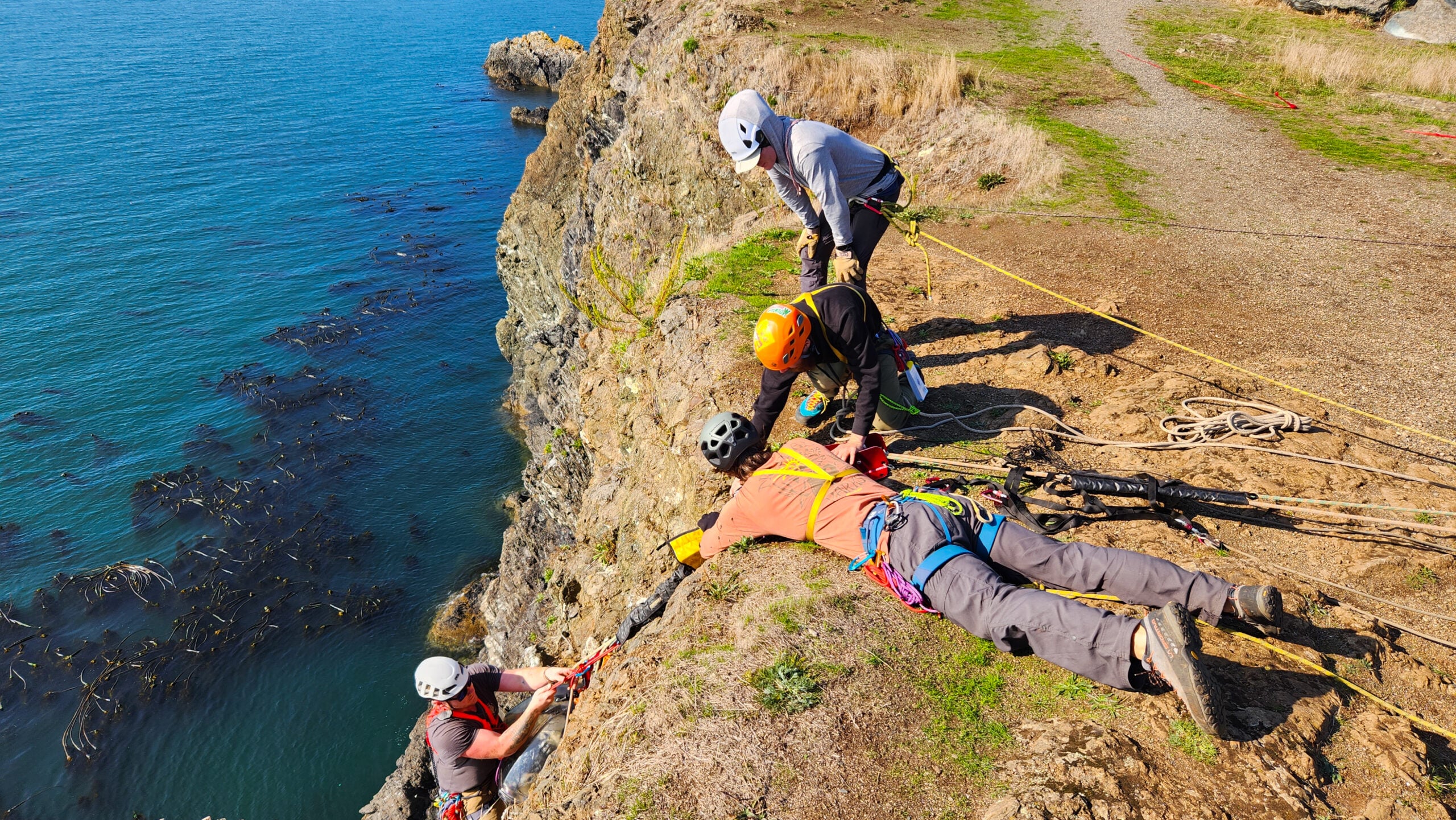
  • Pick-Offs – patient pickoffs for rope rescue teams and self-rescue
  • Physics of Rescue Systems on Anchors and on Equipment
  • Rappelling
  • Knots – figure-eight family, overhand, double-overhand-on-a-bite, bowline, double bowline, long-tail bowline, high tension tie-off, wrap-three-pull-two, and wrap-two-pull-one
  • Bends – double-fisherman’s, overhand flat bend, water bend, double sheet bend, frost bend
  • Hitches – prusik, kliemheist, clove, and munter
  • Load Releasable Hitches – radium-release

​Textbook: Technical Rescue Riggers Guide by Rick Lipke

This text may be purchased at the American Alpine Institute Shop or online.


Details

Prerequisites

If you haven’t taken an Operations level course, you can combine it with this course for a discounted price.  See the Options tab for details.

Inclusions and Exclusions

Inclusions: Included with the tuition are instructors, group equipment (both rescue and climbing), classroom location, permit fees, and transportation to and from field program locations.  A live Zoom gear consult is also included.

Exclusions: Excluded are front-country lodging, personal climbing equipment, transportation to the classroom, food, trip insurance, camping equipment, and guide gratuities.

Credentials

Mountain Rescue Association (MRA)

MRA

The MRA oversees a patchwork of volunteer and professional rescue teams in the United States and Canada. They develop standards and accredit local mountain rescue units in three disciplines: high-angle rescue, search, and snow.


National Fire Protection Association (NFPA)

NFPA

The NFPA is an organization devoted to “eliminating death, injury, property and economic loss due to fire, electrical and related hazards.” To do this, the organization develops codes and standards for individuals operating within the fire service. These standards include operating practices for technical rescue teams.


American Mountain Guides Association (AMGA)

AMGA Accredited Company

The AMGA oversees technical mountain guides in the United States. The organization credentials instructors and guides, while also accrediting guide services. The AMGA recognizes three disciplines with several levels of certification. The disciplines are Rock, Alpine and Ski. Each discipline has rescue components on which instructors and guides are tested.


International Technical Rescue Association (ITRA)

ITRA

The ITRA is an organization that provides global recognition of technical rescue practitioners and instructors, across a wide range of rescue disciplines, including swiftwater, rope, boat, confined space and animal rescue.


Options

Build Your Rope Rescue Skillset

This Technician Level Rope Rescue Course is just one step of technical rope rescue. American Alpine Institute offers multiple ways to build your skills and customize your training path:

  • Level 1 + Level 2 Bundle – Take both courses together for a streamlined learning experience and a discounted price!  Save money while getting the most out of your rope rescue education.
  • Self-Rescue for Climbers – Learn personal and companion rescue techniques for backcountry or remote environments.
  • Advanced Mountain Rescue – Master high-end systems and techniques for complex rescues in rugged mountain terrain.

For the most complete and cost-effective experience, consider enrolling in the Technical Rope Rescue Comprehensive, which combines all four courses into a single 14-day program. This option gives you the best value and ensures you graduate with the full skillset needed to handle everything from simple operations-level rescues to the most advanced technical scenarios.