






















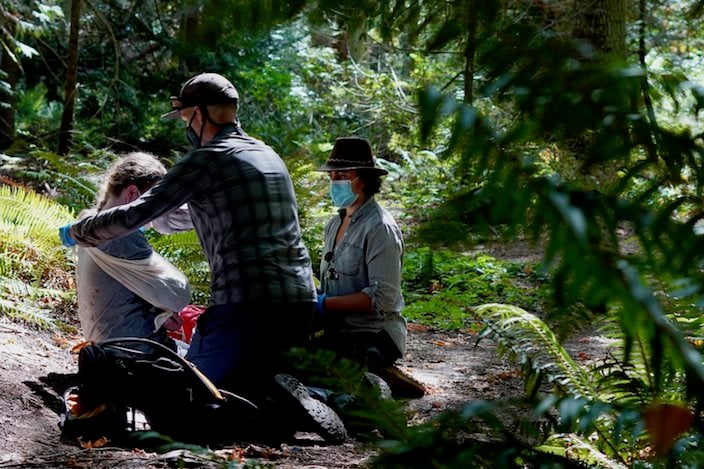
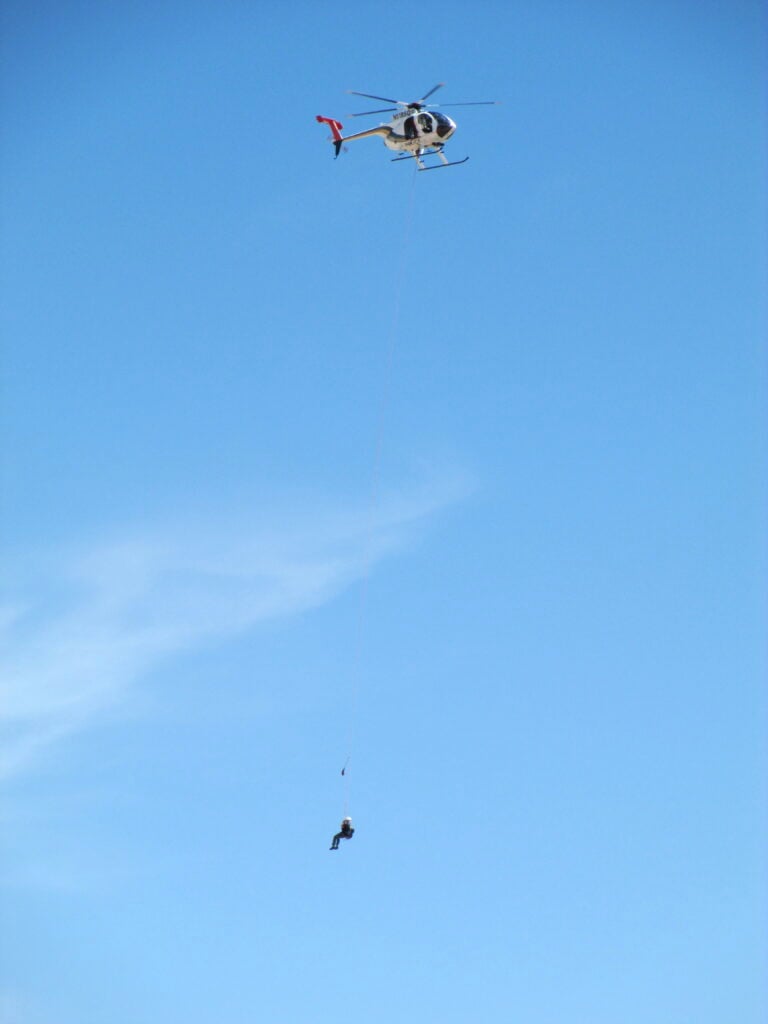
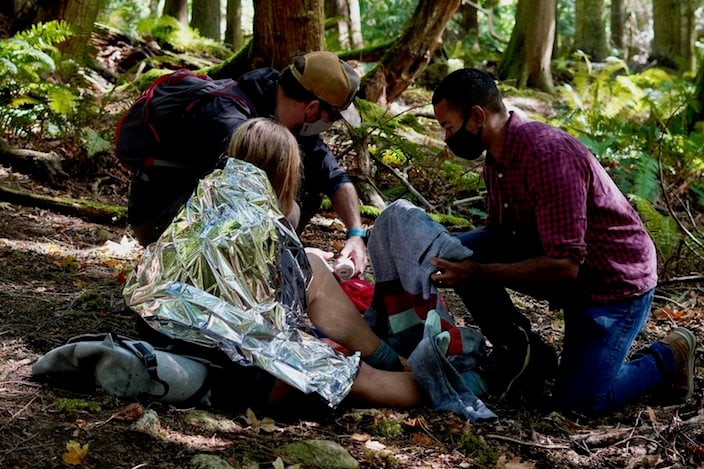

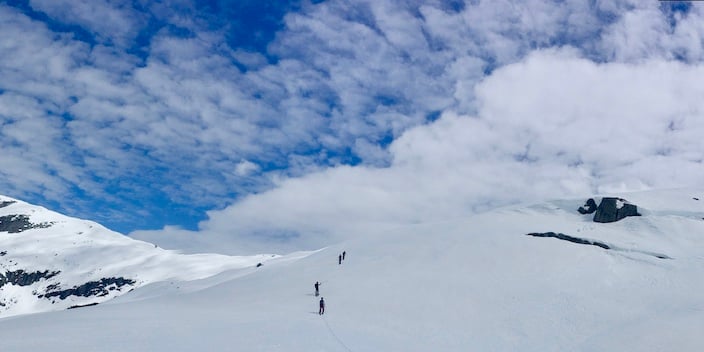

Have you ever been three-days from a trailhead with no cellphone reception and thought about what would happen if someone got hurt? What if a snake bit someone? What if someone fell off a cliff? What if a member of your party suffered a heart attack? Maybe you have a satellite phone or a personal locator beacon… But if you are in the wilderness, then even with those modern conveniences an evacuation may take a very long time.
Medical professionals in urban areas identify the time period following trauma or a serious medical incident as “the golden hour.” The goal is to get patients from the accident site or from the place where the medical incident took place to the hospital rapidly, and ideally in less than an hour. Those who receive prompt medical care are statistically the most likely to survive.
The problem with wilderness medicine is that you’re in the wilderness. It is very difficult to evacuate a patient to definitive medical care in less than an hour. A fast evacuation from the backcountry may take four or five hours. A slow evacuation may take four or five days.
The Wilderness First Responder course and certification were created specifically for those who spend significant time in the wilderness, on personal trips or professionally, who might encounter a serious medical situation. This course covers everything from minor medical ailments to severe trauma. It also covers the issues that you will encounter caring for a patient over a period of hours or even days while awaiting evacuation.
Mountain climbing guides, river guides, hiking guides, and backcountry rangers are usually required to have a WFR certification in order to obtain employment. Most land managers in the United States require commercial guides to hold WFR certifications. And every individual that one might be responsible for in these professions expect their guides and rangers to have a Wilderness First Responder certification.
Curriculum
The Wilderness First Responder course is an 40-hour program that was designed to provide outdoor educators and active outdoor practitioners with the skills they need to deal with a wide array of medical issues and traumatic injuries in the backcountry. Curriculum includes, but is not limited to, the following:
- Pharmacology
- Patient Assessment System
- Basic Life Support
- Wilderness Adult and Child CPR
- Head Injuries
- Respiratory Distress
- Volume Shock
- Extremity Injuries
- Dislocations
- Heart Attack, Angina and Stroke
- Heat Exhaustion, Heat Stroke and Hyponatremia
- Hypothermia and Cold Injuries
- Near Drowning
- Spine Management
- Wilderness Bites and Stings
- Allergies
- Lightning Injuries
- Altitude
- Asthma
- Gastrointestinal Disorders
- Genitourinary Issues
- SOAP Evaluation Process
- Splinting
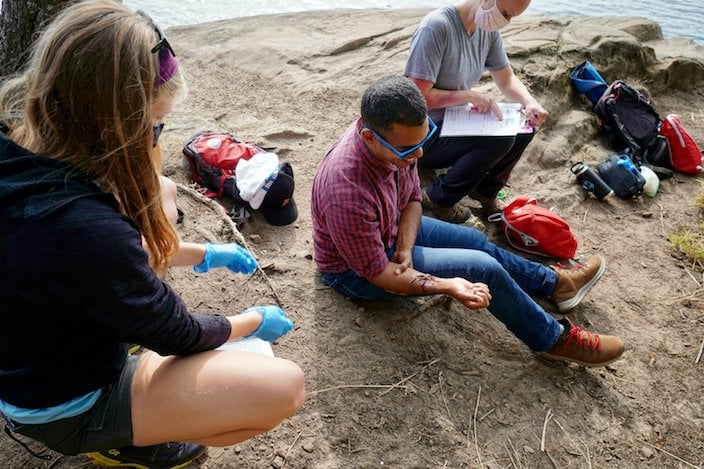
- Wound Management
- Spine Assessment
- Dehydration
- Sunburn
- Diabetes: Hypoglycemia and Hyperglycemia
- Issues with Ears, Eyes, Nose, Throat and Teeth
- Improvising Litters, Backboards and Litter Carries
 Objectives
 Details
 Equipment