











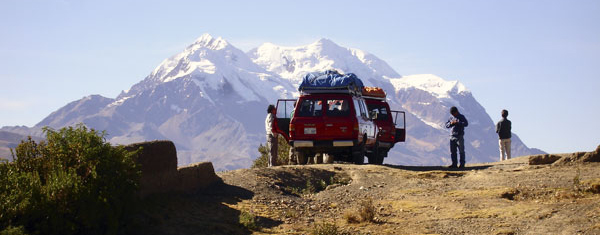
The La Paz and Cordillera Real Trek is only scheduled on a priavate basis. Please contact the AAI Office for further details.
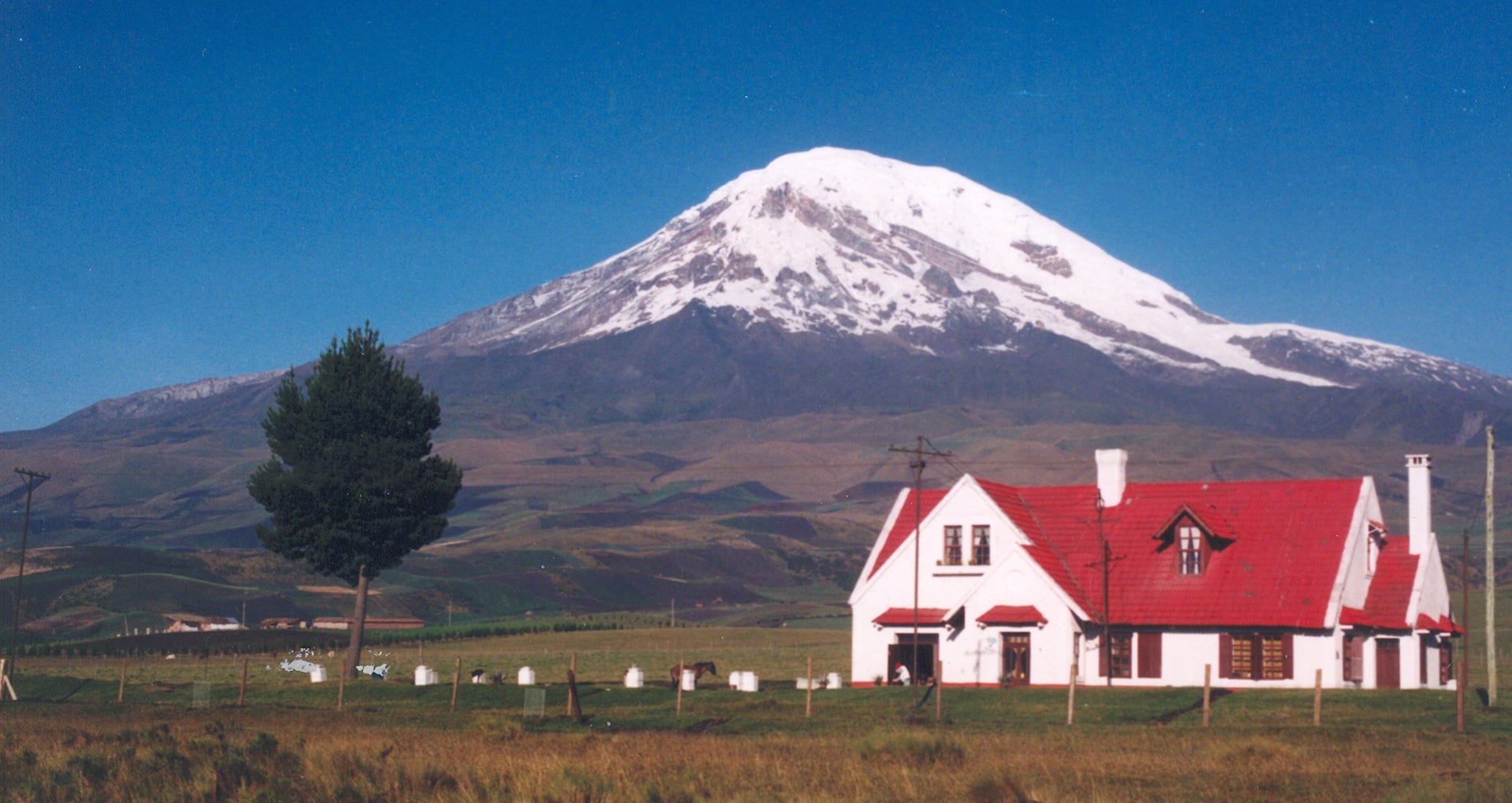
Alternatively, we offer our Cotopaxi Skills Expedition and Chimborazo Ascent in Ecuador or our Ice Field Expedition or Gorra Blanca Ascent in Patagonia.
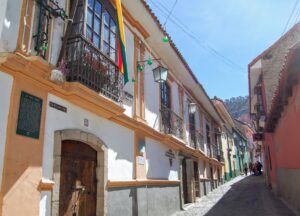
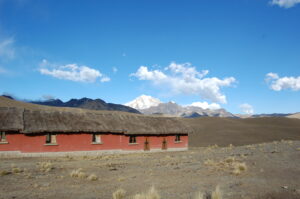
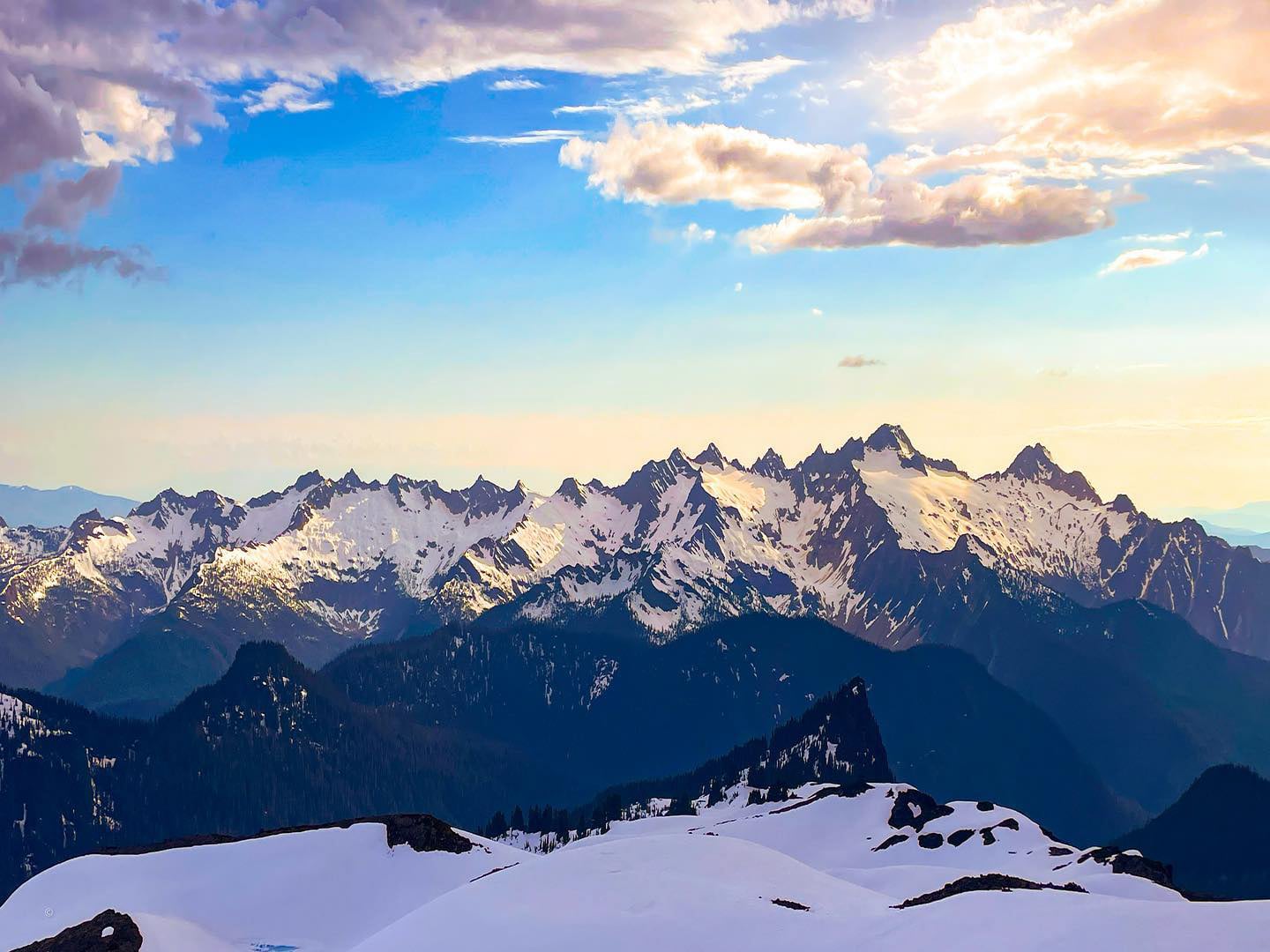
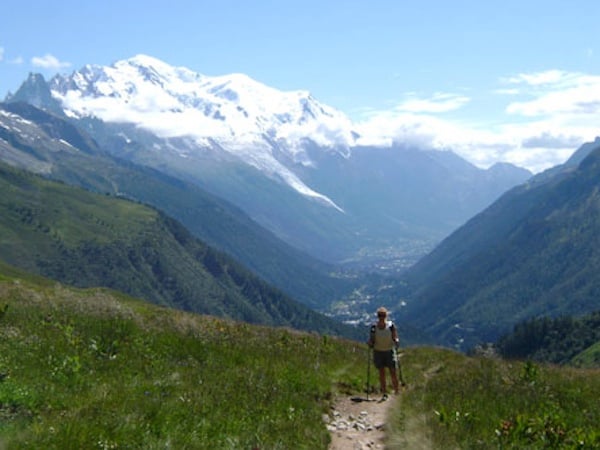
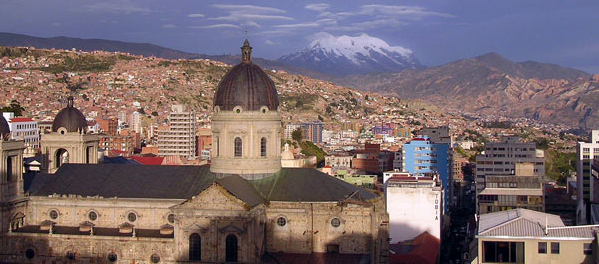
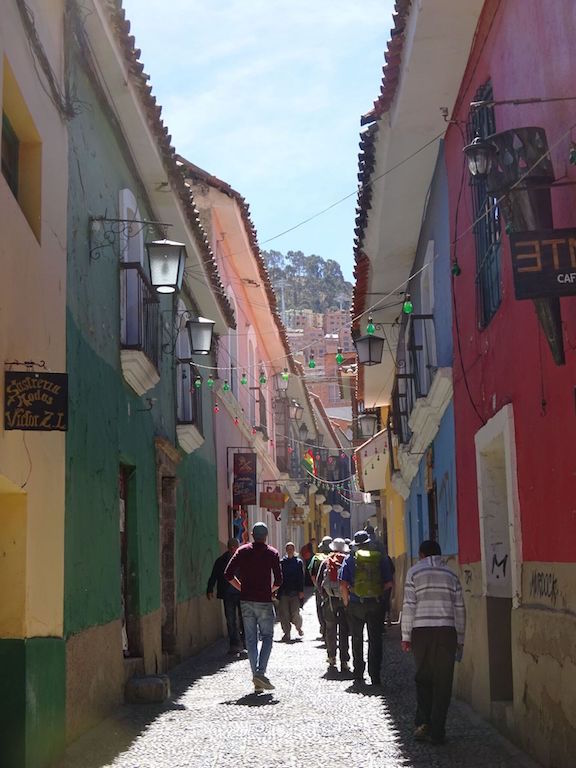
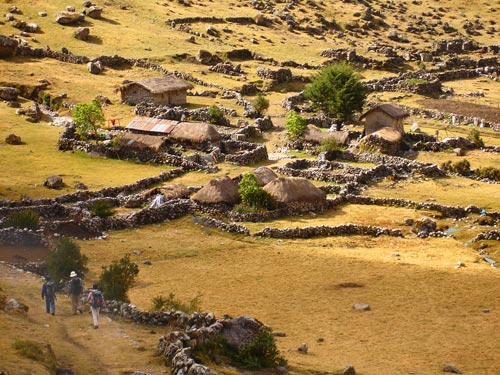
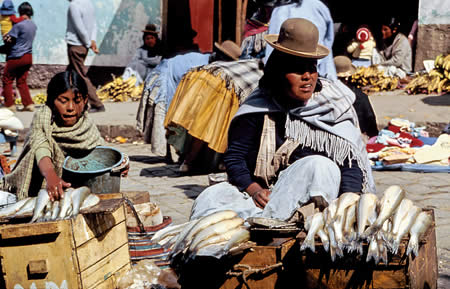
Bolivia’s highlands alone feature some of the most impressive alpine peaks and traditional Indian communities in the Western Hemisphere. It is one of the world’s most diverse countries, including intriguing sites of Aymara, Inca, and pre-Inca civilizations.
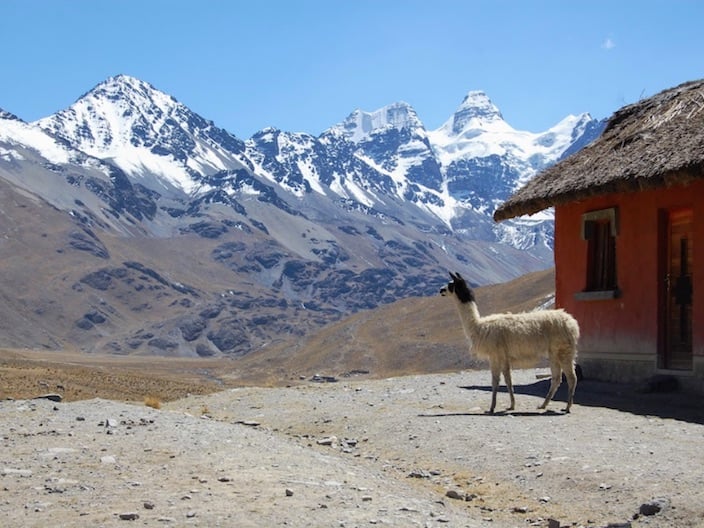
No countries in the world have greater geographical diversity than Bolivia and its neighbor Peru. Lying within their borders are deserts, lush jungles, dry altiplano, fertile valleys, and numerous glaciated mountain ranges. But while the scenery is spectacular, the startling physical contrasts of each area have put different requirements upon humanity and have offered varied possibilities for life. While geographical differences and physical barriers normally isolate civil groups, develop in each distinct cultural characteristics, and make them independent if not hostile to one another, in Bolivia and Peru their challenge to humanity brought development of one of the world’s most sophisticated civilizations.
In contrast, modern times have been typified by a complexity of political problems. In 15 to 20-year cycles we see South American countries that were thought of as stable fall to the trials of hyper-inflation and to ruling bodies that are either too laissez-faire or too heavy handed in their government, while at the same time we see countries that seemed condemned to insurmountable problems make remarkable progress and install governments of fairness and foresight.
The regularity of change in Bolivian governments used to make that country the butt of jokes and earned for it the informal designation as the world’s least stable political arena. Military coups d’etat occurred on an average of every 11 months, and while they were almost always peaceful, they nonetheless prevented any long-term policy planning to be put in place and never fostered the development of any visionary government. Since 1982, however, the country has been governed by a multi-party democracy, and it now enjoys its highest degree of stability in this century.

This expedition has a zero carbon footprint. Through AAI’s Climate Initiative, the Institute pays to offset all carbon emissions incurred by the guides and clients on each trip, including emissions from flight, local transportation, electricity in hotels, and fuel burned to cook in the mountains. To learn more about how this works and AAI’s dedication to environmental protection, click here.
 Itinerary