Information Curriculum

DenaliPrep 2009 1

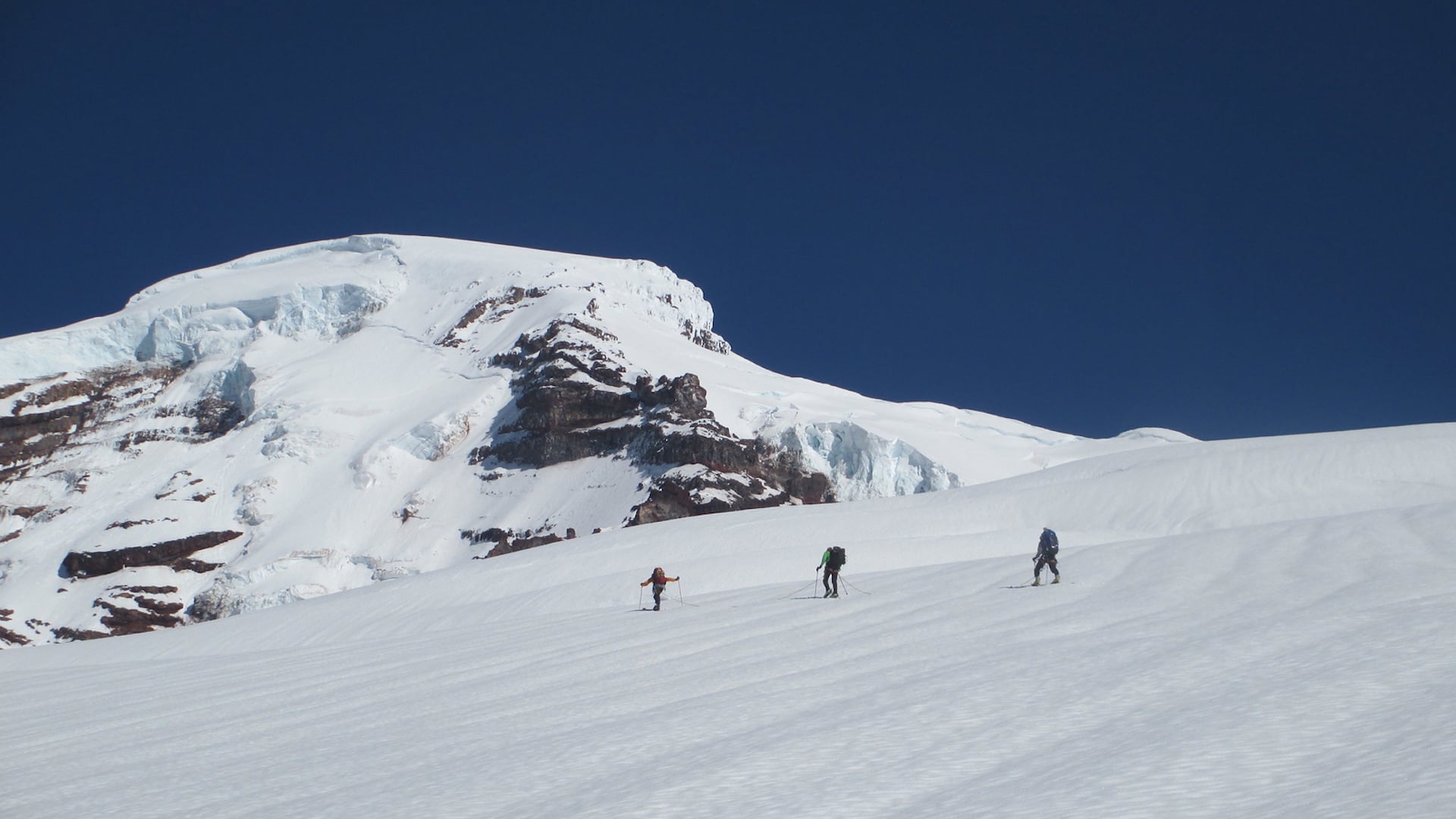
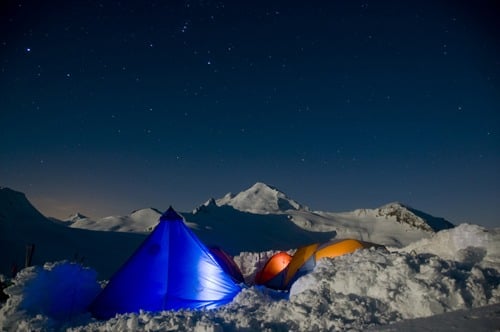
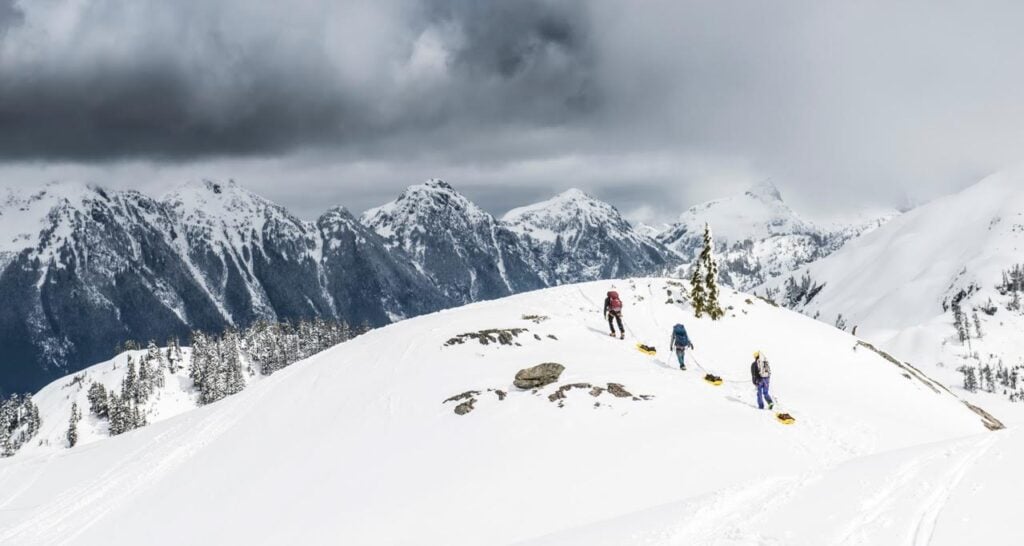
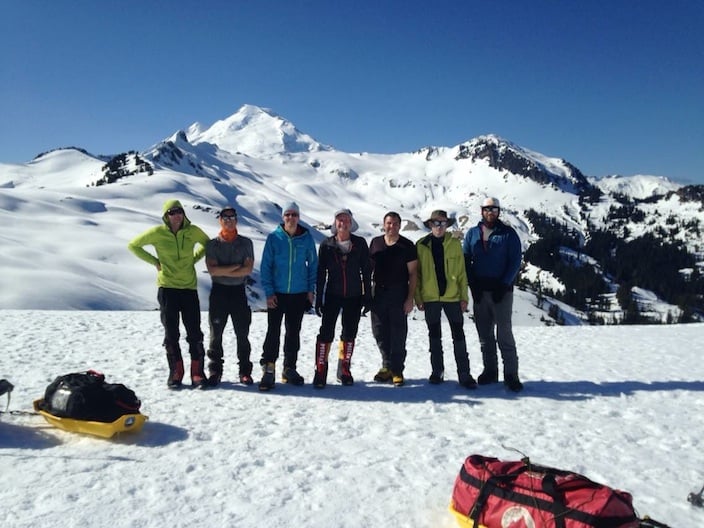
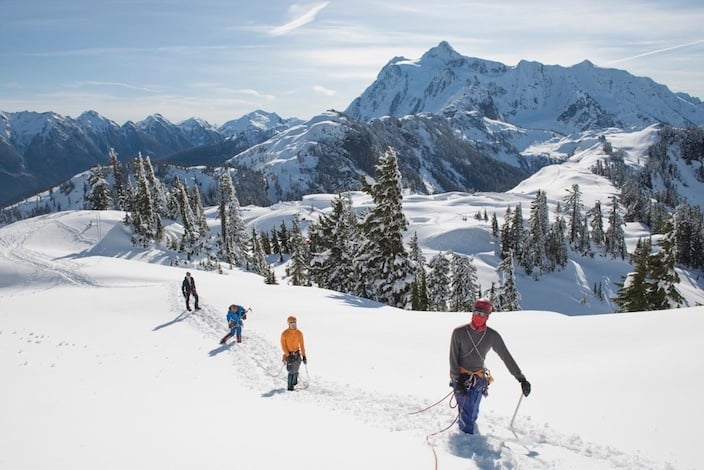
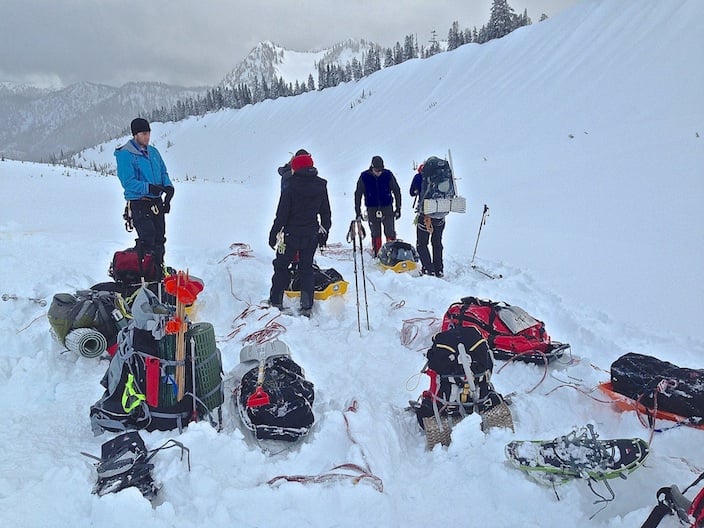
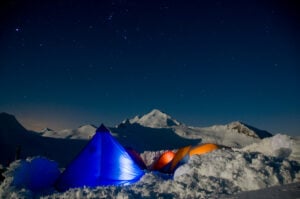
A group camping at Artist Point near Mt. Baker. Alasdair Turner.

Climbing Skills

  • Selection and use of personal equipment, ropes, knots, and harnesses
  • Design concepts and selection of ice axes and ice tools
  • Proper choice and application of the primary ice axe positions
  • Cramponing techniques
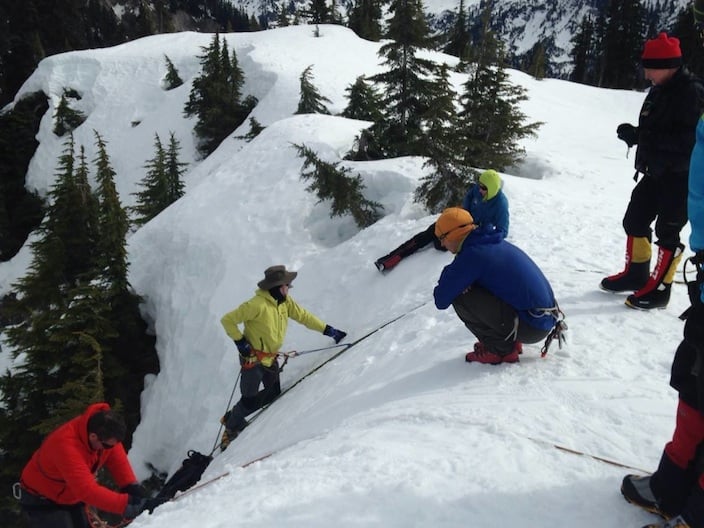
  • Belays on snow and ice
  • Selection and placement of snow flukes and pickets
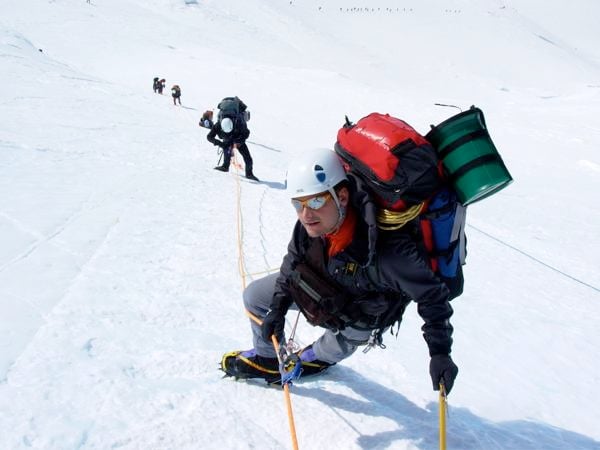
  • Climbing technique on steep snow and ice
  • The integration of specific skills with the goals of efficient and safe climbing

Glacier Travel, Rescue, and Living Skills

  • An introduction to glacial structures and movement: how to use large external land forms to predict inner glacial structures and hence the difficulties and hazards of a potential route
  • Principles of glacier travel while climbing and skiing
  • Individual and team crevasse rescue
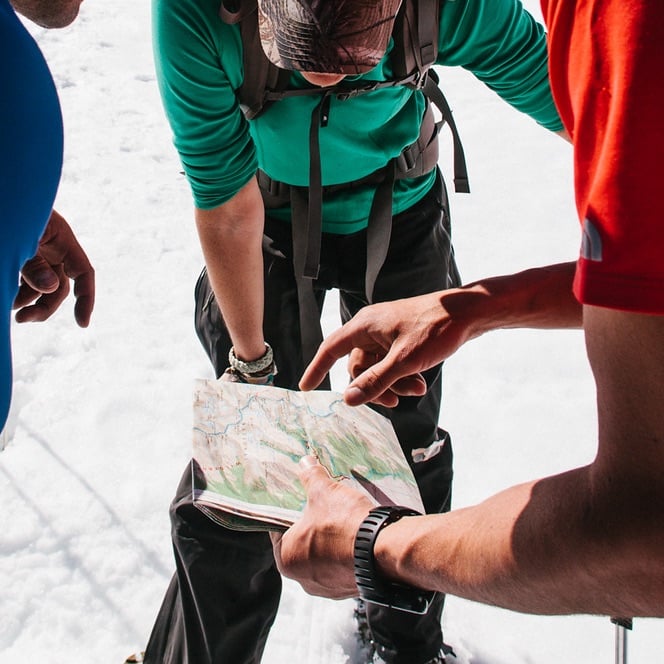
  • Route finding and marking in low visibility
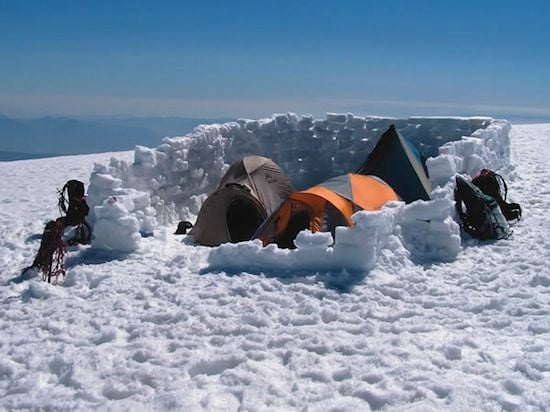
  • Snow cave and igloo construction and living
  • Leave No Trace principles of climbing, traveling, and living in the alpine environment

100 2028

Participants in a snow cave. AAI Collection
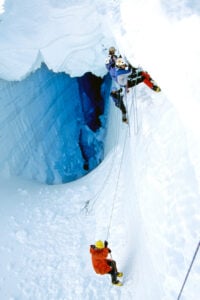
prussikpractice2

Practicing crevasse rescue techniques on an Alaskan Glacier. AAI Collection.

Expedition Skills

  • Discussion of Denali expedition climbing styles with comparisons of inherent advantages, limitations, and requirements associated with each style
  • Expedition processes in icefalls and the establishment and ascension of fixed lines
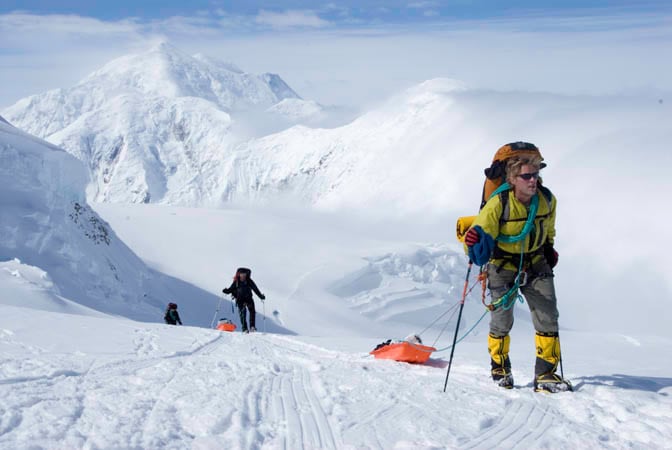
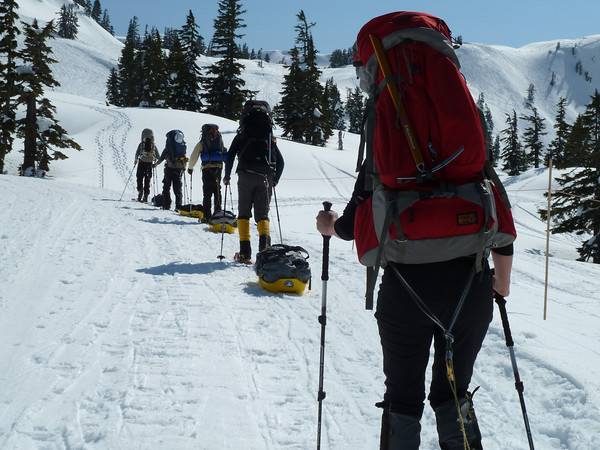
  • Techniques for roped use of sleds for transporting gear

Physics, Physiology, and Medicine of Cold Weather and Altitude

  • An introduction to human physiology in cold weather
  • Preventing and treating cold weather injuries
  • An introduction to human physiology at high altitude
  • Preventing and treating high altitude illnesses.

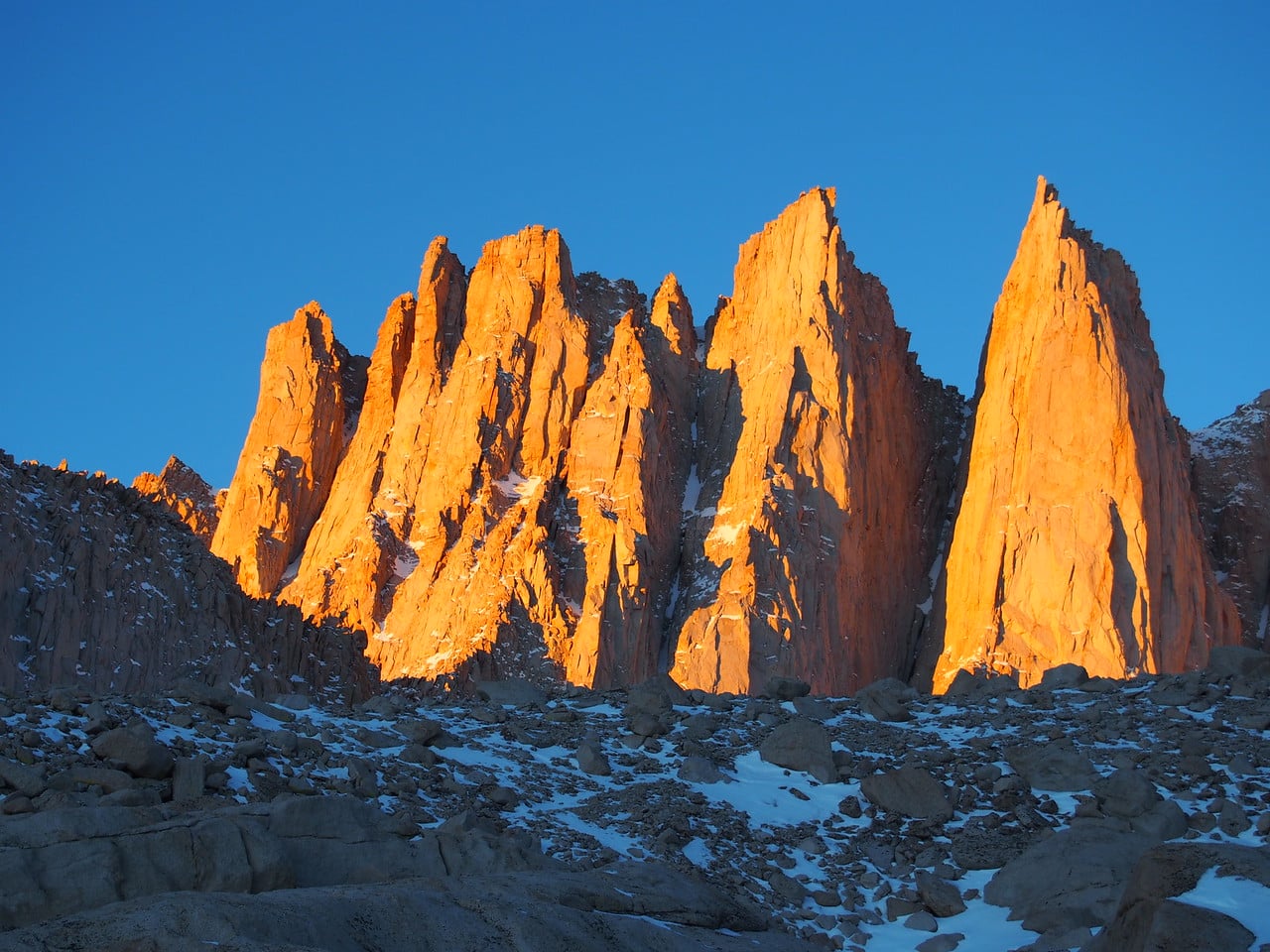
We offer specialized Denali Prep programs in many exciting locations! Check out the five-day Winter Mountaineering Program held in California’s Sierra Nevada Range.

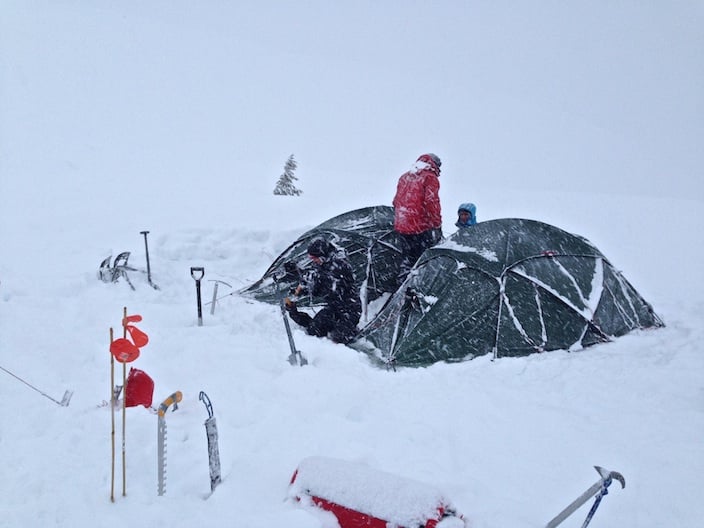
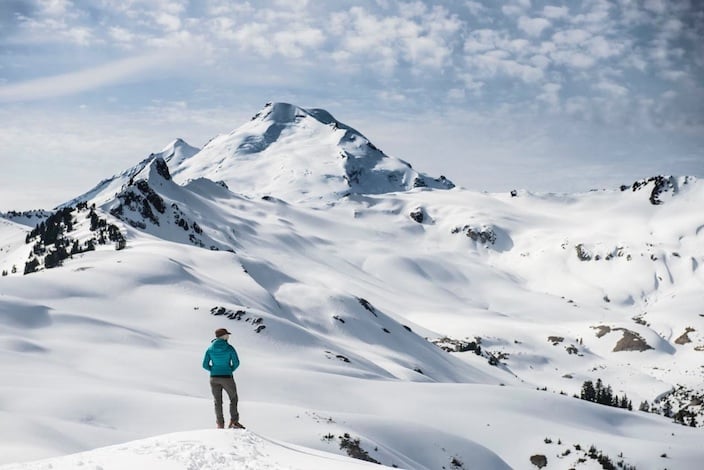
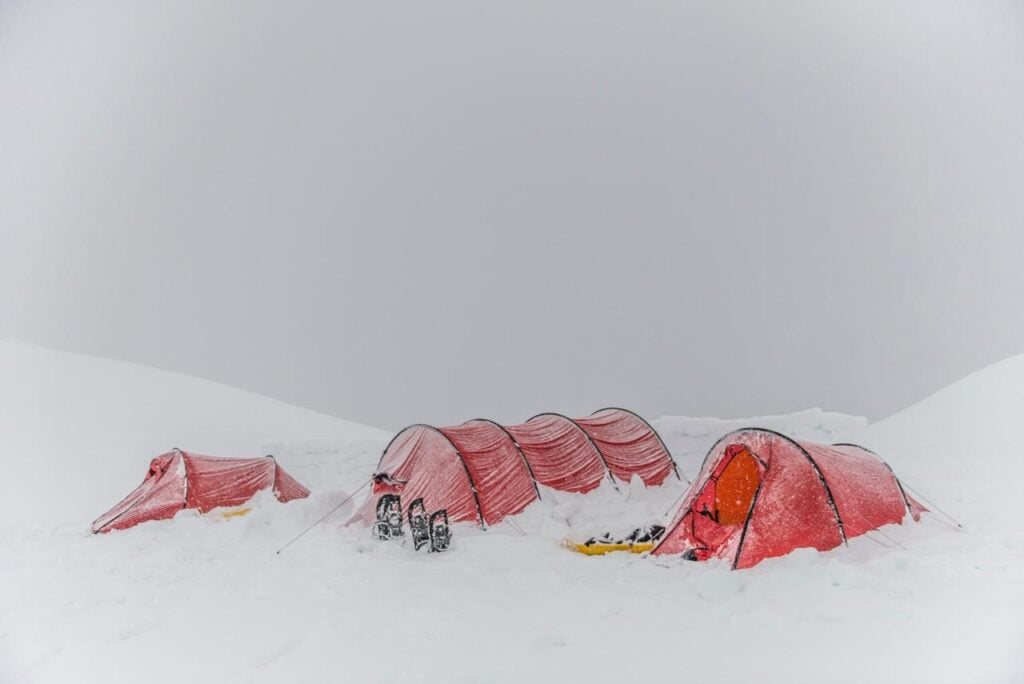
This course is held on or near Mount Baker. Winter conditions can limit our access to certain areas and trailheads. A popular course location in heavy snow years is to access the backcountry area at Mount Baker Ski Resort. In March and April temperatures may dip as low as the single digits at night and the winds can be relentless. Heavy snowfall is not uncommon and you will more than likely encounter whiteout conditions for at least part, if not all, of this trip. In other words, the Cascades in the winter are the perfect training ground for Denali!

Though the environment is harsh, it is not as harsh as that on Denali. However, climbers should still plan to bring all of the equipment required for a Denali Expedition, including overboots and warm sleeping bags. Although these might not be required and/or used extensively on the program, this course is about ensuring that all of your gear fits, works, and is up for the challenge.

Information Details

This winter mountaineering and Denali preparation program is geared for folks with a basic to intermediate level of mountaineering skill and experience who are preparing to climb Denali in the near future. This program is set-up to be a mini-Denali expedition on which we will employ and use every skill and technique that climbers would expect to use on Denali. This will include the use of sleds, snowshoes, cook tents, and the use of fixed lines as well as a review of glacier travel, rope team, and crevasse rescue techniques.
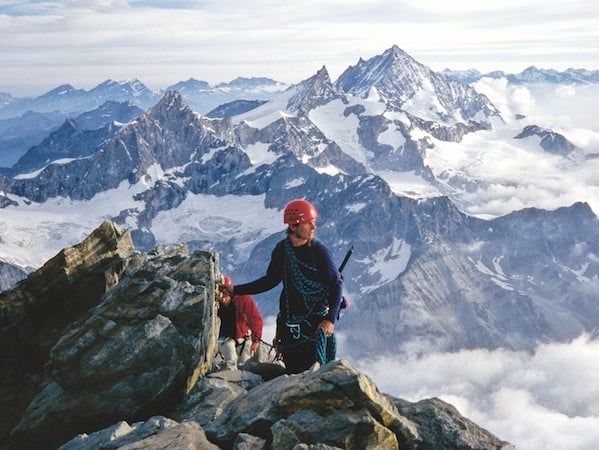
Each course is led by at least one (depending on the number of climbers) of AAI’s Denali guides, and participants will have the unique opportunity of getting direct feedback as to their level of preparedness and areas of training including physical conditioning and technical skill. Our hope is that by offering a prep program several months before the Denali expedition, we can help climbers round out the final pieces of their technical and physical training before heading to Alaska.

Max Ratio – 4:1 (Climbers:Guide)

Capacity – 8 climbers

Duration – 6 days

Inclusions: AAI provides breakfast and dinner on these courses. Climbers should bring their own lunch and snack items (there is no dedicated lunch time or break). Please inquire about snack and lunch plans for a 6 day course.

  • AAI Mountain Guide services, leadership and instruction
  • Tents and group cooking equipment
  • Group climbing equipment
  • Mechanical ascenders for fixed lines
  • Expedition Sleds
  • Breakfast and dinner while in the mountains
  • Transportation between Bellingham and the trailhead
  • Live video gear consultation before the course start.

Exclusions: Transportation to/from Bellingham (airfare and shuttle, if necessary); accommodations in town; personal equipment; travel and personal insurance; lunch and snack items; gratuities to guides.

Prerequisites:

  • Overnight backpacking experience
  • Excellent physical condition
  • Previous glacier travel experience is helpful, but not required
  • We recommend that climbers complete at least one previous mountaineering objective that includes cold weather, altitude, or skill instruction.

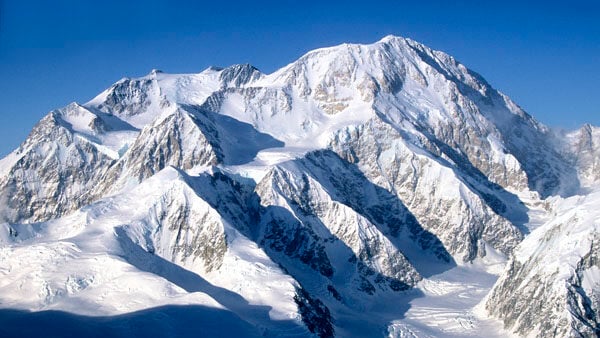
Approaching Denali on the Kahiltna Glacier

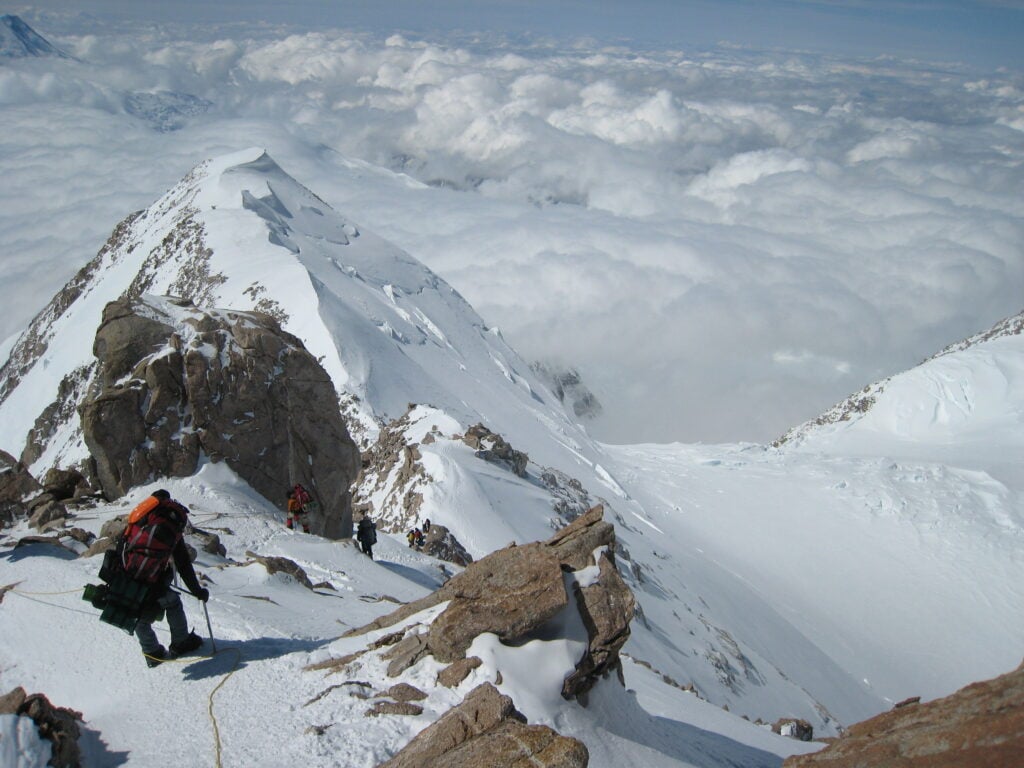
Approaching Denali on the Kahiltna Glacier. AAI Collection.

Information Testimonials

“For Denali hopefuls like me, whether or not one holds an extensive climbing resume, the prep course is invaluable. You learn how to deal with staying clean for 6 days, unforeseeable circumstances, expedition type lifestyle, getting along with strangers, and working together as a team. Not to mention skills that don’t usually get used in general mountaineering like fixed lines, sled pulling, and rope team travel. I worry about team members that haven’t had some type of course like this. The course also lets you and the guides know whether or not you are even ready for Denali. I’d hate to find that out in Alaska and lose a lot more time and money. All and all, amazing folks and an amazing mountain! I certainly cannot wait for Denali in June.” (Tina T., Huntington Beach, CA)