







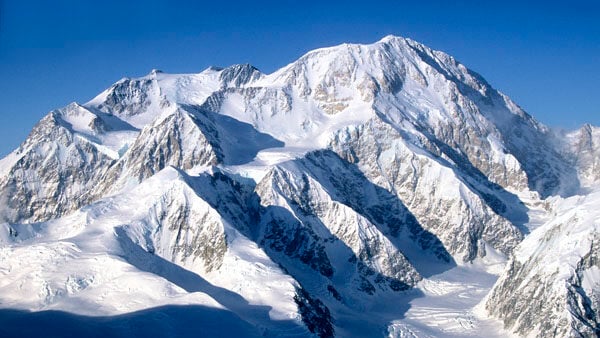



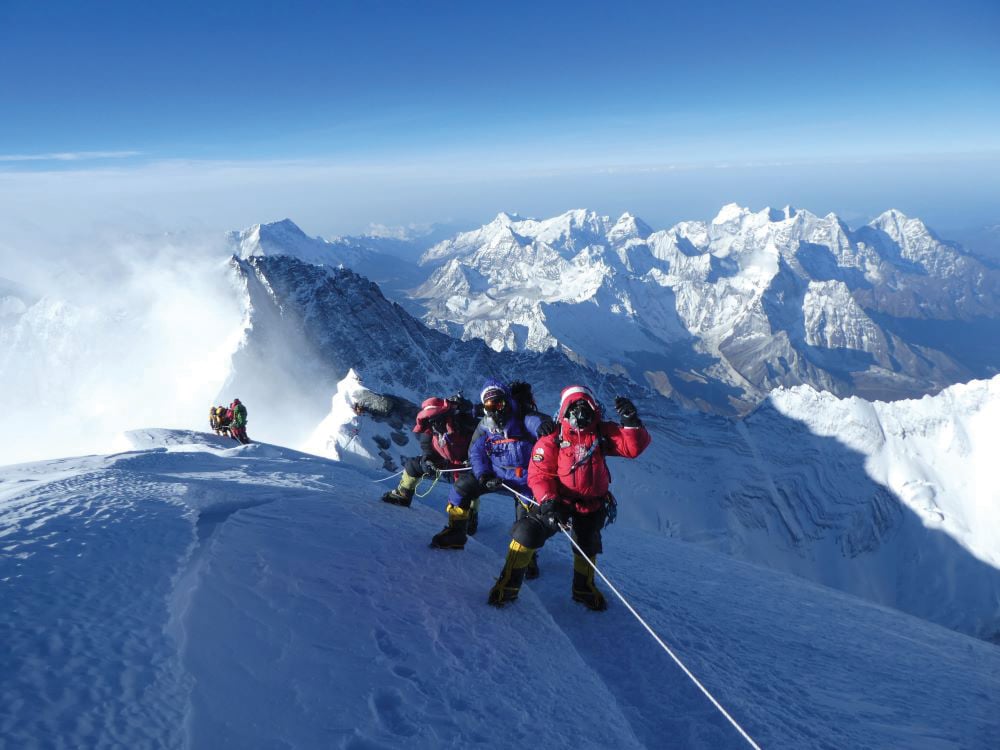



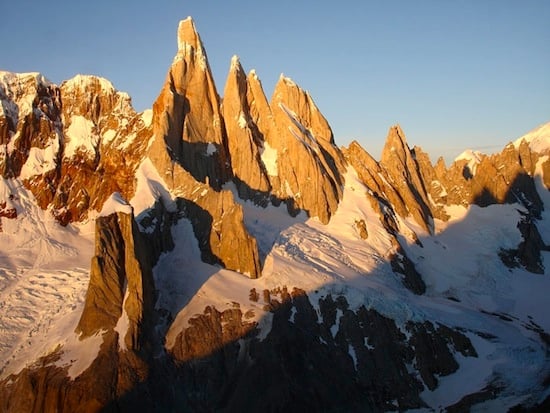


At 20,310-feet tall (6190m), Denali (Mt. McKinley) is the tallest mountain in North America. It is high, cold and physically…? It is incredibly demanding. Many consider it to be harder than Mt. Everest.
There are a few questions that come up around the mountain. First, what do I need to do to physically train for it? Second, am I too small for Denali? And third, am I too old for the mountain?
These are not only questions for Denali, but also for other big mountain expeditions. Check out the video below for our thoughts.
Following is a recap of some key points in the video:
Physical Training for Big Mountain Expeditions:
There are three potential ways to train for Denali or really any big mountain objective.
If you are self-motivated, there are a number of online resources that you can use to build a training plan. Among others, companies like Uphill Athlete and Evoke Endurance have plans that you can buy. These are training plans that you’ll use over the course of several weeks at your local gym to build the strength required to be successful.
Some people require more than just a plan. They require a coach.
The mountain physical training programs all provide plans that you can purchase at the lowest level. But they also provide online coaching services for those that need more motivation.
And finally, if you feel like a training plan and an online coach aren’t enough, you can also add a trainer from your local gym. Have your online coach and trainer work together to ensure that you’re meeting your goals.
Cold Weather and High Altitude:
Ideally, you’ll do a cold weather program prior to a trip to Denali or any other high and cold venue. Regardless, it will be essential that you consider each of the following things:
- Keep your guide apprised of your condition (fingers, toes, ears, nose). There is no reason to have frostbite. If you do not learn your body prior to a trip, you may hurt yourself. In addition to this, it’s always important to be forthcoming with your guide. They can help you make the right decisions.
- Bring the appropriate altitude drugs on your program. Consult your doctor prior to going on a high altitude program. AAI will also recommend appropriate drugs to help you adjust to the altitude.
- Tell your guide if you take any medications. Occasionally people don’t make their guides aware when they are taking things outside the norm (including altitude drugs). Always keep your guide in the loop.
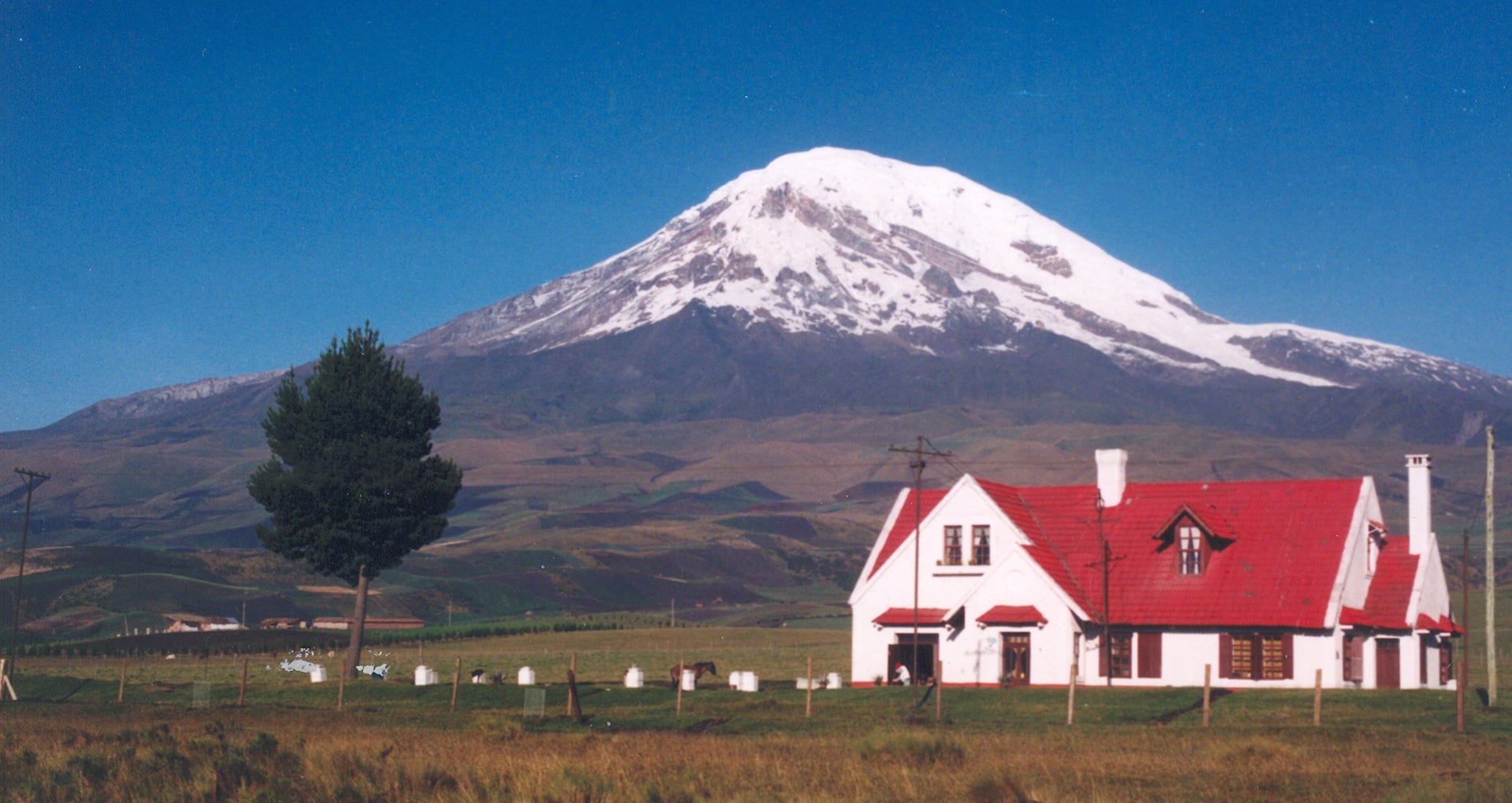
- Denali may feel higher than other high-altitude summits. Due to the northern latitude, a climb on a peak like Denali, Foraker or even Logan can make it feel much higher than a climb on Chimborazo or Aconcagua.
- Beware of self-fulfilling prophecies. Often people turn around when they start telling themselves they’re sick or that can’t make it. If you want to succeed on a high mountain, keep a positive attitude.
Here is a breakdown written by our former lead Denali coordinator on big mountain phsyical training.
Snow Camping:
One of the reasons we see people turn around on peaks like Denali is that they don’t have their snow camping systems completely dialed in. If you want to do well on Denali, sleeping on snow, dealing with cold weather, dealing with frozen items and cold boots and dealing with pee bottles is essential.
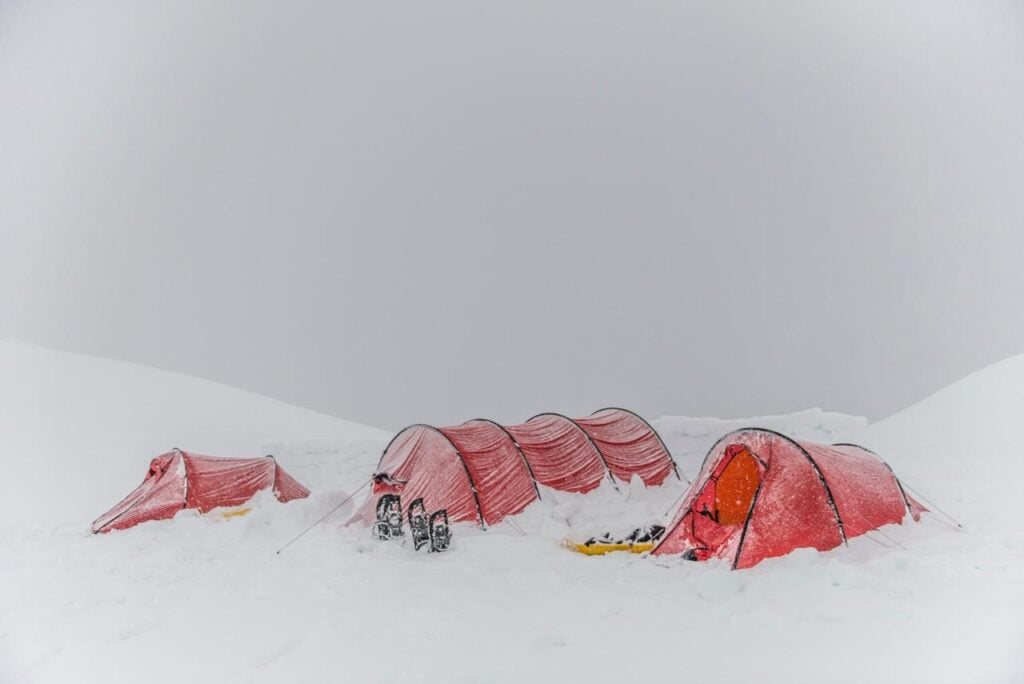
You will not be able to learn this stuff on Denali. It’s too physically demanding. So you want to come completely and totally prepared for this element of the climb…
Physical Size and Denali:
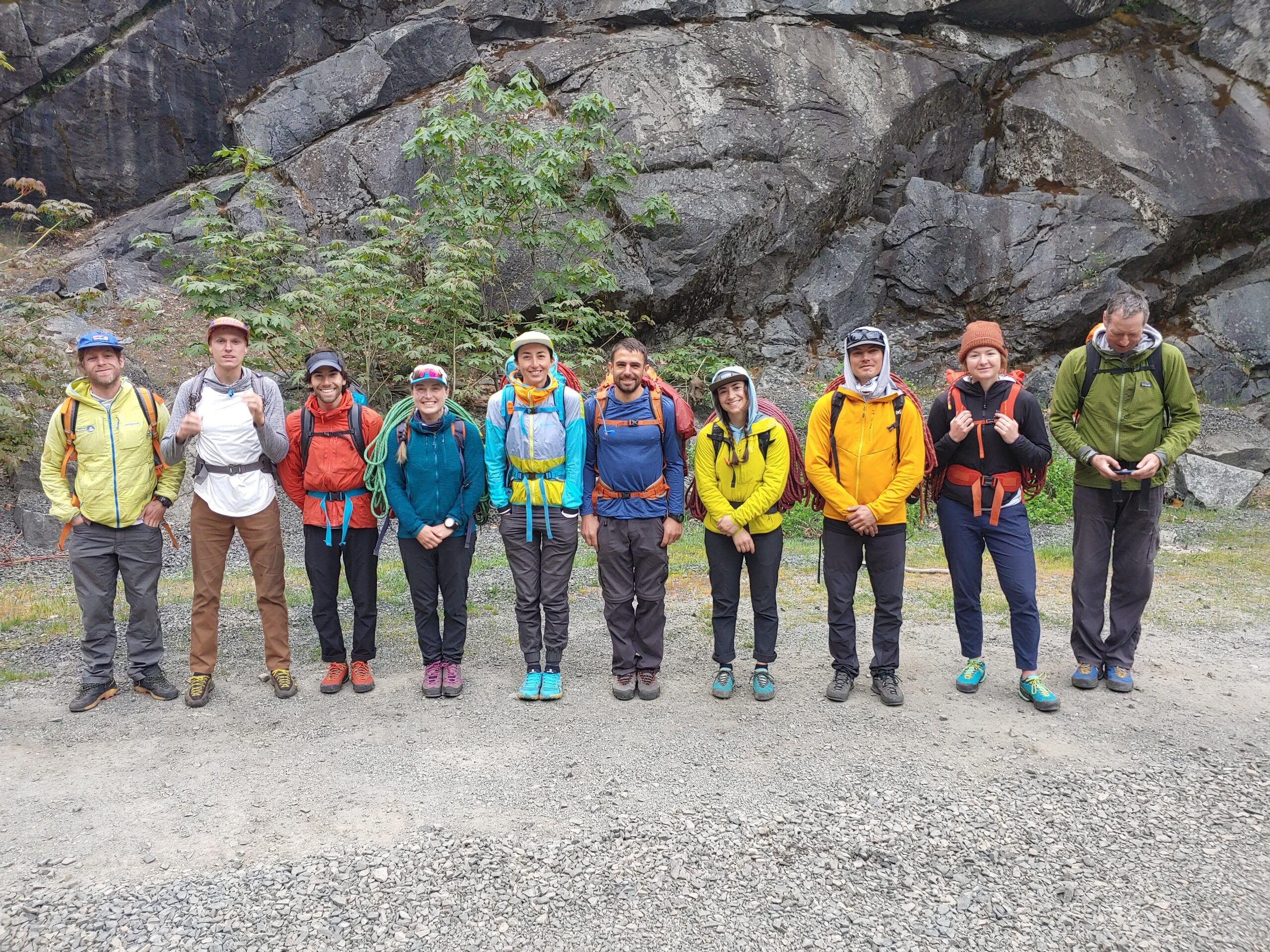
There is no question. If you are a smaller person, you’re going to have to work harder to train for Denali. But that does not mean that the mountain is out of reach for you. You will use the same techniques as noted above.
Note that the shortest woman in this picture in the yellow is a Denali guide with deep experience.
Age and Denali:
The oldest person to climb Denali is Tom Choate, who reached the summit on June 28, 2013, at the age of 78, just three months before his 79th birthday. Choate, an Alaskan resident, had an artificial hip but still managed to complete the climb, which was his fifth ascent of the mountain.
It is common for people in their 60s to make the summit of Denali. However, as you get older, you do get slower. And it is recommended that you put in even more time and effort to prep for the mountain.
Conclusion:
Mountain climbing is hard. But there is nearly always a path to the summit, if you put your mind…and your body to the task…