

















Itinerary
Leaders of Tomorrow – Summit Camp Itinerary
Please keep in mind that this is a standard, yet loose, itinerary. It is subject to change depending on conditions, weather, group dynamics, pace, and summit strategies.
Program Details
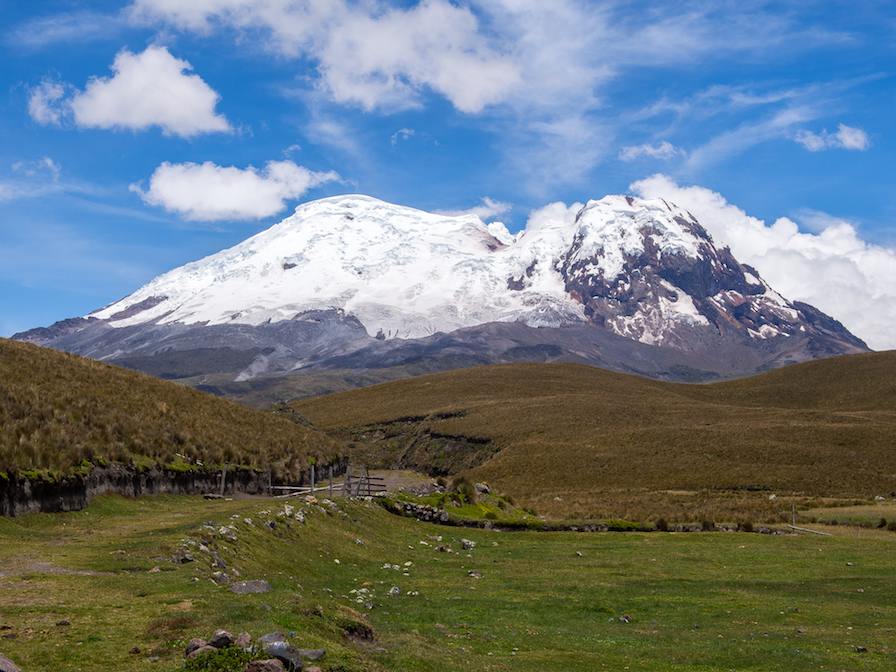
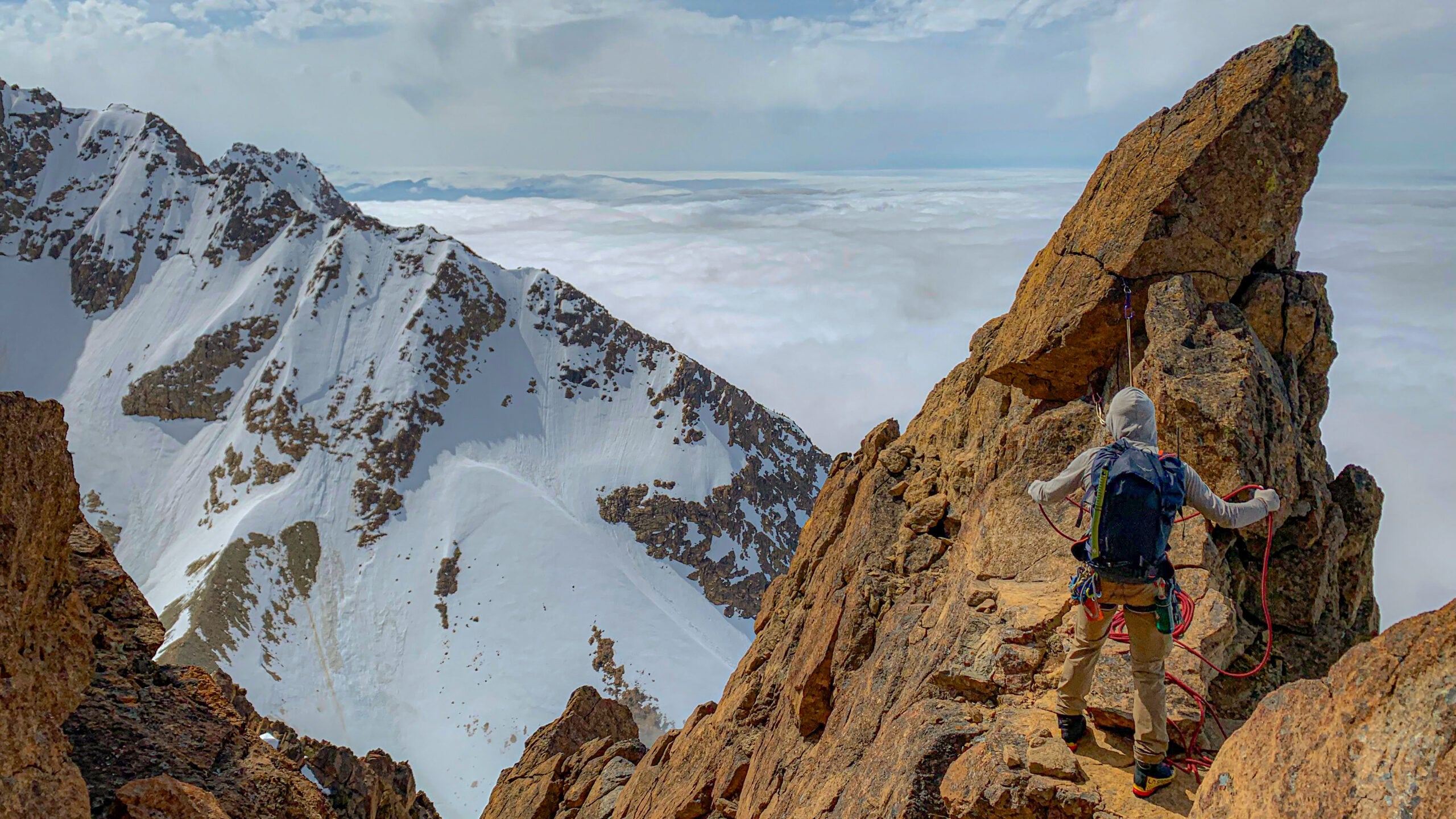
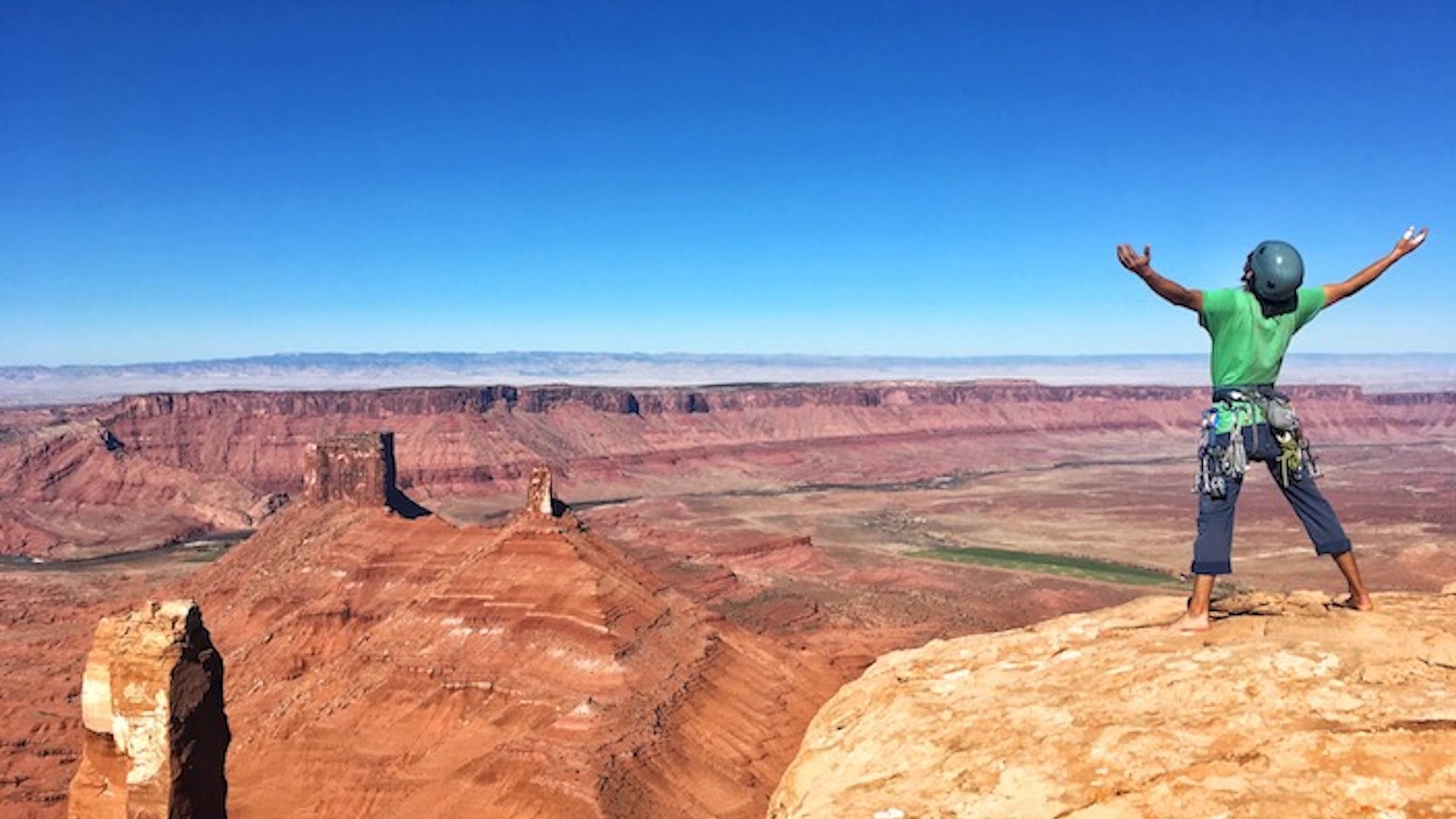
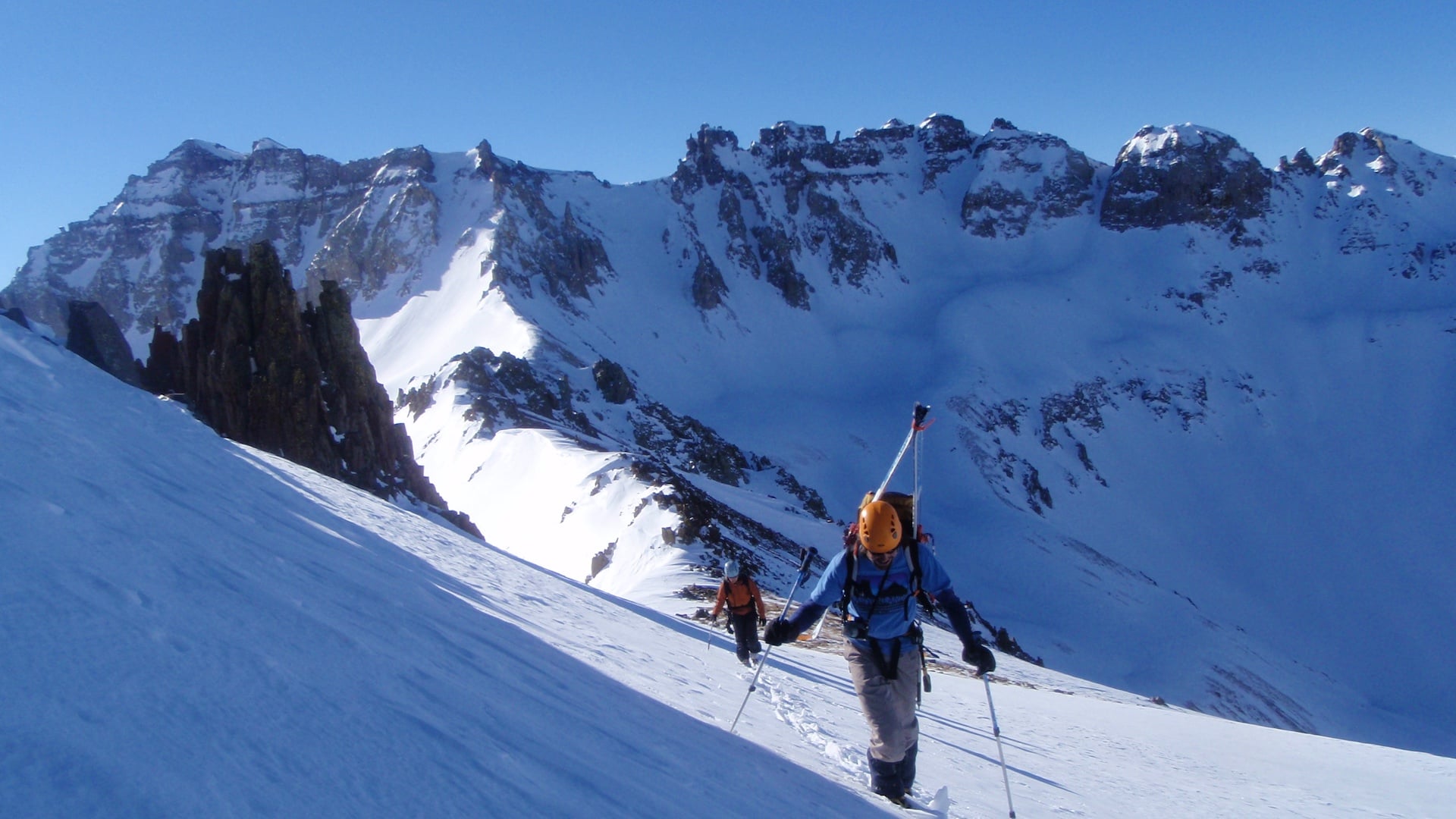
Leaders of Tomorrow – Summit Camp is a 13-day mountaineering and leadership program for teens ages 15-17 that builds skills in rock climbing and glacier travel. Students develop rock climbing, glacier travel, and expedition skills while learning route planning, backcountry systems, campcraft, and mountain leadership. Through hands-on instruction and a challenging North Cascades mountain climb, students gain confidence, independence, teamwork, and the skills needed to become thoughtful and capable mountain partners.
Itinerary
Day 1
Rendezvous at AAI
Students will travel to Bellingham, Washington, where they will meet at the American Alpine Institute at 3:00 p.m. Upon arrival, students will complete a gear check and pick up any rental equipment included with their tuition. If additional gear is needed, it can be purchased through the AAI Equipment Shop. The group will then enjoy dinner together at a local Bellingham restaurant, with all meals included in the program tuition. The evening is an opportunity to meet fellow participants, become familiar with the program, and receive an introduction to the equipment that will be used throughout the course. Overnight accommodations will be at a frontcountry campground with access to the program van.
Day 2
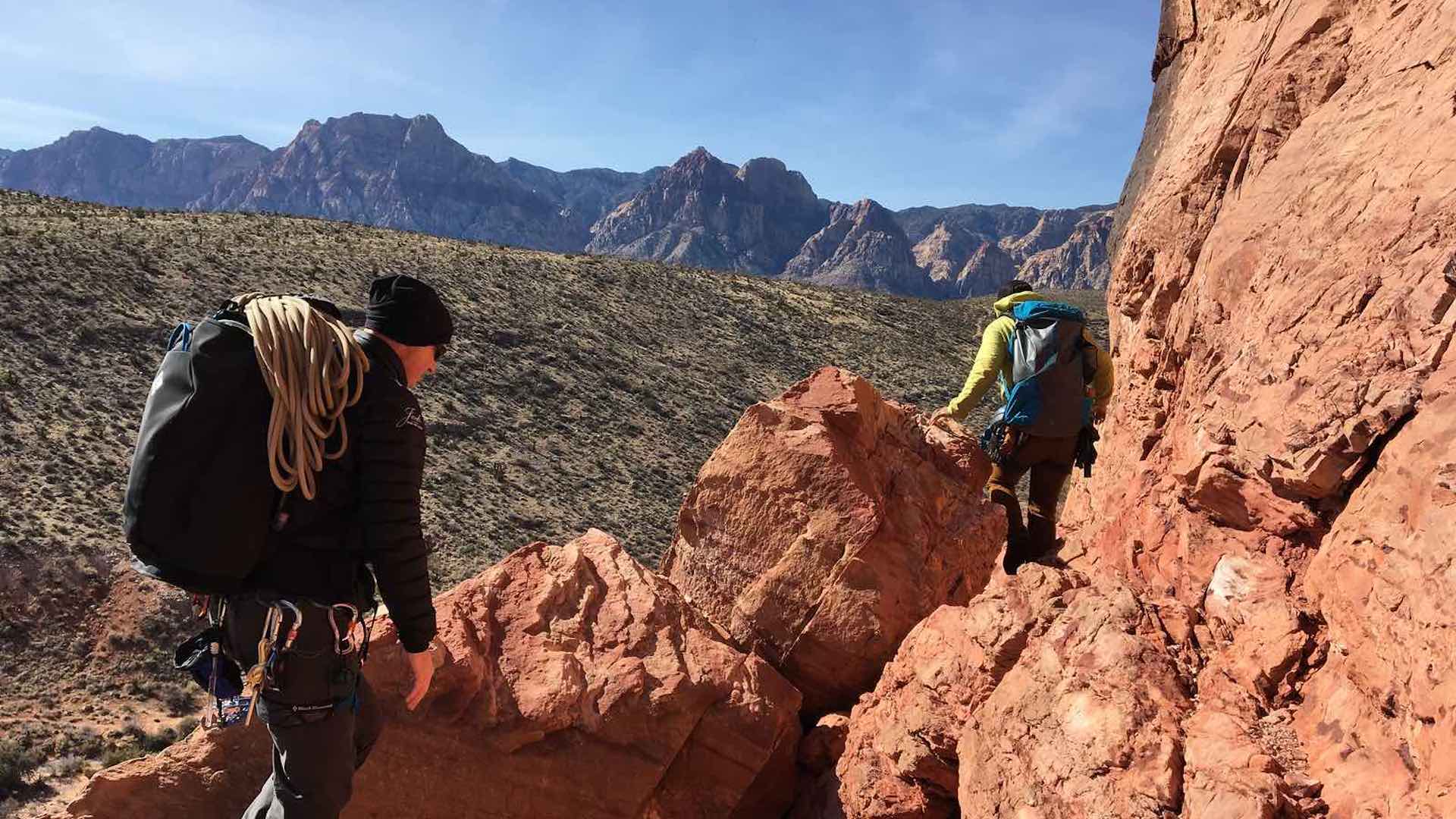
Students will spend the day building a strong foundation in outdoor rock climbing. Instruction covers the selection and use of personal climbing equipment, essential knots and hitches, climbing commands, movement on rock, belaying, and rappelling. In the afternoon, the group will visit a local grocery store to purchase food for the remainder of the course, learning how to plan and shop for backcountry meals. Back at camp, students will receive an introduction to camp stoves and begin developing the skills needed for efficient backcountry cooking. Overnight accommodations will be at a frontcountry campground with access to the program van.
Day 3
Students will review the knots learned on the previous day before expanding their technical skills with additional essential climbing knots, including the figure-eight on a bight, Munter hitch, overhand knot, water knot, barrel knot, and autoblock hitch. They will also be introduced to climbing guidebooks and route topos, learning how to interpret route information for outdoor climbing. Throughout the day, students will gain hands-on experience placing and removing both passive and active rock protection, while continuing to build their backcountry living skills by preparing meals and cooking at camp. Overnight accommodations will be at a frontcountry campground with access to the program van.
Day 4
Students will continue refining the knots introduced earlier in the course while learning several advanced knots and hitches, including the double bowline, double fisherman’s knot, mule hitch, Klemheist hitch, and Prusik hitch. The day will also focus on developing movement skills on more challenging rock terrain, helping students build confidence, efficiency, and technique as they progress to intermediate climbs.
Day 5
Students will return to Mt. Erie for a final day of climbing, putting together the skills they have developed throughout the week. They will review key knots and hitches, build top-rope anchors using traditional climbing protection, construct multi-point anchors with static rope and webbing, and continue practicing safe and efficient rappel techniques. At the end of the day, the group will relocate to a campground closer to Bellingham before celebrating the completion of Part I with a group dinner in town and saying farewell to students who are not continuing to Summit Camp.
Day 6
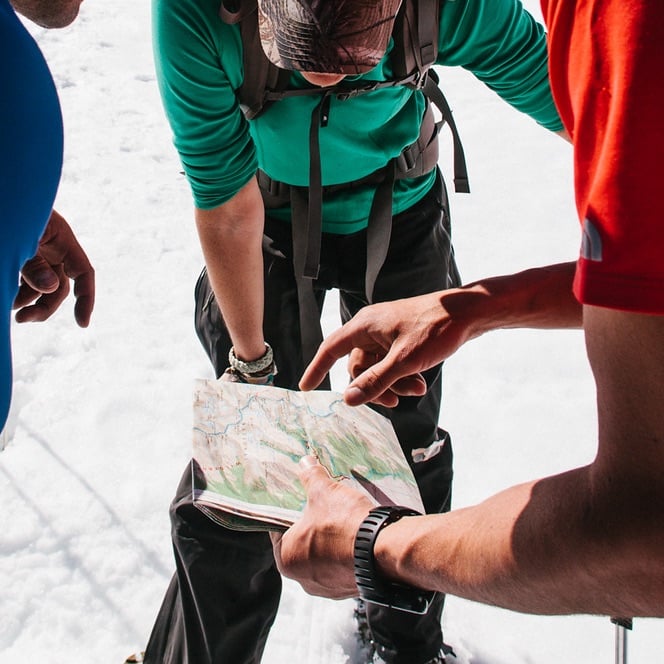
Day 6 is a prep day used to transition from the rock climbing portion to the mountaineering portion. The team will sort food and gear for their backcountry sting on Mt. Baker. Time will be spent on backcountry packing techniques, prepping for approaching basecamp, and other planning skills.
Day 7
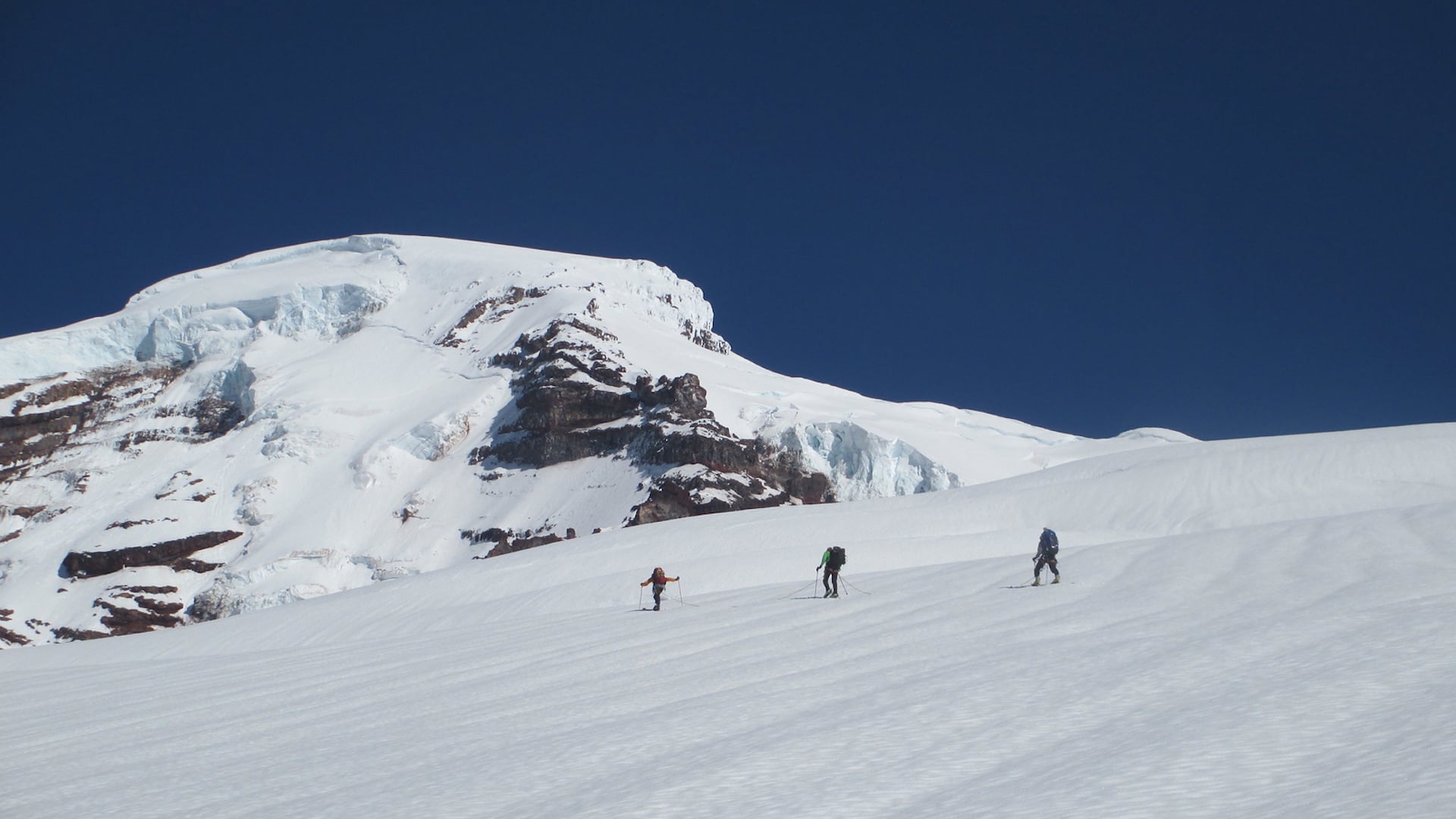
Students will embark on their first day on Mt. Baker. They will travel to the trailhead and set up camp on the glacier. The hike in will be 3 to 5 miles long, depending on the camp location. With the remaining part of the day, students will start to learn movement on the glacier.
Day 8
Snow school will commence on this day, covering snow travel with and without an ice axe, parts of an ice axe, self-arrest, glissading, shuffle step, plunge step, diagonal ascent, piolet canne, and piolet manche. Snow anchors to be covered include: deadmen, pickets, snow flukes, ice axes and snow bollards. Glaciology discussion will include the following terms: crevasse, bergschrund, moraine, ice fall, serac, compression zone, accumulation zone, and ablation zone
Day 9
The ninth day will primarily concern glacier travel and crevasse rescue. Students will spend the full day on the glacier, and everyone will have the opportunity to go down inside a crevasse!
Day 10
This day is spent on an introduction to alpine ice climbing techniques. The team may choose to move camp up to a high camp depending on summit strategies. Students will also learn route finding and glaciology.
Day 11
The team will put everything that they have learned together with a summit attempt of Mt. Baker! Students will get up in the night and make their push for the summit and then descend back to camp. At dinner time, the students will learn about strategic planning and how to start planning trips of their own!
Day 12
The team may choose to cover more ice climbing skills on this day or other glacier travel curriculum. Other topics covered throughout the program may include mountain weather, in-depth Leave No Trace principles, and mountain first aid. Later in the day, the team will pack up and hike back to the trailhead, returning to a front country campground near Bellingham.
Day 13
The program finishes at The American Alpine Institute headquarters at noon. Students will either be picked up here or shuttled to the Bellingham airport for departure.