










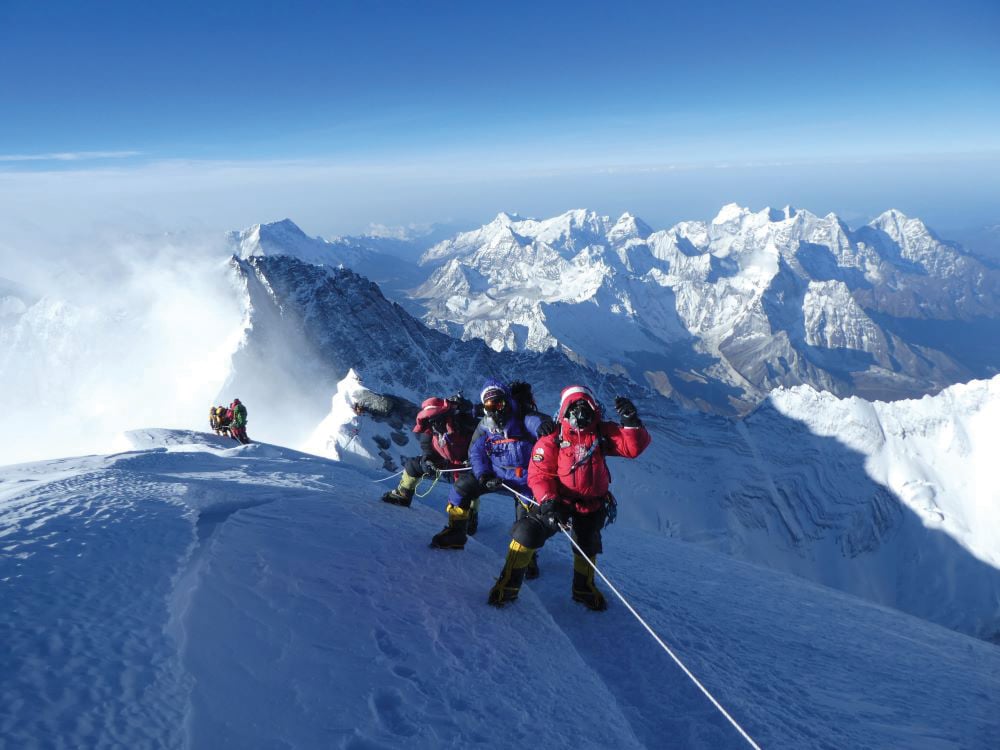
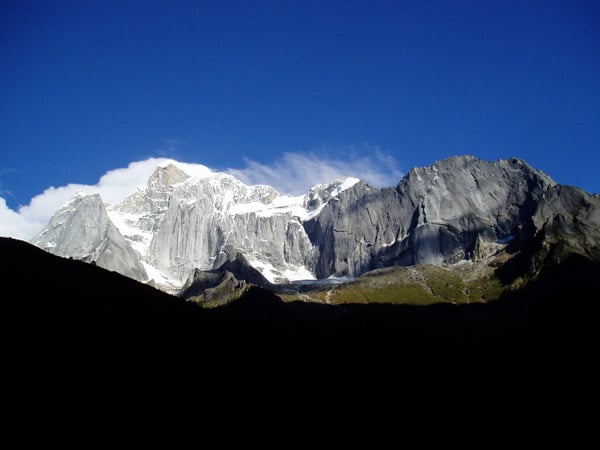
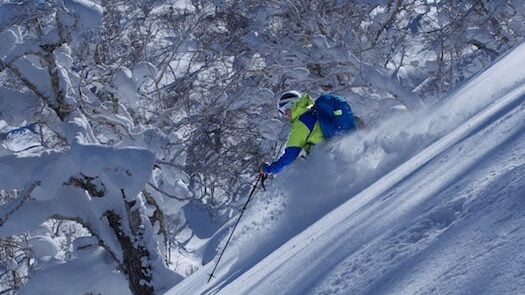







Choosing a climbing school is a high-stakes decision. You aren’t just paying for a day out; you’re investing in the technical skills that keep you safe when you’re in a high mountain environment, rock climbing, ice climbing, backcountry skiing or mountaineering. While many outfits can show you the ropes, few institutions offer the depth of curriculum and professional rigor found at the American Alpine Institute (AAI).
Whether you are transitioning from the gym to the crag or eyeing the summit of Denali, here is how to choose a school that sets you up for a lifetime of adventure.
1. Look for Institutional Longevity and Accreditation
In the climbing world, “accreditation” is the difference between a hobbyist and a professional. You want a school that is vetted by the American Mountain Guides Association (AMGA).
- The AAI Advantage: As one of the oldest and most respected guide services in the United States, AAI is a foundational member of the AMGA. Their curriculum isn’t just a collection of tips—it is a standardized, professional-grade educational system that has been refined over four decades.
2. Evaluate the Guide Training
Climbing is a high-consequence activity. You need a guide who is well trained, understands mountain travel, and mountain risk. And indeed, the guide must work to identify those risks, and manage them to the highest reasonable standard.
- The AAI Advantage: AAI guides complete the most comprehensive guide training program in the world. AAI’s guide training program was the impetus for the AMGA Alpine Guide Certification program. After AAI guides complete their training, they continue to train, spiraling between third party training (often with the AMGA) and internal training. They are never “done.” There is always more to learn.
3. Prioritize “Real World” Terrain
A school is only as good as its classroom. Many schools are limited to small, local crags. For a true education, you need access to diverse, complex terrain.
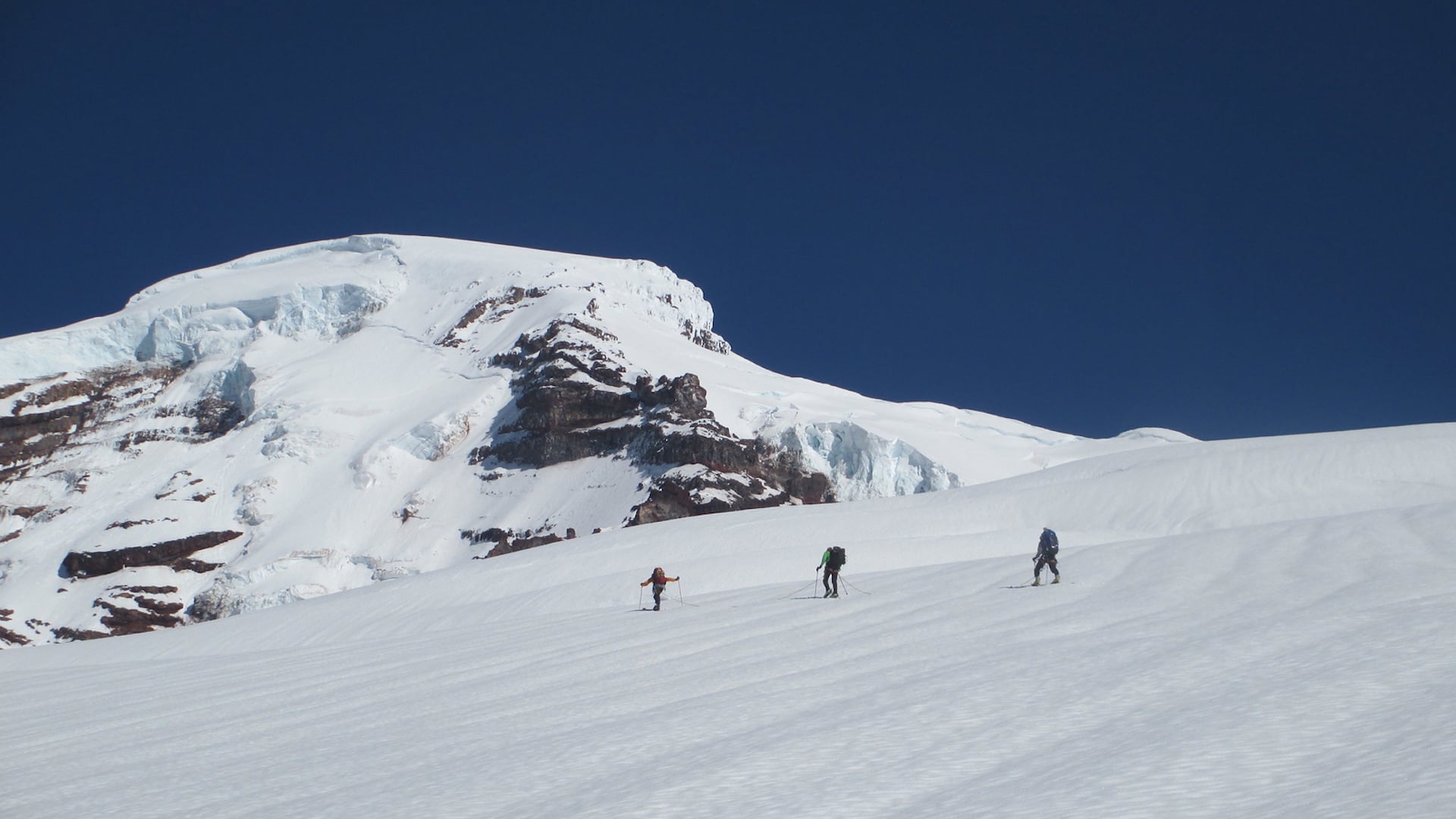
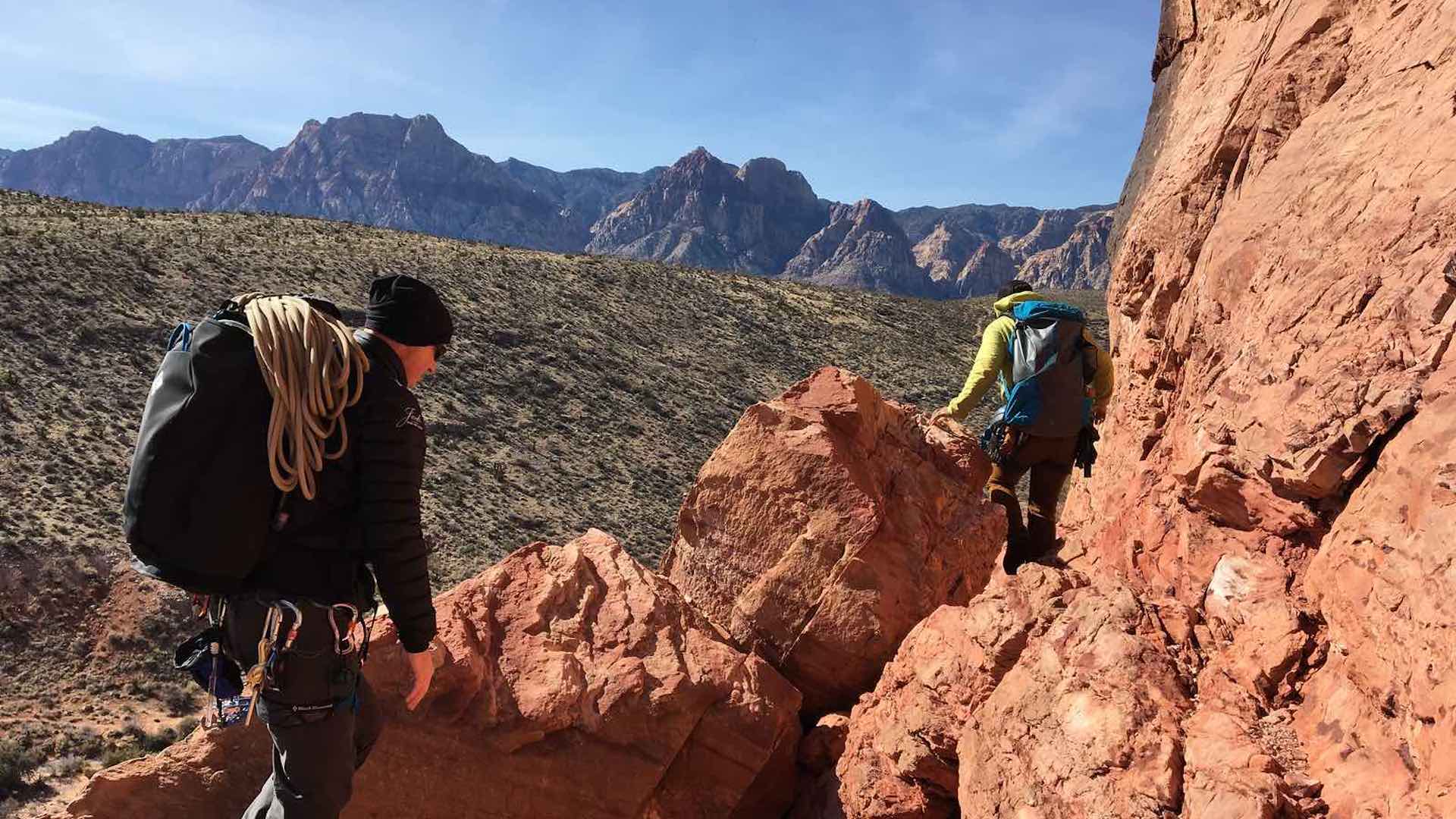
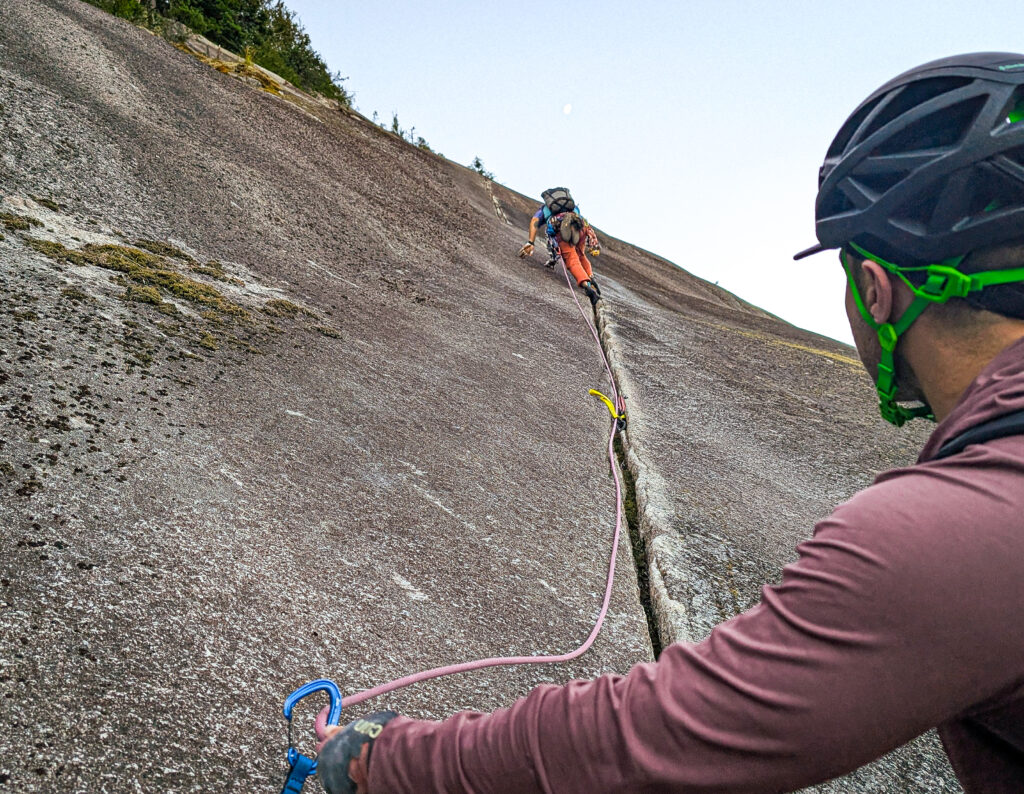
- The AAI Advantage: Based in Bellingham, Washington, AAI operates in the “American Alps”—the North Cascades. This allows students to learn on everything from world-class granite at Index to the massive glaciers of Mt. Baker. They also hold operate at nearly every major climbing destination in the U.S., including Red Rock, Joshua Tree, and the Sierra Nevada.

4. Ask About the Curriculum Depth
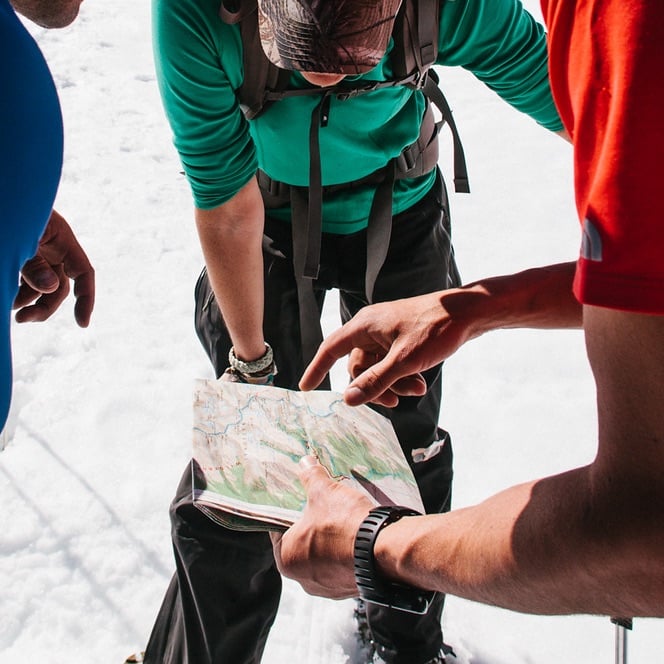
A “climbing school” should do more than pull on the rope for you. It should teach you to be an independent climber. Look for programs that emphasize:
- Introductory Programs: Are the programs designed to give you the ability to do things on your own, or are they designed to sell you more and more expensive summit climbs?
- Intermediate Programs: Are these designed to give you a leadership position? Do they cover self-rescue? Are you put on the “sharp end” of the rope?
- Advanced Programs: Does the company truly have advanced offerings like multi-pitch leadership, aid climbing, or expedition prep? How deep do the programs go and what can they provide to someone that is already an expert?
The AAI Advantage: AAI’s Alpine Mountaineering and Technical Leadership (AMTL) series is the most comprehensive alpine mountain training and climbing program offered in North America. All of the curriculum in AAI’s shorter programs is lifted from the comprehensive series, so regardless of the program, you know you’re getting the best mountain education available.
5. Check the Guide Mentorship
A great climber isn’t always a great teacher. You want a guide who views themselves as an educator first.
- The AAI Advantage: AAI guides are famous for their “teacher-first” mentality. They don’t just lead the pitch; they explain the why behind every placement and every decision. This mentorship-style approach ensures you walk away with knowledge, not just a summit photo. Indeed, they approach this with a deep level of humility and empathy so that you feel like you’re goals are always the focus of the program.

Conclusion: Don’t Settle for “Good Enough”
When you’re hanging from a piece of metal the size of a fingernail, you want to know you were taught by the best. The American Alpine Institute has set the bar for mountain education since 1975, providing the gold standard for those who are serious about their craft.