















Carbon monoxide is one of those hazards that feels like it belongs in a spy movie—silent, invisible, and dangerously good at sneaking up on you. When you inhale it, the gas makes a beeline for your bloodstream, latching onto hemoglobin far more aggressively than oxygen ever could. That’s bad news, because once carbon monoxide muscles its way into those oxygen-carrying seats, it won’t give them back. Your organs, especially your brain and heart, start running on a low-oxygen budget, which leads to headaches, confusion, dizziness, nausea, and an overall sense that something just isn’t right.
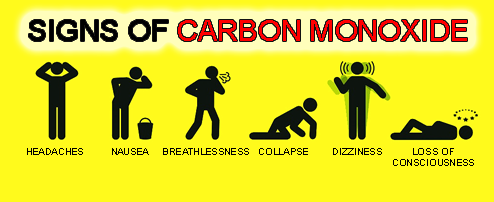
What makes carbon monoxide especially problematic is how subtle the early symptoms can be. People often think they’re coming down with the flu or simply tired. Meanwhile, the gas keeps building in the body, and prolonged exposure can cause loss of consciousness, permanent neurological damage, or death.
The worst part? You can’t see it, smell it, or taste it.
When cooking in a tent vestibule, even if the vestibule is open, you slowly begin to inhale the gas and it slowly begins to affect you.
It is estimated that there are approximately 30 deaths per year due to carbon monoxide inhalation in tents or in campers in the United States.
So, what can we do about it?
If you can cook outside, always take advantage of that. Cooking outside decreases both the likelihood of an unintentional poisoning, as well as an unintentional tent fire.
But in the mountains it’s not always possible to cook outside. Sometimes the weather is incredibly bad and we have to cook either in our vestibule or in a cook tent. This is especially true on expeditions.

If you choose to cook in a tent, there are a few simple rules to follow. First, be sure that the space is well ventilated. And second, never lay down while cooking. You do not want to fall asleep while your stove is engaged. This is the most likely way that you’ll in-jest enough carbon monoxide to seriously damage your organs, or worse.
Carbon monoxide can be deadly.
Sometimes it’s hard to consider this kind of risk when you’re in a mountain environment, but the reality is that carbon monoxide could be just as dangerous an avalanche, rockfall or a cliff…
–Jason D. Martin