





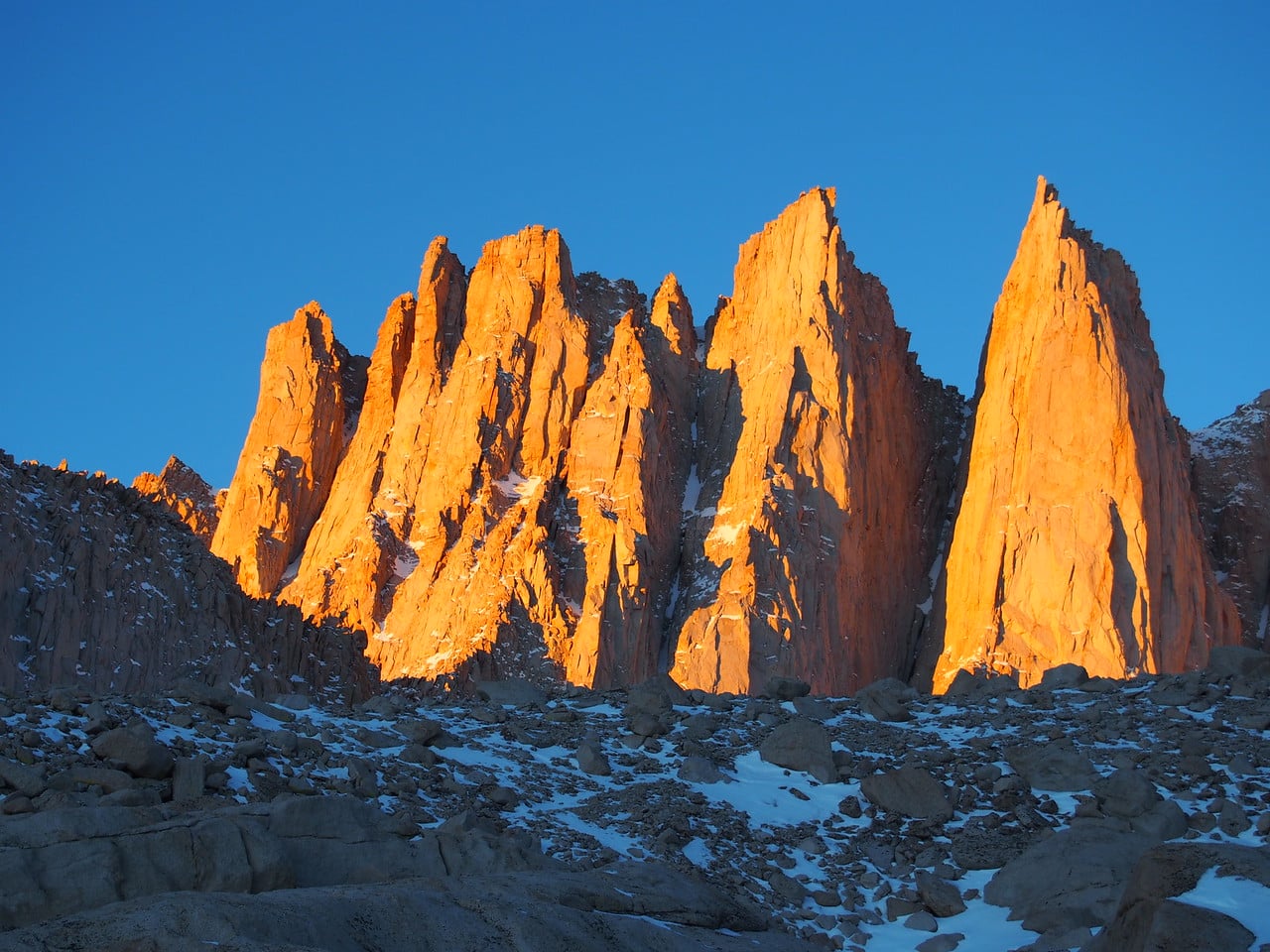





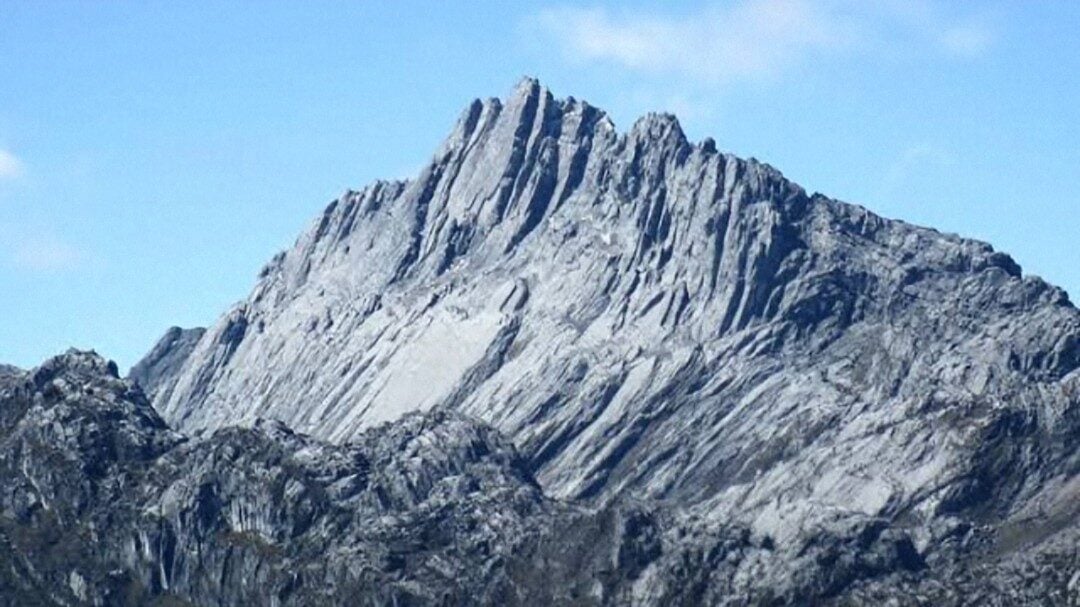








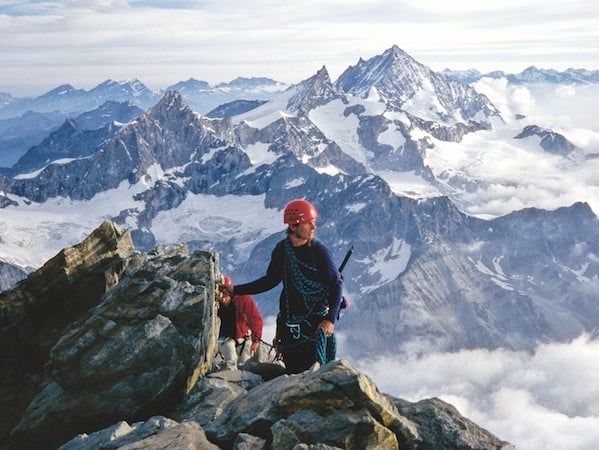





Every summer, climbers and hikers head into the mountains chasing blue skies, granite, and adventure. But sometimes, those same skies turn dark and electric. Lightning is one of the most under-appreciated deadly forces in the alpine, and it doesn’t care how strong you are or how close to the top you are. Understanding how storms develop — and what to do when they do — isn’t optional.
Understanding lightning is survival.
Check the Weather Before You Go
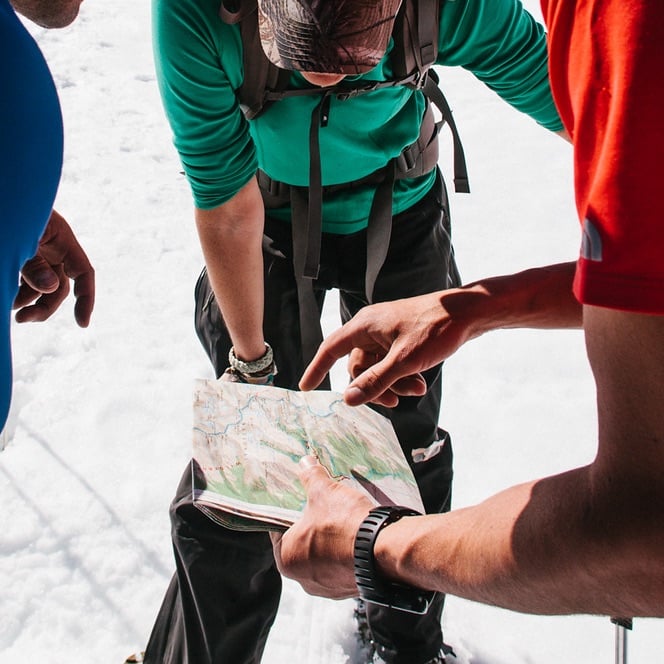
Before heading into the mountains, check the forecast. It’s simple, but often skipped in the excitement of planning a climb. Many mountain regions, especially in the American West, have predictable afternoon thunderstorm cycles in the summer.
In Colorado, for example, monsoon moisture often builds daily storms after noon. In the Cascades, where I live, we’ll go weeks without lightning — and then suddenly get a few days of late-afternoon fireworks. Knowing the rhythm of your region allows you to plan your summit pushes early and be well below treeline before the clouds start to boom.
Recognize the Warning Signs
Your best defense against lightning is awareness. Big, dark thunderheads forming over nearby peaks are the classic visual cue that it’s time to move down. But sometimes the mountain gives subtler signs.
If your hair stands on end or you hear buzzing in your climbing helmet or trekking poles, that’s not just nerves — that’s static electricity warning you that a strike is imminent. When that happens, you need to act immediately.
Beware of Open Areas
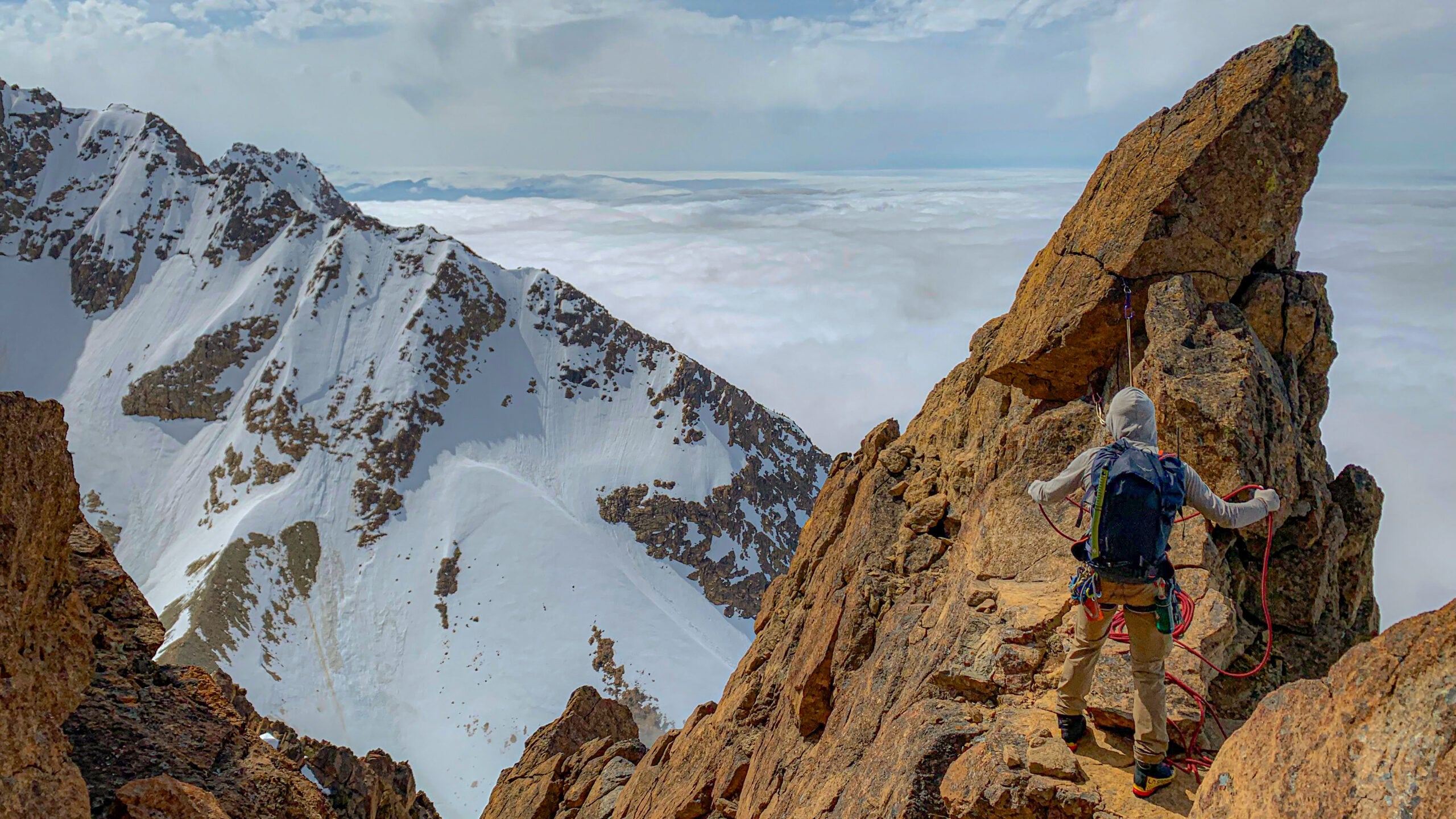
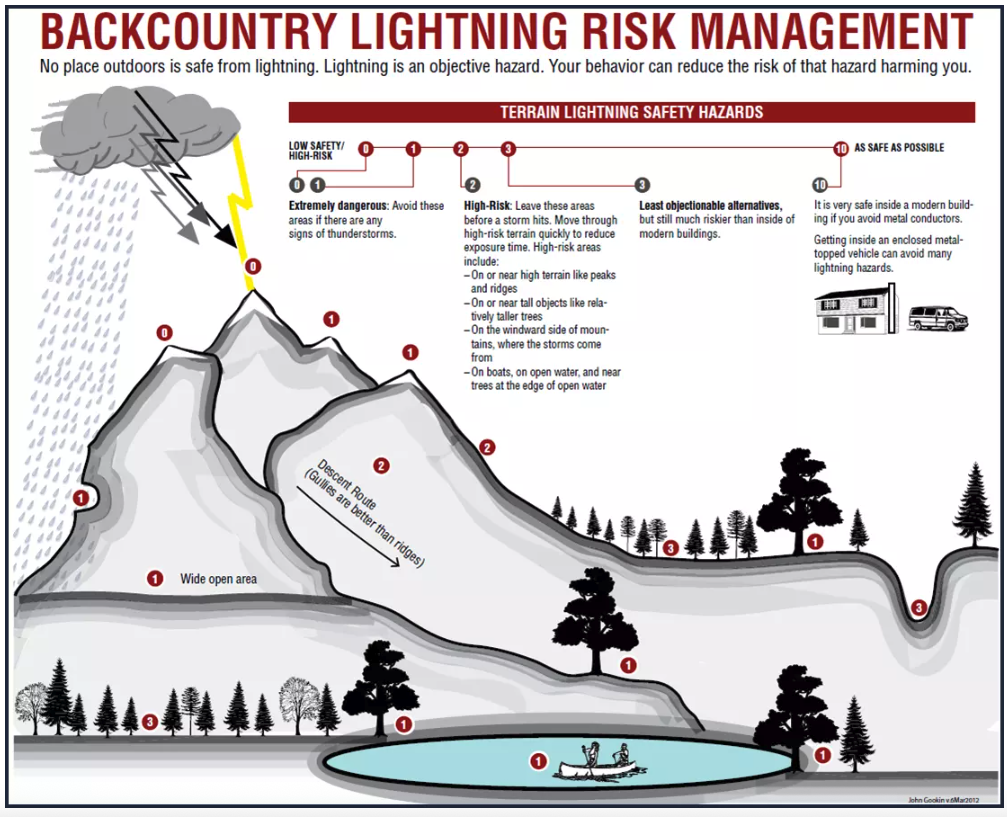
Avoid open areas during a lightning storm. Often the tallest thing in the open area is a lightning target. This includes being on high ridge lines. Find safety lower, in a depression, or in large copse of trees. Single trees or small bunches are hazardous.
Beware of Small Caves
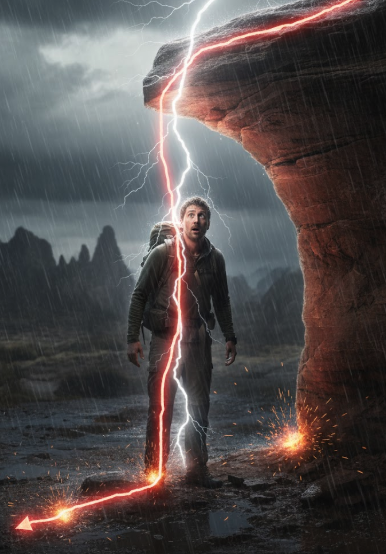
Over the years several viral videos have shown climbers ducking into a shallow caves during a thunderstorm. These make for perfect case studies in what not to do when lightning starts cracking around you in the alpine.
Small caves are deceptively dangerous in storms. When lightning strikes the rock above, your body can become the perfect conductor, channeling that raw energy right through you and into the ground. Deep caves — the kind that extend far into a mountain — can offer some protection, but they’re rarely found on summits or ridgelines where climbers often are when storms hit.
Beware of Trees
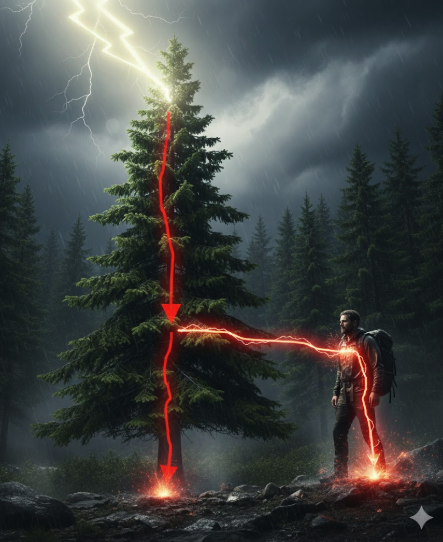
Trees, especially those that stand alone, exhibit conductivity levels over 10,000 times greater than that of air, rendering them both targets and attractors of lightning strikes. In addition to that, they are often the tallest objects and are likely to be struck by lightning. The electrical charge can spread from the tree and through the ground, or it can jump from the tree to you.
If Up High: Descend
Once you sense danger, the best thing you can do is descend. Get off exposed terrain as quickly as possible. Avoid ridges, open meadows, and summits. Steer clear of isolated tall trees and broad, wet rock slabs.
Seek lower ground, ideally in a dense stand of smaller trees. If you’re near a vehicle or a solid man-made structure, that’s even better. Despite popular myths, cars actually offer good protection — the rubber tires provide insulation.
The Lightning Position
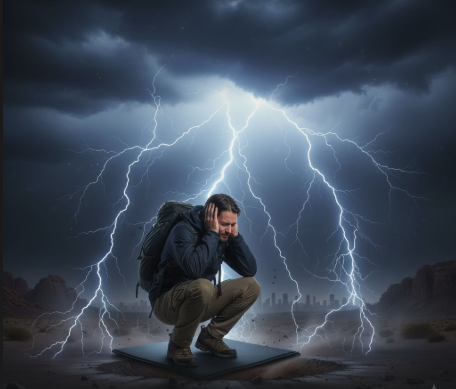
If you’re truly caught out with nowhere to go, assume the lightning position. Crouch low on your toes, keeping your heels together, and cover your ears. If you have a sleeping pad or rope, place it under you for insulation.
Spread your group out by at least 100 feet to minimize the risk of multiple people being struck at once. It’s not a perfect solution, but it reduces the odds of serious injury or death if lightning hits nearby.
After a Strike: CPR Can Save Lives
In wilderness medicine, CPR doesn’t always yield great results — but lightning strikes are an exception. People struck by lightning can sometimes be successfully revived with CPR. If you’re trained and it’s safe to do so, act fast.
Follow the 30×30 Lightning Rule
The “30-30 rule” for lightning safety is a two-part guideline: If the time between seeing lightning and hearing thunder is 30-seconds or less, seek shelter if possible, immediately as the storm is close enough to be dangerous. Once you are in a safe shelter, wait at least 30 minutes after the last clap of thunder before resuming outdoor activities, because lightning can strike as far as 10 miles from the main storm.
Final Thoughts
Before your next climb, prepare for more than grades and gear. Watch the forecast, read the sky, and pay attention to your senses. Lightning doesn’t negotiate, but it does issue warnings.
When the mountains start to buzz, take the hint — and head down before the storm turns you into a lightning rod.