














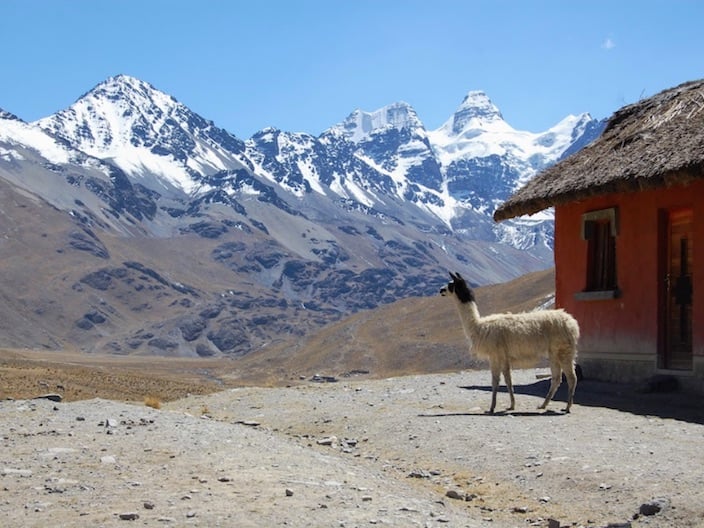


High Altitude and Your Body’s Response
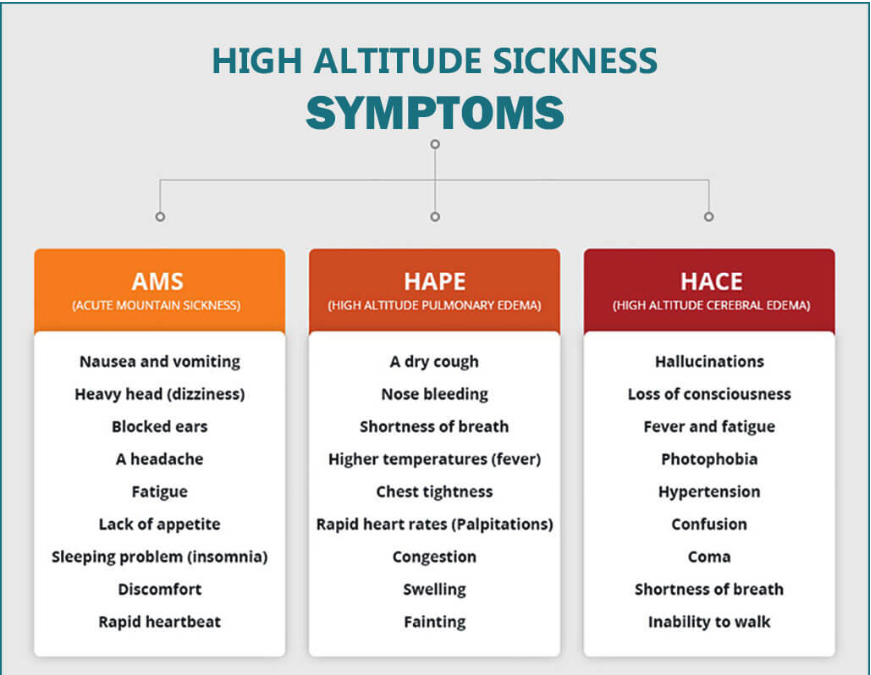
If you spend enough time in the mountains, altitude stops being an abstract concept and starts feeling personal. Acute Mountain Sickness (AMS), High Altitude Pulmonary Edema (HAPE), and High Altitude Cerebral Edema (HACE) aren’t rare medical trivia—they’re the body’s very real protest against going uphill too fast.
AMS is the most common and the least dramatic, though it can still ruin a trip with impressive efficiency. Headache, nausea, fatigue, poor sleep, loss of appetite—basically the symptoms of a bad flu combined with a worse hangover. AMS usually shows up above about 8,000 feet, especially when people ascend quickly and ignore acclimatization because “we feel fine.” The fix is unglamorous but effective: slow down, hydrate, eat, and consider a rest day. If symptoms worsen, descend. Mountains don’t reward toughness points.
HAPE is where things get serious fast. Instead of the brain, this time the lungs are the problem. Fluid begins leaking into the air spaces, making it harder to breathe—first with exertion, then at rest. Early signs include unusual breathlessness, a persistent cough, and declining performance. Advanced HAPE can include frothy sputum, chest tightness, and a very alarming sense that breathing is optional. It’s not. HAPE can occur even without prior AMS, and strong, fit athletes are not immune. The treatment is immediate descent, oxygen if available, and evacuation. Waiting it out is not a bold strategy.
HACE is the least common and the most dangerous. It’s essentially severe AMS progressing to brain swelling. Hallmark signs include loss of coordination, confusion, altered behavior, and eventually loss of consciousness. If someone can’t walk a straight line or starts making decisions that would embarrass their normal self, that’s a red flag waving frantically. HACE is a medical emergency. Descend now, not after lunch.
The common thread with all three conditions is simple: altitude punishes impatience. Go up too fast, skip rest days, ignore symptoms, and the mountain will correct you—sometimes gently, sometimes brutally. Smart climbers, skiers, and trekkers don’t fear altitude; they respect it. Acclimatize well, watch your partners closely, and remember that the summit is optional, but coming home isn’t.
The American Alpine Institute has been running high altitude trips since 1976, one year after the company was founded.