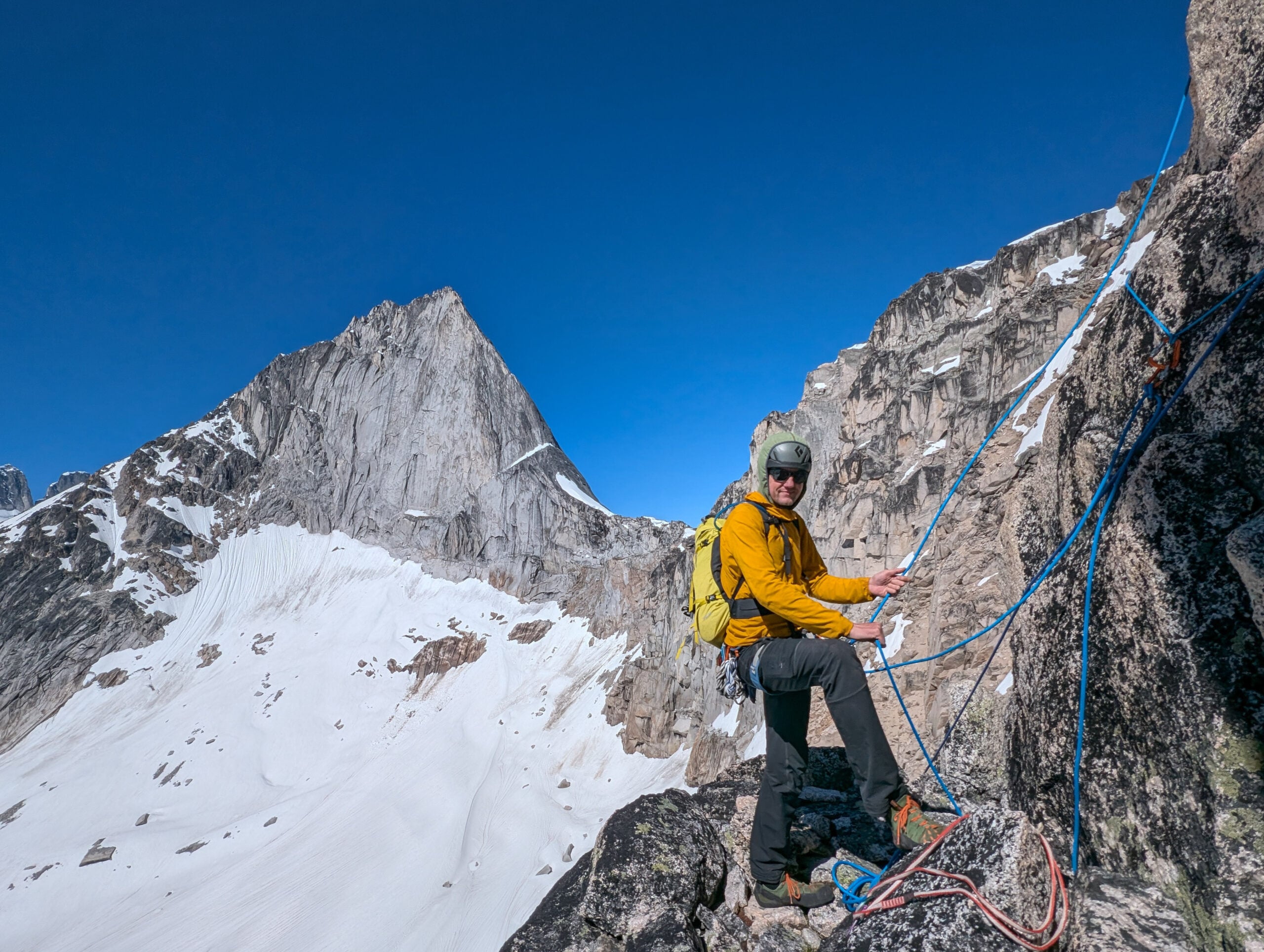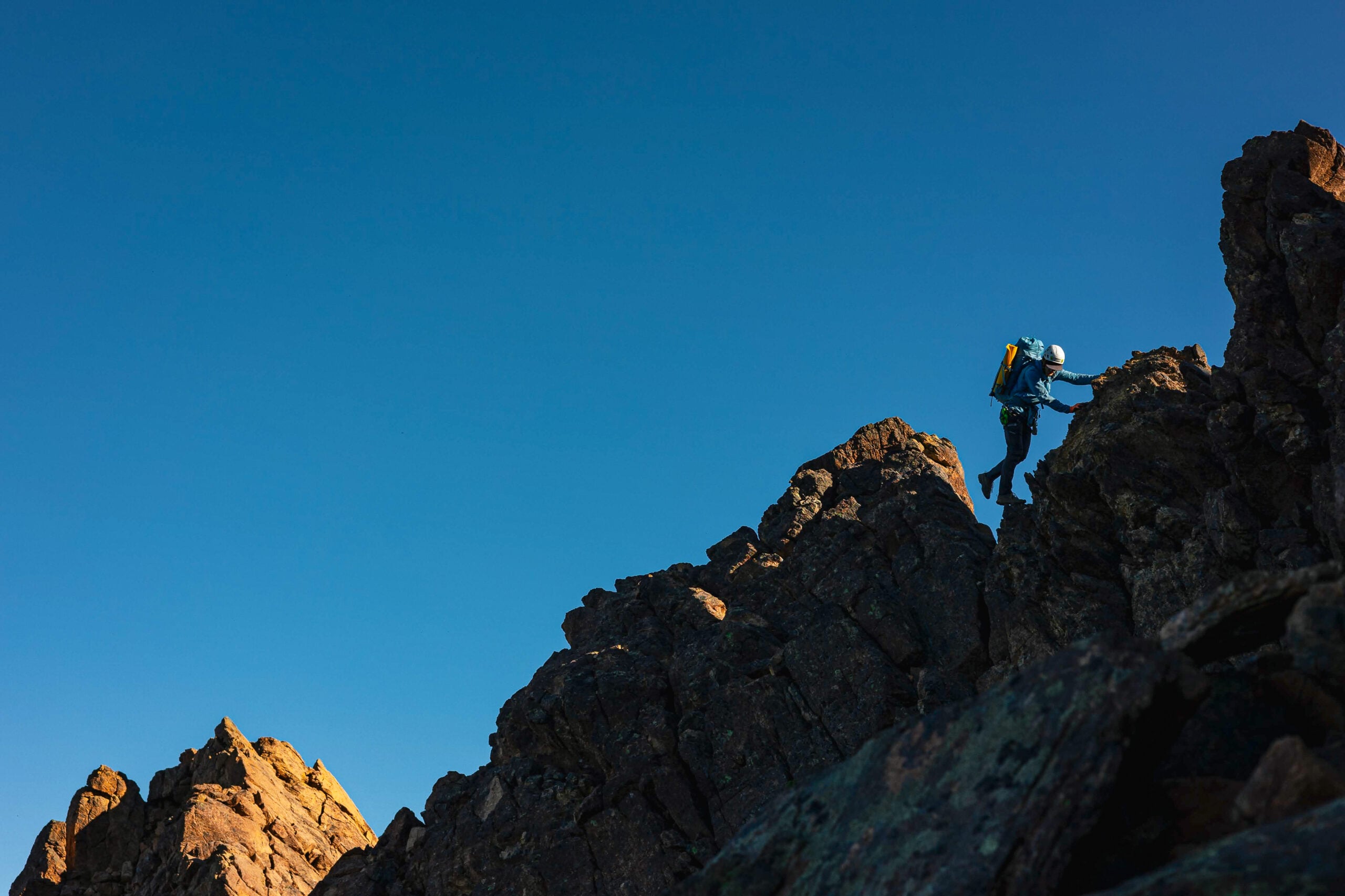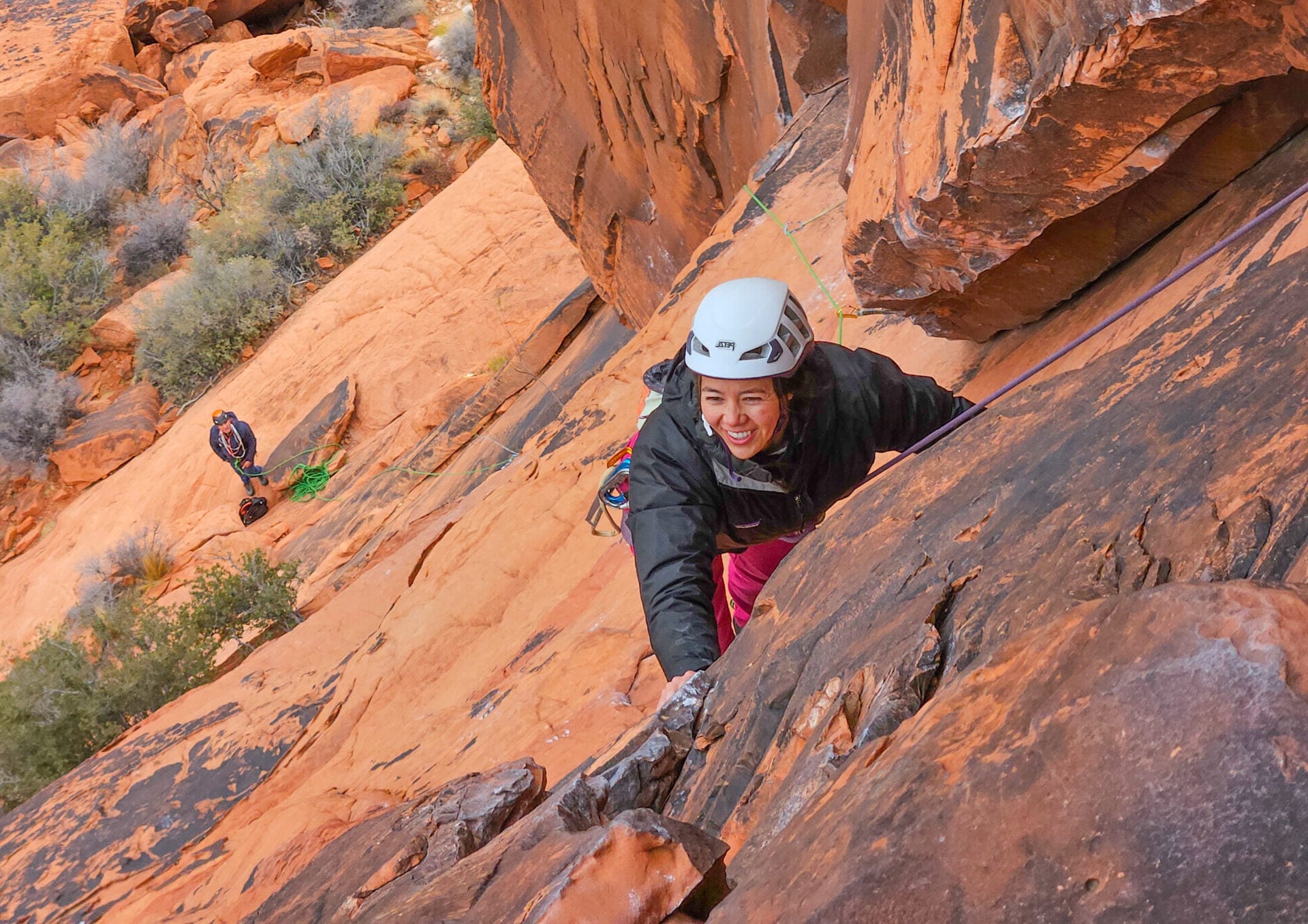







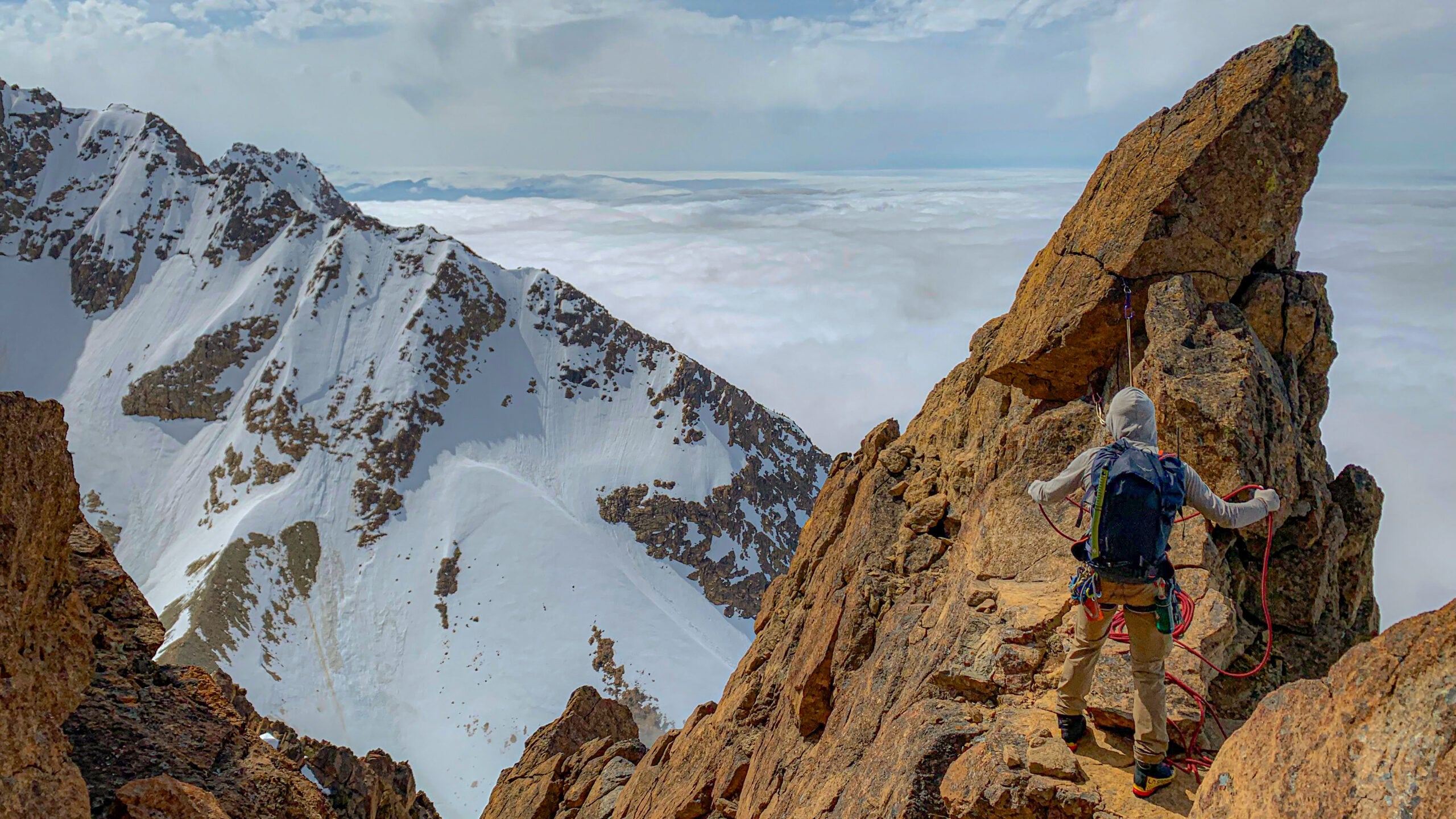


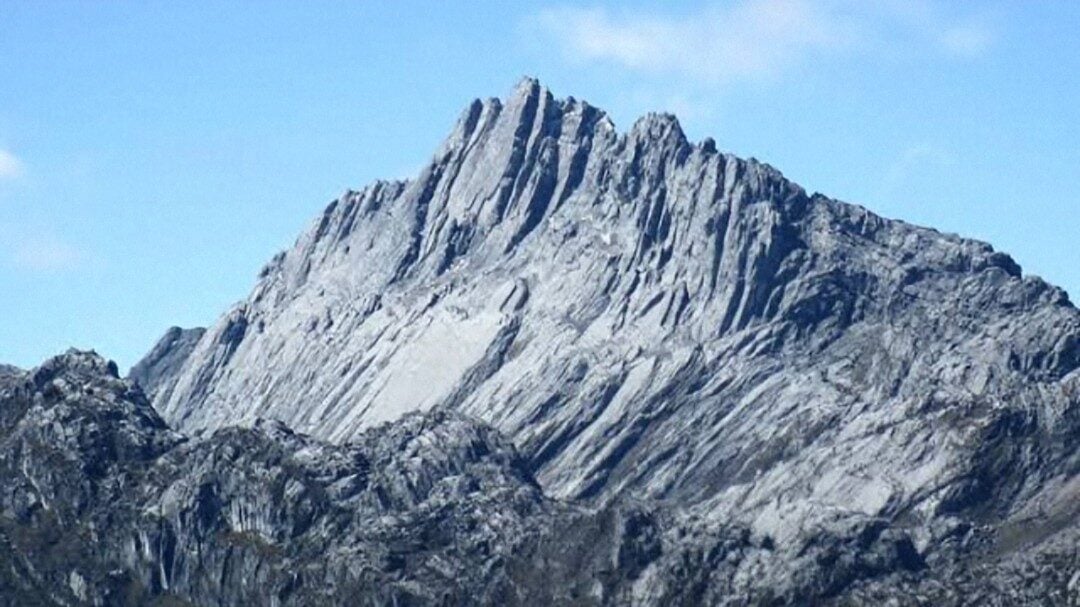


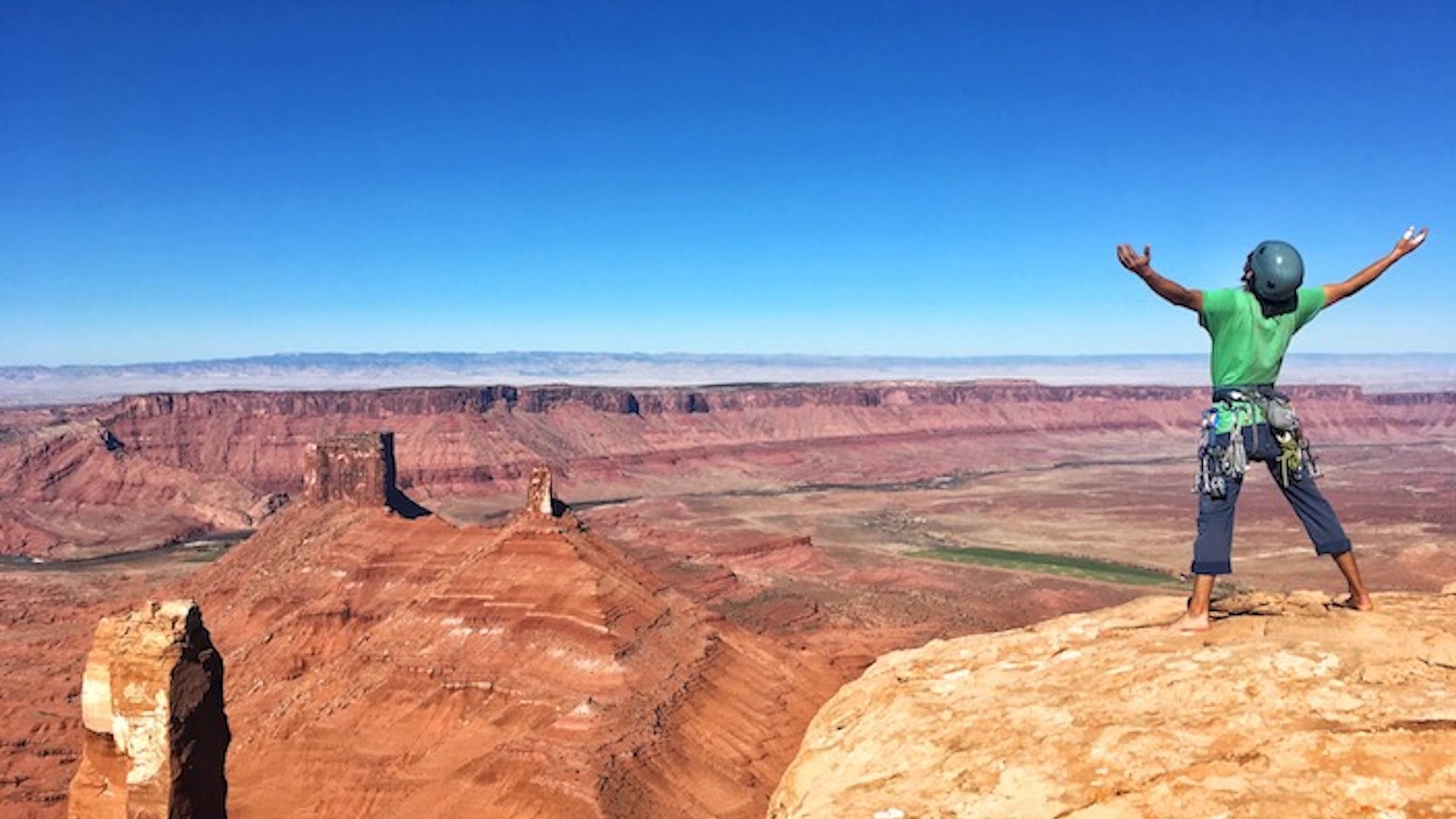
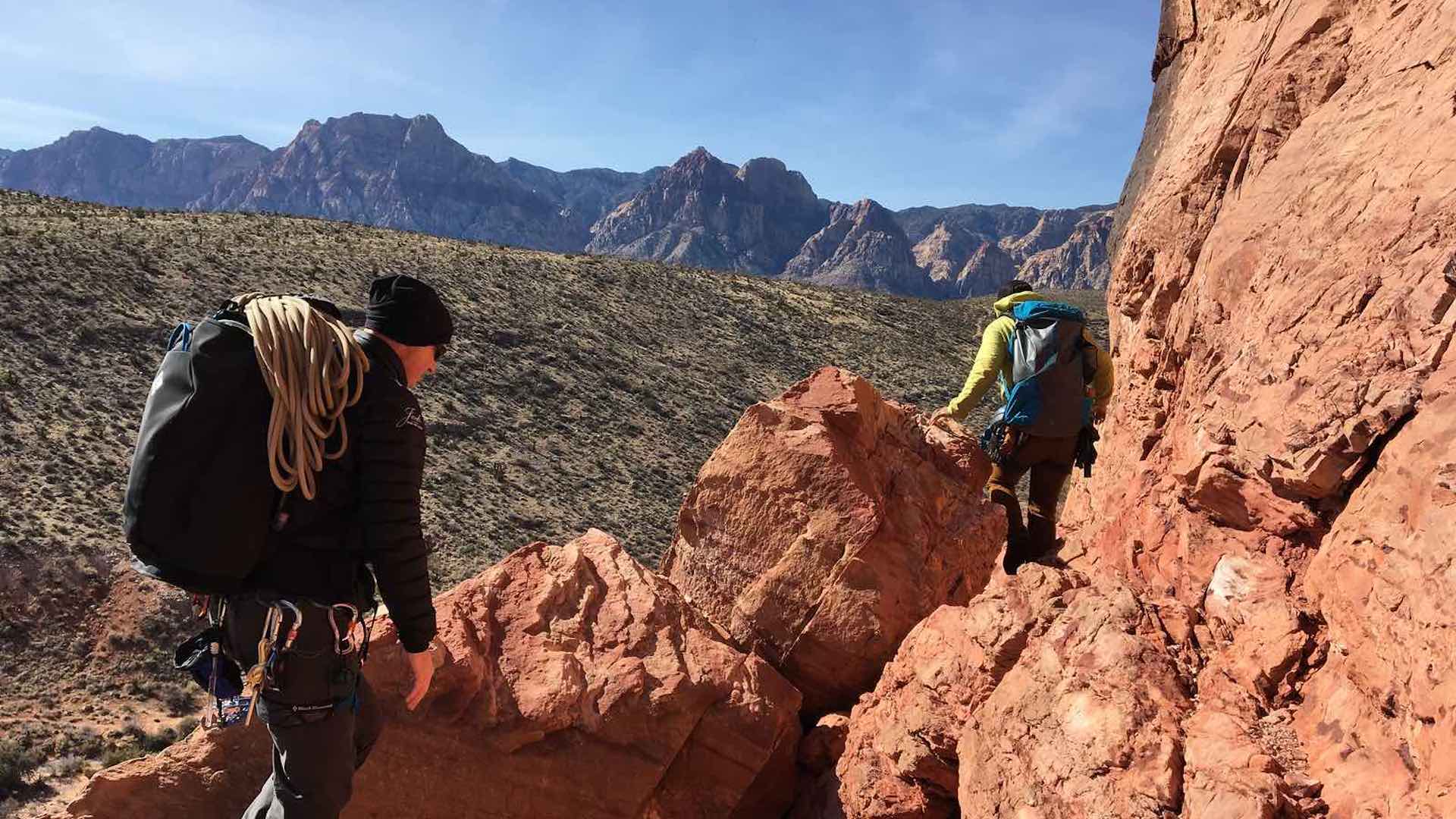



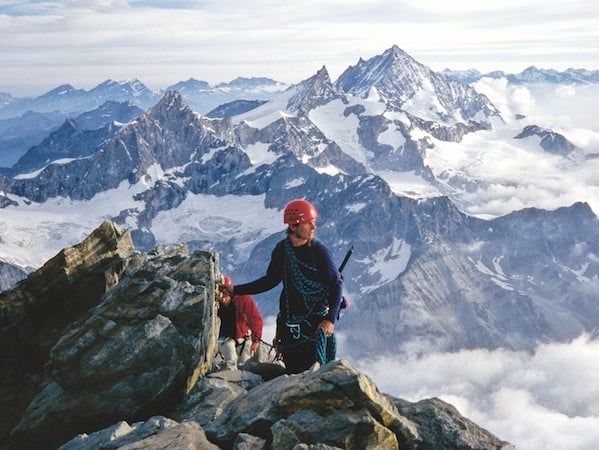


Simul-climbing is an advanced climbing technique where two climbers move up a route at the same time while tied to the same rope. One climber takes the lead, placing protection, while the second climber follows, removing the protection or moving to the next piece. This method is more efficient than traditional belaying because both climbers are moving for most of the time, but it requires a high level of trust and skill, as a fall could have severe consequences.
The concept behind simul-climbing is that you move together on the terrain. This is exceptionally dangerous as the leader could pull the follower off the route. You should really ONLY use this technique on terrain that you would consider solo climbing. The use of a rope does not mean that you won’t get hurt if you fall. Indeed, it is likely that someone could get hurt. Instead, it decreases the likelihood of a catastrophic or fatal injury.
It is also essential that you understand your partner’s skillset. Simul-climbing should be performed by those who have a strong understanding of one another. Ideally, the person in the lead is the weaker of the two partners, and both people understand that. This decreases the likelihood of a one partner pulling the other off.
It is possible to decrease the danger by placing some kind of progress capture between the climbers at crux points. This could be a Petzl TIBLOC, a MicroTraxion, or some other device to decrease the force on the leader if the second falls. However, it’s important to note that a hard fall on any one of these devices could damage the rope.
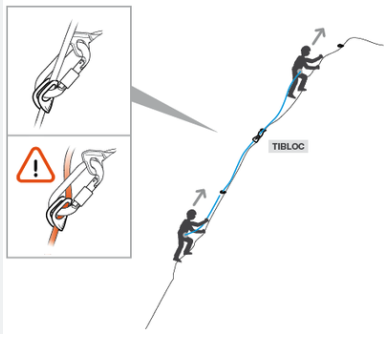
If you are using a progress capture, it’s also important to note that the leader will lose their belay if they have to downclimb. The rope will bunch up at the progress capture.
Ideally, the rope between climbers is short. You often don’t want more than forty or fifty feet between the climbers because you want to be able to communicate effectively. The best practice is to have at least two pieces between one another. It’s not easy to communicate how many pieces there are between one another if the rope is too long.
There are several ways to tighten up the rope for simul-climbing. You may tie in anywhere and put the rest of the rope in your pack, or you can tie a Kiwi Coil. The advantage to this is that it’s easy to change rope distances.
Following is a video on using a Kiwi Coil to shorten up the rope for simul-climbing.
Some people put a GriGri or another type of assisted breaking device on their harness to pay in and pay out rope as you go. This can be really helpful if the team isn’t on the same page as far as speed. It also allows for quick belays.
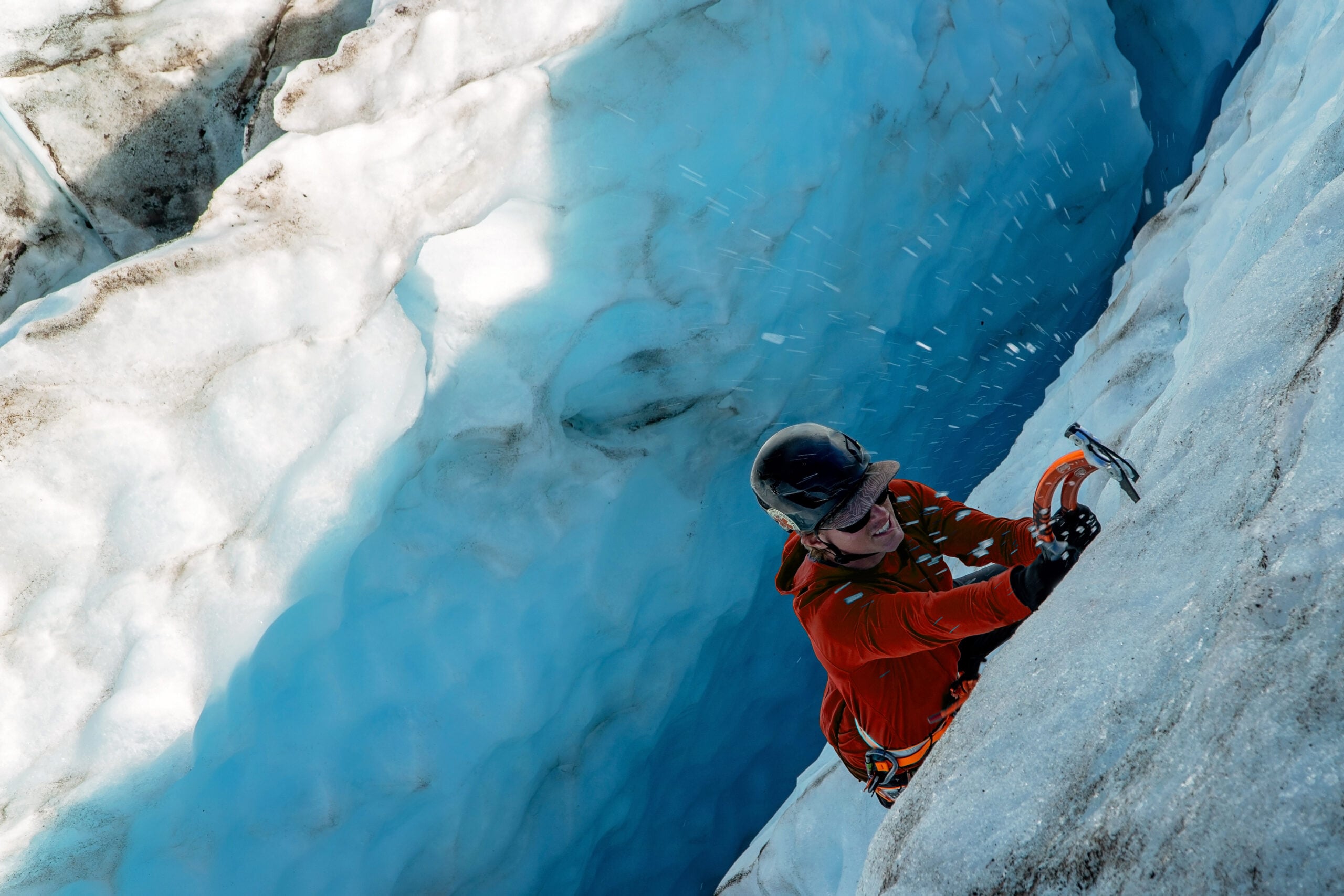
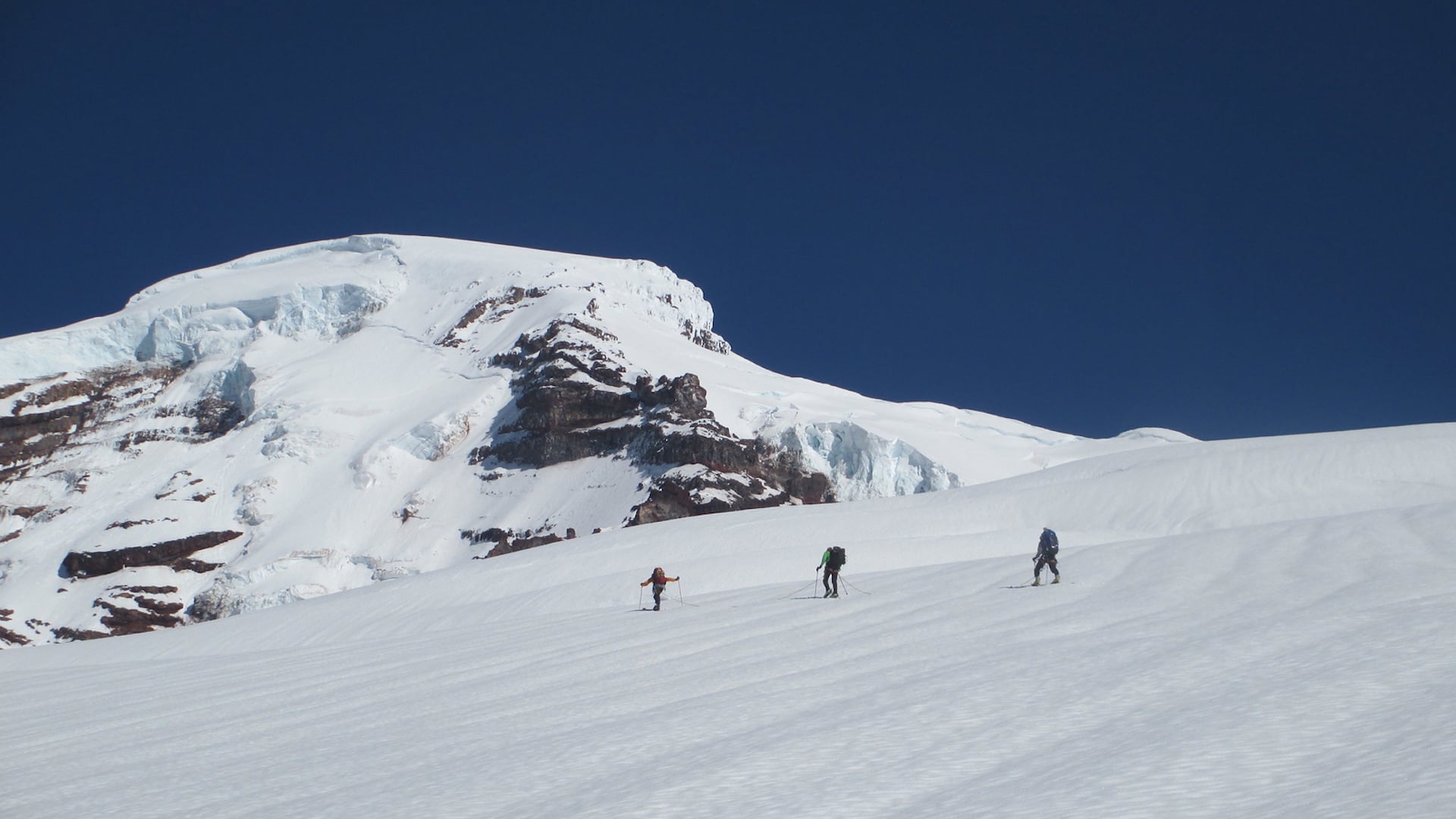
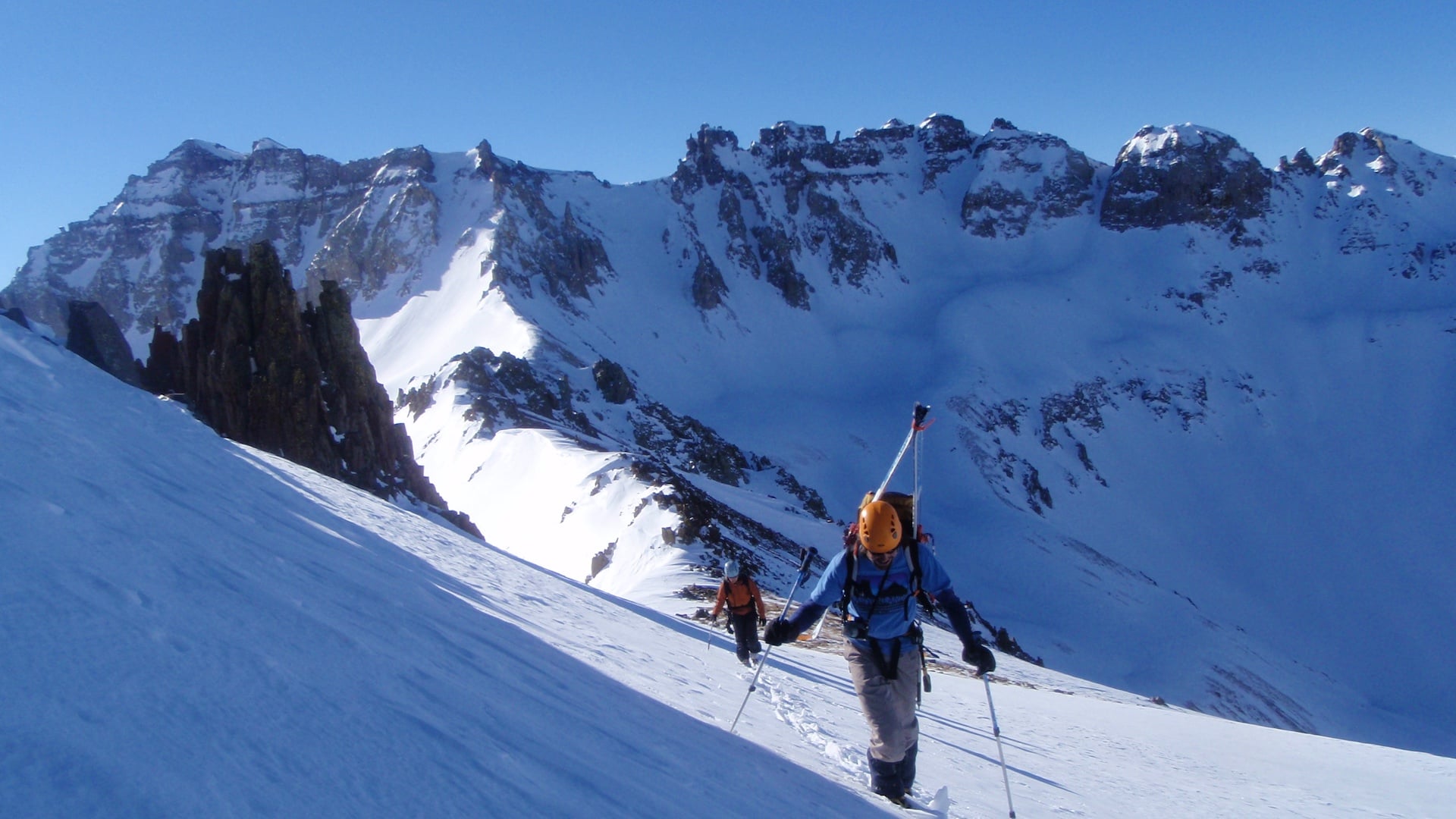
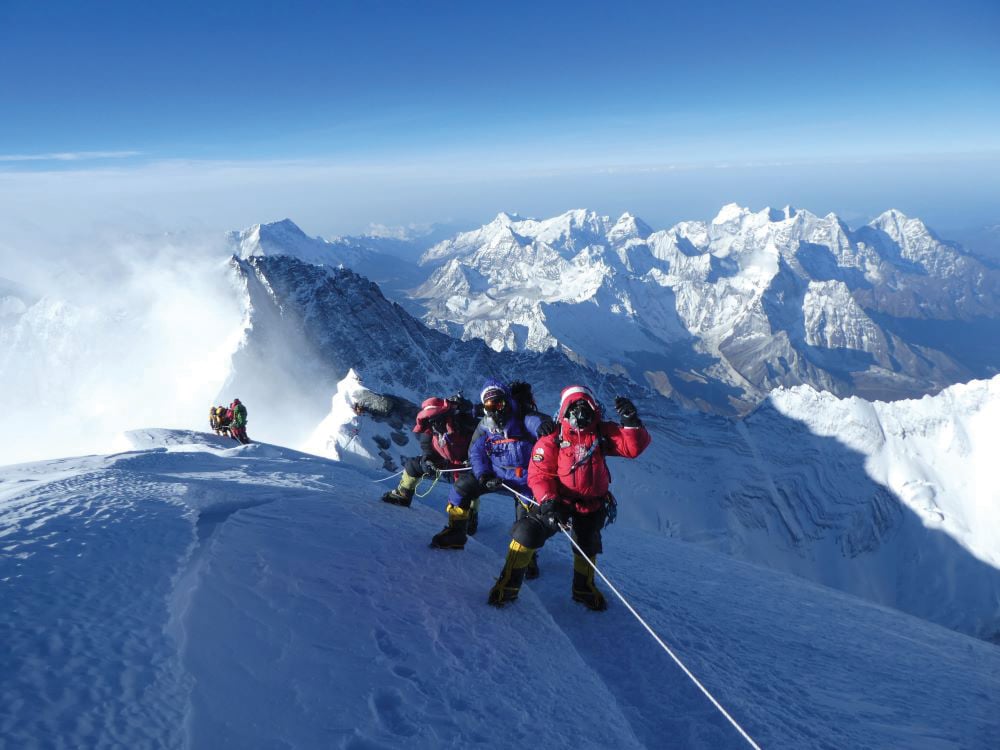
In recent years, lower angled glacier climbs have become quite dry late in the season. Mountaineers may wish to consider the use of simul-climbing on 30-50 degree glacier ice once it’s “dry.” This is primarily because when melted out, it is much easier to fall on this terrain and incredibly difficult to self-arrest.
It is common in mountaineering settings to use fixed pickets and to simul-climb above hazardous terrain. Consider moving above an open crevasse or above a cliff. These are great areas for mountaineers to install protection to decrease the likelihood of a catastrophic fall.
Here is one additional video made a few years ago about simul technique.
There are a number of high end climbers using these techniques on the “big stone.” In other words, they’re the ones climbing El Capitan in a day. The contents of this article as they pertain to rock climbing don’t cover the level of skill required for that.
Simul-climbing is an advanced technique that all climbers should be aware of, but it should not be used without deep consideration. If someone falls, they’re likely to get hurt…but as stated above, they will likely survive the fall…