AAI offers three different Safari experiences. The following prices are per person and based on a minimum of two people.
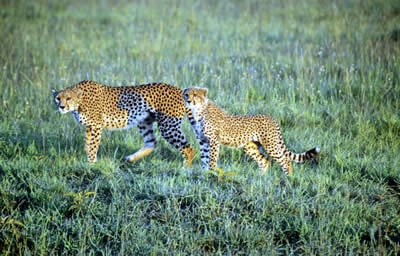
Leopards can be seen in the Serengeti. Antje Gunnar.
Mkomazi Magic (3 days, 2 nights)
Day 1: Mkomazi National Park (night at Mkomazi Wilderness Retreat)
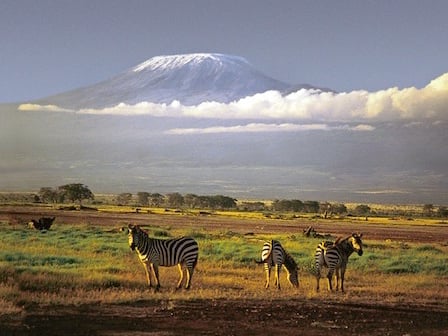
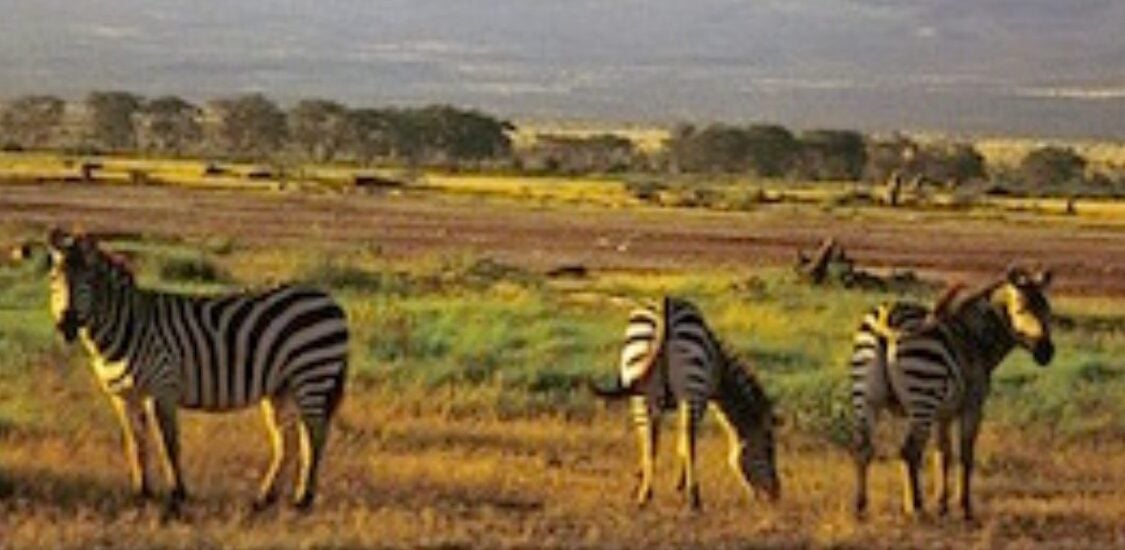
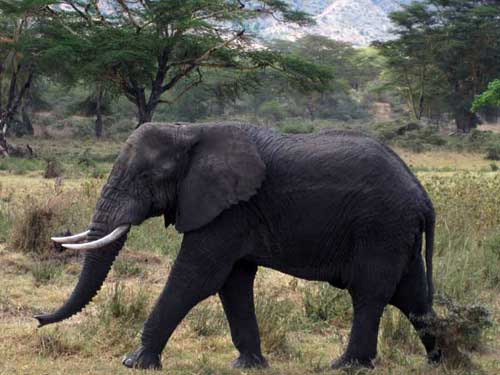
The safari begins after breakfast with a drive past Kilimanjaro and the Northern Pare Mountains to Mkomazi National Park. During the dry season herd anmals of all kinds (elephants, zebra, gazelles and antelope) migrate from the surrounding areas to the hills and watering holes. Afternoon game drive in the Park. After 8pm, explore the nocturnal wonders of Mkomazi under the stary African sky with a 2-3 hour night game drive. (3-hour drive to Mkomazi, Lunch and Dinner included).
Day 2: Mkomazi National Park (Night at Mkomazi Wilderness Retreat)
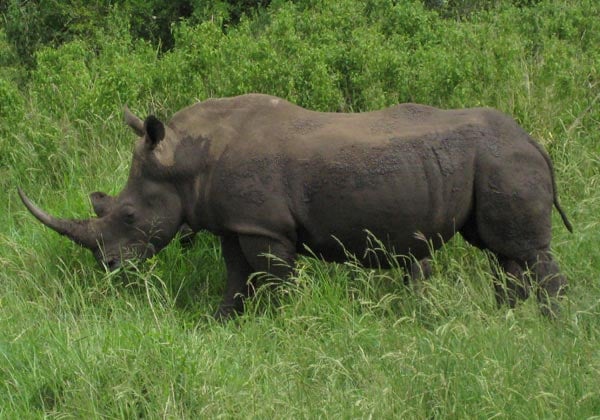
In the morning, embark on a walking safari to experience the parks flora, fauna and wildlife. This 2-3 hour walk is guided by a knowledgeable wildlife ranger. Continue to explore Mkomazi National Park (with picnic lunch or hot lunch at the lodge). The park is home to the black rhinos. Afternoon visit to the sanctuary to view these often-shy animals. (Breakfast, Lunch and Dinner included).
Day 3: Mkomazi National Park
Morning game drive before departing the park. In the afternoon return to Moshi Town to see this bustling town, shop, and enjoy a lunch in town before transferring to the Kilimanjaro International Airport and your flight home. (4 hour drive to Airport, Breakfast and Lunch Included).
Safari Spectacular (4 days, 3 nights)
Day 1: Tarangire National Park / Tarangire Safari Lodge
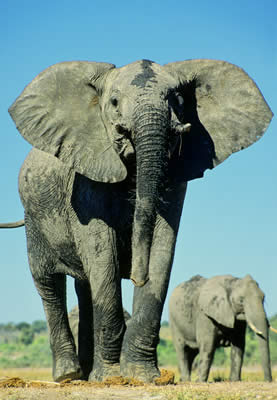
Drive from Moshi to Tarangire National Park (4 hr drive), arrive for lunch, afternoon game drive, overnight at Tarangire Safari Lodge. This Lodge offers a legendary front-row seat to the African wild, where you can watch massive herds of elephants gather along the river right from your own private veranda. Whether you’re cooling off in the sparkling hilltop pool or relaxing in a traditional stone bungalow, the lodge perfectly blends vintage safari charm with some of the most breathtaking panoramic views in all of Tanzania.
Day 2: Ngorongo Conservation Area / Ngorongo Farm House
Morning game drives in Tarangire, late afternoon transfer to accommodation outside Ngorongoro Conservation Area (2 hr drive), Ngorongoro Farm House. This location offers a charming colonial-style retreat where you can stroll through fragrant gardens and watch the sunset over the majestic Oldeani Volcano. This “farm-to-table” gem serves delicious home-cooked meals using fresh organic produce from its own fields, providing a peaceful and authentic base just minutes from the Ngorongoro Crater.
Day 3: Game Drive / Medicine Walk
Game drive in Ngorongoro Crater, Maasai medicine walk, overnight at Isoitok Camp. A Maasai medicine walk is a fascinating journey through the “bush pharmacy,” where a local guide reveals how common shrubs and bark are transformed into potent traditional remedies for everything from fevers to fractures. Isoitok Camp Manyara provides an immersive eco-experience where luxury meets sustainability, offering beautifully appointed tents nestled into a hillside overlooking the Great Rift Valley. The camp is renowned for its deep cultural connection to the local Maasai community, allowing you to transition seamlessly from a day of wildlife viewing to an evening of authentic storytelling around a traditional campfire.
Day 4: Mountain Biking / Lake Manyara
Morning mountain bike ride to the shores of Lake Manyara (3 hrs), depart after lunch to Kilimanjaro Airport (3 hr drive). Pedaling toward the shores of Lake Manyara at dawn offers a fresh perspective on the Rift Valley, where the crisp morning air carries the scent of wild sage and the distant calls of tropical birds. As you reach the alkaline shoreline, you’re greeted by a breathtaking pink haze of thousands of flamingos feeding in the shallows against the backdrop of the rising sun.
Highlights of Tanzania (6 days, 5 nights)
Day 1: Arrival / Tarangire National Park
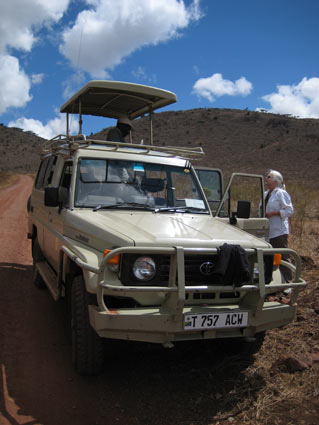
Meet your guide with a 4WD safari vehicle and head directly out to the Maasai Steppe, home to the many spectacular wildlife parks of Tanzania. Your first destination is picturesque Tarangire National Park, known for its magnificent baobab trees. This 2,600 square kilometer gem is often overlooked on the standard tourist routes but is known for its wild landscapes, resident elephants, large prides of lion, leopards, the rare fringe-eared oryx, excellent year-round bird watching, and the last remaining pack of wild dogs in northern Tanzania. During the dry season Tarangire can rival the Serengeti for its density of zebra, wildebeest, and other ungulate herds. Enjoy game-viewing before lunch at your lodge and then a longer afternoon game drive until dusk.
Day 2: Tarangire National Park / Lake Manyara National Park
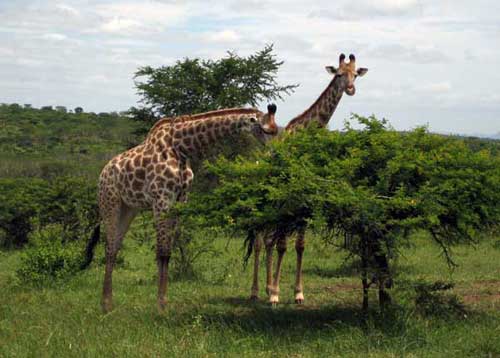
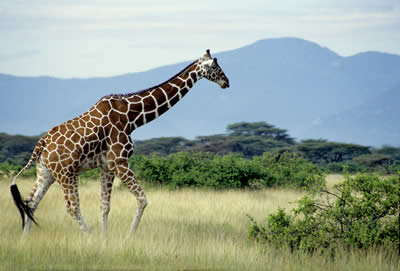
Early morning game drive before breakfast to experience Tarangire as it comes to life. After breakfast continue game viewing as you enter beautiful Lake Manyara National Park, famous for its tree-climbing lions and soda lake full of hippo and tinted pink with huge flocks of flamingos. As we approach the park, the Rift Valley Escarpment looms on the horizon – forming a spectacular backdrop to the lake. In the park’s varied environments of groundwater forest, acacia woodland, and grassy flatland you can easily observe at close range giraffe, zebra, buffalo, large troops of baboons, monkeys, and more. Manyara also boasts a profusion of more than 380 bird species. As the sun sets, ascend the Rift Valley to your overnight accommodations in the Ngorongoro Highlands.
Day 3: Ngorongoro Conservation Area / Serengeti National Park
Stretch your legs with a guided two hour light morning hike through the Ngorongoro Conservation Area forest – teeming with bird life and unique flora – to a majestic waterfall and elephant caves (so-called because the deep recesses in the valley wall are created by elephants digging up the earth to ingest the vitamin-rich soil).
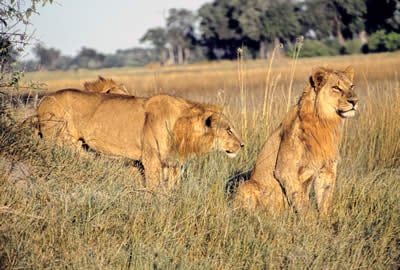
After lunch at the lodge depart for the Serengeti and a game drive deep into the heart of this vast wilderness. The Serengeti is arguably the most famous wildlife area in the world. It’s pure numbers are staggering: about 4 million animals reside within its ecosystem, including a million and a half wildebeest, a quarter million zebra, a half million gazelle, and tens of thousands of the their predators (lion, leopard, cheetah, hyena, jackal, crocodile, etc.). The park also offers breathtaking scenery unto itself. Scattered throughout the southeastern short grass plains are kopjes, geologic wonders comprised of exposed gneiss and granite shaped by the wind and temperature fluctuations. Different environments emerge as you head deeper into the Serengeti, where you will find riverine forests, acacia woodlands, hills, and open grassland that create a vast geographic mosaic.
Day 4: Serengeti National Park
Your guide, a trained expert in East African wildlife and ecology, will explore with you the vast Serengeti in search of the best game-viewing opportunities, dependent on the daily migration patterns. You may take a pre-dawn game drive and another drive at dusk – the times of the day at which the animals are most active – with a rest at camp for lunch. Or take a full day drive with a picnic lunch to explore a greater range of the vast ecosystem.
Day 5: Serengeti National Park / Olduvai Gorge / Ngorongoro Conservation Area
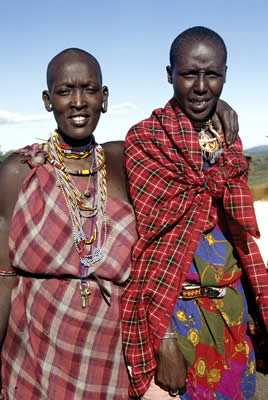
Continue your exploration of the Serengeti in the morning. After lunch we return eastward, rising up from the dry plains to the cooler and verdant Ngorongoro Highlands. Stop along the way to tour Olduvai Gorge, the site of Louis and Mary Leakey’s archeological discoveries of early human ancestors dating back 1.8 million years. The site consists of a small but comprehensive museum on the rim of the gorge and the opportunity to descend into the gorge to visit some of the dig sites. Also visit a nearby Maasai homestead, where you will meet these regal tribesmen known for their beaded jewelry, dramatic dancing, and steadfastness to their indigenous culture. Ascend to your splendid overnight accommodations perched on the eastern rim of the Ngorongoro Crater.
Day 6: Ngorongoro Crater / Arusha
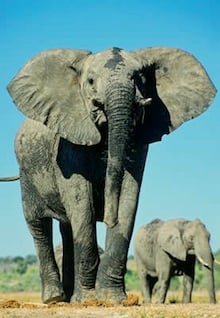
Today we descend into the Ngorongoro Crater, often referred to as Africa’s Eden. Ngorongoro was an active volcano that collapsed, leaving a caldera 10 miles in diameter; the views from the crater rim are breathtaking and wildlife abounds inside. We descend 2,500 feet into the crater to explore this paradise of abundant and diverse wildlife. Here you can observe the rare and elusive black rhino and admire the old bull elephants who come there to “retire” and enjoy the sweet swamp grasses; prides of lion are easily spotted throughout. A trip into Ngorongoro Crater is an experience not to be missed. Picnic lunch in the crater or hot lunch back at the lodge.
In the afternoon return to Arusha Town, the bustling commercial capital of northern Tanzania, where you may shop for curios and artwork. Enjoy a relaxing dinner at one of the best safari lodges on the verdant outskirts of Arusha prior to transfer to the Kilimanjaro International Airport and your flight home.
















 Options & Pricing