Information Details

Inclusions and Exclusions

Inclusions: Included in the course cost are group technical climbing equipment like ropes and rock protection, all permits, fee to enter Red Rock NCA and the guide fee.

Exclusions: Not included in the course cost are all personal clothing and climbing gear, rentals, gratuities to the guide, meals, lodging, or travel insurance.  On private programs, you are responsible for your own and your guide’s transportation.

​Rentals

For climbers who do not have their own personal climbing equipment, we offer a rental package for $36 per day. The package includes climbing shoes, helmet, and harness.

Travel Insurance

We strongly recommend that you purchase comprehensive travel insurance that includes trip cancellation coverage.  Ripcord is our primary travel insurance provider, offering coverage for trip cancellation, trip delay, baggage, medical evacuation and other eventualities.

Unlike many vacations that are less physically demanding, a climbing and trekking vacation can be ruined by an illness or relatively minor injury that occurs before departure. While you can still tour a city or head to the beach with a sprained ankle or a very bad cold (albeit, less conveniently), such an injury or common illness can stop you in your tracks short of your climbing or trekking destination.

If you would like to do a longer route that requires an early morning meeting, please request the route by name and the office will work with both you and your guide to set an appropriate meeting time and location.


Curriculum

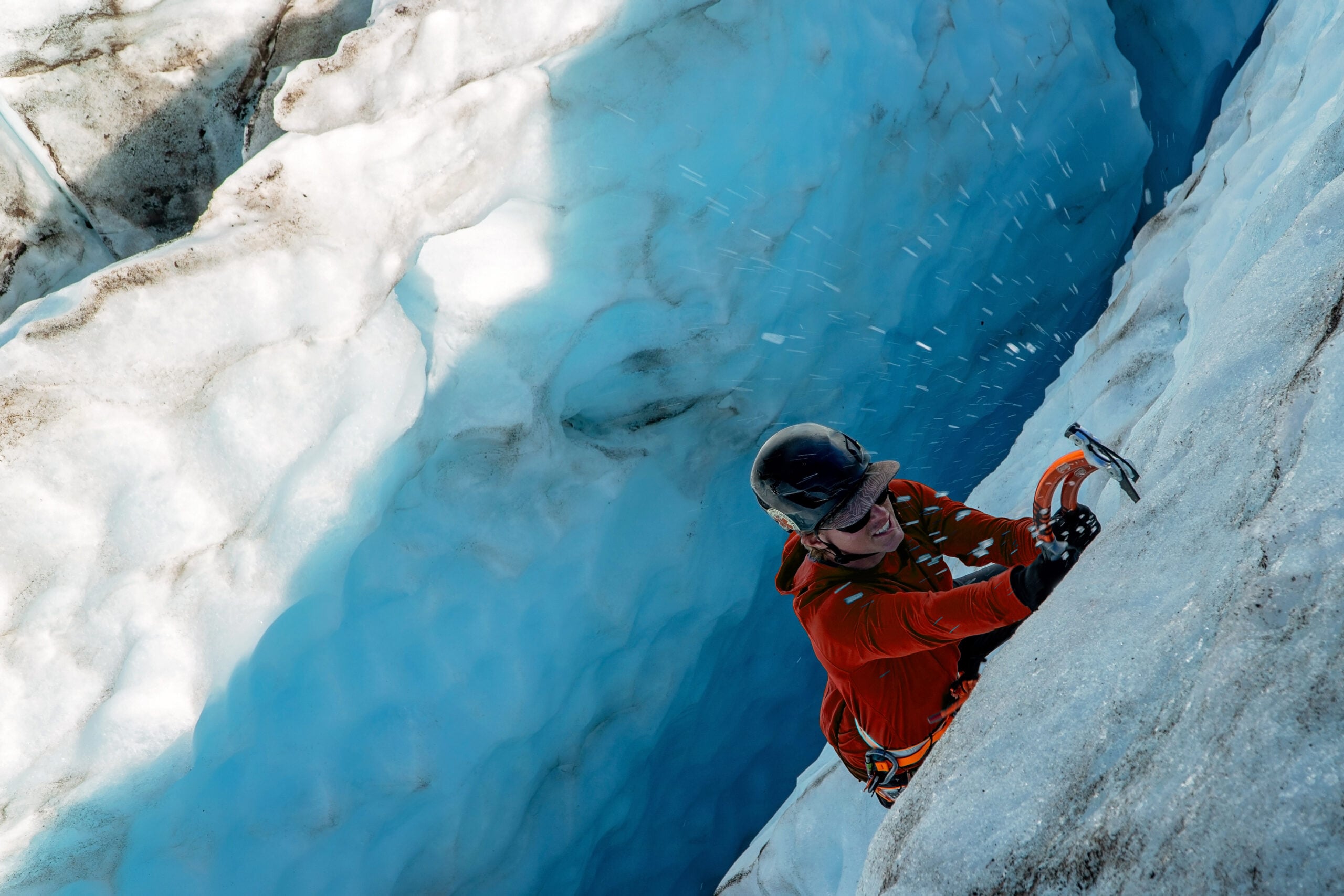
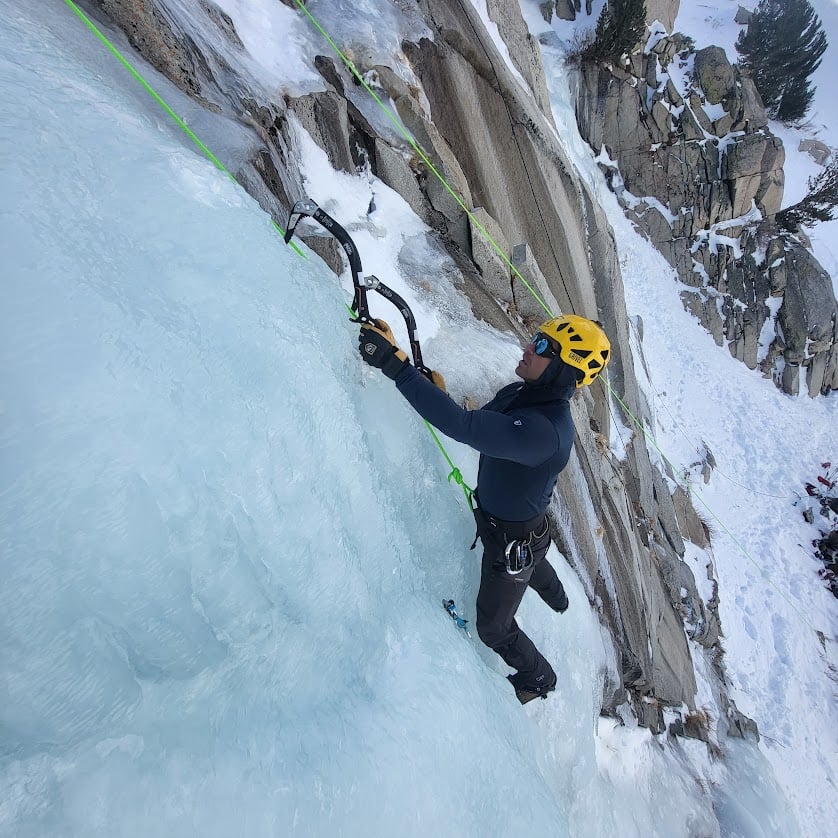
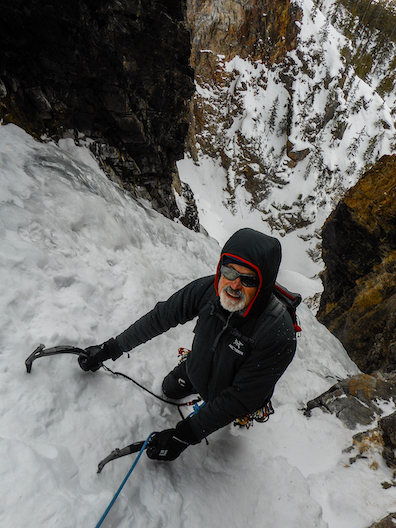
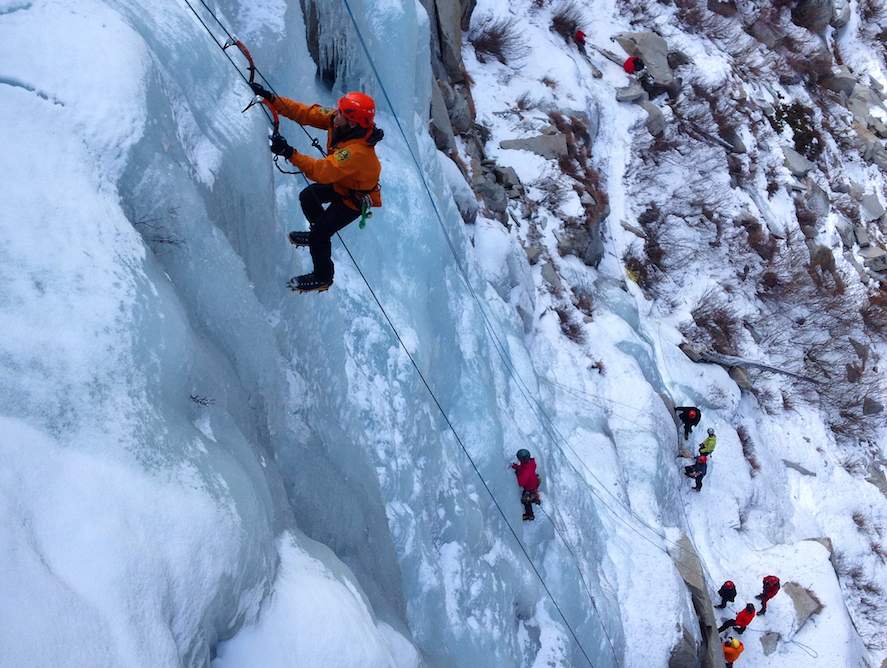
Ice Climbing – Introduction (2 days)

Graduates of this course should feel comfortable in a single-pitch ice setting when climbing with a more experienced mentor.

Curriculum for this program includes, but is not limited to:

  • Design concept and selection of ice axes & second hand tools; reverse, classic, steeply drooped, & tubular picks; & crampons
  • Design concepts, selection & placement of ice screws & other ice anchors for protection and belays
  • Ice climbing grade system and guidebook interpretation
  • Ice axe & second hand tool placement techniques; third tool technique
  • French, German & American crampon styles & combinations
  • Tool and foot progression sequence, staggered versus parallel
  • Top-rope system establishment and management
  • Ice crag hazard assessment and safety management protocols
  • Extensive climbing, including continuous pitch ascents
  • Leave No Trace climbing & travel skills

Intermediate level students will continue to work on the skills established at the introductory level. In addition to these, climbers will develop an understanding of rappelling techniques on ice, will practice following a leader and will begin technical leadership training. All students at the intermediate level will leave with an ability to manage a single-pitch top-roping site at an ice climbing area and will have foundational ice leadership skills.

Ice Climbing – Intermediate (5 days)

Curriculum for this program includes, but is not limited to:

  • Review top-rope set-ups and techniques;
  • Arrangement & placement of intermediate protection & belay anchors in different types of waterfall ice;
  • Rappelling techniques on both single and multi-pitch lines;
  • Mixed climbing technique and the use of leashless tools;
  • Mixed climbing grade system and guidebook interpretation;
  • Leading sequence & belay changeover;
  • Steep and technical climbing technique with an emphasis on pillars, chandeliers, ribbons, etc;
  • Multi-pitch climbing technique;
  • Practice leading for those qualified;
  • Extensive climbing, including continuous pitch ascents;
  • Leave No Trace climbing & travel skills.

Course Options

Two elements are required to create good ice conditions. First, there must be a consistent flow of water and second, there must be reliably cold conditions. Both Lee Vining and Ouray satisfy these requirements and consequently have amazing ice climbing opportunities.

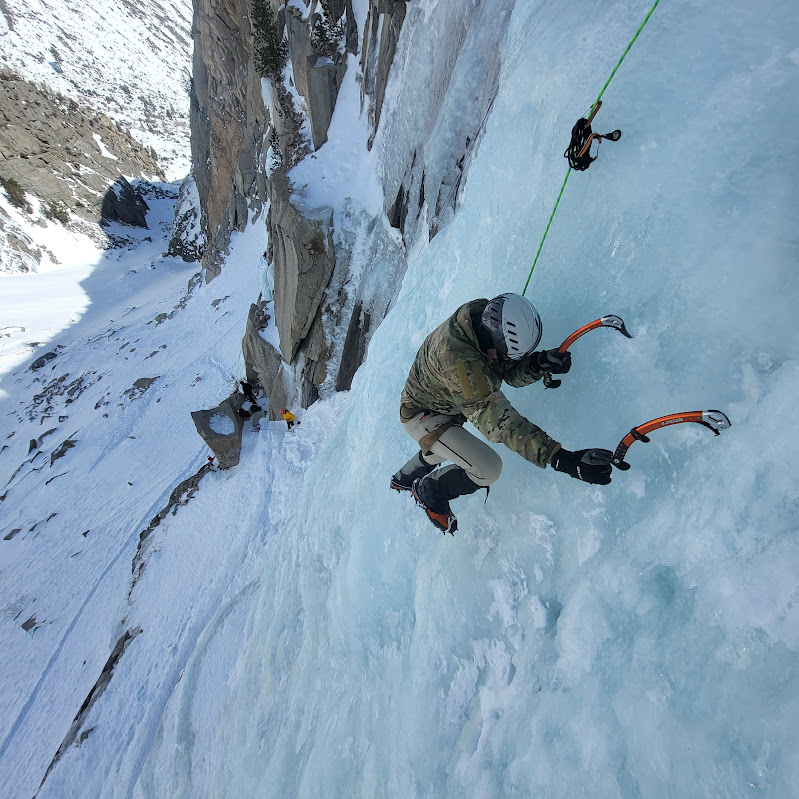
Lee Vining and June Lake – Sierra Nevada, California

The climate in the Sierra Nevada mountains meets each of the above prerequisites.  The cold, clear nights typical of the high desert, together with moderating daytime temperatures, allow the ice to set up firm and then gradually soften during the day.  The resulting ice flows provide some of the best waterfall ice climbing in the Western United States, with perfect training routes for all skill levels.

The Lee Vining ice climbing area, including the legendary Chouinard Falls, is in a deep box canyon below 13,057 ft Mt. Dana. With walls up to 2,000 vertical feet high on either side, the shadowed reaches of the canyon stay consistently cold overnight and yield ice that is almost always in excellent condition. June Lake, a few miles further south, also provides a variety of climbs at a more moderate angle with a shorter approach. This is a great area for beginners to cut their teeth and for more advanced students to study the art of leading and develop skills for mixed climbing. When the two locations are combined in a single program, their diversity and quality create one of the finest naturally occurring winter ice playgrounds in America.​

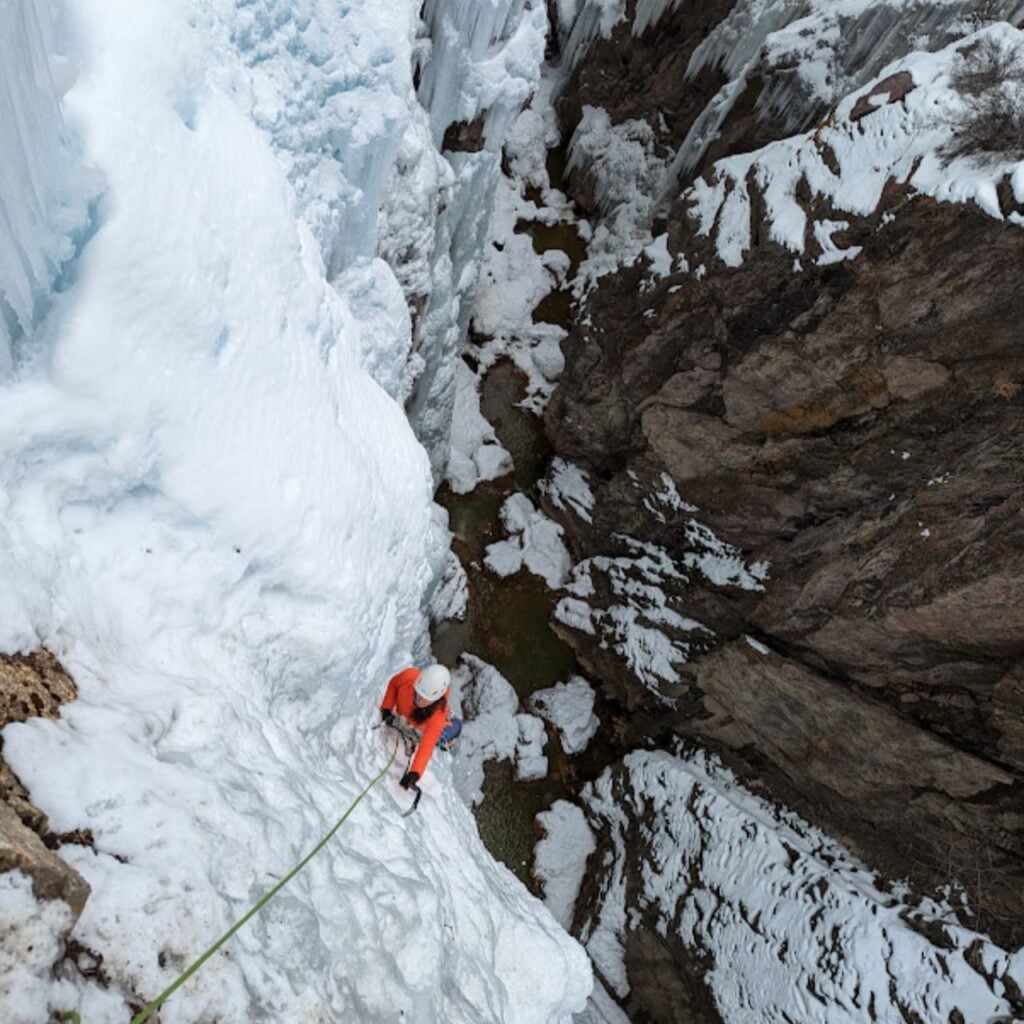
Ouray – San Juan Mountains, Colorado

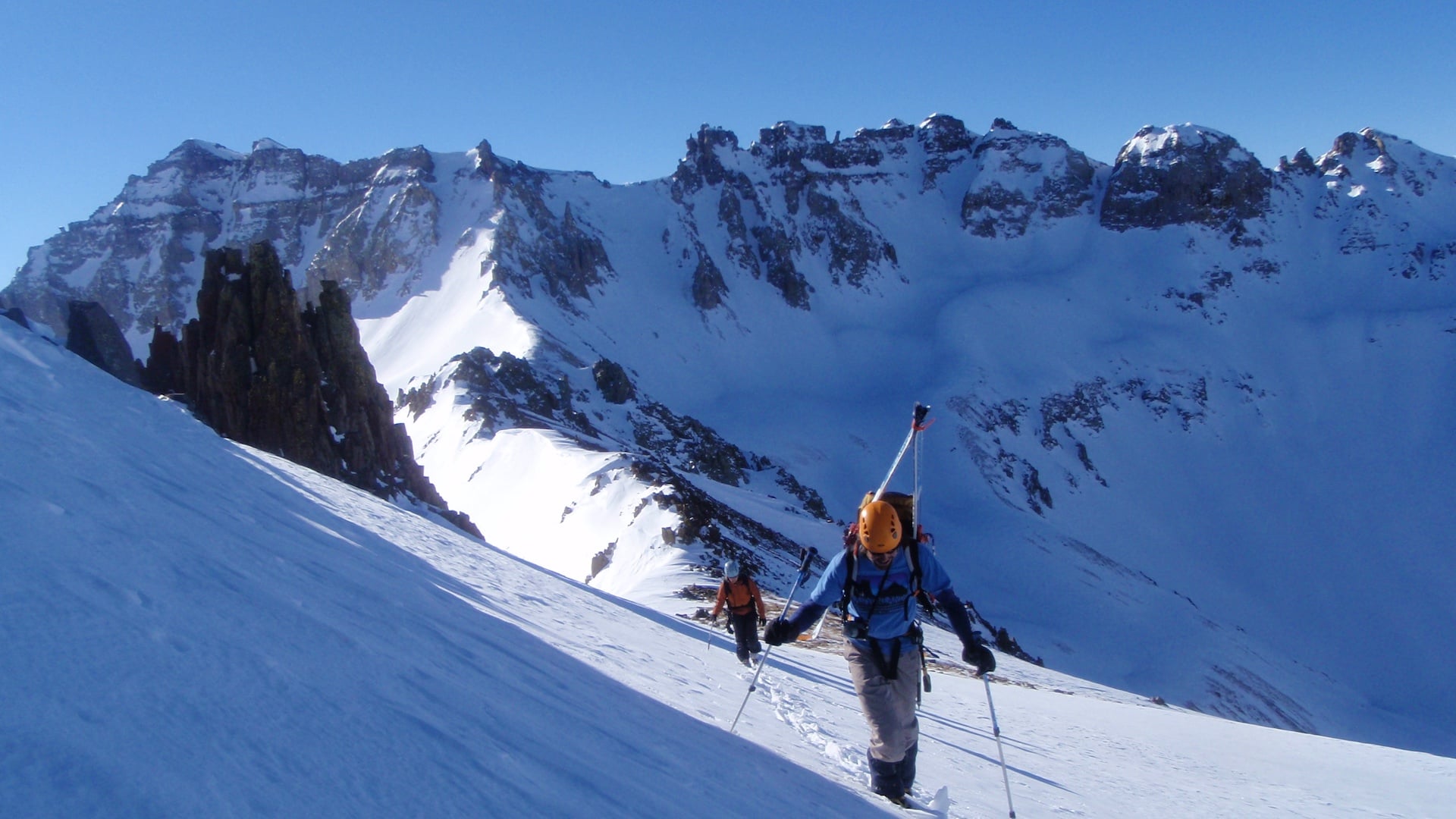
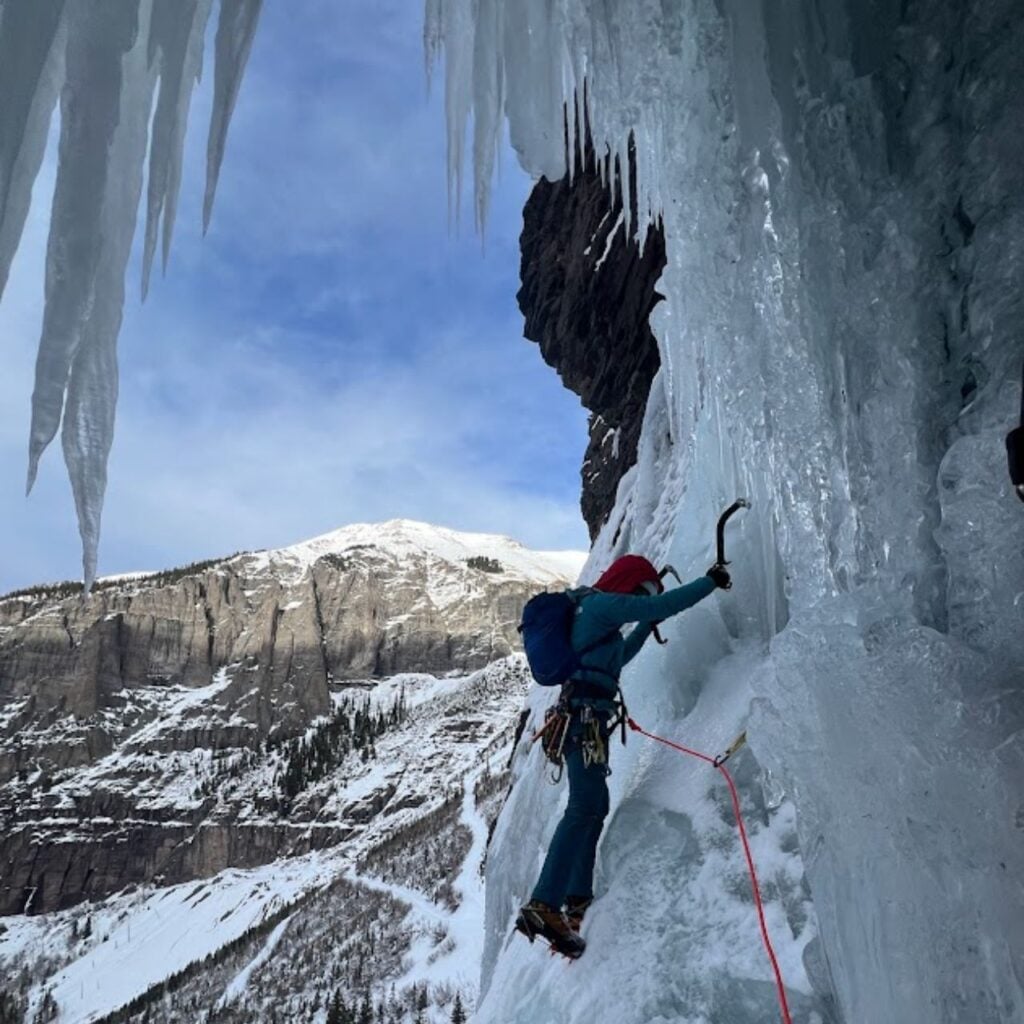
Ouray, Colorado is a mecca for virtually all winter sports. This tiny one-time mining town nestled at the foot of Red Mountain Pass in the San Juan mountain range, provides climbers and skiers access to some of the best routes and terrain in the Rockies. The backcountry skiing in this area is top-notch and Ouray is home to America’s first ice climbing park.

The greatest draw to the town of Ouray in the winter is the Ice Park and the annual Ouray Ice Festival, which brings in climbers from all over the world. The Ice Park is home to literally hundreds of routes from easy beginner climbs to advanced level test-pieces. Most ice climbing locations don’t have a lot of variety, and climbers are often stuck with a handful of climbs at a given difficulty. However, this is not the case with Ouray. There is an enormous variety of climbs in Ouray to keep any climber entertained for months. The best way for any ice climber to improve is to get mileage, and there is no better place than the Ouray Ice Park.

While most of the climbs in the ice park are single-pitch endeavors, the backcountry area, just a short distance from the town, offers dozens of multi-pitch ice climbs just waiting to be explored.