
Information Prerequisites

Student requirements for enrollment in a Pro 1:

  • 1. Course applicants have completed both the following A3-recognized courses prior to enrollment:
    • Recreational Level 1 Avalanche Training, a minimum of one winter season is required between the completion of the Rec Level 1 and enrolling in the Pro 1.
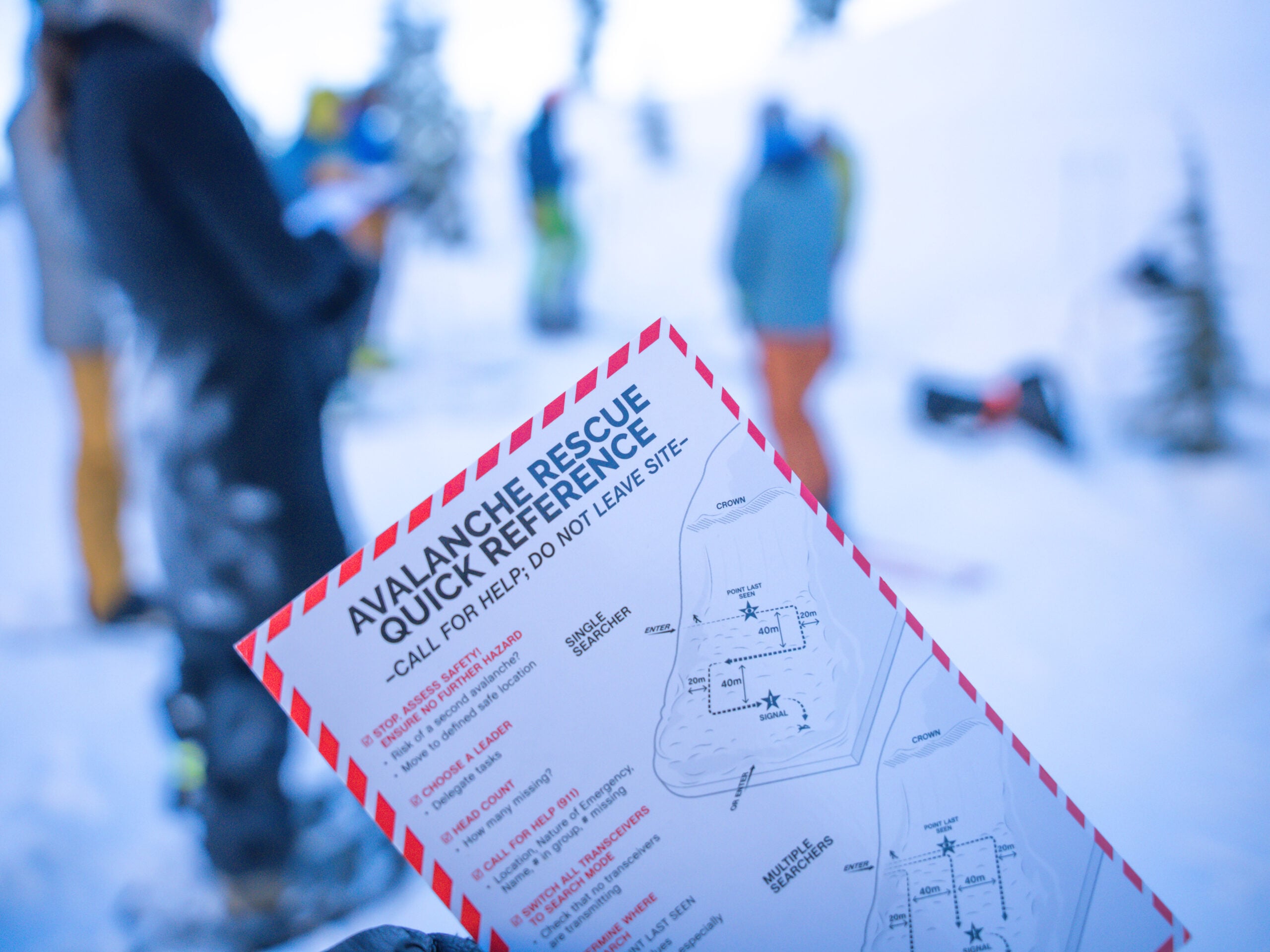
    • Avalanche Rescue
      Applicants who believe they have the educational equivalent of the above-listed prerequisites can apply to the Pro Course Provider of their choice for a Prior Learning Assessment (PLA) review. Course enrollment in these situations is at the discretion of the Pro Course Provider.
  • 2. One winter season (20 days or more) of relevant experience (demonstrated through one of the following).
    • Prior avalanche work experience; OR
    • A supervised unpaid work internship in the guiding/avalanche industry supported by a letter of reference; OR
    • A3 Professional Membership
  • 3. Documentation of trip planning and recorded field observations including weather, snowpack and stability test results that contributed to avalanche hazard assessment and personal avalanche risk management.

​Students will also have to submit proof of payment of the American Avalanche Association (A3) Professional Course Student Fee – save the emailed receipt as a PDF, as you’ll need to upload it to your application in the future.

Reading List:

  • Level 1 Student Manual
  • Level 2 Student Manual/Workbook
  • Snow, Weather and Avalanches: Observation Guidelines, Published AAA, 2016 edition (SWAG)
  • Staying Alive in Avalanche Terrain, Bruce Tremper

Information Course Goals

  • Demonstrate a basic knowledge of avalanche formation and release
  • Conduct study plot weather observations. Identify relevant weather trends
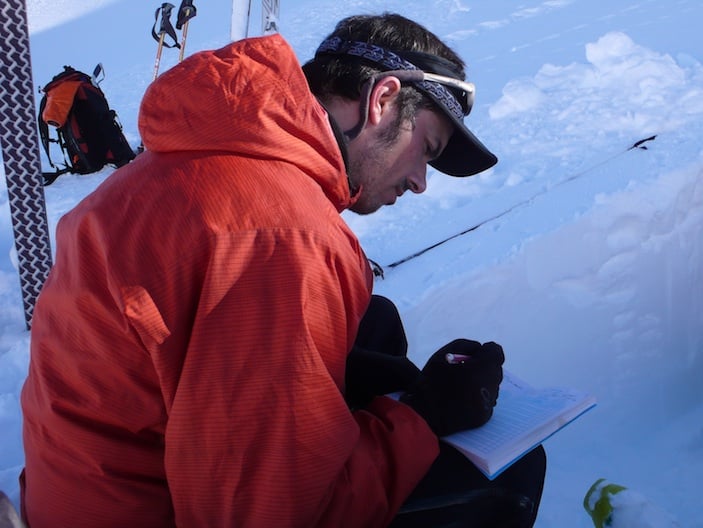
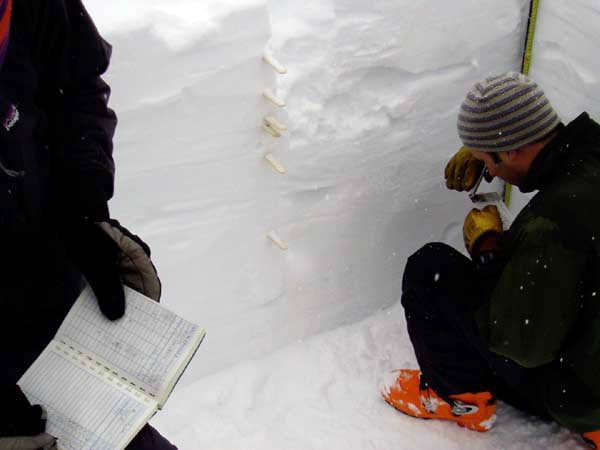
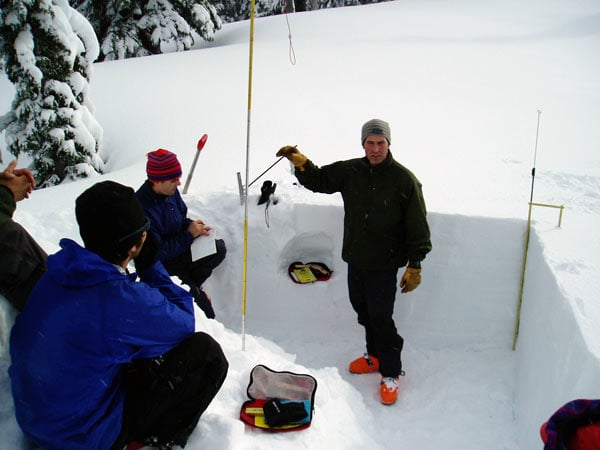
  • Conduct a snow profile. Choose a relevant test location and identify important layer and interface characteristics. Document using a snow profile form or digital drafting program
  • Conduct a compression test and identify fracture character
  • Conduct an ECT and PST and identify propensity for crack propagation in the weak layer
  • Observe and record avalanche occurrences. Identify important avalanche hazard factors that relate to a recent or current avalanche occurrence
  • Assess current avalanche hazard factors and describe the avalanche problem and the avalanche danger trend
  • Communicate the avalanche risk between team members
  • Identify and apply strategies to mitigate bias and other challenges to individual and team decision making
  • Relate the current and forecast avalanche problem to specific slopes and terrain features. As part of a trip plan and in the field, identify both terrain to avoid and terrain with less consequence
  • Identify avalanche paths and describe the terrain characteristics that define the start zone, track, and avalanche run out
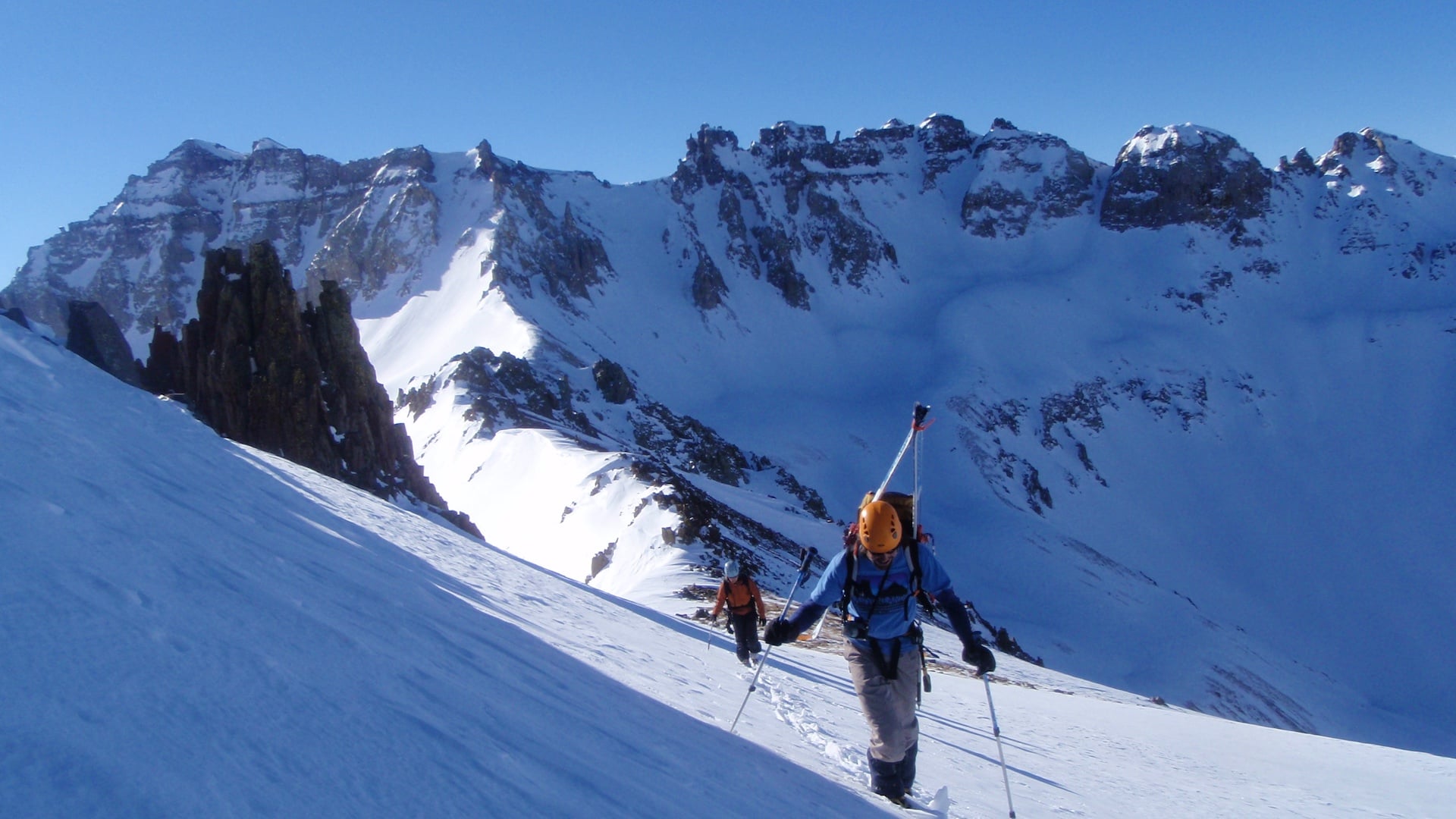
  • Travel safely over snow in mountainous terrain

Information Details

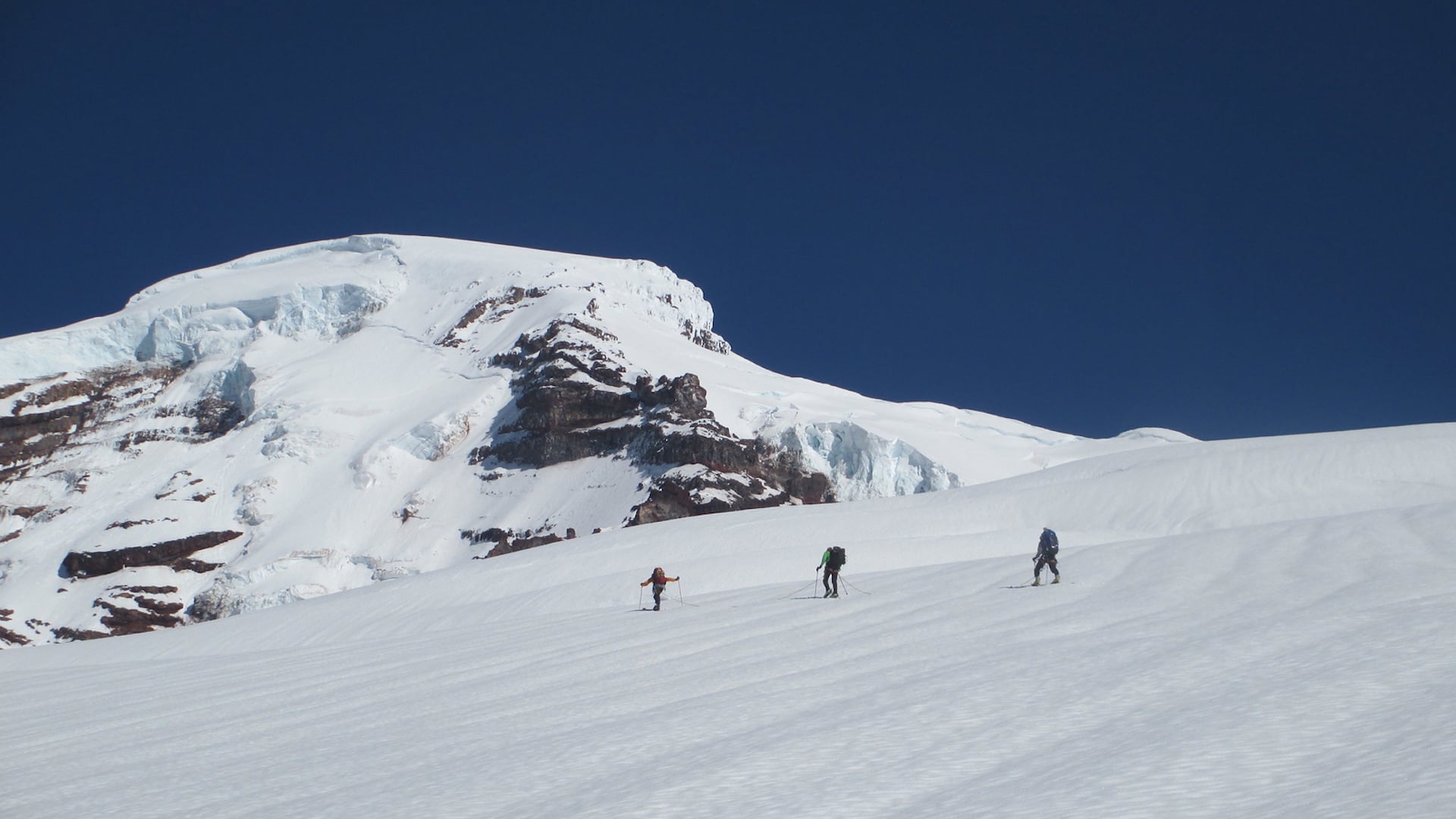
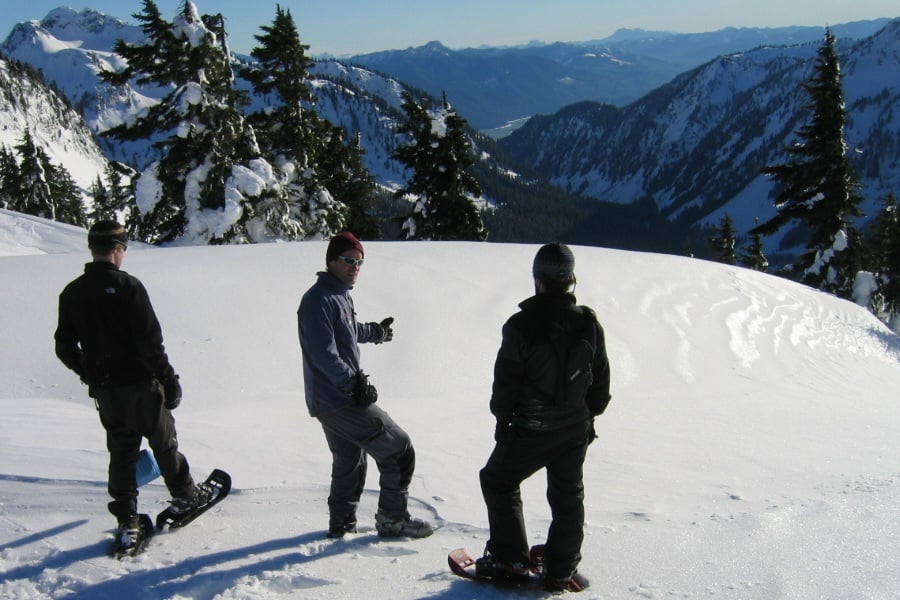
This course starts with an online meeting on the first evening, then the remaining 5 days will be near the Mt. Baker backcountry.

​While AAI is sponsoring this program, enrollment is being handled by the American Avalanche Institute. To enroll, please click the link below to the Avalanche Institute’s website and find the Bellingham dates in their list of available sessions (courses are indexed by location and first field day).

https://www.americanavalancheinstitute.com/course/pro-1-avalanche-training/

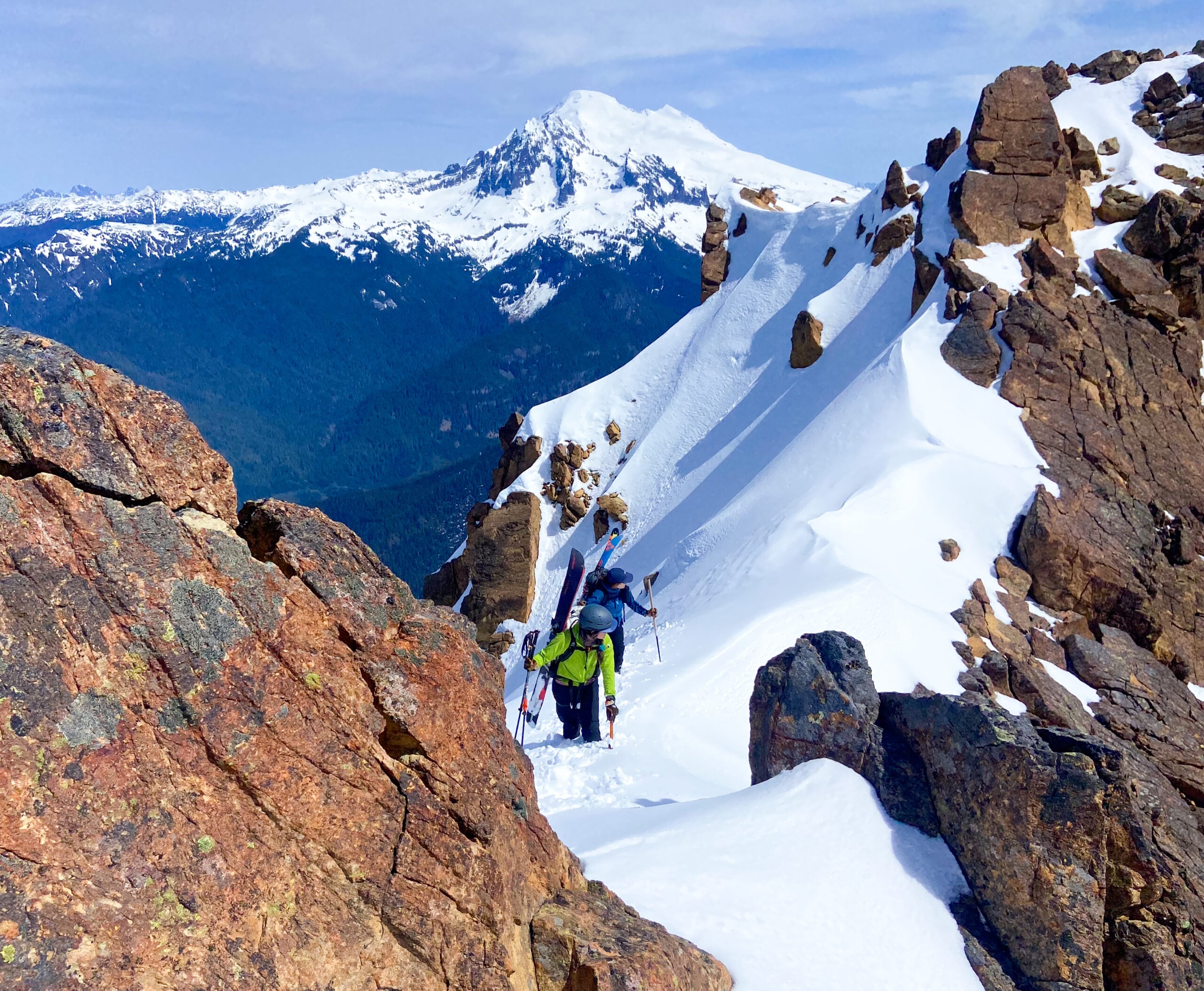
As mentioned above, the field days will be held near the Mt. Baker Ski Area. When the roads are dry and clear during the summer, it is only about an hour drive from Bellingham to Glacier and then about another 30 minutes after that to the backcountry zone near the Mt. Baker Ski Area. However, during the winter, the road conditions can be highly variable and it could take much longer for the drive.

With that in mind, you should find lodging somewhere near Glacier for the duration of the course. There are numerous vacation rental cabins, VRBOs and AirBnBs in the Glacier area. It is totally reasonable for the students to band together to rent a cabin for the duration of this course. However, this is not included as part of the course tuition and will not be provided. It is extremely important that your lodging have good access to internet. You will be required to check avalanche and weather forecasts each day of the program, as well as completing route profiles and tour plans in the evenings.

Inclusions:

Instructor fees, land use fees, course materials

Exclusions:

Food, lodging, transportation, backcountry travel equipment, personal avalanche safety equipment

Information Assessment

Course assessment principles adhere to those described in the American Avalanche Association (AAA) Professional Avalanche Training Guidelines and Proficiencies.

Students are sent a description of the assessment plan and evaluation criteria prior to the course start date. A course mark of 70% is required to pass.

  • Avalanche rescue skills (pass/fail). This skill is evaluated prior to the course during the Avalanche Rescue course. Students are required to produce the certificate as a requirement for enrollment
  • Observation and Recording (50% of course grade). Students are required to submit documented observations for instructor review prior to the course start date. The students will receive some coaching and direction on the submitted field weather and snow profile observations prior to the start of the course and then again on the first day of the course. Weather and snow profile observations and snowpack tests are reviewed on the first day of the course and the evaluation criteria is explained to each student.
  • Hazard and Risk Analysis Forms and Written Exam (50% of course grade). Students receive both the expectation in the pre course package and a request to submit trip plan or hazard forecast forms for review prior to the course start date. Students receive one opportunity to be coached on the course when they complete a hazard and risk analysis form the first day. Pre course reading and assignments are designed to include topics that will be covered on written exam. Students have the right to retest weather plot and snow profile observations, snowpack tests and the written exam, and can appeal their grades.