










The Cassin Ridge (Alaska Grade 5, 5.8, AI 4)
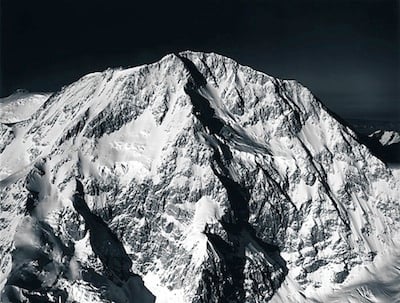
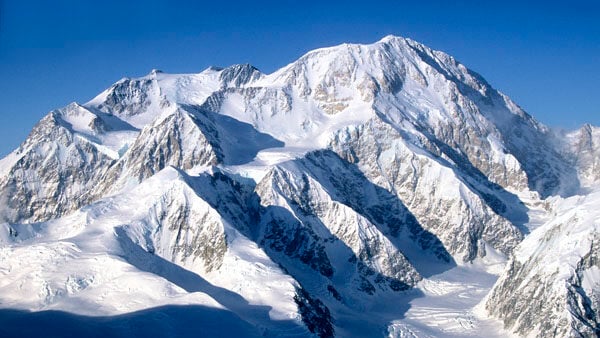
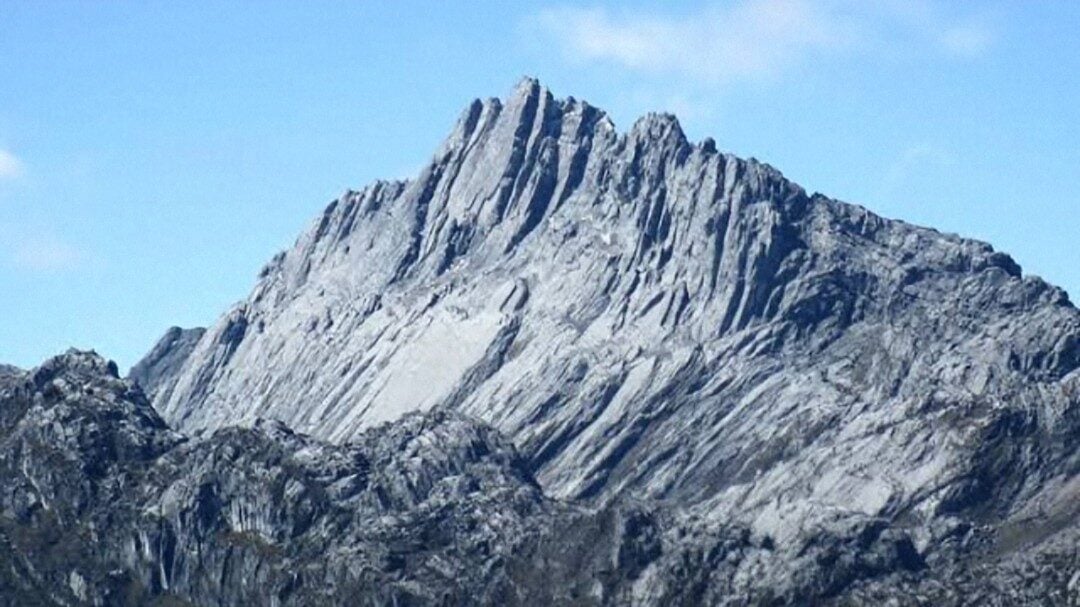
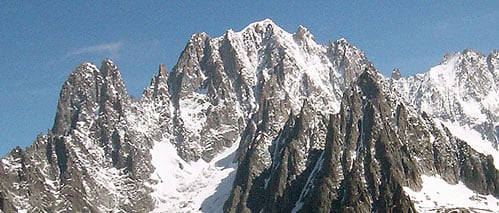
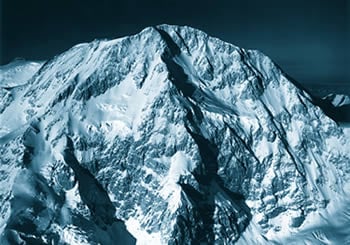
The Cassin Ridge follows the major ridgeline in the center of the photo. Bradford Washburn
Denali offers one of the world’s greatest expedition challenges. While it is exceeded in elevation by peaks in South America and Asia, its arctic environment with extreme temperatures and severe storms and its great height above the Alaskan plain make a Denali climb using even the normal West Buttress route a test of personal strength, team work, and logistics. No peak in the world has greater relief: Denali rises 17,000 feet above its surrounding plain, while Everest rises only 13,000 feet above the Tibetan highlands. Vertical elevation gain on Everest from the normal base camp for the South Col route is 11,000 feet; from our landing spot on the Kahiltna Glacier, Denali’s summit rises another 13,000 feet. Though lower in total altitude, the sub-arctic cold and high-latitude atmospheric conditions combine to create challenges potentially even more severe than those on 8,000 meter peaks.
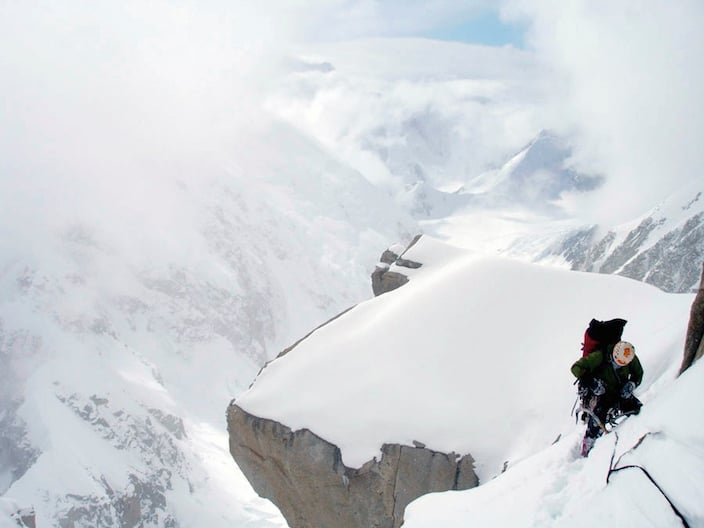
The Cassin Ridge has become one of the most sought-after big mountain alpine climbs in the world. There are few routes that follow such a beautiful and continuous line up 9,000 feet of challenging granite, snow, and ice that end right below the highest point in North America.
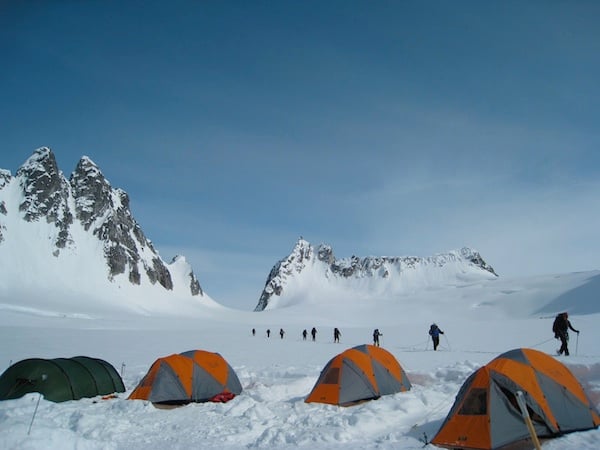
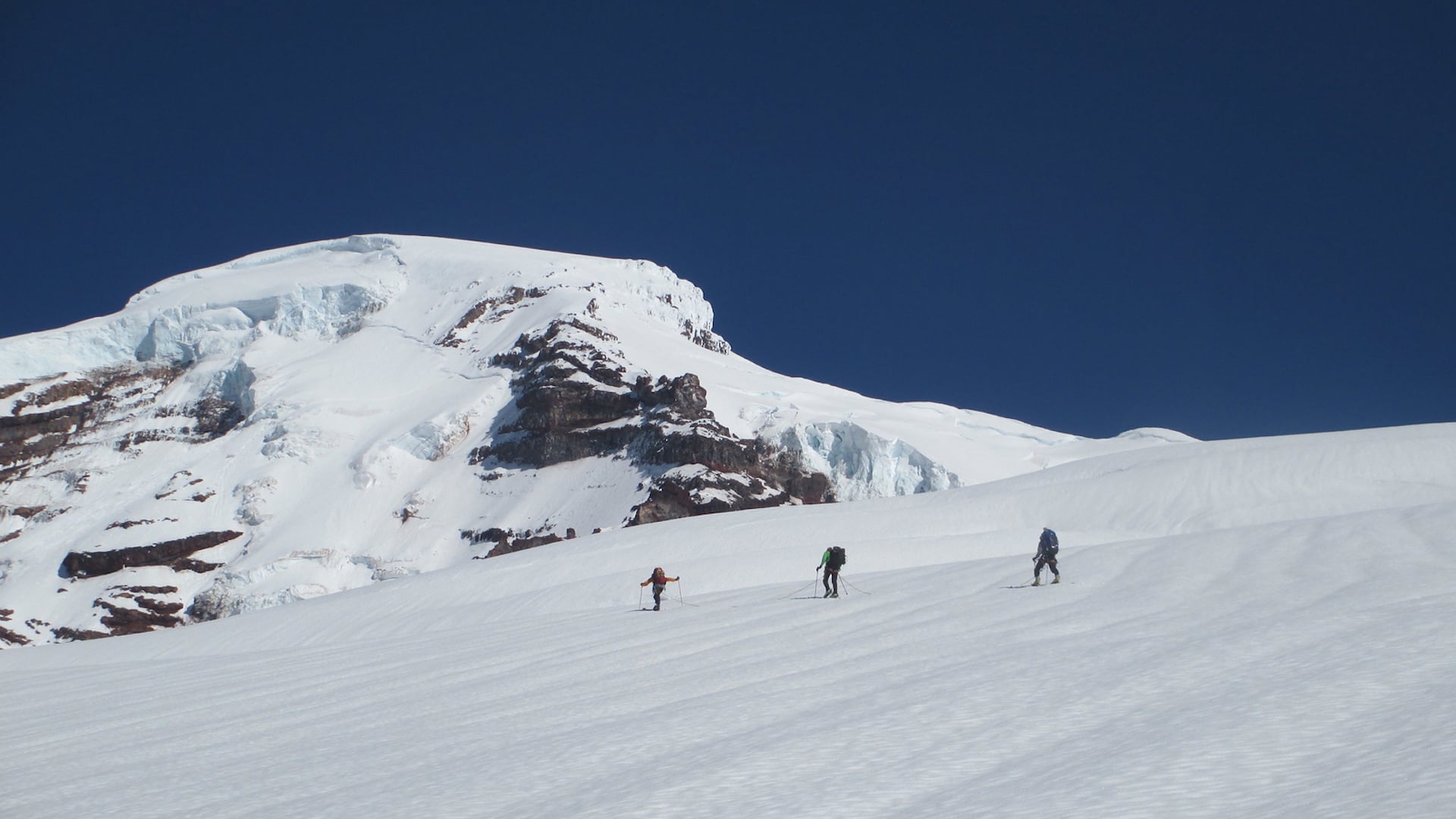
We approach the route via the Northeast Fork of the Kahiltna Glacier. After a flight into the Southeast Fork Basecamp, we move up the Lower Kahiltna to the normal Camp 1 used on the standard West Buttress route, then piece together a route up the Northeast fork, continuing past the toe of the West Rib to the base of the Cassin Ridge in the basin at 12,000 feet.
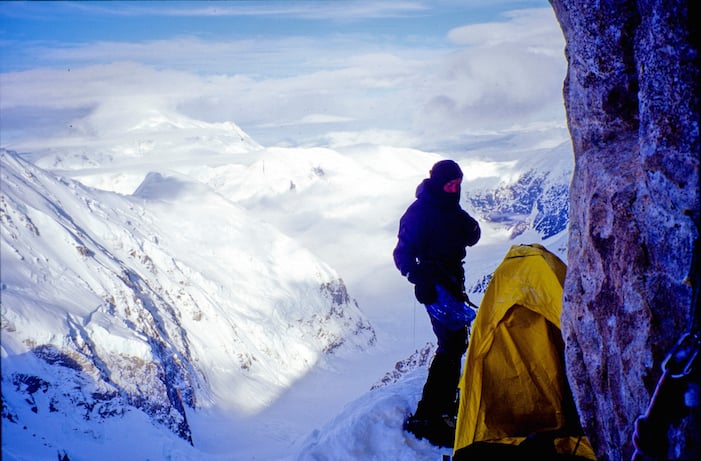
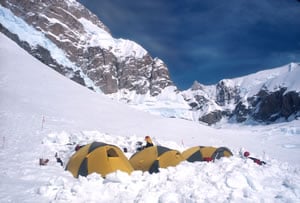
After several days of acclimatization while based at a Bergschrund Camp, we begin the ascent by tackling what many climbers consider the most demanding part of the route, the Japanese Couloir. Twelve full pitches of 60 to 65-degree hard ice with occasional mixed rock climbing lead to the crest of the ridge at 13,400 feet and the first bivouac on the narrow Cassin Ledge.
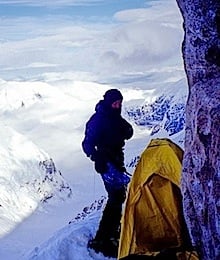
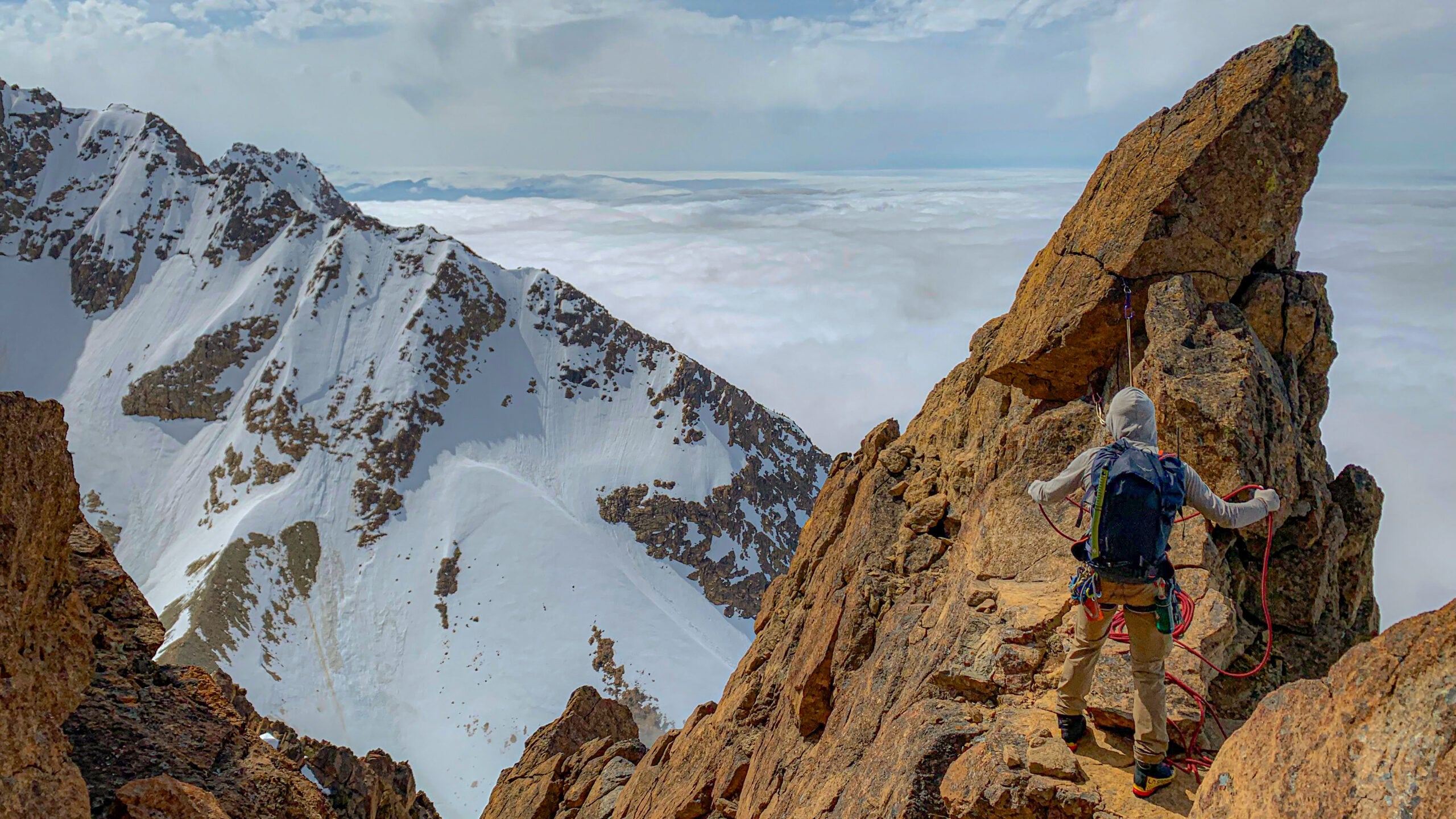
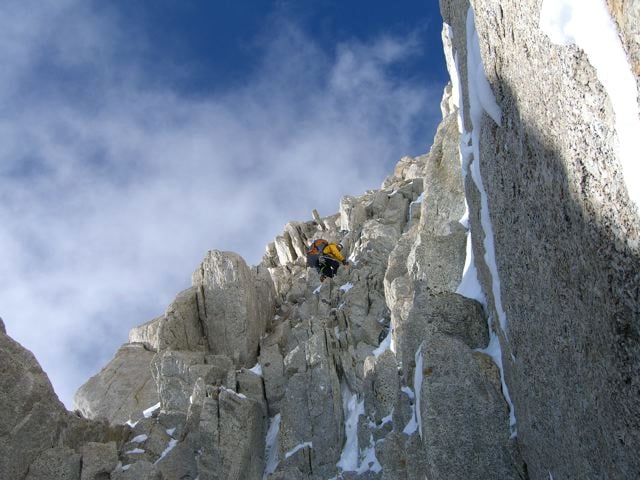
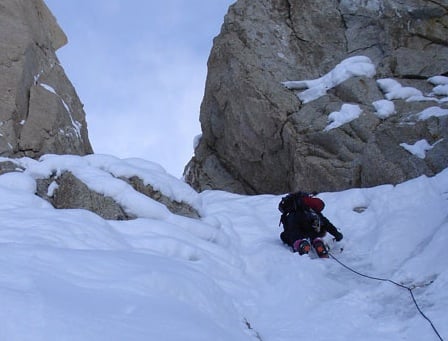
Just above the Cassin Ledge, the technical crux of the route presents 5.8 mixed climbing up a steep gully. Above this, several pitches of mixed climbing reach the base of a 1,500-foot ice rib, sometimes called “Cowboy Arete”, which we ascend in nine pitches of steep, rising traverses on ice and snow. We finish the rib at the toe of a small hanging glacier, and there we are able to establish a comfortable camp in a large crevasse. After a rest day, we climb to the top of the glacier where we are able to bivy deep in a narrow bergschrund at the foot of the first rock band at 14,300 feet.
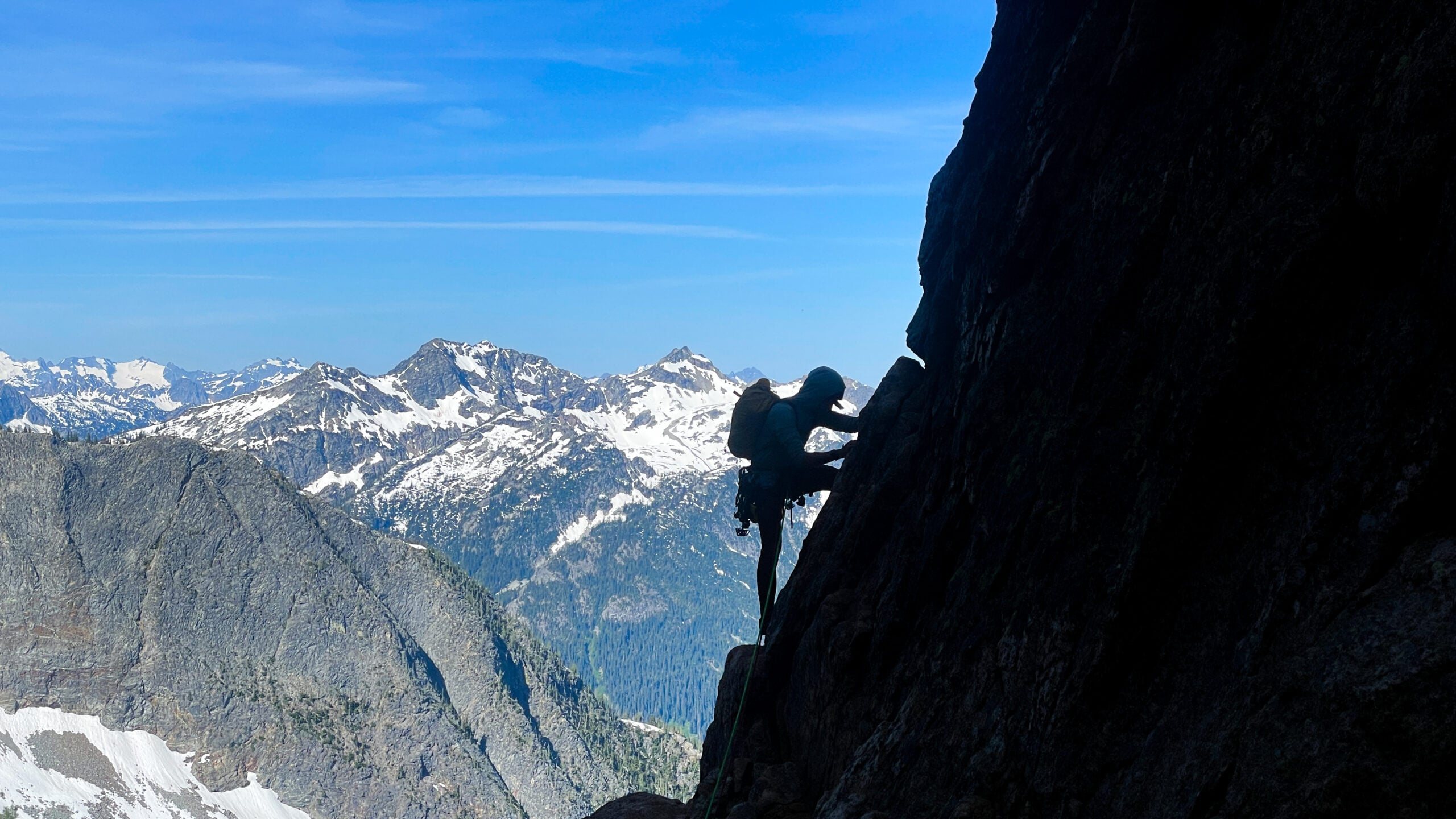
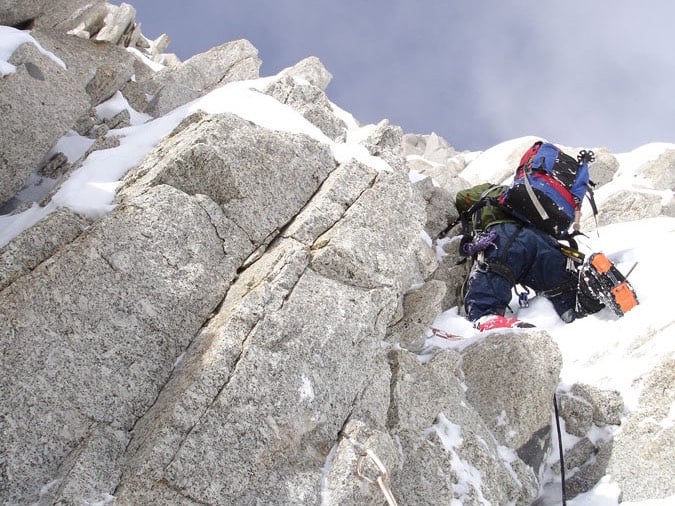
The first rock band has both mixed and pure rock pitches up to 5.7 in difficulty. We are on very steep ground for 1000 feet; with good protection, comfortable belay stances, and high quality rock, this face climb is very exhilarating. Higher up the terrain eases back to steep snow climbing, and at about 15,800 feet we dig into an exposed snow slope for our camp at the base of the second rock band.
In the second rock band, we encounter more challenging mixed climbing up to 5.7. A short snowfield leads to the third rock band, a 50-degree couloir, and the end of the most difficult part of the route at 17,000 feet. Our exposure to this point has been steadily increasing: to our left and right the ridge drops away abruptly to the cliffs of the Southwest and South Faces. Either way it is about 5,000 feet to the glaciers below.
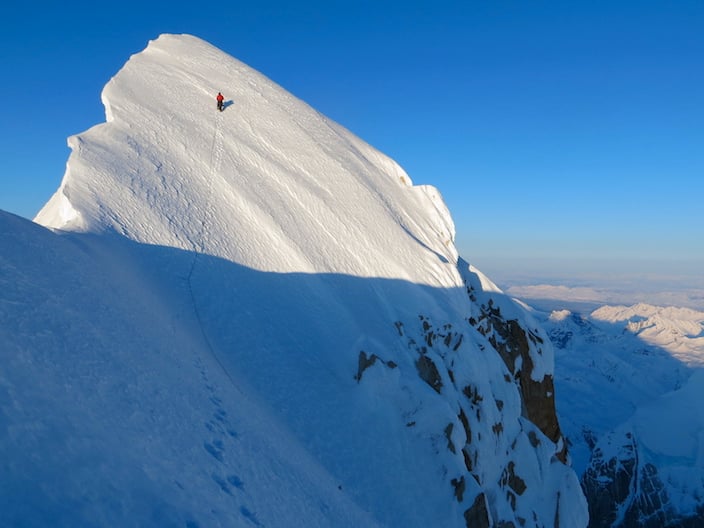
Above 17,000 feet our climbing takes us over alternating moderate and easy terrain until we eventually reach our final challenge, a 400-foot, 65-degree ice face. Above that we reach the clearly defined summit ridge, which in just fifteen minutes, leads us to our final step of ascent and to the summit of North America.
On our descent via the West Buttress route, we are able to enjoy the scenic west side of the mountain as well as distant views of the Cassin.
This route is one of the world’s classics; it is an incredibly challenging line that offers technical and aesthetic rewards from beginning to end.
 Details