







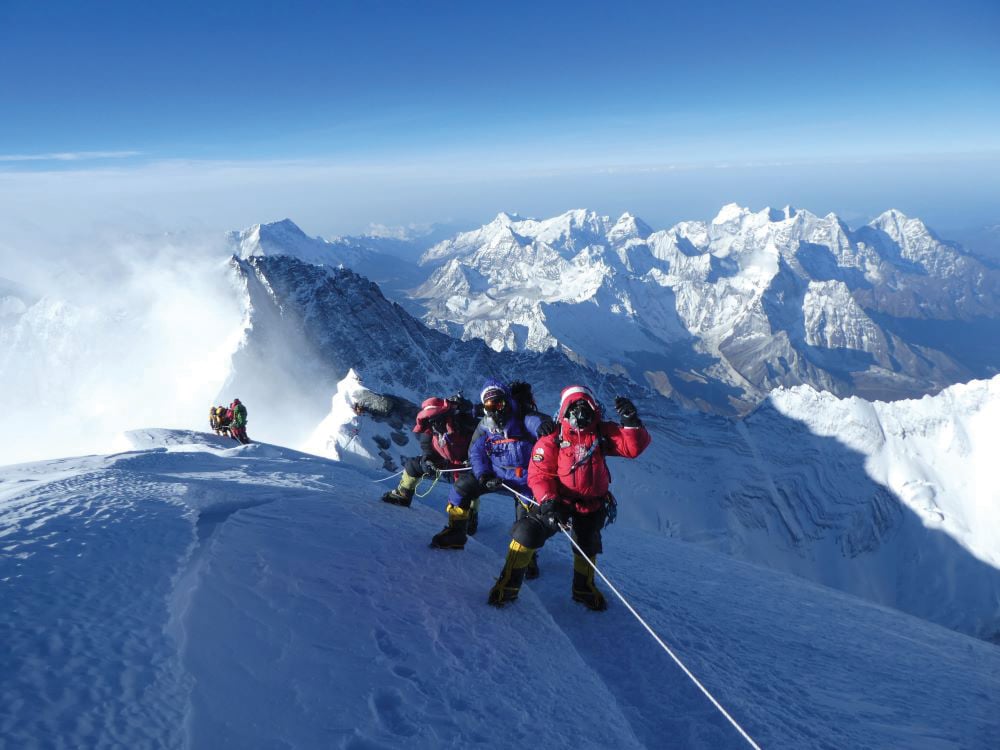
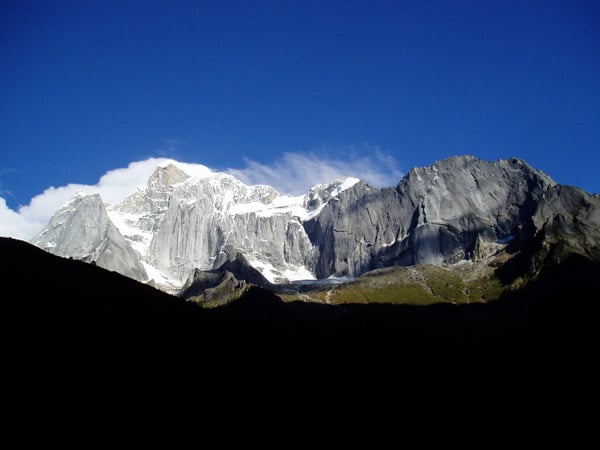


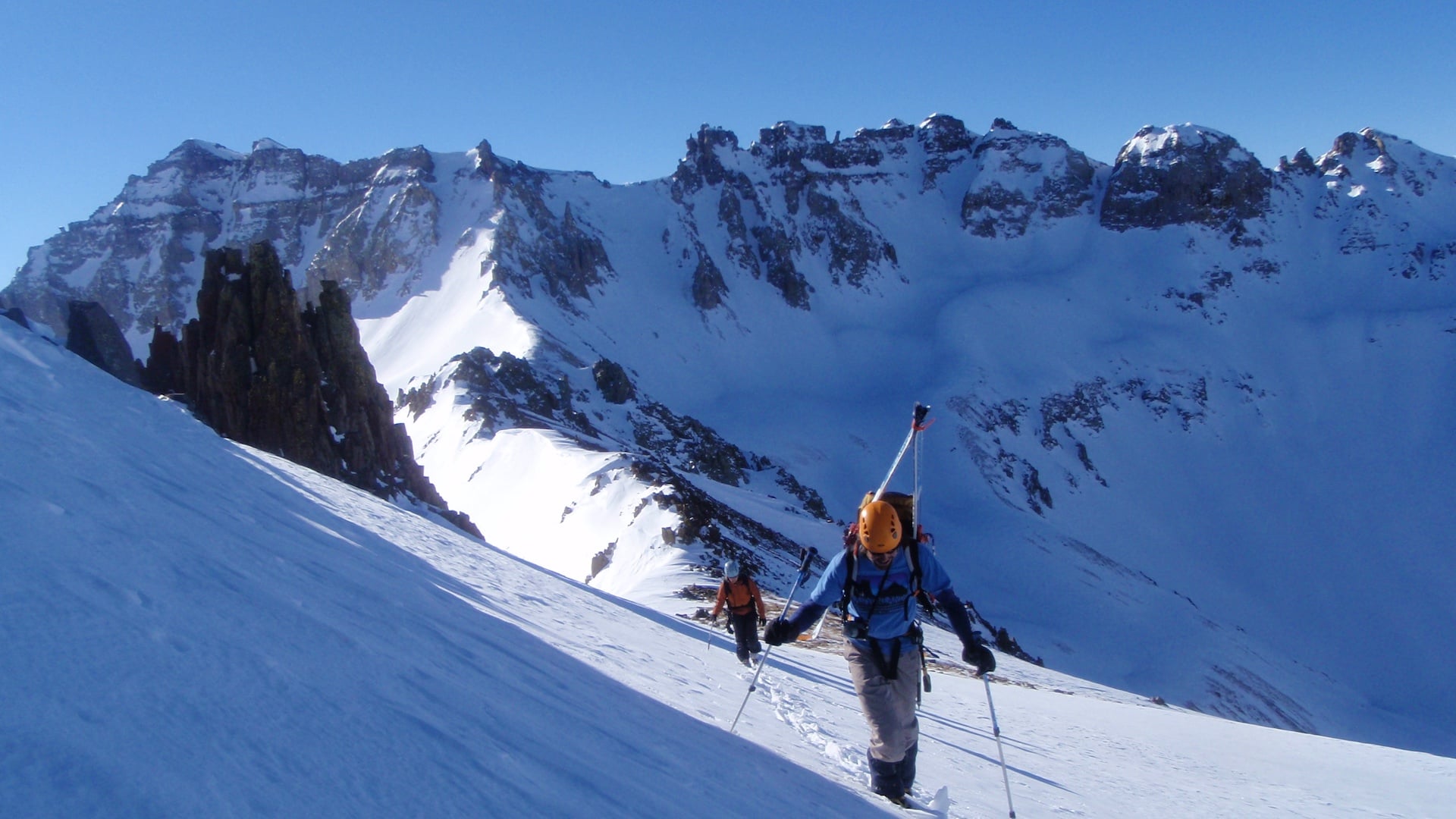
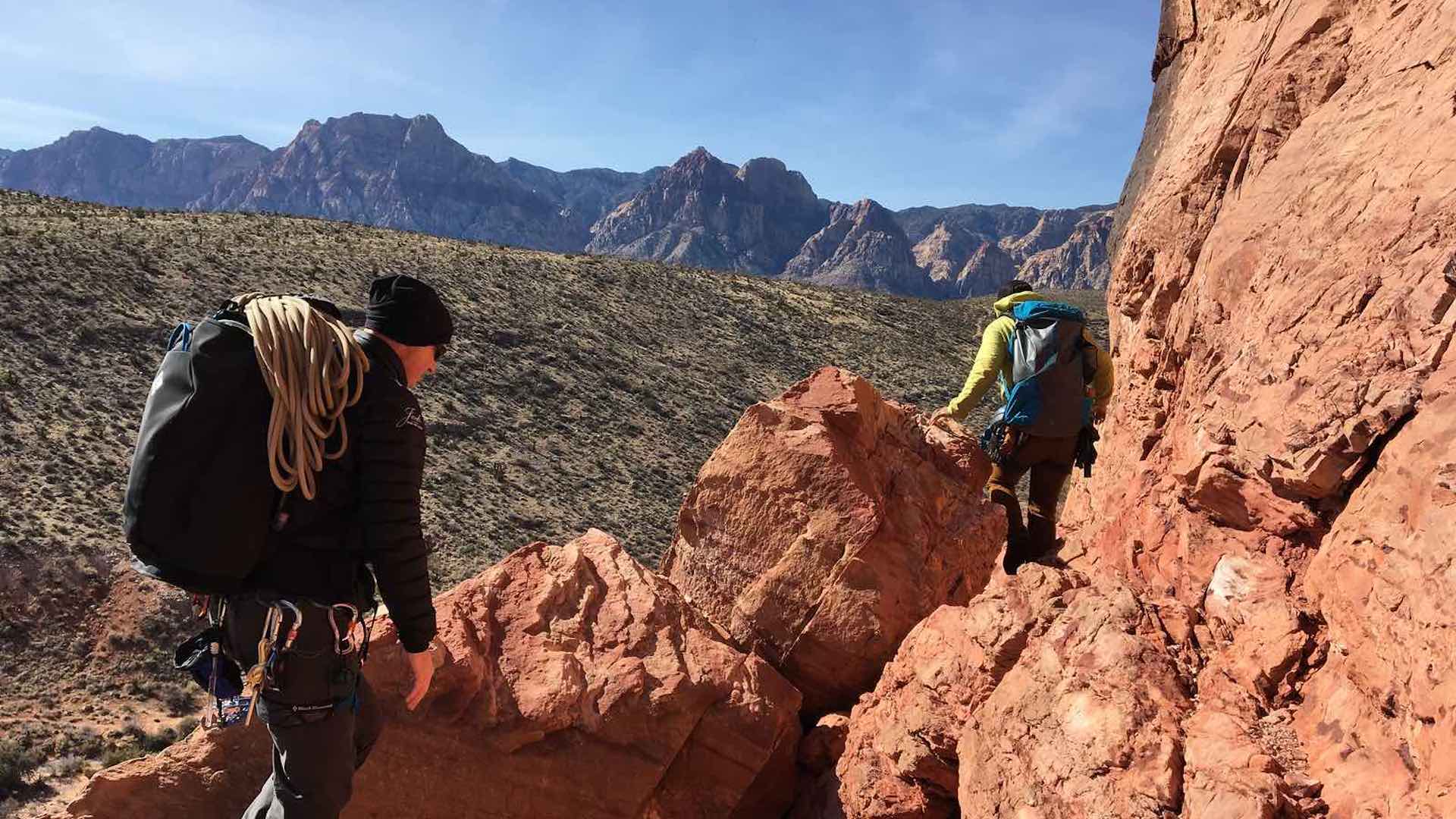


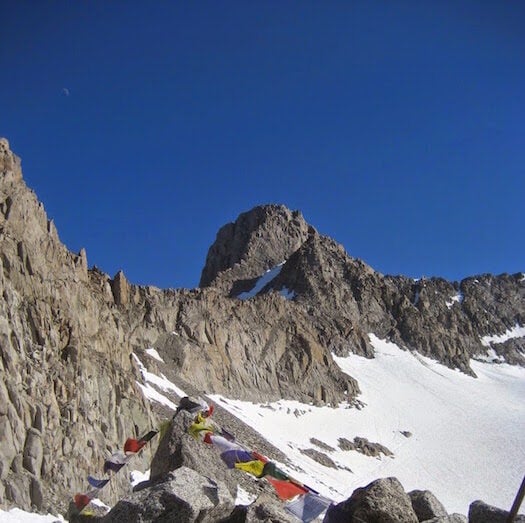
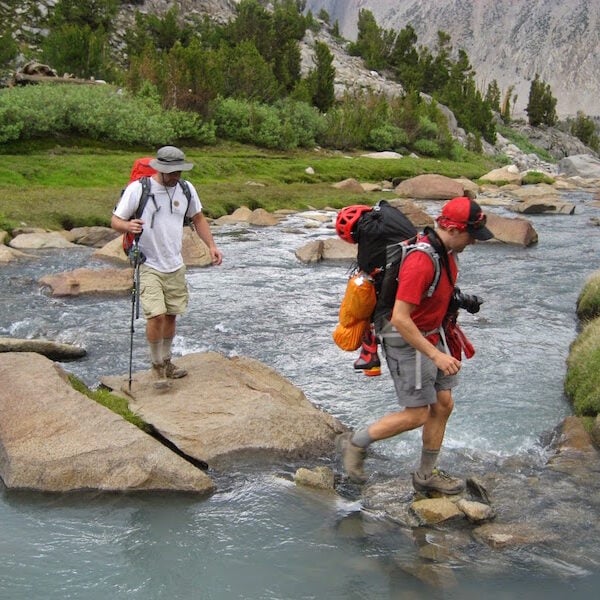
We’ve put together a list of the fifteen peaks in California that break the fourteen thousand foot barrier. Climbing routes on these peaks are varied and cater to a wide variety of interests and abilities. Each peak affords stunning views of the beautiful landscapes of California, and only two (Mt. Shasta and White Mountain Peak) lie outside the Sierra Range.
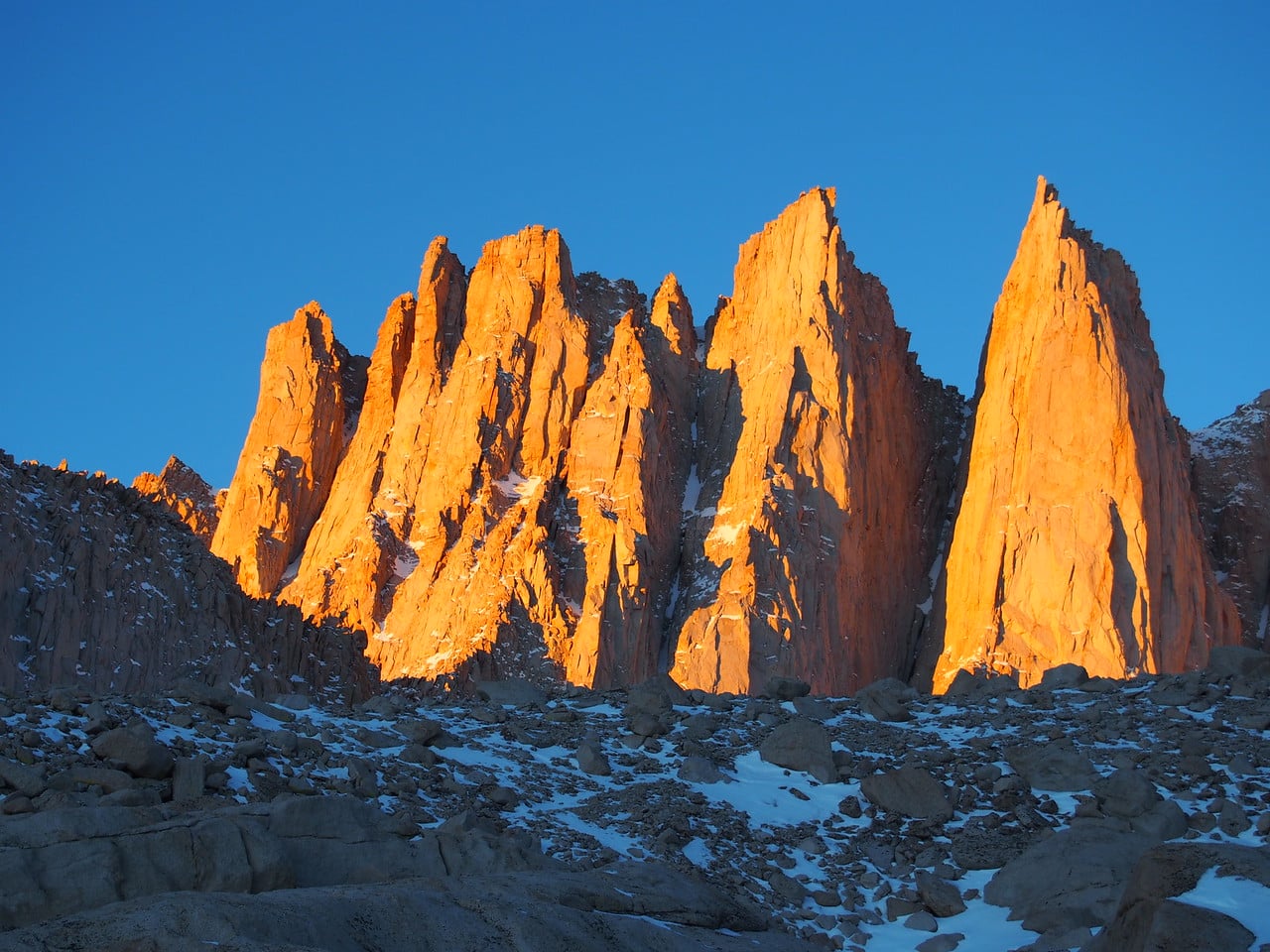
Mount Whitney, 14,505’
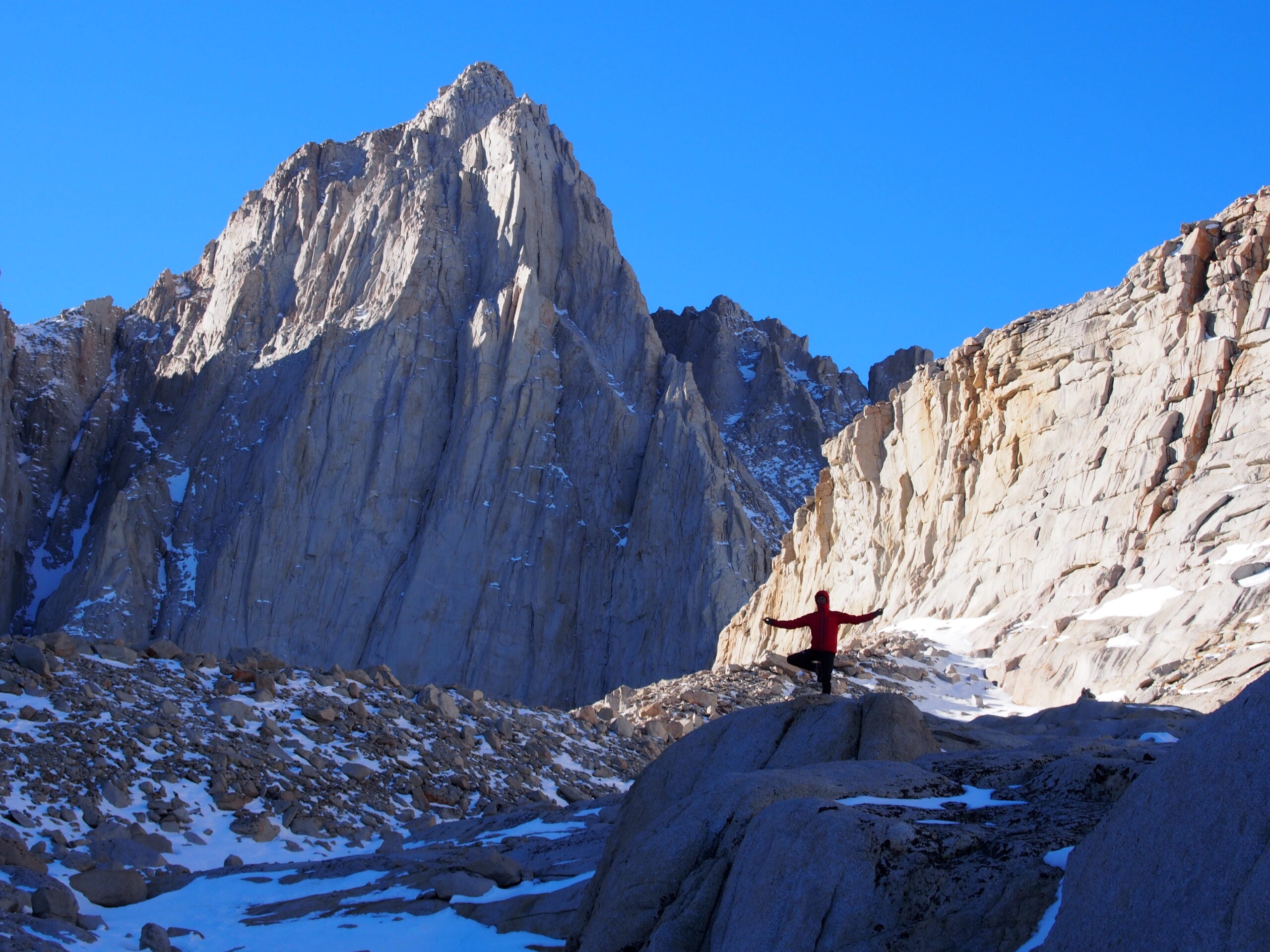
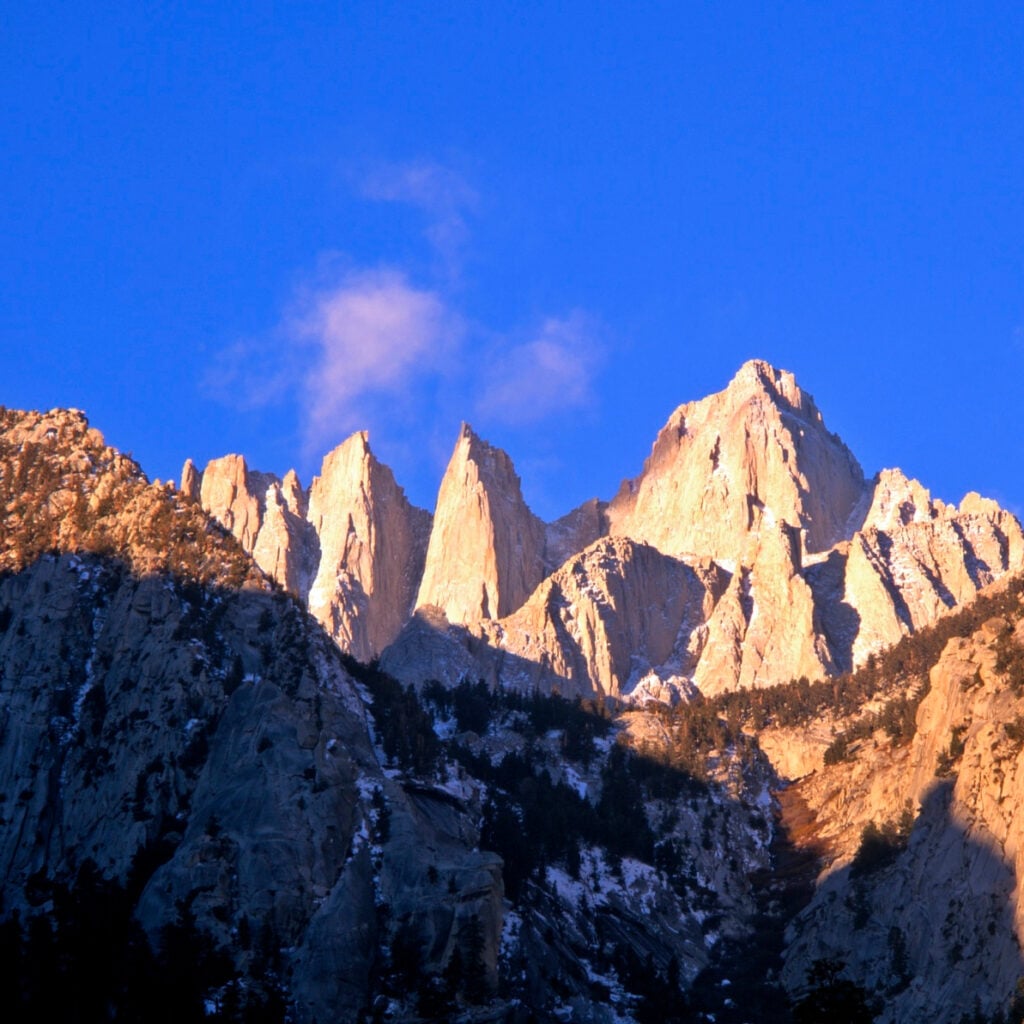
Mt. Whitney is the highest summit in the lower 48 states and one of the most awe-inspiring peaks in America. In addition to altitude, it offers outstanding granite, remarkable views, and multiple climbing options. Ascents range from moderate scrambling to snow and mixed alpine climbing to technical rock. Among other superlatives, Mt. Whitney can brag of perhaps the best technical rock climb in the United States – the ultra-classic East Buttress. We climb this peak throughout the year. Click on the link for more information on our Mt. Whitney Climb program.
Mount Williamson, 14,379’
Formerly closed to climbing much of the year because of its location in the California Bighorn Sheep Zoological Area, this peak is now open to climbing year-round. Though not technically difficult, climbing this peak is a serious endeavor because of its remoteness and wilderness nature. Due to the long approach, ascents are often combined with a romp up the neighboring fourteener, Mount Tyndall.
White Mountain Peak, 14,252’
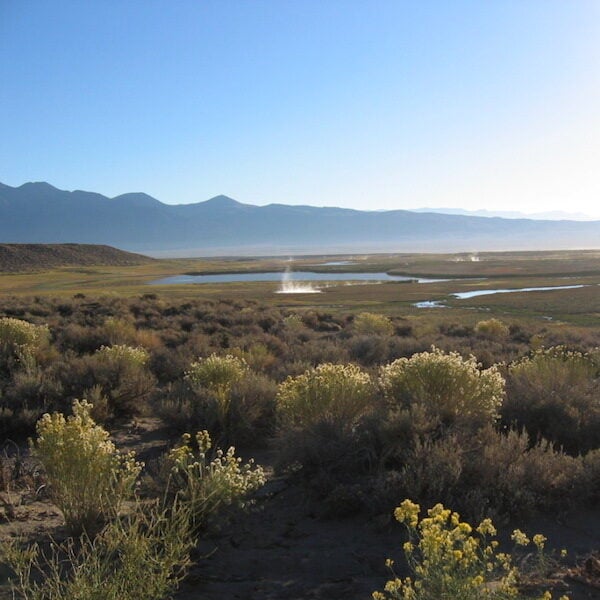
This summit is the crown of the White Mountains, a range of desert peaks that forms the dramatic eastern wall of The Owens Valley. Since the easiest way up this peak is a walking trail, many climbers make the ascent as part of a more challenging undertaking – the White Mountains Traverse. This remote, high-altitude route takes us from Boundary Peak (13,146′ – the highest point in Nevada) along a high ridge to the summit of White Mountain Peak.
North Palisade, 14,248’
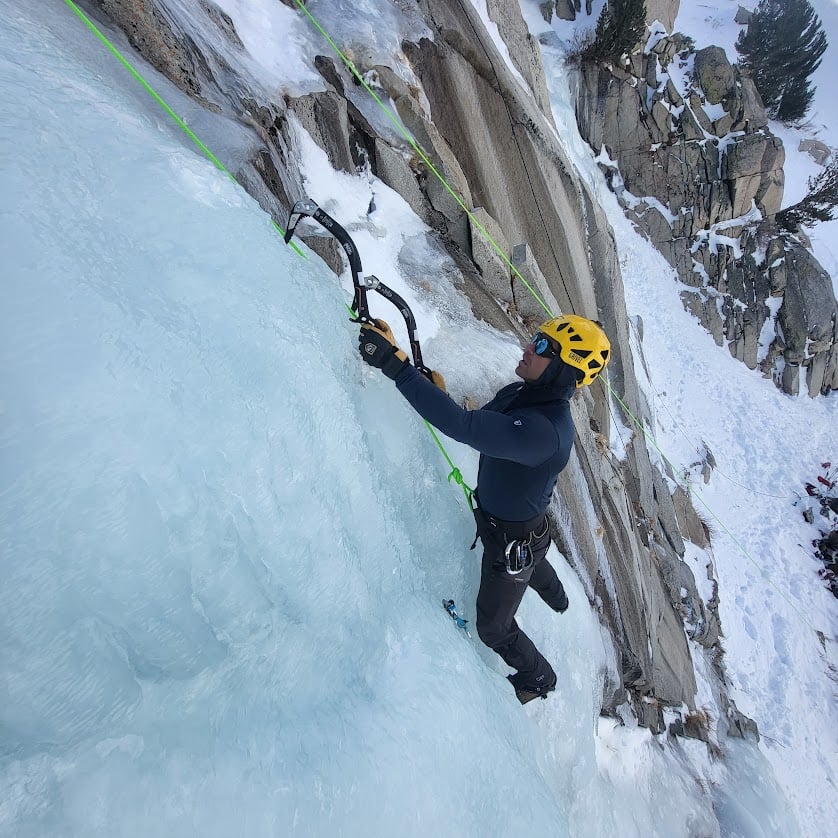
Standing high above the Palisade Glacier, the largest glacier in the Sierra, North Palisade features one of the most classic alpine ice routes in the range, the U-Notch Couloir. The west side of the peak can also be climbed via fun 4th class scrambling on the LeConte Route. Tricky route finding turns some parties back, but our guides know the way. We often climb North Palisade as part of our Sierra Mountaineering course. We also tag this summit on the Palisade Traverse.
Starlight Peak, 14,226’
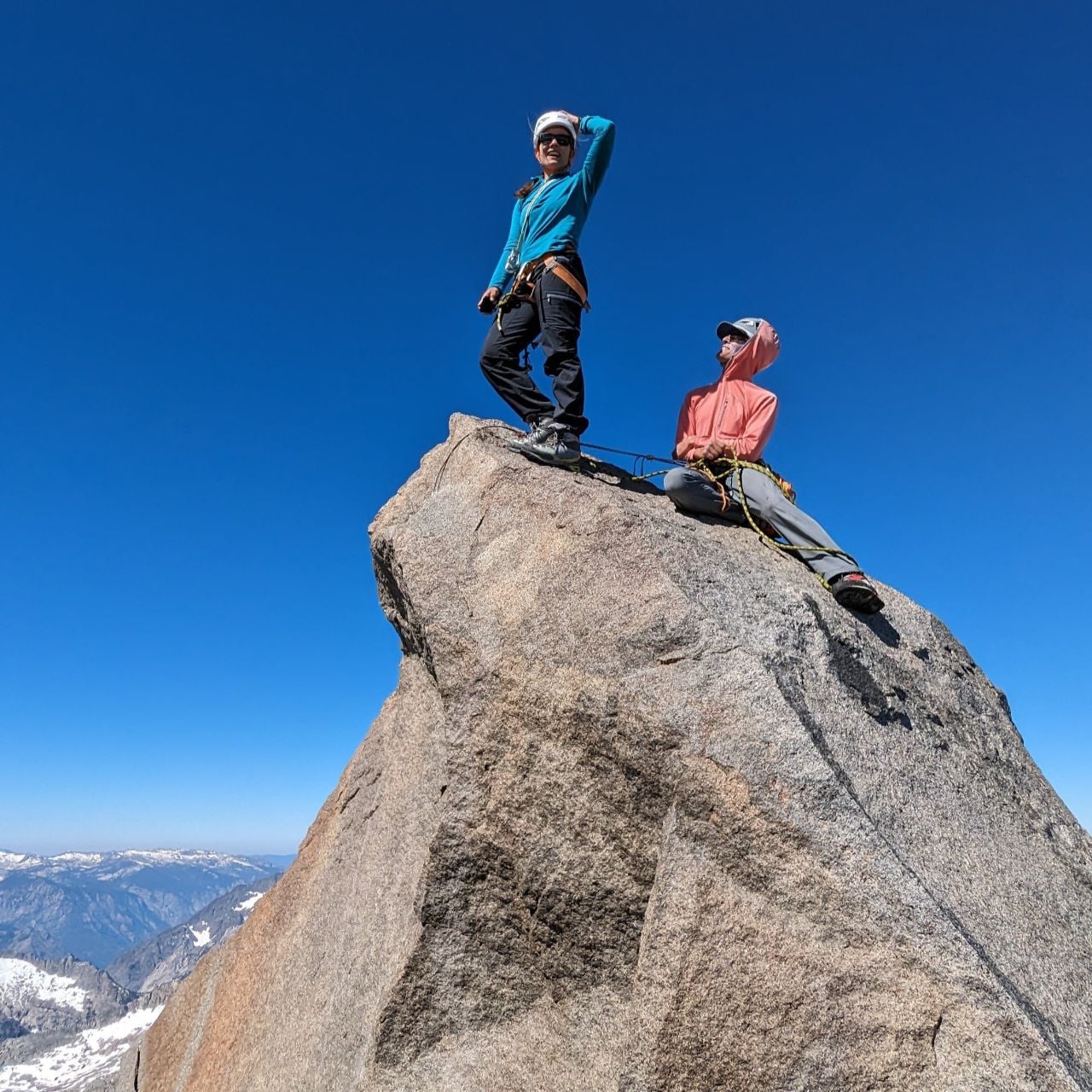
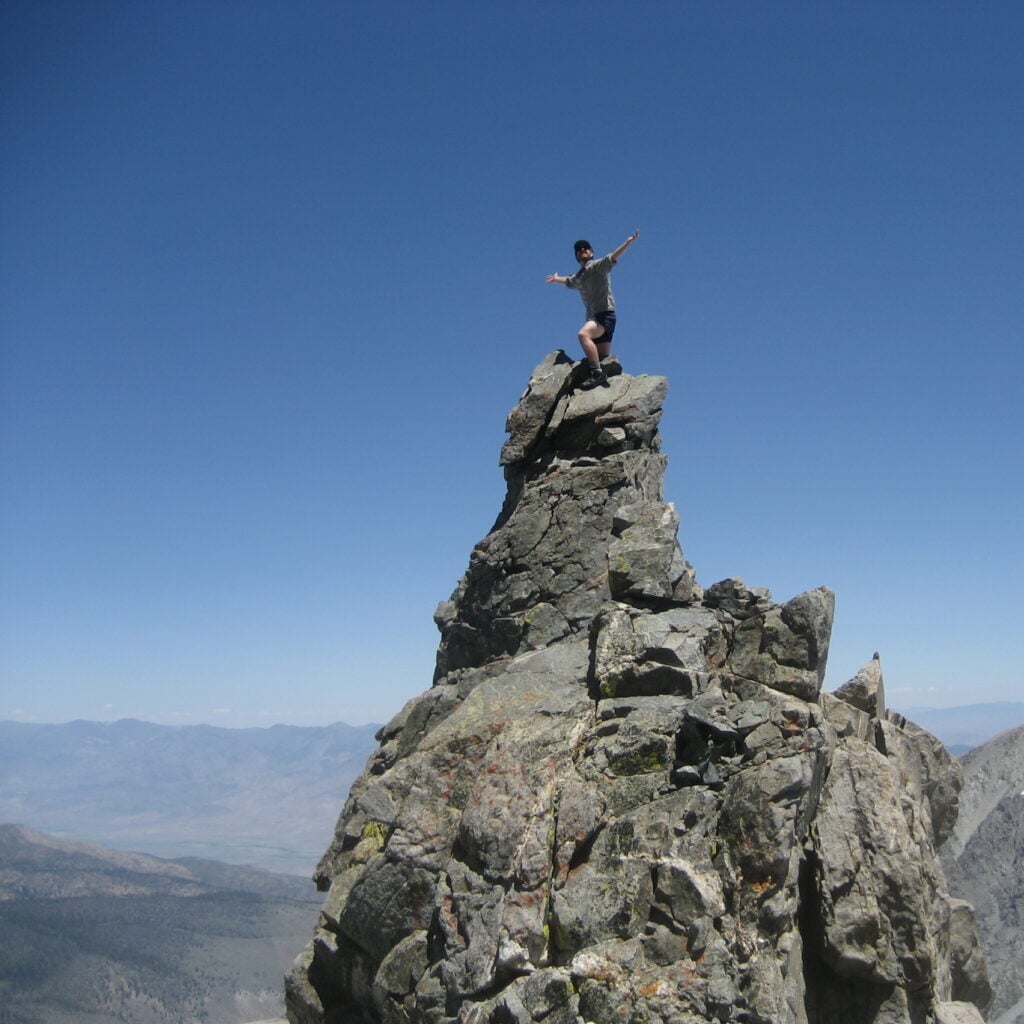
This is the twin summit of North Palisade. Its summit block, known as The Milkbottle, is a 30 foot granite spire with a tiny top and is an excellent spot for photos. Though usually climbed in conjunction with other peaks as part of the Palisade Traverse, we can also get to this summit on its own from the east via Starlight Buttress (5.5) or from the west via a camp in lovely and remote Palisade Basin.
Mount Shasta, 14,179’
One of two California Fourteeners outside of the Sierra Nevada, Mount Shasta is the southernmost major volcano in the Cascade range (with the exception of the relatively minor Lassen peak). This peak draws aspiring climbers from all over, as its glaciated bulk is visible from Interstate 5. Though it can be climbed year-round and from any aspect, those in the know often choose one of the peak’s snow and ice routes in the late spring.
Mount Sill, 14,159’
Mt. Sill is one of the Sierra giants, and it rises to its imposing 14,159-foot summit in the heart of the Palisades, one of the most spectacular alpine cirques in North America. Climbers have several options on this peak, but all involve crossing the Palisade Glacier. The Swiss Arête is a route much admired for its purity of line, spectacular location, and quality of rock. This route is often climbed as part of our Sierra Mountaineering course. The North Face varies by the season but involves some rock scrambling and possibly mixed snow and rock climbing.
Polemonium Peak, 14,106
This peak is named after Polemonium Eximium (the common name is Sky Pilot) a beautiful flower unique to the Sierra Nevada that grows between 9,000 and 14,000. While often climbed in combination with its neighbors Mount Sill and North Palisade or on the Palisade Traverse, this mountain is also home to one of the more classic alpine ice routes in the range, the V-Notch Couloir.
Mount Russell, 14,094’
Mount Russell is one of the finest climbers’ peaks in the High Sierra and would be far more popular if it was not a neighbor to Mount Whitney. The East Ridge is the standard route on the peak. High quality rock and thrilling exposure make it one of the finest 3rd class routes in the country. Experienced rock climbers should consider the Fishhook Arete. This striking feature has two pitches of 5.9, mixed in with mostly 5.7-5.8 climbing in a spectacular position.
Split Mountain, 14,064’
Split Mountain is one of several fourteeners that form the western rampart of The Owens Valley. This dramatic looking peak is made up of two differently colored types of granite. The standard route begins at Red Lake and climbs the peak from the east on 3rd class terrain. This mountain is also home to two classic but ephemeral Sierra ice routes.
Mount Langley, 14,032′
This is the southernmost fourteener in California. It’s also one of the easiest fourteeners to climb, which makes it a great introduction to wilderness travel. The New Army Pass route is a walk-up, while the north and south faces provide excellent technical rock climbing.
Mount Tyndall, 14,025′
First climbed in 1864 by surveyors who thought they were climbing Mount Whitney, this peak features technical rock climbs on the east face and a scrambling route on its north side. As the approach is long, most climbers choose to combine a climb of this peak with one of nearby Mount Williamson. Both can be climbed from a high camp near Shepherd’s Pass. Because of its remote nature a trip up Tyndall is strenuous, though not technically difficult.
Mount Muir, 14,018′
Mount Muir sits just south of Mt. Whitney and about an hour from the summit of Whitney on the hikers trail. There’s also a 4th class/easy 5th class route that climbs the east face. That route is also approached from the trail. Mount Muir is a good side trip for those who have more energy than the average Whitney hiker.
Middle Palisade, 14,018′
Located in the heart of the Palisade region, we climb this peak via its East Face. We begin the approach to the peak on a trail that takes us into the Palisade backcountry and then leave the trail to arrive at one of several scenic camps. From camp we cross a small glacier to access the peak. The climb itself is a thrilling 1,200 feet of 3rd and 4th class rock to the summit blocks.
Thunderbolt Peak, 14,009
The last California Fourteener to be climbed, this peak offers climbers several alternatives, including a long aesthetic ridge climb and several alpine couloirs, but all wind up at the summit block. We top out via either a 5.9 boulder problem or a rope trick. Ascents of this peak can be combined with others in the Palisade region, including Starlight, North Palisade, or Polemonium. We also climb this peak on the Palisade Traverse.
 Details