













Please note, this course is sponsored by American Alpine Institute and is directly run by American Avalanche Institute instructors. It follows the curriculum guidelines set out by the American Avalache Association (A3).
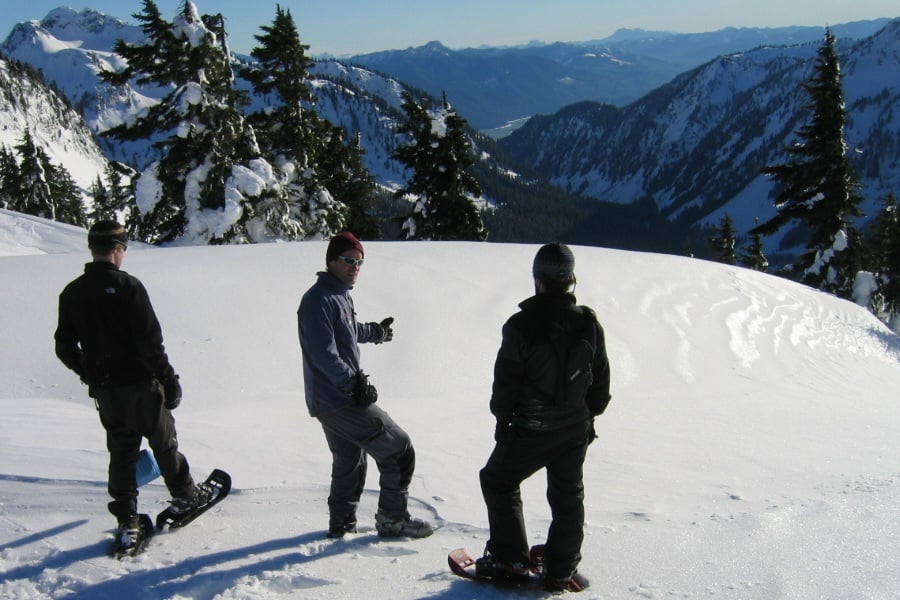
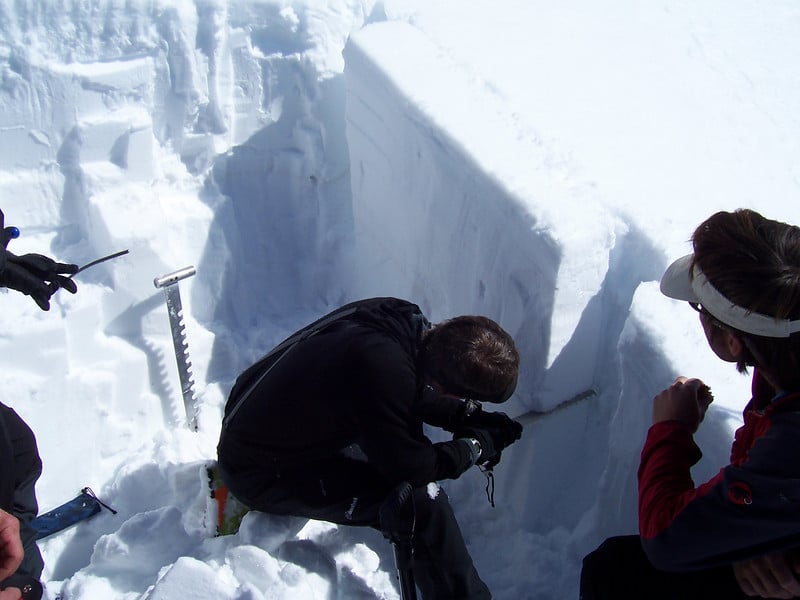
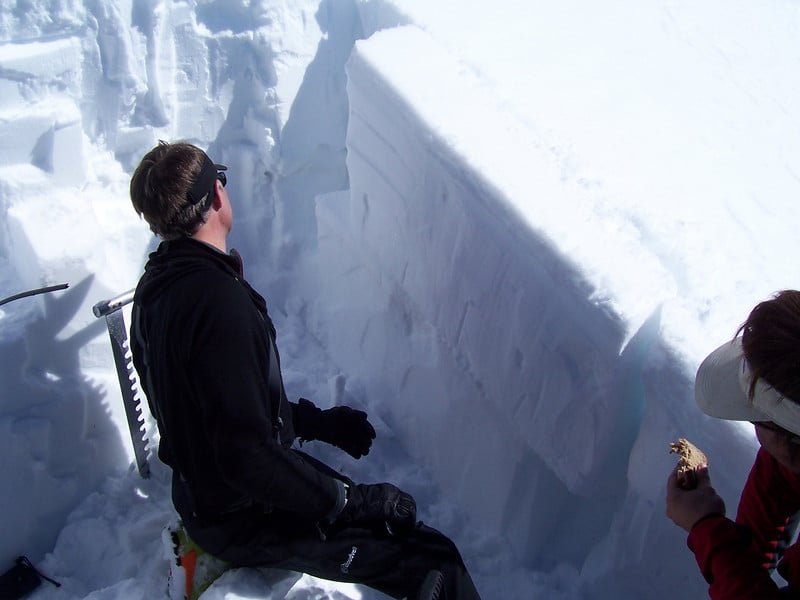
This course is the highest level of formal avalanche training in the U.S.. This course is designed for avalanche workers moving into leadership roles within their operations or for experienced workers who desire to continue to develop their risk management leadership skills. The course progresses beyond hazard analysis and moves into avalanche forecasting for different avalanche problems, snow climates and operations. The course will advance the skills for both mitigation-based and avoidance-based avalanche professionals. The tools taught and practiced will apply equally well for ski patrollers, guides, outdoor educators, public avalanche forecasters, and highway program personnel. The course will also address the distinctions between “mitigators” and guides and add tools for both sets to use. Approximately half of the course is classroom based and half is field based. We will travel in the backcountry, in and around avalanche terrain.

The course provides course participants with an industry based framework to make decisions in avalanche terrain and to manage avalanche hazards common to avalanche control operations and winter guiding scenarios. Participants are required to form opinions, to take on leadership roles, and to utilized team members skills to assist in the process of forecasting avalanche hazard and snow stability and making appropriate terrain choices. Course goals also include evaluating each participant to the AIARE Pro 2 standard.
The Pro 2 course builds on the concepts introduced in the prerequisite Pro 1 certification course, including standardizing snow and weather observations and techniques to the Snow, Weather, and Avalanche Guidelines of the American Avalanche Association (A3). The Pro 2 takes the “trained observer and technician” and begins the process of making the information relevant to the complexities, variability, and influences of terrain.
- Improved understanding of snowpack formation & metamorphism
- An overview of current understanding of avalanche release (related back to what practitioners can readily observe in the field)
- Understanding, and accounting for, spatial variability
- Strengths and limitations of stability tests
- Professional standard of recording data and record keeping.
- Creating personal/professional forecasts and nowcasts based on available information
- Making operational decisions based upon avalanche hazard analysis
- Recognizing trends and patterns in stability
- Efficient & accurate route-finding and group management in complex terrain
- Human factors that influence decision-making as professionals and recreationists
- Technical report writing
Lectures and case studies highlight human factors as they influence the decision making process. New research is included where relevant.
The Pro 2 instructors are required to be current with the latest research and educational tools in use by snow avalanche practitioners and instructors. Each course is presented by a variety of experienced instructors including mountain and ski guides, and avalanche professionals whose background includes ski area or highways control procedures.
 Course Structure