















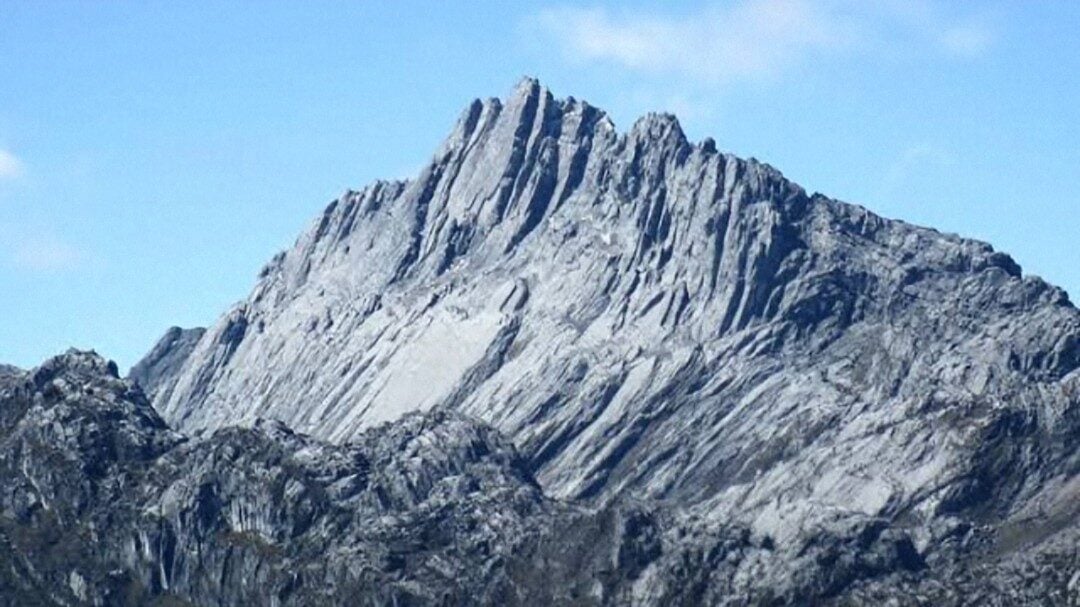

To the uninitiated, mountaineering and alpine climbing sound like two ways to say “climbing mountains.” And in a sense, that’s true — both involve heading into high, wild places with ice axes and ambitions. But in the climbing world, these two terms describe distinct mindsets, techniques, and approaches to the same big goal: standing on top of something that most people only ever see from a distance.
The Broad World of Mountaineering
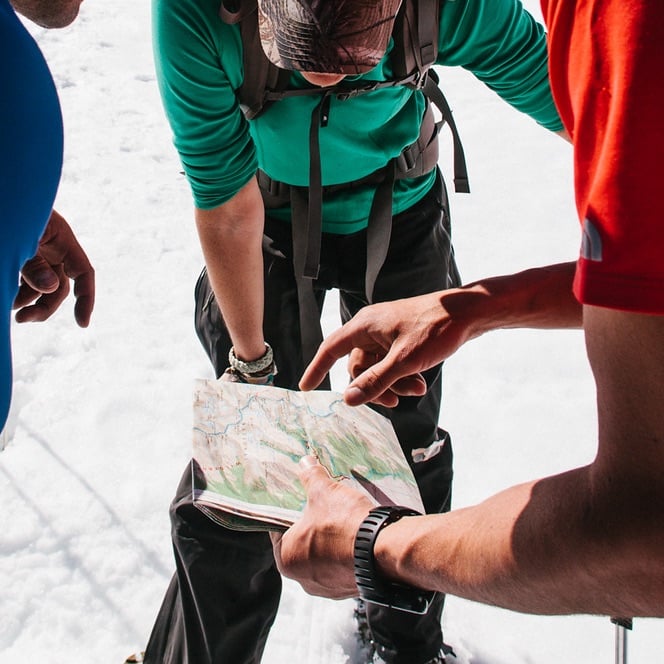
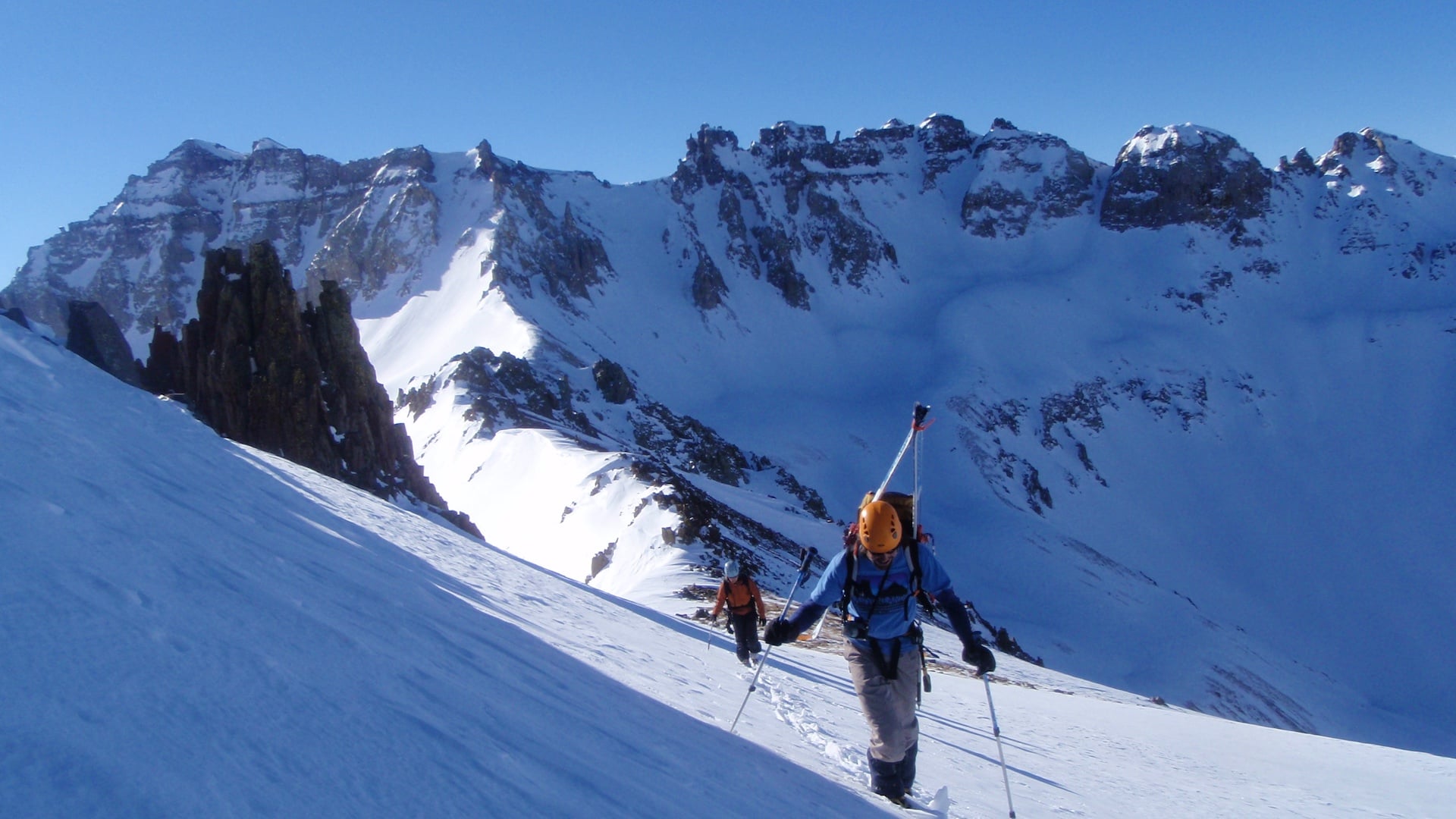
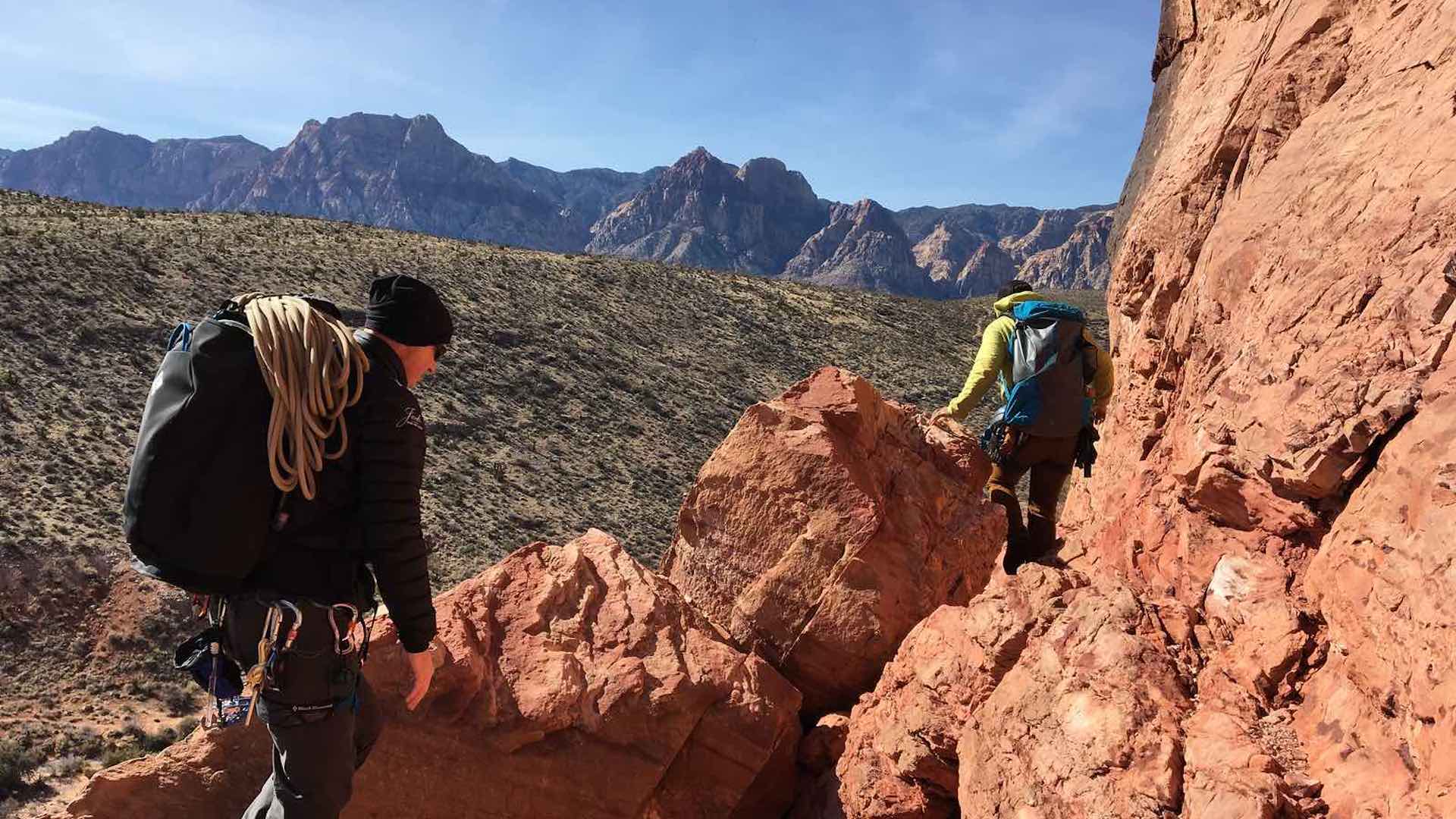
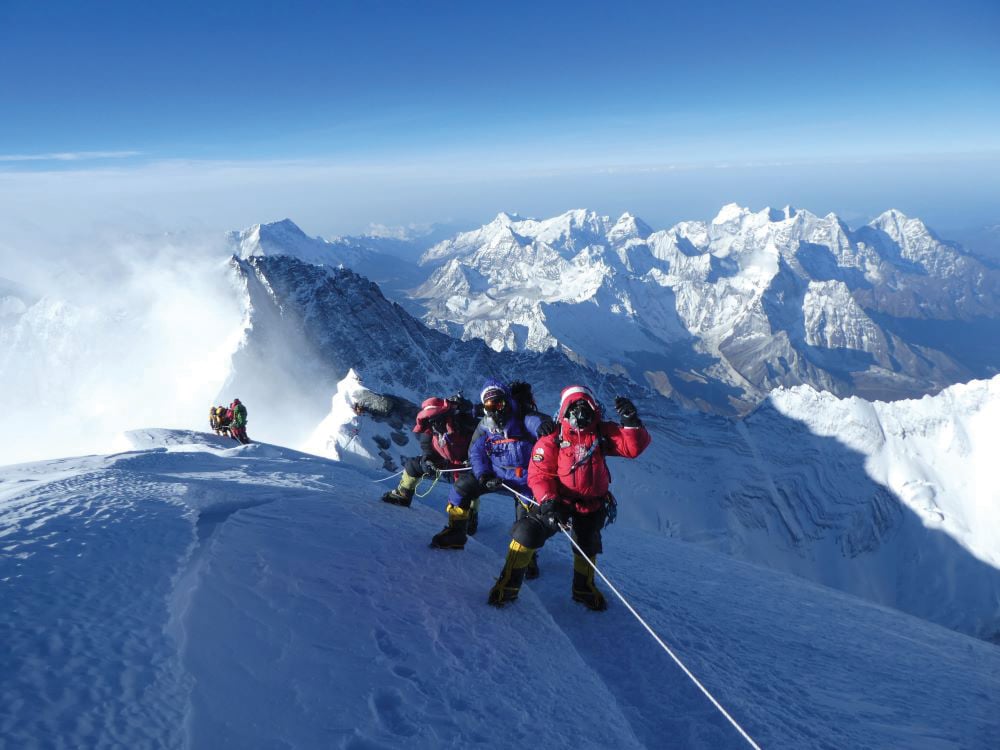
Mountaineering is the parent discipline — the broad art of ascending mountains using a mix of hiking, snow travel, glacier navigation, and sometimes technical climbing. It’s less about style and more about endurance, decision-making, and survival skills in harsh environments. A mountaineer’s tool kit might include crampons, ice axes, ropes, and a sturdy sense of direction.
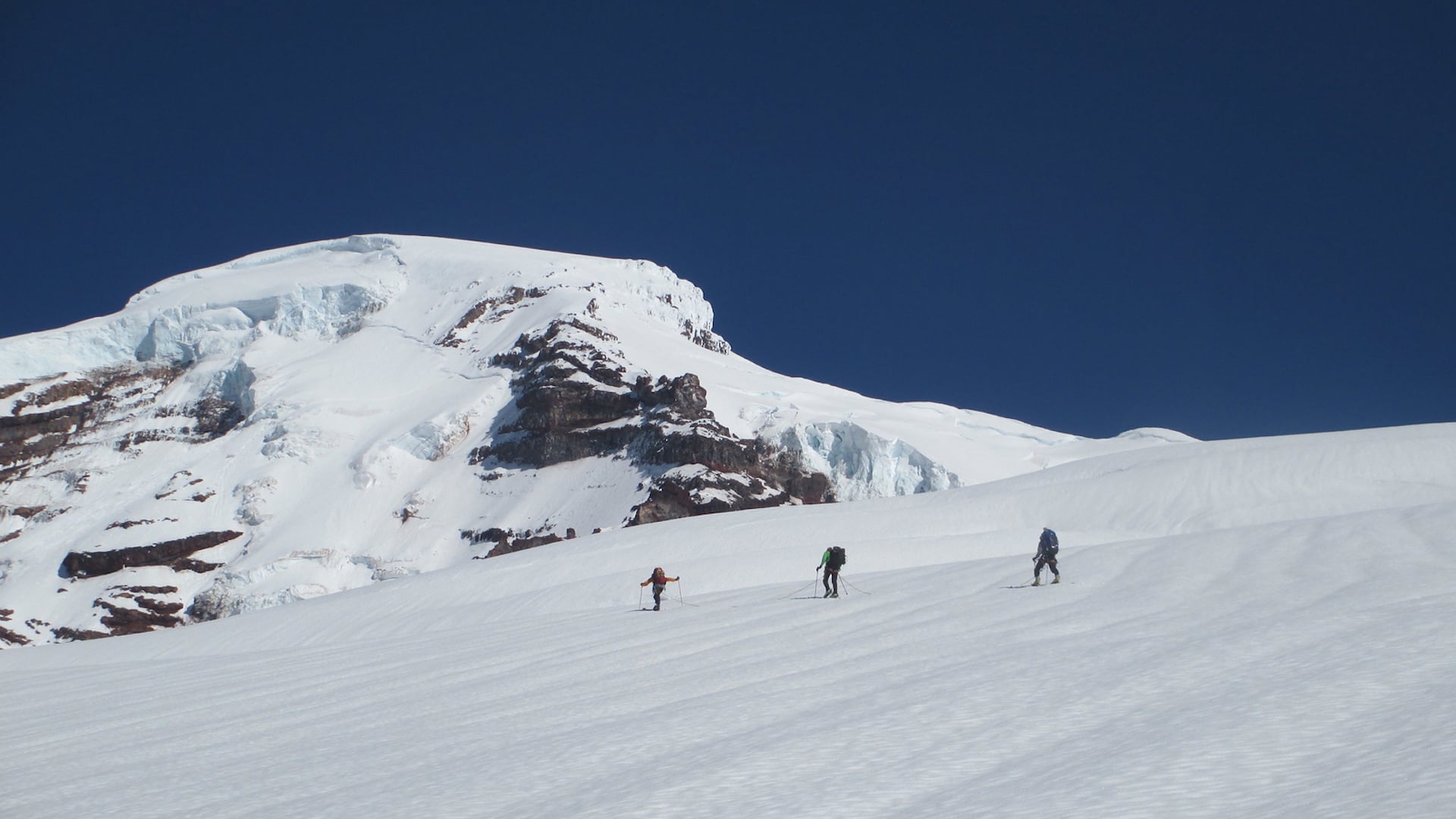
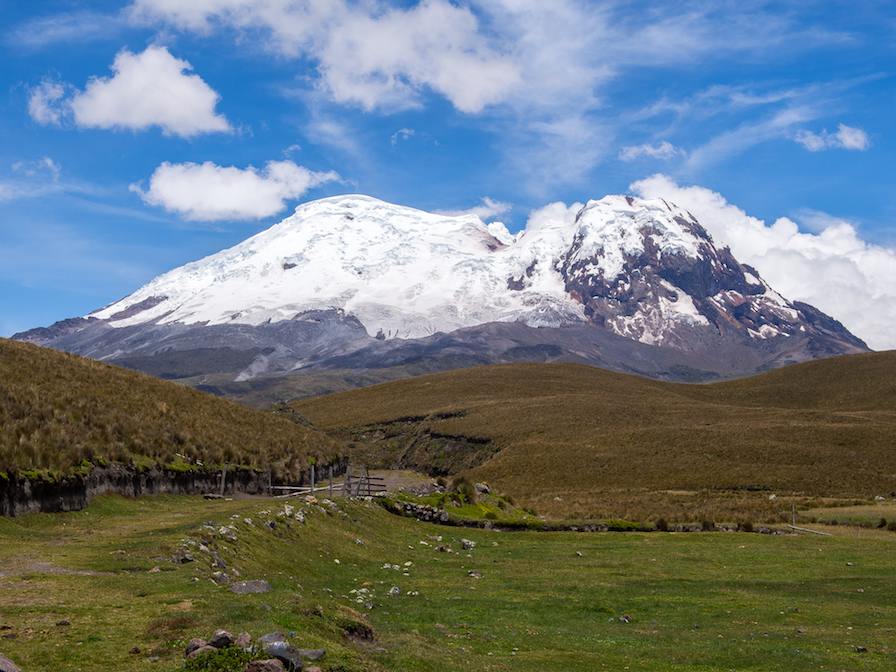
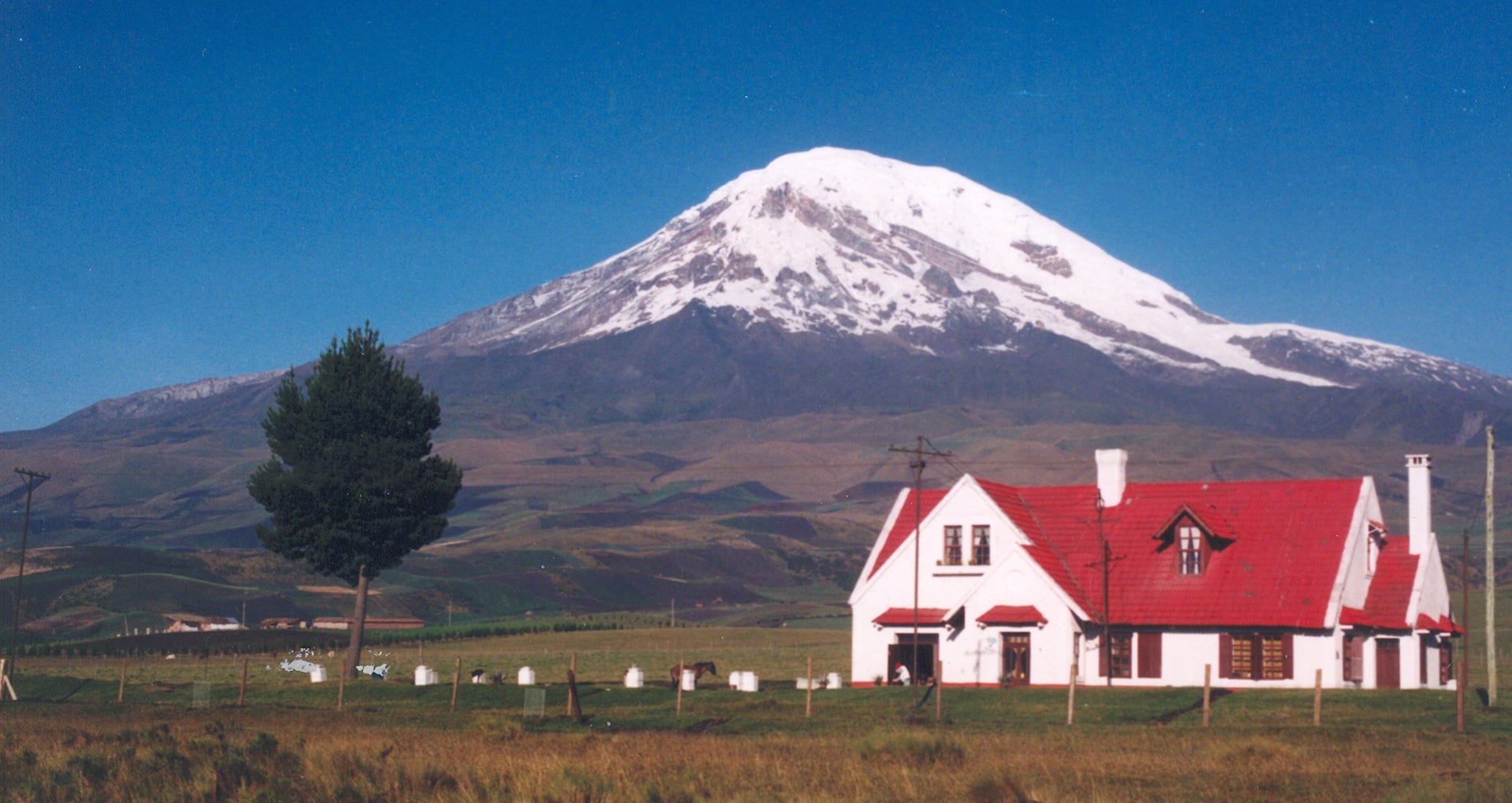
Mountaineering routes vary enormously. Some involve long slogs up snowfields and glaciers, like the standard route on Mt. Baker. Others mix in sections of rock scrambling or easy ice climbing, like many Himalayan trekking peaks. What unites them is the objective: to reach the summit safely. Mountaineers often rely on established camps, fixed ropes, and sometimes even guides or porters. Efficiency is important, but so is safety, preparation, and patience with the mountain’s slow rhythms.
The Edge of Alpine Climbing
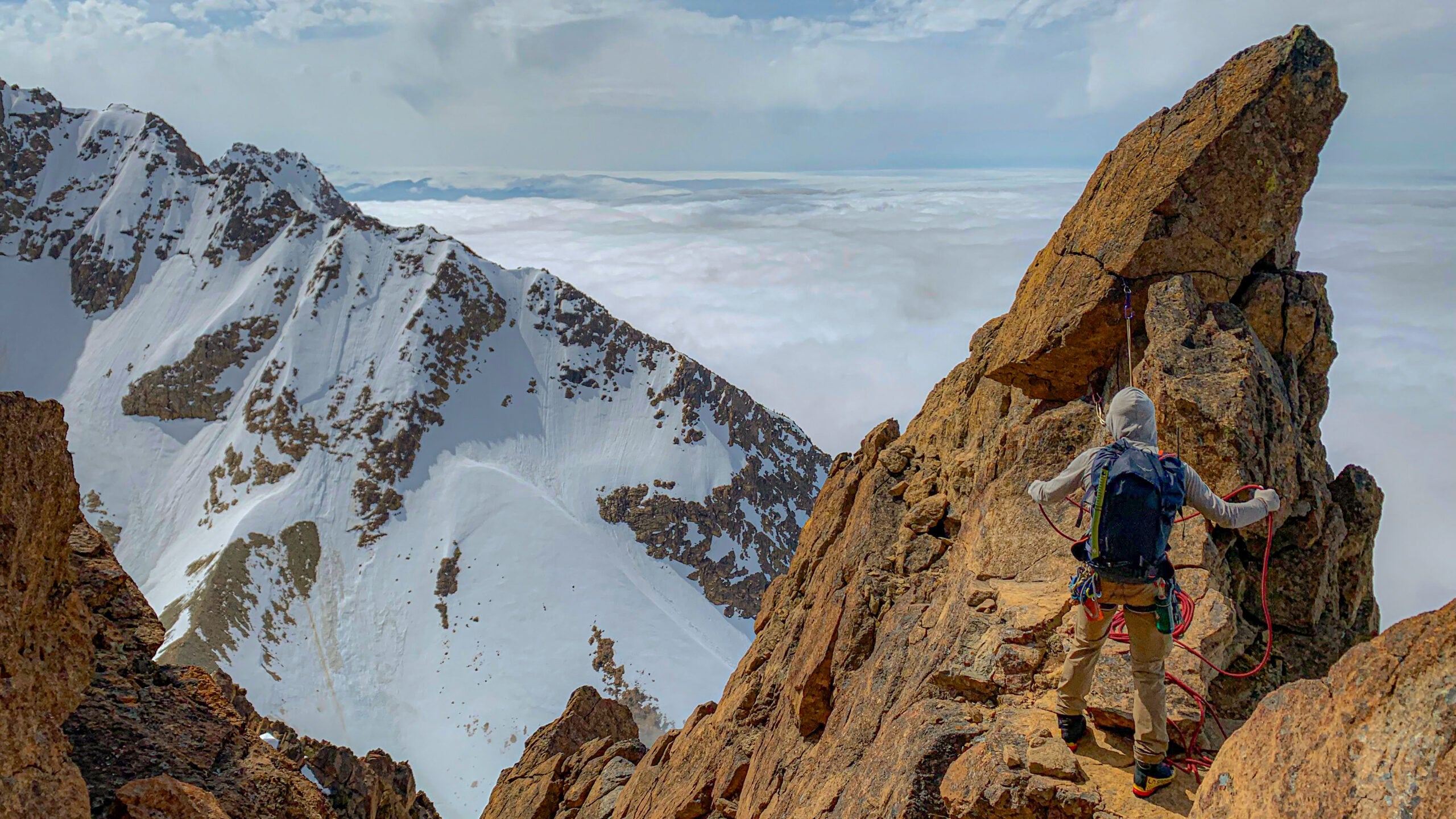
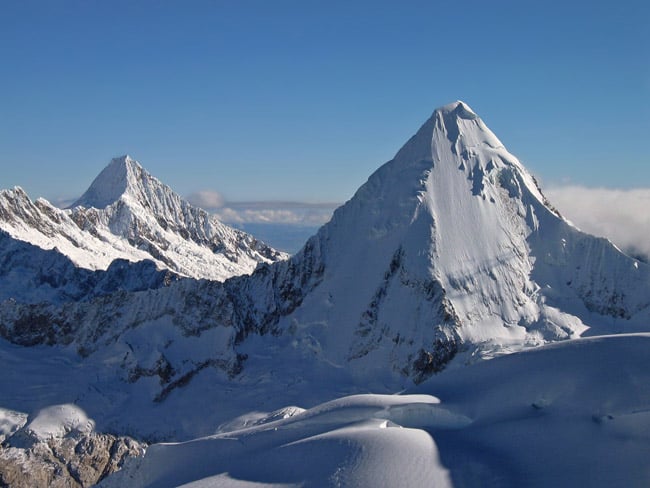
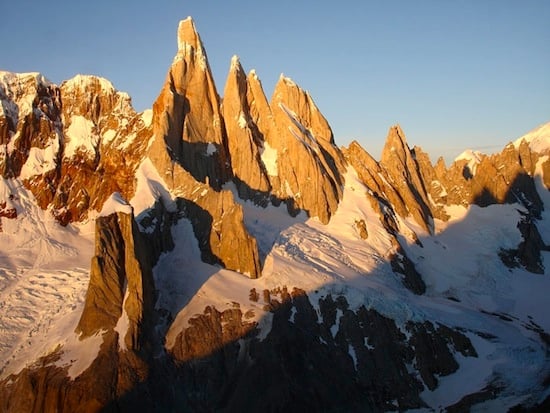
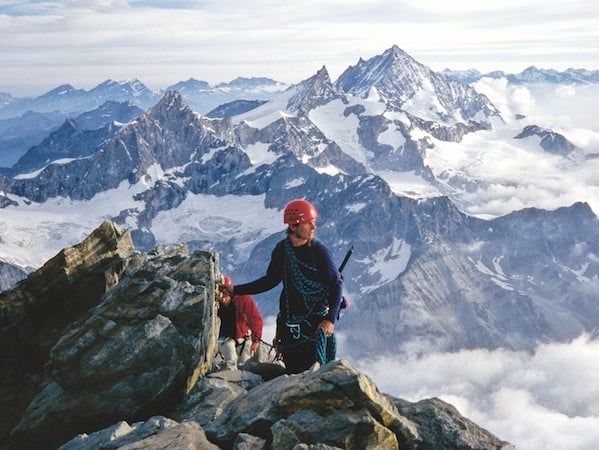
Alpine climbing, by contrast, is mountaineering turned up to eleven. It’s a more technical and minimalist approach that focuses on difficult routes in the alpine zone — the high-elevation environment where rock, ice, and snow intermingle and the weather plays for keeps.
Alpine climbers value speed, efficiency, and self-reliance. They move light and fast, carrying everything they need — and nothing more.
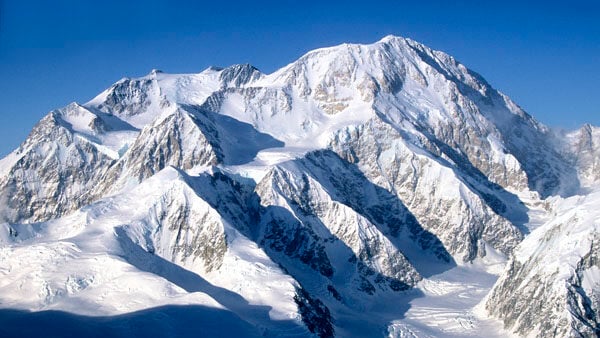
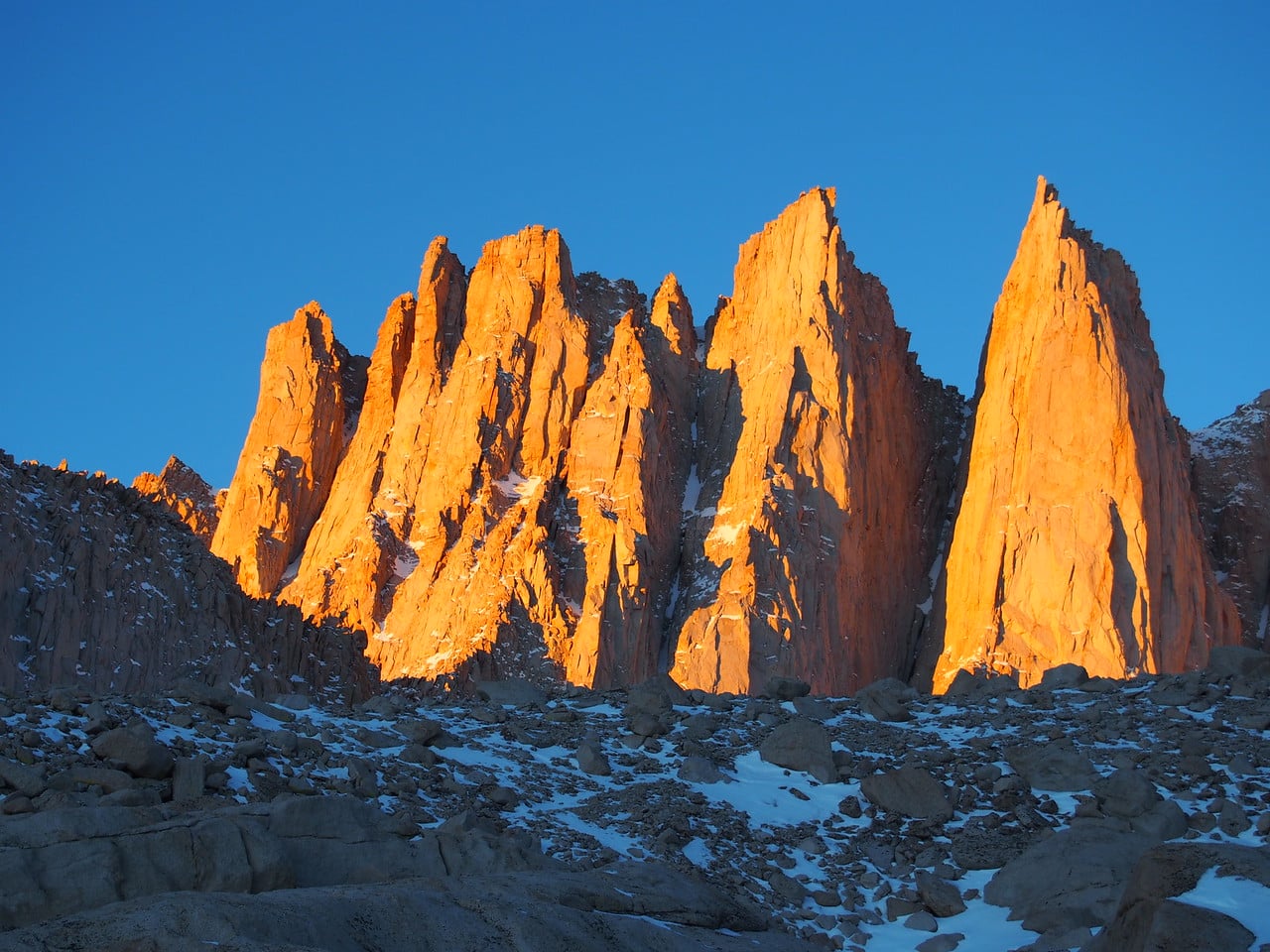
Technically, alpine routes tend to be steeper, more committing, and less forgiving. Think of the West Ridge of Mt. Hunter in the Alaska Range, the North Ridge of Mount Stuart in the Cascades, or the East Buttress of Mt. Whitney — places where retreat is difficult and conditions change by the hour. Alpine climbers must blend skills from rock, ice, and mixed climbing with mountaineering judgment and lightning-fast decision-making.
Philosophy and Mindset
Beyond terrain or technique, the biggest difference lies in philosophy. Mountaineering prioritizes the goal — the summit. Alpine climbing emphasizes the style — how you get there. One might measure success by reaching the top; the other by the elegance, efficiency, and purity of the climb itself.
In short, mountaineering teaches patience. Alpine climbing demands audacity. Both require humility before the mountain. Whether you’re trudging across a glacier under a heavy pack or dancing up a frozen couloir with the sun setting behind you, the essence is the same: to move through the wildest corners of the world under your own power — and come back changed.