

























It’s not uncommon for us to get up to an anchor point only to find that
we’ve left our cordellete on our partner’s harness or to find that it is
impossible to hear. Most people will just deal with these problems
without thinking outside-the-box. One outside the box thought though is
to use your rope for these things.
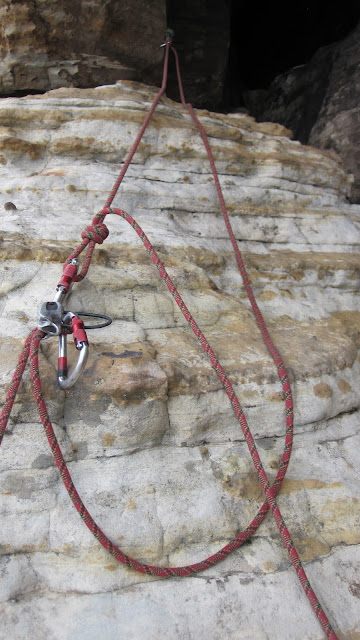
The top of the third pitch, at the start of the tunnel, it is difficult
to see or hear the second. The route follows a corner and chimney
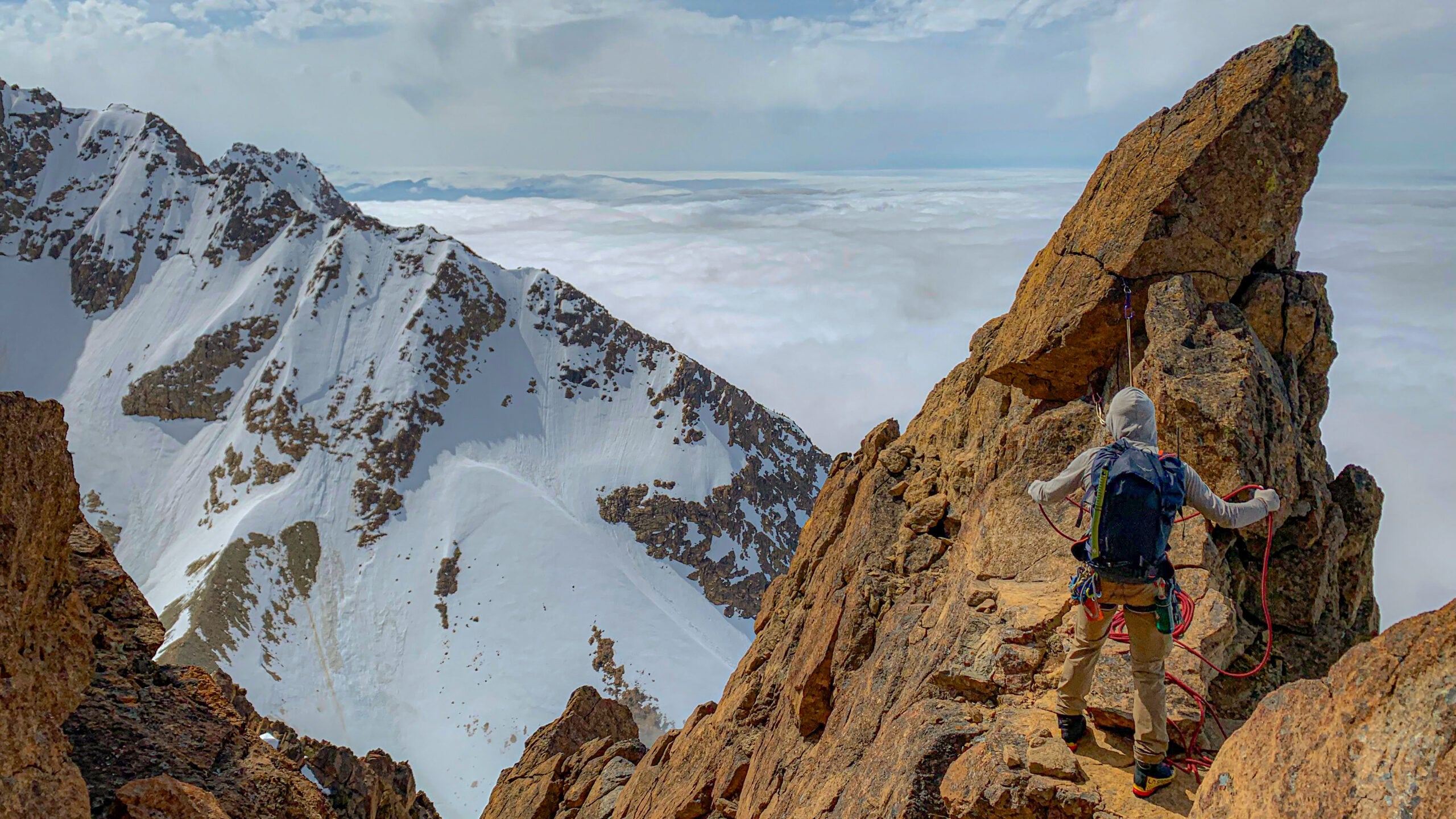
system up the wall. In order to see my climber, I built an anchor and
then, using the rope, extended the anchor to the edge where it was far
less difficult to see and hear.
Some might argue that this system lacks redundancy. I’m not too worried
about that as I can see the whole anchor to ensure that there is no
rubbing and we never have redundancy in the rope while we’re climbing
with a single line…
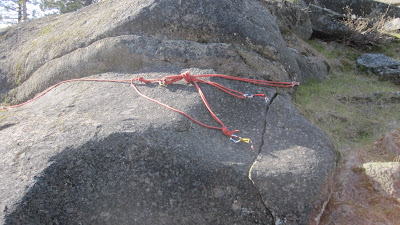
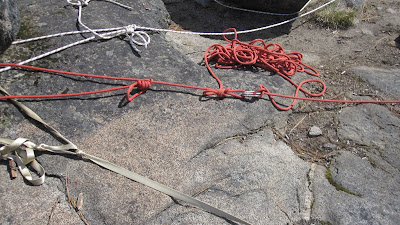
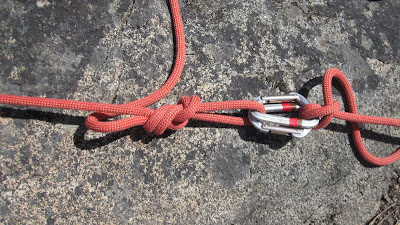
One last thing to be aware of is that dynamic climbing ropes stretch 8-12%. Usually there isn’t much rope in the anchor so there’s not going to be that much stretch, but this should be taken into account before the system is loaded.
Flexibility and thinking outside the box are two major tenants of
climbing efficiency. One way to be efficient and to be flexible and to
be outside-the-box is to use your rope for anchoring instead of other
materials. Your rope is always on you and as such, it definitely
provides an option that really shouldn’t feel like it’s that far
out-of-the-box…
–Jason D. Martin