





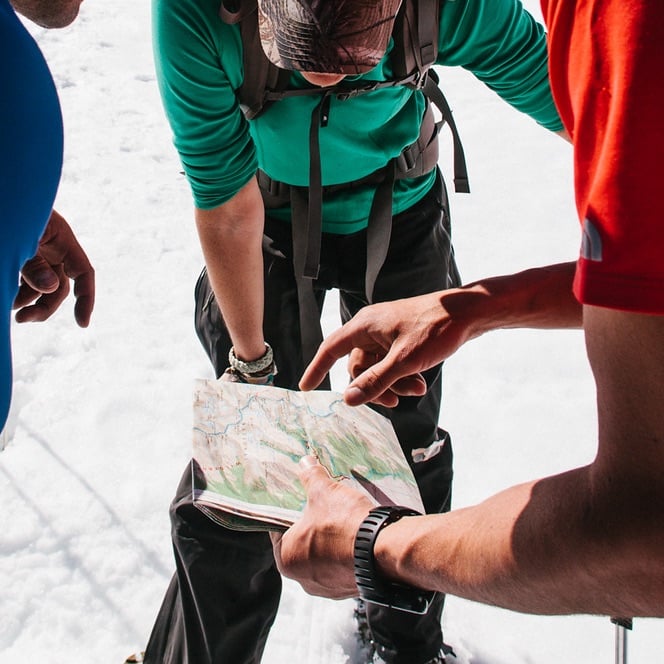


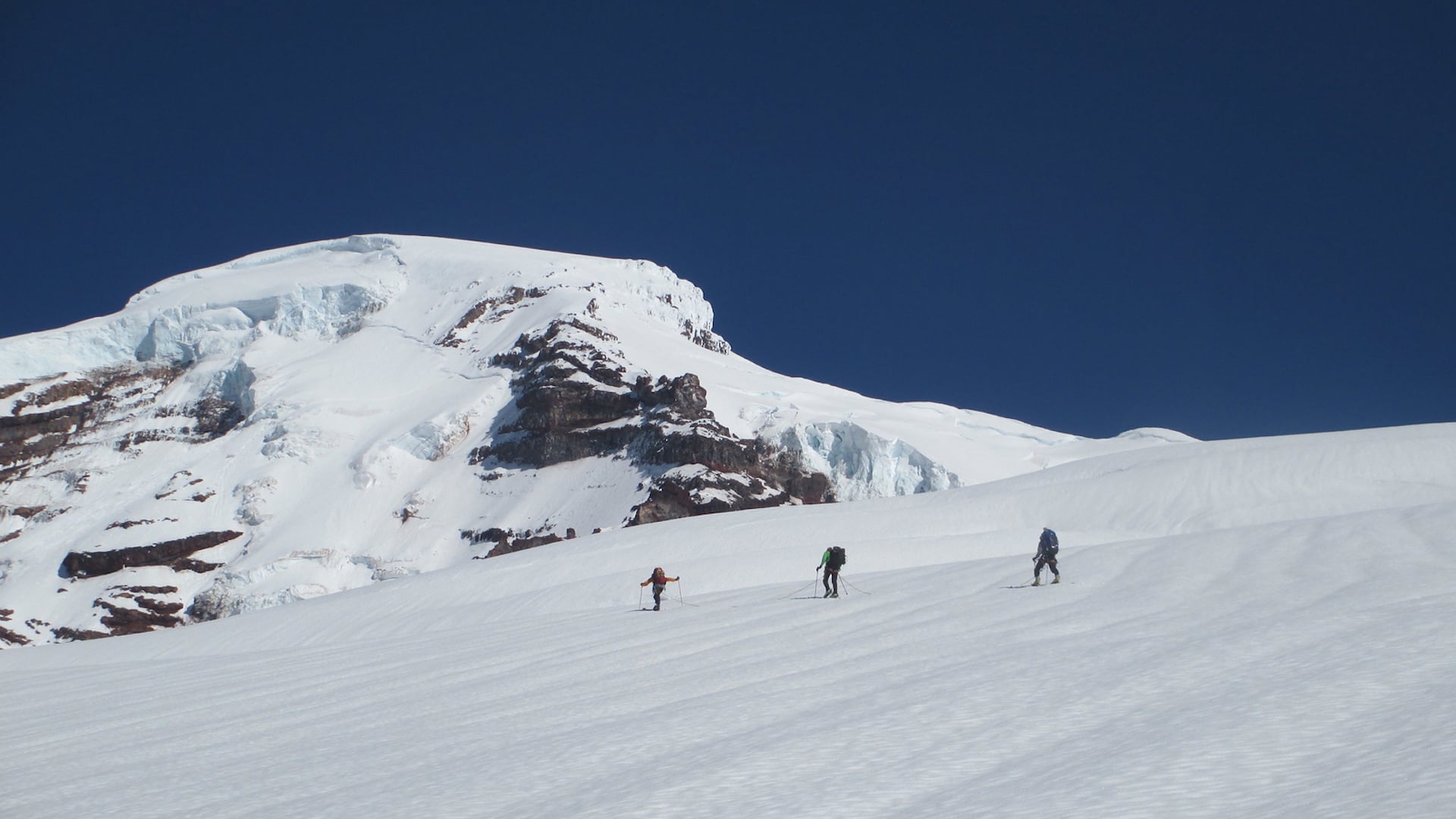

















Filling out a blue book before traveling in avalanche terrain isn’t paperwork for paperwork’s sake—it’s thinking clearly before the mountains try to think for you. The simple act of writing slows you down and forces you to engage with the real variables that matter: recent weather, avalanche problems, snowpack structure, terrain traps, and how all of that intersects with your objective. Hope is not a strategy; a plan is.
A blue book helps translate forecast language into decisions. Instead of vaguely noting “moderate hazard,” you’re forced to ask: Where is it moderate? On what aspects? At what elevations? That clarity matters when you’re staring up a slope that looks just a little steeper than you remember. By defining acceptable terrain, slope angles, and no-go zones in advance, you reduce the chances of summit fever rewriting the rules on the fly.
It also improves group dynamics. When everyone participates in the planning process, expectations are shared, not assumed. Turnaround times, spacing protocols, leadership roles, and communication plans are spelled out ahead of time, which prevents awkward debates when conditions deteriorate. In the field, this means fewer emotional decisions and more consistent ones—especially when fatigue and powder fever start lobbying hard.

From a safety standpoint, a blue book creates accountability. It documents your observations, assumptions, and decision points. If something goes wrong, that record can help rescuers understand where you went and why. Afterward, it becomes a powerful learning tool, allowing you to compare forecasts with reality and refine your judgment for future trips.
In avalanche terrain, mistakes are often made long before the slope fails. A blue book helps catch those mistakes early—while they’re still words on a page instead of consequences on a mountainside. Think of it as cheap insurance, lightweight gear for your brain, and a reminder that good decisions start well before you click into your skis.