







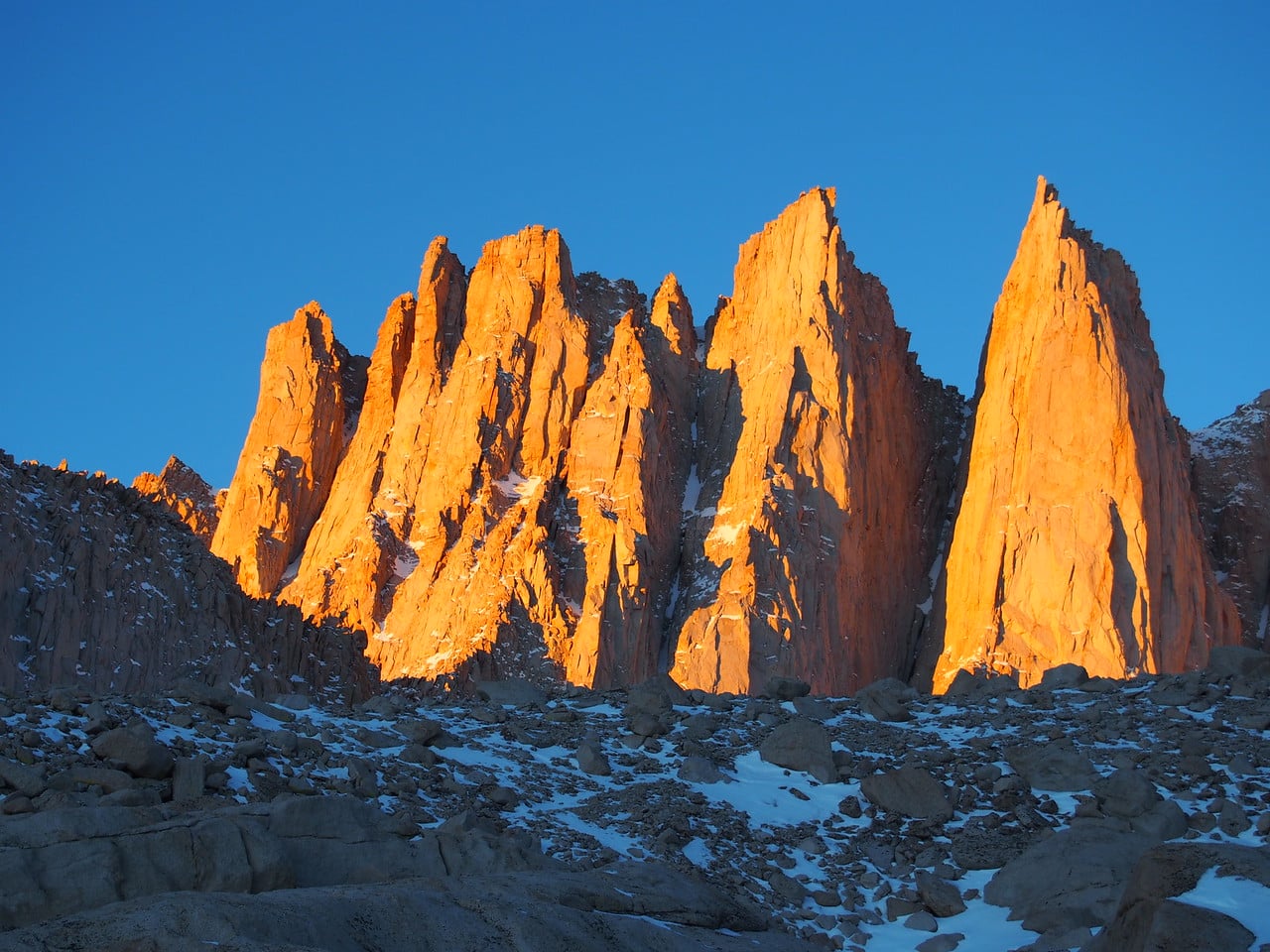


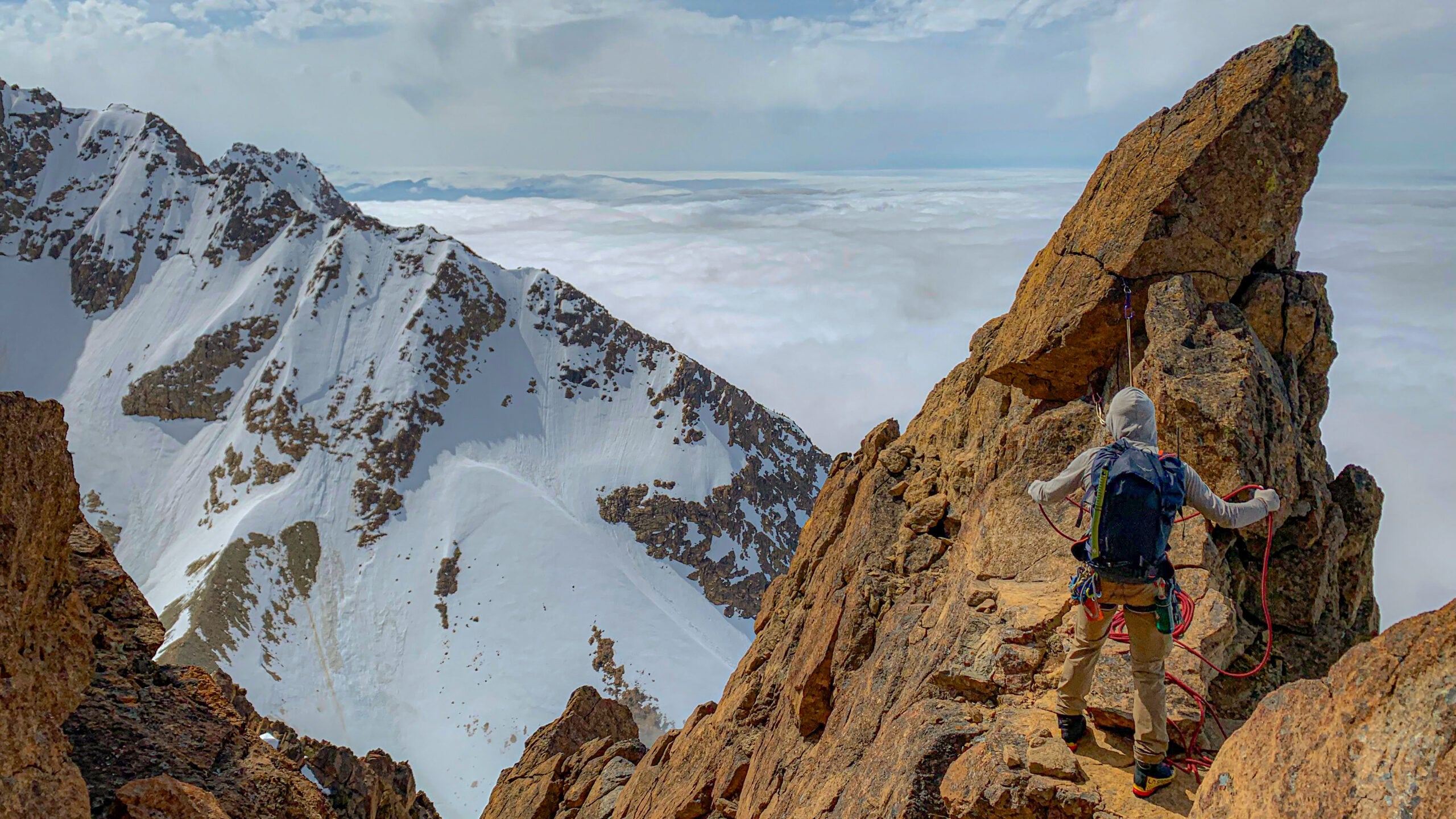


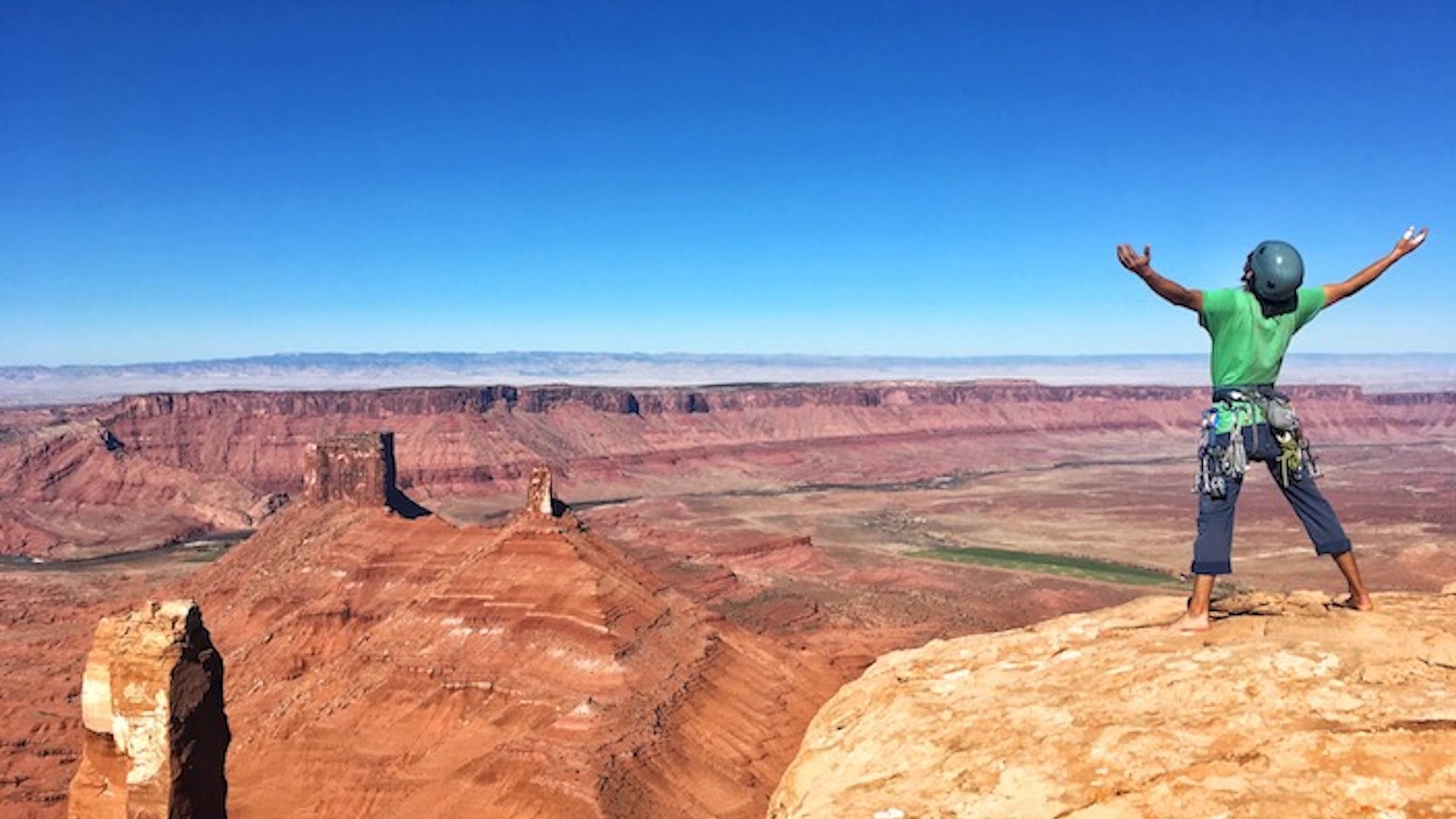
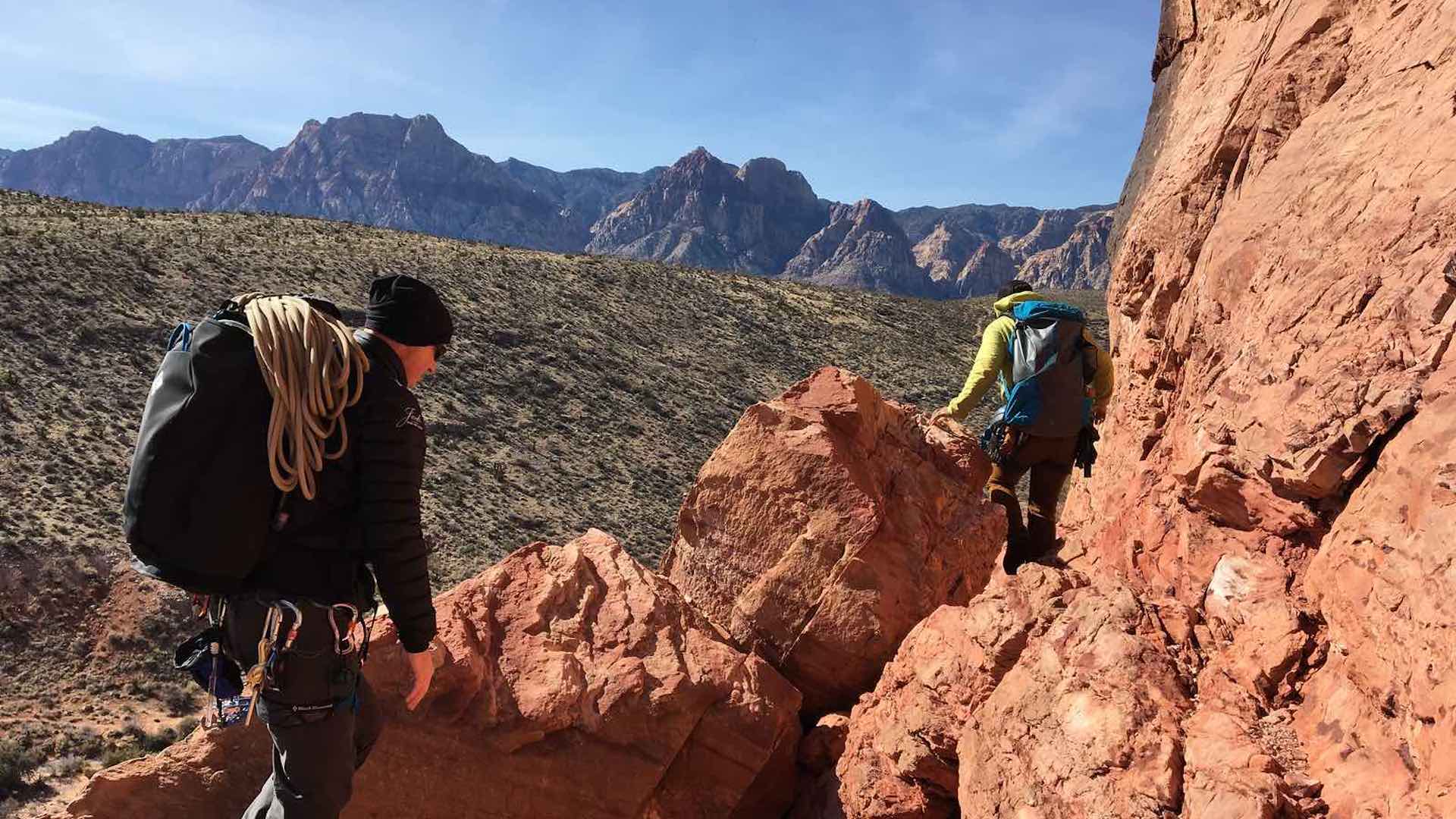




When climbing among the soaring Aztec Sandstone walls of Red Rock Canyon National Conservation Area, you’ll often encounter natural rock bridges, solution holes, and pocket features ideal for thread-through protection (slinging a natural hole or tunnel in the rock).
While a solid thread-through can provide bomber protection where gear placements are sparse, sandstone feature strength varies wildly. Here is what to evaluate before trusting your life to a sling.
1. Inspect the Rock Quality & Desert Varnish
Not all sandstone is created equal. Look for dark, shiny desert varnish (iron and manganese oxide coating) around the rock bridge. Varnish creates a significantly harder, weather-resistant shell. Avoid light, soft, or crumbly white/buff sandstone bridges, which can shear under force.
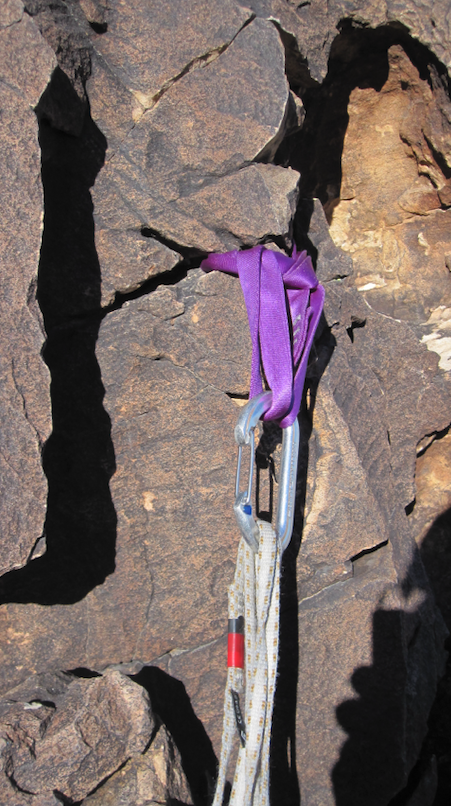
2. Check Pinch Thickness & Leverage
Examine the entire bridge, not just the visible face:
- Constriction: Ensure the rock isn’t razor-thin in the center. A minimum thickness equivalent to a solid wrist or forearm is recommended for fall-rated loads.
- Leverage: Inspect for micro-fractures where the bridge connects to the main cliff wall. High-leverage outer loops are prone to snapping.
3. Mind the Direction of Pull
A thread-through is only as good as its orientation:
- Thread slings so the force pulls straight down or directly into the back wall, rather than outward.
- Outward vector pulls exert leverage on the rock’s narrowest points, risking a catastrophic blowout.
4. Soft Gear & Extension
Always use narrow dyneema or nylon slings (6mm to 11mm) or low-diameter cordage (like tech cord or Kevlar) to thread tight holes cleanly. Extend the placement with an additional alpine draw or runner to prevent rope drag from shifting the sling off its ideal seating position.
Crucial Red Rock Safety Note: Sandstone absorbs water and loses up to 75% of its strength when wet. Check the sand at the base of the route to ensure it is powder dry before climbing. Holds can break and trad pieces can blow when the rock is wet.