













Have you ever climbed a route dozens of times without incident, skied a familiar slope in questionable conditions, or continued into the mountains because the weather had always turned out fine before? You may have encountered what risk managers call the turkey problem.
The concept offers an important lesson for recreational climbers, backcountry skiers, and anyone who spends time in the mountains: Just because something has been safe in the past doesn’t mean it will be safe today.
The Turkey That Trusted the Farmer
Imagine a turkey that is fed by a farmer every morning. On the first day, the turkey receives food. On the hundredth day, it receives food again. After a thousand days of consistent treatment, the turkey has accumulated plenty of evidence that the farmer is trustworthy.
Then Thanksgiving arrives.
The turkey’s mistake was assuming that its past experience reliably predicted its future. Every day of apparent safety reinforced its confidence, but none of those days prepared it for the event that would change everything.
Mountain recreation presents a similar problem. Repeated success can create a false sense of security, especially when we mistake good luck for good judgment.
When Experience Becomes Overconfidence
Experience is invaluable in the mountains. It helps us recognize hazards, make better decisions, and develop sound judgment. But experience can also become dangerous when we stop questioning our assumptions.
Consider a few familiar situations.
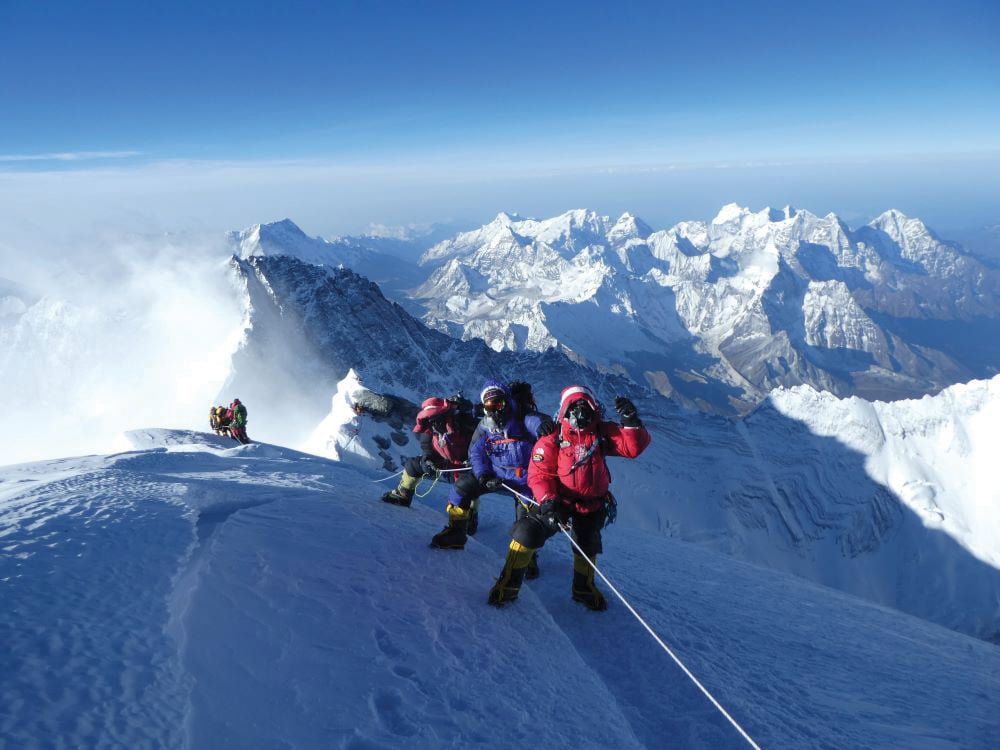
The climber who trusts the weather forecast too much. You’ve climbed the same route under similar conditions many times. The forecast looks reasonable, so you commit to a long alpine objective. But mountain weather is dynamic. A changing wind pattern, an unexpected storm, or a slower-than-planned ascent can turn a routine climb into a serious situation.
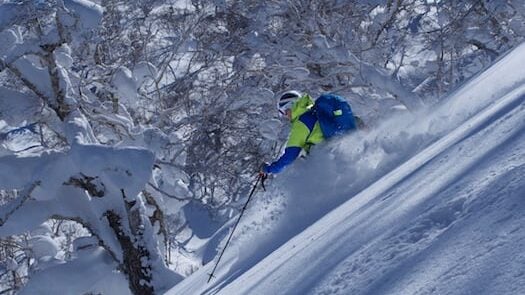
The skier who trusts a familiar slope. You’ve skied a particular backcountry run repeatedly without incident. Today, the snow looks similar, and the group is eager to go. But avalanche conditions change with new snowfall, wind loading, temperature, and the underlying snowpack. Yesterday’s safe descent tells you very little about today’s avalanche hazard.
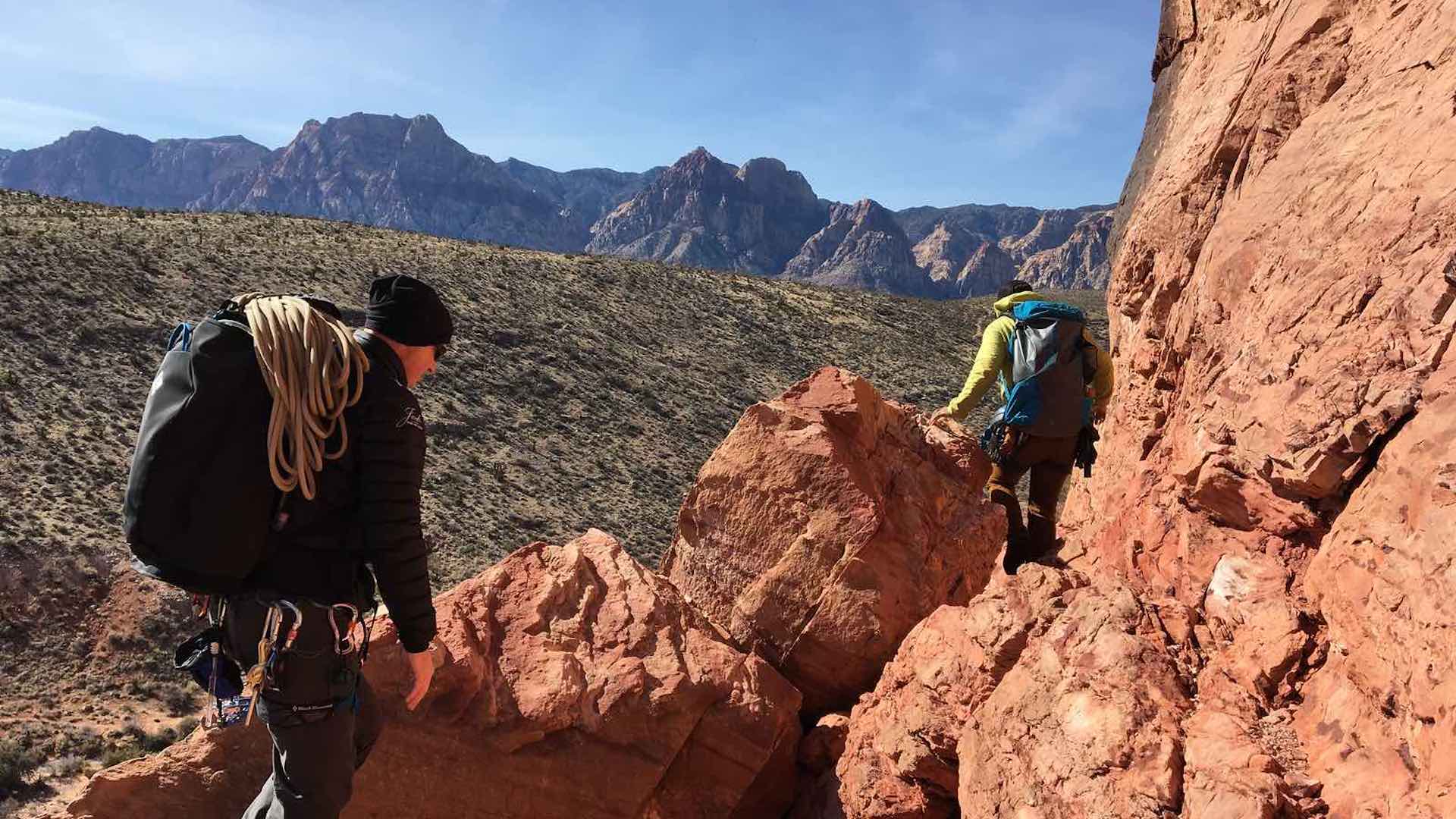
The climber who assumes a familiar route is always straightforward. You’ve climbed a route enough times that the moves and protection feel automatic. But loose rock, wet holds, changing temperatures, or a partner’s fatigue can introduce hazards that weren’t present on previous visits.
In each case, the problem isn’t necessarily a lack of experience. It’s allowing previous success to substitute for a fresh assessment of the conditions.
How to Avoid Becoming the Turkey
You can’t eliminate uncertainty from mountain travel, but you can avoid letting familiarity make your decisions for you.
1. Assess today’s conditions. Check the weather, avalanche forecast, snowpack, route conditions, and other relevant hazards. Don’t assume that conditions are unchanged simply because the landscape looks familiar.
2. Ask what could go wrong. Before committing to a route or slope, consider the consequences of a storm, avalanche, injury, equipment failure, or unexpected delay. Think about how you would respond if your original plan stopped working.
3. Challenge your assumptions. Ask your partners what concerns them. Encourage honest discussion, even when someone questions the plan or disagrees with the most experienced person in the group.
4. Establish decision points. Identify conditions that would trigger a turnaround, a change of route, or a decision not to ski a particular slope. Agree on these limits before enthusiasm and sunk costs make them harder to follow.
5. Prepare for things to go wrong. Carry appropriate equipment, develop navigation and rescue skills, and have realistic alternatives. A successful trip should not depend on every part of the plan working perfectly.
6. Distinguish good judgment from good luck. A slope that hasn’t avalanched while you’ve been skiing it isn’t necessarily stable. A climber who has never experienced a serious storm isn’t necessarily prepared for one. An uneventful trip is a positive outcome, but it doesn’t prove that every decision was sound.
Build Experience Without Building Complacency
The goal of risk management isn’t to eliminate every possible hazard or to make the mountains completely predictable. That’s impossible. The goal is to recognize uncertainty, make informed decisions, and prepare for the consequences when conditions don’t unfold as expected.
This is especially important for recreationalists, who often make decisions without the support of a professional guide or a larger team. Developing sound judgment requires more than accumulating days outside. It means learning to evaluate conditions, recognize changing hazards, communicate with partners, and understand when the safest decision is to turn around.
At the American Alpine Institute, we believe mountain education is about more than learning technical skills. It’s about developing the judgment and confidence to make good decisions when the situation is uncertain.
Whether you’re learning to lead a rock climb, preparing for an alpine summit, or venturing into the backcountry on skis, seek out education that helps you understand not just how to do something, but when and whether you should do it.
Remember the turkey. A thousand successful days don’t guarantee a safe thousand-and-first. In the mountains, experience should make you better at recognizing risk—not better at ignoring it.
Ready to build your mountain skills and decision-making abilities? Explore climbing, mountaineering, and backcountry education programs with the American Alpine Institute at alpineinstitute.com.