
















If you’ve spent time in the mountains during summer, you’ve probably noticed that snowfields often become streaked with dust, ash, pollen, and other debris. While this dirty snow may simply look like a sign of the changing seasons, it has an important effect on the mountain environment—and on the conditions climbers encounter.
Fresh snow reflects most of the sunlight that strikes it, helping it remain cold even during warm weather. Scientists refer to this reflectivity as albedo. As the snow surface becomes coated with particulates, its albedo decreases. Instead of reflecting solar energy, the darker surface absorbs it, warming the snow and dramatically increasing the rate of melting.
The most common contaminant is mineral dust, which is carried into alpine environments by wind from dry landscapes and exposed soils. Black carbon, or soot, produced by wildfires, diesel engines, and industrial activity, is even more effective at absorbing sunlight and accelerating melt. During the summer, pollen from surrounding forests can blanket snowfields, while snow algae may flourish on wet snow, occasionally creating striking pink or green patches that further darken the surface.
As snow begins to melt, these particles become concentrated at the surface, making the snow even darker. This creates a powerful feedback loop: darker snow absorbs more heat, which causes faster melting, exposing even more particulates. The result is that seasonal snowpacks can disappear weeks earlier than they would if the snow remained clean.
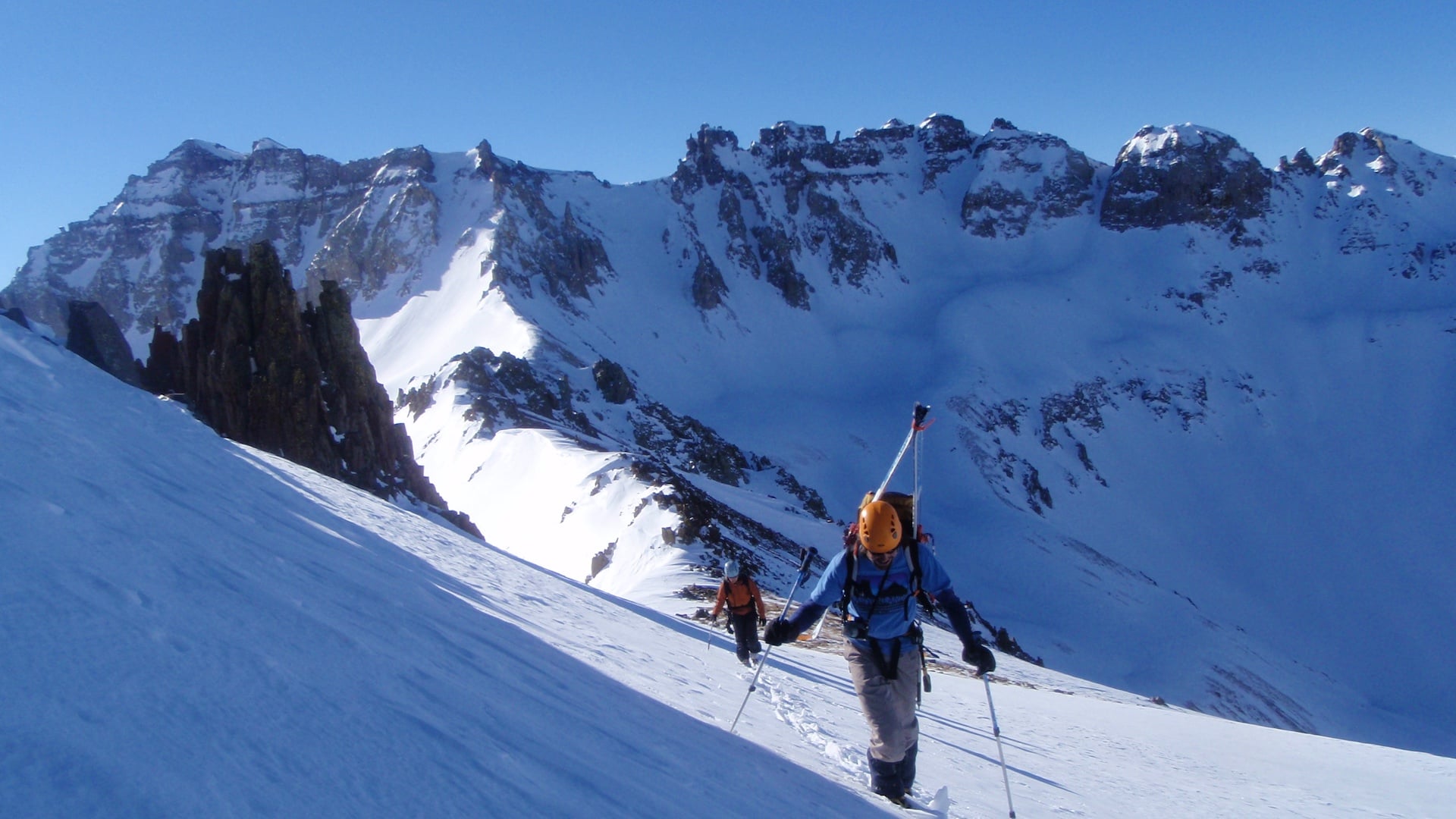
For mountaineers, this process has real consequences. Earlier snowmelt can expose loose rock, increase rockfall hazard, open crevasses sooner on glaciers, reduce the quality of snow travel, and shorten the window for classic alpine routes. Understanding why summer snow changes so rapidly helps climbers anticipate changing mountain conditions and make better decisions throughout the climbing season.