













Building Your Wilderness First Aid Kit

American Alpine Institute
...or compartment substitutes. Clearly label each compartment or pack: In many expeditions each expedition member carries their own personal care… Read More


Search Results
…have a good grounding in how to prepare for and carry out a trip, basic decision-making while in the field, and rescue techniques required to find and dig up a…
…while in the field, and rescue techniques required to find and dig up a buried person if an avalanche occurs. Most of these techniques require extensive practice before you can…
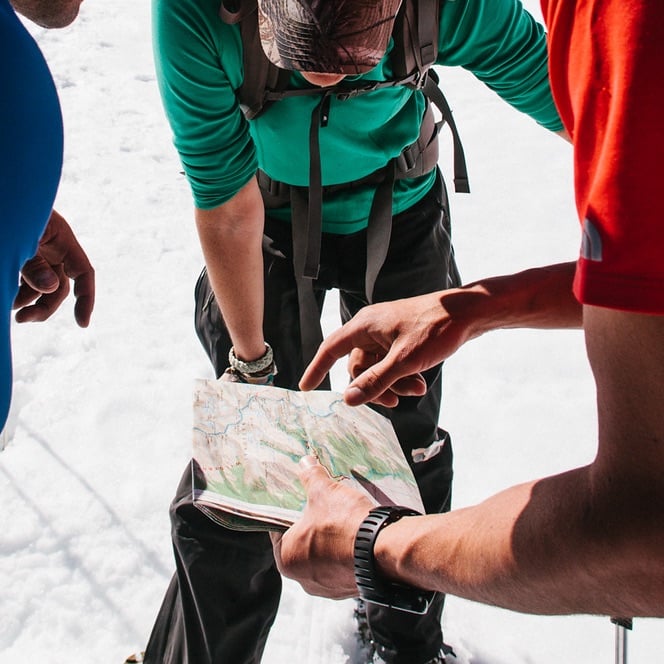
…Backcountry Navigation Essentials course covers these in depth, including: Pre-Trip Planning Analog Map and Compass Techniques Digital GPS Techniques Terrain Association White-Out and Green-Out (thick brush) Navigation Route-Finding Techniques …
This immersive two-day backcountry skiing clinic is designed for experienced skiers and splitboarders who want to go beyond the basics and push deeper into the wilderness. You’ll refine your touring…
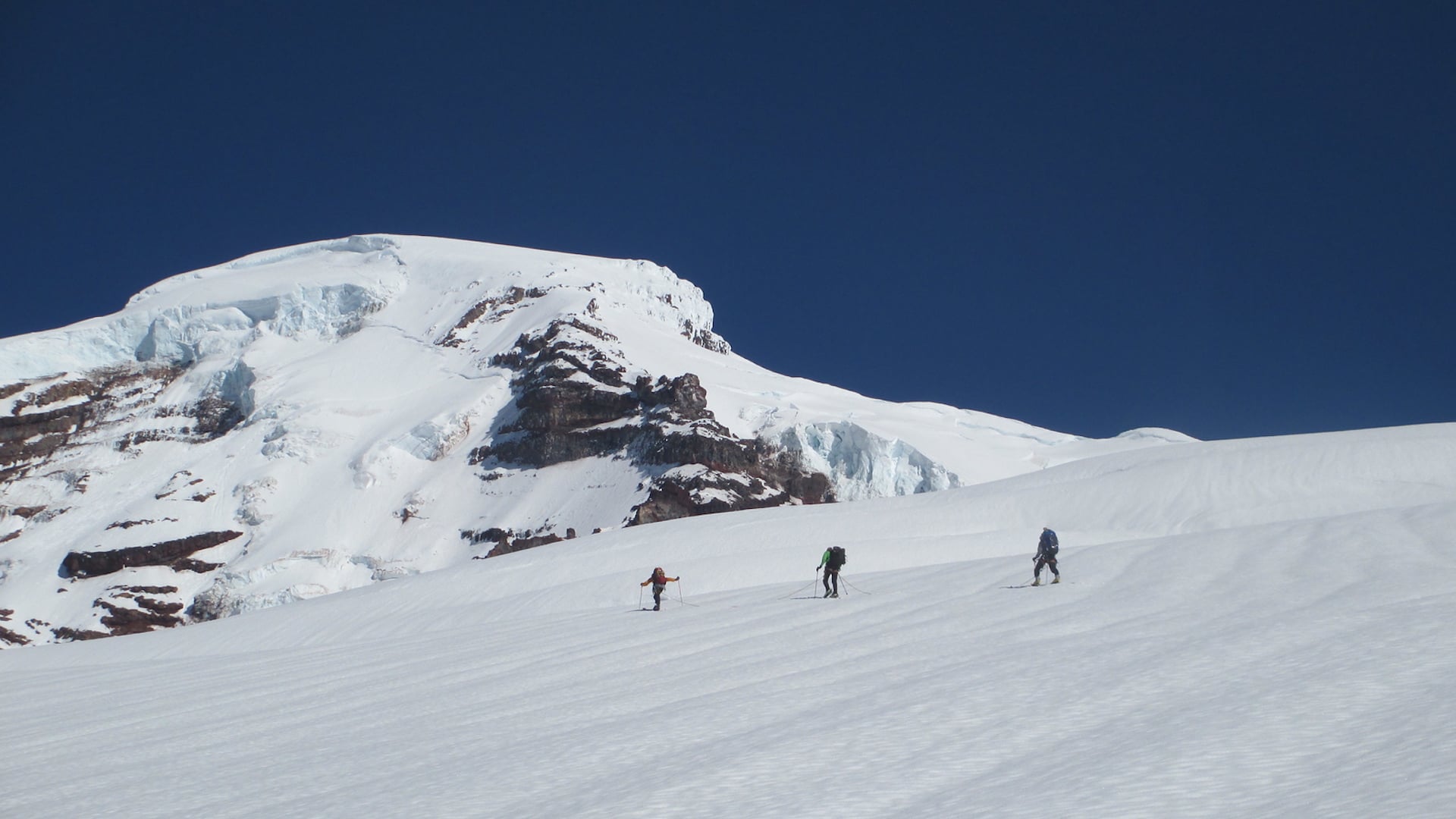
…and French crampon techniques, ice axe positions, self-arrest, anchor placement, glacier travel procedures, crevasse rescue, and route finding. With its dramatic icefields and heavily glaciated terrain, Mt. Baker provides both…
…forearm busters. But Squamish is not just known for its short climbs. Indeed, the area is renowned for its multi-pitch climbing. This is a perfect place to learn multi-pitch technique….
…spires, clean cracks, and sweeping ridges make this range one of North America’s most inspiring training grounds—and an ideal venue for students seeking to move beyond cragging and gym technique…
…we gradually move on to more challenging terrain, we introduce additional hand, foot, and body positions to begin developing a complete repertoire of roped free climbing techniques for each climber….
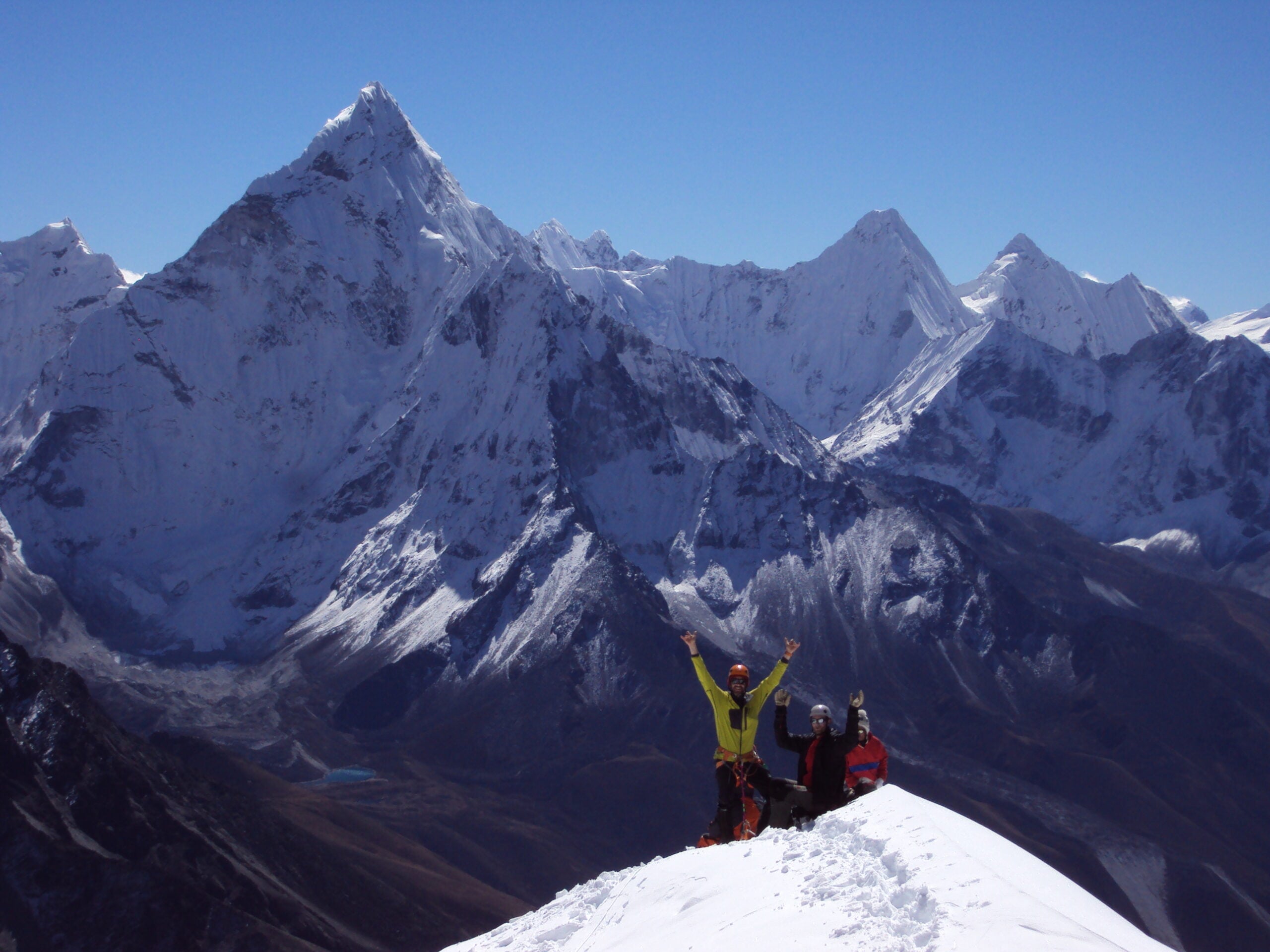
…Island Peak (6189m). A climber on the summit of Lobuche East – AAI/AC Collection. The Three Peaks of Nepal Expedition is comprised of moderately technical climbing, do-able for anyone in…
…slope to the beginning of the Southwest Ridge proper. This is where the technical climbing begins as the route follows the spine of the rock ridge, bringing us up directly…
…the crest of the ridge at 13,400 feet and the first bivouac on the narrow Cassin Ledge. Just above the Cassin Ledge, the technical crux of the route presents 5.8…
…camp, climbs ranging from non-technical, to mid fifth-class, to Grade V, 5.10’s are all within reach. There are lots of options and it’s easy to choose a series of ascents…
...or compartment substitutes. Clearly label each compartment or pack: In many expeditions each expedition member carries their own personal care… Read More

