







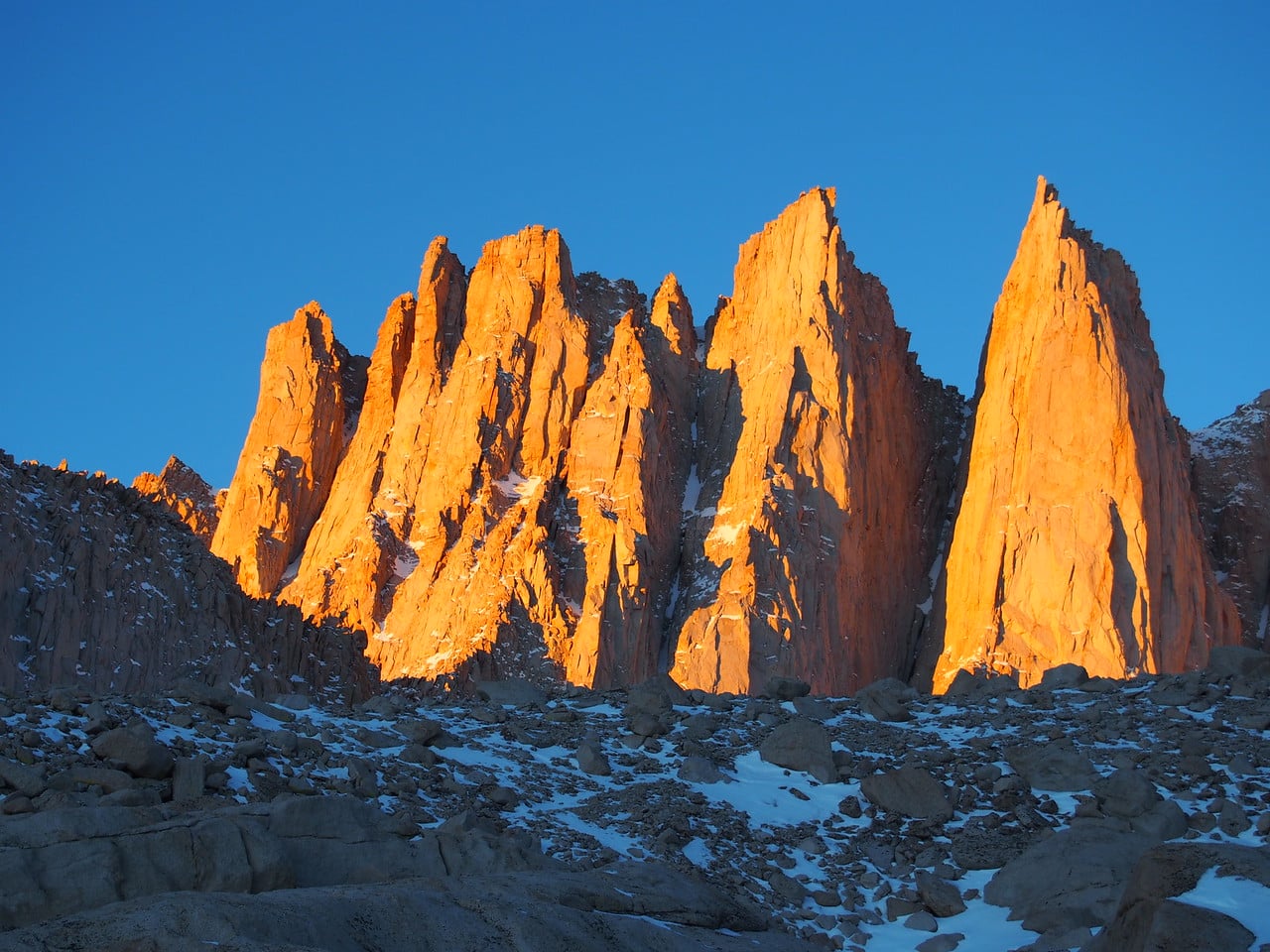








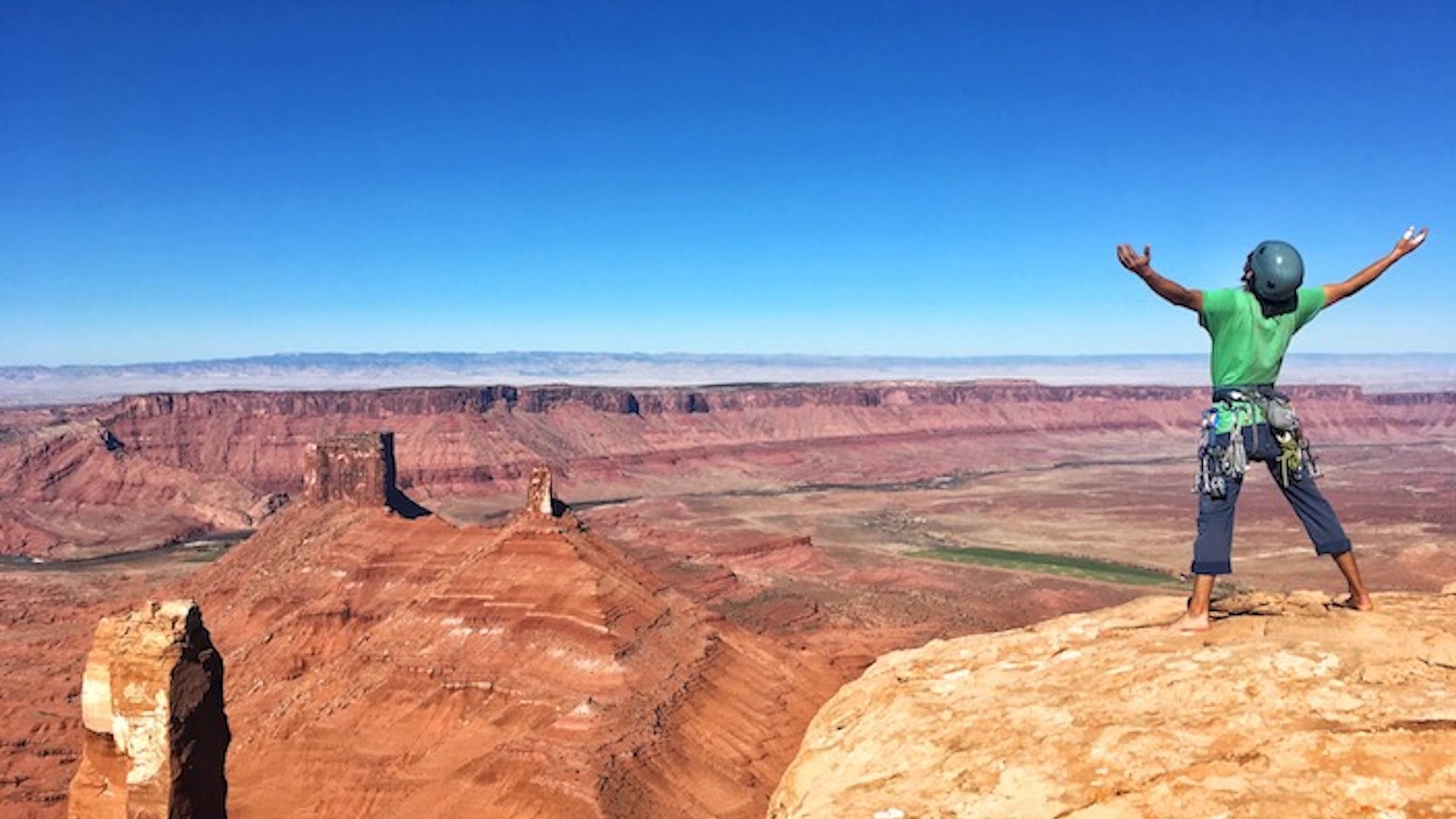
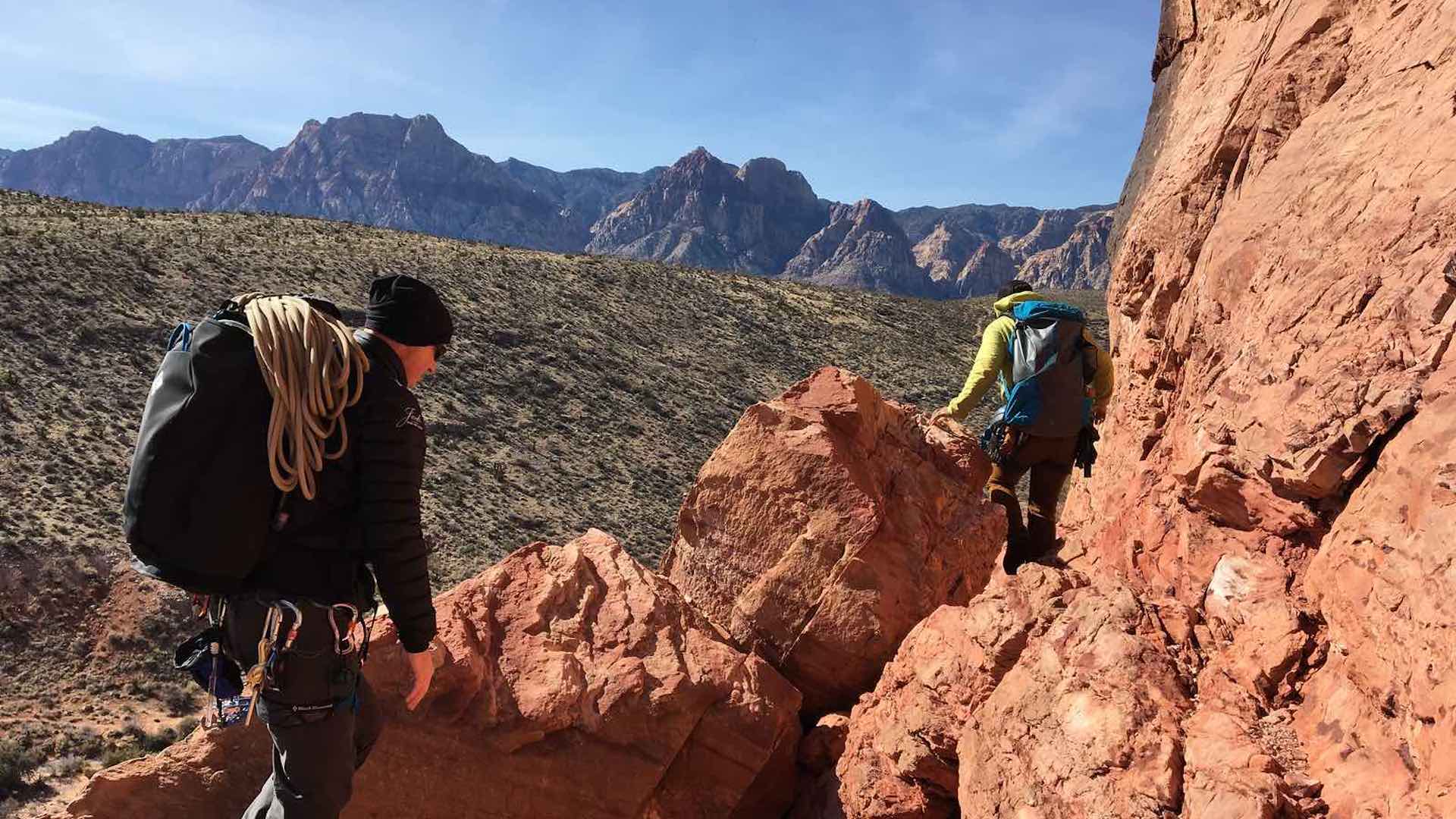



For decades, the soaring sandstone walls of Zion, Moab, and Indian Creek have served as a vertical playground for climbers. However, the very thing that makes these routes iconic—the soft, porous nature of the Utah desert rock—presents a unique engineering challenge for safety.
The Old Guard: Pitons and Mechanical Bolts
In the early days of desert climbing, pioneers relied on pitons (metal spikes driven into cracks) and standard mechanical expansion bolts. While these tools worked well in harder rock like granite, they struggled in sandstone. Over time, the constant stress of climber weight and weathering would cause the soft rock to “wallow out” around the metal, leading to loose, unreliable anchors.
The Modern Standard: Glue-In Bolts
To combat the fragility of the stone, the climbing community has shifted toward glue-in bolts as the gold standard for desert protection.
- How they work: A hole is drilled, cleaned, and filled with a high-strength epoxy resin before the bolt is inserted.
- The Advantage: Unlike mechanical bolts that rely on outward pressure (which can crack soft rock), glue-ins bond to the internal surface area of the hole. This creates a waterproof seal that prevents internal erosion and distributes the load more evenly.
The Result: By adopting glue-in technology, climbers are ensuring that these world-class routes remain safe and sustainable for generations to come, preserving the integrity of Utah’s fragile desert towers.