





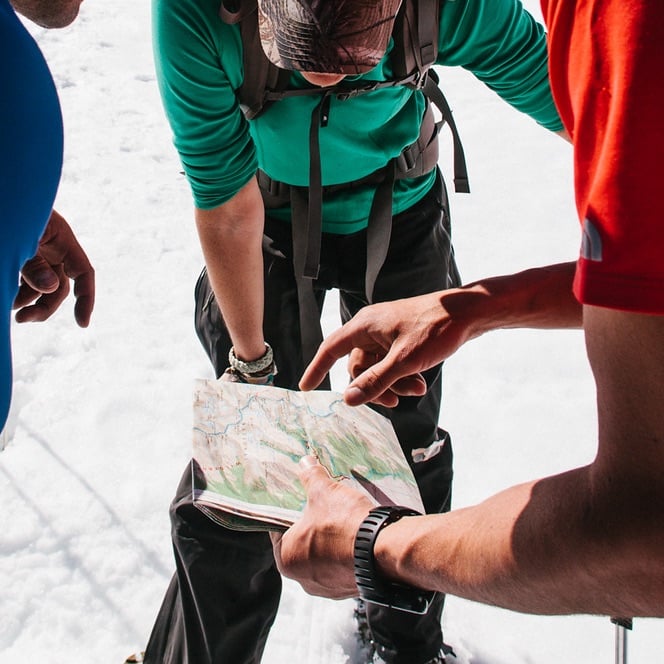


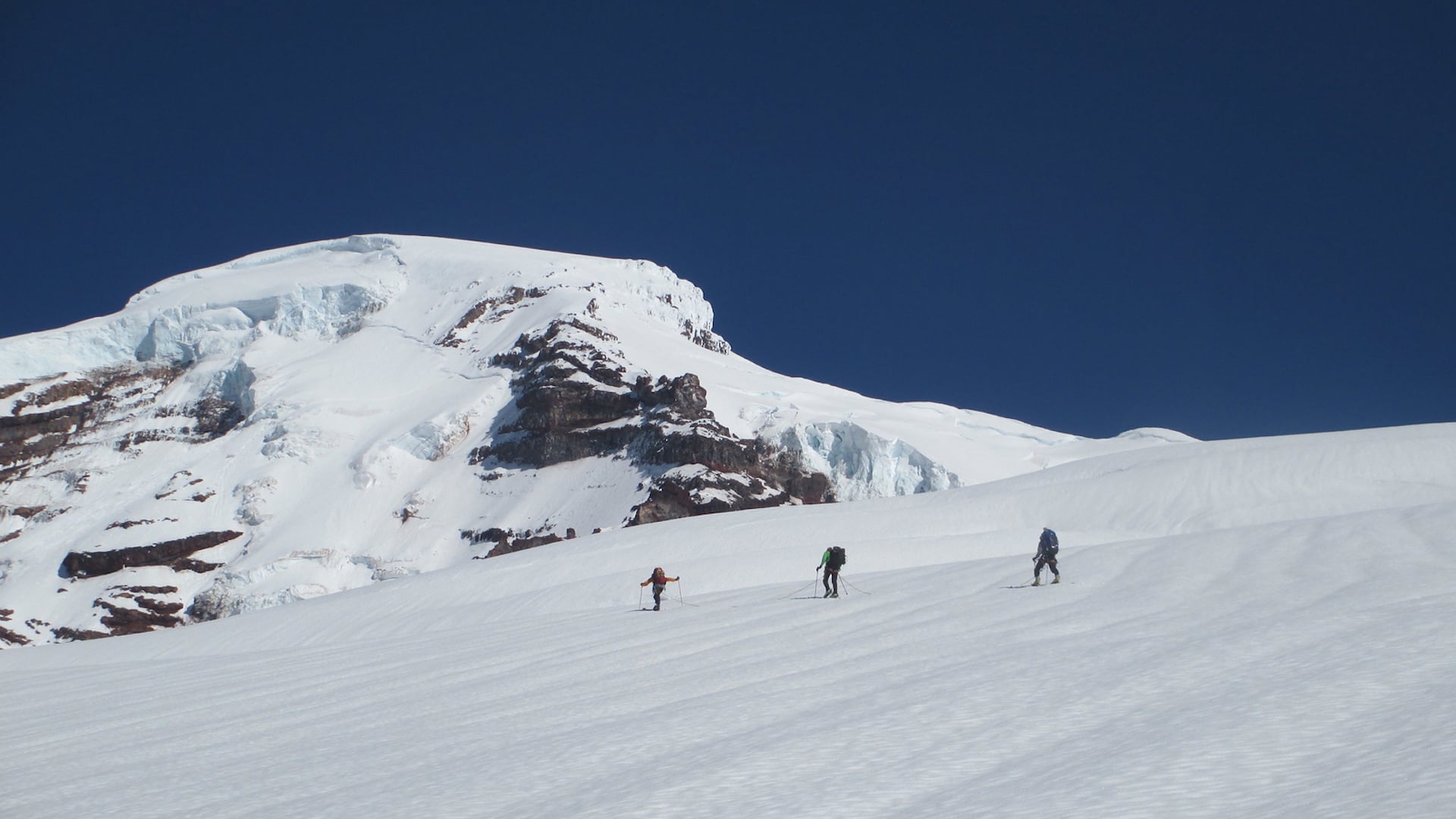














In the mountains, direction matters—and the way we describe it matters just as much. Most people rely on familiar terms like north, south, east, west, bearings, and the compass rose. Those work well at a macro level, helping us understand where we are on a map or how to navigate across large terrain. But as you move into mountain climbing, backcountry skiing, or technical rock routes, that general language often isn’t precise enough.
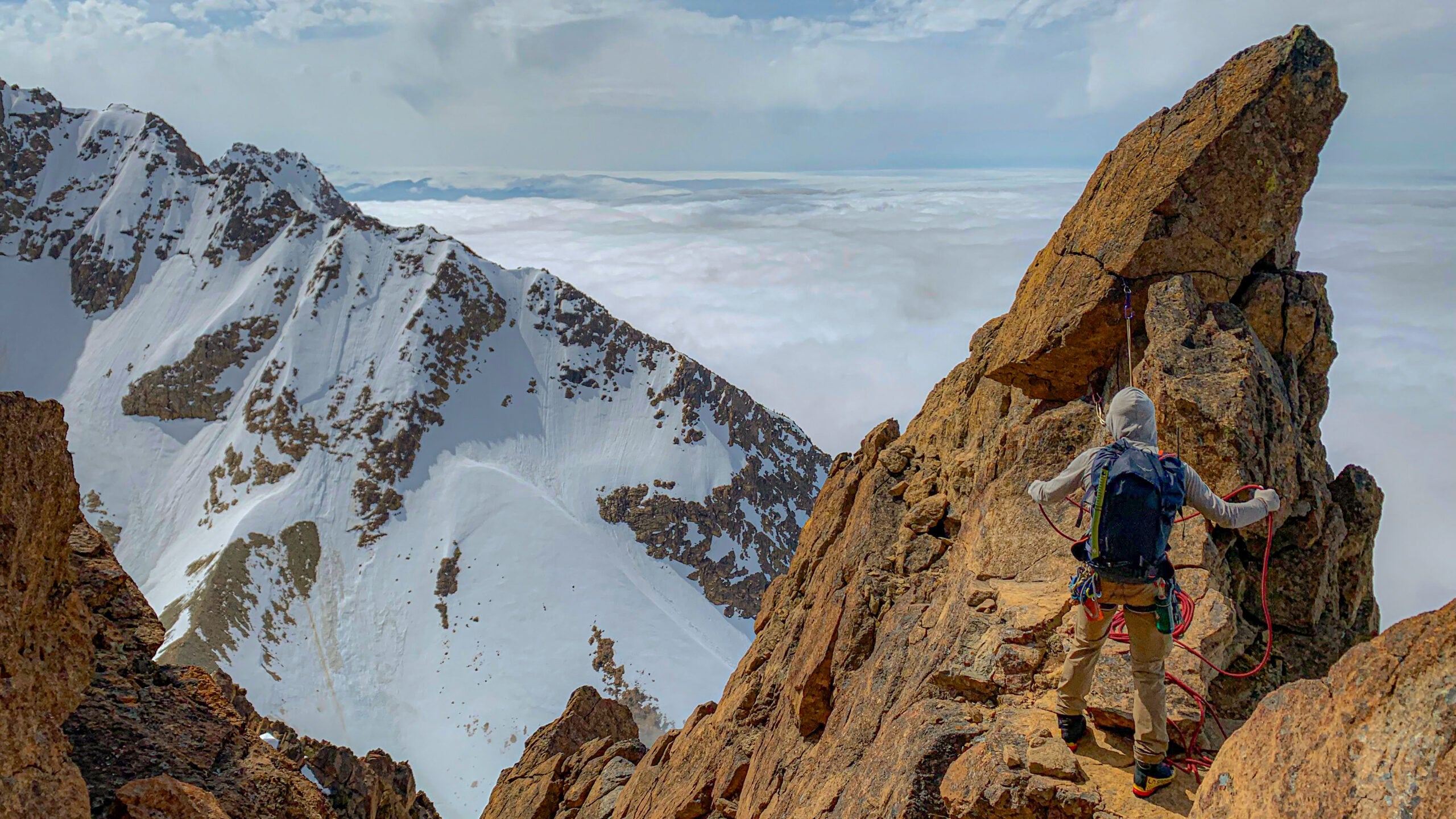
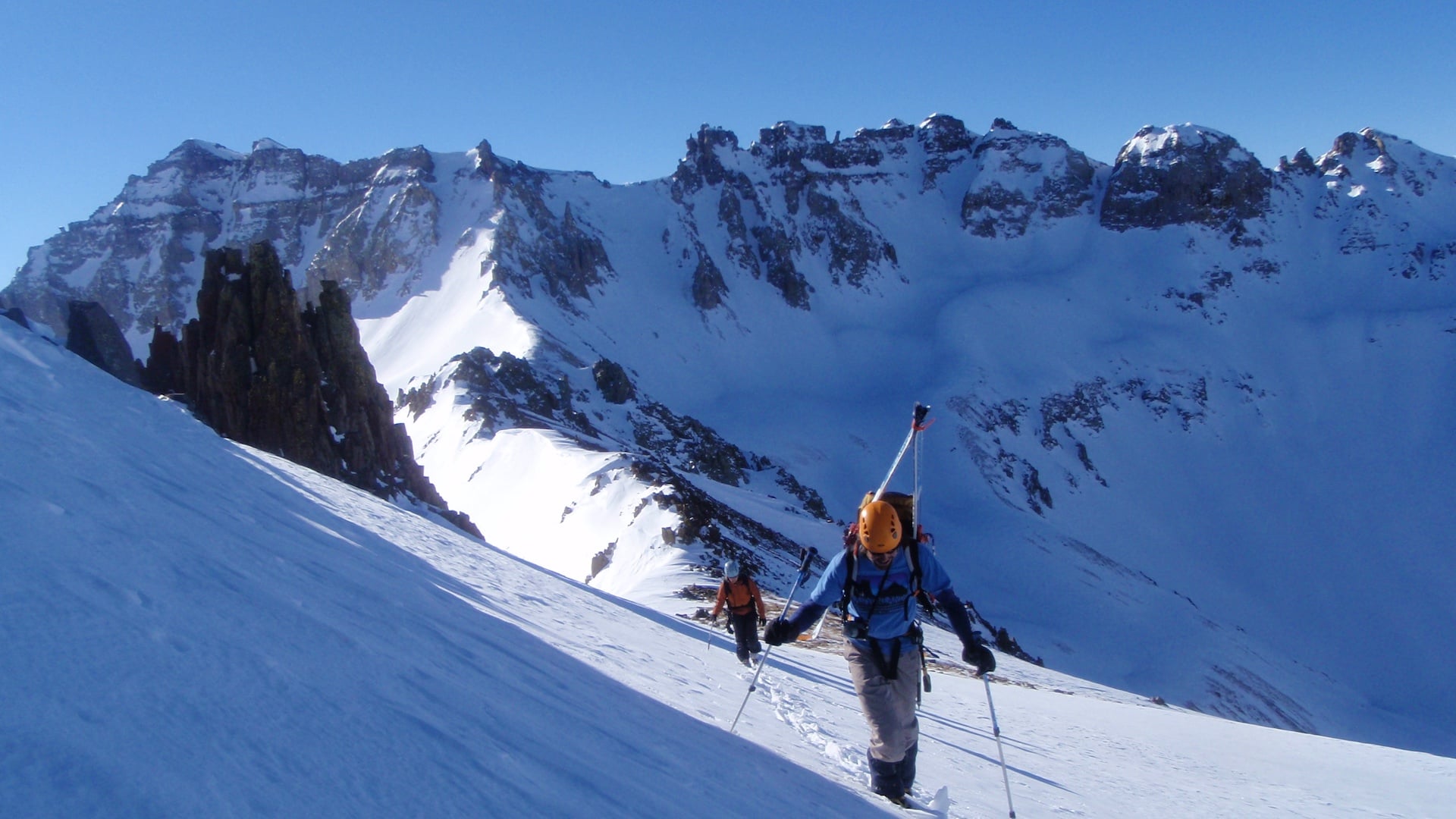
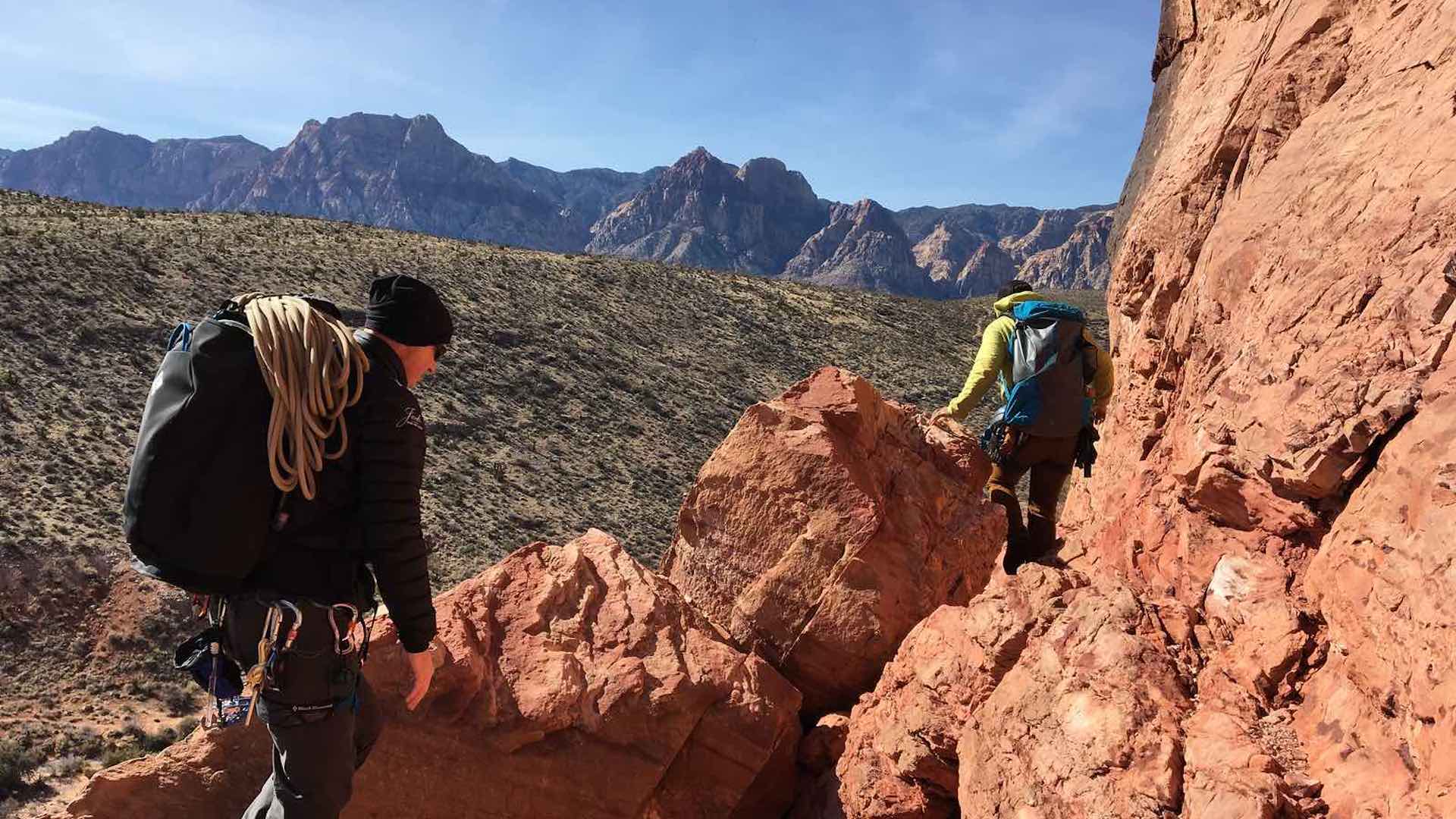
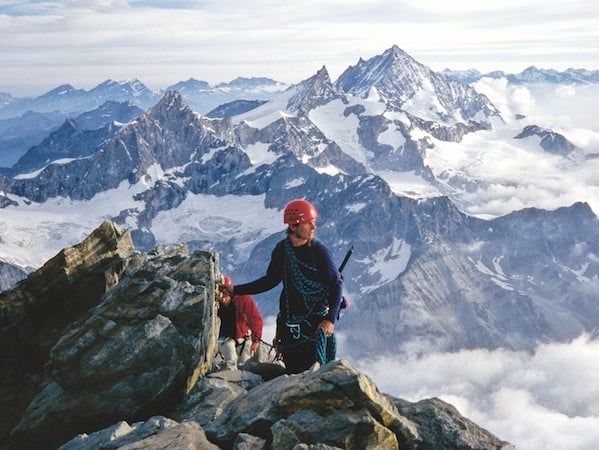
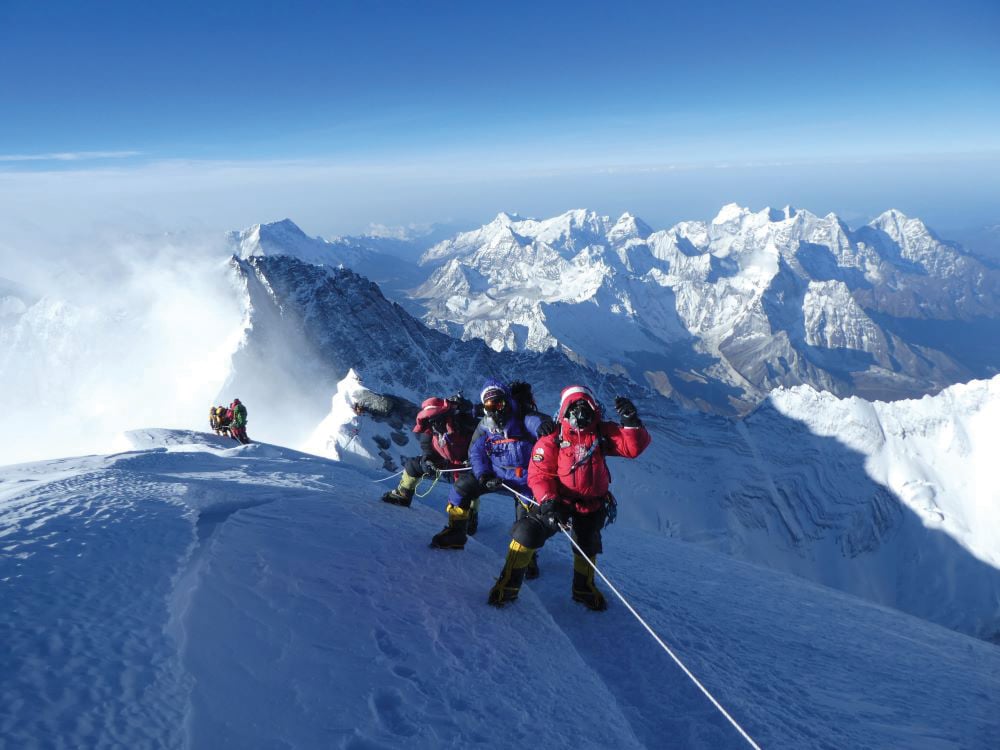
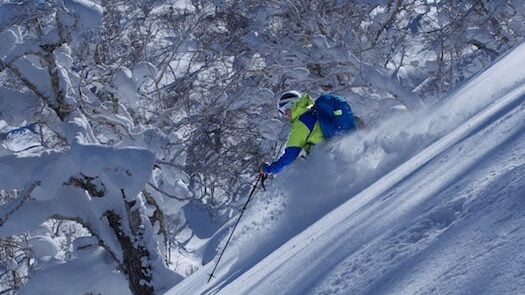
This is where mountain-specific directional terms come into play. Instead of referencing cardinal directions, climbers and skiers frequently use perspective-based language tied to movement. When traveling uphill, you’ll hear “climber’s right” and “climber’s left.” These terms describe direction from the viewpoint of someone ascending the slope. When descending on skis, the language shifts to “skier’s right” and “skier’s left,” again referencing the traveler’s perspective.
These terms are often paired with altitude and terrain features: “At 9,200 feet, move climber’s right of the rock band,” or “Ski skier’s left of the gully at this rollover.” This kind of precise beta communicates micro-level information that maps and compass bearings can’t easily convey.
Learning and using this language improves clarity, reduces confusion, and helps teams move more efficiently and safely through complex mountain terrain.