













Robin Hogarth’s distinction, popularized by David Epstein in Range, separates fields where experience reliably builds expertise (kind) from those where it can mislead (wicked). Climbing, mountaineering, and skiing span both ends, sometimes within a single day.
Where Feedback Is Kind
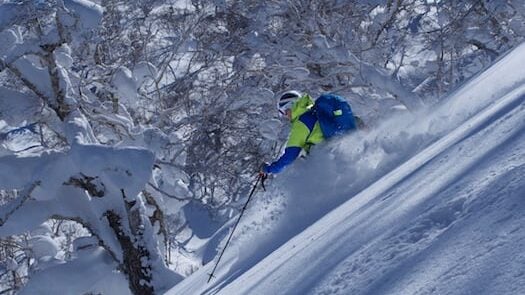
Gym and sport climbing are close to ideal kind environments. The rules are stable, routes repeat, and feedback is immediate: you either latch the hold or you fall. Hundreds of attempts on similar movement patterns build real, transferable skill. Resort skiing works the same way. Groomed runs, consistent snow, and instant feedback from every turn mean mileage translates directly into improvement.

Where Feedback Turns Wicked
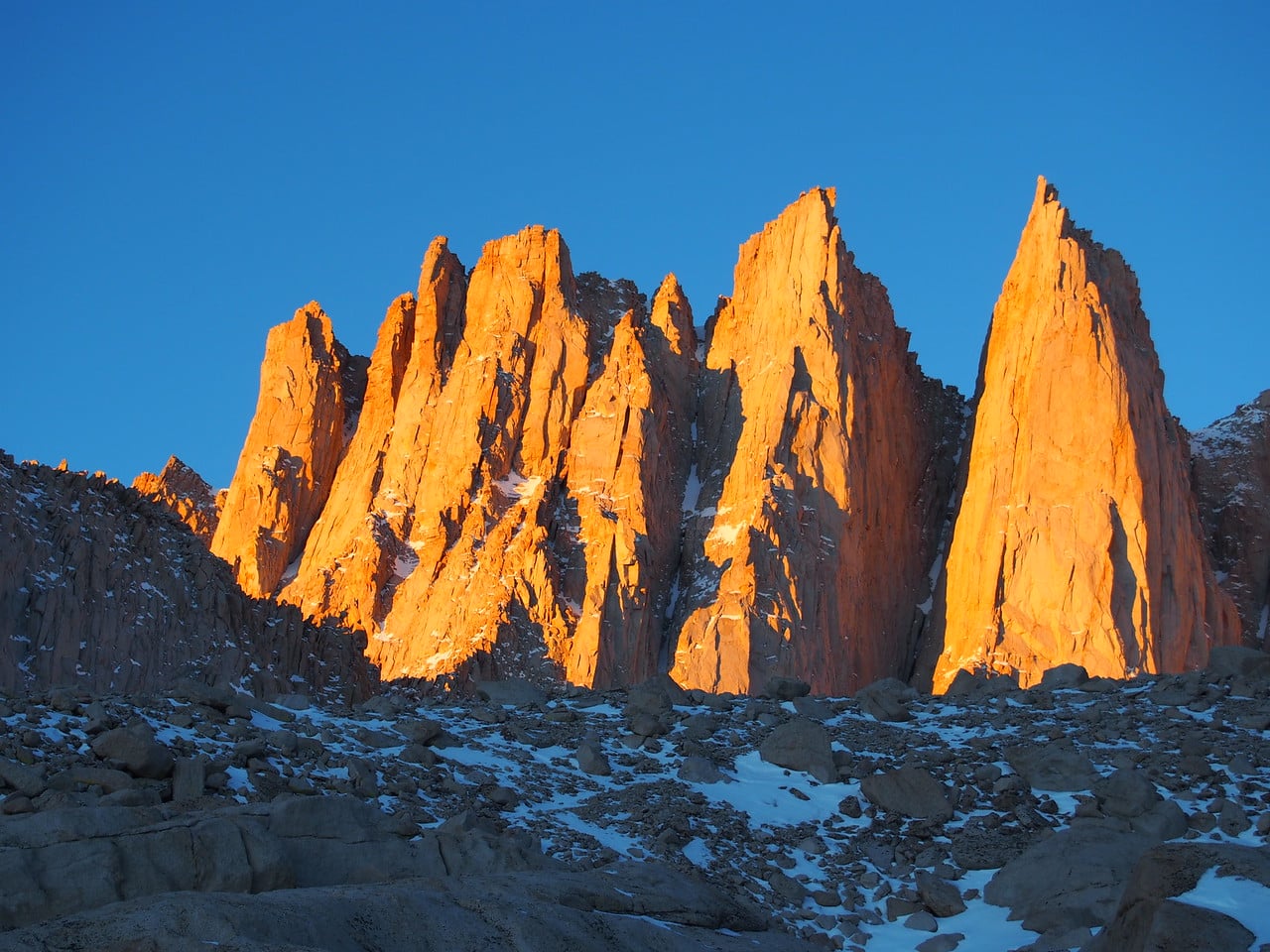
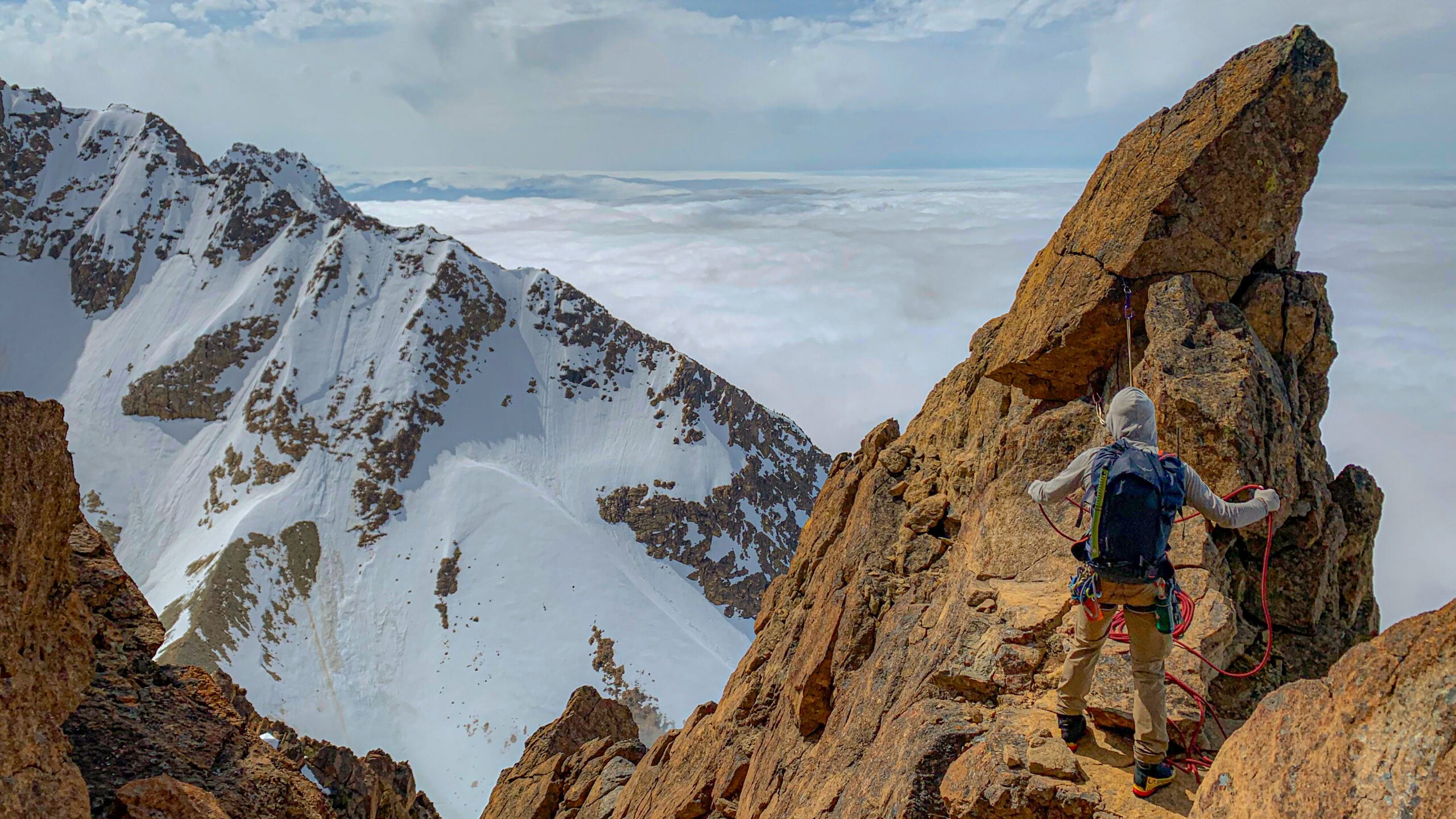
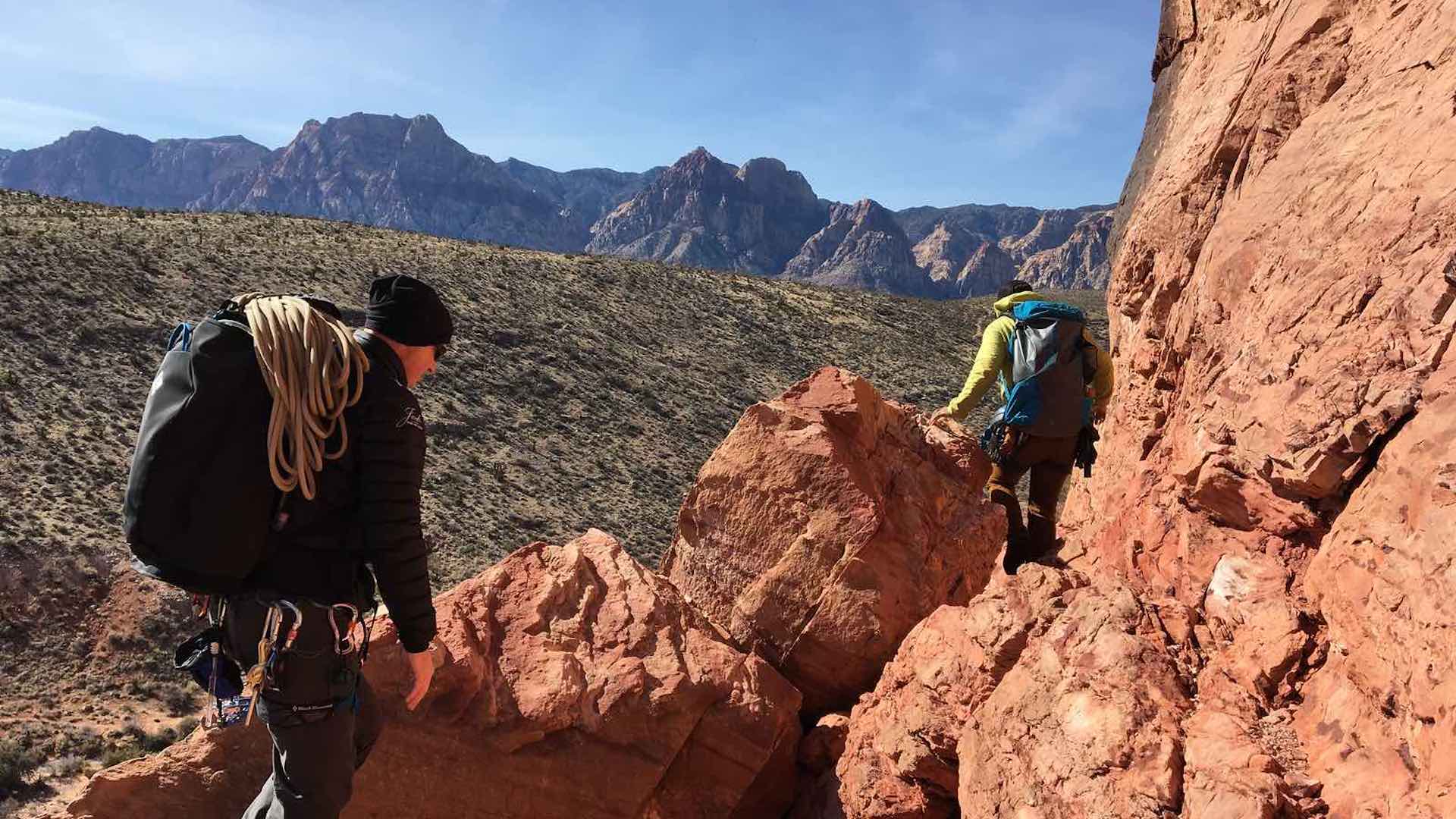
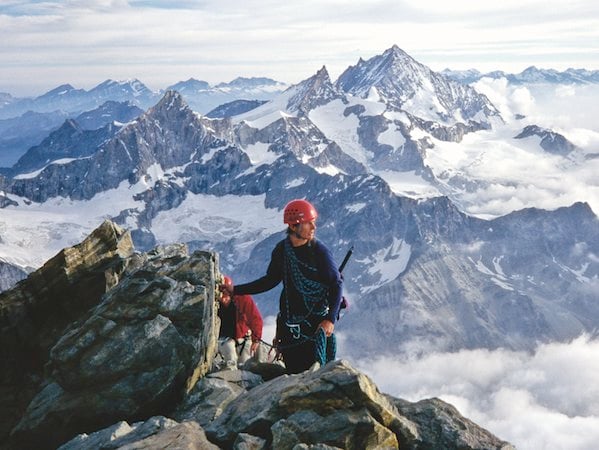
Trad climbing sits in the middle. A poorly placed cam holds fine until the day you fall on it. Your gear placements can be bad for years while every outing “confirms” that you are good at it. Feedback is delayed, rare, and sometimes catastrophic.
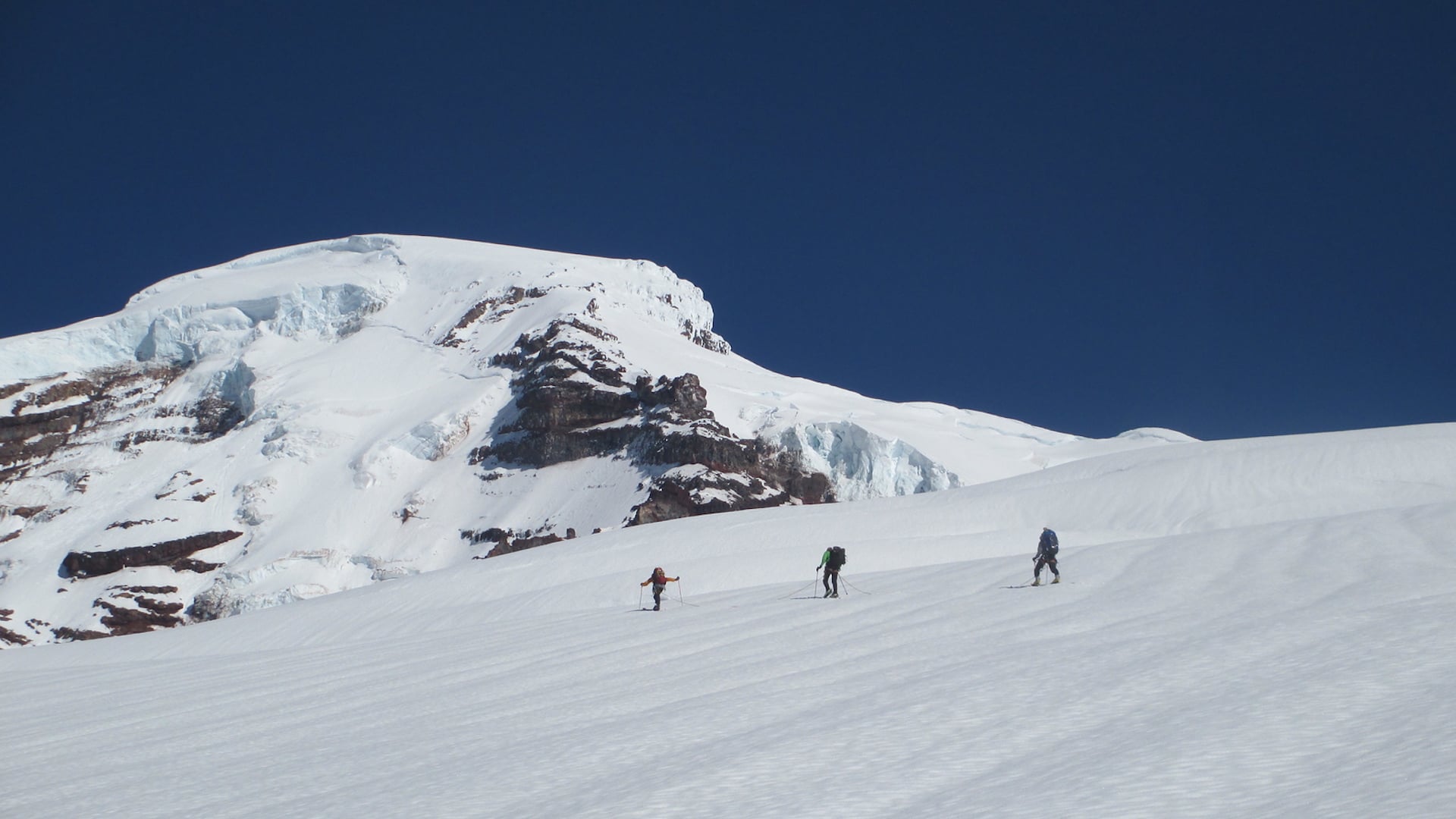
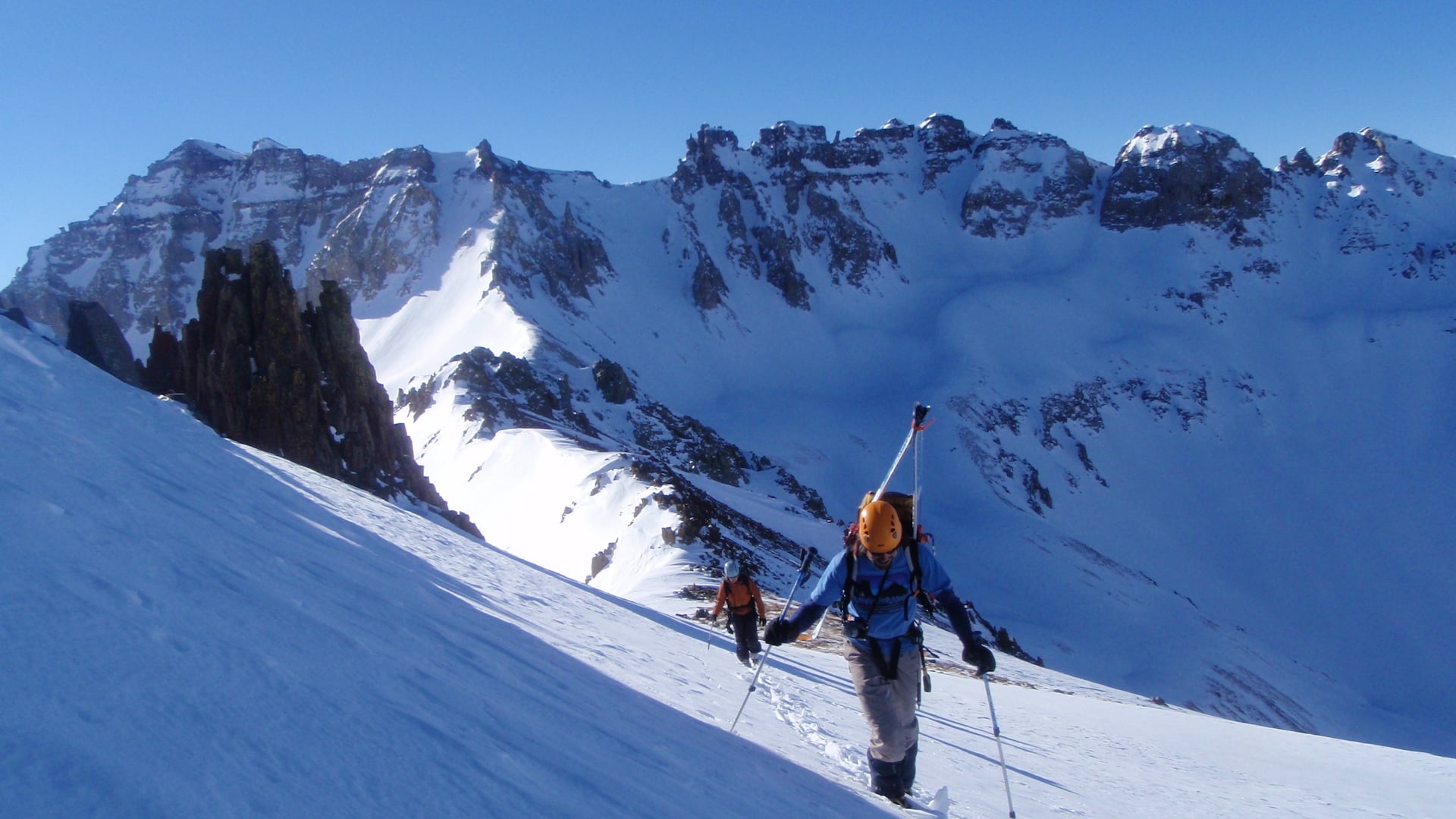
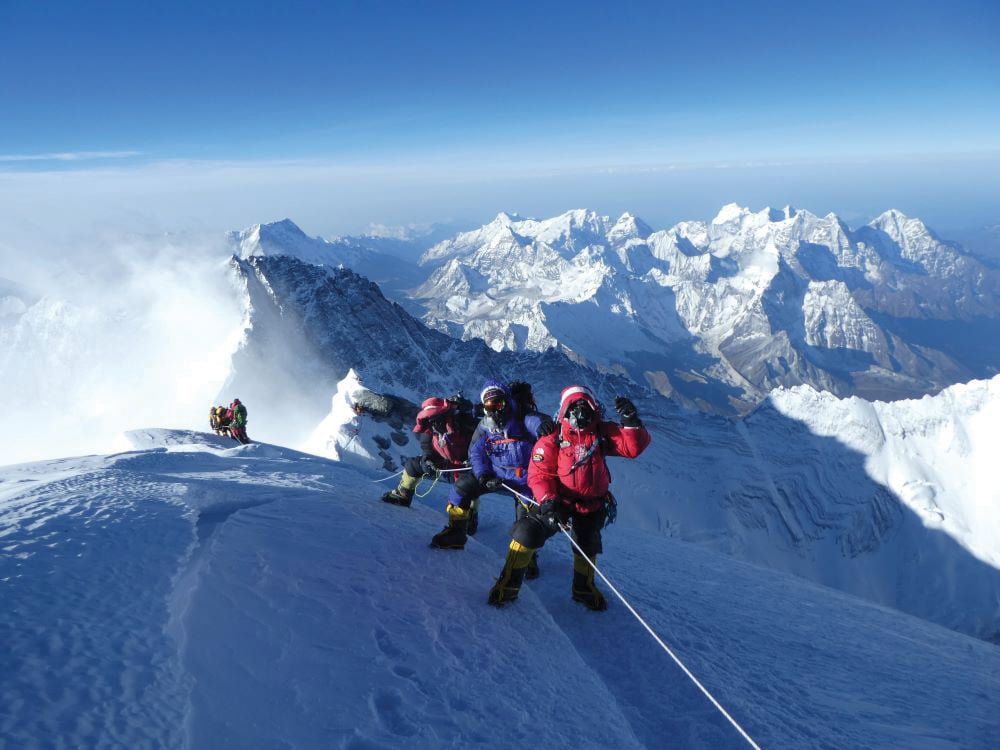
Mountaineering and backcountry skiing are deeply wicked. Consider avalanche terrain. You can ski a dangerous slope ten times and get away with it, learning exactly the wrong lesson: this slope is safe. Success reflects luck as much as judgment, but it feels like skill. Conditions change daily, the hazard is hidden inside the snowpack, and the worst outcomes are rare enough that no individual accumulates meaningful data on them. Summit fever, outcome bias, and survivorship bias thrive here. The people who made poor decisions and got away with it keep going, while those who didn’t are no longer around to share what they learned.
Navigating the Wicked Parts
Epstein’s advice for wicked domains maps neatly onto the mountains:
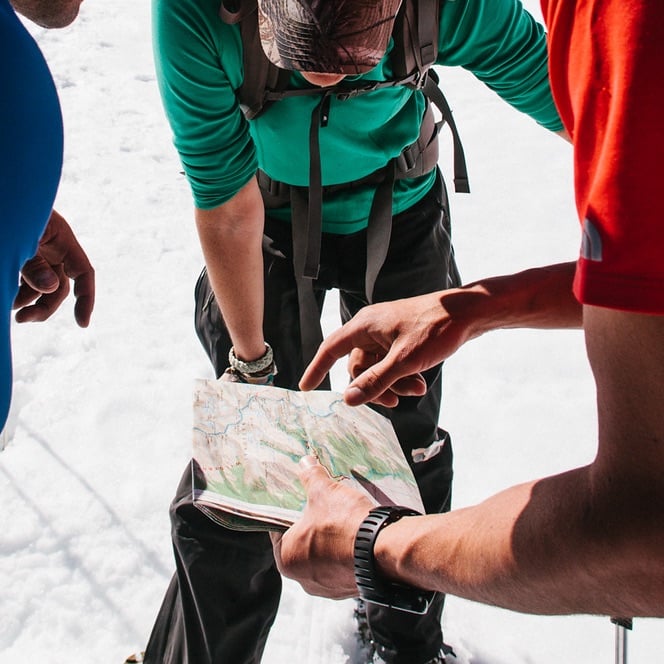
- Test hypotheses, don’t assume. Dig a snow pit, check the aspect and elevation, and compare what you expected with what you found, rather than trusting that “it was fine last time.”
- Seek external feedback. Avalanche forecasts, guides, and mentors supply data your own limited experience can’t. Debriefing after trips, especially near-misses, turns luck into learning.
- Ask what’s missing. What am I not seeing? Which hidden variables, like a buried weak layer or a changing weather window, could be driving the outcome?
- Use structured decision-making. Checklists and turnaround times protect you from in-the-moment bias.
The Takeaway
More days in the mountains don’t automatically make you safer. In kind environments, experience is the teacher. In wicked ones, experience without honest reflection, outside data, and humility can breed overconfidence. The best climbers and skiers know which environment they’re in and adjust how they learn accordingly.