
















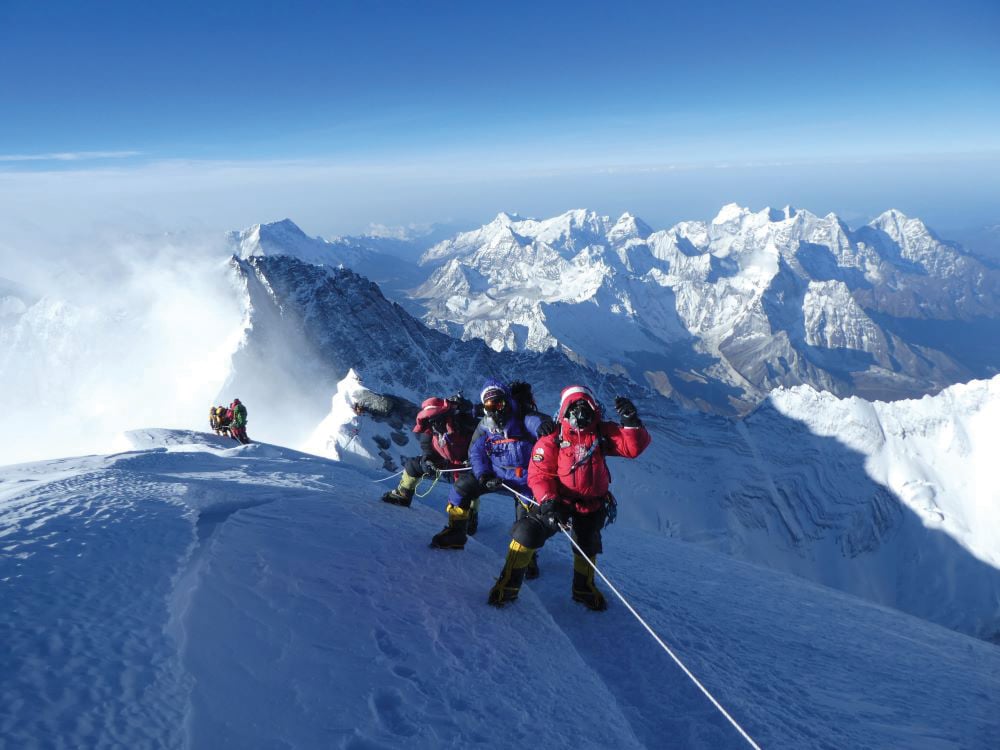
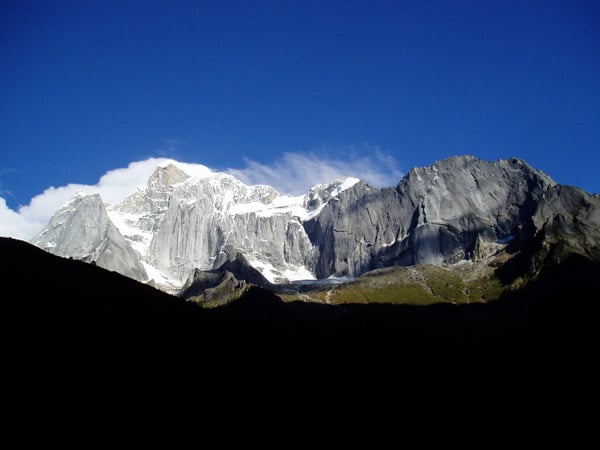

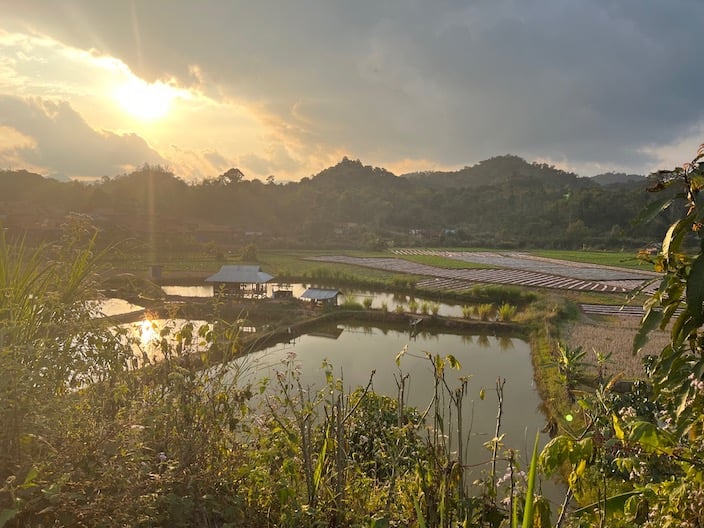

For years, the outdoor community has debated whether we should geotag the places we visit. The concern is understandable: share the location of a beautiful, relatively pristine place online, and suddenly thousands of people may know exactly where it is.
More visitors can mean more trash, damaged vegetation, crowded trails, and impacts to places that previously saw very little use. This conversation has been happening for more than a decade, and there have even been discussions about adding geotagging as an additional Leave No Trace principle.
But is geotagging actually the problem?
We don’t think it is.
People have countless ways to discover outdoor destinations. They can find locations in guidebooks, on mapping platforms like CalTopo, Gaia GPS, and OnX, through websites, word of mouth, or simply by following a trail. Telling people not to geotag isn’t going to stop them from finding places.
The bigger issue is what happens when they arrive.
Education Matters
Many of the places experiencing increased visitation are relatively close to trailheads—often less than five miles away—but they can still be remarkably wild and fragile. When people arrive without understanding how their behavior affects an environment, even well-intentioned recreation can cause significant damage.
This is where education becomes critical.
As outdoor educators, guides, writers, photographers, and influencers, we have an opportunity to teach people how to travel responsibly. We can’t control what people share online, but we can help them understand what to do when they get there.
That means teaching people to camp on durable surfaces, properly dispose of waste, respect wildlife, avoid fragile vegetation, minimize noise, and understand when their presence is having an outsized impact.
Sometimes Concentrated Use Can Protect Wild Places
There is also an interesting concept in wilderness management: concentrating visitors in certain areas can sometimes help protect other areas.
If a popular destination absorbs the majority of recreational use, the valley, ridge, or mountain next door may remain relatively untouched. That doesn’t mean heavily visited places should simply be sacrificed. They still require thoughtful management and stewardship. But concentrating use can be one tool for protecting larger landscapes.
The goal shouldn’t necessarily be to keep people from discovering beautiful places. It should be to help them become better visitors once they do.
Learn How to Minimize Your Impact
One of the best ways to become a more responsible outdoor traveler is to learn the principles behind Leave No Trace rather than simply memorizing a list of rules.
The American Alpine Institute offers Leave No Trace courses designed to give outdoor enthusiasts, educators, guides, and other recreationists practical tools for minimizing their impact. These courses go beyond telling you what not to do—they help you understand why responsible decisions matter and how to apply Leave No Trace principles in real-world situations.
We aren’t going to stop people from geotagging. We aren’t going to stop people from sharing maps, publishing guidebooks, or talking about their favorite places.
But we can work toward something more useful: a culture of outdoor recreation where finding a beautiful place comes with an understanding of how to take care of it.
The answer to the problems created by increased visitation may not be less information.
It may be better education.