

















A slab avalanche is what happens when a cohesive plate of snow fractures above a weak layer—often something sugary, faceted, or otherwise structurally questionable—and slides downhill as a single, unified mass. Think of it as the snowpack’s version of pulling the tablecloth out from under the dishes…except the dishes are the entire slope.
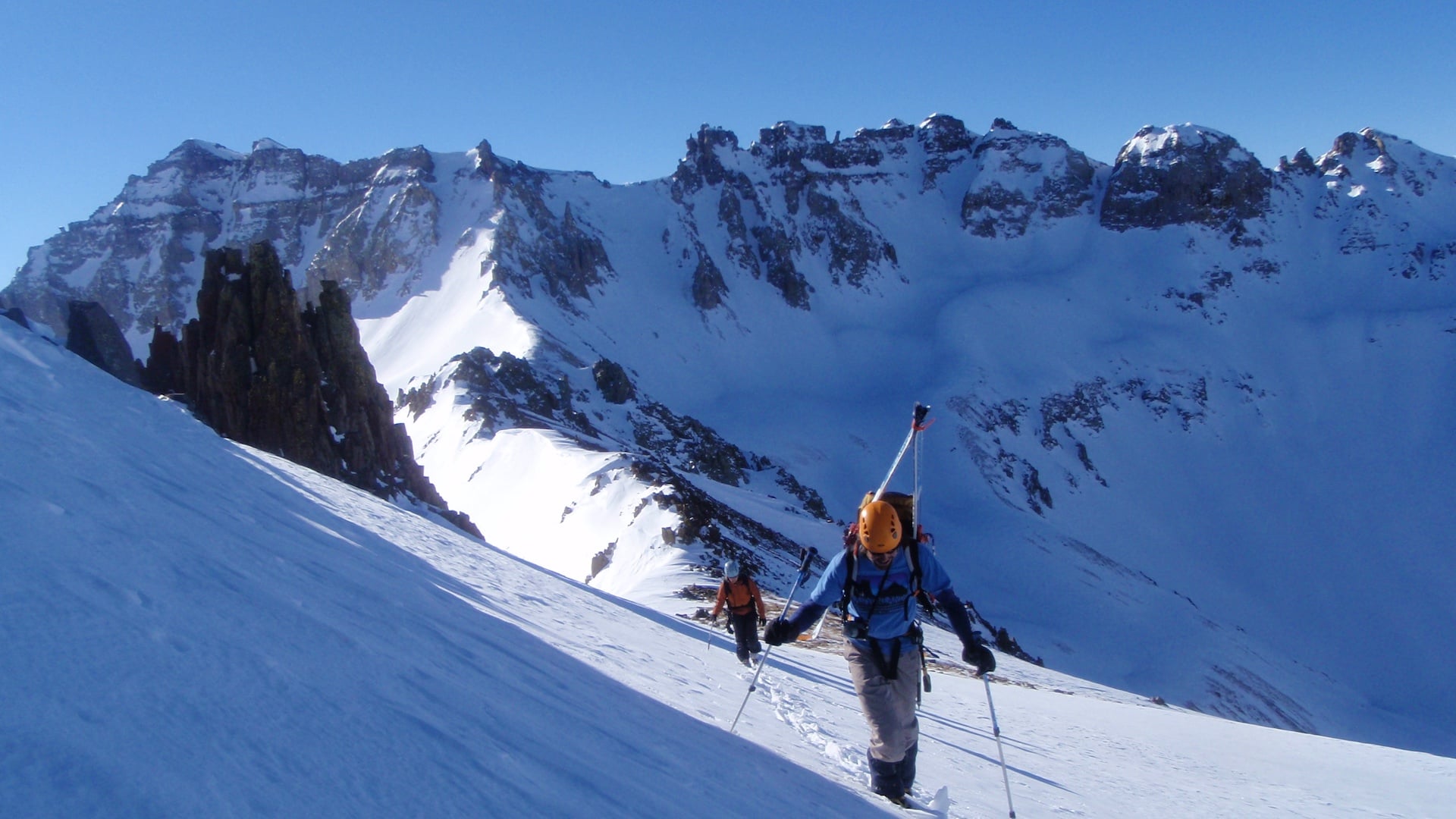
These avalanches form when layers of snow bond poorly to each other, often due to weather swings, wind loading, or persistent weak layers lurking beneath the surface. Once a fracture starts—usually triggered by a skier, snowboarder, snowmobiler, or natural forces like new loading or warming—it can propagate rapidly across the slope. That’s what makes slab avalanches so dangerous: they act like a giant, moving puzzle piece with enough force to sweep a person off their feet and into terrain traps.

Slab avalanches can vary wildly in size, from small but still hazardous slides to catastrophic, valley-spanning events. Recognizing the ingredients—recent wind transport, cracking, collapsing, and signs of buried weak layers—is key to avoiding them. When the snowpack starts hinting it’s in a fragile mood, the best move is to dial back the objectives…before the mountain does it for you.