

















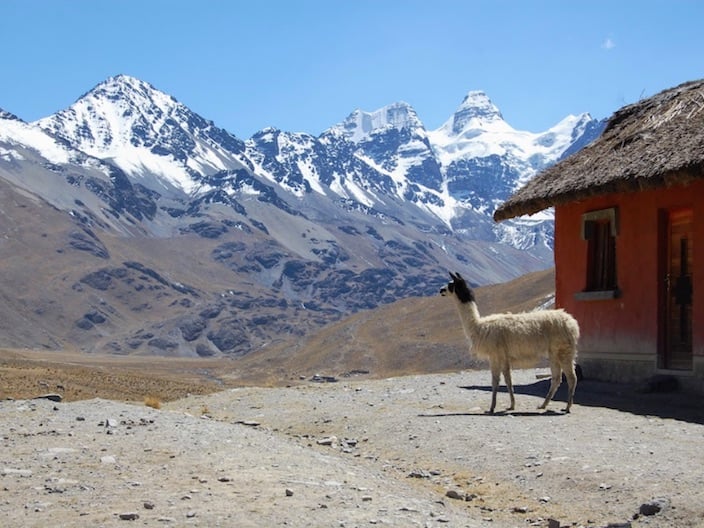





Coca leaves have been used for thousands of years by Indigenous peoples throughout the Andes, long before the rise of the Inca Empire. Archaeological evidence suggests that people in modern-day Peru and Bolivia were chewing coca leaves as early as 8,000 years ago. Traditionally, the leaves are chewed with an alkaline substance or brewed into tea, known as mate de coca. For generations, coca has played an important role in daily life, religious ceremonies, medicine, and high-altitude travel.
One of coca’s best-known traditional uses is helping people adapt to life at altitude. Travelers arriving in places like Cusco or La Paz are often greeted with coca tea because it may help reduce some of the discomfort associated with acute mountain sickness (AMS), including headache, fatigue, nausea, and loss of appetite. However, scientific evidence supporting coca as an effective treatment for altitude illness is surprisingly limited. While many people report feeling better after consuming coca, studies have not demonstrated that it significantly improves blood oxygen levels or speeds acclimatization.
The leaves contain small amounts of naturally occurring alkaloids, including cocaine, but in concentrations far lower than the refined illicit drug. When chewed or consumed as tea, these alkaloids are absorbed slowly and produce only mild stimulant effects. Users often experience increased alertness, reduced hunger, and a slight boost in energy, all of which can make long days at altitude feel more manageable.
It’s important to understand that coca leaves are not a substitute for proper acclimatization. The best defenses against altitude illness remain ascending gradually, staying hydrated, eating well, and allowing your body time to adjust. Medications such as acetazolamide (Diamox) have much stronger scientific evidence supporting their effectiveness for preventing altitude illness.
For mountaineers and trekkers, coca leaves are best viewed as a traditional cultural practice that may provide modest symptom relief and a welcome energy boost—but they should never replace sound altitude management or prompt descent if symptoms become severe.