





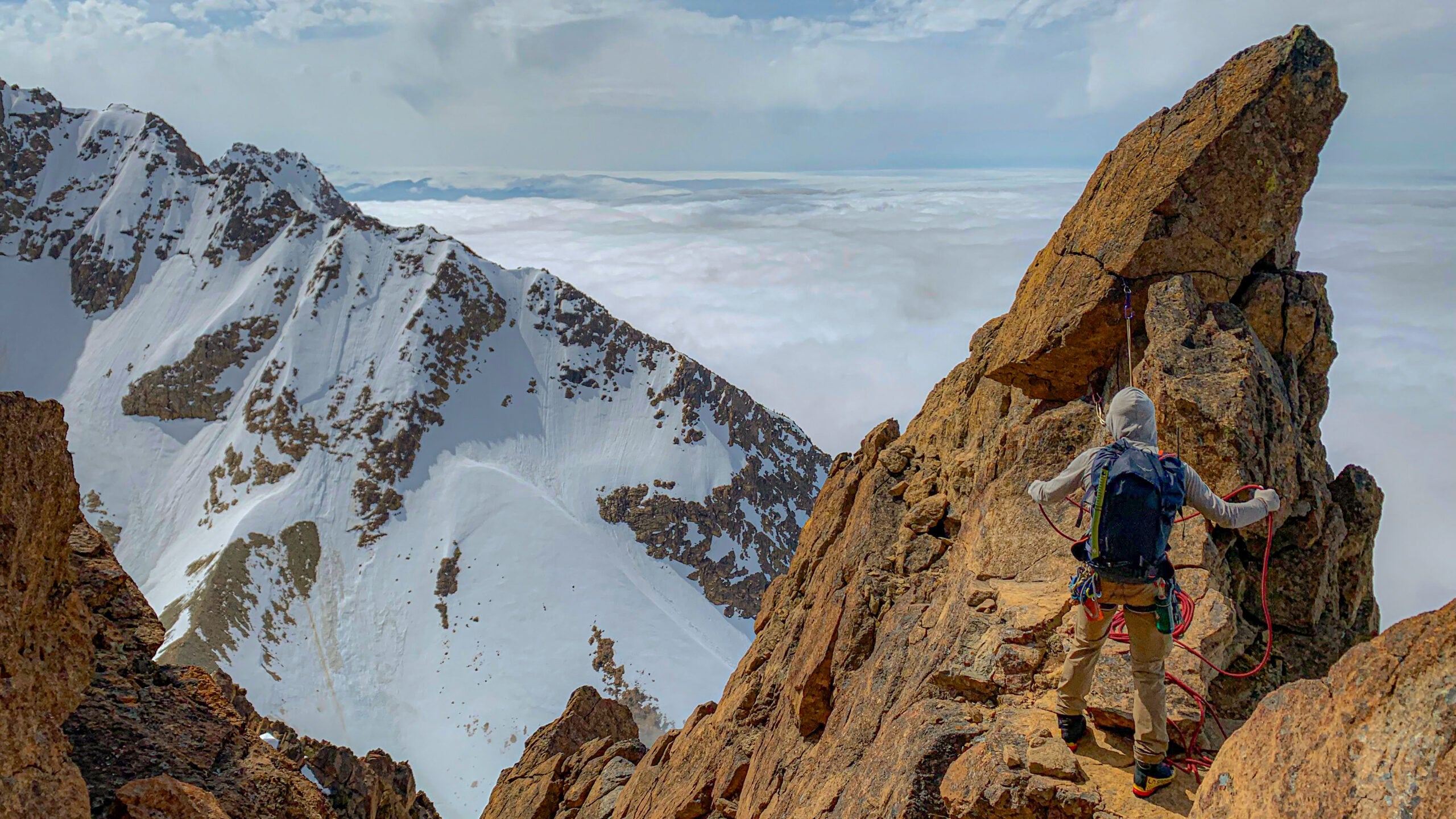






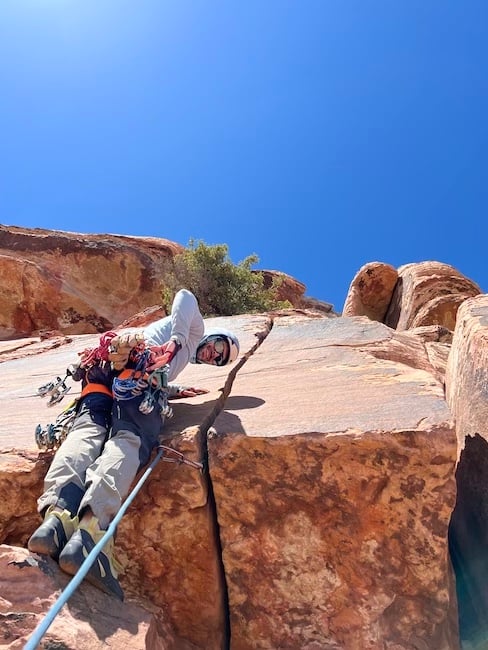
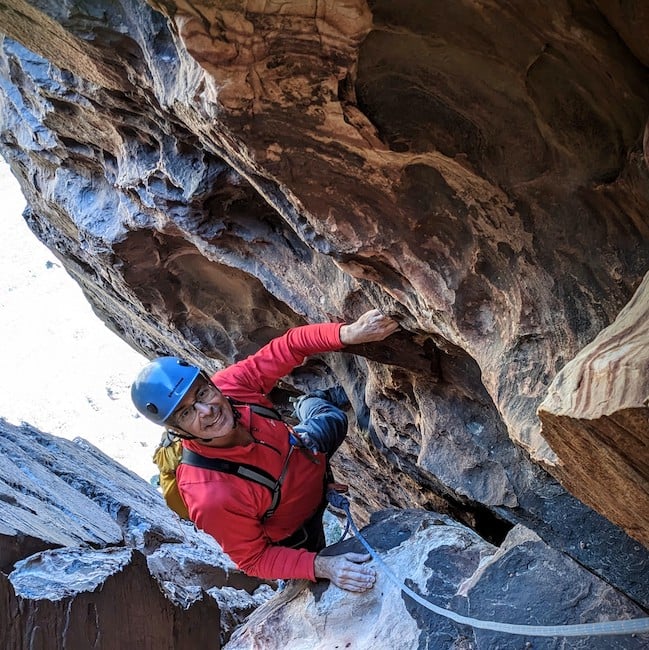
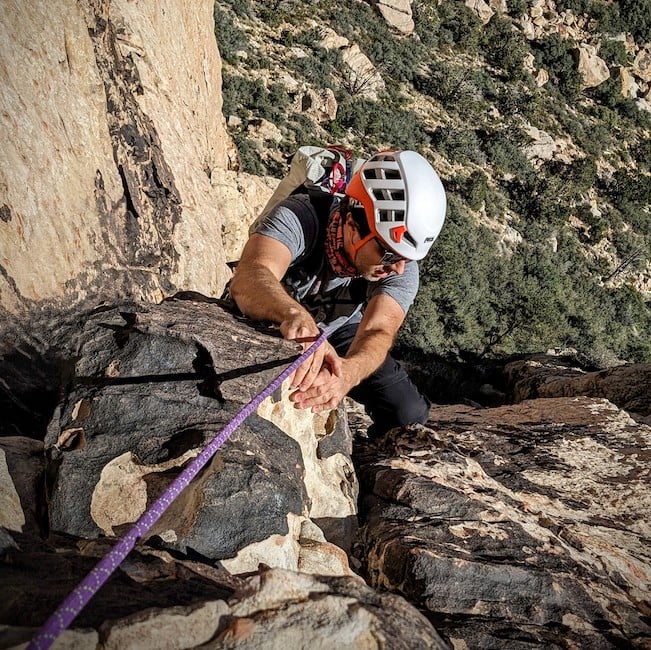


As the fall temperatures and wet weather start to overtake the more temperate climbing areas in the U.S., rock climbers begin their annual migration to the Desert Southwest in search of the sunny skies and warm rock found there for most of the fall, winter and spring months. The core season in Red Rock Canyon starts in September and continues through April. Throughout the majority of the season, climbers find good climbing conditions on dry rock. The shortest days of the year can be brisk in the deeper canyons, but there are plenty of sunny and warm options for climbing throughout the area.
Although September through April is our busiest time, the summer months can offer great climbs with fewer crowds. During the summer months, weather can climb above one hundred degrees during the hottest parts of the day, so climbers seek the cooler temperatures by climbing during the hours of 6 AM and 11 AM.
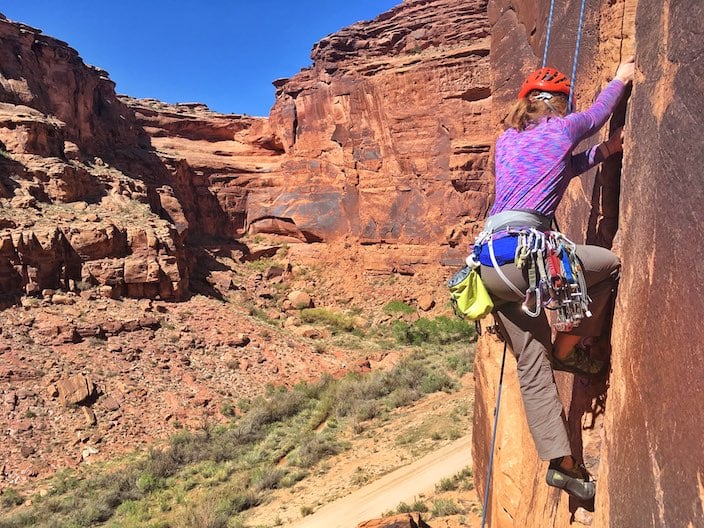
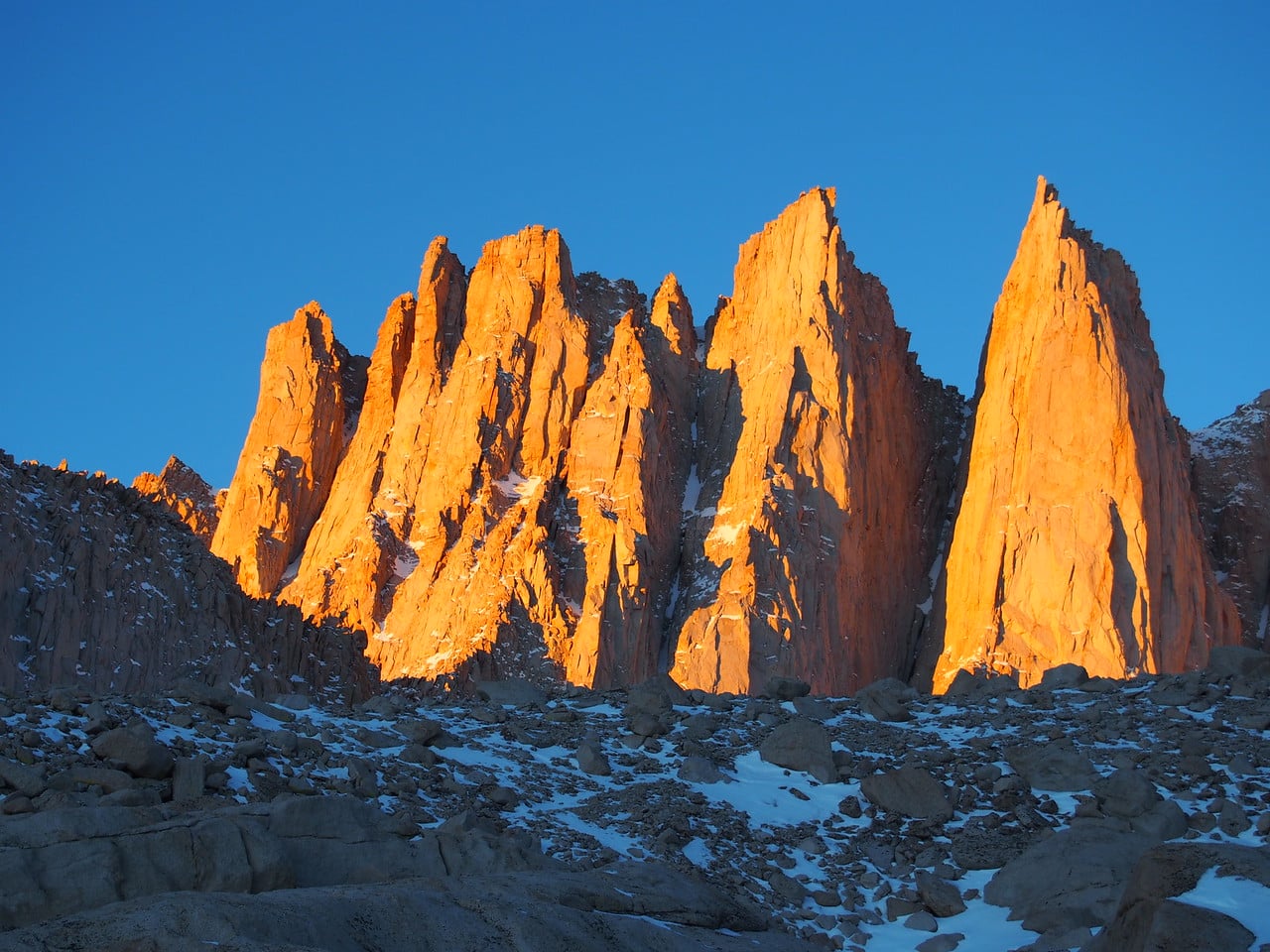
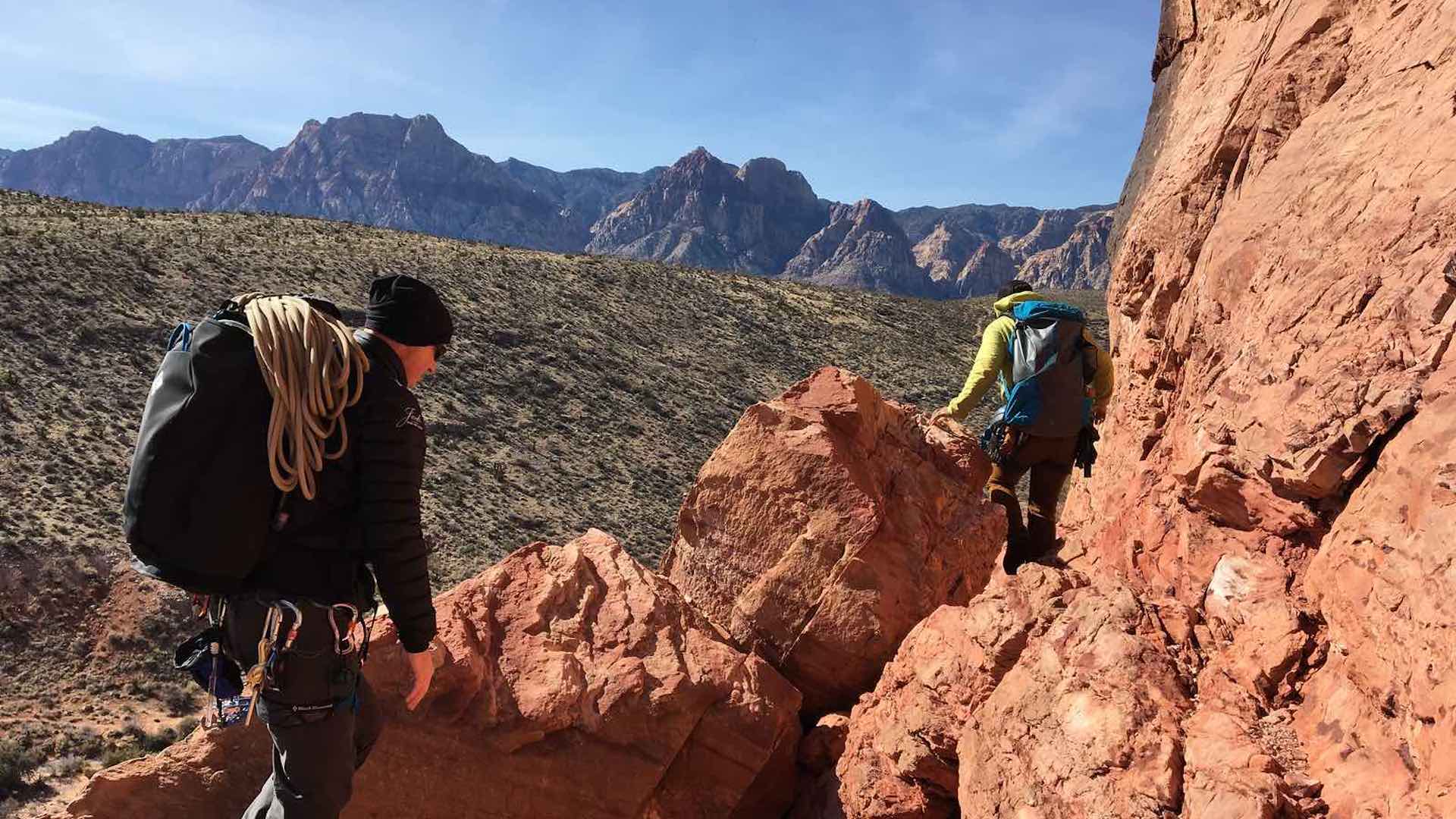
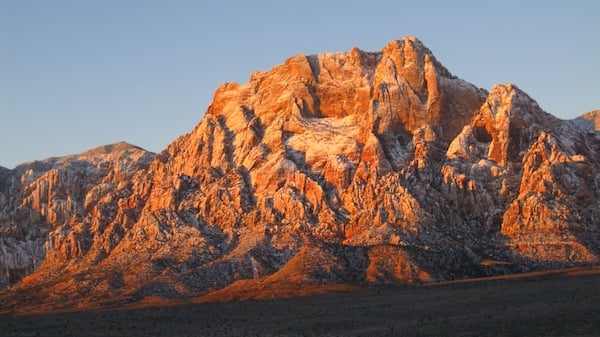
Red Rock Canyon National Conservation Area, often referred to as Red Rock, is unique in North American climbing. No other area offers such extensive climbing in a beautiful desert environment while simultaneously enjoying the ease of access and amenities of a nearby metropolitan area. Only 20 miles from downtown Las Vegas, Red Rock rises to 3000-foot walls of red, pink, brown, and cream colored Aztec sandstone. The cliffs form a north-south trending barrier over ten miles long and are cut perpendicularly with many major canyons and innumerable smaller ones. When you are climbing, the only sign of human impact is an occasional glimpse of the narrow access road, so while you are close to civilization, it feels like you are deep in a desert wilderness area.
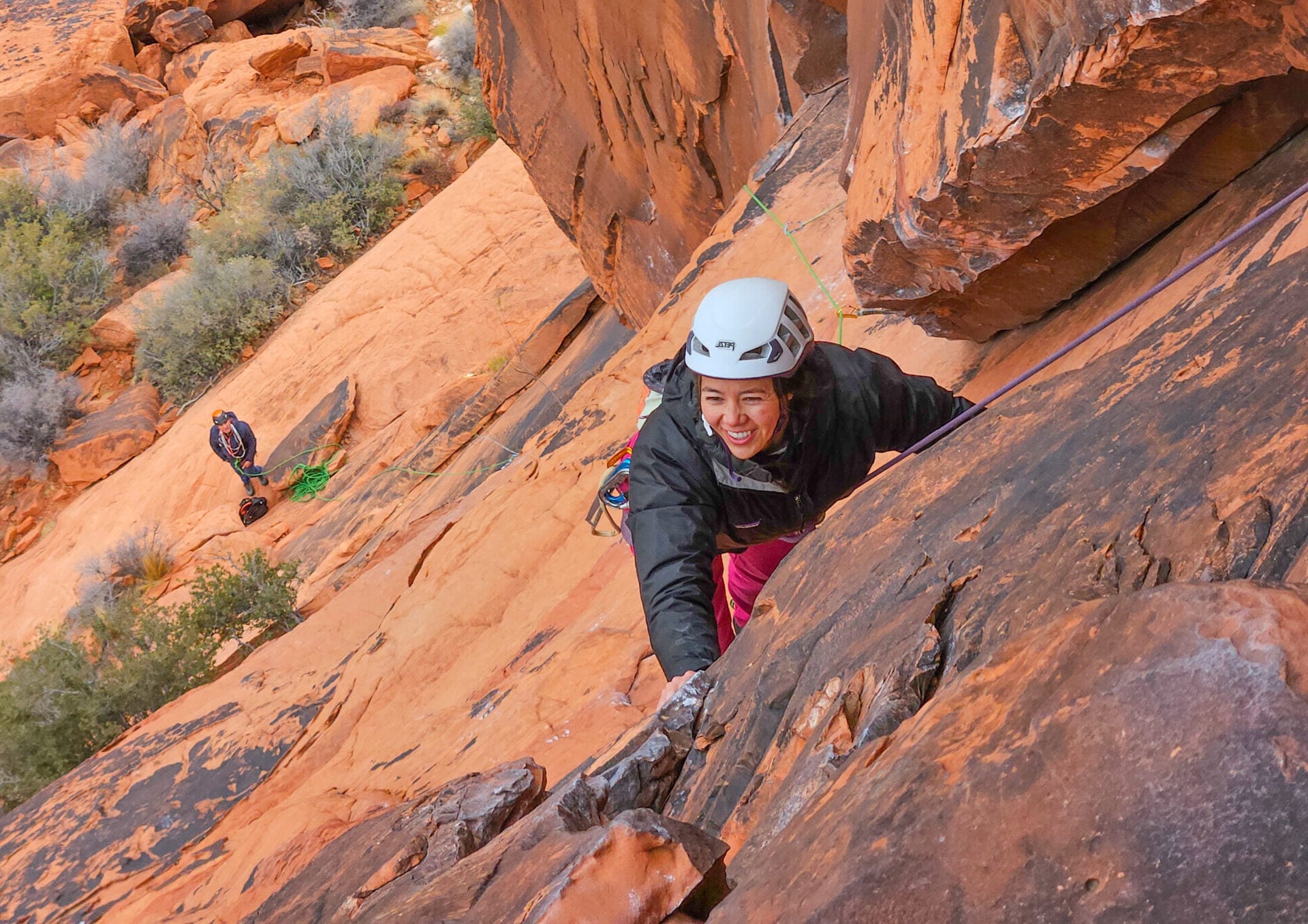
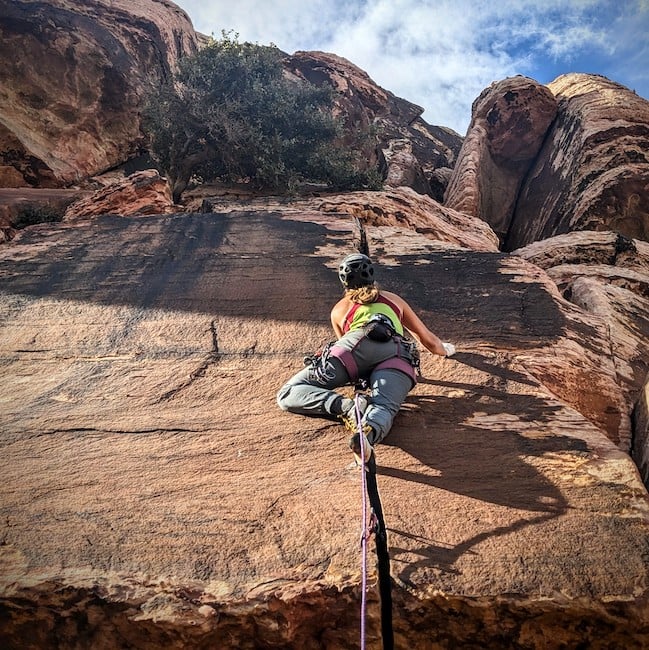
On the walls of these canyons and on the towers and summits which lie between them, you will find some of the longest and best non-granitic climbs in the country. The exceptionally hard, high-quality sandstone of Red Rock offers long, continuous crack lines and steep, exposed face climbing on fine desert varnish. The canyons and cliffs of Red Rock have retained a true wilderness feeling. There are very few established trails in the area and most of the approaches involve easy cross-country travel, often up isolated, narrow canyons lined with juniper and shaded by the many-hued rock walls that rise above.
In addition to hundreds of one-pitch sport climbs, Red Rock boasts an unusually large number of very long, high-quality routes of moderate technical difficulty. Many fine climbs of grade III or IV in length lie in the 5.6 to 5.8 range. Some of the harder routes with a difficulty of 5.9 or 5.10 can only be described as desert classics.
 Details
 Course Options
 Advocacy