






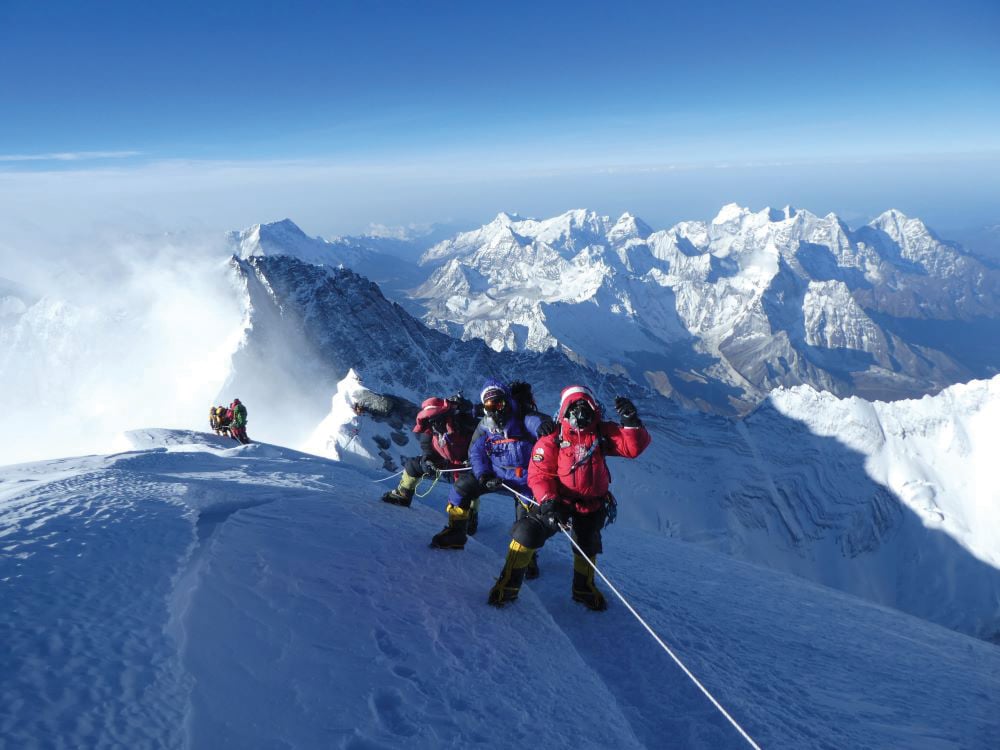


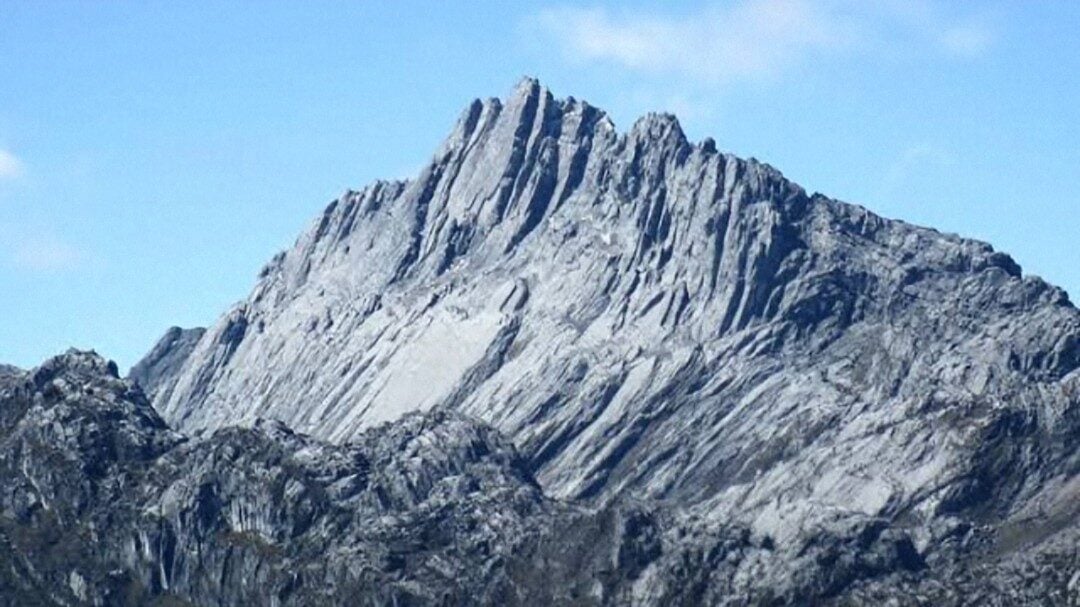


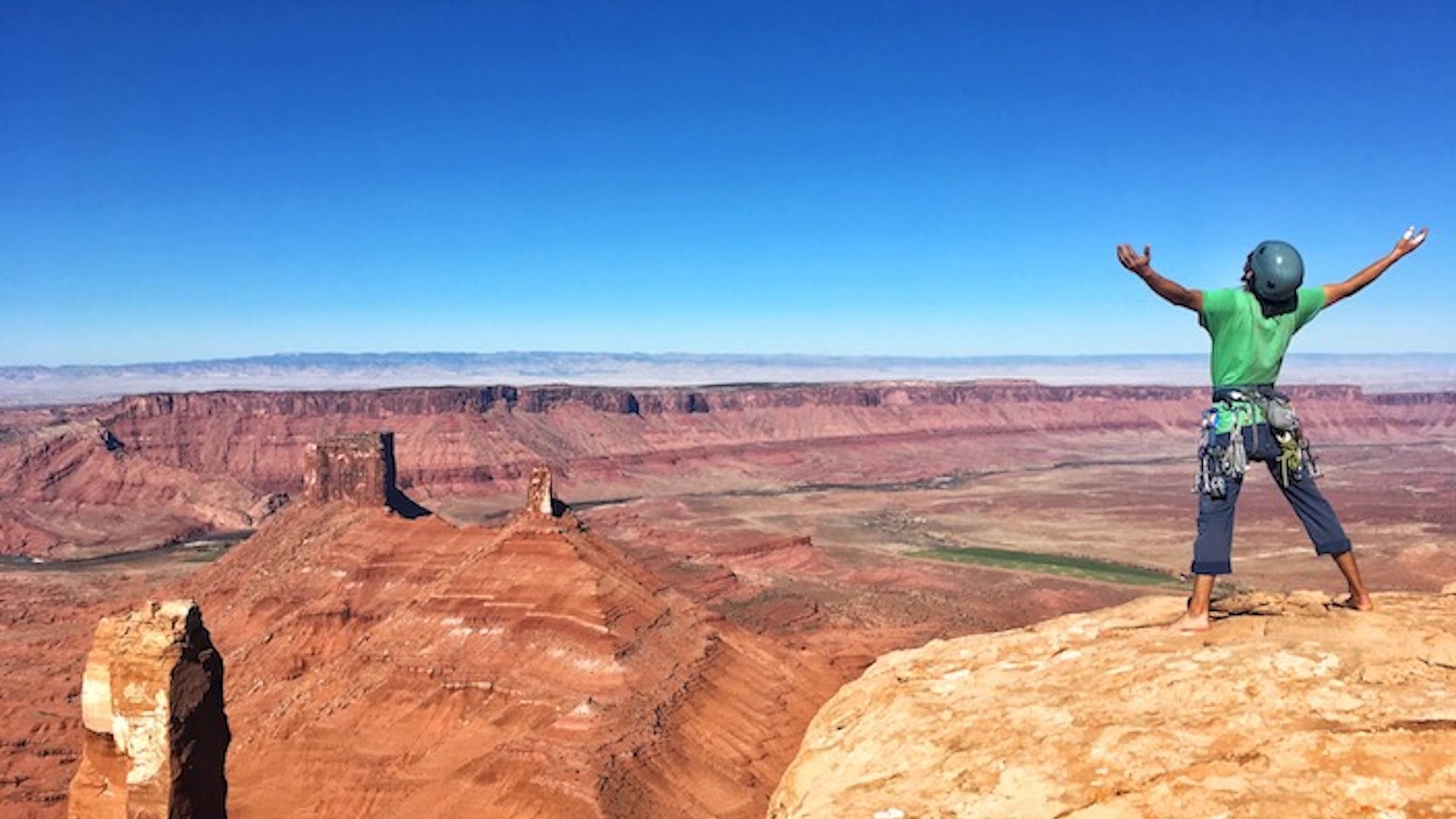
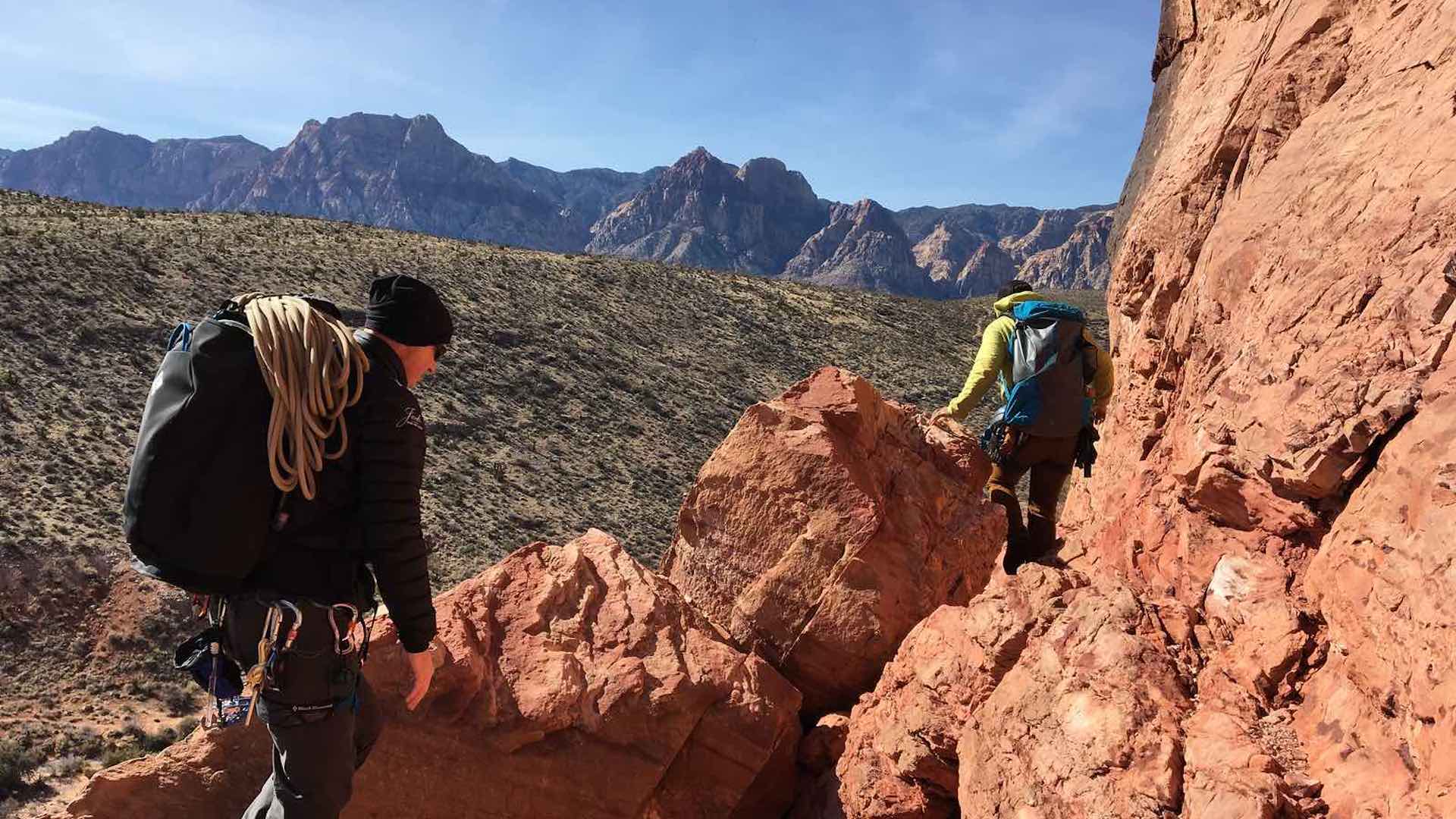


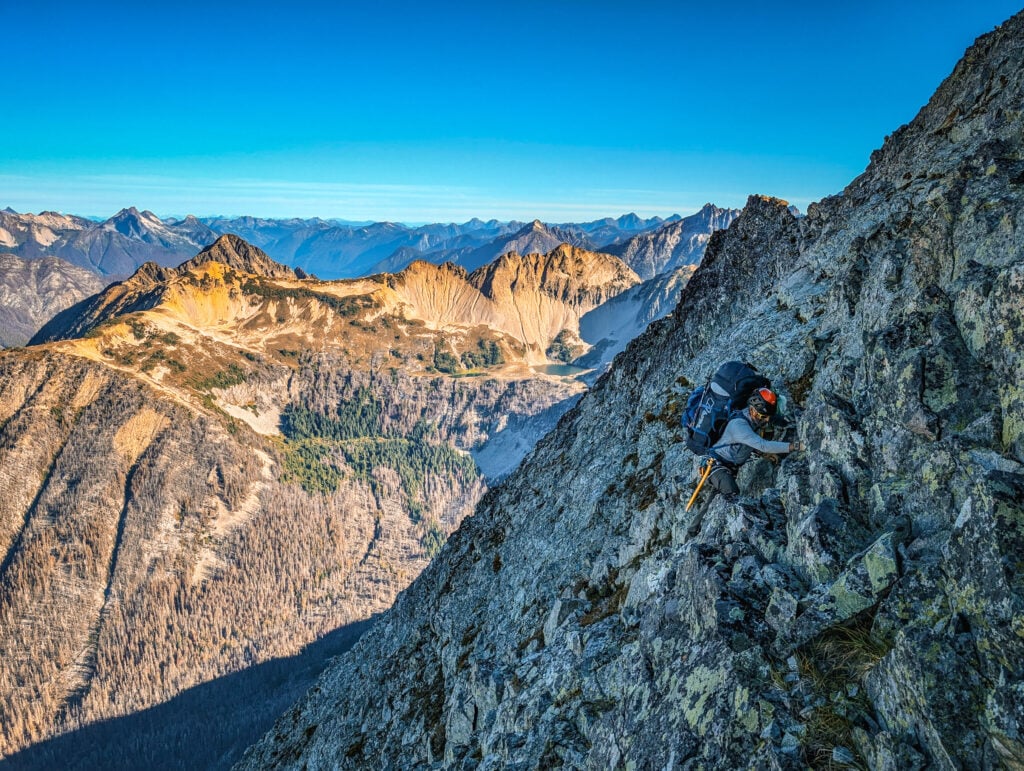

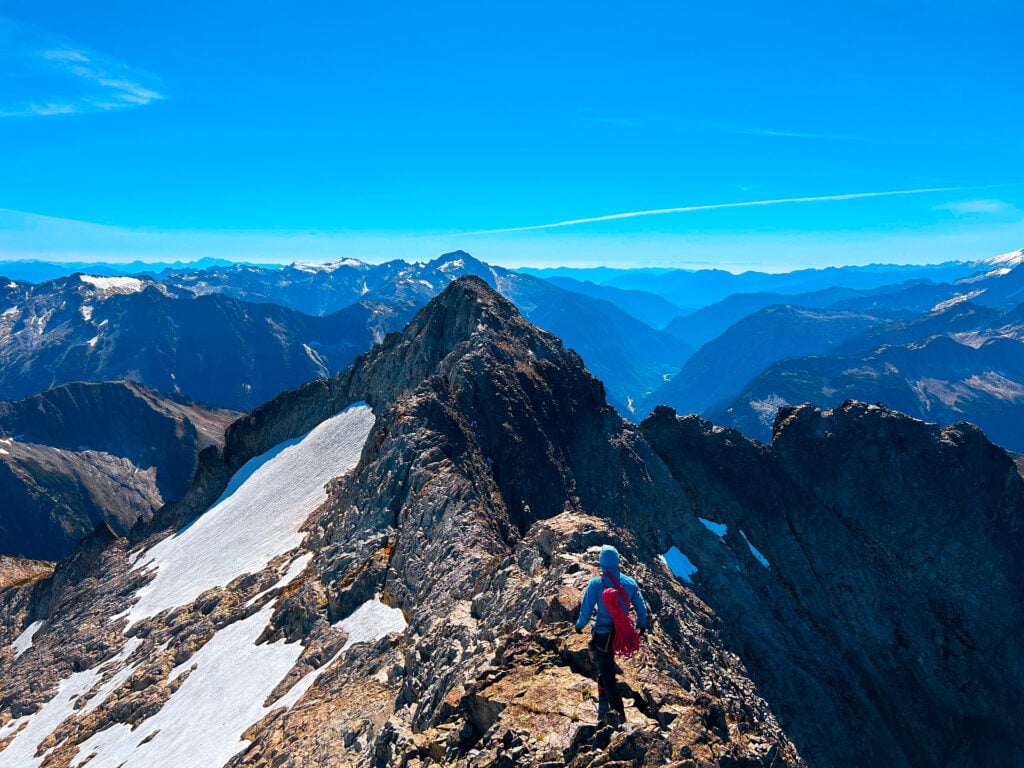
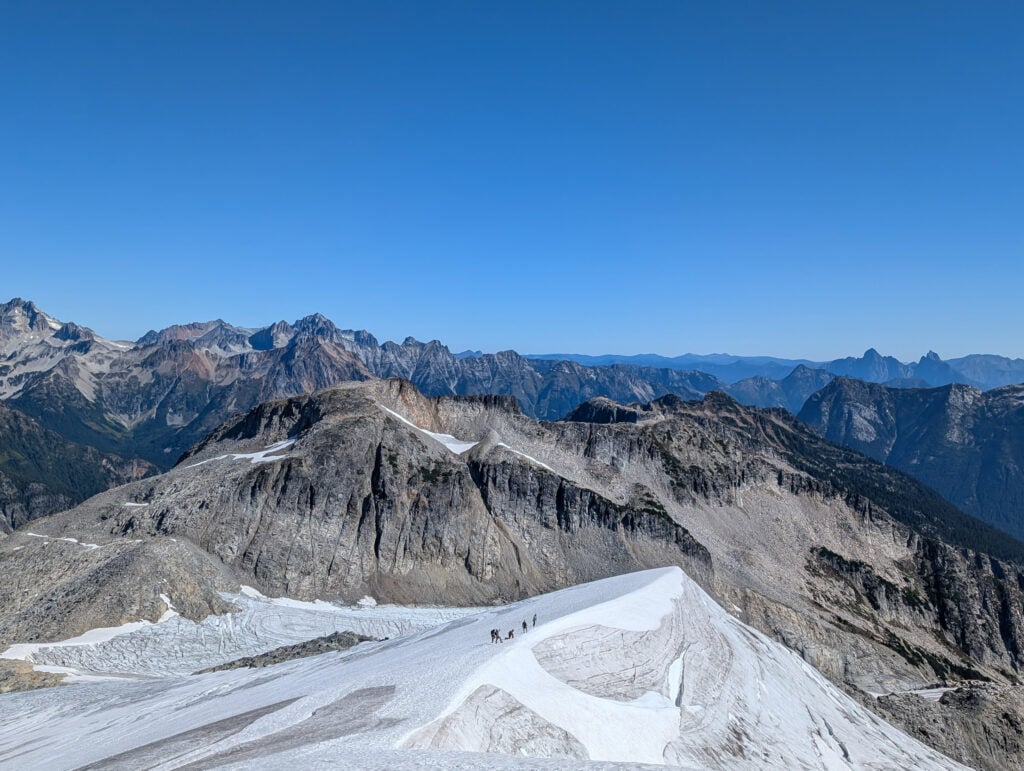
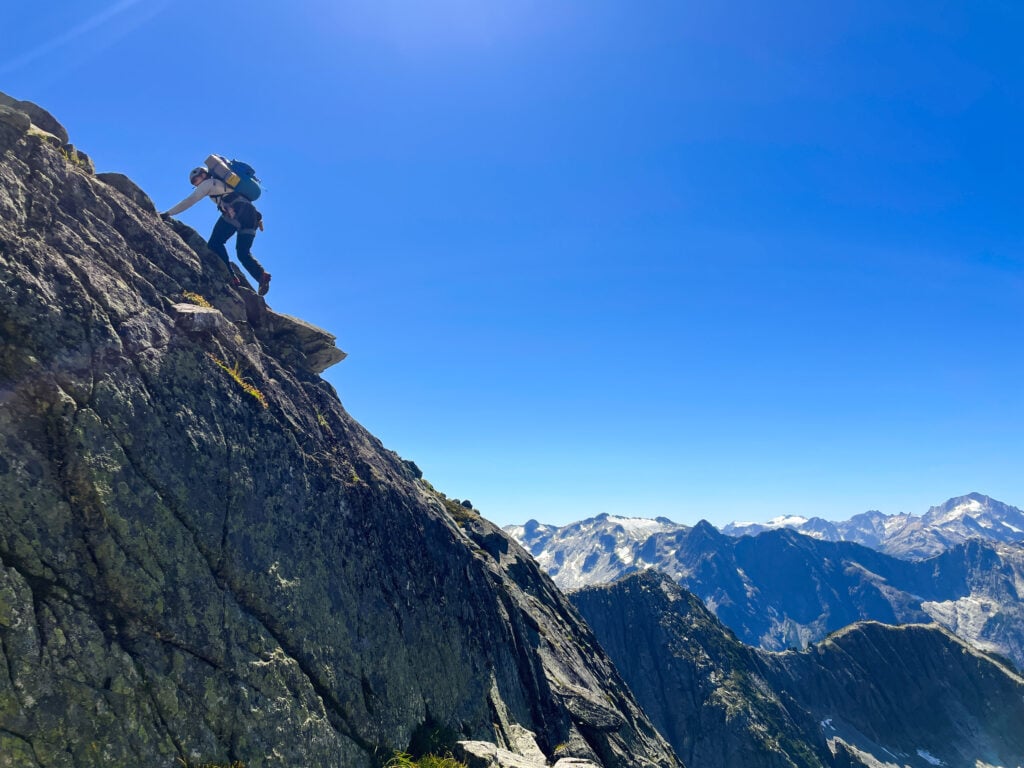
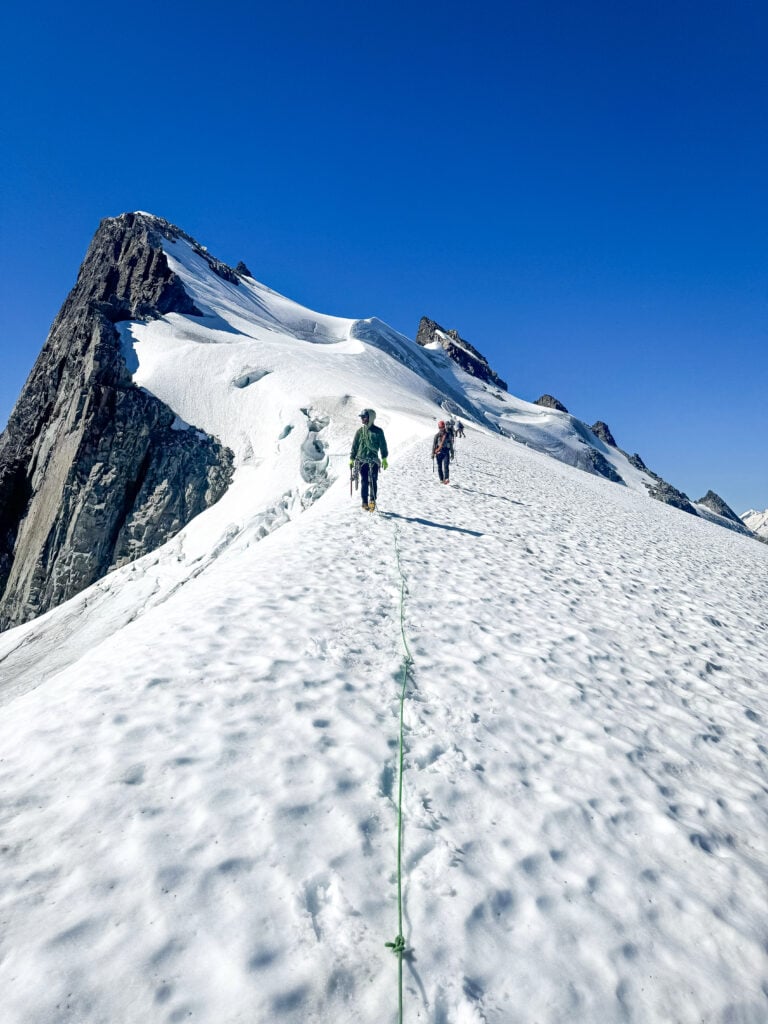
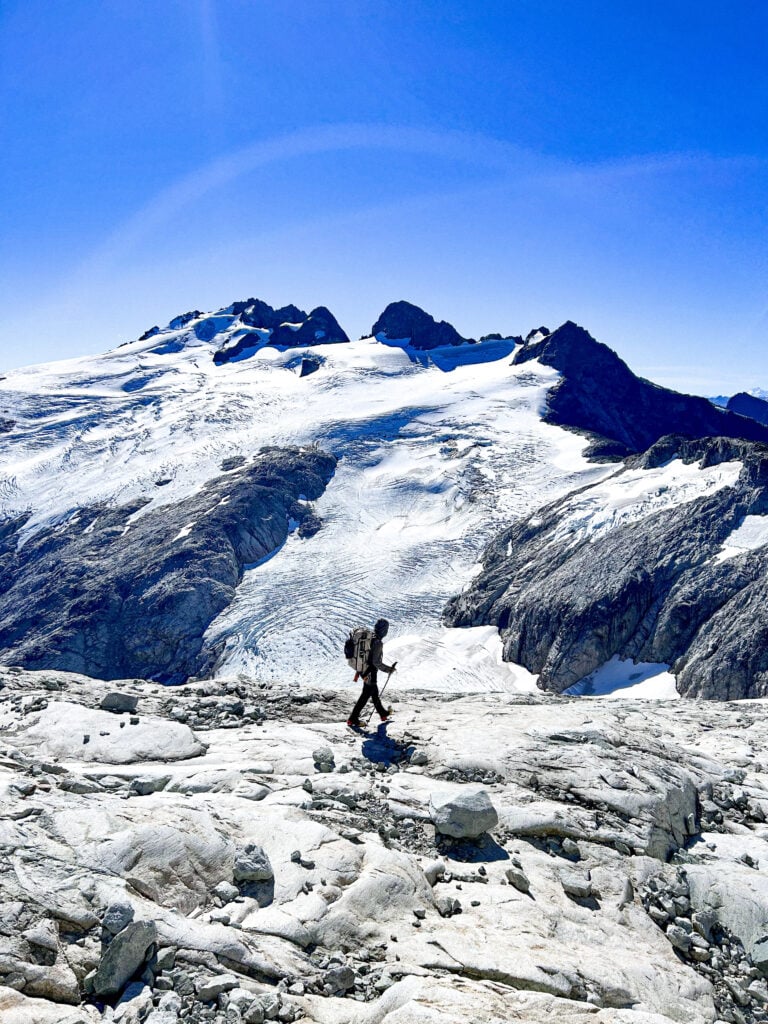
Alpine Mountaineering and Technical Leadership Part 4 (AMTL 4) is the capstone of the American Alpine Institute’s four-part alpine training progression. This advanced expedition course is where climbers bring together every skill learned in AMTL 1, 2, and 3 and apply them on a true big mountain expedition.
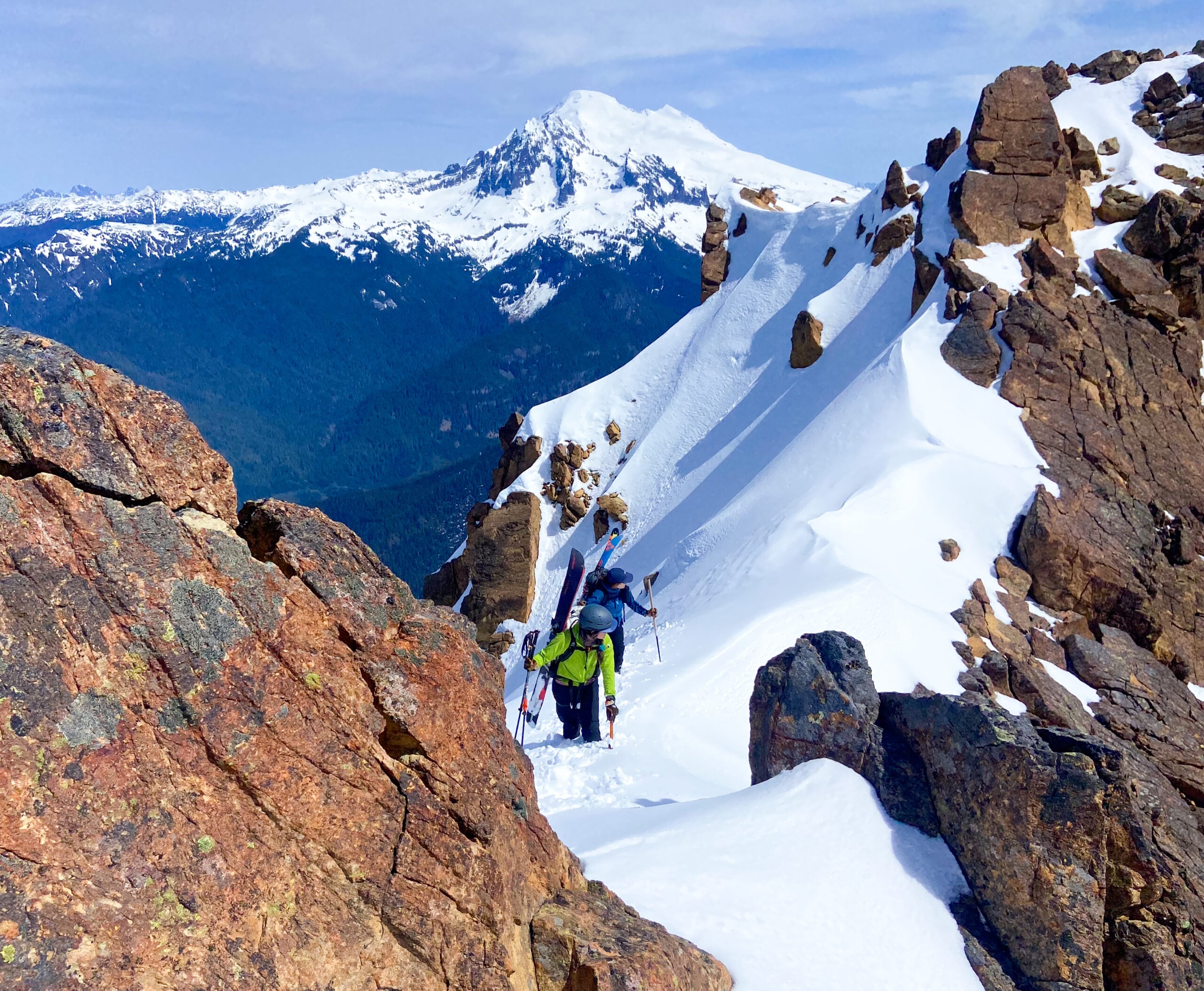
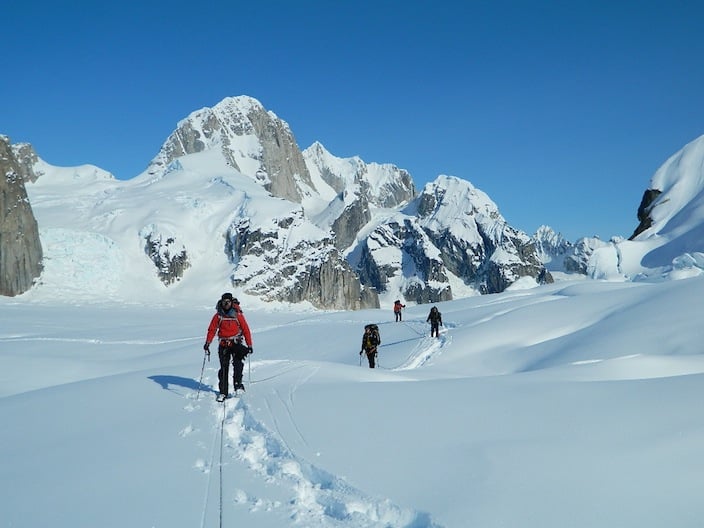
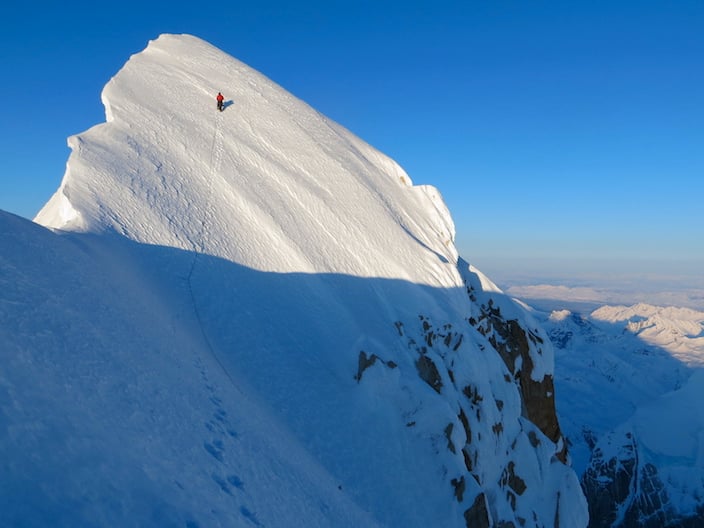
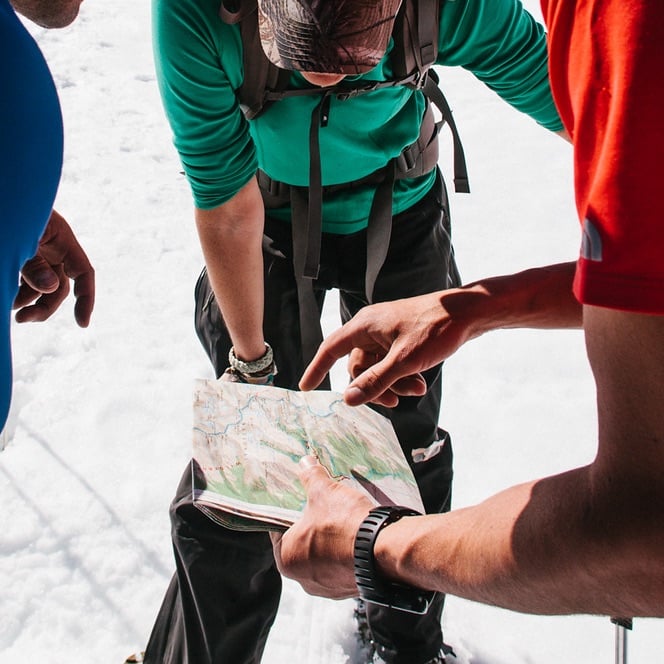
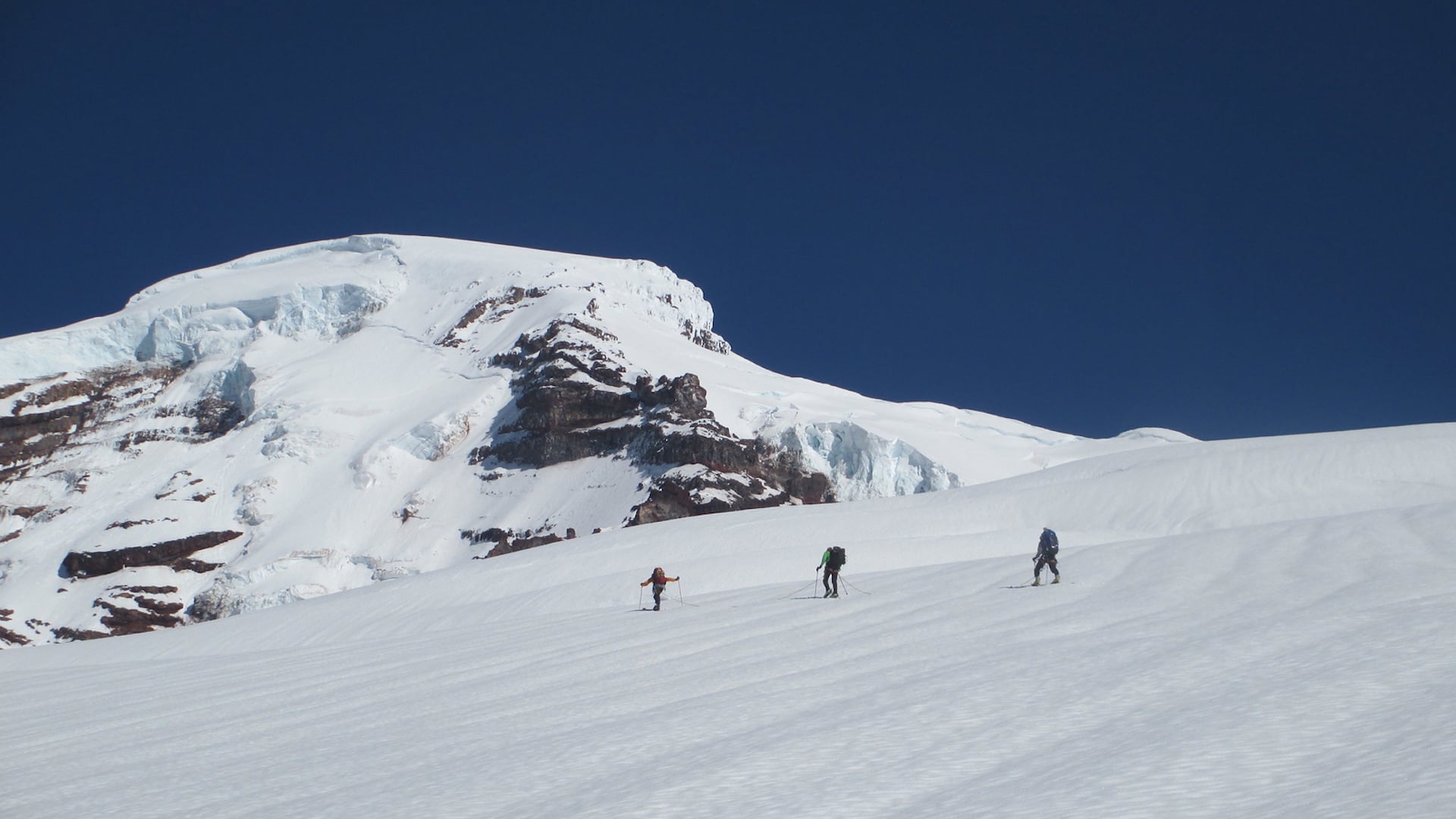
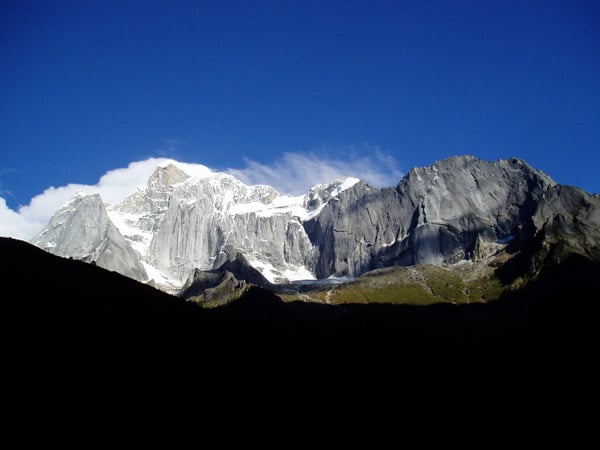
AMTL 4 is typically offered as a summer alpine expedition in Washington’s North Cascades, with the Ptarmigan Traverse being the most common objective. This legendary route, pioneered by the Ptarmigan Climbing Club in 1938, links a series of rugged peaks along the Cascade crest. Participants may climb iconic summits such as Mixup Peak, Mount Formidable, LeConte Peak, Sentinel Peak, Old Guard, Sinister Peak, Gunsight Peak, and Dome Peak. Over the course of the expedition, students practice advanced route finding, glacier travel, crevasse navigation, big mountain decision-making, and multi-day expedition logistics. The experience focuses on moving efficiently over technical alpine terrain while managing risk and working as a cohesive rope team.
Other options for the AMTL 4 would be the Inspiration Traverse (Eldorado Peak to Primus Peak), the Isolation Traverse (Eldorado to Neve Peak), the Southern Enchantments Enchainment (Mt. Stuart to Dragontail Peak), the Entiat Bulger Slam (Carne Mountain to Fortress Peak), or a custom expedition that the team maps out.
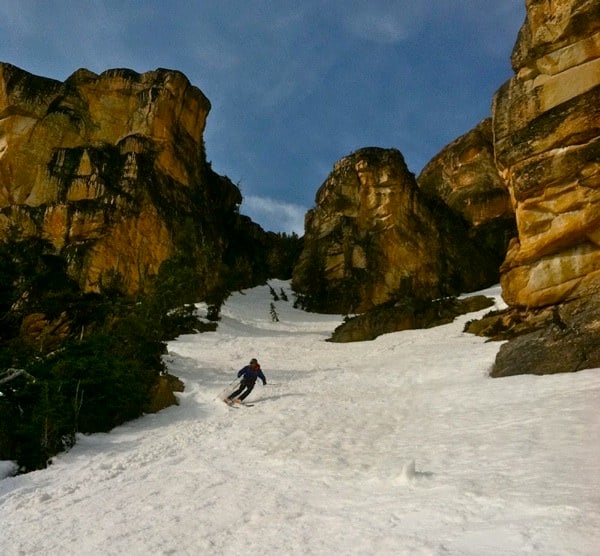
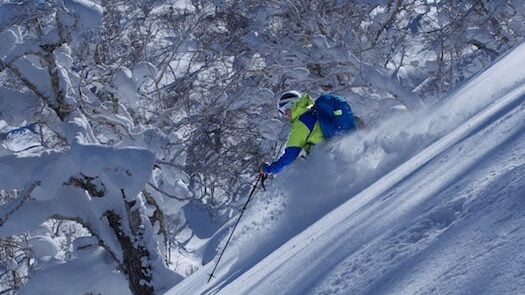
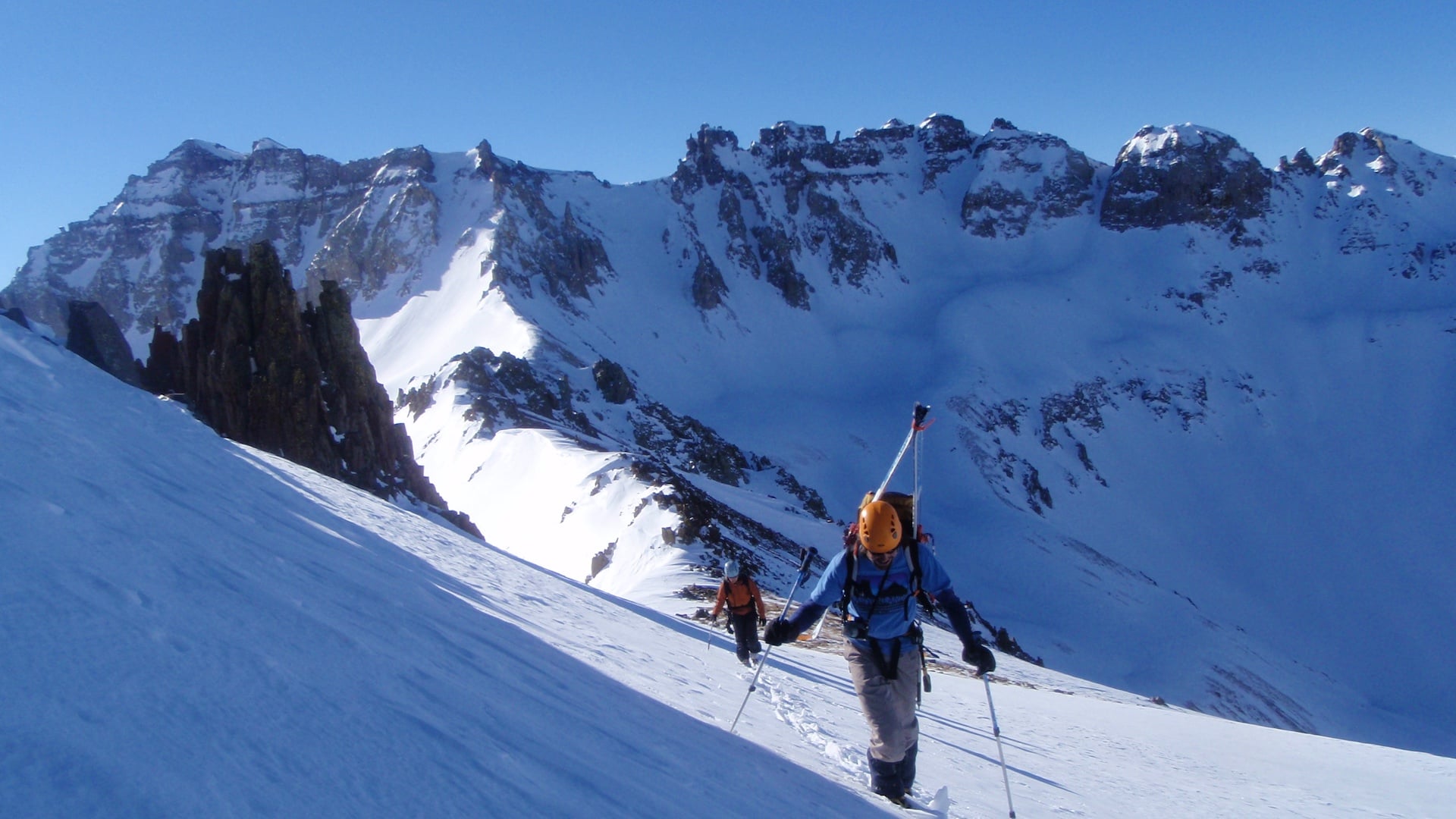
Historically, AAI used to offer a technical Ski Mountaineering expedition option for AMTL 4. However, that option has been discontinued. For those interested in winter objectives, we now offer our 3-part Ski Mountaineering and Avalanche Leadership Progression. This series of programs introduces a new set of skills, including avalanche hazard evaluation, winter mountaineering skills, winter camping methods, route planning for ski objectives, steep skiing techniques, glacier travel on skis, and crevasse rescue with skis. Students learn to use ski mountaineering equipment, perform efficient transitions, and safely access remote powder stashes and big mountain ski lines.
Graduates of AMTL 4 leave with the ability to plan and execute complex multi-day alpine expeditions. The course emphasizes leadership, navigation, group management, and problem-solving in remote settings.
Students who complete all four parts of the Alpine Mountaineering and Technical Leadership series earn a Certificate of Alpine Mountaineering and Technical Expedition Leadership, a credential that reflects a high level of competence and independence in the mountains.
Completion of AMTL 1, 2, and 3 is required before joining AMTL 4. If Part 3 was taken more than 18 months prior, a four-day refresher course may be required unless the participant has maintained a high level of climbing activity.
Alpine Mountaineering and Technical Leadership Course Progression
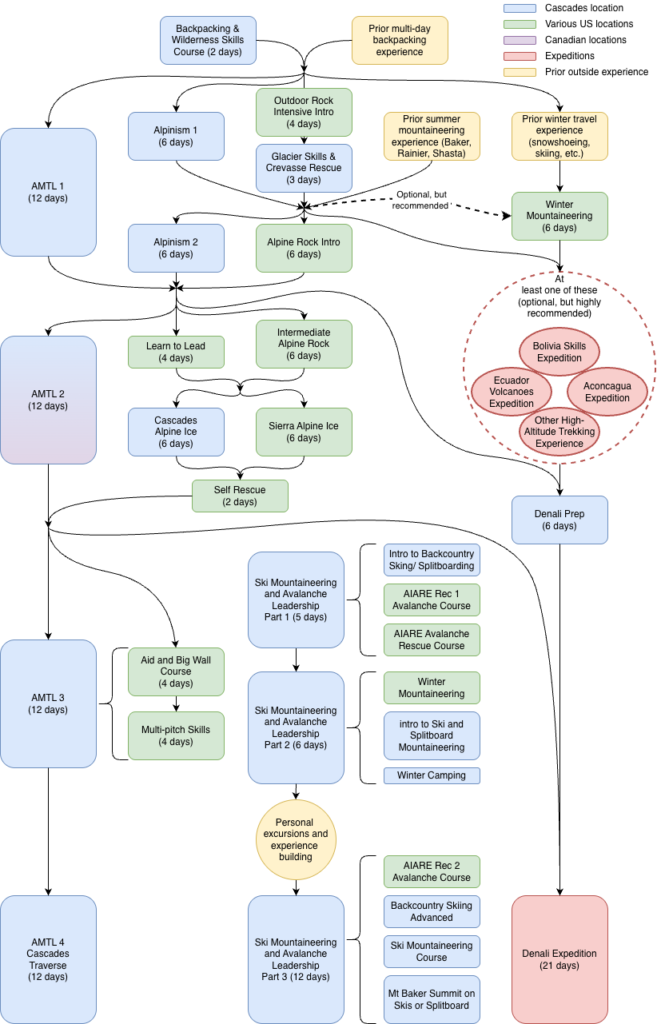
This flow chart shows how our series of AMTL courses flow, as well as how the curriculums of other course offerings fit into the overall progression. As you can see, while the AMTL progression is a series of longer, 12-day programs, there are a variety of ways that a climber can work through these skills. We recognize that climbers often have some kind of previous experience when the first come to us, but also often have gaps in their knowledge and skills. By offering these other programs, we can help you fill in those gaps so that you can more easily move into the main AMTL progression.
 Curriculum