




















There are lots of famous mountains in the world. We regularly hear about peaks like Everest, K2, and Annapurna. But in some ways important peaks of the past have become almost passe. It’s easy to forget that there was a time when The Matterhorn and Chimborazo were two of the most important unclimbed mountains in on the planet.
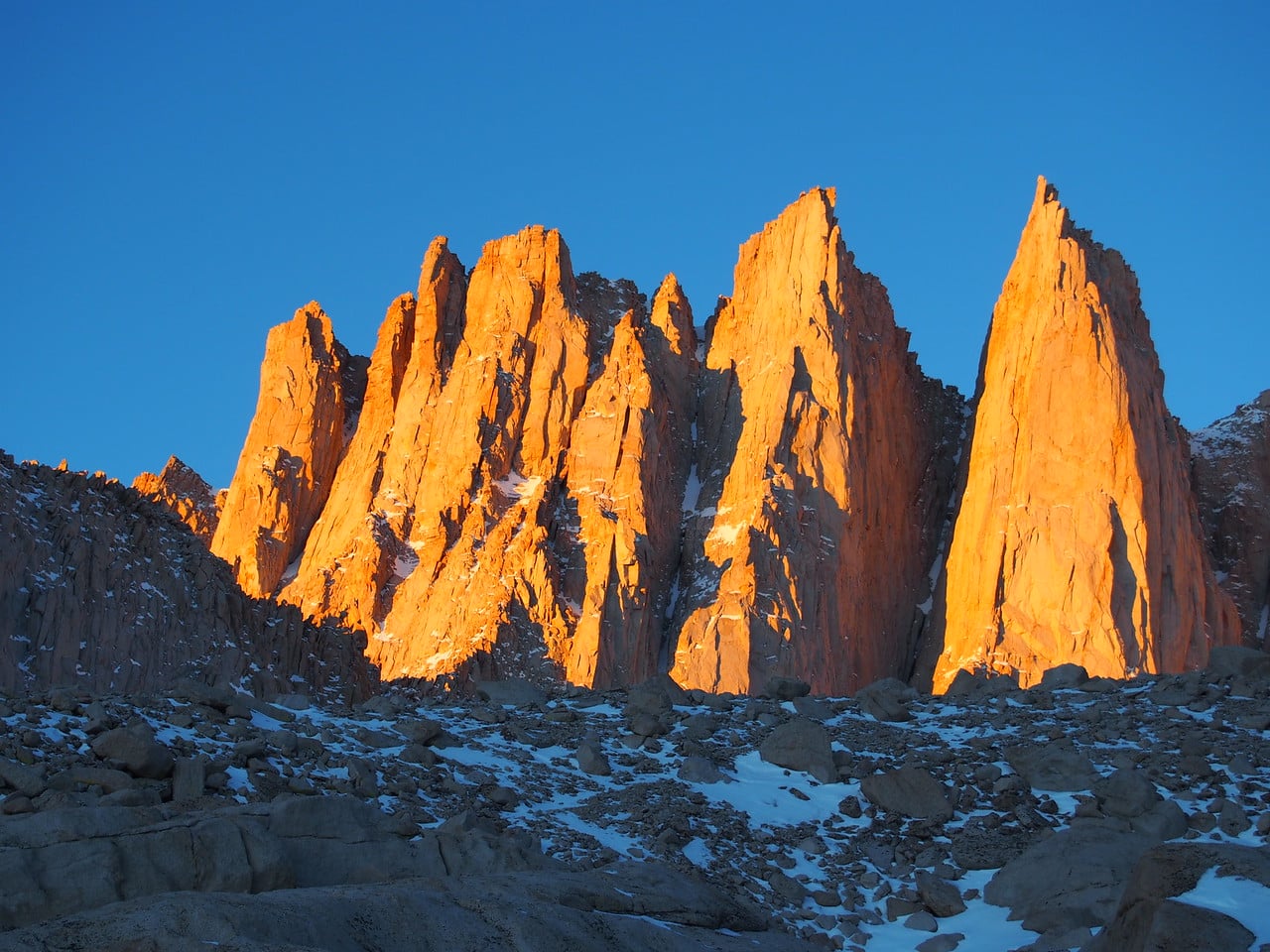
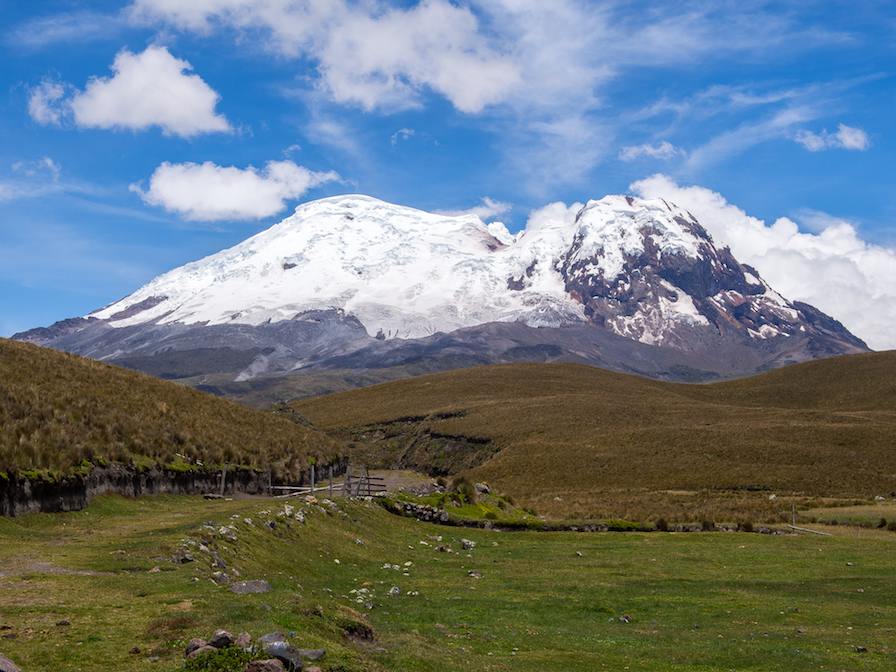
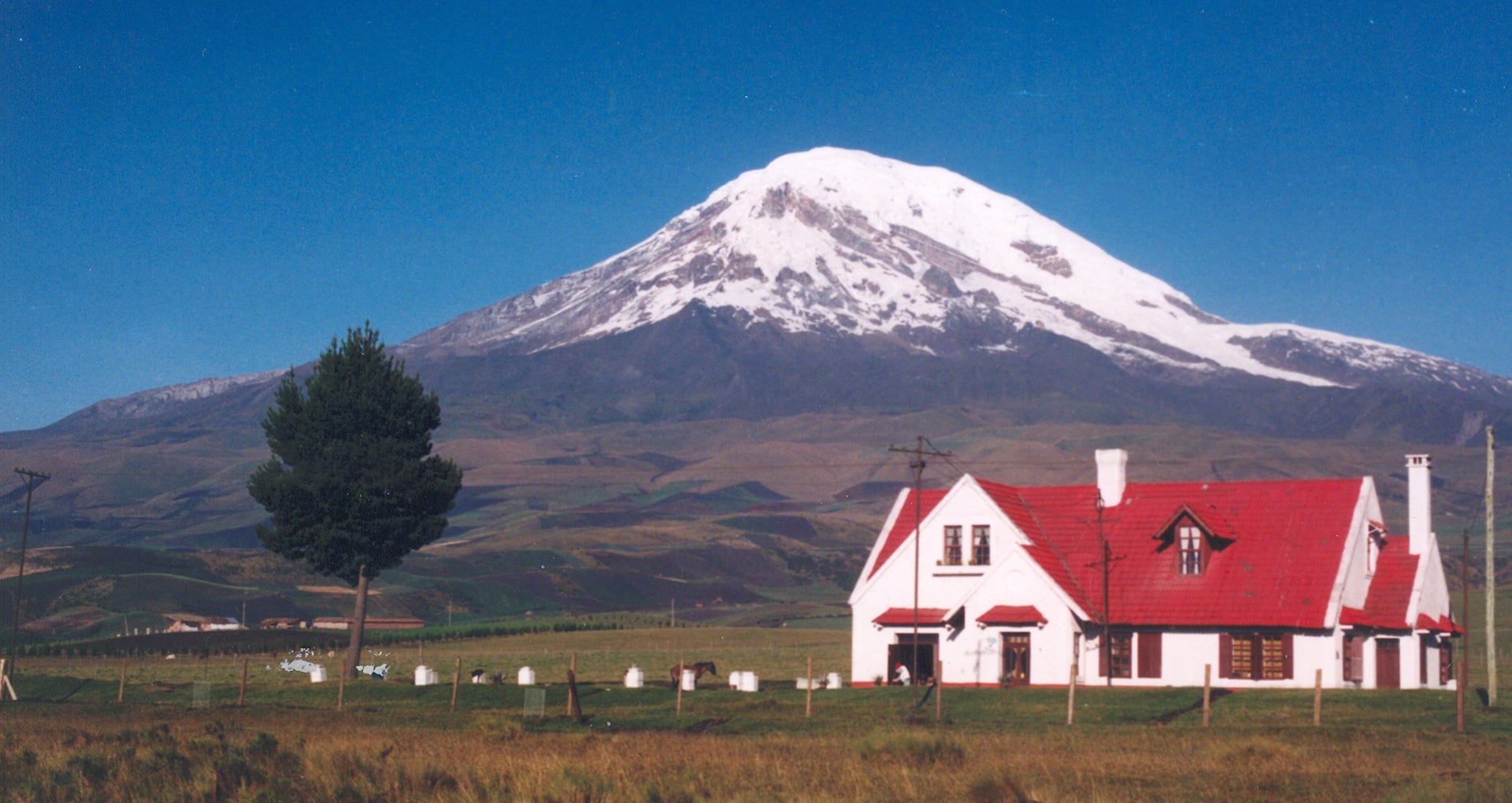
Many consider the era of 1854 to 865 to be the Golden Age of Mountaineering. It was during this time that Edward Whymper, the undisputed king of early climbing, made first ascents of dozens upon dozens of mountains, including the iconic rocky crags of the Matterhorn and the ice encrusted double-summit of Ecuador’s Chimborazo.
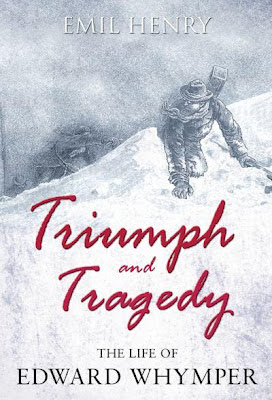
Triumph and Tragedy: The Life of Edward Whymper by Emil Henry is an engaging historical read that brings one back to the beginning of alpinism. In some ways, the book is standard biographical fare, it chronicles Whymper’s life while exploring his motivations. But there is something more to the narrative than this. When the story takes us into the mountains, the biographical elements begin to fall away and we feel like we are on the flanks of major peaks in the Alps or in the Andes. Along with the story of a Victorian climber stuck in a stuffy society of ladies in corsettes and gentlemen in stiff suits, there is another story, a story of one who is seeking out true adventure on the highest mountains accessible to man at the time… It is an amazing tale and an amazing exploration of an extraordinary man.
“The Fall” by Gustav Dore
The tragedy on the Matterhorn affected Whymper for the rest of his life. Indeed, the incident was so famous at the time that it became a part of the mythos of mountain climbing. It’s hard to understand how deeply this impacted popular culture; the only comparable thing today might be the 1996 Everest Tragedy and the numous books that were written afterward. The incident was so infamous that Whymper could never really escape it.
In the 145 years since the first ascent to the time of the book’s writing in 2010, “431 climbers have died on the mountain, 58 of them in the 21st century. An interesting subset of these numbers is that no guides — and only one amateur accompanied by a guide — have died on the mountain.”
This continuing death toll on the Matterhorn since the end of the Golden Age — despite the many advances in climbing equipment, weather forcasting and communications technology — is a foreful reminder of the skill and courage of the mountaineers who first conquered the Alps all on their own.
After the Matterhorn incident, Whymper retired from climbing for the sake of climbing, and instead became focused on climbing for science. His scientific inquires culminated in a trip to Ecuador where he studied high altitude physiolgy by climbing Chimborazo. At 20,564 feet, Chimborazo resides on the equatorial bulge giving it a height greater than Mount Everest when measured from the center of the Earth.
It’s strange today to read about the Victorian climbers and their attempts to understand how altitude affects the human body. They knew so little about so many things, it’s interesting to see them trying to come to terms with how their bodies were reacting to altitude and also to imagine them completely confounded by the idiosyncracies of acclimitization.
Triumph and Tragedy is an exceptional read. The book is intriguing for multiple reasons. First, it’s fascinating to read about how major alpine ascents were completed in the Golden Age of Mountaineering. Second, it’s fun to imagine how hard these peaks — which are totally climbable by an intermediate climber today — stood out as being the hardest sent at the time. And third, it’s incredibly engaging to see the achacic way that these men climbed and to be impressed by their fortitude with absoultely terrible equipment.
The armchair mountaineer and the active mountaineer alike will find something engaging and inspiring in the life of Edward Whymper and in his intelleligent biography by Emil Henry.
–Jason D. Martin