










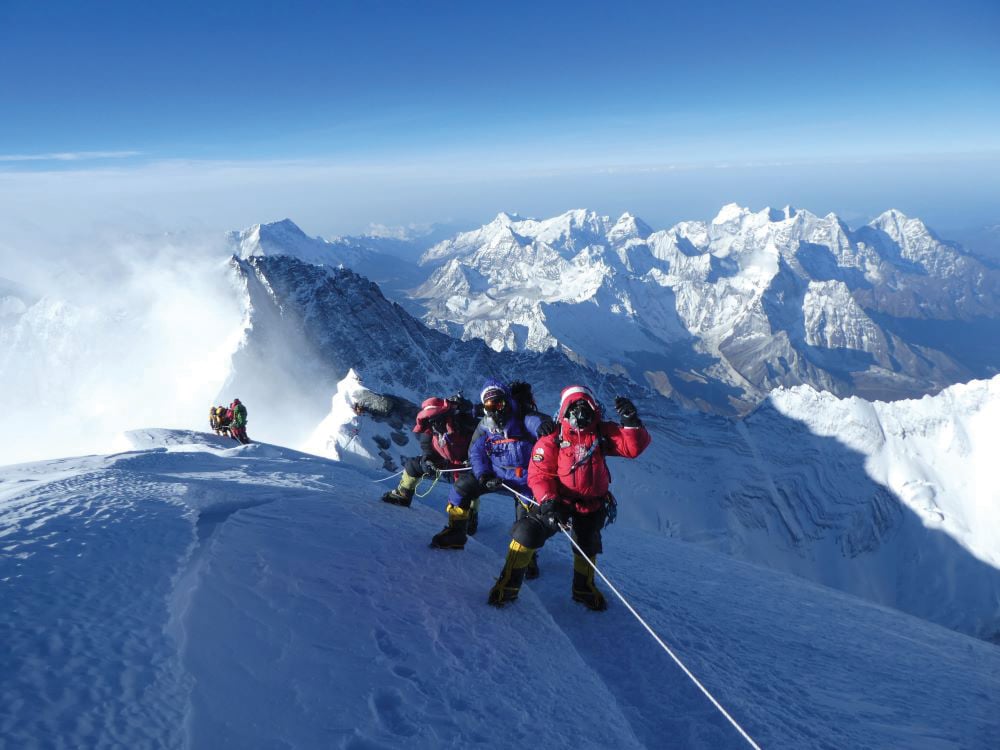





Mentioning “Mount Everest” online often acts as a lightning rod for controversy. From stories of “poisoning” in the trekking industry to images of overcrowded summits, the mountain has become a symbol of excess and environmental neglect. However, much of the public discourse is built on a foundation of misinformation. To understand the reality of the Himalayas, we must look past the headlines and examine the actual mechanics of the Nepali climbing and trekking economy.
1. It’s an Economy, Not Just a Mountain
When people criticize “Everest,” they are often conflating the mountain itself with a massive regional industry. This economy encompasses the entire Everest (Sagarmatha) region, including trekking trails and “trekking peaks”—6,000-meter mountains like Island Peak or Mera Peak.
- Participation: Only a small fraction of people in the region are actually attempting to summit Everest.
- Cost Accessibility: While an Everest expedition can cost upwards of $50,000, trekking programs are far more accessible, ranging from $2,000 to $7,000.
- The “Elite” Myth: The narrative that the region is exclusively a playground for the ultra-wealthy ignores the thousands of independent climbers and trekkers who contribute to the local economy on a modest budget.
2. The Shift to Local Ownership
A common misconception is that Western guiding companies dominate the landscape and reap all the profits. In the 2020s, the reality is the opposite.
- Nepali-Led: The vast majority of expedition and trekking companies are now owned and operated by Nepali and Sherpa entrepreneurs.
- The Minority: While Western companies still operate there, they represent a significant minority compared to the homegrown programs that have scaled up to handle global logistics.
3. Changing Demographics
The “Western climber” is no longer the primary demographic on the slopes of Everest. Current permit data shows a massive shift in who is climbing:
- The Leading Nations: The bulk of climbers in the current decade hail from China and India.
- Cultural Ethics: This shift has created new challenges. While many Western climbers adhere to a strict “Leave No Trace” (LNT) ethic ingrained over decades of outdoor culture, this ethic is not yet as deeply rooted in the rapidly growing climbing industries of India and China, leading to friction regarding mountain stewardship.
4. The Trash Crisis and Structural Hurdles
Trash on Everest is a legitimate problem, but the solutions are often blocked by bureaucracy rather than a lack of will.
- Technology vs. Tradition: There is a strong push to use helicopters or heavy-lift drones to remove waste from high camps. However, the Nepali government has historically been slow to permit these methods.
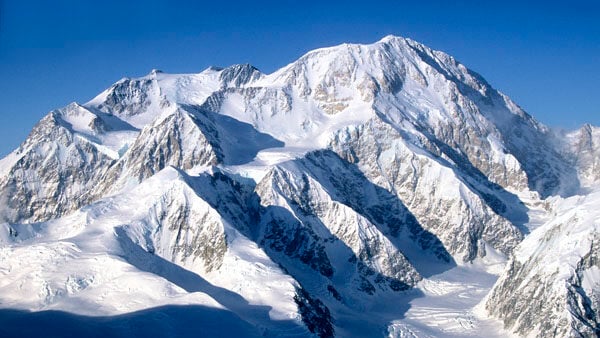
- The Denali Model: Many experts advocate for a “weigh-in, weigh-out” system, similar to those used in Denali National Park (USA) or Canadian parks, where climbers are required to bring down a specific weight of waste or face heavy fines.
5. Why “Shutting it Down” Isn’t the Answer
The most common “solution” offered by critics is to close the mountain entirely. This perspective ignores the devastating economic reality for the people of Nepal, one of the world’s poorest nations.
- The Economic Engine: Mount Everest is the primary economic engine for the region. Closing it would be equivalent to shutting down the main industry of an entire state or city.
- Livelihoods: Thousands of people—from tea house owners and porters to high-altitude guides—depend on this income.
- The “Middle Class” Wage: While exploitation does exist within the capitalist framework of the mountain, many successful Sherpa guides earn what amounts to a Western middle-class wage, allowing them to educate their children and improve their communities’ infrastructure.
The Path Forward
The goal should not be to end mountain tourism, but to regulate it with respect. Whether it is Kilimanjaro, Aconcagua, or Everest, these peaks provide vital value to the communities that surround them. The responsibility lies with the climbers and the governing bodies to ensure that the “economic engine” of Nepal continues to run without destroying the very environment that powers it.