





























Getting Fit for Alpinism: Preparing for Your First American Alpine Institute Program
Starting an alpinism course can be both exhilarating and intimidating. The mountains demand a unique combination of endurance, strength, and mental focus, so preparing your body ahead of time is key to enjoying your experience and succeeding in your program. Whether you’re signing up for Alpinism 1, AMTL 1, or any of our entry-level courses, the foundation is the same: build aerobic fitness, strengthen your legs and core, and gradually develop the stamina to carry a pack uphill for hours.
Why Mountain Fitness Is Different
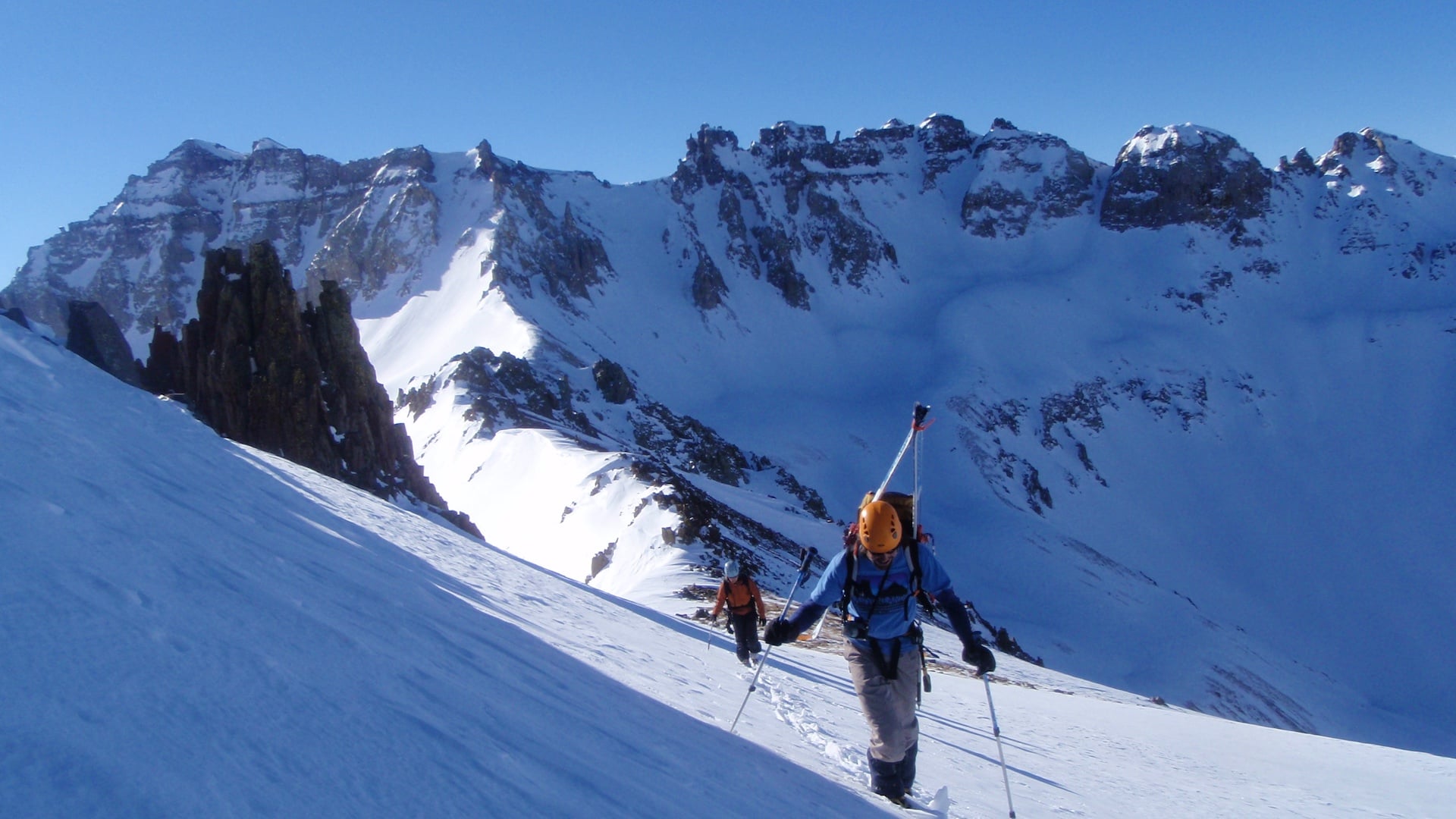
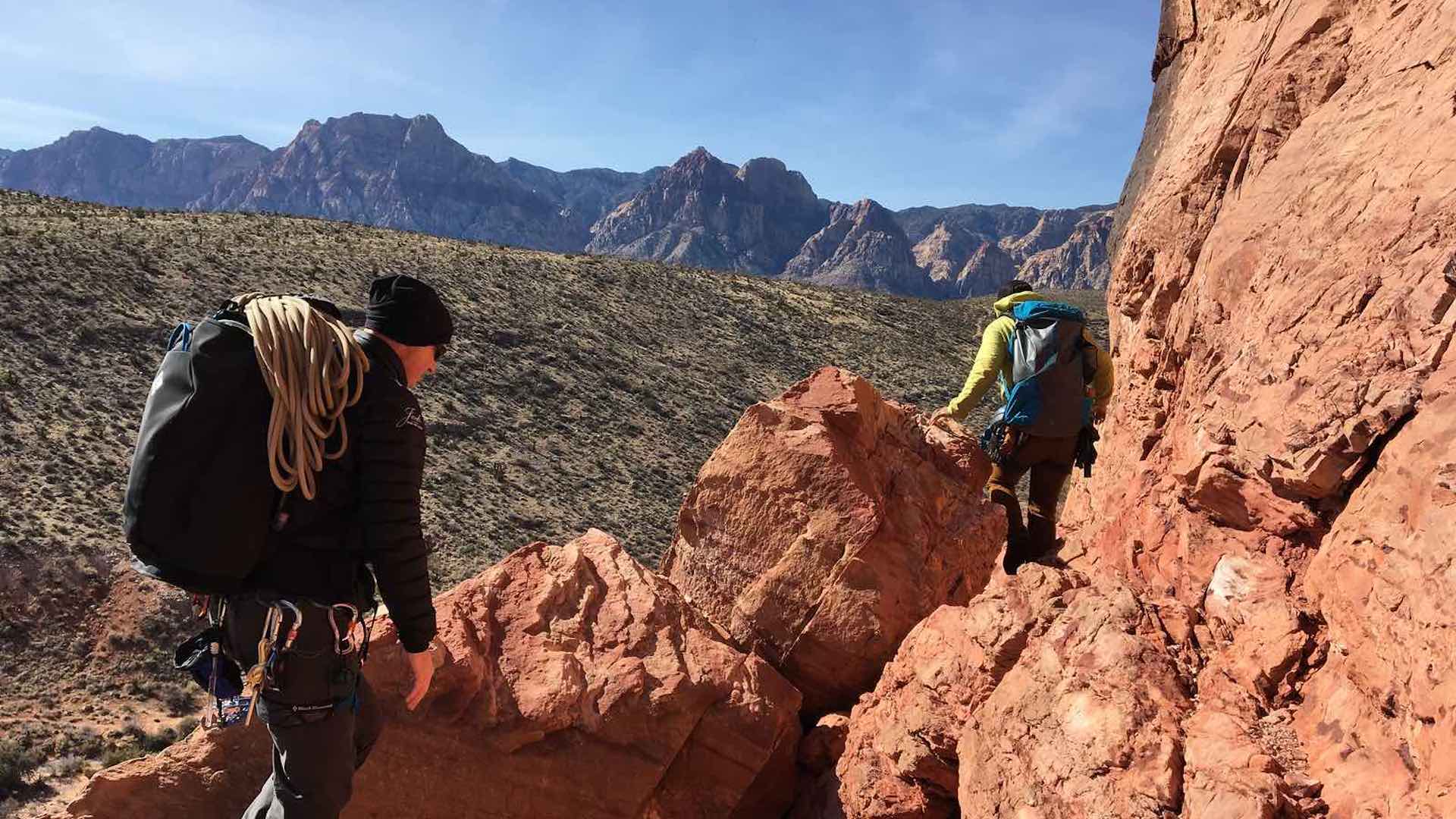
Fitness for alpinism is about moving efficiently uphill with a pack, sometimes on steep, uneven terrain, often for hours at a time. For entry-level programs, your primary fitness goal should be the ability to hike steadily at 1,000 vertical feet per hour. While upper body strength becomes increasingly important at higher levels, the ability to carry weight uphill with endurance is the foundation of all mountain programs.
Key Factors to Focus On
- Cardiovascular endurance – to sustain energy over multiple hours of uphill travel.
- Lower body strength – quads, glutes, and hamstrings are critical for hiking with a pack.
- Core stability – maintains balance on uneven terrain and reduces fatigue.
- Upper body strength – less critical for entry-level courses but essential for advanced climbs involving ropes, glaciers, and technical moves.
Training Principles for Beginners
- Start Gradually and Build Consistency
The most important factor in mountain fitness is consistent effort over time. Training in small, manageable increments multiple times per week is more effective than occasional long, intense sessions. Aim for 3–5 sessions per week, gradually increasing duration and intensity. - Prioritize Endurance Before Strength
Entry-level alpinism requires hours of uphill movement. Focus on long, steady hikes with a pack, stair climbing, or treadmill inclines before adding heavy strength work. The goal is to move efficiently at a sustained pace, rather than lifting maximal weights. - Train with a Pack
Incorporating a backpack into your training teaches your body to carry weight safely and efficiently. Begin with a light pack (10–15 pounds) and increase weekly to 25–35 pounds. Practice on varied terrain to simulate real mountain conditions. - Incorporate Strength and Core Work
While endurance is critical, strength reduces fatigue and helps prevent injury. Focus on:- Lower body: squats, lunges, step-ups, deadlifts.
- Core: planks, side planks, rotational movements.
- Upper body (optional for beginners): push-ups, pull-ups, rows. Strength training 2x per week is sufficient.
- Mix Aerobic Cross-Training
Activities like cycling, running, or swimming support cardiovascular fitness and give your joints a break from constant hiking. Aim for 30–60 minutes at a moderate intensity once or twice weekly. - Recovery and Mobility
Mountain training is demanding. Rest days and recovery sessions are essential. Stretching, foam rolling, yoga, or light walks improve flexibility, maintain joint health, and help prevent overuse injuries.
Sample 8-Week Training Plan for Beginners
| Day | Focus | Session |
|---|---|---|
| Monday | Strength | 45 min lower body + core |
| Tuesday | Cardio | 30–45 min moderate run or cycling |
| Wednesday | Rest or Active Recovery | Yoga or light walk |
| Thursday | Hiking/Endurance | 1–2 hr hike with light pack |
| Friday | Strength | 45 min full body, include upper body |
| Saturday | Long Hike | 2–4 hr hike with pack, increasing weight weekly |
| Sunday | Rest | Recovery day |
Progression Guidelines:
- Increase pack weight 5–10% every 1–2 weeks.
- Add 15–20 minutes to hikes weekly until reaching 4–5 hours comfortably.
- Include steeper terrain or stairs to build strength and endurance.
Mental and Practical Preparation
Mountain fitness isn’t just physical. Developing mental resilience is crucial for long days, early starts, and unexpected challenges. Hiking in varied weather, practicing efficient pacing, and learning to fuel and hydrate effectively are all part of preparation.
Practical tips:
- Practice fast, efficient movement on uneven terrain rather than flat treadmill walking.
- Train with layers and gear similar to what you’ll carry on course.
- Monitor heart rate and perceived exertion to ensure steady progress without overtraining.
Key takeaways
- Focus on moving uphill with a pack, not just raw strength.
- Build a consistent routine, starting gradually and progressing steadily.
- Include strength, endurance, and recovery, balancing all three.
- Start at least 8–12 weeks before your course to build a reliable fitness base.
By following a structured, gradual plan, you’ll arrive at your alpinism course ready to focus on skills and adventure instead of fatigue. The mountains reward preparation and consistency, and building this foundation will set you up for success in your first program and beyond.
When to Consider a Coach or Structured Training Program
Coaching provides accountability, personalization, and efficiency. Instead of guessing how hard to train or when to rest, you’ll follow a plan tailored to your current fitness, schedule, and goals. This can be especially valuable if you’re balancing training with a busy work life or preparing for a bigger objective beyond your first course.
There are a number of reputable options available online, many which offer structured training plans and coaching designed specifically for mountain athletes. Their programs focus on building the aerobic capacity, strength endurance, and durability needed for long days in the mountains.
If you choose this route, look for a program that prioritizes long-term development over quick gains. The goal isn’t just to arrive fit for one course, but to build a foundation that supports your growth as a climber over time.
Whether you train on your own or with guidance, the key remains the same: consistent, progressive effort over weeks and months. That’s what prepares you for the demands of the mountains and sets you up for success in your course and beyond.