










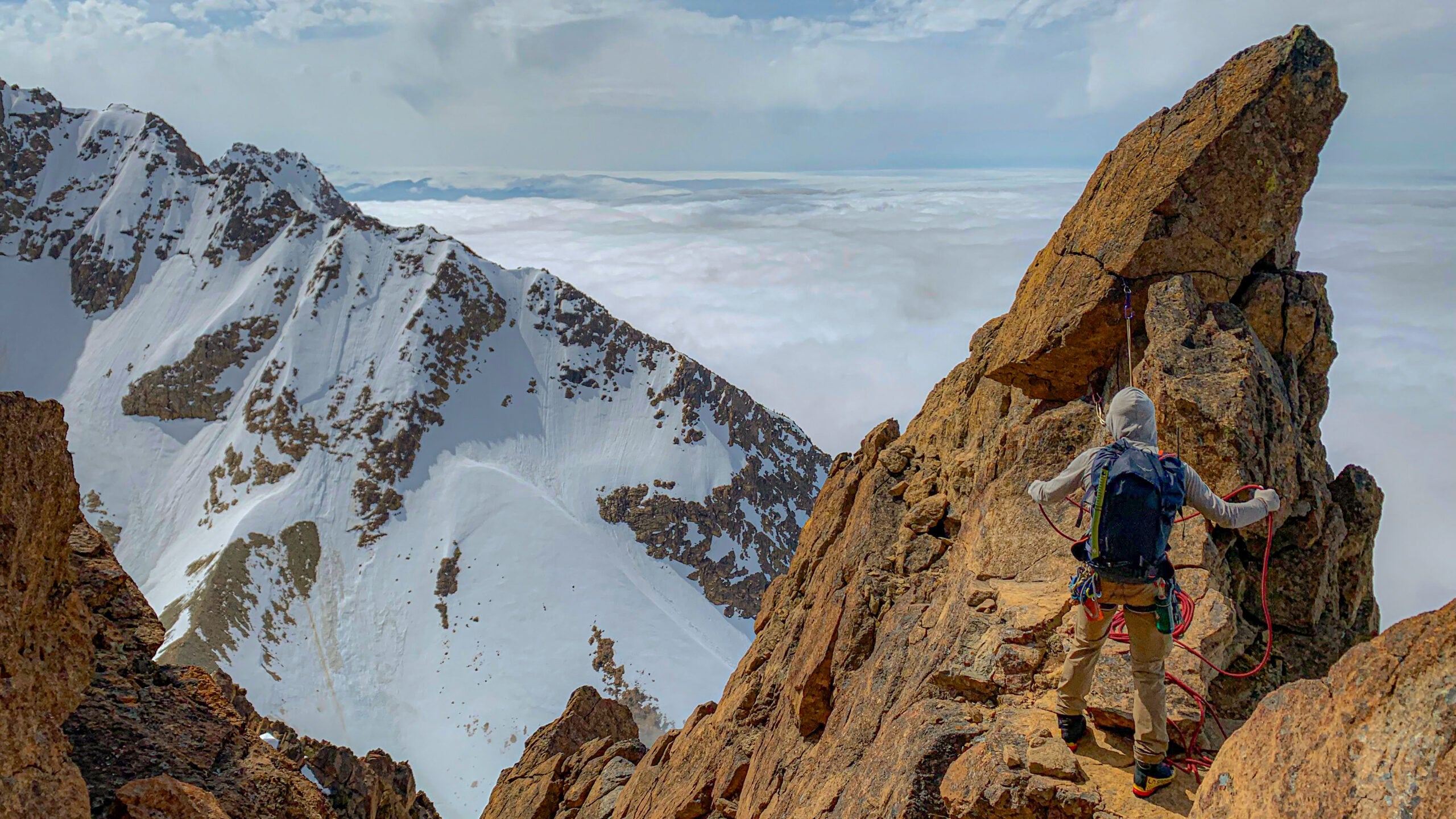











Toprope soloing can be a fun way to engage with the rock when you don’t have a partner available. However, it really should only be done by those with a lot of climbing experience. This is primarily because there is no one there to ensure that you did everything right. You don’t have a buddy check…
There are a wide array of ways that people use to set-up a system for toprope soloing.
The most common system is for a single rope to be fixed at the top of a climb. A climber then attaches two progress capture devices to the rope. The top device is extended and managed by a chest harness. The chest harness ensures that the rope flows through the device adequately. And the extension ensures that the devices don’t somehow release one another.
The second device is on the rope for redundancy. It is there to ensure that if the top device fails, the bottom device will catch the climber.
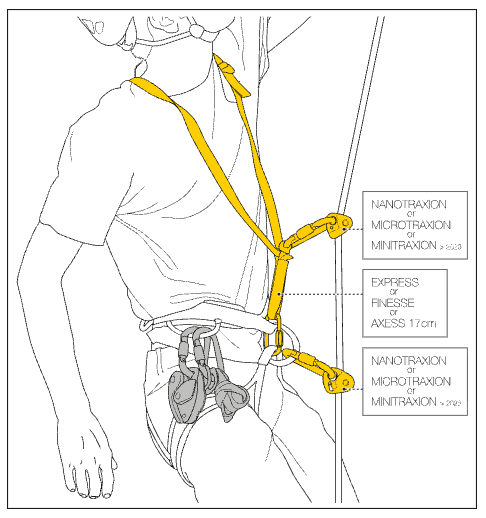
The problem with the “most common way” is that it only employs a single rope. The rope is fixed and not moving, so if something goes wrong and a climber pendulums, it’s possible to severely damage the rope. Indeed, in the worst case scenario, the rope itself might break.
I tend to tie a BHK at the center of the rope and clip it to the anchor with two opposite and opposed locking carabiners. This allows two ropes to be fixed down the cliff-face. Once fixed, a rope capture device may be placed on each strand of the rope. This will increase security in the unlikely event that a rope is damaged while you’re climbing.
See the video below for my system.
You’ll note that I’m not using a chest harness in the video. A chest harness is essential with a single rope system, but less so with a double rope. That said, a chest harness holding at least one device up does make the ascent easier and decreases the distance that you could fall. If you don’t have one, you do end up pulling the rope through more.

It is always important to coil up the remaining rope and tie it off as a weight a few feet off the ground. This ensures that the rope is pulled fluidly through the progress capture. If the rope is loose and there is little weight, you will have to pull the rope through the devices manually at the bottom of the climb. As you get higher, the weight of the strung out rope will begin to do it for you.
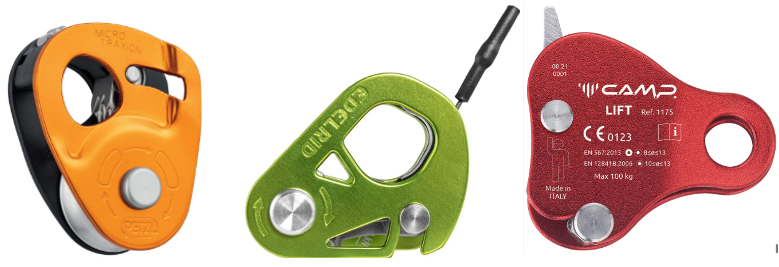
The most common devices used for toprope soloing are the Petzl Micro Traxion, Edelrid Spoc and the Camp Lift.
If you intend to toprope solo on ice, it’s likely that the Camp Lift and other similar models will be more effective than progress capture devices with teeth. The teeth may fill with ice, creating a situation where the device slips. Anything in the teeth or in the lever could defeat the device.
In 2023, climber Whitney Clark was ascending a fixed line using a toprope solo system with a single progress capture device to get to a rock climbing highpoint from the previous day. She writes, “thirty feet up, I leaned back on the rope. My body weight wasn’t supported because the sling around my neck — part of the top-rope solo setup — got sucked into the device and caught in the teeth of the Traxion. The rope was sliding against the sling. I hadn’t tied a backup knot.”
“I grabbed the rope and slowly started sliding down. Eventually the rope burn was too painful and I let go. I hit the ground, landed on my feet, and fell backward. I struck my lower back and then my head. I was wearing a helmet. Because the ground was angled, some of the force was dissipated, though I landed six inches from a large rock spike.”
Whitney and her partner used a satellite messaging system to call for help. She was later evacuated to a trauma center by helicopter with injuries to her back and ankle.
Following is a video that the American Alpine Club made on this particular accident. Pete Takeda, one of the editors of Accidents in North American Climbing, and mountain guide, Jason Anton, talk about ways to avoid a similar accident.
Whitney is high end climber that regularly pushes the limit of alpinism. The route she was trying to complete that day was a 17-pitch 5.11+. It is common for those trying to complete hard routes fast to cut corners here and there. The takeaway that Jason suggests in the above video is to tie knots regularly.
However, most people who toprope solo are doing so at single pitch crags. As such, the best practice is to always use two progress capture devices…