















American Alpine Institute Guide Training
The American Alpine Institute (AAI) is widely regarded as one of the premier mountain schools in the world. Its guide training system is not a single course, but a multi-year progression built on rigorous internal field training, external certification, and close mentorship.
AAI has more internal guide training than any other company in the world.
Where It Began
In 1975, Dunham Gooding received advanced ice training from Yvon Chouinard, a founding figure in American guiding standards. Soon after, Gooding ran AAI’s first program—an advanced ice course in the North Cascades.
Not long afterward, Chouinard, Jim Donini, Peter Lev, and Harry Frishman met at the Moose Bar in Wyoming. There they drafted what became known as the “Moose Bar Charter,” the founding vision for what would become the American Mountain Guides Association (AMGA).
As AAI grew, so did its training program. Guides like Mark Houston and S.P. Parker studied European methods and incorporated modern techniques. What began as a few days of training expanded into a 21-day intensive program.
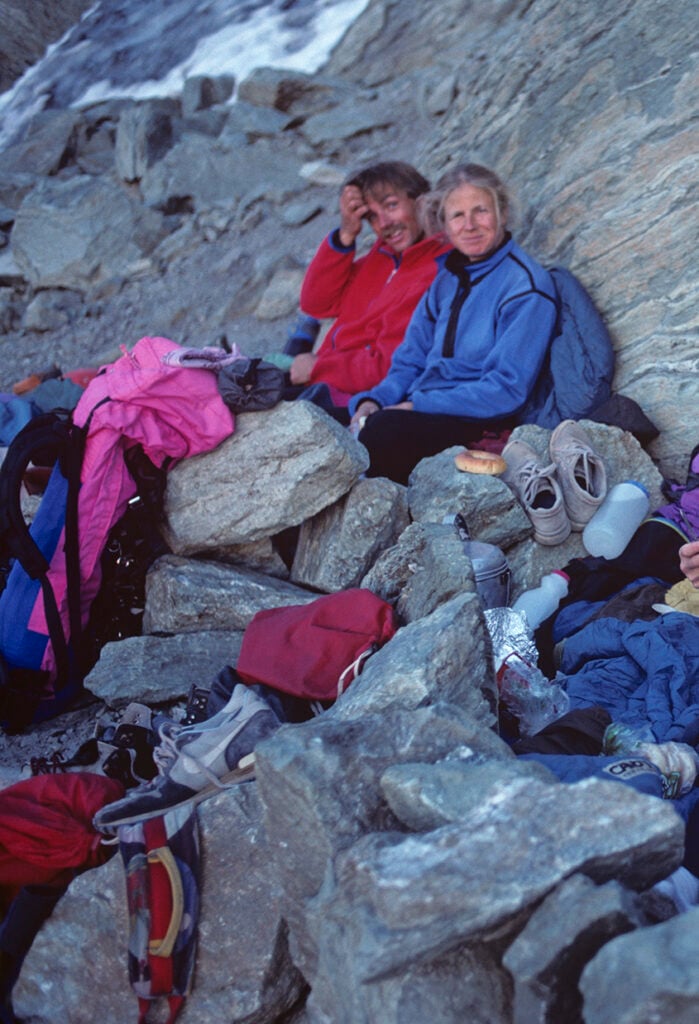
Houston later became an early technical director for the AMGA and brought AAI’s training model with him. AAI’s internal program ultimately became the template for the AMGA Alpine Guide Certification track.
Education as a Core Skill
In 1980, Alan Kearney joined AAI with a background in outdoor education from Outward Bound. His influence expanded the program beyond technical skill, emphasizing teaching methods that help students become independent climbers and mountaineers.
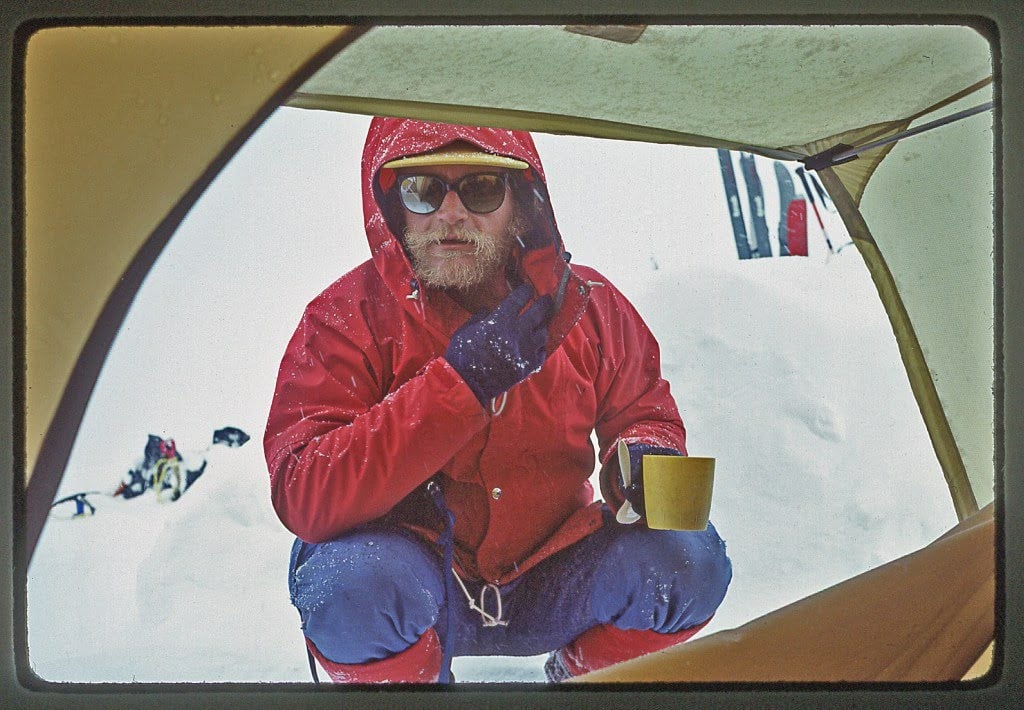
In 1992, Michael Powers joined AAI and became both a lead guide trainer and an AMGA technical director. He continues to lead AAI’s internal training today.
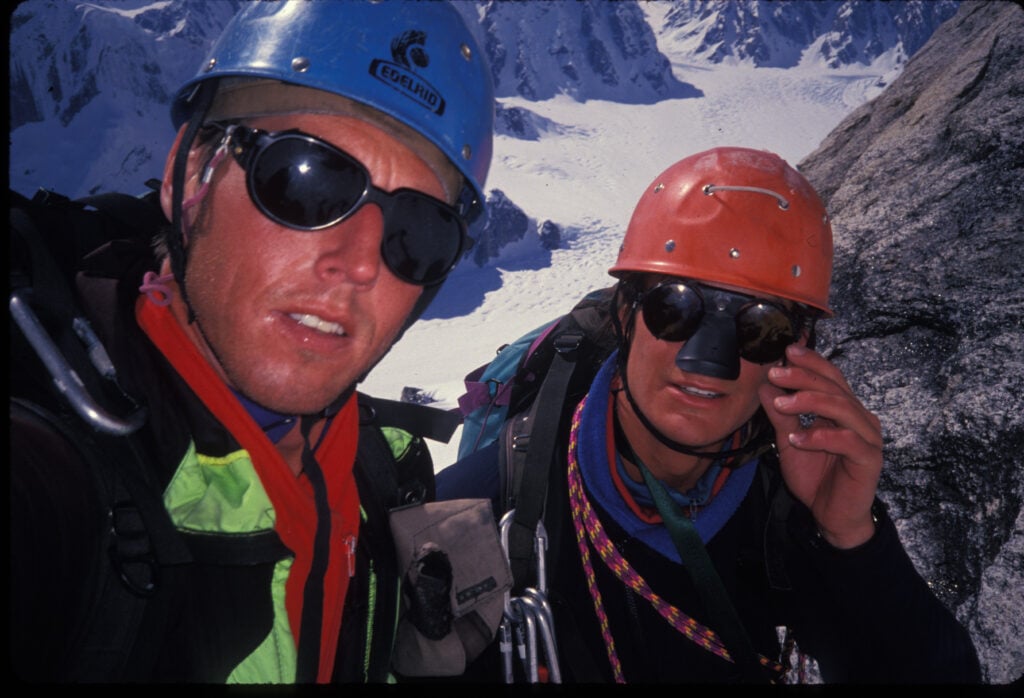
Over time, many highly skilled guides contributed both technical and educational expertise. The result is an internal training system that is unusually deep, continuous, and mentorship-driven.
Entry Requirements for New AAI Guides
Before beginning work, entry-level guides must have:
- A substantial climbing resume across rock, snow, ice, and glaciers
- Wilderness First Responder (WFR) certification
- Completion of at least two AMGA courses (aligned with AMGA Scope of Practice)
- Avalanche Level I certification (higher for winter guides)
First Year Training
New guides begin with an intensive training cycle for the terrain that they will work in for their first year:
- Leave No Trace Level I (2 days)
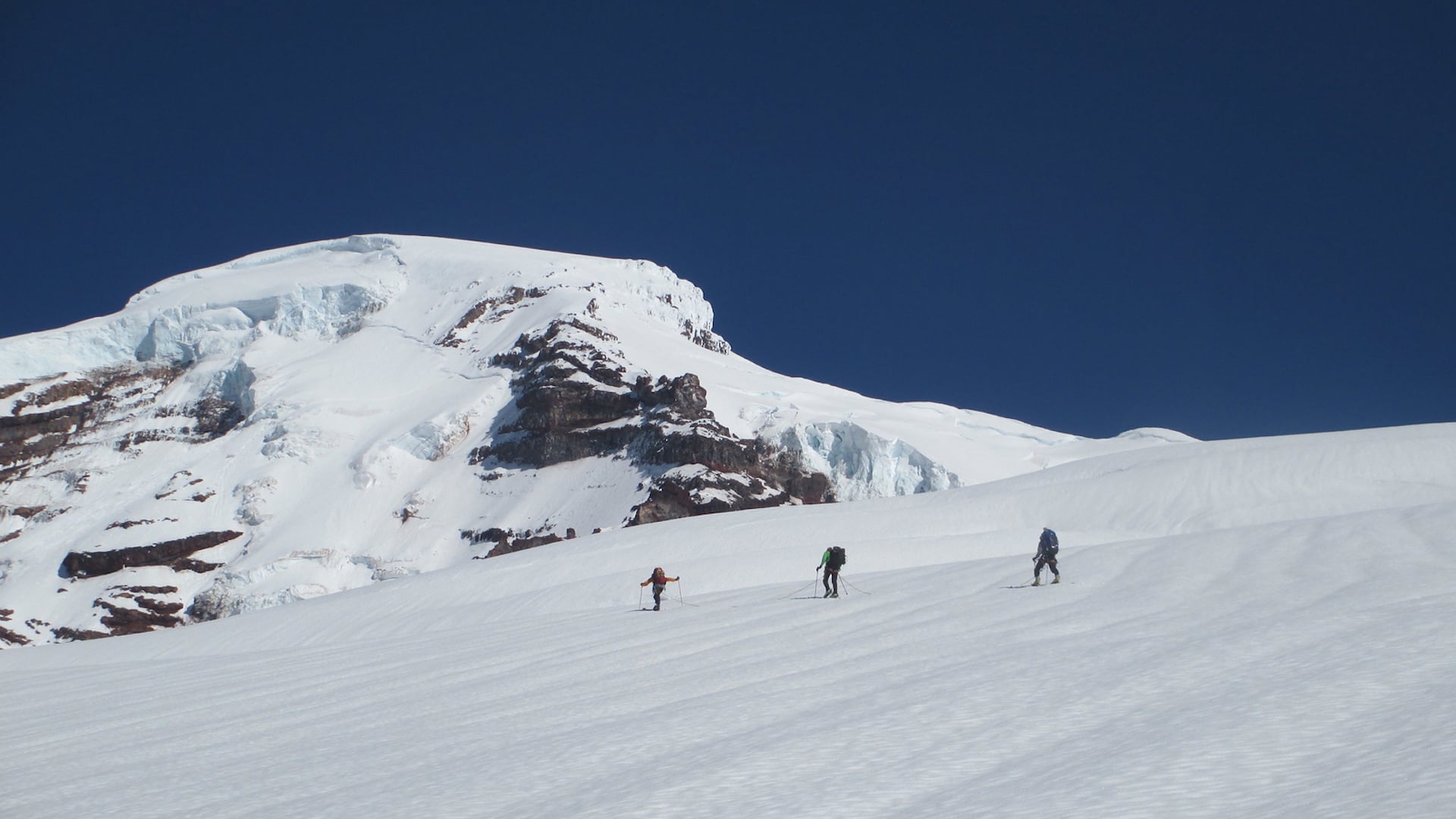
- Technical Training Part I (8 days) focused on Mt. Baker programs and single-pitch terrain, emphasizing technical systems, teaching, and risk management
- Supervised Student Teaching under a senior guide, typically on an Alpinism I course
- Structured Mentorship and Debriefing with clear development goals
- Ongoing Risk Management Training addressing terrain, human factors, and systems
Highly credentialed AMGA guides occasionally bypass portions of this process, but this is rare.
Second Year Training
Between years, guides typically complete additional AMGA courses, expanding both terrain scope and professional development.
Second-year internal training is a 7-day program emphasizing:
- Advanced ice guiding
- Alpine rock systems
- Ski-related guiding skills
Guides also shadow advanced programs to understand how entry-level courses build toward complex objectives.
Continuing Education
Training does not stop after year two. Ongoing development includes:
- Annual Close Call Reviews
- Annual performance reviews with feedback from peers, students, and mentors
- Continued AMGA coursework (financially supported by AAI)
- Technical rescue training and rescue team participation
- Professional conferences in avalanche safety, risk management, rescue, and outdoor education
- Field evaluations, mentorship camps, and skill-specific training sessions
The Development of a Denali Guide
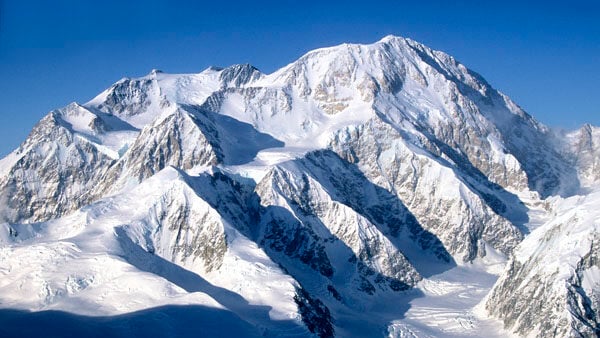
Guiding in the Alaska Range requires additional progression. Most guides first go to Alaska in their third or fourth year.
Denali teams are structured for mentorship:
- A highly experienced lead guide
- A second guide with prior Alaska experience
- A third-position guide new to Denali
Third-position guides often descend early with struggling climbers, gaining experience before moving into more senior roles. It takes multiple expeditions for a guide to progress into second and eventually lead positions.
This tiered system ensures that Denali leadership is earned through experience, mentorship, and demonstrated judgment—not just technical skill.