


















For LGBTQ travelers, safety isn’t about paranoia—it’s about preparation. While the world is becoming more inclusive, laws, cultural norms, and social attitudes still vary widely from country to country and even city to city. A destination that feels welcoming on Instagram may operate under restrictive policies in reality. It’s always important to research local laws, understand public behavior expectations, and identify affirming neighborhoods and businesses before you go.
Most trips unfold without incident, but smart planning creates freedom. When you understand the landscape, you can focus less on risk—and more on adventure.
AAI strives to be provide an inclusive environment on all programs. However, even in “safe” areas, there can be risk to LGBTQ travelers. If you have concerns about an area or a curriculum, feel free to reach out to your program coordinator.
Tanzania
Tanzania presents serious legal and social risks for LGBTQ travelers. Same-sex sexual activity is criminalized under national law, with penalties that can include lengthy prison sentences. Enforcement has varied over time, but public rhetoric and periodic crackdowns have created an environment of uncertainty. Zanzibar, which has semi-autonomous governance, enforces similar prohibitions.
There are no legal protections against discrimination based on sexual orientation or gender identity. Social attitudes are broadly conservative, and public discussion of LGBTQ issues is limited. Public displays of affection—regardless of orientation—are uncommon, and for same-sex couples or gender-nonconforming travelers, visibility can increase risk.
Travelers considering a visit for safaris, climbs near Mount Kilimanjaro, or time in destinations like Dar es Salaam should exercise significant discretion. Avoid discussing sexual orientation with strangers, be cautious about social media visibility while in-country, and research current travel advisories before departure. If in a shared room, consider asking for two beds.
Most safety concerns visitors encounter relate to common travel risks such as theft, but LGBTQ-specific legal exposure is a distinct factor in Tanzania. Careful preparation, situational awareness, and conservative public behavior are essential for minimizing risk while traveling there.
Note that an “X” on your passport is not allowed for entry into Tanzania.
Zanzibar (Tanzania)
Traveling to Zanzibar as an LGBTQ+ individual requires a careful balance between the island’s breathtaking beauty and its conservative legal and social realities. As of 2026, Zanzibar remains a deeply traditional, 99% Muslim society where same-sex relationships are not only socially taboo but also illegal.
It is important to be aware that the Zanzibar Penal Code criminalizes same-sex acts, with potential penalties ranging from five years to life imprisonment. While these laws are rarely enforced against foreign tourists, the government has historically taken a hardline stance. For example, some travelers have faced issues at the border when presenting as a married same-sex couple.
The guiding principle for a safe visit is absolute discretion. Zanzibar is conservative for everyone; public displays of affection (PDA), such as kissing or holding hands, are considered offensive regardless of orientation. For LGBTQ+ travelers, avoiding PDA is a critical safety measure.
- Accommodation: Stick to high-end international resorts or larger hotels in areas like Nungwi, Kendwa, or Paje. These establishments are accustomed to diverse clientele and generally prioritize hospitality over personal scrutiny.
- Social Interaction: When asked about your relationship by locals, it is often safest to identify as “friends” or “colleagues.”
- Dress Code: Both men and women should dress modestly, especially in Stone Town. Keeping shoulders and knees covered respects local customs and helps you blend in.
Many LGBTQ+ travelers visit Zanzibar every year without incident, enjoying its world-class diving and historic spice markets. However, the lack of an “out” scene—no gay bars or pride flags—means the experience is one of quiet appreciation rather than open celebration. If you can navigate the requirement for “blending in,” Zanzibar offers a stunning, unique escape.
North America
Travel across North America offers LGBTQ people an enormous range of experiences—from vibrant Pride celebrations in major cities to quiet backcountry escapes. Legal protections vary by country and region, but Canada and many parts of the United States provide strong anti-discrimination laws and visible queer communities. Mexico also includes progressive urban centers alongside more conservative rural areas. Research local laws, understand state or provincial protections, and identify affirming neighborhoods before you travel. In most metropolitan areas, LGBTQ travelers move freely and safely. As always, awareness—not anxiety—is the key. Thoughtful preparation allows you to explore confidently and focus on the journey itself.
Ecuador
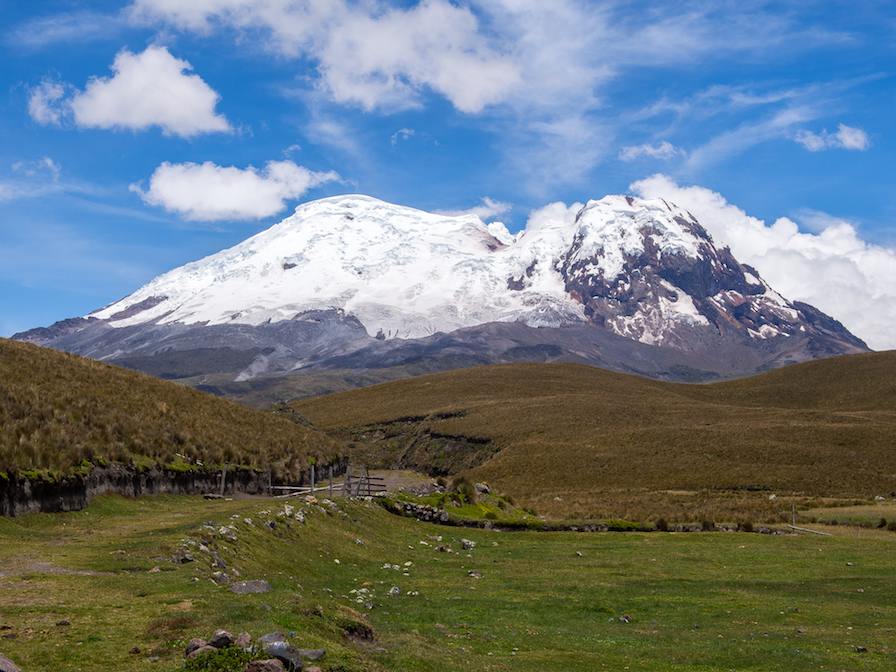
Travel in Ecuador can be rewarding for LGBTQ visitors, but it requires thoughtful awareness. Same-sex relationships are legal, and the country has recognized marriage equality since 2019. Anti-discrimination protections based on sexual orientation and gender identity are written into national law. On paper, those are strong protections for the region.
In practice, experiences vary. In larger cities like Quito and Guayaquil, you’ll find visible LGBTQ communities, Pride events, and welcoming businesses. Public displays of affection—straight or queer—tend to be more subdued than in parts of North America or Western Europe, so discretion in unfamiliar areas is wise. Rural regions and smaller towns may hold more conservative social attitudes, particularly toward transgender travelers.
Standard travel safety considerations also apply. Petty theft is more common than targeted violence, so practice normal urban awareness: secure valuables, use reputable transportation, and stay in well-reviewed accommodations.
Overall, Ecuador is not broadly hostile, but cultural nuance matters, especially in rural areas.
Peru and Bolivia
Travel in Peru and Bolivia can be deeply rewarding for LGBTQ visitors, but awareness of local culture is important.
In Peru, same-sex relationships are legal, though marriage equality has not been established. Major cities such as Lima and Cusco have visible LGBTQ communities, inclusive nightlife, and growing Pride events. Outside urban centers, attitudes tend to be more conservative, and public displays of affection—regardless of orientation—are generally understated. Discretion in rural Andean regions is advisable.
In Bolivia, same-sex relationships are also legal, and anti-discrimination protections exist in law. However, social acceptance varies significantly. In cities like La Paz and Santa Cruz de la Sierra, travelers may find supportive spaces and community organizations. Rural areas can be more traditional, particularly regarding gender expression.
Across both countries, most safety concerns relate to common travel risks such as petty theft rather than targeted violence. Secure valuables, use reputable transportation, and research neighborhoods before booking lodging. With preparation and cultural sensitivity, LGBTQ travelers can explore ancient ruins, high-altitude landscapes, and vibrant cities confidently and safely.
Argentina
Argentina is widely considered one of the most LGBTQ-friendly destinations in Latin America. Same-sex marriage has been legal since 2010, and the country was an early global leader in transgender rights through its Gender Identity Law. In cities like Buenos Aires, travelers will find vibrant queer neighborhoods, inclusive nightlife, and visible Pride celebrations. Social attitudes are generally progressive, particularly in urban areas. As anywhere, public discretion may be wise in more rural regions. Overall, most LGBTQ visitors experience Argentina as welcoming, open, and culturally dynamic.
European Alps
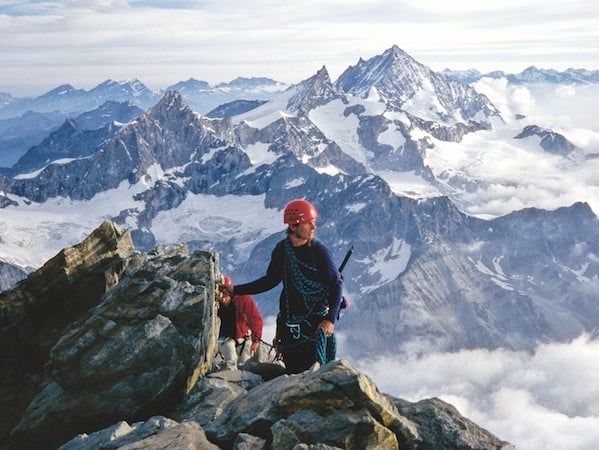
France and Switzerland are generally very safe destinations for LGBTQ travelers. Same-sex marriage is legal in both countries, and anti-discrimination protections are established in national law. Major cities such as Paris, Lyon, Zurich, and Geneva have visible LGBTQ communities, inclusive nightlife, and Pride events. Public attitudes are broadly accepting, particularly in urban areas. As anywhere, discretion may be wise in more rural regions, but most LGBTQ visitors experience both countries as welcoming, orderly, and comfortable places to travel openly.
Conclusion
Travel safety for LGBTQ people is not about limiting where you go—it’s about understanding the landscape before you arrive. Laws, cultural attitudes, and enforcement vary widely across the globe, and those differences matter. In some destinations, you can move freely and openly. In others, discretion is essential. The key is preparation: research current laws, monitor travel advisories, identify affirming accommodations, and stay aware of your surroundings.
At the same time, it’s important to remember that most travel experiences are positive. Countless countries are growing more inclusive each year, and vibrant LGBTQ communities exist on every continent. Smart planning doesn’t shrink your world—it expands it. When you combine awareness with confidence, you gain the freedom to focus on connection, culture, and adventure. The goal isn’t fear. It’s informed exploration.