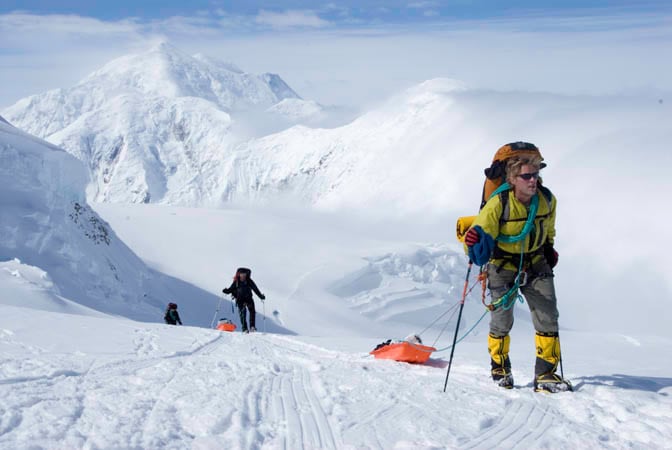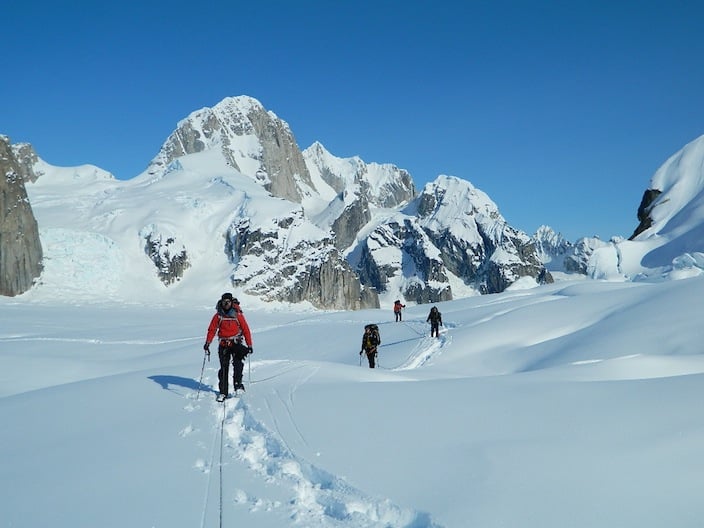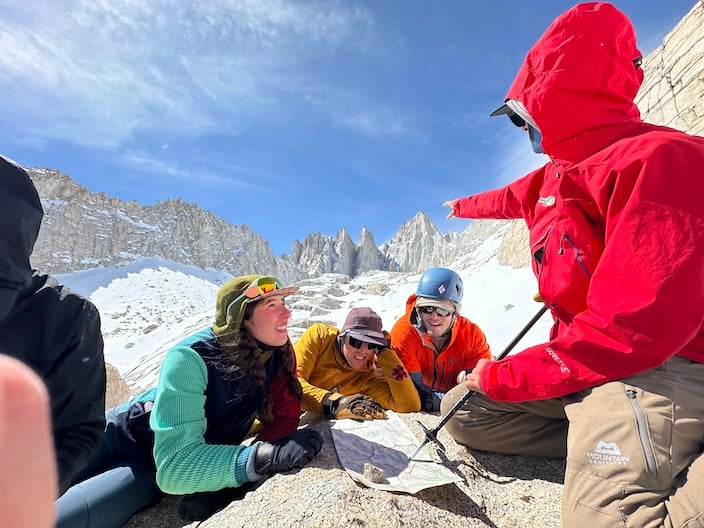


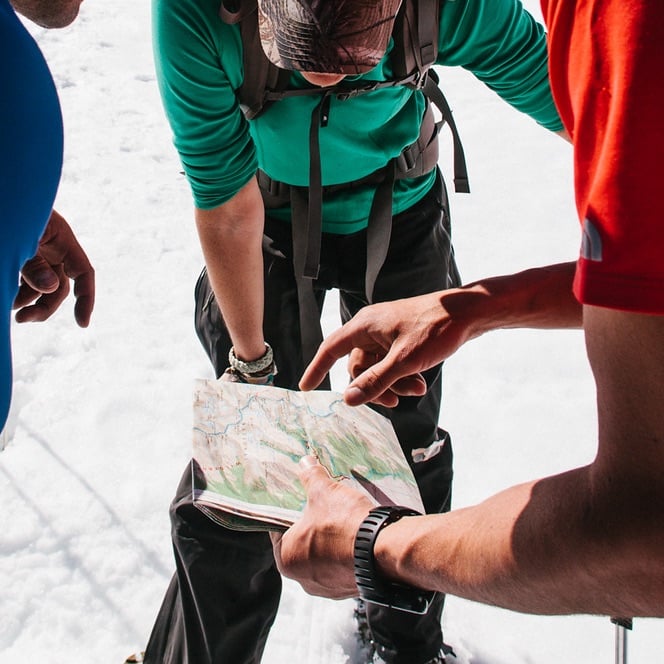












The American Alpine Institute has been guiding Denali since 1980. We have an extremely high success rate, as well as an impressive record for keeping people from injury because we are continually updating our systems. Every season, we look back on the last and try to determine how to make it better. We look back to figure out how we could increase our summit success, without compromising our risk margins.
The following video covers all aspects of our strategy. The article that follows breaks down all the key points.
The key points of the preceding video are as follows:
The Three-Guide System
AAI operates with a three-guide, nine-climber model. This 3:1 ratio provides essential flexibility on the mountain. While some outfitters run smaller guide teams, having three guides allows the expedition to adapt to unforeseen challenges, including illness, injury, or climbers who need to turn back.
There are occasions when we don’t meet the minimum trip numbers (seven climbers) to add a third guide. When this happens, we work hard to be close to other AAI groups in order to have more trip support on the mountain.
When Climbers “Spin”
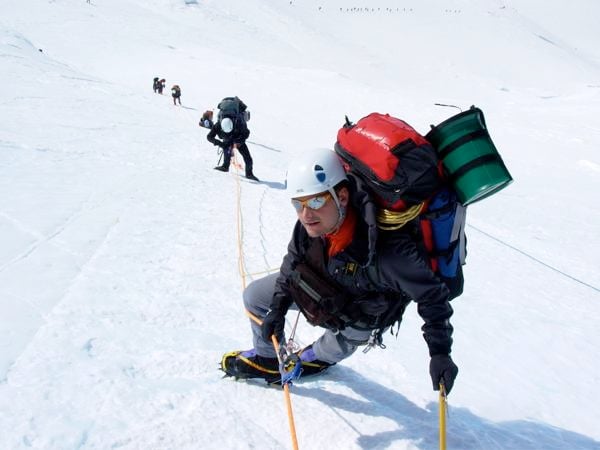
On Denali, climbers may need to “spin,” meaning they turn back either by choice or on a guide’s recommendation. Physical exhaustion, altitude sickness, or difficulty managing the cold are the most common reasons for spinning. The mountain is a multi-week challenge of glacier travel, snow camping, and exposure, and self-management is critical. Climbers who maintain proper nutrition, hydration, layering, and hand and foot care are far more likely to remain on track. Early communication with guides is encouraged to address any emerging issues.
Teamwork on the Mountain
When a climber spins, guides coordinate with other AAI teams—or even with other guiding companies—to ensure safe descents. Junior guides often accompany climbers down first and return to the team once their responsibility is complete. This cooperative approach prioritizes safety and reflects AAI’s philosophy of teamwork and shared responsibility across the mountain.
Summit Strategy
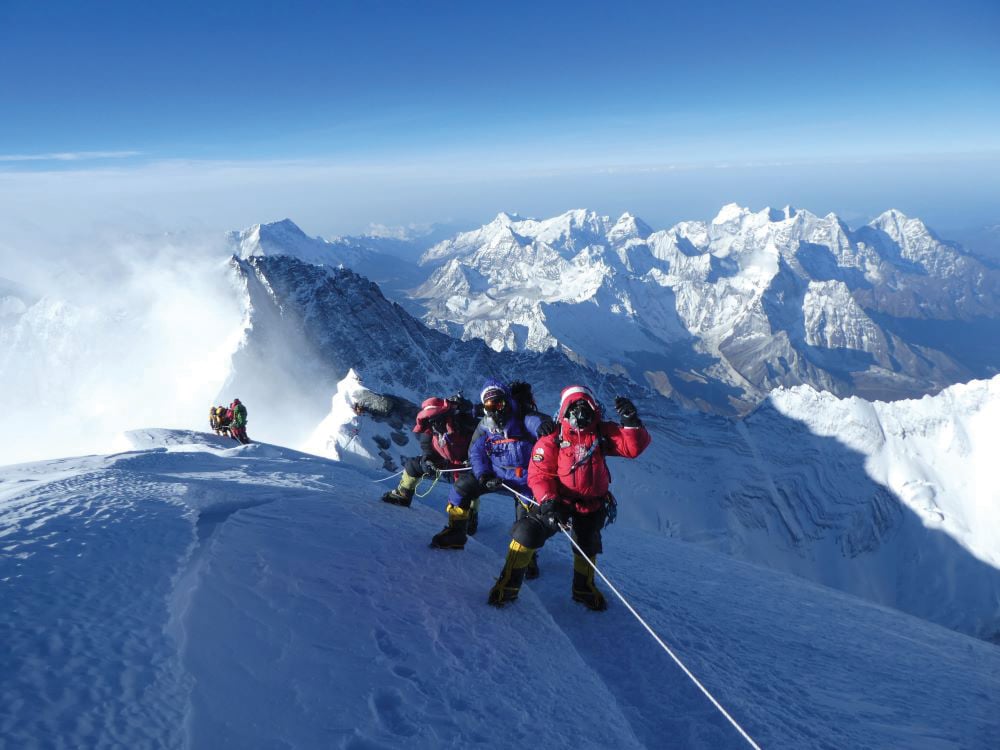
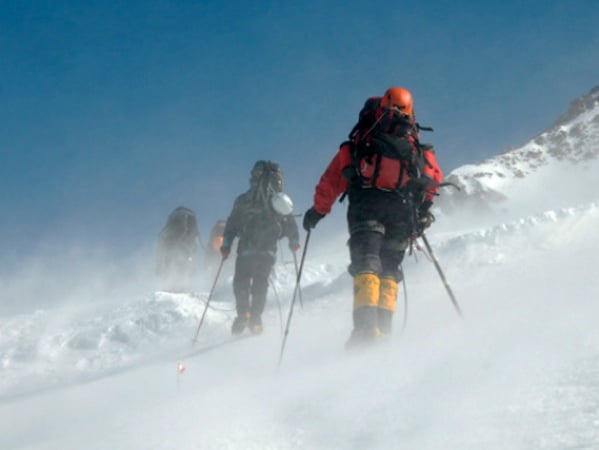
Summit strategy is central to a successful Denali ascent. AAI guides work with a meteorologist to identify optimal weather windows, allowing climbers to safely move from 17,000-foot High Camp to the summit and back. Ideally, teams reach High Camp with time to rest and acclimatize before the final push. While perfect conditions cannot be guaranteed, the goal remains three guides supporting the team, maximizing both the margins of risk and summit success.
A Note about “Mountain Safety”
While AAI has an impressive record on the mountain, that doesn’t mean that mountain climbing is “safe.” Indeed, it is not by any means a conventionally safe activity. There is always the risk of injury, illness or death in a mountain environment.
AAI has an exceptional “safety” record for a mountain like Denali. But the mountain is still dangerous. And, indeed, summit day is a hazardous day. The guides are constantly updating their strategies to first ensure that risks are reasonable. And second, to bring as many to the summit as they can.
However, the guides cannot manage every risk. It is up to everyone to ensure that they are taking care of themselves, managing their fingers, toes and ears, and communicating their needs to the guide staff. Additionally, it is up to each individual to follow advice and directives from the guides. The combination of these things can’t keep you “safe” from everything, but it certainly can increase both you and the rest of the team’s margin of risk.
Conclusion
Climbing Denali requires preparation, communication, and flexibility. The American Alpine Institute’s decades of experience and proven systems offer climbers the best chance to summit while enjoying a structured, supportive experience.
Click here to learn more about Denali with the American Alpine Institute.