














In the mountains, numbers can feel deceptively simple. A climb is labeled “Class 3” or “Grade III,” and suddenly people assume they’ve cracked the code. But these ratings are more like weather forecasts—useful, educated guesses that occasionally get moody. In this article, we’ll break down how class ratings describe the movement you’ll encounter, while commitment grades outline how long you’re likely to be on route. Understanding both systems can help you choose objectives that match your skills and keep reasonable and free of unexpected epics.
In North America we use the Yosemite Decimal System (YDS) to determine how hard a rock climb is. Most people who have spent time in a rock gym understand what a 5.7 or a 5.8 is supposed to feel like. But where did the number five come from?
Climbing Class and Yosemite Decimal System
Initially, the system was designed to break down how hard it was to ascend a feature. The class system works its way from an easy trail up into roped climbing. The following describes the terrain and what to expect.

Once a climber reaches fifth class, the system breaks down more. YDS climbing grades start with 5.0. They go from there to 5.1, 5.2, 5.3, etc. Once they hit 5.10, they break down even more. It goes 5.10a, 5.10b, 5.10c, 5.10d, 5.11a, and so on. As of this writing, the hardest grade in the world is 5.15d. But the system is open ended and some day there will be a 5.16a.

Some guidebooks use 5.10+ or 5.11-. This often can be connected to a letter grade, but not always. If you see this in a route description, refer to the section in the guidebook entitled, “how to use this book.” Often this will provide additional information on what the plus or minus means in that specific location.
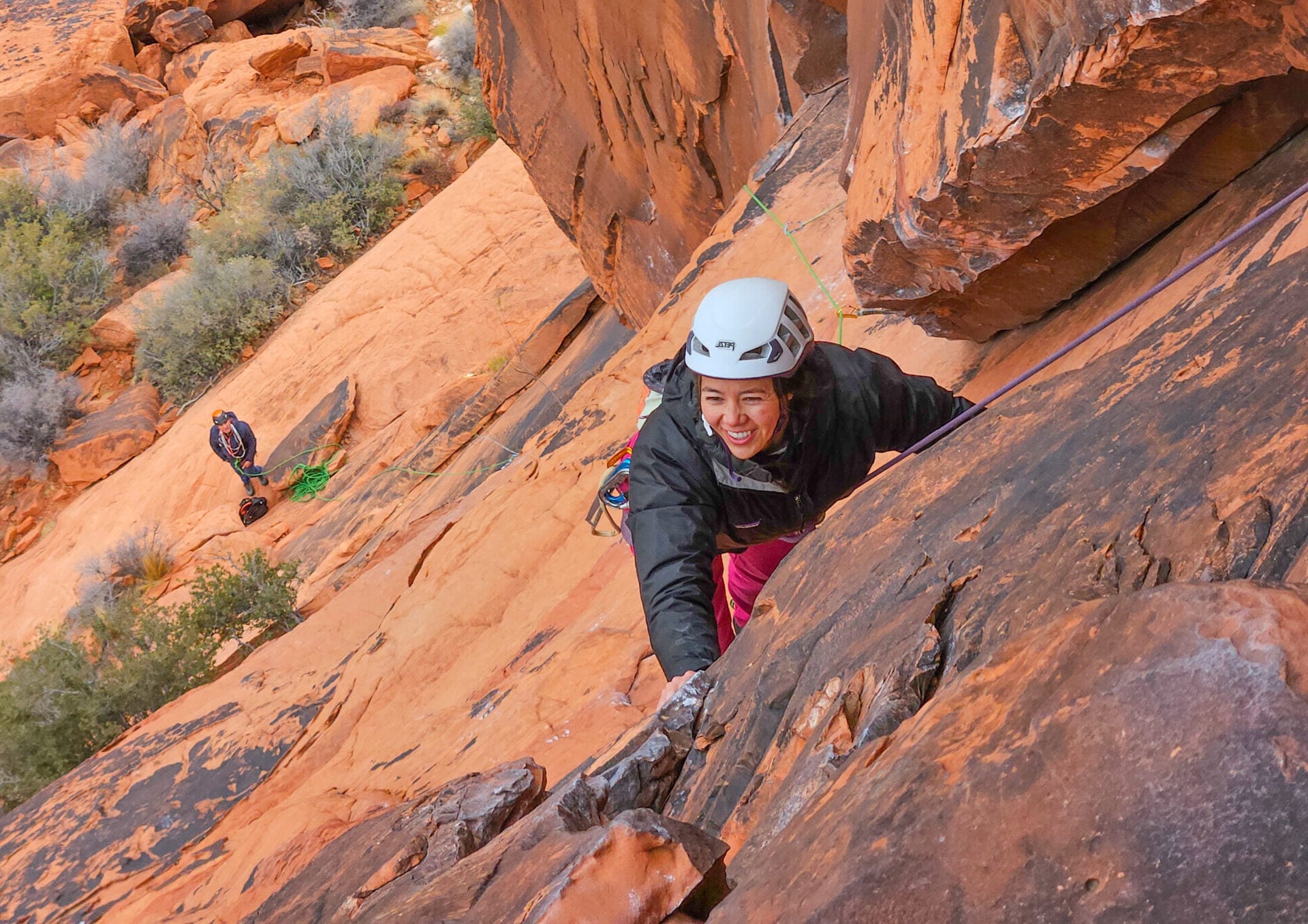
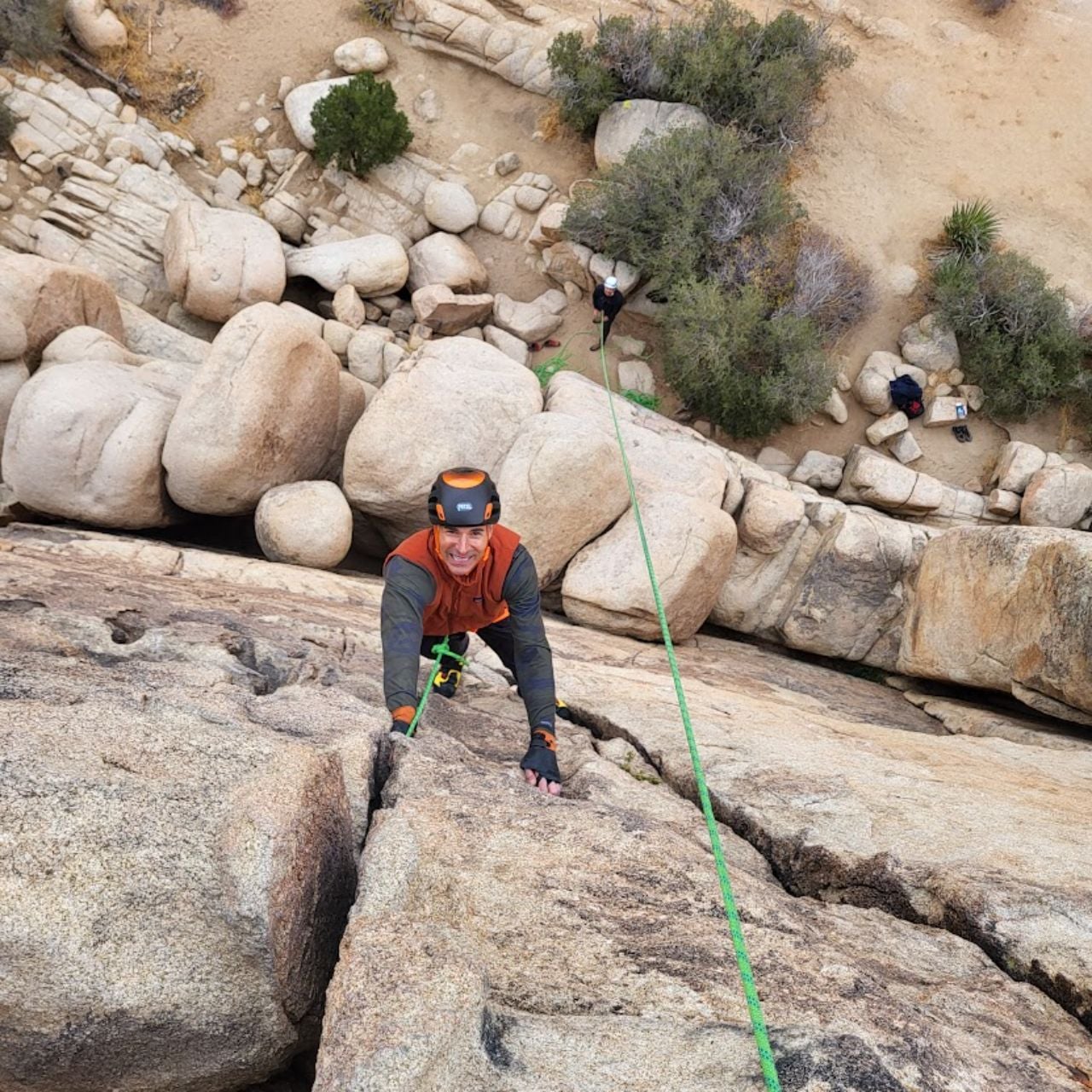
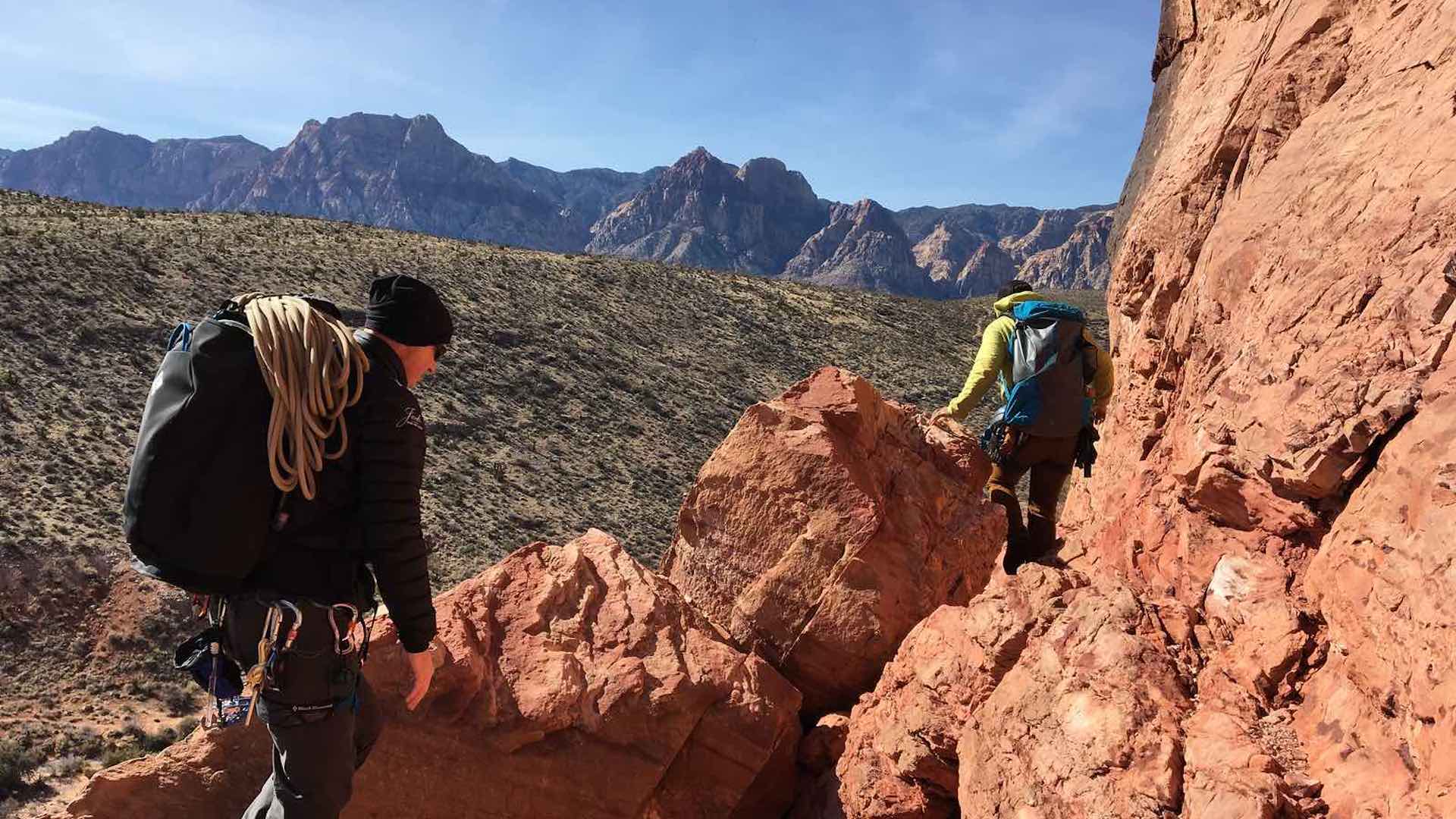
It should be noted that climbing grades can be subjective. What is considered a 5.9 in Joshua Tree National Park, might be considered a 5.10c in Red Rocks. The grades in Joshua Tree are often considered to be “hard.” This is the opposite of Red Rock, where the grades are considered to be “soft.” As such, there’s always value in warming up on something that looks like it will be easy when you visit a new area.
Finally, sometimes there’s another grade in the North American System. Based on the movie rating system, these should be thought of as “risk grades.” In other words, they give you an idea of how hazardous a route might be.
- PG – ‘parental guidance’: there’s protection, but the route may be run-out.
- R – ‘restricted’: In the event of a fall, injury is likely.
- R/X – A fall could result in serious injury or possible death.
- X – ‘adult audience’: A fall is likely to be fatal.
Commitment Grades
Climbing commitment grades use Roman numerals (I-VII) to indicate the time and effort required for a route, not just the technical difficulty. Grade I is a short, few-hour route, while Grade V and above signifies a multi-day expedition that likely requires overnight stays on the wall, with Grade VII reserved for highly remote and challenging routes.

Grade VII is suirrely. These are certainly highly technical routes that take a long time to climb. But some say they also have to be extremely remote. That said, it’s probably not worth arguing about because so few people climb routes with this kind of commitment.
There are several problems with this system. The first and biggest is that not all climbers are built the same. Some people will be able to climb long committing routes in a couple of hours, whereas others may take days. Consider the Nose on El Capitan in Yosemite. This Grade VI route takes most parties four days. But it has been done in less than three hours by professional climbers.
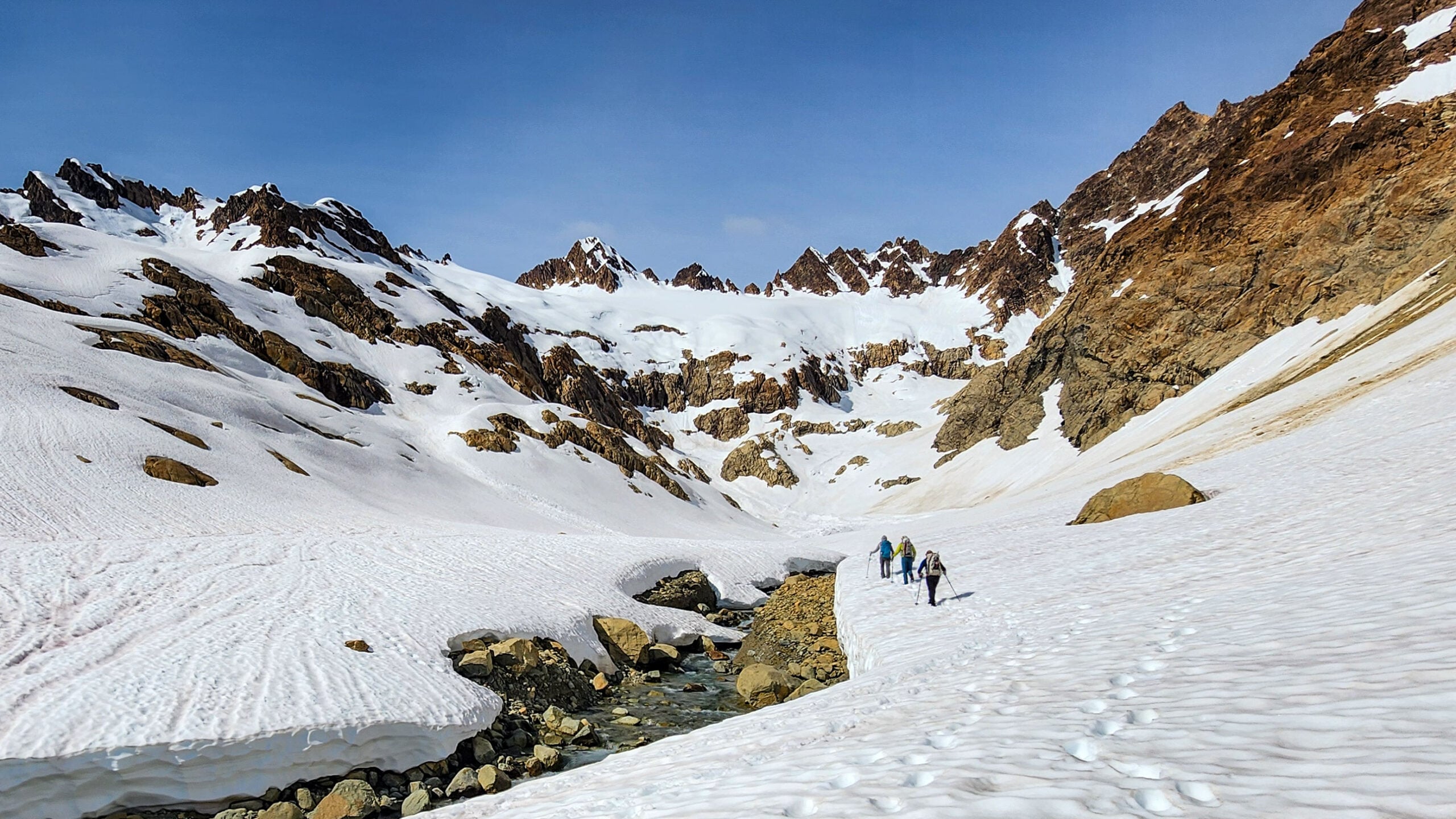
The other problem with this system — especially for alpine climbers — is that the system doesn’t take approaches or descents into account. In places like the Cascades, the Sierra, the Rocky Mountains or the Alaska Range, it may take several days to complete a Grade III route because of the approach difficulties.
There are clearly issues with both the class and grade system. And there have been efforts to reform them in order to get them to make more sense. But unfortunately, none of those efforts really made any headway.
For better or worse, these are the systems that we have…